Improving thermal efficiency of sliding glass doors in your home
By Housey · Last reviewed 1st of June 2026
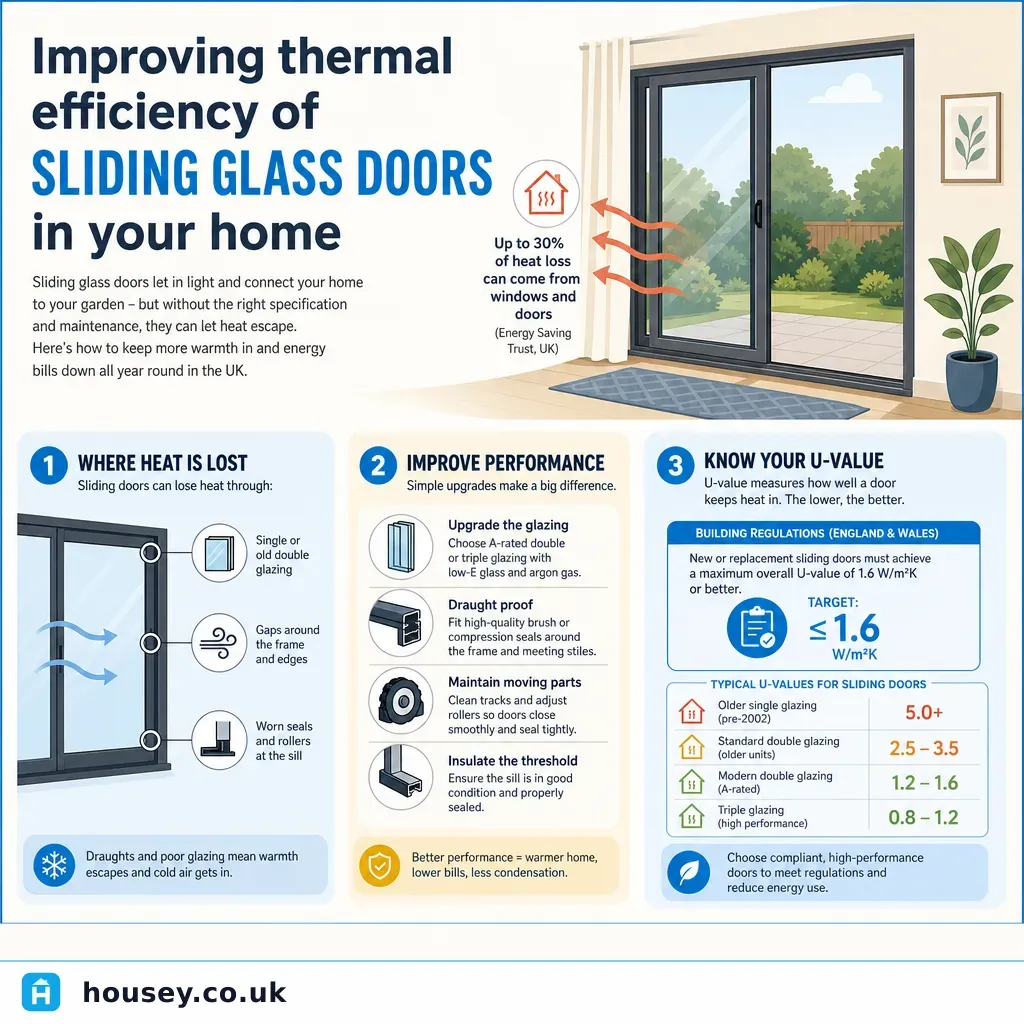
Improving thermal efficiency of sliding glass doors in your home
Sliding glass doors are a significant source of heat loss in UK homes — the large glazed panels typical of patio and garden-access doors create a thermal pathway between the heated interior and the outside air that smaller windows do not match. As energy prices have risen and retrofit awareness has grown, more homeowners are examining whether their sliding doors are contributing to high bills, cold spots near the floor, and excessive condensation on interior glass surfaces.
Key points
- A single-glazed sliding door panel can have a U-value of 5.0–5.8 W/m²K; a modern double-glazed unit with a thermally broken frame typically achieves 1.4–1.6 W/m²K, and triple glazing can reach below 1.0 W/m²K.
- Building Regulations Part L (England) sets a maximum whole-door U-value of 1.4 W/m²K for replacement doors in existing dwellings; Scotland's Technical Handbook Section 6 and Wales's Technical Guidance Document L set comparable standards.
- FENSA or CERTASS registration is required for installers fitting replacement glazed doors in England and Wales; without this, the work must be notified to local authority building control before it begins.
- Thermally broken aluminium frames — where a polyamide strip separates the inner and outer frame sections — reduce conductive heat loss significantly compared with unbroken aluminium, which has a thermal conductivity of approximately 160 W/mK.
- Draught-sealing a sliding door by replacing worn brush seals and compression seals typically costs £50–£200 installed (Indicative UK costs, last reviewed 2026-06-01) and is usually the most cost-effective first step before committing to full replacement.
How heat escapes through sliding glass doors
Heat loss through a sliding door occurs via three distinct mechanisms, and addressing only one rarely produces the full improvement a homeowner expects.
Conduction through the glazing unit is the largest loss pathway. The glass itself and — more significantly — the edge seal and spacer bar around a double-glazing unit transmit heat from the warm interior to the cold exterior. Warm-edge spacers, made from materials with lower thermal conductivity than traditional aluminium spacer bars, reduce this edge-seal loss and lower the risk of condensation forming around the perimeter of the glass.
Conduction through the frame varies substantially by material. Unbroken aluminium frames conduct heat very rapidly. Thermally broken aluminium, UPVC, and timber frames all perform considerably better. On older aluminium sliding doors — common in UK homes built between 1960 and 1990 — the frame itself can contribute as much heat loss as the glazing unit.
Air infiltration through gaps in the brush seals, the meeting stile between the fixed and sliding panels, and around the perimeter of the frame often accounts for a substantial proportion of real-world heat loss even when the glazing unit performs well on paper. A simple draught test with a lit incense stick on a windy day frequently reveals air movement that is not apparent by touch alone.
Comparison: sliding door thermal improvement options
Option | Approximate cost (Indicative, last reviewed 2026-06-01) | Whole-door U-value achievable | Best for | Main limitation |
|---|---|---|---|---|
Draught seal replacement | £50–£200 installed | No change to glazing U-value | Reducing air infiltration as a first step | Does not improve glazing or frame performance |
Secondary glazing panel | £150–£400 per panel | Combined system ~1.0–1.5 W/m²K | Listed buildings, conservation areas, budget retrofit | Reduces ease of use; some sliding tracks are affected |
Double-glazed unit replacement (same frame) | £200–£600 per panel | ~1.4–1.6 W/m²K | Modern frames in good structural condition | Frame must be compatible; older aluminium frames rarely accept modern units |
Full replacement — UPVC or thermally broken aluminium | £1,200–£3,500 installed | 1.2–1.4 W/m²K | Best long-term improvement; Part L compliance | Higher upfront cost; building control notification or FENSA registration required |
Full replacement — triple glazing | £2,000–£5,000+ installed | Below 1.0 W/m²K | Maximum performance; noise and condensation reduction | Premium cost; increased door weight requires structural compatibility check |
Costs are indicative only and vary by region, door size, and installer. Obtain at least three quotes before committing.
Building Regulations requirements for replacement doors
When you replace a sliding glass door in England — even on a like-for-like basis — the replacement must comply with Building Regulations Part L (Conservation of Fuel and Power). The key requirements are:
- Maximum whole-door U-value of 1.4 W/m²K (frame plus glass combined, not just the centre pane).
- Work carried out by a FENSA-registered or CERTASS-registered installer is self-certified; the installer issues a compliance certificate within 30 days of completion, which you should retain for conveyancing purposes.
- If using a non-registered installer, notify your local authority building control department before work begins. Application fees typically range from £150–£300.
- In Scotland, Technical Handbook Section 6 applies; in Wales, Technical Guidance Document Part L.
- Conservation areas and listed buildings may carry additional restrictions — check with your local planning authority before ordering replacement units, as permitted development rights do not automatically apply in all conservation areas.
Homeowner checklist: assessing your sliding door's thermal performance
Use this checklist to identify where improvement will have the most impact before committing to expenditure.
Grants and funding for glazing upgrades
Glazing replacement is not always eligible for mainstream UK grant schemes. The Great British Insulation Scheme (GBIS) and ECO4 focus primarily on insulation, heat pumps, and boiler upgrades rather than window and door replacement. However, some routes may apply:
- ECO4 Flexible Eligibility: Local authorities can include glazing works where a property's overall energy performance is being addressed as part of a broader improvement package. Contact your local council's energy team for current details.
- Means-tested routes: ECO4 primarily targets households in fuel poverty. The Energy Saving Trust helpline can advise on current scheme eligibility without obligation.
- Heritage properties: Historic England's guidance on energy efficiency for historic buildings covers glazing options compatible with conservation requirements, including secondary glazing as a preferred alternative to full replacement in listed buildings where the character of the original joinery must be preserved.
When to get professional help
If draught-sealing has not resolved condensation or cold-spot problems, or if a thermal imaging survey reveals significant heat loss through the frame as well as the glass, the door is likely to require replacement rather than remediation. An energy-efficiency consultant can carry out a fabric-first assessment, identify the measured or estimated U-values of your existing doors, and advise on the most cost-effective sequencing of improvements within your home's overall energy strategy.
Consider professional assessment if:
- You are planning a wider retrofit project and want to understand the door's contribution to total heat loss relative to the roof, walls, and floor.
- Your property is in a conservation area or is listed, where replacement unit specifications may require negotiation with the local planning authority.
- The existing frame shows condensation damage, rot (timber), or corrosion (aluminium) that may compromise the performance of a replacement glazing unit fitted into the same frame.
- You are considering triple glazing and need to verify that the structural opening and existing roller mechanism can accommodate the increased unit weight safely.
How Housey can help
An energy-efficiency consultant can assess your sliding door's current thermal performance and identify whether draught-sealing, unit replacement, or full door replacement offers the best return. An insulation assessment can place the door upgrade within a whole-house retrofit plan to avoid sequencing improvements in the wrong order. When replacement is recommended, a qualified window and door installer can carry out FENSA-registered work to current Part L standards. Use Housey to compare quotes from vetted local professionals.
Frequently asked questions
Do sliding glass doors lose more heat than standard windows?
Sliding glass doors typically cover a larger area than most windows in the same property, so total heat loss is often greater even if the U-value per square metre is similar. The floor-to-ceiling glazing common in patio door configurations also creates a larger temperature differential at low level, where occupants feel the cold most acutely.
Can I improve a sliding door's thermal performance without replacing it?
Yes, to a degree. Replacing worn brush seals and compression seals reduces air infiltration. Secondary glazing panels fitted to the interior side can improve the overall thermal performance of the assembly to a combined U-value of approximately 1.0–1.5 W/m²K without replacing the door. However, secondary glazing affects ease of daily use and is most suitable for listed or conservation-area properties where replacement is restricted.
What U-value should a replacement sliding door achieve?
Building Regulations Part L in England requires a maximum whole-door U-value of 1.4 W/m²K for replacement doors in existing dwellings. Most installers specify units with a centre-pane U-value of 1.0–1.2 W/m²K; the frame and edge seal increase the whole-door figure. Always ask for the whole-door U-value, not just the glass specification, when comparing quotes.
Is triple glazing worth it for a sliding patio door?
Triple glazing can achieve whole-door U-values below 1.0 W/m²K and reduces condensation risk significantly. The payback period on energy savings alone is typically long, but triple glazing also reduces noise transmission. The increased weight of the unit must be compatible with the door frame and roller mechanism; confirm this with the installer before ordering.
Will improving my sliding door's glazing affect my EPC rating?
An EPC is based on the Standard Assessment Procedure (SAP). Replacing single glazing or early double glazing with a modern unit meeting Part L requirements will typically improve the EPC rating. A new certificate must be issued by an accredited assessor after any significant fabric improvement for the change to be reflected in your property's formal rating.
Sources and further reading
- Building Regulations Part L: Conservation of Fuel and Power — GOV.UK
- FENSA: Fenestration Self-Assessment Scheme — FENSA
- Windows and doors — energy saving guidance — Energy Saving Trust
- ECO4 scheme and Great British Insulation Scheme — GOV.UK
- Energy efficiency and historic buildings — Historic England
Useful next reads
 Energy & Retrofit
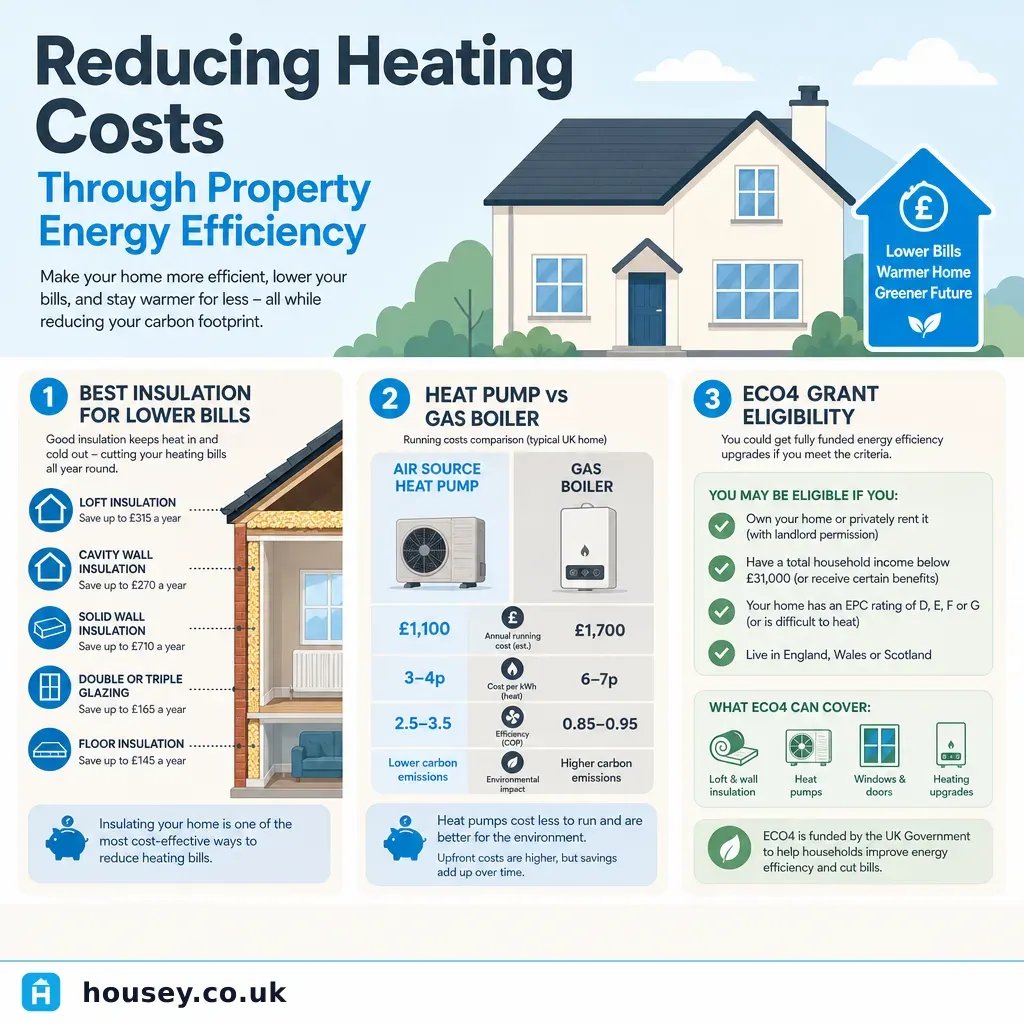
Reducing Heating Costs Through Property Energy Efficiency
Reducing heating costs starts with identifying where heat is lost — typically walls (30–35%), roof (20–25%), and windows.
 Energy & Retrofit
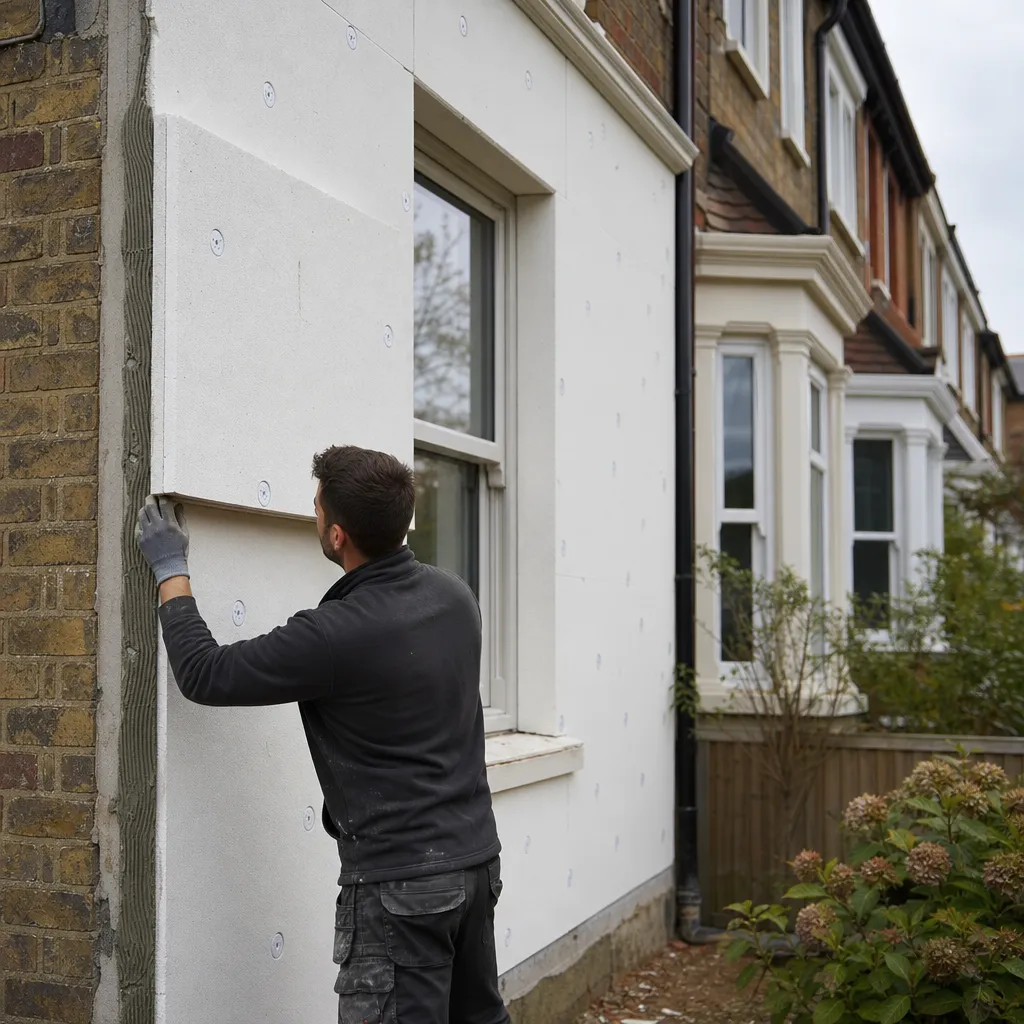
High-Performance Wall Insulation Systems for UK Homes
UK homes use three main wall insulation systems: external wall insulation (EWI), internal wall insulation (IWI), and cavity wall insulation (CWI).
 Energy & Retrofit
Making your home resilient to climate change: practical strategies
UK homeowners can improve climate resilience by addressing flood risk, overheating, and energy efficiency together.
 Energy & Retrofit
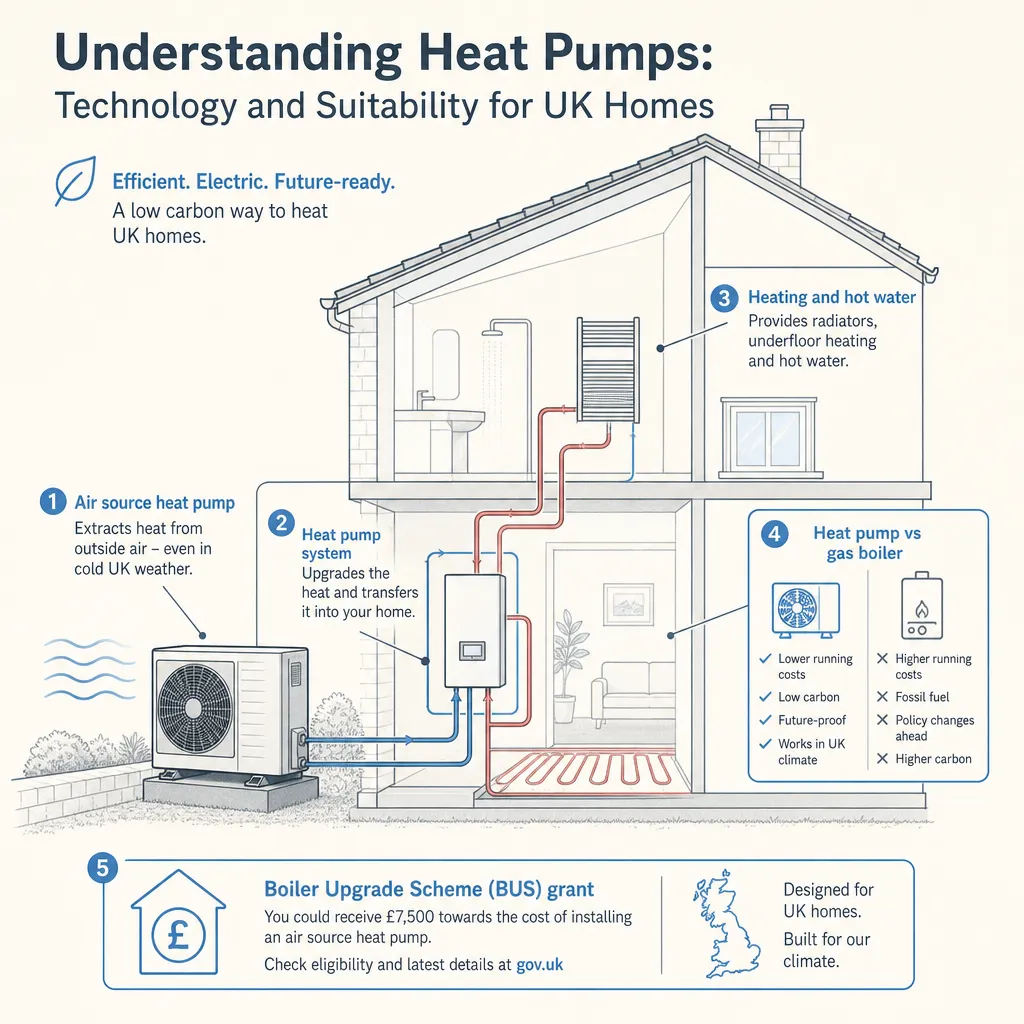
Understanding Heat Pumps: Technology and Suitability for UK Homes
Heat pumps extract heat from the air or ground and transfer it indoors, typically achieving efficiencies of 250–400% compared to a conventional boiler's near 100%.
 Energy & Retrofit
Professional Home Energy Assessment: Understanding Your Property's Efficiency
A professional home energy assessment goes beyond an EPC to evaluate how your property loses heat, where insulation is inadequate, and what improvements should be made in what order.