Installing a Plunge Pool: Design, Installation and Costs
By Housey · Last reviewed 8th of May 2026
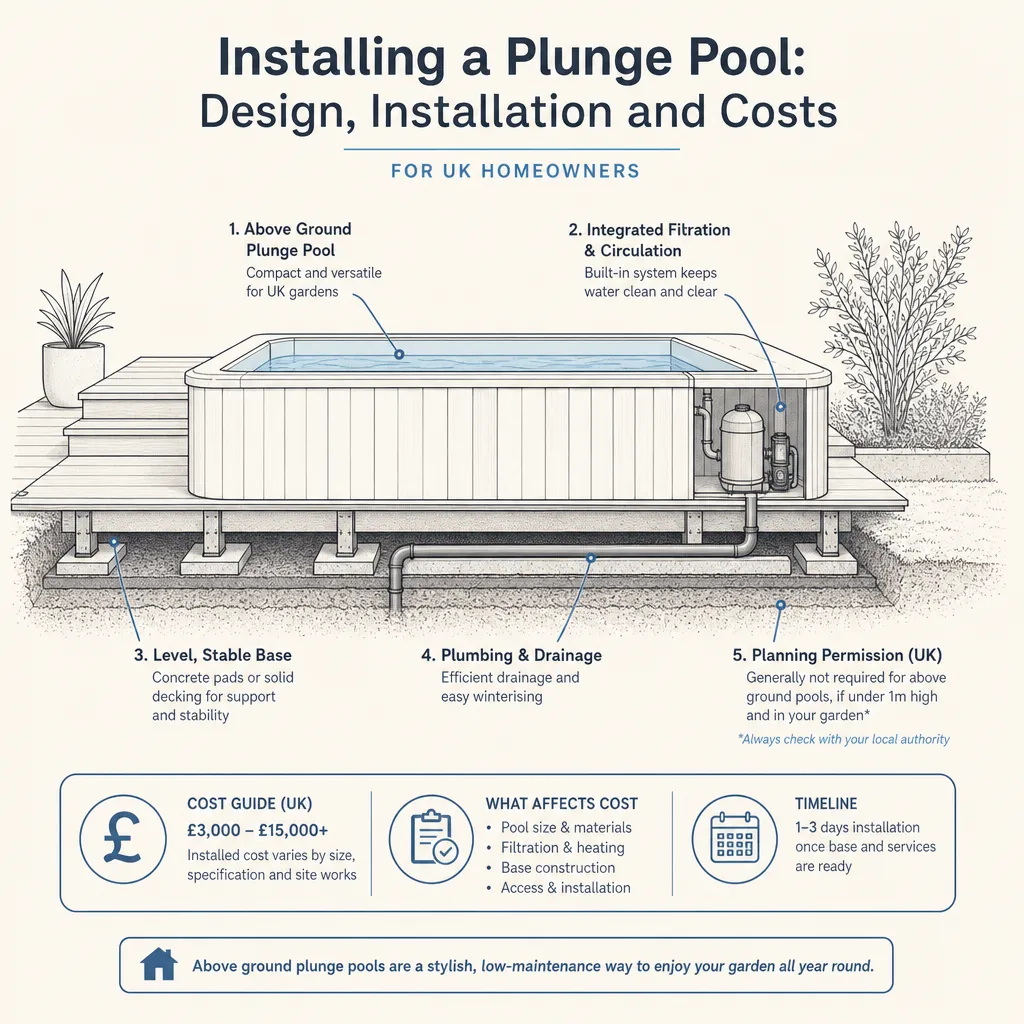
Installing a Plunge Pool: Design, Installation and Costs
Interest in residential plunge pools has grown considerably in the UK, driven partly by wellness trends and partly by the availability of modular pool systems that can be installed in days rather than months. Whether you are drawn to the idea for cold-water therapy, a distinctive garden feature, or a compact swimming option, the practical decisions — type, size, location, drainage, heating, and planning — matter as much as the design aesthetic. Understanding what is involved before you commit to a contractor will save time, money, and frustration.
Key points
- Plunge pools typically measure 2.4–4.5m in length and 1.2–2m in depth, making them suitable for most medium-to-large UK gardens.
- Above-ground modular plunge pools typically cost £8,000–£15,000 installed; in-ground concrete or stainless steel pools typically cost £20,000–£35,000+ (Indicative UK costs, last reviewed 2026-05-08).
- Planning permission is not usually required for a domestic swimming pool or plunge pool under permitted development, but rules differ for listed buildings and conservation areas.
- All associated electrical work must be carried out by a Part P-registered electrician; pool electrical installations must comply with BS 7671 IET Wiring Regulations and Building Regulations Part P.
- Ongoing running costs — heating, filtration, water treatment, and annual maintenance — should be factored into the decision alongside installation costs.
What is a plunge pool?
A plunge pool is a compact, typically deep pool designed for immersion rather than lap swimming. The defining characteristics are:
- Size: usually 2.4–4.5m long and 1.2–1.8m wide — significantly smaller than a standard swimming pool (8m+).
- Depth: often 1.2–2m, suitable for standing, sitting, or cold immersion.
- Temperature: plunge pools can be heated like a small swimming pool or kept cold for cold-water therapy.
- Location: most UK installations are in rear gardens, though compact above-ground units can fit on terraces or in indoor wellness spaces.
The distinction from a hot tub is primarily depth, temperature range, and scale. Plunge pools are generally larger and cooler than hot tubs, and are often used alongside a sauna or steam room as part of a home wellness setup.
Types of plunge pool
Choosing the right type depends on budget, timeline, garden size, and intended use.
Type | Typical installed cost | Installation time | Best for | Main limitation |
|---|---|---|---|---|
Above-ground modular (GRP fibreglass or stainless steel) | £8,000–£15,000 | 1–3 days | Speed, rental properties, potential relocation | Visibility, planning in some locations |
In-ground fibreglass shell | £15,000–£25,000 | 1–2 weeks | Good-value in-ground option | Limited shape customisation |
In-ground concrete (gunite or shotcrete) | £25,000–£50,000+ | 6–12 weeks | Fully bespoke shape and specification | Cost, timescale, groundworks complexity |
Modular stainless steel (in-ground) | £20,000–£35,000 | 2–4 weeks | Precision finish, longevity | Higher upfront cost |
Swim-spa hybrid | £12,000–£25,000 | 1–3 days (above-ground) | Exercise plus plunge combined | Running costs, bulkier form factor |
Indicative UK costs, last reviewed 2026-05-08. Costs vary by region, ground conditions, and specification. Always obtain at least three quotes.
Do you need planning permission?
In England, domestic swimming pools and plunge pools are generally treated as permitted development under Schedule 2, Part 1 of the Town and Country Planning (General Permitted Development) (England) Order 2015. This is not automatic in all circumstances.
Permitted development usually applies if:
- The pool is within the curtilage of a dwellinghouse.
- The total area of the pool and any associated outbuildings does not exceed 50% of the original garden area.
- The pool is not in front of the principal elevation.
You may need planning permission if:
- The property is listed (listed building consent is likely required).
- The property is in a conservation area, National Park, or Area of Outstanding Natural Beauty.
- The associated plant room, pump housing, or cover structure exceeds permitted development limits.
- You are in Scotland, Wales, or Northern Ireland — different planning regimes apply.
Always confirm with your local planning authority before committing to design and groundworks. The Planning Portal provides an interactive guide for England and Wales.
Site survey and ground conditions
Ground conditions are the single biggest variable in plunge pool installation costs. A site survey is strongly recommended before finalising a design or accepting quotes.
What a site survey typically covers:
- Soil type and bearing capacity (clay, sandy, made ground, or rock).
- Proximity to drainage runs, services, and existing foundations.
- Level changes and machinery access for excavation.
- Water table depth — a high water table significantly increases in-ground costs and may make a fibreglass shell preferable to concrete.
- Existing drainage and what is available for pool backwash and emptying.
Groundworkers or specialist pool installers will often include a site visit in their initial assessment, but a formal ground investigation may be advisable for larger or more complex in-ground installations.
Electrical, heating, and drainage requirements
All plunge pools require electrical connections for filtration pumps and, if heated, for heating systems. These are not areas for DIY work.
- Electrical installation: must be designed and installed by a Part P-registered electrician. Pool zones (Zones 0, 1, and 2) have specific IP-rating requirements under BS 7671 IET Wiring Regulations — failure to comply can be life-threatening.
- Heating options: air-source heat pumps are the most energy-efficient choice for UK conditions and lower running costs; electric resistance heaters cost less upfront but more to run; gas heaters must be installed by a Gas Safe registered engineer.
- Filtration: a circulation pump and filter sized appropriately for the pool volume. Cartridge filters are common for small plunge pools; sand or diatomaceous earth filters are used in larger installations.
- Drainage: pool backwash and emptying must comply with local water authority requirements. Discharge to surface water drains may require consent from the local authority or sewerage undertaker — check before installation.
What to ask before accepting a quote
- Is the quote based on an actual site visit, or on assumed ground conditions?
- Who will carry out the groundworks, and are they separate from the pool installation contractor?
- What electrical specification is included, and will a Part P-registered electrician certify the installation?
- What is the filtration and heating system specification, and what are the estimated annual running costs?
- What warranty is provided for the pool shell, equipment, and installation?
- What is the drainage plan, and has it been checked against local authority requirements?
- Is VAT included?
- What planning checks have been carried out, and who is responsible if consent is required?
Running costs
Installation cost is only part of the financial picture. Typical UK plunge pool running costs include:
- Heating: an air-source heat pump is the most efficient option; heating a 5,000-litre plunge pool from cold can cost approximately £3–£8 per session depending on starting temperature and current energy tariff.
- Filtration: pump running costs vary by system and usage but are typically £150–£400 per year.
- Water treatment: chemical dosing (chlorine or salt-water systems) typically £200–£500 per year.
- Maintenance: annual servicing and part replacements typically £200–£600 per year.
- Insurance: check whether your home insurance policy needs to be updated to cover a pool; some insurers require notification and may add conditions.
Running cost estimates are indicative, last reviewed 2026-05-08, and will vary with energy tariffs, usage patterns, and pool specification.
When to get professional help
A plunge pool installation involves groundworks, structural excavation, electrical work, and drainage — none of which are suitable for DIY.
- Always use a Part P-registered electrician for pool electrical installations. The regulations around pool zones are specific and non-compliance carries serious safety risks.
- Use a Gas Safe registered engineer if a gas heater is specified — this is a legal requirement.
- Engage a specialist pool contractor rather than a general builder for the pool shell and filtration system. Pool-specific experience matters for waterproofing, equipment specification, and long-term reliability.
- Consider a structural engineer if the site has challenging ground conditions, a high water table, or the pool is close to existing building foundations.
- Seek formal planning advice before committing to a design if the property is listed or in a conservation area.
How Housey can help
Housey can connect you with experienced groundworkers for site preparation and excavation, as well as design-and-build firms who manage the full plunge pool installation from initial design through to handover.
Frequently asked questions
How long does it take to install a plunge pool in the UK?
Above-ground modular plunge pools can be installed in 1–3 days once site preparation is complete. In-ground fibreglass shells typically take 1–2 weeks. Bespoke in-ground concrete pools involve 6–12 weeks of groundworks, shell construction, and equipment fitting. Lead times for pool shell delivery can add several weeks to any project timeline, so early ordering is advisable.
Does a plunge pool add value to a UK home?
A plunge pool may add appeal to certain buyers, particularly in higher-value properties, but it can also narrow the buyer pool or complicate mortgage valuations. There is no consistent evidence of a predictable percentage uplift in UK property values. Speak to a local estate agent before making the decision on value grounds alone, and factor in ongoing maintenance costs.
Can a plunge pool be heated in the UK climate?
Yes. An air-source heat pump is the most efficient heating method for UK conditions and can maintain a set temperature year-round. Pool heat pumps perform best above 5°C ambient air temperature, so output reduces in winter but remains workable for a well-insulated pool. Gas heaters provide faster heat-up times but at higher running costs and must be fitted by a Gas Safe registered engineer.
Do I need a fence around a plunge pool?
There is no statutory fencing requirement for private domestic pools in England equivalent to those in Australia or the USA. However, if children have access to the garden, RoSPA and the Pool Water Treatment Advisory Group strongly recommend safety barriers, pool covers, and alarms as minimum precautions. Some home insurers may require safety measures as a condition of maintaining cover.
What is the difference between a plunge pool and a swim spa?
A swim spa uses a jet system to create a current for stationary swimming, typically in a 4–6m above-ground unit. A plunge pool is generally deeper and designed for immersion or cold therapy rather than swimming against a current. Plunge pools can be above or in-ground. Costs, running costs, and planning considerations differ between the two types.
Sources and further reading
- Planning Portal: Swimming pools — Planning Portal
- GOV.UK: Planning permission — GOV.UK
- IET Wiring Regulations BS 7671 — IET
- Pool Water Treatment Advisory Group (PWTAG) guidance — PWTAG
- Gas Safe Register: Find a registered engineer — Gas Safe Register
- RoSPA: Home pool water safety — RoSPA
Useful next reads
 Improvement & Build
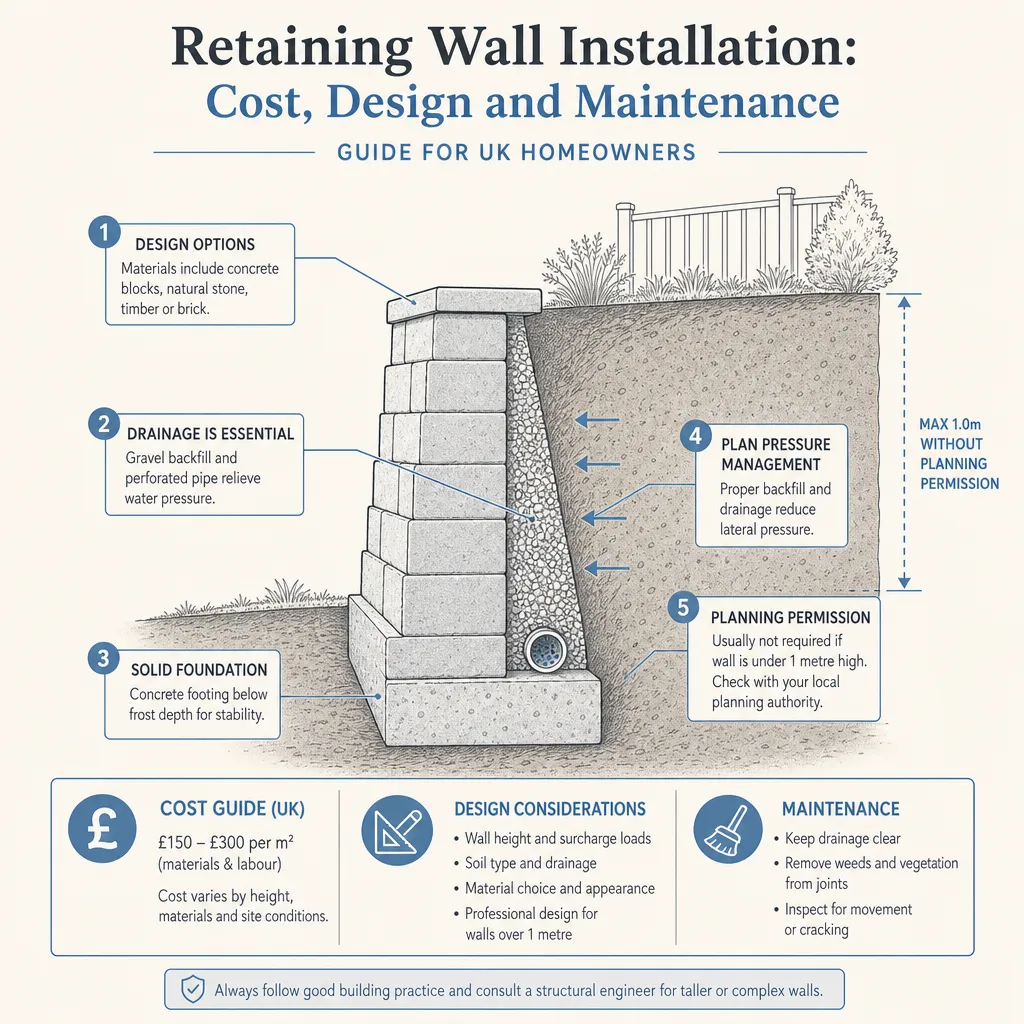
Retaining Wall Installation: Cost, Design and Maintenance
A retaining wall holds back soil on a sloped or banked site.
 Improvement & Build
Installing a Fire Pit: Garden Features and Outdoor Space Design
Installing a garden fire pit in the UK is generally permitted, but Smoke Control Area rules prohibit open wood-burning in most towns and cities.
 Improvement & Build
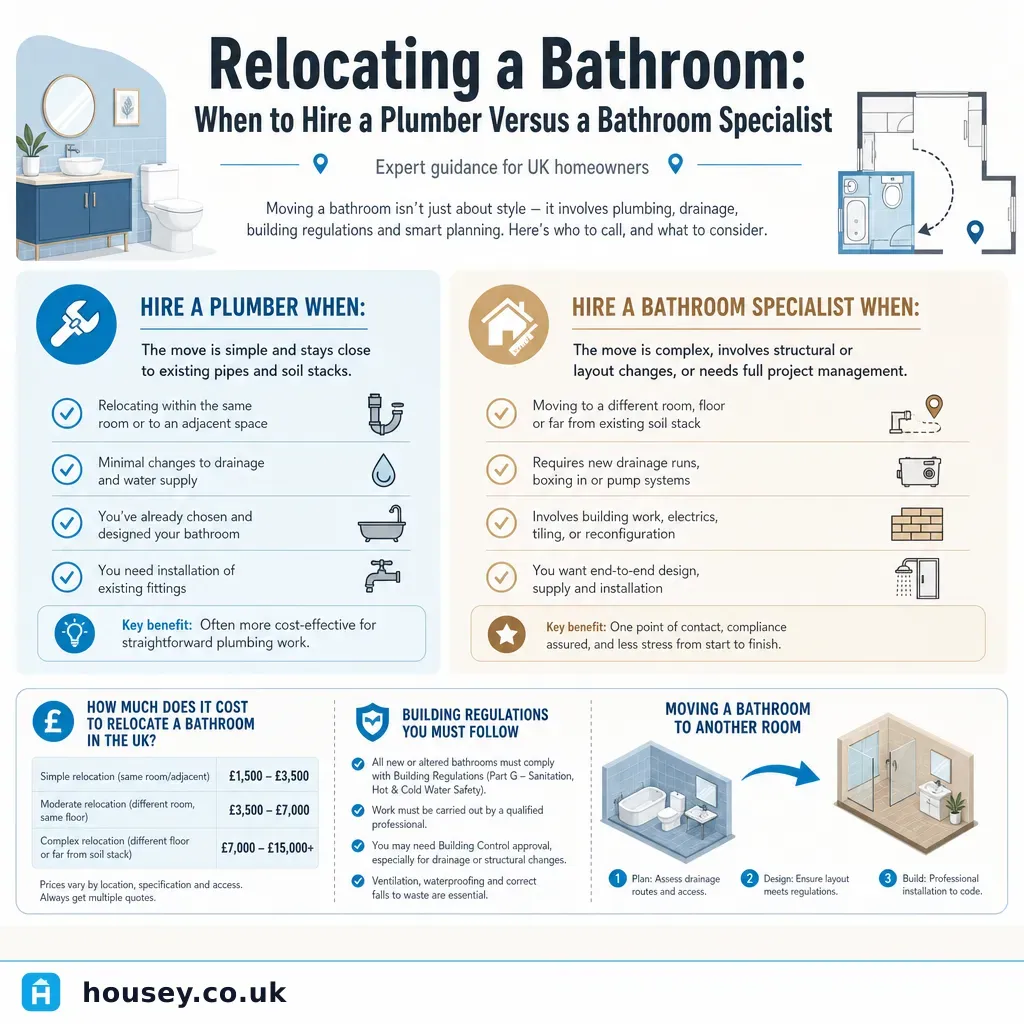
Relocating a Bathroom: When to Hire a Plumber Versus a Bathroom Specialist
Relocating a bathroom usually requires both a qualified plumber for pipework and drainage and other specialist trades for electrics, tiling, and finishes.
 Improvement & Build
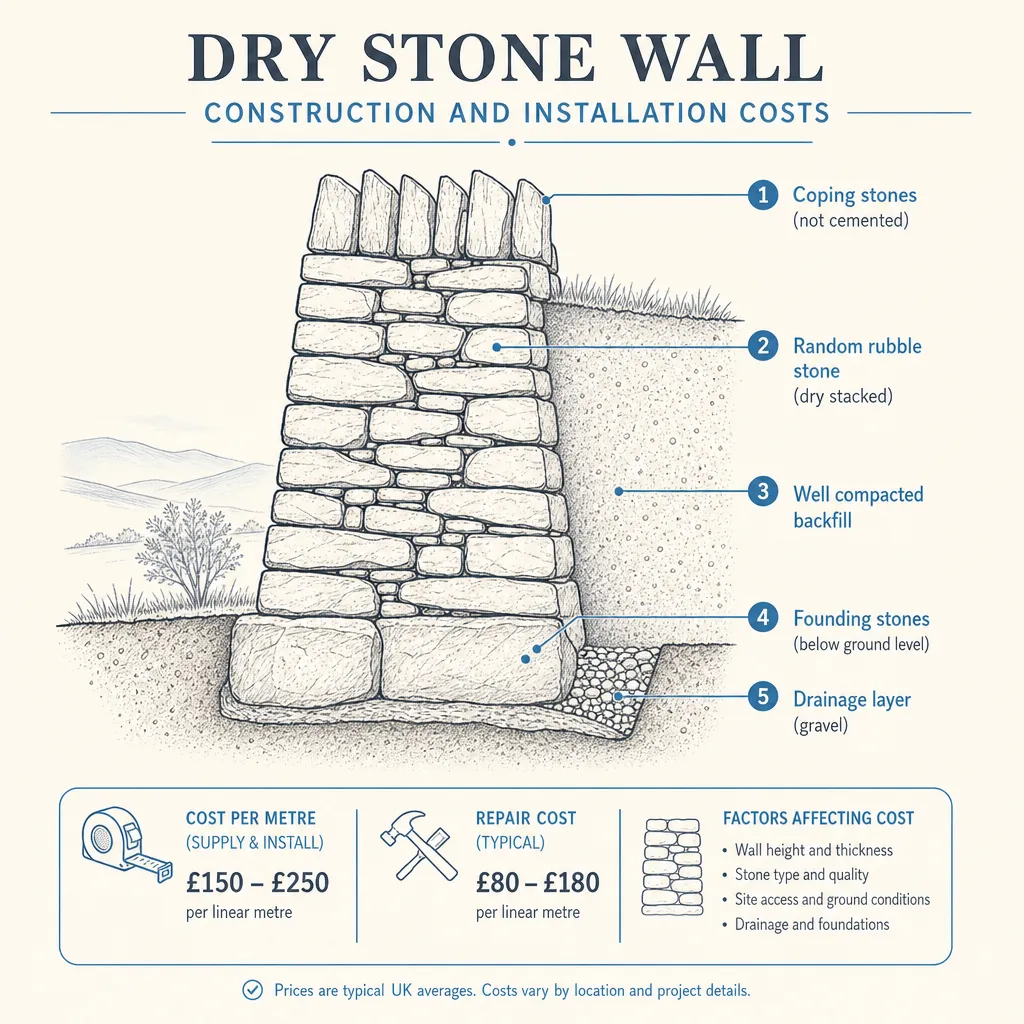
Dry Stone Wall Construction and Installation Costs
Dry stone wall construction in the UK typically costs £150–£350 or more per linear metre for new build, with repairs usually less expensive.
 Improvement & Build
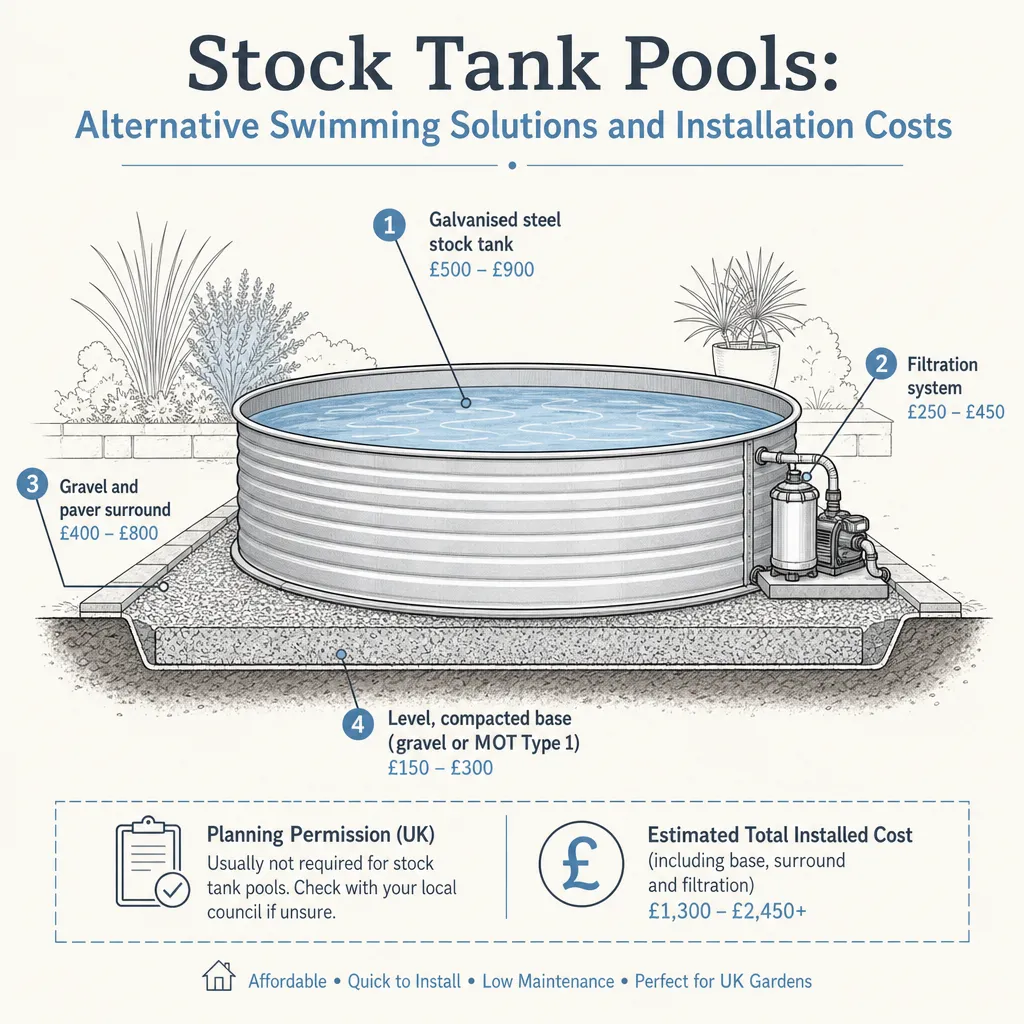
Stock Tank Pools: Alternative Swimming Solutions and Installation Costs
A stock tank pool is a galvanised steel agricultural trough repurposed as a garden plunge or swimming pool.