Interior Painting Costs for Four-Bedroom Properties
By Housey · Last reviewed 6th of May 2026

Interior Painting Costs for Four-Bedroom Properties
Having the interior of a four-bedroom home professionally painted is one of the most common home improvement projects UK homeowners undertake — whether refreshing a tired scheme before a sale, redecorating after a renovation, or updating rooms that have not been touched for years. The total cost depends on far more than floor area: surface condition, paint quality, ceiling heights, number of coats, and whether woodwork is included all drive significant variation between quotes for the same property.
Key points
- Professionally painting the interior of a four-bedroom UK house typically costs £2,500–£6,000 for labour and materials, depending on scope and specification (Indicative UK costs, last reviewed 2026-05-06).
- Surface preparation — filling, sanding, washing, and priming — often accounts for 30–40% of a decorator's time and is the main variable between competing quotes.
- Trade paint (Dulux Trade, Johnstone's, Little Greene) typically costs £8–£25 per litre; professional decorators usually include materials in their quote.
- The hallway, staircase, and landing is typically the most expensive area per square metre in a two-storey home due to access complexity.
- Interior painting and decorating is subject to standard 20% VAT; reduced rates do not apply to standard redecoration.
How much does it cost to paint a four-bedroom house interior?
The table below gives indicative ranges for common scopes in a four-bedroom semi-detached or detached property with standard 2.4m ceiling heights.
Scope | Indicative cost | Notes |
|---|---|---|
Walls only — all rooms, 2 coats | £1,800–£3,500 | Excludes ceilings and woodwork |
Walls + ceilings — all rooms | £2,500–£4,500 | Add £500–£800 for ceilings above 2.6m |
Walls + ceilings + woodwork | £3,000–£6,000 | Full interior repaint, standard specification |
Hallway, stairs, and landing only | £600–£1,200 | Most complex area per m² |
Single bedroom — walls + ceiling + woodwork | £350–£700 | Typical range for a standard double bedroom |
Kitchen or utility — walls + ceiling | £300–£600 | Single-room reference cost |
Indicative UK costs, last reviewed 2026-05-06. Costs vary by region, surface condition, paint specification, and contractor. Always obtain at least three itemised quotes.
What drives the cost differences?
Surface preparation is the single biggest variable. Smooth, well-maintained walls need minimal prep; hairline cracks, damp staining, old textured coatings (Artex), or wallpaper residue may require significant filling, sanding, washing, or a plasterer's skim coat before painting begins. An unusually low quote often means preparation has been reduced or omitted — always ask what prep is included.
Paint specification and quantity: A four-bedroom house typically requires 20–40 litres of emulsion for walls and ceilings, plus separate gloss or satinwood for woodwork. Trade paint delivers better coverage than retail equivalents, reducing the number of coats needed. Confirm whether quotes are supply-and-fix or labour-only.
Number of coats: A standard repaint over a similar colour is usually two coats. Painting a pale shade over dark, or covering newly plastered walls, typically requires a mist coat plus two finish coats, adding time and material cost.
Location: Labour rates in London and the South East are typically 20–40% higher than in the North of England, Midlands, Scotland, or Wales.
Access: Stairwells require scaffold boards or a staircase working platform, adding setup time. Properties with ceilings above 2.6m or ornate corniced architraves carry a similar premium.
Worked example: 1930s four-bedroom semi-detached
A homeowner in the West Midlands is having the full interior repainted before listing the property. Standard 2.4m ceilings, smooth plastered walls in reasonable condition, existing mid-grey colour throughout.
Area | Surfaces | Estimated cost |
|---|---|---|
4 bedrooms | Walls + ceilings | £1,400 |
Living room and dining room | Walls + ceilings + woodwork | £900 |
Hallway, stairs, and landing | Walls + ceiling + woodwork | £900 |
Kitchen and utility | Walls + ceiling | £450 |
Bathroom and en suite | Walls + ceiling | £350 |
Total |
| £4,000 |
The decorator's written quote specifies two coats of Dulux Trade Vinyl Matt on walls and ceilings, two coats of Dulux Trade Satinwood on all woodwork, minor crack filling and sanding, and clearance of dust sheets. Feature walls in contrasting colours and the unfinished loft room are excluded.
What to ask before accepting a quote
Use this checklist when comparing quotes from different decorators.
DIY versus professional: a comparison
| DIY | Professional decorator |
|---|---|---|
Typical cost | £400–£900 (materials only) | £2,500–£6,000 (labour + materials) |
Time required | 10–25 days (evenings and weekends) | 5–10 working days |
Finish quality | Variable — cutting-in and prep are skill-dependent | Consistent if the decorator is experienced |
Best suited to | Single rooms, simple surfaces, flexible timeline | Whole-house repaints, pre-sale, post-renovation |
Main risks | Poor prep creates visible defects; time underestimated | Wide quote variation — compare specification carefully |
When to get professional help
For a full interior repaint of a four-bedroom home, professional decorators are particularly worth the cost when:
- Preparing the property for sale, where a clean, consistent finish matters to buyers.
- Working with challenging surfaces — bare plaster, previously wallpapered walls, Artex ceilings, or high corniced ceilings.
- You need the work completed within a fixed timeframe before moving in or listing.
- The stairwell requires access equipment you do not own or are not trained to use safely.
If a decorator proposes painting over existing wallpaper rather than removing it, ask them to confirm the paper is fully adhered — lifting or bubbling paper will show through emulsion and may cause paint failure within months.
How Housey can help
Housey helps UK homeowners find and compare quotes from local professionals. Describe your painting project and Housey will match you with vetted decorators in your area so you can compare itemised quotes and choose the right person for your four-bedroom property.
Frequently asked questions
How long does it take to paint the interior of a four-bedroom house?
A professional decorator or small team typically takes 5–10 working days for a full interior repaint of a four-bedroom house, depending on scope and preparation required. Complex stairwells or properties needing significant surface preparation will extend the timeline. A decorator should be able to give you a day estimate once they have seen the property.
Should I supply the paint or let the decorator buy it?
Most decorators include materials and purchase trade paint at commercial rates. If you want a specific brand such as Farrow & Ball or Little Greene, discuss it before the quote is finalised. The decorator may source it at trade rates, or you can supply it and have the quote adjusted to labour-only for those areas.
Is painting and decorating subject to VAT?
Yes — interior painting and decorating is subject to the standard 20% VAT rate in the UK. Reduced VAT rates apply to certain energy-efficiency installations but not to standard redecoration. Always confirm whether a quote includes or excludes VAT before accepting it.
How do I get a fair like-for-like comparison between quotes?
Prepare a written brief specifying every room, every surface, and the number of coats required. Ask each decorator to quote against that brief rather than their own walkthrough estimate. This makes comparison straightforward and creates a clear record of what was agreed if any disputes arise.
What is a reasonable day rate for a painter-decorator in the UK?
Day rates typically range from £150–£250 per day outside London and £200–£350 per day in London and the South East (Indicative UK costs, last reviewed 2026-05-06). For large projects most decorators price by scope rather than day rate. Day rates are most relevant for small one-off jobs or additional work instructed mid-project.
Sources and further reading
- Health and safety in painting and decorating — Health and Safety Executive (HSE)
- VAT: buildings and construction (Notice 708) — HMRC / GOV.UK
- Hiring a tradesperson: your rights — Citizens Advice
Useful next reads
 Improvement & Build
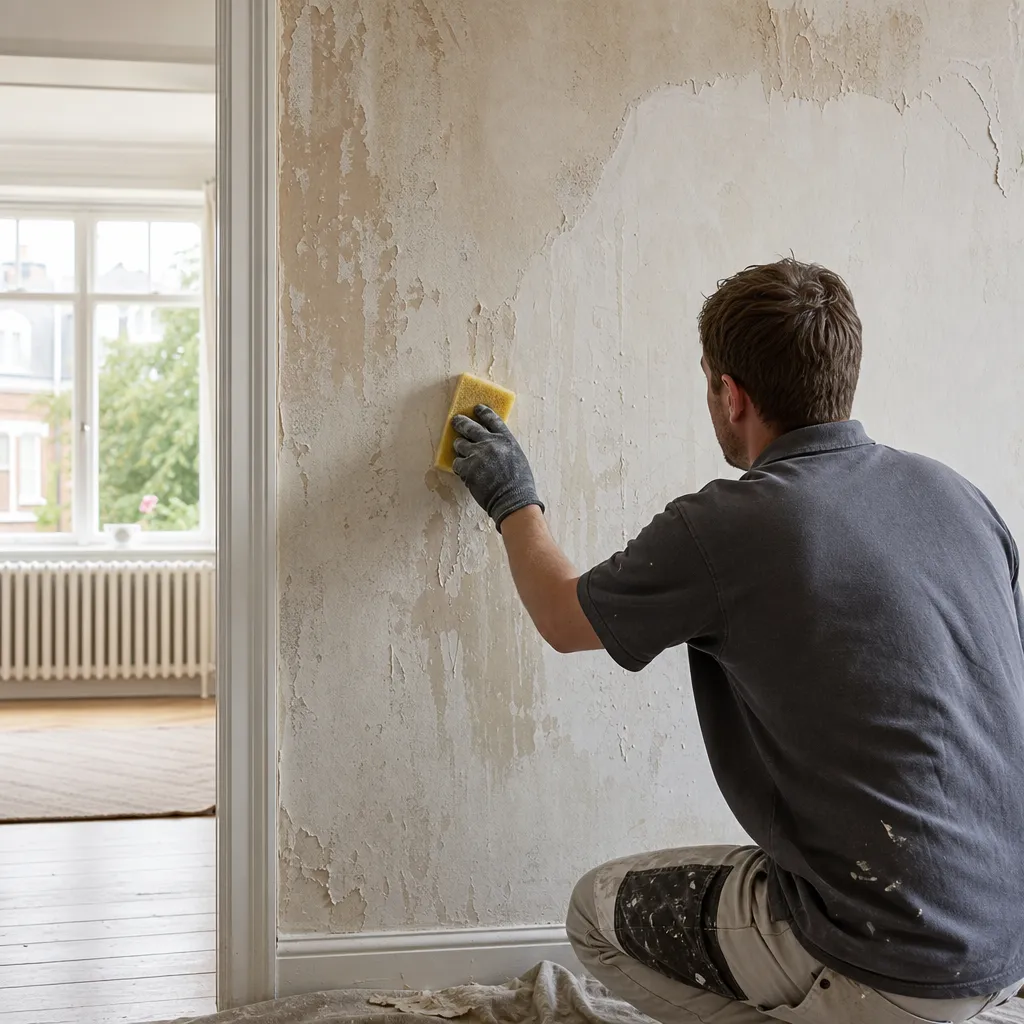
Removing Wallpaper Adhesive Residue Before Redecorating
After stripping wallpaper, a thin layer of dried paste or adhesive often remains on the wall surface.
 Improvement & Build
Professional Advice on Home Interior Design and Decoration
In the UK, interior designers typically handle space planning, material specification, and contractor coordination, while decorators focus on surface finishes and styling.
 Improvement & Build
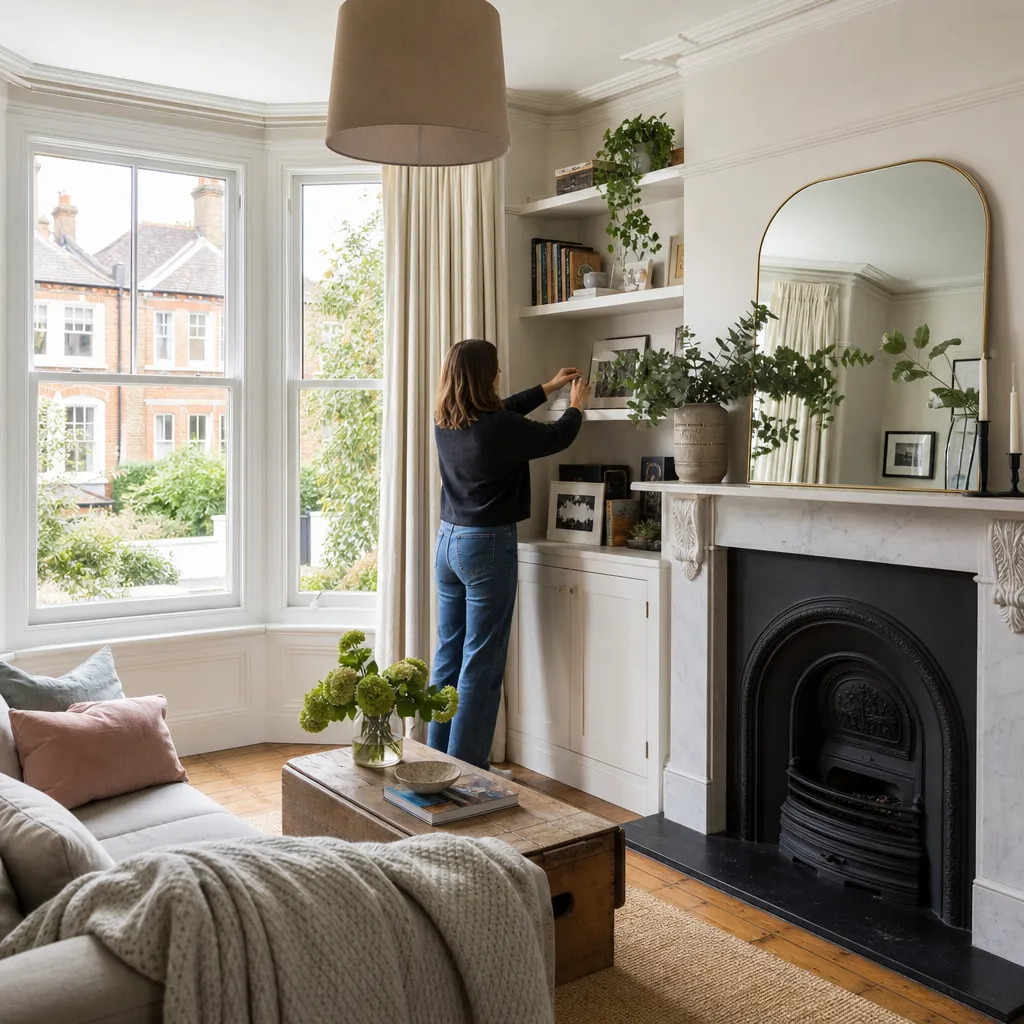
Ways to Personalise Your Home's Character and Style
Personalising your home works best when you build on what's already there — restoring original features, choosing paint colours that suit the architecture, layering lighting beyond the central pendant, and editing objects before adding new ones.
 Improvement & Build
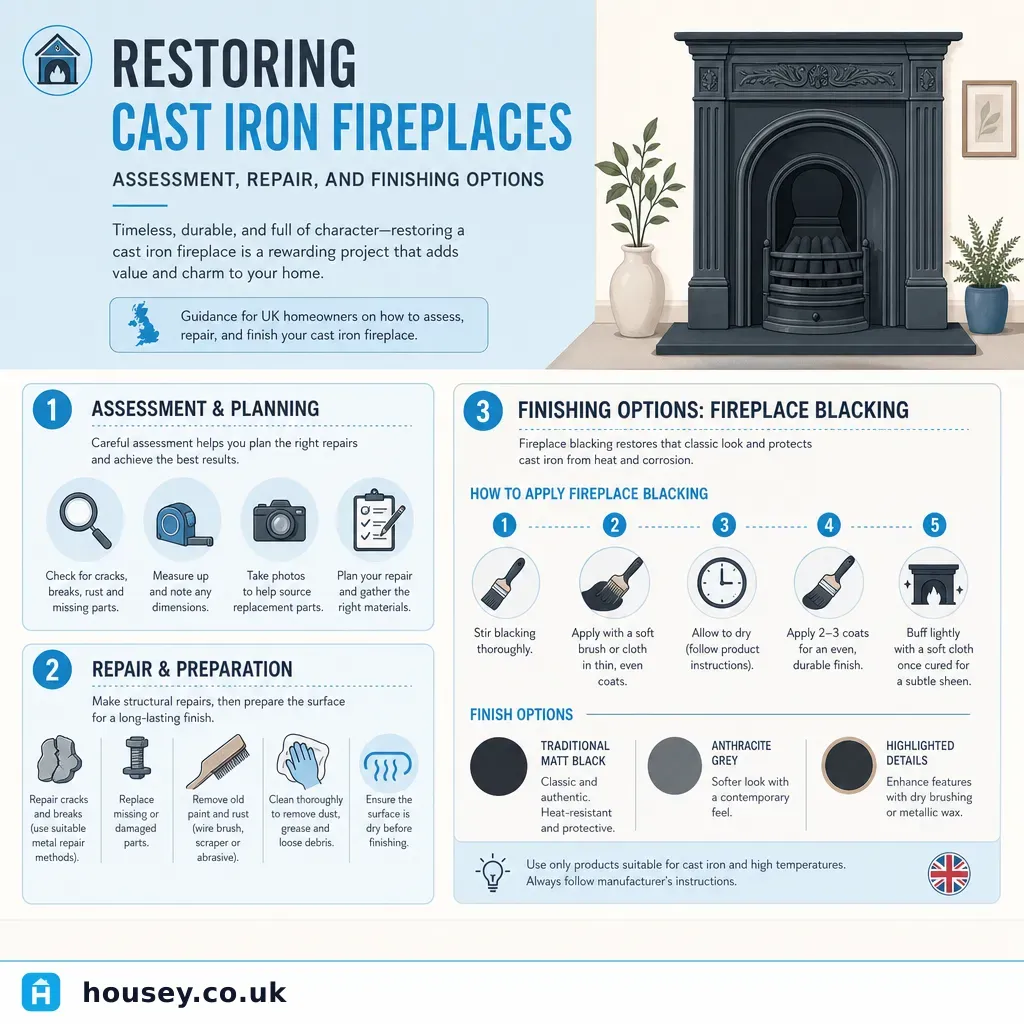
Restoring Cast Iron Fireplaces: Assessment, Repair, and Finishing Options
Restoring a cast iron fireplace involves assessing for cracks, corrosion, and missing components, treating rust, repairing joints and the fireback with fire cement, and applying specialist blacking or heat-resistant paint.
 Improvement & Build
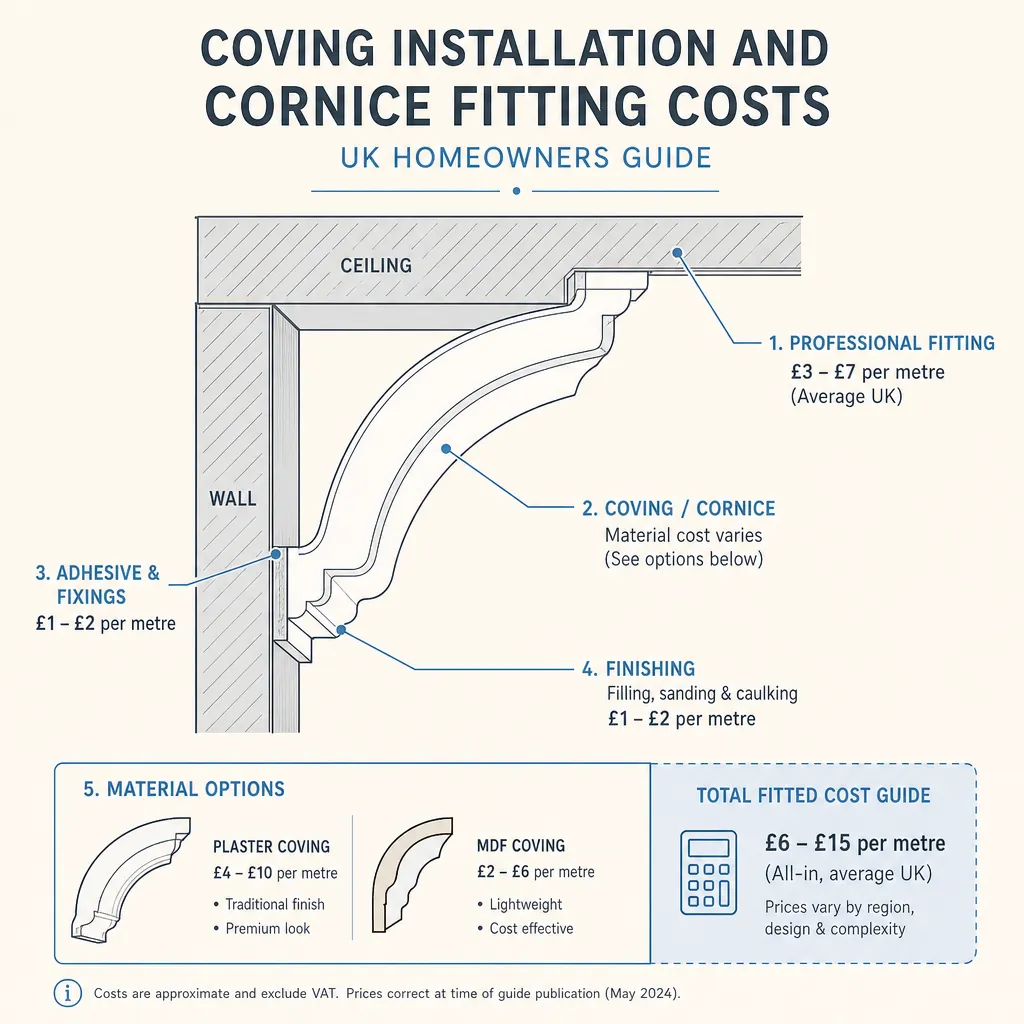
Coving Installation and Cornice Fitting Costs
Coving installation in the UK typically costs £15–£50 per linear metre for supply and fitting.