Ways to Personalise Your Home's Character and Style
By Housey · Last reviewed 11th of May 2026
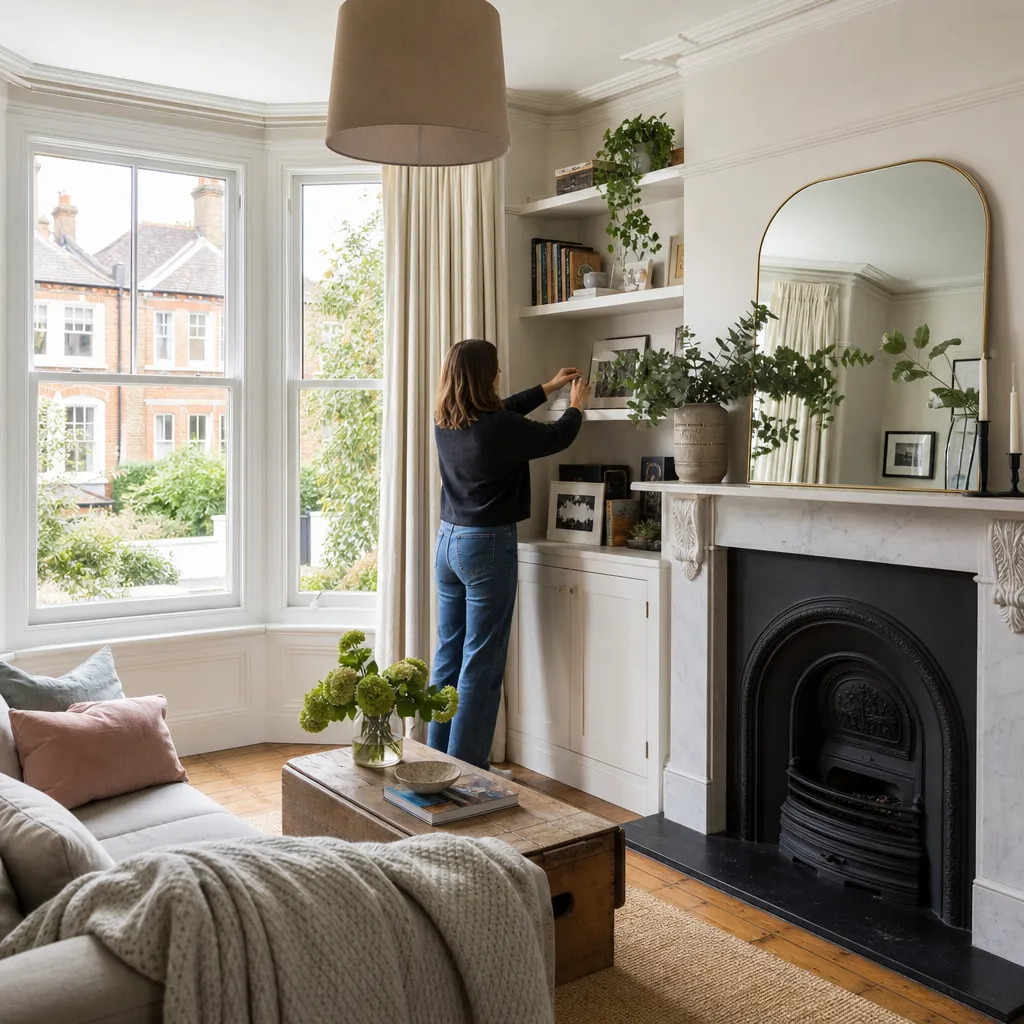
Ways to Personalise Your Home's Character and Style
Personalising a home is rarely about a single dramatic gesture. It usually happens gradually — through the accumulation of considered choices about colour, texture, furniture, and the particular details that reflect how you live and what you value. Whether you've just moved into a new build that needs character or you're refreshing a property you've lived in for years, understanding the principles behind successful personalisation helps you avoid costly mistakes and create spaces that feel genuinely yours.
Key points
- Architectural salvage — original cornicing, fireplaces, and timber floors — is one of the most effective ways to add period character to a home, often at lower cost than modern equivalents.
- Paint is the highest-impact, lowest-cost decorating intervention; a single ceiling or wall in a contrasting colour can transform a room's perceived proportions and atmosphere.
- Lighting design — specifically layering ambient, task, and accent light beyond a single central pendant — has a larger effect on mood and character than most surface finishes.
- Consistent material language across connected spaces (hall, stairs, and landing) improves overall coherence without requiring structural remodelling.
- UK planning rules do not restrict interior decoration, but structural changes, heating alterations, or electrical rewiring require Building Regulations compliance and, in some cases, building control notification.
Working with your home's existing character
The most coherent personalisation works with a property's existing architecture rather than against it.
Identify what's original. In a Victorian or Edwardian property, original features — cast iron fireplaces, encaustic tile paths, picture rails, sash windows — are assets. Restoring or retaining them is almost always preferable to removal. In a 1930s semi, leaded lights, parquet floors, and Art Deco tiling in the hall are period signatures worth preserving.
New builds: add depth gradually. New build properties often have a neutral, undifferentiated character by design. Personalisation here might involve adding architectural detail (coving, panelling, a statement hearth), choosing materials that age well (solid wood flooring, ceramic tiles rather than laminate), and avoiding overly trend-led choices that date quickly.
Match materials to era. Using broadly period-appropriate materials — even in a loose, eclectic way — creates visual coherence. Exposed brick and steel fittings suit industrial-era conversions; natural linen and painted joinery suit Georgian proportions; warm woods and handmade ceramics suit Arts and Crafts properties.
Decision tree: where to start
- If the space feels dark and cramped: address lighting first — add floor and table lamps, replace the central pendant — then assess whether paint colour is absorbing available light.
- If the space feels generic and lacks identity: add one material or surface treatment with personality — a textured wallpaper, a painted ceiling, a reclaimed timber shelf — before adding more furniture.
- If the space feels cluttered and incoherent: edit before adding. Reduce competing colours, materials, and object types. Coherence requires restraint.
- If the space feels characterless despite full decoration: look at the architecture — skirting height, door profiles, ceiling detail. Architectural specificity is what distinguishes a considered room from a box.
- If you're in a rented property: prioritise reversible interventions — curtains, furniture, lighting, rugs, and art — over any permanent changes.
Colour and paint
Colour is the fastest way to change how a room feels. A few principles apply across UK property types:
Undertone matters most. A pale grey with a green undertone reads very differently from one with pink or blue. Test paint samples on large pieces of card (at least A2) in the actual room, viewed in different lights across the course of a full day.
Dark colours in small rooms. The fear of dark paint in small rooms is frequently misplaced. A deep-toned room with good lighting can feel intimate and deliberate rather than oppressive. Ceiling height, quality of natural light, and the reflectivity of other surfaces matter more than square meterage.
Continuity in open-plan spaces. Where rooms open into each other, a consistent base palette — varying only tone or accent colour — creates flow without monotony.
Period palettes. Specialist ranges from manufacturers such as Farrow & Ball, Little Greene, and Paint & Paper Library offer period-researched colour families that work particularly well in Victorian, Georgian, and Edwardian properties. These are a useful reference for undertone families and colour relationships, not the only option.
Lighting as character
Most UK homes are underlit by design — a single central pendant on a dimmer is the builder's default. Layering light transforms a space far more effectively than most decorating choices:
Light type | Function | Where it adds most character |
|---|---|---|
Ambient (ceiling pendant or recessed) | General illumination | Essential; choose warm colour temperature (2,700–3,000K) |
Task (desk lamp, under-cabinet strip) | Functional and focused | Kitchens, home offices, reading corners |
Accent (picture lights, shelf uplights, floor washers) | Highlights objects and creates depth | Living rooms, hallways, dining areas |
Decorative (table lamps, statement pendants) | Adds personality and warmth at eye level | Any room relying on overhead light alone |
Replacing a builder-specification pendant with a statement fitting costs relatively little and has immediate impact. Adding table and floor lamps — particularly in rooms lit only from above — creates warmth at eye level without any structural work.
Note: new electrical circuits or changes to consumer units require a Part P-registered electrician and building control notification. Adding a lamp to an existing socket does not.
Textiles and soft furnishings
Textiles are among the most impactful and most reversible ways to personalise a space:
- Curtains and blinds: Full-length curtains hung close to the ceiling make rooms feel taller. A natural, slightly textured fabric — linen, wool blends — reads as quality without appearing precious.
- Rugs: Define zones in open-plan spaces, soften acoustics, and introduce pattern or colour. A single well-sized rug effectively creates a room within the room.
- Upholstery: Re-upholstering a good-quality second-hand sofa or armchair with a fabric you love is typically more cost-effective than buying new, and results in something genuinely distinctive.
Art, objects, and collections
How objects are displayed is as important as what they are:
Group objects by theme, material, or colour. Three well-chosen pieces on a shelf read better than twenty competing items. One large piece of art looks better than several small ones fighting for attention on the same wall.
Collections work when they have internal rules. A collection of blue-and-white ceramics, framed botanical prints, or vintage maps has visual logic; an undifferentiated mix of unrelated objects reads as clutter.
Personal photography. Well-framed personal photographs, printed at a meaningful size and grouped intentionally, are one of the most direct ways to make a home feel inhabited and specific.
Homeowner checklist: personalising your home
When to get professional help
Most personalisation is well within the scope of a confident homeowner. Professional input becomes important in specific situations:
- Structural changes (removing a wall, altering a staircase, changing a ceiling height): require building regulations approval and usually planning advice from your local authority.
- Electrical rewiring or new circuits: must be carried out by a Part P-registered electrician.
- Gas work (moving a radiator, relocating a gas fire): must be carried out by a Gas Safe registered engineer.
- Period property restoration (specialist plasterwork, lime mortar repointing, sash window restoration): a tradesperson experienced in historic building materials produces better results and avoids irreversible damage to the fabric of the building.
How Housey can help
Housey helps UK homeowners find trusted tradespeople and design professionals for all kinds of home improvement projects. Whether you're restoring period features, planning a larger interior transformation, or looking for skilled help with a specific trade, use Housey to find and compare vetted local professionals in your area.
Frequently asked questions
How can I personalise a rented home without losing my deposit?
Focus on reversible interventions: freestanding furniture, rugs, curtains on tension rods, floor and table lamps, and art hung with damage-free fixings such as Command strips on appropriate surfaces. Avoid painting without landlord consent, and document the property's condition on arrival with dated photographs.
What is the most cost-effective way to add character to a new-build property?
The combination with the most impact for the least cost is: a considered paint scheme rather than builder's white, swapped pendant fittings plus floor and table lamps, and one architectural detail such as coving, panelling, or a mantelpiece. Together these typically cost less than a new sofa and have a much larger effect on the overall feel.
How do I choose a colour scheme that will age well?
Choose colours that reference natural materials — stone, clay, chalk, aged timber — rather than trend-specific choices. Warm-undertone neutrals tend to feel less dated than stark cool greys. A limited palette of three colours per room — dominant, secondary, and accent — creates coherence and prevents competing tones from undermining each other.
Should I try to match a Victorian property's original colour palette?
Original Victorian interior colours were often bold and highly saturated; modern interpretations are typically more muted. Using the period palette as a reference for undertone family and colour relationships, while adjusting for contemporary taste, is a common and successful approach that avoids both anachronism and bland neutrality.
Sources and further reading
Useful next reads
 Improvement & Build
Professional Advice on Home Interior Design and Decoration
In the UK, interior designers typically handle space planning, material specification, and contractor coordination, while decorators focus on surface finishes and styling.
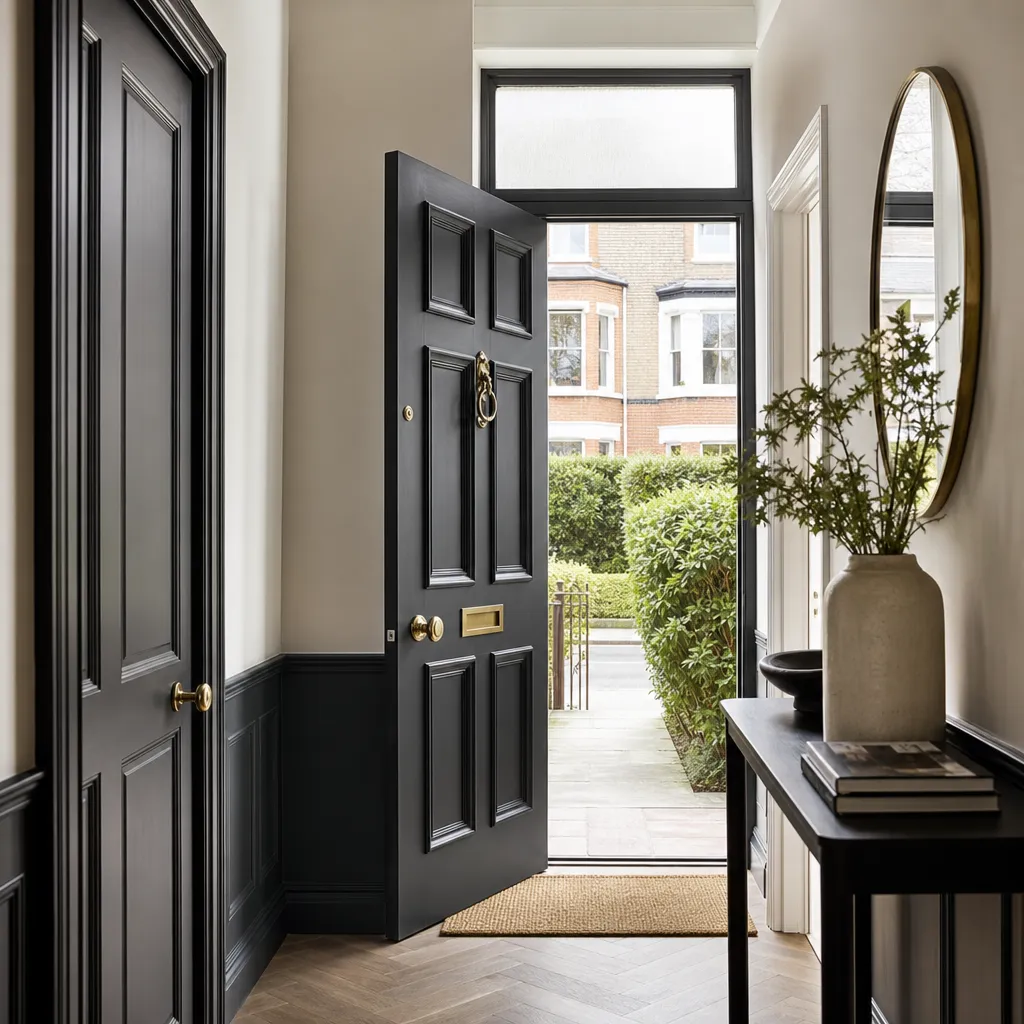 Improvement & Build
Interior Design Ideas: Painting Doors in Dark Finishes
Dark interior doors work well when sheen level, surface preparation, and room lighting are considered together.
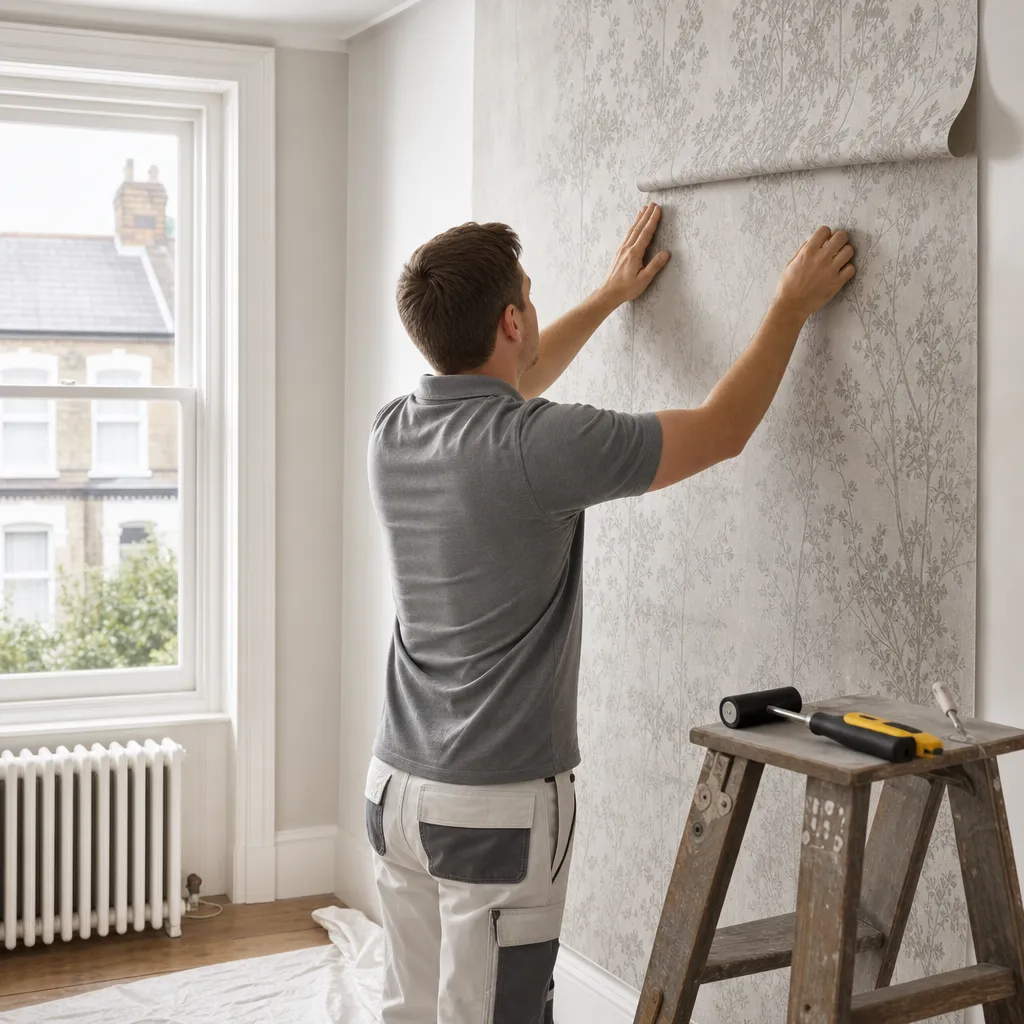 Improvement & Build
Installing Peel-And-Stick Wallpaper: Application Techniques
Peel-and-stick wallpaper works best on smooth, emulsion-painted walls cured for at least 30 days, in rooms between 13°C and 30°C.
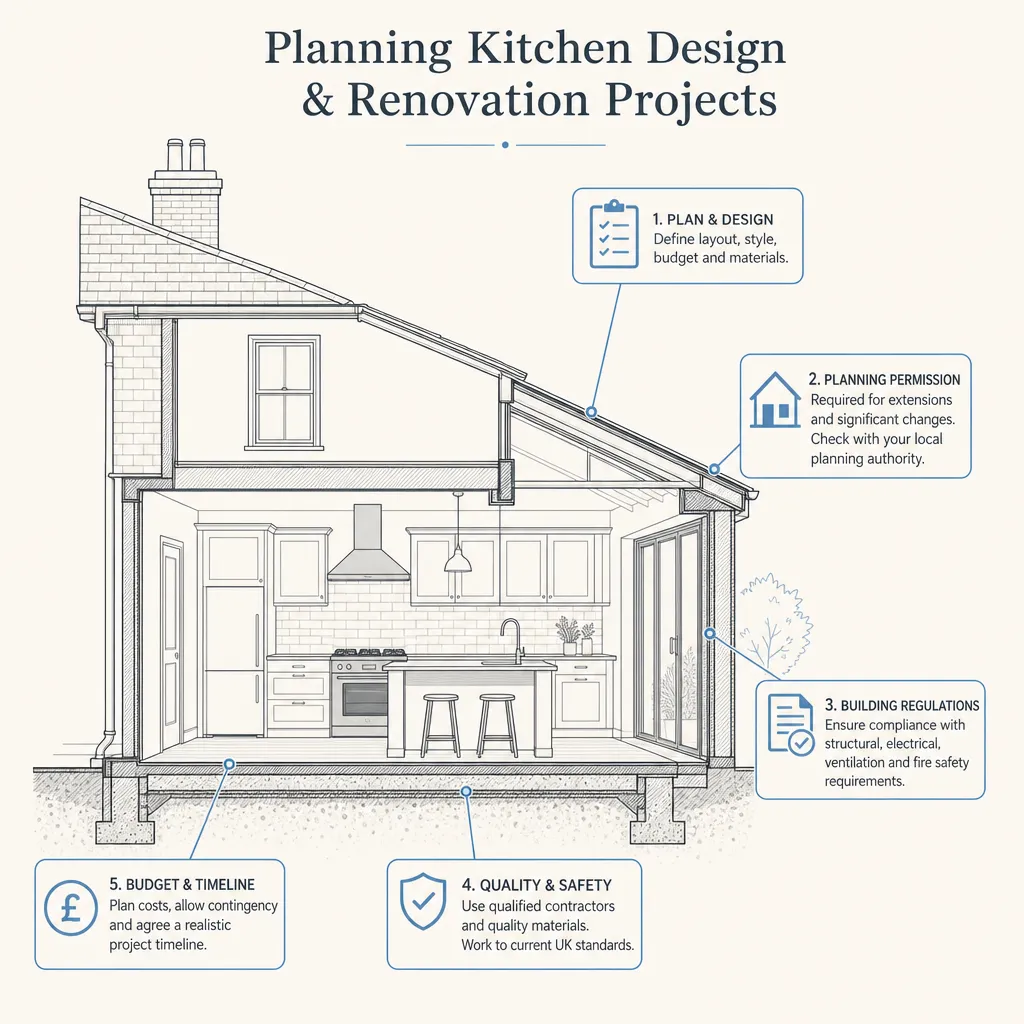 Improvement & Build
Planning kitchen design and renovation projects
Planning a kitchen renovation in the UK typically involves choosing a layout, setting a budget, deciding which contractors you need, and understanding which regulations apply.
 Improvement & Build
Ventless Gas Fireplaces: UK Considerations for Modern Home Heating
In the UK, ventless gas fires are known as flueless gas fires and are permitted only in specific circumstances under Building Regulations Approved Document J and the Gas Safety Regulations 1998.