Treatment and Eradication of Japanese Knotweed Infestation
By Housey · Last reviewed 6th of May 2026
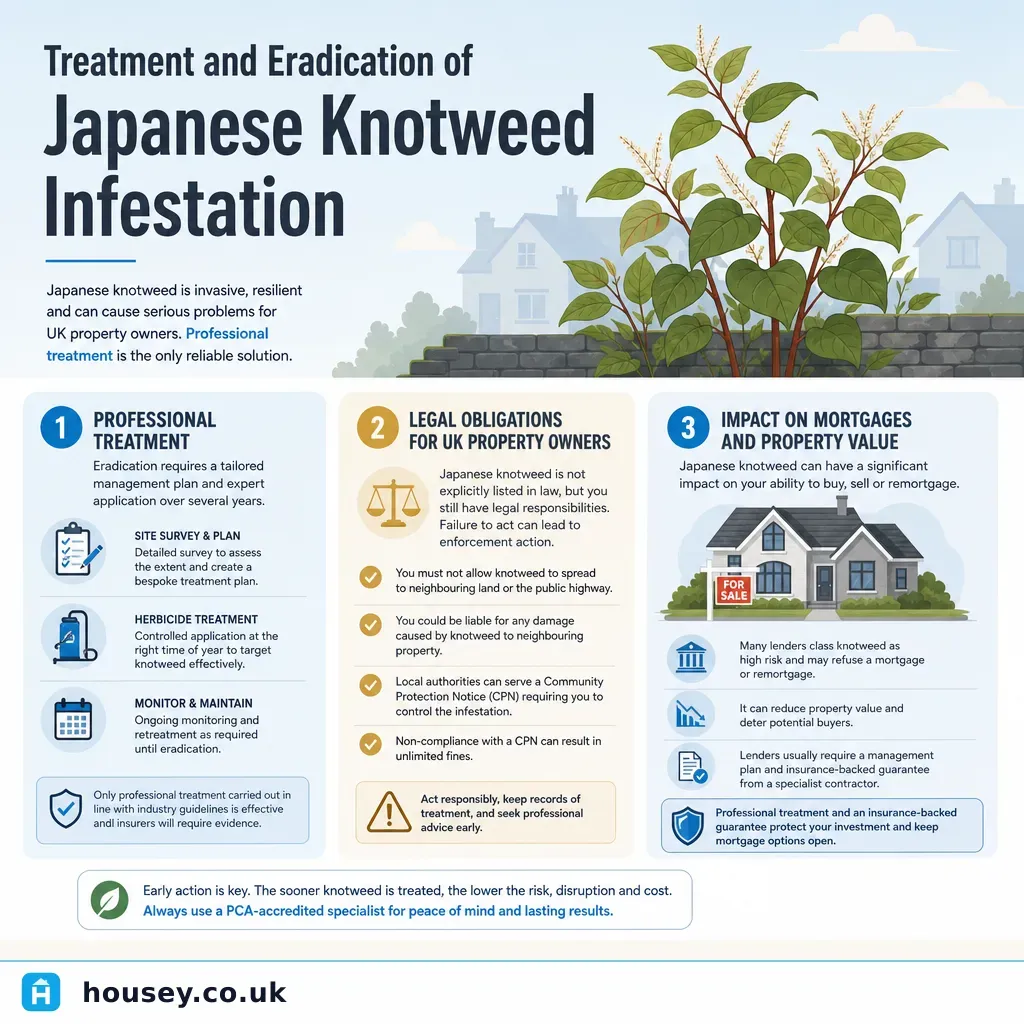
Treatment and Eradication of Japanese Knotweed Infestation
Japanese knotweed (Fallopia japonica) tends to surface as an urgent concern at defining moments in the UK property lifecycle — when a surveyor flags it during a pre-purchase inspection, when a mortgage application stalls because of its presence, or when site clearance ahead of a development reveals dense underground rhizomes. Unlike most garden nuisances, knotweed sits at the intersection of environmental law, planning regulation, and mortgage lending policy, creating a distinct set of legal and practical obligations that differ significantly from other land-management challenges a UK property owner is likely to face.
Key points
- It is a criminal offence under Schedule 9 of the Wildlife and Countryside Act 1981 to plant, or to cause or allow, Japanese knotweed to grow in the wild; allowing it to spread to a neighbouring property can give rise to civil liability for damages.
- Knotweed-contaminated soil and rhizome material are classified as controlled waste under the Environmental Protection Act 1990 — disposal must be via a licensed waste carrier to an appropriately permitted facility.
- The Law Society's TA6 Property Information Form (5th edition) specifically asks sellers whether the property is affected by knotweed; an inaccurate or omitted answer can constitute actionable misrepresentation.
- RICS revised its professional guidance in 2022 to use a four-category risk assessment system, allowing mortgage lenders to make proportionate decisions rather than applying blanket refusals.
- An insurance-backed guarantee (IBG) from a PCA-member specialist contractor is commonly required by mortgage lenders as a condition of advance when knotweed is confirmed at RICS risk categories 3 or 4.
Why Japanese knotweed is treated differently from other invasive plants
Most UK invasive plants are a nuisance but not a legal matter. Japanese knotweed occupies a different category because its rhizome system — which can extend 3 metres deep and 7 metres laterally from visible stems — is extraordinarily difficult to eradicate, can damage built structures and hard surfaces, and spreads readily through small fragments of contaminated spoil or garden waste moved off-site.
Under the Anti-social Behaviour, Crime and Policing Act 2014, local authorities can issue Community Protection Notices requiring property owners to take action where knotweed is causing nuisance to neighbours. UK courts have upheld civil nuisance claims where knotweed spread between properties, establishing that a landowner can face damages liability for failing to control an established infestation.
The RICS 2022 guidance introduced risk categories 1 through 4, considering proximity to structures, distance from the property boundary, and the scale of the infestation. This replaced an earlier more binary approach that led some lenders to refuse mortgages even where the plant was distant from any building and the practical risk was low.
Treatment options: what works and what to expect
No single treatment eliminates Japanese knotweed immediately. All approaches require a programme of management, typically lasting three to five growing seasons for herbicide methods and more rapid — but considerably more costly — for excavation and off-site disposal.
Treatment method | Best for | Not ideal for | Typical timescale | Indicative cost |
|---|---|---|---|---|
Herbicide programme (foliar glyphosate) | Most residential properties; where excavation is impractical | Sites where development starts imminently; near watercourses without specialist permits | 3–5 growing seasons | £1,500–£5,000+ for full programme |
Full excavation and off-site disposal | Sites with an imminent construction start; where fast resolution is essential | Very deep infestations; high disposal volumes; small gardens | Days to weeks on site | £5,000–£20,000+ depending on volume |
On-site burial (bund or cell containment) | Where disposal costs are prohibitive and the site has space | Small urban gardens; areas with sensitive groundwater | Weeks | £3,000–£10,000+ |
Stem injection (targeted herbicide delivery) | Environmentally sensitive areas; near watercourses; active summer growth | Large-scale infestations where foliar spray is more efficient per unit area | 2–4 growing seasons | Variable; can be higher per unit area than foliar spray |
Root barrier installation | Preventing spread from adjacent land you do not control | Eradicating an existing infestation — containment only, not eradication | Permanent management measure | £1,000–£3,500 for a residential installation |
Indicative UK costs, last reviewed 2026-05-06. Costs depend heavily on site size, infestation density, access, disposal requirements, and contractor. Obtain at least two written quotes before proceeding.
Which treatment is right for your situation?
Use this decision tree to identify the most appropriate starting point before consulting a specialist:
- Choose a herbicide programme if the property is occupied, no development is planned within the next five years, and the infestation is not immediately adjacent to a watercourse or drainage feature.
- Choose excavation if a planning application is pending or a construction start date does not allow time for a multi-year herbicide programme.
- Ask for a specialist assessment first if the knotweed is within 7 metres of any structure, retaining wall, or boundary — the RICS risk category will determine what your lender or buyer requires.
- Use stem injection or a modified approach if the infestation is within 8 metres of a watercourse — Environment Agency guidance applies and a permit or method statement may be required.
- Add root barriers as a complementary measure when knotweed is encroaching from an adjacent property you do not own or control.
- Check lender requirements before selecting any treatment if you are in a live purchase or remortgage — specific IBG requirements may constrain your choice of contractor or method.
Legal obligations for UK property owners
Owning land with Japanese knotweed does not automatically mean you are breaking the law. The obligations that do apply are:
- Do not spread it. Avoid digging, strimming, or disturbing knotweed rhizomes without a management plan in place. Fragments of rhizome smaller than a fingernail can establish new plants. This is the most common way infestations worsen and spread off-site.
- Dispose of arisings correctly. Knotweed plant material and contaminated soil are controlled waste. Use only licensed waste carriers and retain all waste transfer notes — they may be needed for a future property sale or planning application.
- Prevent spread to neighbouring land. If knotweed crosses your boundary onto a neighbour's property, they may have a civil claim for damages and can seek injunctive relief to compel you to act.
- Disclose accurately on sale. Answer the TA6 knotweed question honestly. If you were aware of knotweed through a previous survey, a neighbour's complaint, or a prior management plan, and do not disclose it, a buyer may pursue misrepresentation claims after completion.
Impact on mortgage lending and property sales
The practical impact of knotweed on a property transaction depends on the RICS risk category assigned by a specialist:
- Categories 1 and 2 — knotweed not on site, or present but well away from structures and boundaries: most lenders proceed normally or with minimal conditions.
- Categories 3 and 4 — knotweed on site and close to or affecting structures: most lenders require a management plan with an insurance-backed guarantee from a PCA-member contractor as a condition of mortgage advance.
If you are selling a property with knotweed, commissioning a management plan and IBG before listing can significantly reduce the risk of a sale collapsing during conveyancing. An ecological survey can confirm whether knotweed is present, map its extent, and assess whether any protected species habitats may be affected by the proposed treatment — particularly where excavation or significant ground disturbance is planned. An environmental survey can provide the site assessment documentation that lenders and solicitors typically require as evidence that the infestation is being professionally managed.
Choosing a specialist contractor
The main professional body for knotweed contractors in the UK is the Property Care Association (PCA), which operates an Invasive Weed Control sector with published membership standards and a publicly searchable contractor register. PCA membership is commonly required by insurers that underwrite insurance-backed guarantees.
When choosing a contractor:
- Verify PCA membership directly on the PCA website before instructing.
- Ask for the contractor's licensed waste carrier number and confirm it is current.
- Request a written management plan setting out the treatment method, annual schedule, monitoring provisions, and the scope and duration of the IBG.
- Confirm whether the IBG is transferable to a buyer if you sell the property during the programme period — most lenders will require this transferability as a condition of the guarantee.
Important limitations
This article provides general information about Japanese knotweed treatment options and the relevant legal framework in the UK. Regulations, enforcement approaches, lender requirements, and case law continue to evolve. Nothing in this guide constitutes legal, environmental, structural, or professional advice. The appropriate treatment method for your site must be determined by a qualified specialist who has physically inspected the property and mapped the infestation. If knotweed is close to a watercourse, always obtain guidance from the Environment Agency or your devolved environmental regulator before beginning any treatment.
What to ask a qualified professional
Before instructing a knotweed specialist or appointing an ecologist to assess an infestation, ask:
- Are you a PCA member, and can you provide evidence of current membership?
- What licensed waste carrier number do you hold, and will you provide waste transfer notes for all arisings removed from site?
- What RICS risk category does this infestation fall into based on your site assessment?
- Will the management plan include an insurance-backed guarantee, and which insurer underwrites it?
- Is the IBG transferable to a buyer if I sell the property during the treatment programme?
- How many growing seasons will the programme require, and what happens if regrowth occurs after the stated end date?
- Are there any watercourses, drainage features, or protected habitats nearby that affect your proposed treatment method?
- What does the IBG specifically exclude — for example, knotweed originating from a neighbouring property?
When to get professional help
Instruct a qualified specialist without delay if any of the following apply:
- Japanese knotweed is within 7 metres of any structure, boundary wall, retaining wall, or underground service.
- You are preparing to list the property for sale, or have been asked by a buyer's solicitor or lender to provide evidence of knotweed management.
- Knotweed is visible on or near the boundary with a neighbouring property and you are uncertain whether it has crossed onto your land.
- A planning application is in preparation and the local planning authority or an ecologist has flagged knotweed as a material consideration.
- The infestation is within 8 metres of a watercourse, ditch, or surface drainage feature.
- A previous herbicide programme has not succeeded and regrowth is occurring after the stated programme end date.
How Housey can help
If Japanese knotweed has been identified on your property or flagged during a transaction, Housey can connect you with qualified professionals. An ecological survey can define the extent of the infestation and assess implications for protected habitats, while an environmental survey can provide the site assessment report and documentation that mortgage lenders, solicitors, and planning authorities typically require.
Frequently asked questions
Is it illegal to have Japanese knotweed in my garden?
It is not illegal to have Japanese knotweed on your property. However, it is illegal under Schedule 9 of the Wildlife and Countryside Act 1981 to allow it to spread into the wild or onto neighbouring land. Knotweed-contaminated soil and plant material must be disposed of as controlled waste by a licensed contractor, and you can face civil liability if the plant spreads to a neighbour's property.
Can I treat Japanese knotweed myself?
DIY treatment without professional guidance is generally not recommended. Disturbing knotweed rhizomes without a management plan in place can spread the infestation further. Glyphosate-based herbicides are available to the public, but professional contractors use commercial formulations and know how to apply them safely — including near watercourses, where specific Environment Agency guidance and permits may apply.
How long does it take to eradicate Japanese knotweed?
Herbicide programmes typically take three to five growing seasons — roughly April to September each year — to reduce an infestation to a managed level. Strict eradication is difficult to guarantee. Excavation and off-site disposal is faster but significantly more costly. Most management plans aim for no visible regrowth over a sustained monitoring period before the insurance-backed guarantee is formally closed.
Will my mortgage lender require a Japanese knotweed management plan?
Many lenders require a management plan with an insurance-backed guarantee from a PCA-member contractor when knotweed falls within RICS risk categories 3 or 4 — meaning it is on site and in proximity to structures. Some lenders have requirements beyond the standard; your solicitor or mortgage broker should confirm the lender's position as early as possible in any transaction.
Does Japanese knotweed devalue a property?
Research suggests knotweed can reduce a property's market value, though the extent depends on severity, location, and whether a management plan is in place. A confirmed and actively managed infestation with an insurance-backed guarantee is generally less problematic for buyers and lenders than an unmanaged one. Prompt professional intervention is the most effective way to limit the long-term impact on value.
Sources and further reading
- Japanese knotweed: how to identify and control it — GOV.UK / Environment Agency
- Wildlife and Countryside Act 1981, Schedule 9 — legislation.gov.uk
- Japanese knotweed and residential property (2nd edition, 2022) — RICS
- Invasive Weed Control — Property Care Association
- Environmental Protection Act 1990 — legislation.gov.uk
- Anti-social Behaviour, Crime and Policing Act 2014 — legislation.gov.uk
Useful next reads
 Planning & Pre-Build
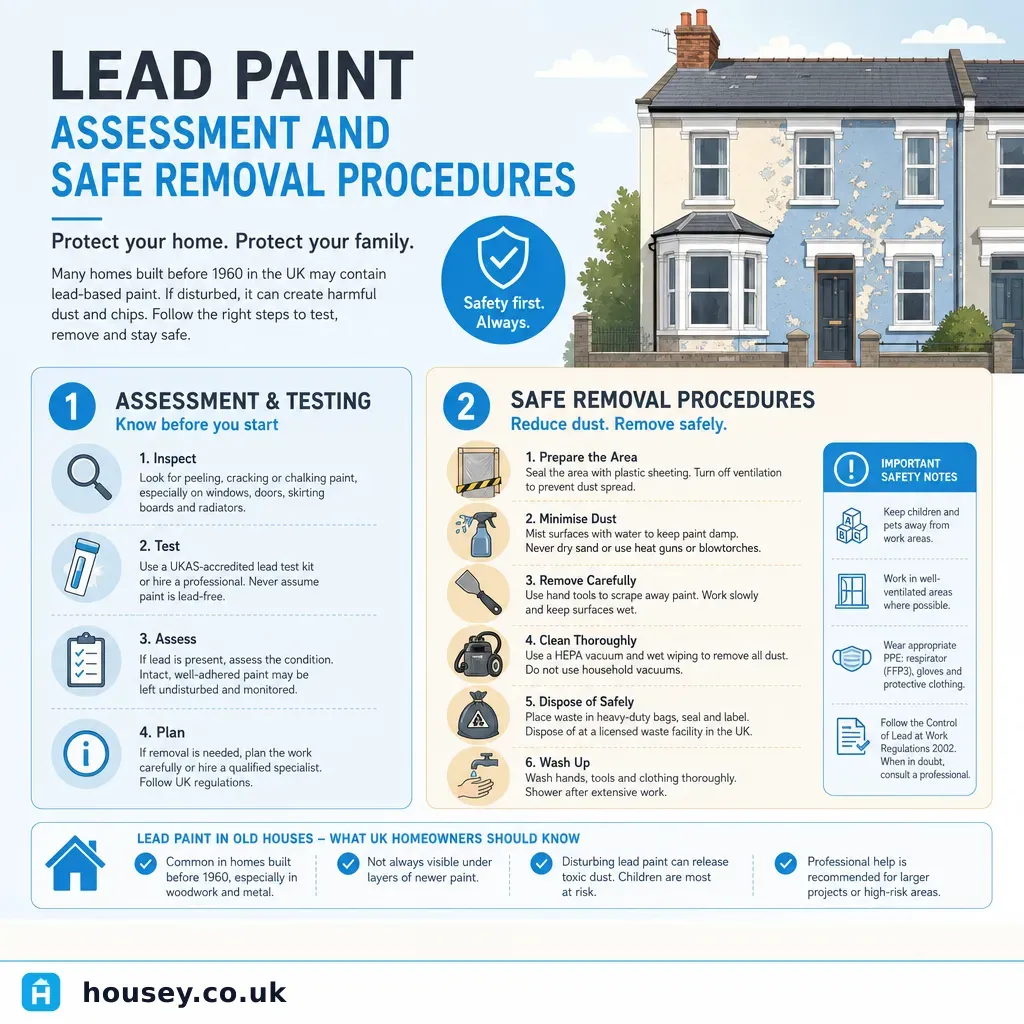
Lead Paint Assessment and Safe Removal Procedures
Lead paint is found in many UK homes built before 1970 and poses a health risk, particularly to children, if disturbed or deteriorating.
 Planning & Pre-Build
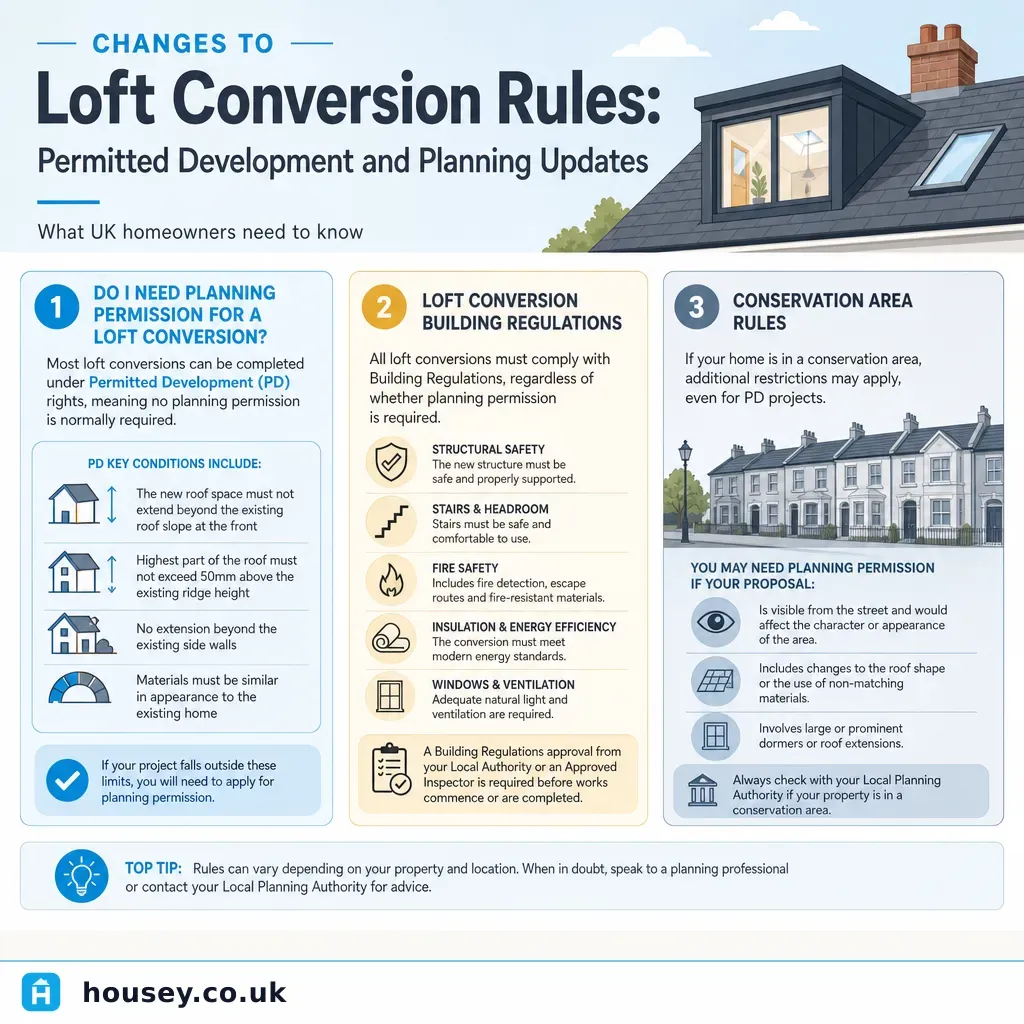
Changes to Loft Conversion Rules: Permitted Development and Planning Updates
In England, most loft conversions on standard houses qualify as Permitted Development under Class B of the GPDO 2015, allowing up to 40 cubic metres (terraced) or 50 cubic metres (detached or semi-detached) without a planning application — if conditions are met.
 Planning & Pre-Build
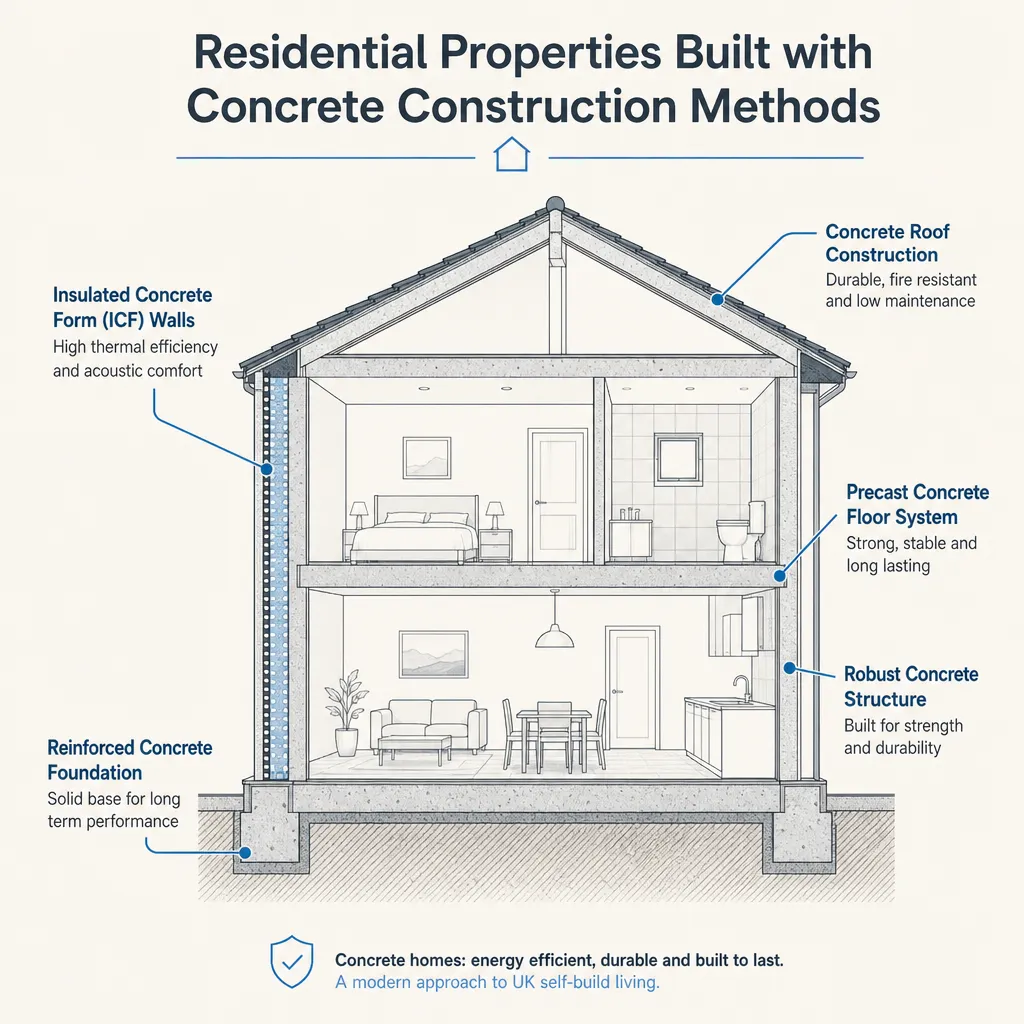
Residential Properties Built with Concrete Construction Methods
UK homes are built using several concrete methods: in-situ cast concrete, precast panel systems, insulating concrete formwork (ICF), and older non-traditional types such as Wimpey No-Fines and Laing Easiform.
 Planning & Pre-Build
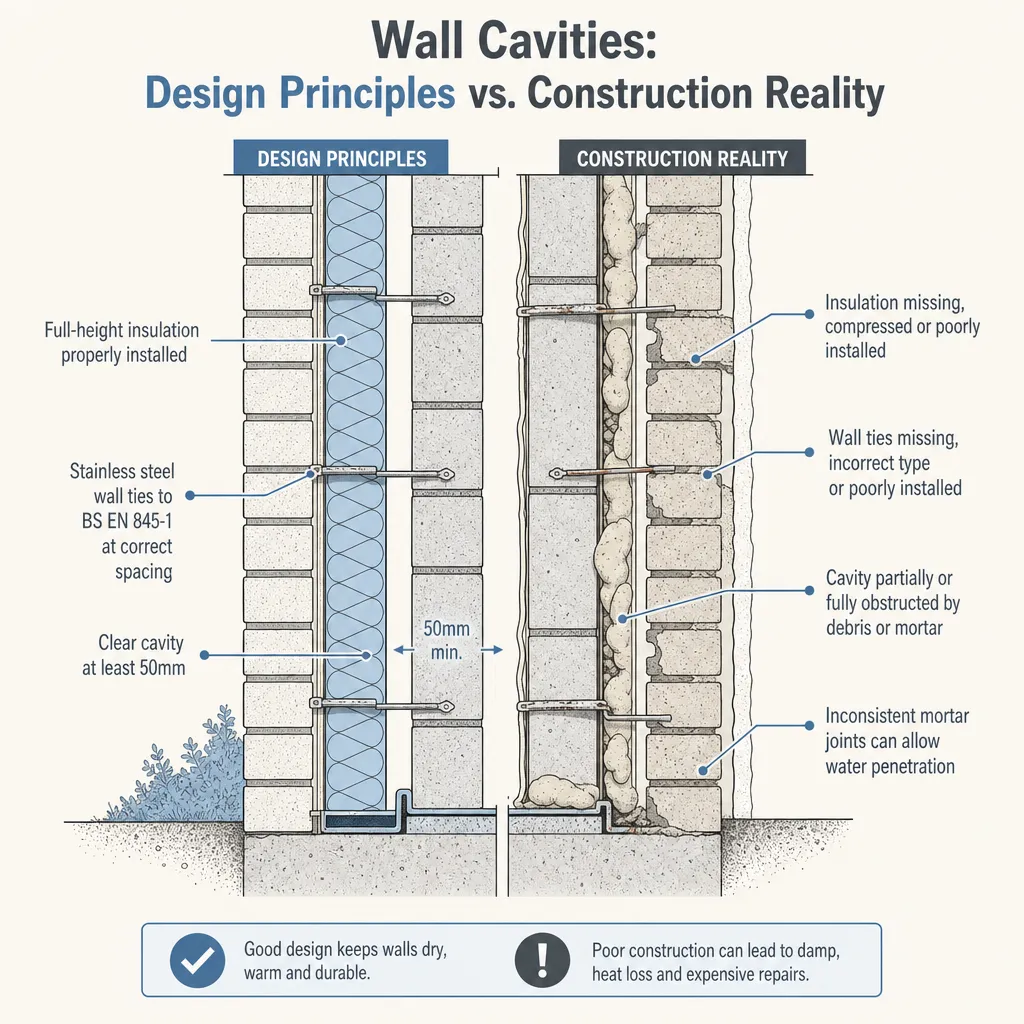
Wall Cavities: Design Principles vs. Construction Reality
A UK cavity wall is designed to resist weather, control heat loss, and structurally link two masonry leaves.
 Planning & Pre-Build
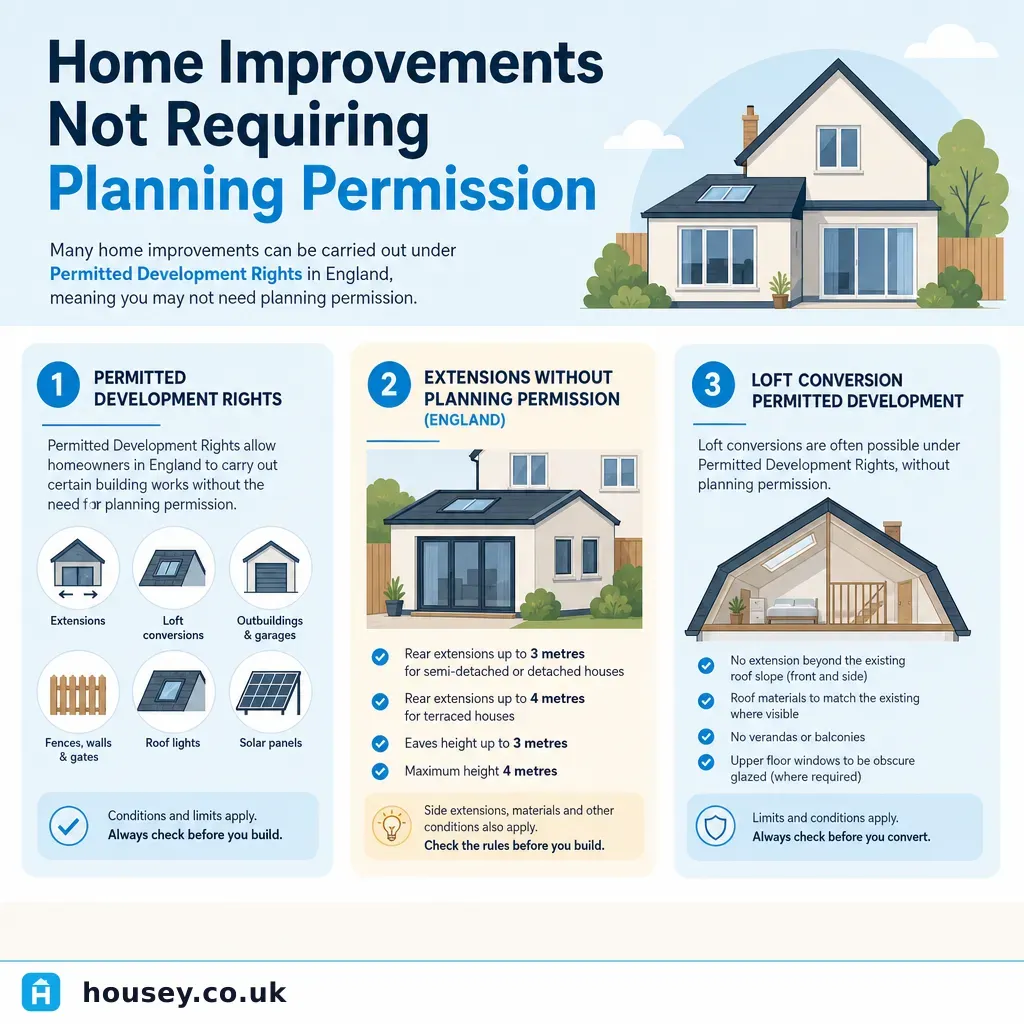
Home Improvements Not Requiring Planning Permission
Many common home improvements in England fall under Permitted Development Rights and do not require a planning application.