Labour and material costs for floor tiling projects
By Housey · Last reviewed 6th of May 2026
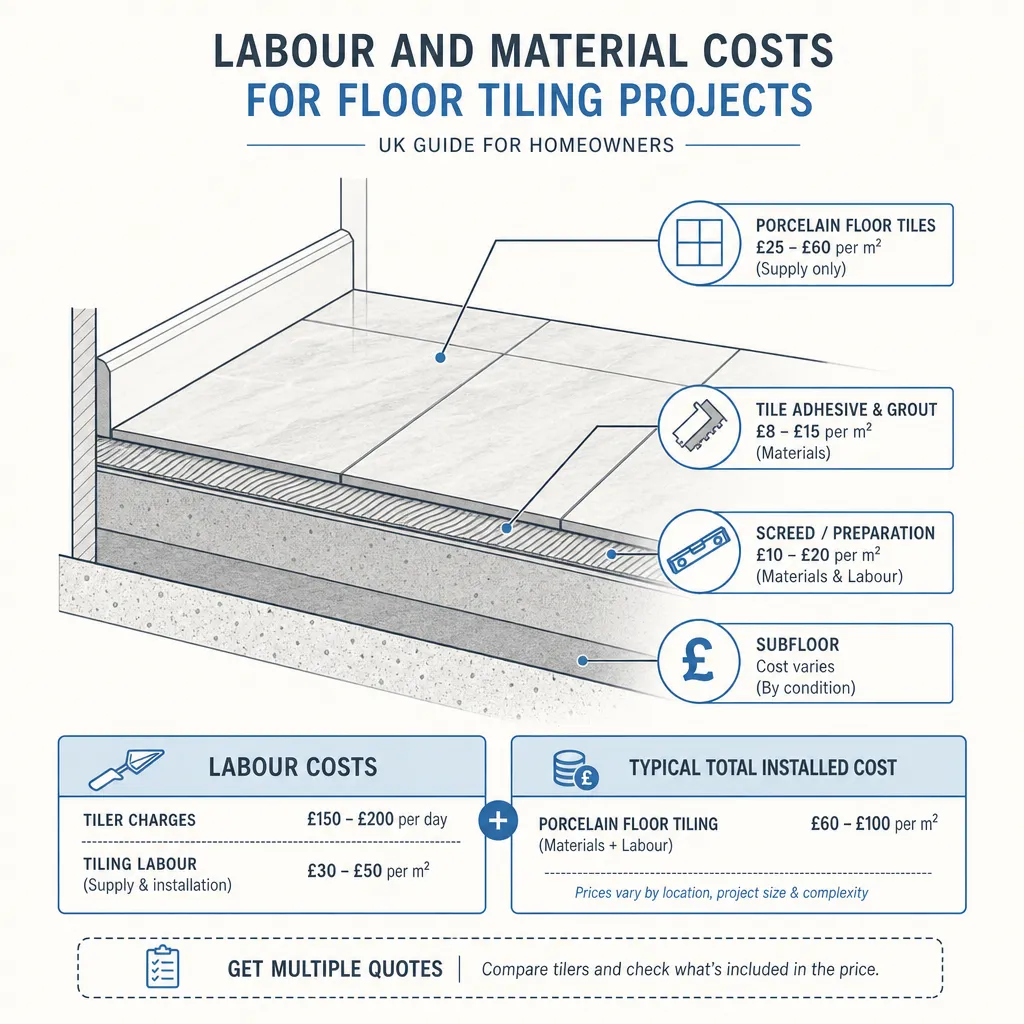
Labour and material costs for floor tiling projects
Floor tiling questions arise most often during kitchen and bathroom renovations, extension completions, or whole-house flooring upgrades. The difference between an accurate budget and a nasty surprise usually comes down to understanding how labour, materials, and preparation are each priced — and knowing the right questions to ask before work begins.
Key points
- Labour for floor tiling typically ranges from £30–£60 per m² in the UK; large-format tiles (600 mm+) or herringbone patterns can push this to £60–£90 per m².
- Ceramic tiles cost £10–£40 per m² for materials; porcelain £20–£80 per m²; natural stone £50–£150+ per m².
- Surface preparation — levelling, waterproofing, removing existing coverings — is usually priced separately and adds £5–£25 per m².
- Adhesive, grout, and fixings typically add £8–£15 per m² to material spend.
- Order 10–15% more tiles than your floor area; diagonal or herringbone layouts need 15–20% extra for cuts and waste.
Indicative UK costs, last reviewed 2026-05-06. Regional rates and project complexity affect all figures; obtain at least three written quotes.
What drives floor tiling costs?
Several variables combine to produce the final price.
Tile type and format
Larger tiles demand a flatter substrate and more precise cutting, so tilers charge a premium. Complex patterns add further labour time.
Tile type | Material cost (per m²) | Labour complexity | Notes |
|---|---|---|---|
Ceramic | £10–£40 | Low–medium | Easy to cut; suited to light-traffic floors |
Porcelain (up to 400 mm) | £20–£60 | Medium | Dense, durable; harder to cut than ceramic |
Large-format porcelain (600 mm+) | £30–£80 | High | Very flat subfloor required; specialist cutting tools needed |
Natural stone (slate, travertine, limestone) | £50–£150+ | High | Often needs sealing; costly to repair if cracked |
Encaustic or cement tiles | £40–£100 | Medium–high | Porous; must be sealed before use |
Indicative UK costs, last reviewed 2026-05-06.
Labour rates
Tilers usually quote per m² rather than per day. Day rates in 2025–2026 run from around £200–£300 outside London to £300–£450 in the capital. Areas under 5 m² often attract a minimum charge of £150–£300 to cover travel and setup regardless of area.
Surface preparation
Preparation is frequently the most underestimated cost element:
- Self-levelling compound: £4–£10 per m² for materials.
- Waterproofing membrane (bathrooms, wet rooms): £10–£20 per m² installed; required under Approved Document C.
- Removing old tiles: £10–£20 per m² in labour, plus waste-disposal costs.
- Timber subfloor stiffening: a bouncy floor must be stabilised with exterior-grade plywood or cement backer board before ceramic or porcelain tiles are laid, per BS 5385 Part 4.
Always ask for preparation to be itemised separately. Bundled quotes that hide preparation costs are a leading cause of post-installation tile failure.
Worked UK property scenario
Situation: 1990s semi-detached, new kitchen extension, concrete screed floor, 14 m², standard 600×600 mm mid-range porcelain.
Cost element | Detail | Estimated cost |
|---|---|---|
Tiles | 16 m² at £45/m² (14 m² + 15% waste) | £720 |
Adhesive and grout | £12/m² × 14 m² | £168 |
Prime new screed | Flat rate | £60 |
Labour | 14 m² × £50/m² | £700 |
Approximate total |
| £1,648 |
Indicative UK costs, last reviewed 2026-05-06. Excludes VAT where contractor is VAT-registered. Levelling, old tile removal, or underfloor heating integration would add to this.
Homeowner checklist before getting quotes
What to ask before accepting a quote
- Are tiles included or is this labour-only?
- What waste allowance has been factored into the tile order?
- Who supplies adhesive, grout, backer board, and edging trims?
- What surface preparation is included and what costs extra?
- Is VAT included?
- What is the timeline and when can the floor take foot traffic?
- What happens if subfloor problems are found during preparation?
- Does the tiler carry public liability insurance?
When to get professional help
Professional installation is particularly important when:
- Underfloor heating is present: incorrect adhesive can crack tiles and void system warranties.
- Wet rooms or bathrooms: waterproofing compliance with Approved Document C is essential; failures cause structural damp.
- Large-format tiles: a near-perfectly flat substrate is required; minor high spots cause cracking.
- Listed or period properties: older substrates may need heritage-appropriate adhesives.
Red flags when reviewing quotes: no preparation mentioned; no written contract; materials and labour bundled without breakdown; no public liability insurance.
How Housey can help
If your tiling is part of a wider extension project, a single extension builder who coordinates screeding and flooring trades can reduce programme clashes and give you one point of accountability across the whole job.
Frequently asked questions
How long does it take to tile a 20 m² kitchen floor?
An experienced tiler working with standard porcelain on a well-prepared flat floor typically lays 10–20 m² per day. A 20 m² kitchen floor usually takes 1–2 days for tiling, followed by 24–48 hours before light foot traffic and 48–72 hours for grout to fully cure. Intricate patterns or large-format tiles extend this timeline.
Can new tiles be laid over existing floor tiles?
Occasionally, yes — if existing tiles are firmly bonded, the floor is level, and the added height will not affect doors or thresholds. On timber floors, the extra dead load needs consideration, and some existing adhesives are incompatible with new products. A tiler should assess the situation before committing.
What adhesive is best for floor tiles?
Adhesive choice depends on tile type, substrate, and underfloor heating. For porcelain and large-format tiles, a flexible or rapid-set flexible adhesive classified C2F or C2FS under BS EN 12004 is generally recommended. Using the wrong adhesive is a common cause of tile failure — always follow the manufacturer's specification.
Should I supply the tiles myself and hire labour only?
Many tilers offer labour-only rates. If doing so, confirm exact tile dimensions first, order a 10–15% waste allowance (15–20% for patterns), and ensure the adhesive and grout match the manufacturer's specification for that tile type and substrate.
Does good floor tiling add value to a home?
Quality tiling in kitchens, bathrooms, and hallways is generally viewed positively by buyers and can support valuation. There is no guaranteed return, and strongly personal tile choices may not suit all buyers. Neutral, durable materials in good condition tend to be better received than highly stylised options.
Sources and further reading
- Approved Document C: Site preparation and resistance to contaminants and moisture — GOV.UK
- BS 5385 Part 4: Wall and floor tiling — BSI
- Installation guidance and standards — The Tile Association (TTA)
- BS EN 12004: Adhesives for ceramic tiles — BSI
Useful next reads
 Improvement & Build
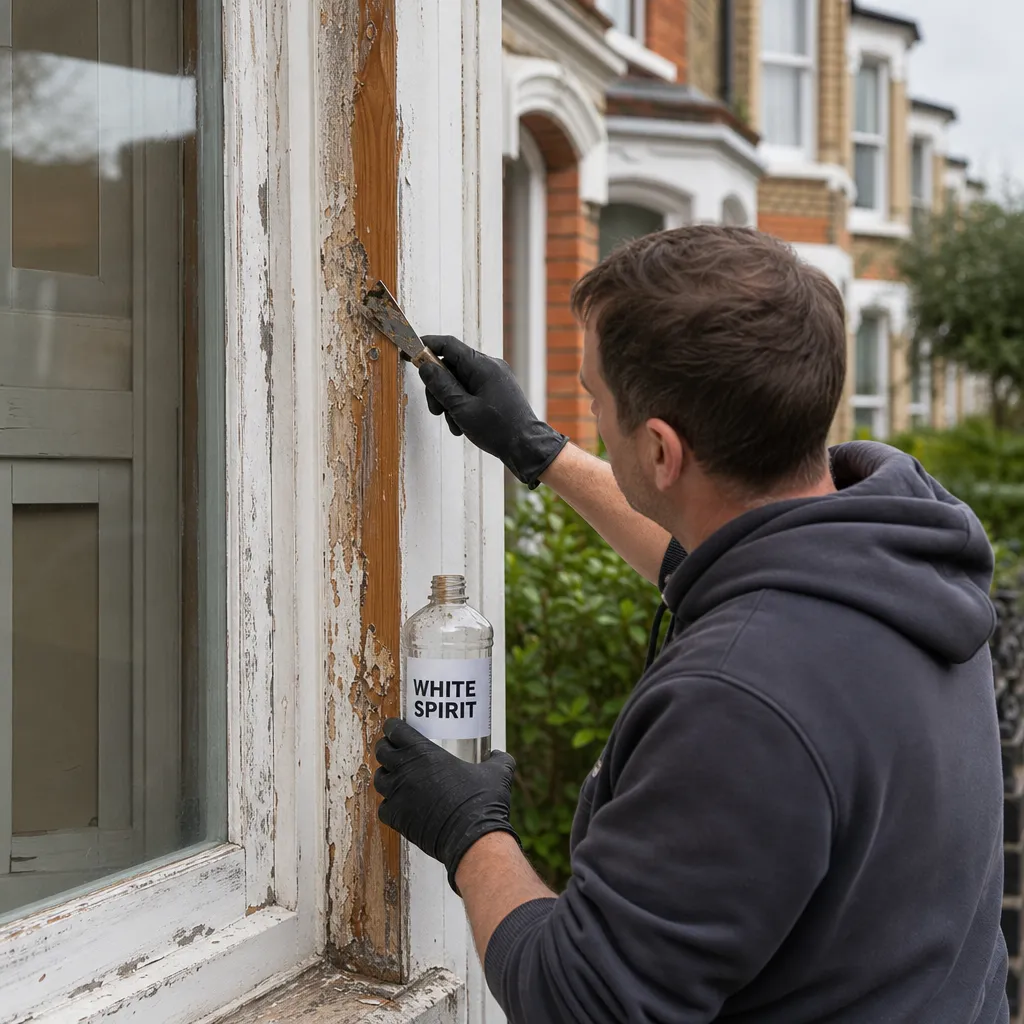
Paint Removal with White Spirit: Effectiveness and Application
White spirit dissolves uncured, freshly applied oil-based paints and is useful for cleaning brushes and removing fresh drips, but has very limited effect on fully dried or cured paint films.
 Improvement & Build
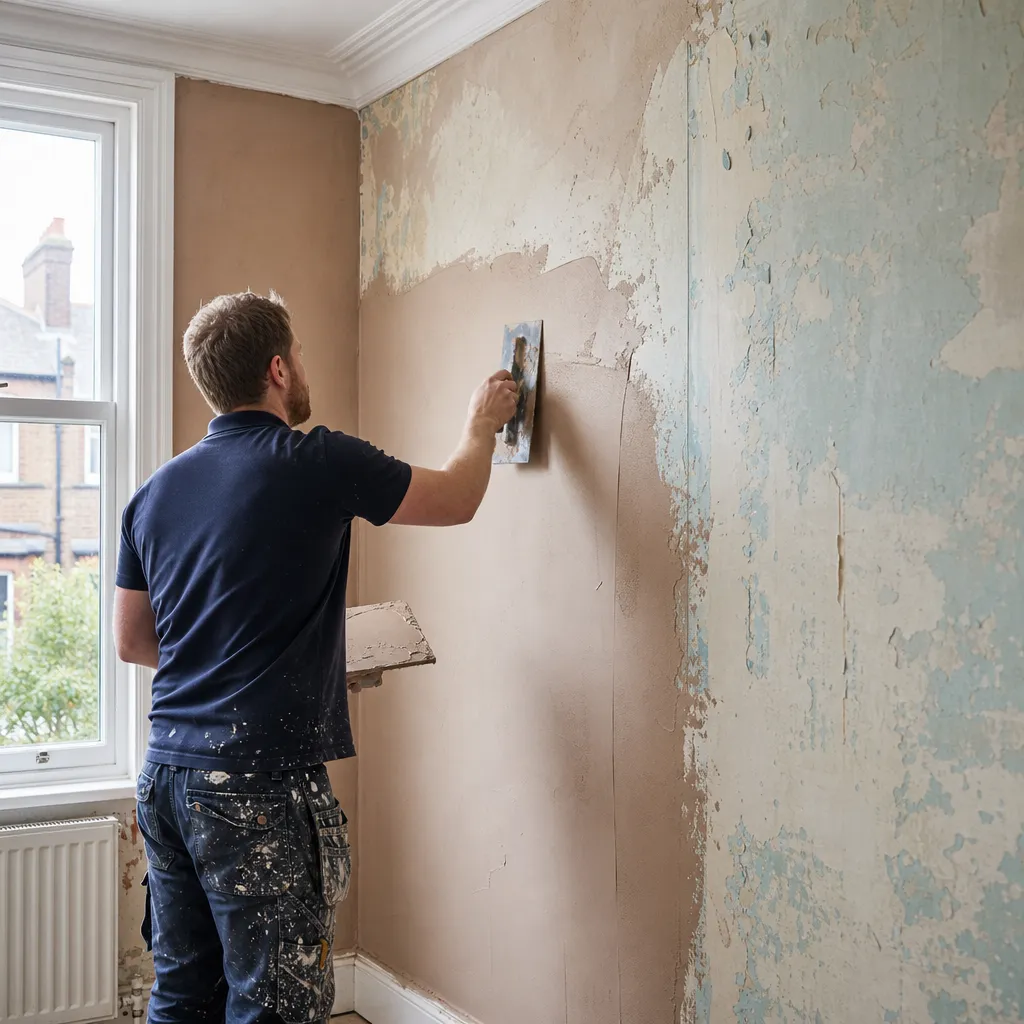
Plastering Over Existing Paint and Wallpaper: Surface Prep and Technique
Whether you can plaster over existing paint or wallpaper depends on surface condition and adhesion.
 Improvement & Build
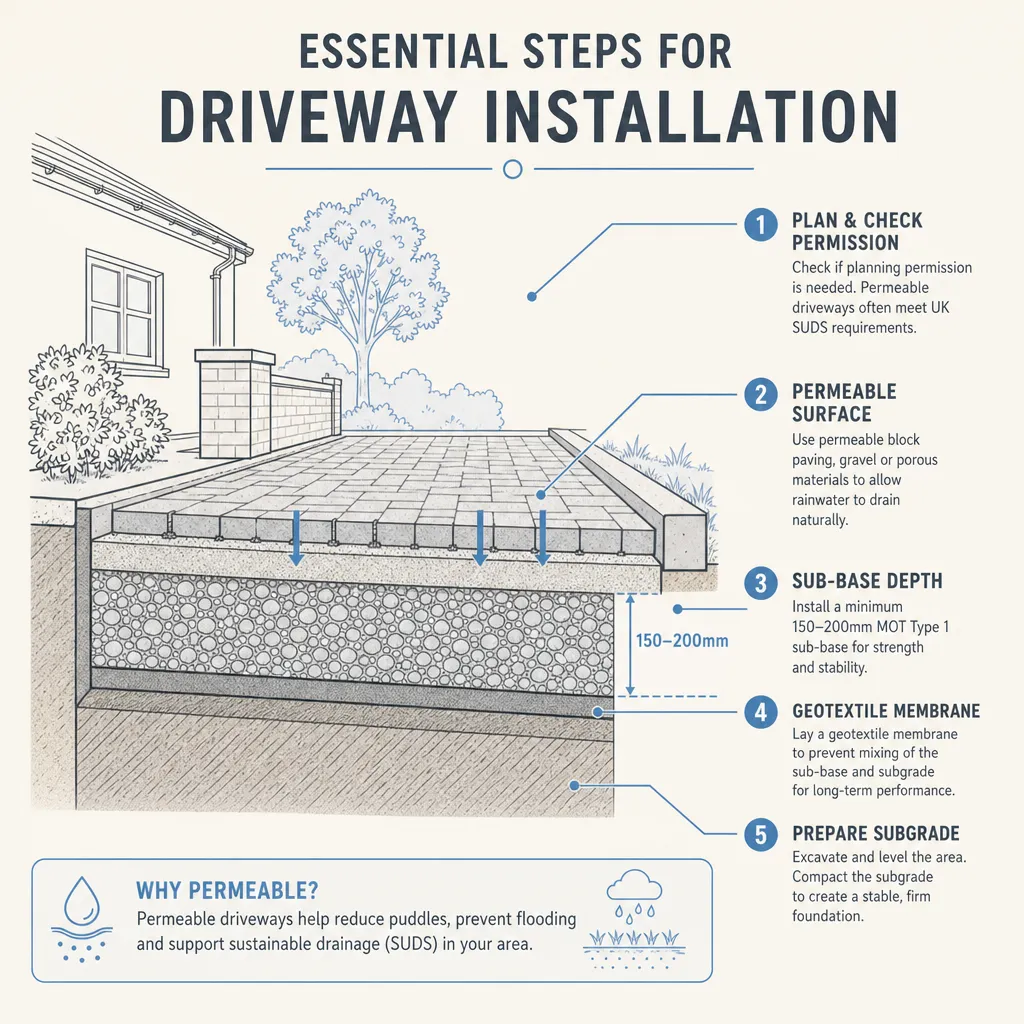
Essential Steps for Driveway Installation
Installing a driveway in England requires planning permission only when using an impermeable surface (standard tarmac, concrete, or block paving) on a front garden area over 5 m².
 Improvement & Build
Preparing Walls for Patching: Surface Preparation Best Practice
Durable wall patching starts with removing all loose material, cutting back to a clean and stable edge, cleaning the substrate, and priming with a construction-grade PVA bonding agent before applying any filler or plaster.
 Improvement & Build
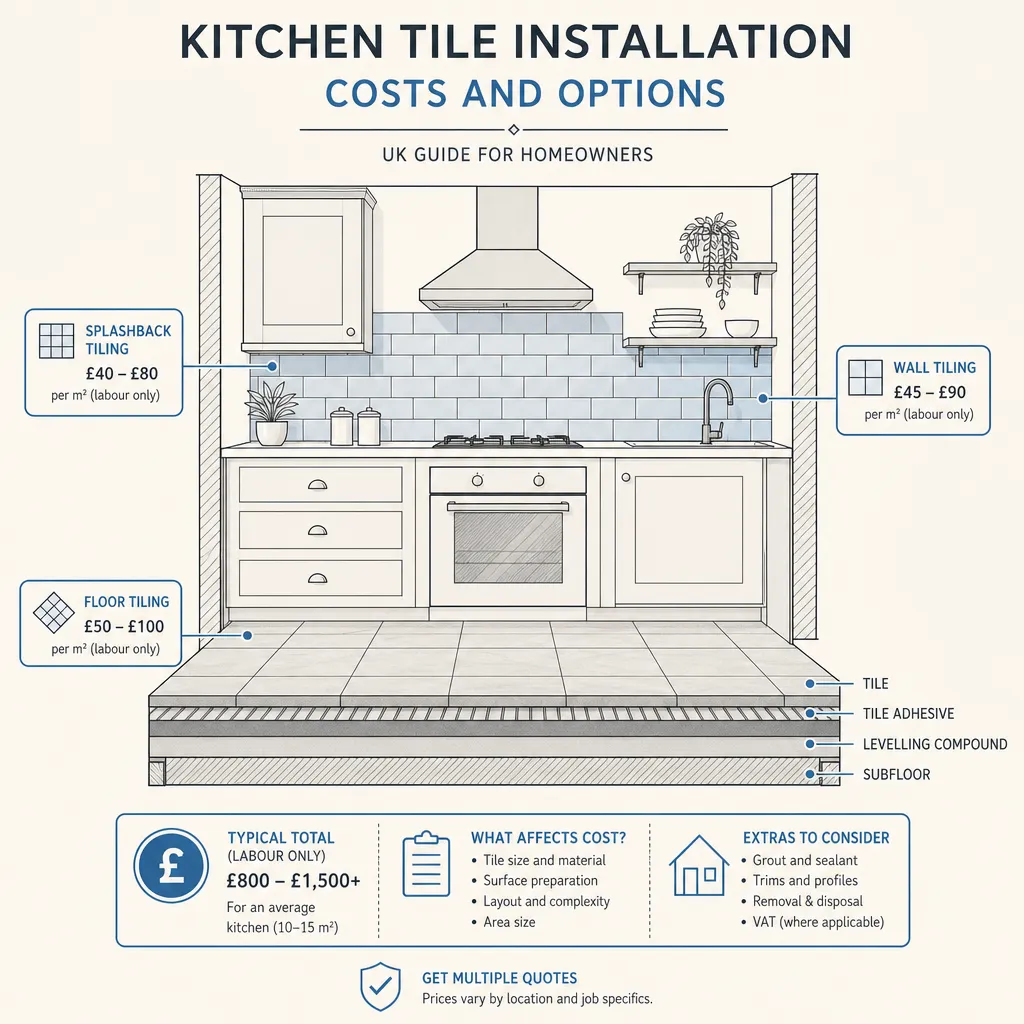
Kitchen Tile Installation Costs and Options
Kitchen tiling in the UK costs roughly £20–£40 per square metre for labour, plus £15–£80 per square metre for materials depending on tile type.