Paint Removal with White Spirit: Effectiveness and Application
By Housey · Last reviewed 4th of May 2026
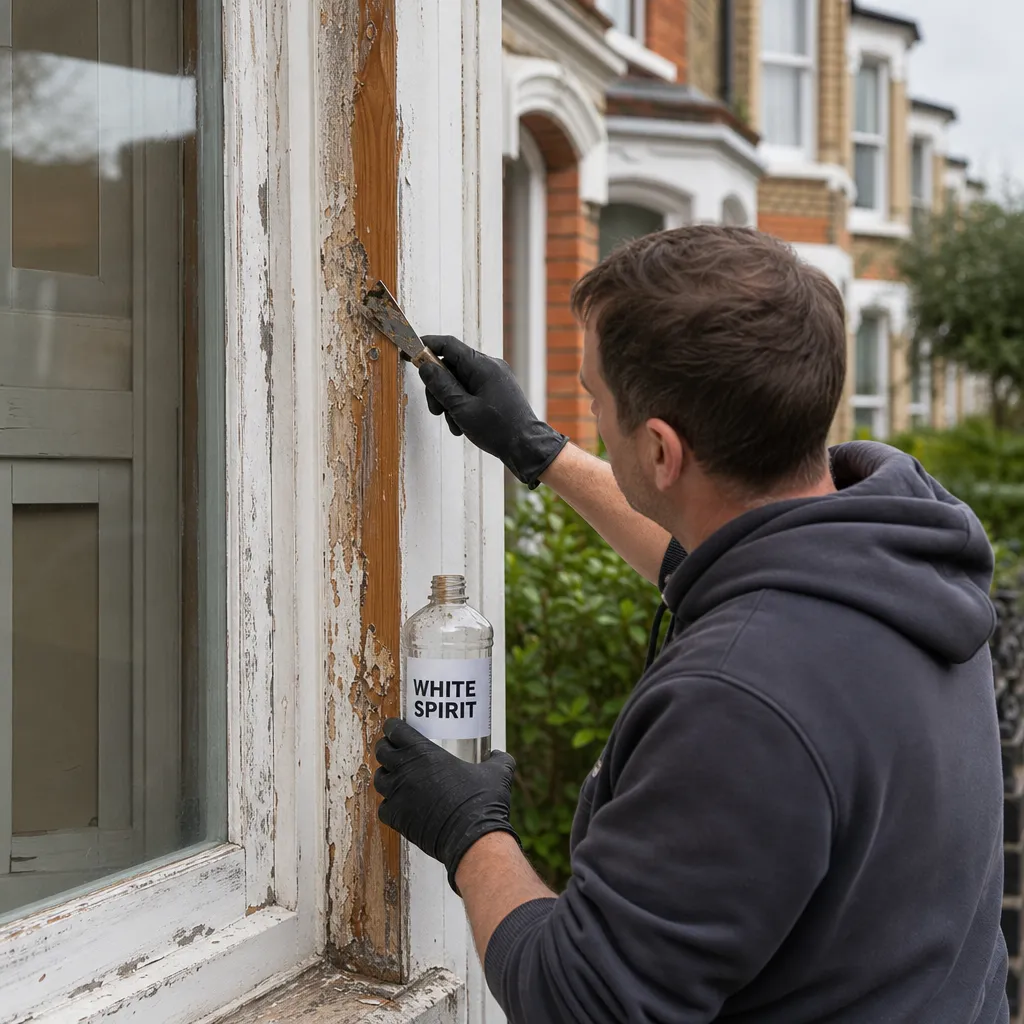
Paint Removal with White Spirit: Effectiveness and Application
White spirit is one of the most widely available solvents in UK hardware shops, and homeowners often reach for it when facing paint removal tasks — particularly for cleaning brushes, softening fresh drips, or tackling oil-based finishes. Understanding exactly what white spirit can and cannot do will save time, prevent surface damage, and avoid residue problems when a surface needs to be repainted or prepared for a render system afterwards.
Key points
- White spirit (also sold as mineral spirits or Stoddard solvent) dissolves uncured, freshly applied oil-based and alkyd paints, but has very limited effect on fully cured or dried paint films.
- White spirit does not work on water-based paints (vinyl, acrylic emulsion, masonry paint) — these use polymer binders that white spirit cannot dissolve.
- Under COSHH Regulations 2002 (SI 2002/2677), white spirit is classified as harmful if inhaled; work must be carried out in well-ventilated areas with appropriate PPE.
- Solvent residues remain on surfaces after white spirit treatment; always clean with detergent and water and allow to dry fully before applying any coating.
- White spirit is flammable — flash point typically 21–55°C for standard grades — and solvent-soaked rags must be dried flat outdoors and disposed of via a household hazardous waste collection point to prevent fire risk.
What white spirit actually does to paint
White spirit is a petroleum-derived aliphatic hydrocarbon solvent. It works by penetrating the paint film and disrupting the polymer chains in oil-based binders, softening or re-liquefying uncured paint so it can be wiped away. This makes it effective as a brush cleaner and for removing fresh paint spills.
However, once oil-based paint has fully cured through oxidative cross-linking, the binder becomes resistant to solvent dissolution. White spirit applied to cured gloss or oil-based paint may produce minor surface softening but will not lift the film in the way a dedicated chemical stripper would.
When white spirit is and is not useful
Task | White spirit effective? | Better alternative |
|---|---|---|
Cleaning brushes after oil-based gloss or paint | Yes — primary use | Purpose-made brush cleaner |
Removing fresh oil-based paint drips (still wet) | Yes | Wipe immediately; use white spirit on residue |
Removing cured, dried oil-based paint from wood | Limited | Dedicated gel stripper or heat gun |
Removing masonry paint or emulsion | No | Pressure washing, wire brush, or chemical stripper |
Removing bituminous coating | No | Mechanical grinding or specialist stripper |
Degreasing before repainting | Partial — must rinse thoroughly | Sugar soap or TSP solution |
Removing gloss from woodwork before repainting | Minimal | Liquid deglosser, sanding, or chemical stripper |
Cleaning tools after epoxy or two-pack paint | No | Specialist solvent per manufacturer's data sheet |
How to use white spirit for paint removal
White spirit is most effective used promptly on fresh, uncured oil-based paint. Follow this process:
- Ensure ventilation — open windows and doors; use extraction if working indoors. Vapour accumulates quickly in enclosed spaces and is a fire and health hazard.
- Wear PPE — nitrile gloves and eye protection as a minimum. Add a half-face respirator with an organic vapour (OV) cartridge for prolonged use.
- Apply white spirit using a lint-free cloth or natural-bristle brush — do not pour directly onto the surface.
- Allow 1–5 minutes dwell time to soften the paint film.
- Agitate with a stiff brush or scraper to lift softened paint.
- Wipe away dissolved paint and solvent with a clean cloth. Handle solvent-soaked rags safely — see the safety section below.
- Repeat on stubborn areas as necessary.
- Clean the surface with detergent and warm water to remove all solvent residues before any repainting or coating application.
Chemical strippers and mechanical alternatives
For bulk removal of cured paint on woodwork, masonry, or metal, dedicated chemical strippers or mechanical methods are more effective than white spirit.
Modern paint strippers in the UK are typically dichloromethane (DCM)-free following restrictions under REACH Regulation (EC) No 1907/2006, as retained in UK law. Common types include:
- NMP-based strippers (N-methyl-2-pyrrolidone) — effective on most oil-based and some water-based finishes; longer dwell time required.
- DBE-based strippers (dibasic esters) — lower toxicity; suitable for wood and metal; slower acting.
- Caustic (sodium hydroxide) strippers — very effective on wood but can raise grain and darken some timbers; must be fully neutralised before repainting.
Mechanical alternatives include heat guns (effective on wood mouldings; avoid near glass or suspected lead paint surfaces), sanding and abrading (for thin coatings on flat surfaces), and wire brushing or scarifying (for masonry). For rendering substrate preparation, mechanical methods are always preferred over solvents.
What not to assume about white spirit
- Do not assume white spirit is a general-purpose paint remover — it is a solvent and thinner, not a stripping agent for cured films.
- Do not assume surfaces are clean after white spirit treatment — solvent residues persist and must be removed with detergent and water before applying any coating.
- Do not assume white spirit is safe in enclosed spaces — it is flammable and the vapour is harmful in concentration; ventilation is not optional.
- Do not use white spirit on surfaces receiving lime render, breathable masonry paint, or timber treatments without confirming compatibility — solvent residues can inhibit adhesion and breathability.
- Do not dispose of solvent-soaked rags in a household bin — they can self-ignite through exothermic oxidation. Lay rags flat outdoors to dry in a safe location, then take to a household hazardous waste collection point.
- Do not use white spirit on plastic, rubber seals, or polycarbonate surfaces — it can cause swelling, crazing, or discolouration.
Safety under COSHH Regulations
White spirit is subject to the Control of Substances Hazardous to Health (COSHH) Regulations 2002. For domestic use this means working in well-ventilated areas, wearing nitrile gloves and eye protection (add an organic vapour respirator for prolonged use), keeping away from naked flames and heat sources, storing in the original labelled container away from children, and disposing of waste solvent via a household hazardous waste collection point or civic amenity site — not down drains.
The HSE provides COSHH guidance for painters and decorators covering solvent use in more detail at hse.gov.uk.
When to get professional help
White spirit and solvent-based paint removal is manageable for most competent DIYers on small areas. Seek professional help when:
- The paint may contain lead — common in pre-1980 properties. Sanding or heat-stripping lead paint without controls is hazardous; refer to HSE guidance INDG361.
- You are working on large areas where solvent fumes would accumulate in concentration.
- The surface is a listed building or heritage asset where inappropriate methods could damage historic fabric.
- The paint contains bituminous or tar-based components that require specialist assessment before disturbance.
- You are preparing for a specialist coating or render system and are uncertain about solvent compatibility.
How Housey can help
Housey can connect you with qualified decorating and surface-preparation contractors across the UK who can advise on the most appropriate paint removal method for your project and carry out the work safely and to a professional standard.
Frequently asked questions
Will white spirit remove dried gloss paint from wood?
White spirit softens freshly applied or uncured gloss paint but has very limited effect on fully dried, cured gloss. For dried gloss on wood, a dedicated chemical stripper or heat gun is more effective, followed by sanding. White spirit is best used promptly on fresh drips and spills rather than as a bulk stripping agent for cured paint films.
Is white spirit the same as turpentine?
No. White spirit is a petroleum-derived aliphatic hydrocarbon solvent; turpentine is derived from pine resin. Both thin oil-based paints and clean brushes, but they have different evaporation rates, smells, and costs. White spirit is generally cheaper and more widely available in UK hardware stores. For fine artwork or specialist finishes, turpentine is sometimes preferred.
Can I use white spirit to remove masonry paint before rendering?
No. White spirit is not effective on water-based masonry paint, which requires mechanical removal: wire brushing, scraping, pressure washing, or scarifying. Solvent residues from white spirit can also contaminate masonry and inhibit render adhesion, so it should be avoided in rendering substrate preparation altogether.
How long should I wait after using white spirit before repainting?
Allow the surface to dry and all solvent to evaporate fully — typically at least 24 hours in a well-ventilated space. Clean the surface with detergent and warm water after solvent work to remove residues, then allow to dry again before applying primer or topcoat. Check the paint manufacturer's data sheet for specific surface preparation requirements.
Sources and further reading
- COSHH Regulations 2002 — guidance for painters and decorators — Health and Safety Executive
- Lead paint — advice for painters and decorators (INDG361) — Health and Safety Executive
- How to dispose of household hazardous waste — GOV.UK
- REACH Regulation (EC) No 1907/2006 — DCM restrictions in paint strippers — HSE
- Responsible use of solvents in decorating — British Coatings Federation
Useful next reads
 Improvement & Build
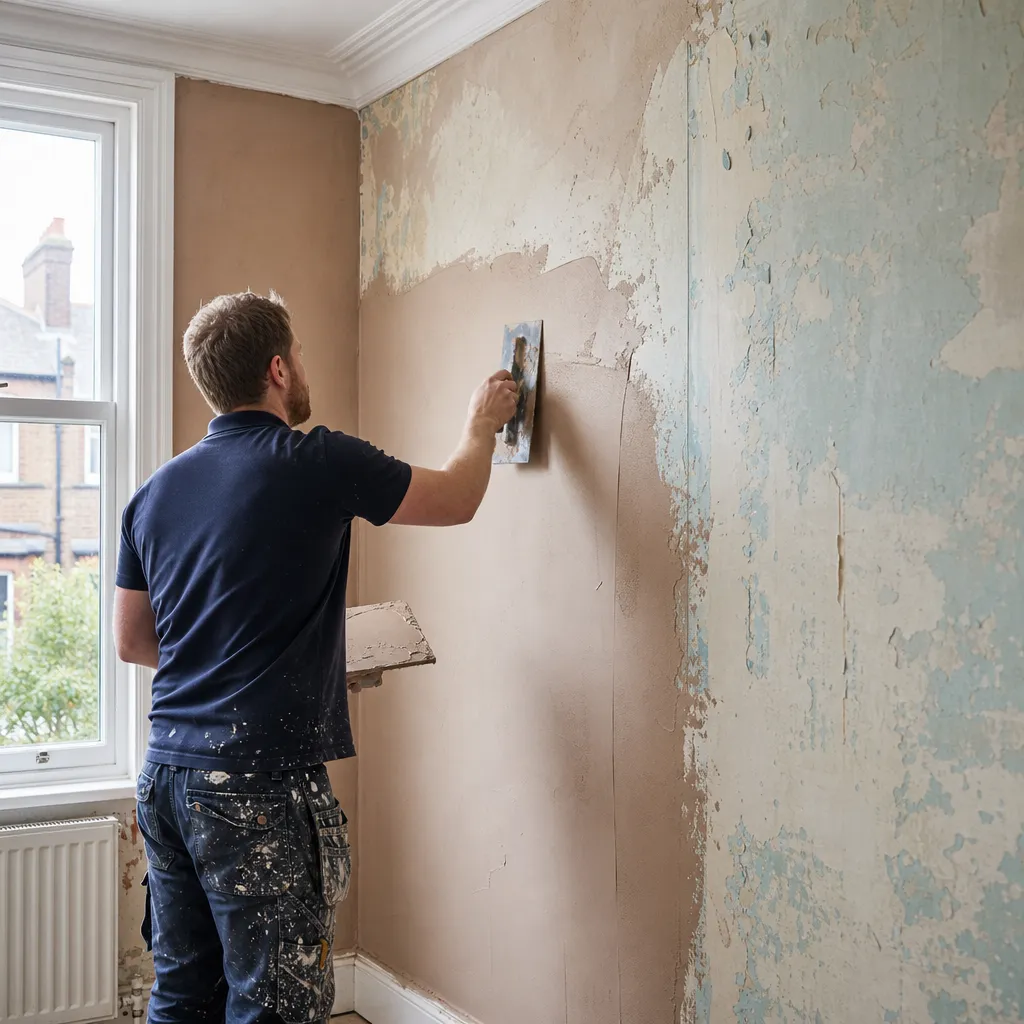
Plastering Over Existing Paint and Wallpaper: Surface Prep and Technique
Whether you can plaster over existing paint or wallpaper depends on surface condition and adhesion.
 Improvement & Build
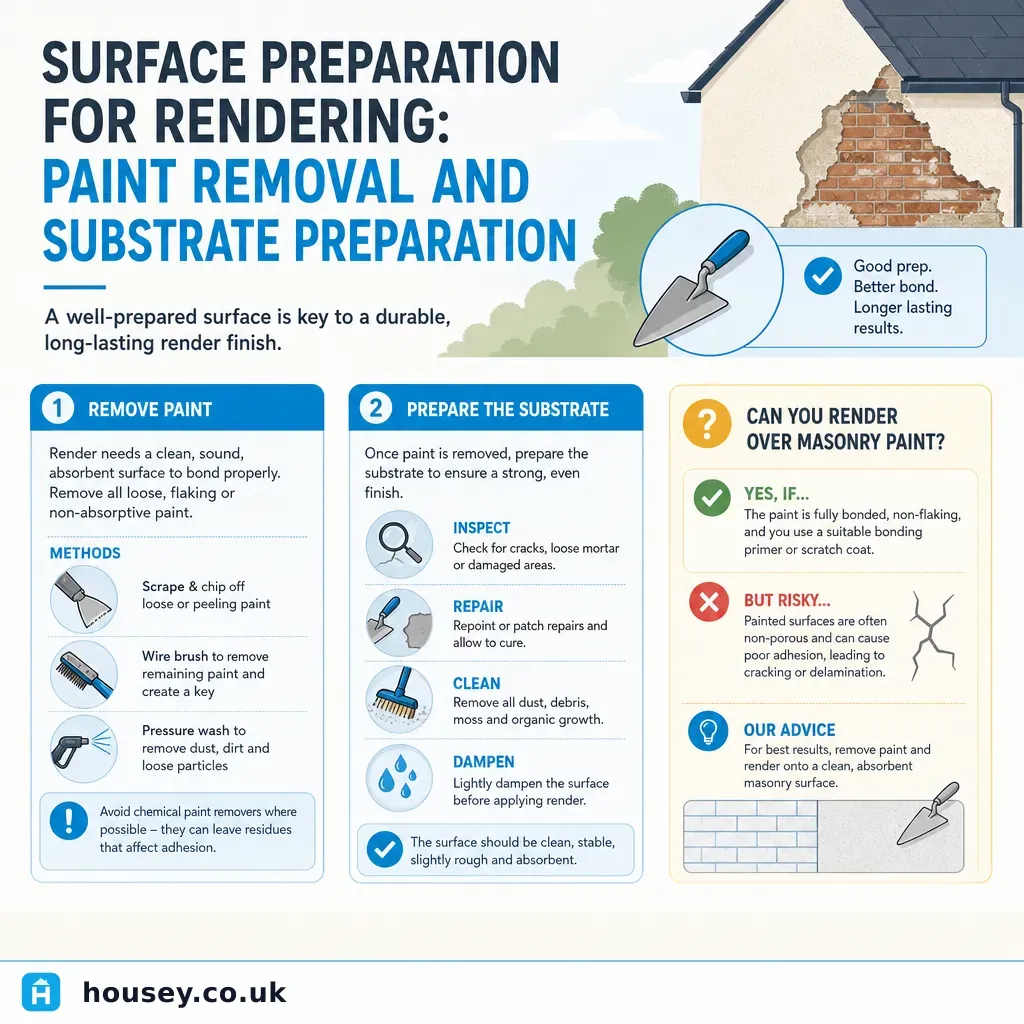
Surface Preparation for Rendering: Paint Removal and Substrate Preparation
Before applying render to any wall, all loose, flaking, or contaminated paint must be removed to prevent delamination.
 Improvement & Build
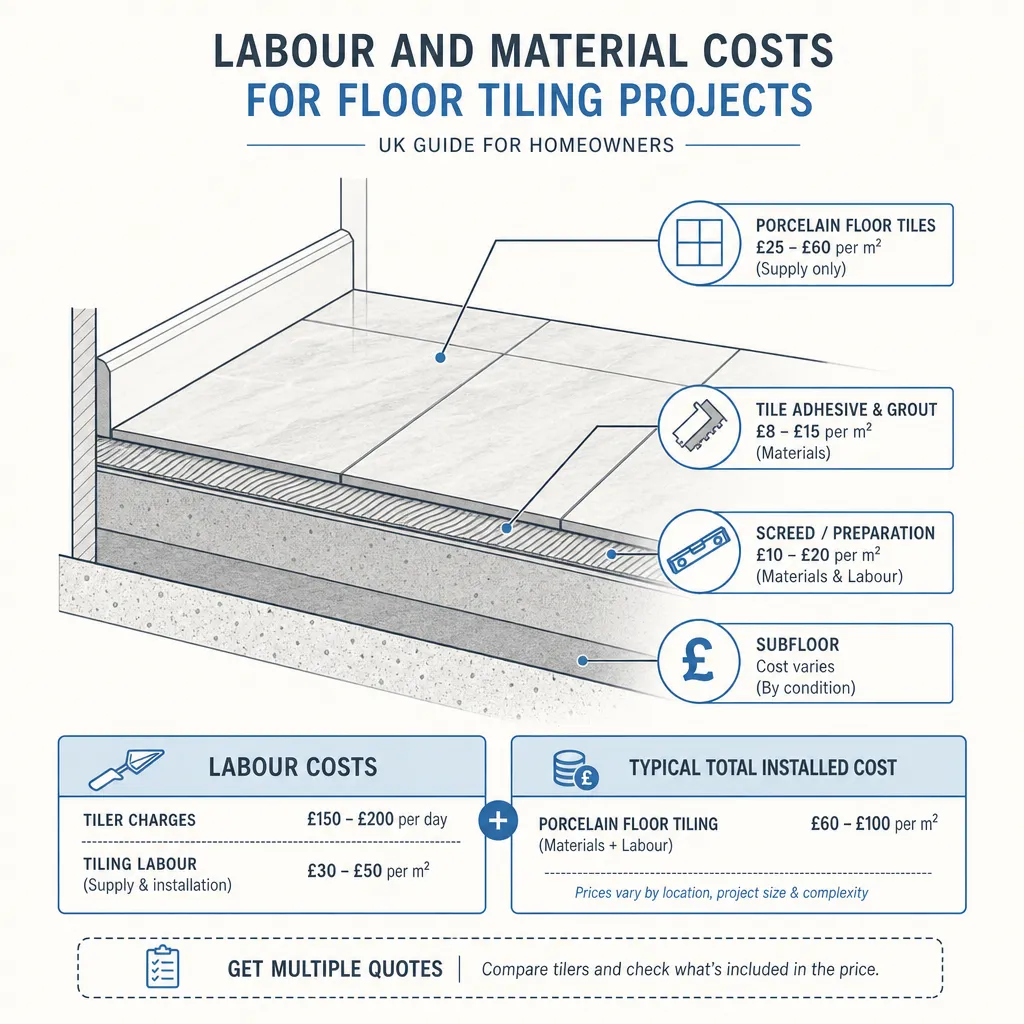
Labour and material costs for floor tiling projects
Floor tiling in the UK typically costs £30–£60 per m² in labour, plus materials ranging from £10–£40/m² for ceramic to £50–£150+/m² for natural stone.
 Improvement & Build
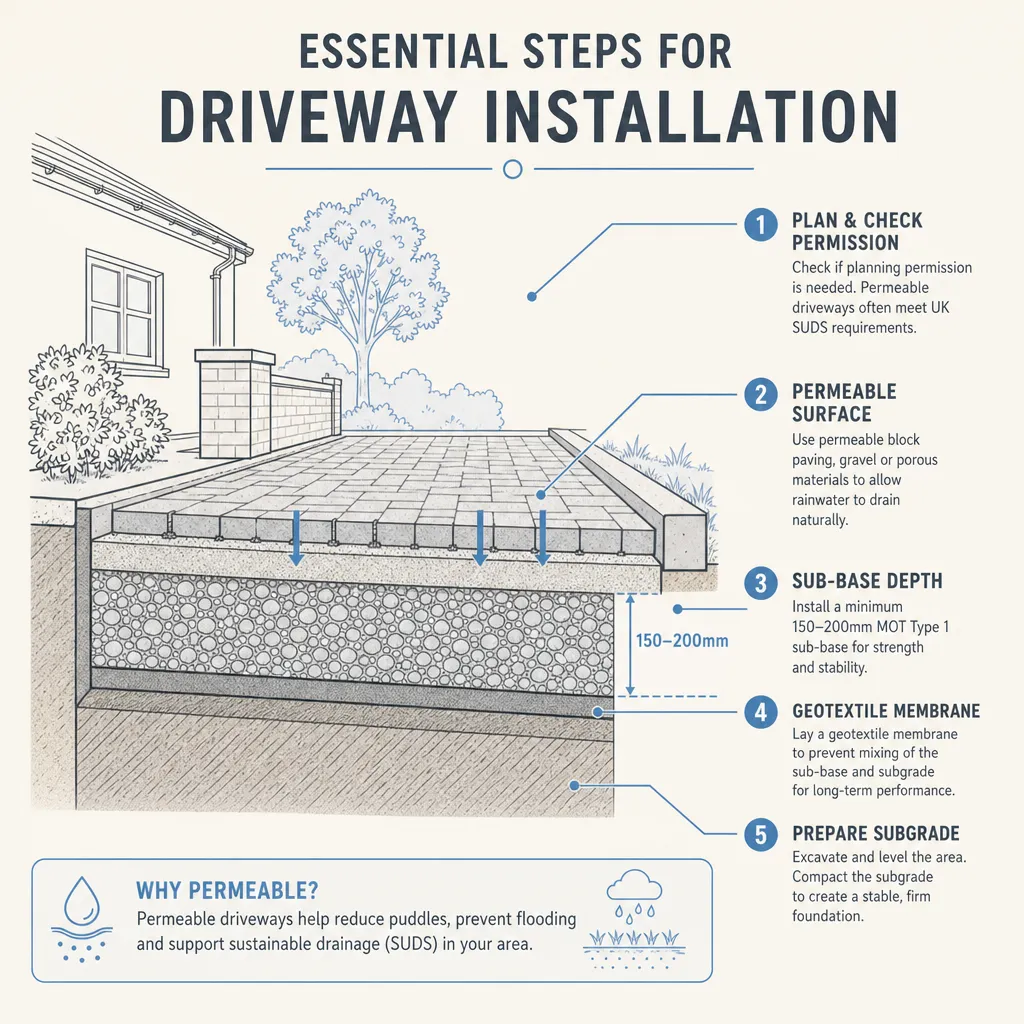
Essential Steps for Driveway Installation
Installing a driveway in England requires planning permission only when using an impermeable surface (standard tarmac, concrete, or block paving) on a front garden area over 5 m².
 Improvement & Build
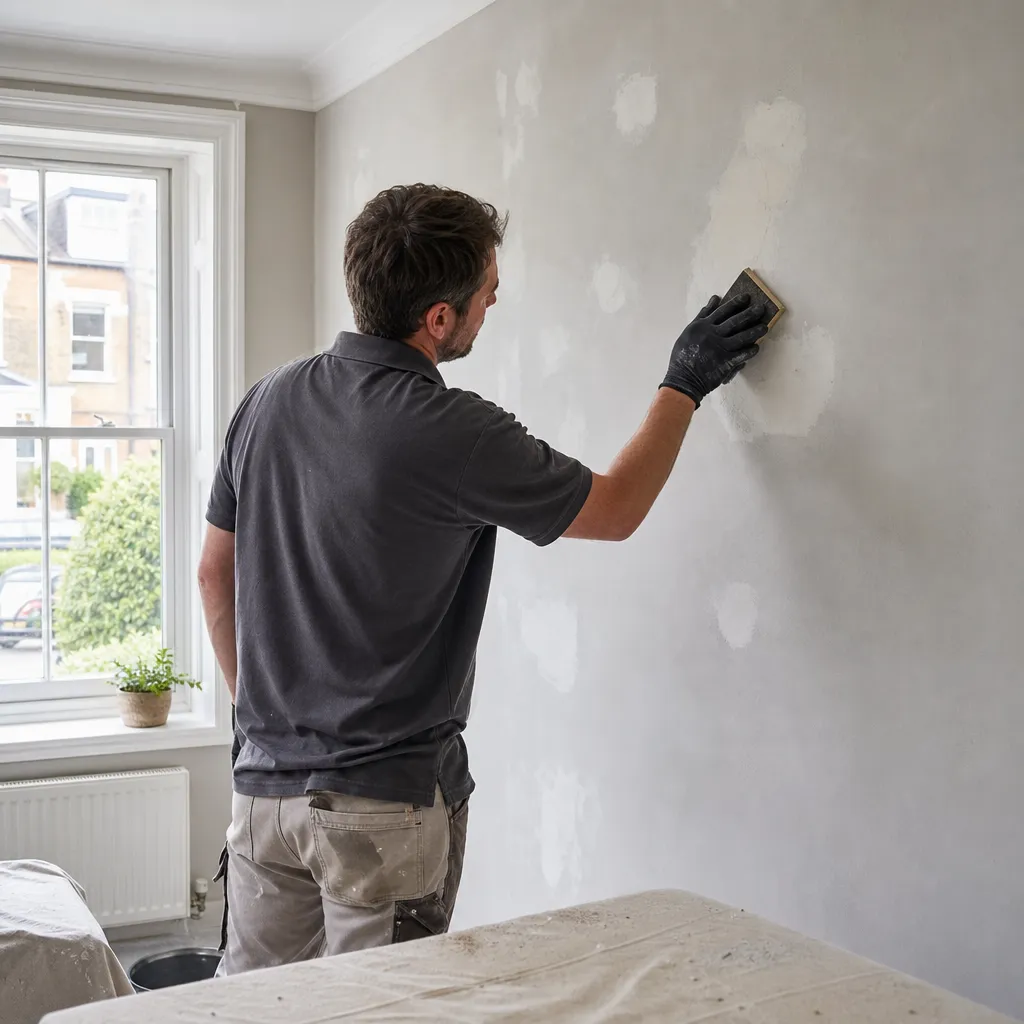
Preparing Walls for Patching: Surface Preparation Best Practice
Durable wall patching starts with removing all loose material, cutting back to a clean and stable edge, cleaning the substrate, and priming with a construction-grade PVA bonding agent before applying any filler or plaster.