Leaded Window Repair and Restoration Costs
By Housey · Last reviewed 7th of May 2026
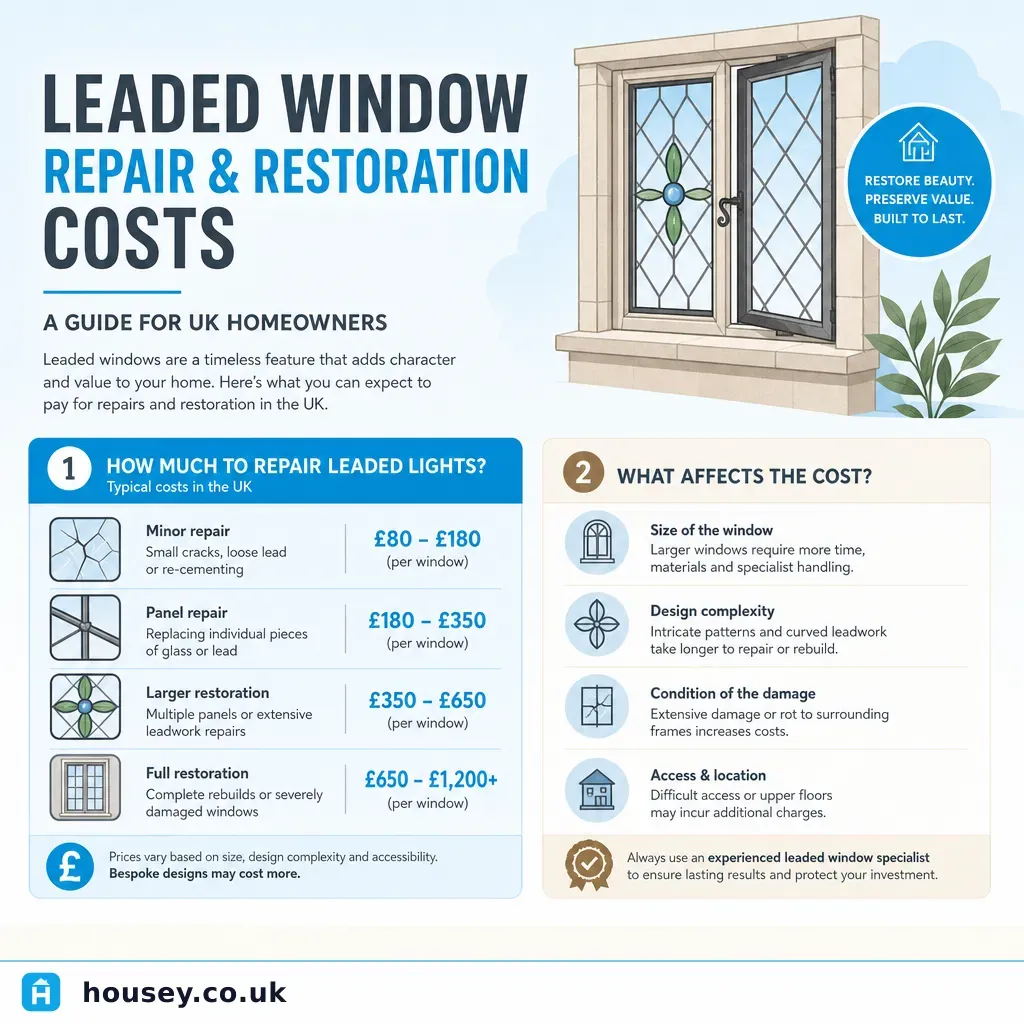
Leaded Window Repair and Restoration Costs
Leaded windows are a defining feature of many period homes across the UK — from Arts and Crafts villas and Edwardian semis to Tudor Revival cottages and Victorian bay-fronted terraces. When the lead came deteriorates or glass panels crack, homeowners face a choice between patch repairs and full restoration, often with heritage obligations adding another layer of complexity. Understanding what drives costs helps you budget accurately and choose the right specialist before the window deteriorates further.
Key points
- Lead came — the H-section lead strips that hold individual glass panes — typically lasts 80–100 years before needing full replacement; earlier failure is common in windows exposed to heavy weathering or repeated poor-quality repairs.
- Re-soldering loose or failed joints costs approximately £150–£400 per window; full came replacement and restoration typically runs £500–£2,000+ depending on window size and complexity.
- Listed Building Consent is required for repairs that change the character of a listed building's windows — even like-for-like replacement can trigger this duty under Section 7 of the Planning (Listed Buildings and Conservation Areas) Act 1990.
- FENSA registration does not cover heritage leaded-light restoration; look for specialists who are members of the British Society of Master Glass Painters (BSMGP) or the Guild of Master Craftsmen.
- Temporary secondary glazing fitted on the inside can reduce heat loss and protect deteriorating leaded lights while you source a specialist or await Listed Building Consent.
What affects the cost of leaded window repair?
Several factors move the price significantly.
Size and complexity. A small casement of around 0.3 m² costs far less to restore than a large bay or a decorative Art Nouveau panel with curved or painted glass. Intricate geometric designs require considerably more cutting and fitting time.
Extent of damage. Minor re-soldering of a handful of loose joints is a few hours' work. A window where the came has bowed, panes have cracked across multiple lights, or the putty fillet has failed throughout will need complete dismantling, new came, and a full panel rebuild.
Glass type. Standard clear antique or cylinder glass costs approximately £15–£40 per square foot for heritage-matched stock. Painted, stained, etched, or coloured glass costs considerably more to source or reproduce; restoration of original Victorian or medieval coloured glass is specialist conservation work priced on individual assessment.
Access. Ground-floor casements are straightforward to work on. First-floor or dormer windows require scaffolding or a scaffold tower, adding £200–£600 to project costs depending on duration and height.
Listed or conservation area status. Heritage obligations can require conservation-grade materials, documentation, and consent applications — all of which add time and cost.
Location. Specialist glaziers in London and the South East typically charge more than those in the Midlands or North, reflecting regional labour market differences.
Typical cost ranges for leaded window repair
Indicative UK costs, last reviewed 2026-05-07. Costs vary by region, window size, and complexity — always request itemised quotes.
Work type | Typical cost range | What's usually included | Not usually included |
|---|---|---|---|
Re-soldering loose joints (per window) | £150–£400 | Joint cleaning, flux, re-soldering | Scaffolding, glass replacement |
External resealing and repointing putty fillet | £100–£300 | Removing old putty, re-bedding came | Lead or glass repair |
Single cracked pane replacement | £80–£250 | New glass cut and fitted | Lead work beyond the immediate pane |
Partial came replacement (section) | £300–£800 | Came removed, new came fitted, re-soldered | Full panel restoration |
Full came replacement and restoration (per panel) | £500–£2,000+ | Panel removed, completely re-leaded, re-glazed, re-installed | Scaffolding, listed building consent fees |
Full restoration including decorative or stained glass | £1,500–£5,000+ | Condition assessment, dismantling, conservation repair, re-installation | Consent, structural opening work |
Leaded windows in listed buildings and conservation areas
If your property is listed (Grade I, Grade II*, or Grade II) or within a conservation area, repairs that materially alter the appearance of the windows may require Listed Building Consent before work begins.
Under Section 7 of the Planning (Listed Buildings and Conservation Areas) Act 1990, carrying out works that affect the character of a listed building without consent is a criminal offence. This applies even when the intention is like-for-like repair using matching materials. Your local planning authority's conservation officer can advise on what requires consent before a specialist is instructed.
Historic England's guidance on traditional windows recommends repairing rather than replacing wherever possible, and using materials that match the original in appearance and performance. A heritage glazier will be familiar with these requirements; always ask at the quoting stage whether consent may be needed and who will manage the application.
Conservation area properties do not automatically require Listed Building Consent, but Article 4 Directions can remove permitted development rights for window work — check with your local planning authority before proceeding.
DIY repairs: what is and is not feasible
Minor maintenance — cleaning the glass or applying a weatherproof sealant around a sound external putty fillet — is within a careful DIYer's reach.
However, re-leading or came replacement is skilled work. Incorrectly fitted came introduces stress concentrations that crack glass; incorrect soldering temperatures can damage antique or thin panes. On a listed building, DIY came replacement without consent may constitute a criminal offence.
Limit DIY to:
- External cleaning with an appropriate glass cleaner
- Applying linseed-oil putty to small areas of deteriorating external fillet as a short-term top-up
- Fitting a secondary glazing panel on the inside to reduce draughts while awaiting specialist repair
For anything involving removing or replacing came, cracked glass, or works on a listed property, engage a qualified specialist.
Red flags: when repair may not be enough
Watch for these signs that a window is beyond simple re-soldering and needs full restoration or professional assessment:
- Bowing or buckling — if the panel has visibly bowed inward or outward, the came structure has failed and re-soldering individual joints will not re-tension it
- Multiple cracked panes across the panel — isolated cracking may be single-impact damage; widespread cracking suggests thermal movement stress from a deteriorated came matrix
- Draughts coming through the glass area rather than the frame — this indicates putty fillet failure across much of the panel
- Water tracking inside the glass — failed lead or putty allows water ingress that can rot timber surrounds and cause internal damp
- Previous bodge repairs — silicone sealant applied over came, mismatched glass, or mixed new and old lead often signals repeated patching that masks underlying structural failure
- Painted or stained glass with lifting paint or corroded leads — this requires a conservation assessment, not standard glazier work
What to ask before hiring a leaded window specialist
Before accepting a quote, ask the following:
- Are you a member of the British Society of Master Glass Painters, the Guild of Master Craftsmen, or another recognised heritage glazing body?
- Can you provide references or photos of comparable heritage glazing work on period properties?
- Will you advise whether Listed Building Consent or conservation officer sign-off is needed before work starts?
- What materials will you use — heritage-matched lead came or modern came?
- Will the panel be repaired in situ or removed to your workshop?
- Is scaffolding included in the quote, or priced separately?
- What warranty do you offer on the soldering and came work?
- Is VAT included in the figure you have quoted?
When to get professional help
Always engage a specialist leaded glazier — rather than a general window fitter — for:
- Any repair to a listed building's windows
- Windows containing original or decorative coloured, stained, or painted glass
- Panels that are bowing, have widespread cracking, or have structurally failed came
- Any window where you are unsure whether Listed Building Consent is needed
Contact your local planning authority's conservation officer before work begins if there is any doubt about listed status or Article 4 restrictions.
How Housey can help
Finding a specialist in leaded and heritage glazing takes more than a quick internet search. Housey connects you with vetted window and door installers who have experience working on period properties — request itemised quotes, compare credentials, and appoint with confidence.
Frequently asked questions
How long does leaded window restoration take?
Minor re-soldering of a single window can be completed in a day. Full panel removal, re-leading, and re-installation typically takes one to three days per window depending on size and complexity. If the work requires Listed Building Consent, allow six to eight weeks for the consent process before works can start.
Can I replace just one cracked pane in a leaded window?
Yes, replacing a single cracked pane is usually straightforward for an experienced leaded glazier. The surrounding came is carefully lifted, the broken glass removed, new glass cut to size and fitted, and the came re-soldered. Cost is typically £80–£250 depending on glass type and access.
Does home insurance cover leaded window repair?
Accidental damage policies may cover a single cracked pane caused by an insured event such as an impact. Gradual deterioration of lead came is generally considered wear and tear and is not covered. Check your policy schedule and speak to your insurer before commissioning work if you intend to make a claim.
Do I need planning permission to repair leaded windows?
Repair and like-for-like restoration usually does not require planning permission. However, listed buildings require Listed Building Consent for works that affect the character of the building, which can include window repairs. Always check with your local planning authority's conservation officer if your property is listed or in a conservation area.
How do I find a qualified leaded window specialist?
Look for members of the British Society of Master Glass Painters (BSMGP) or the Guild of Master Craftsmen, and ask for references and photos of comparable period glazing work. Housey's window and door installers directory includes specialists experienced in heritage and leaded-light restoration.
Sources and further reading
- Planning (Listed Buildings and Conservation Areas) Act 1990, Section 7 — legislation.gov.uk
- Advice on traditional windows — Historic England
- British Society of Master Glass Painters — BSMGP
- Listed buildings: protecting and improving your home — GOV.UK
Useful next reads
 Improvement & Build
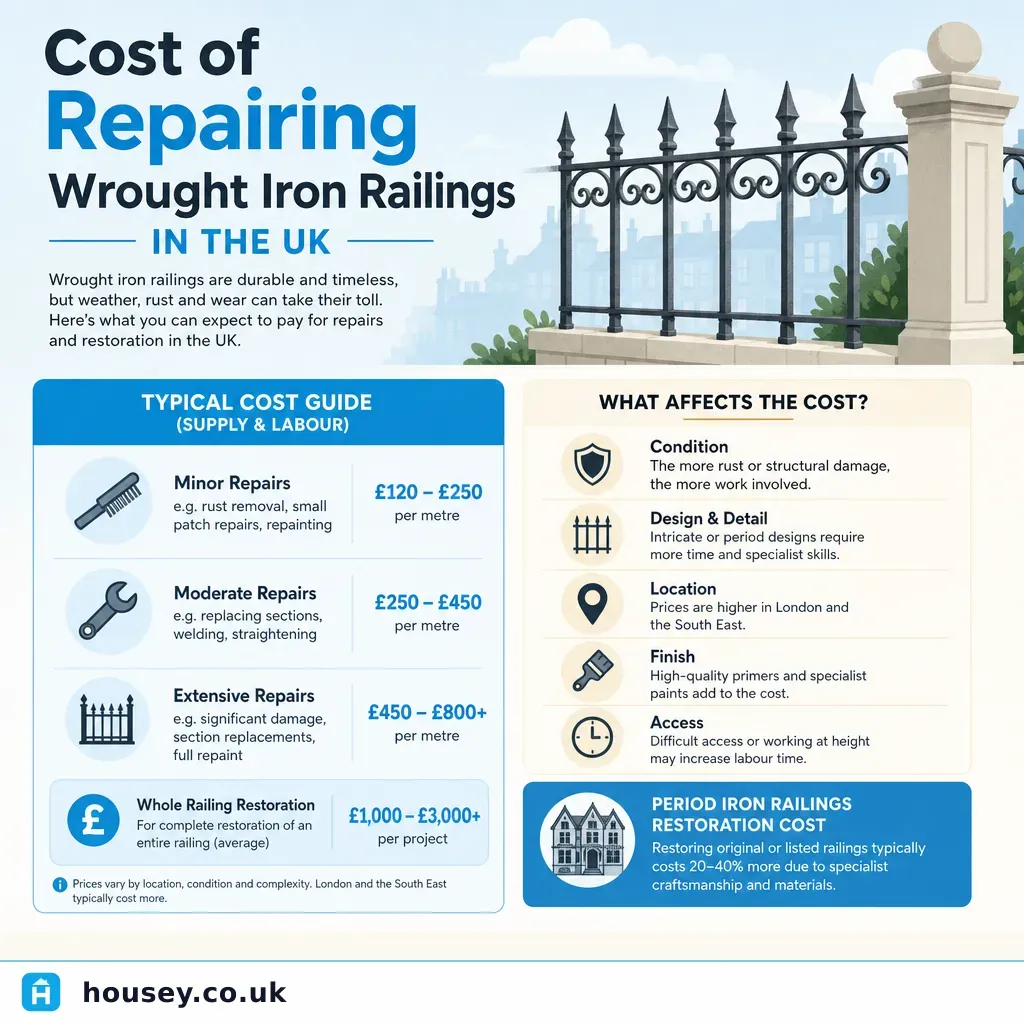
Cost of Repairing Wrought Iron Railings in the UK
Repairing wrought iron railings in the UK typically costs £50–£150 per linear metre for surface treatment and repainting, rising to £400–£900 per metre for structural welding or section replacement.
 Improvement & Build
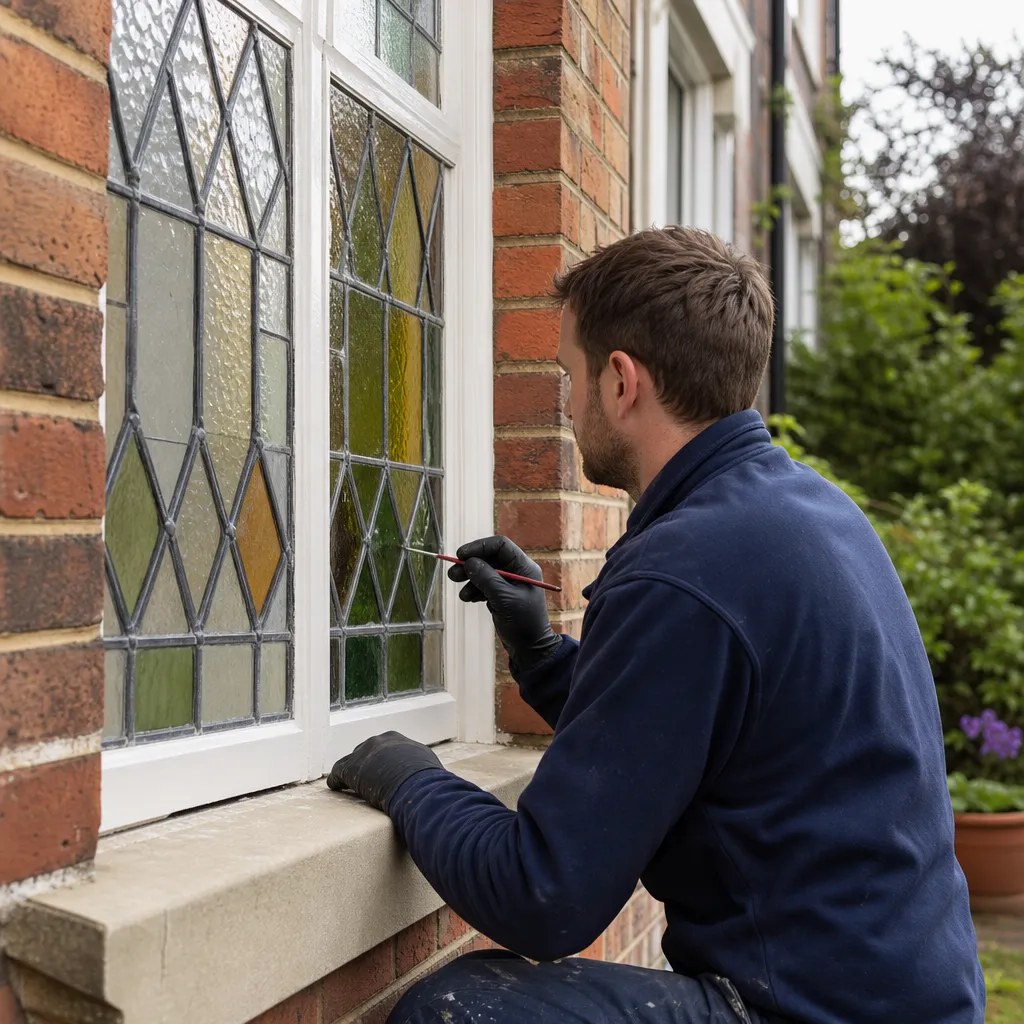
Sealing and Maintaining Historic Leaded Glass Windows: Preservation and Performance
Leaded glass windows are maintained using traditional linseed oil cement — not silicone or modern sealants, which prevent natural movement in the lead came.
 Improvement & Build
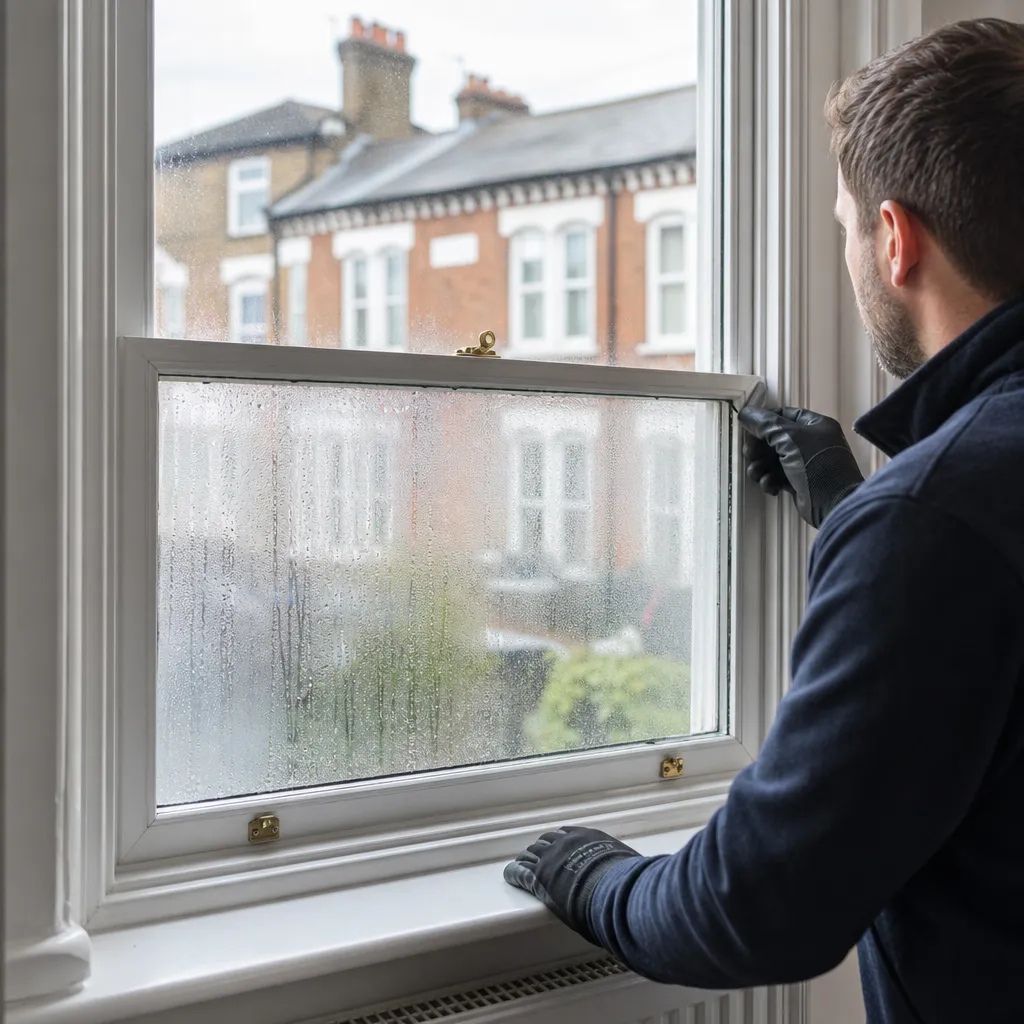
Repairing Failed Window Seals and Condensation Issues
Condensation between double-glazed panes means the hermetic seal on the insulated glass unit has failed.
 Improvement & Build
Guide to Replacing Timber Sash Windows with Authentic Restoration
Restoring a timber sash window typically costs £150–£400 per window; full replacement costs £800–£2,500.
 Improvement & Build
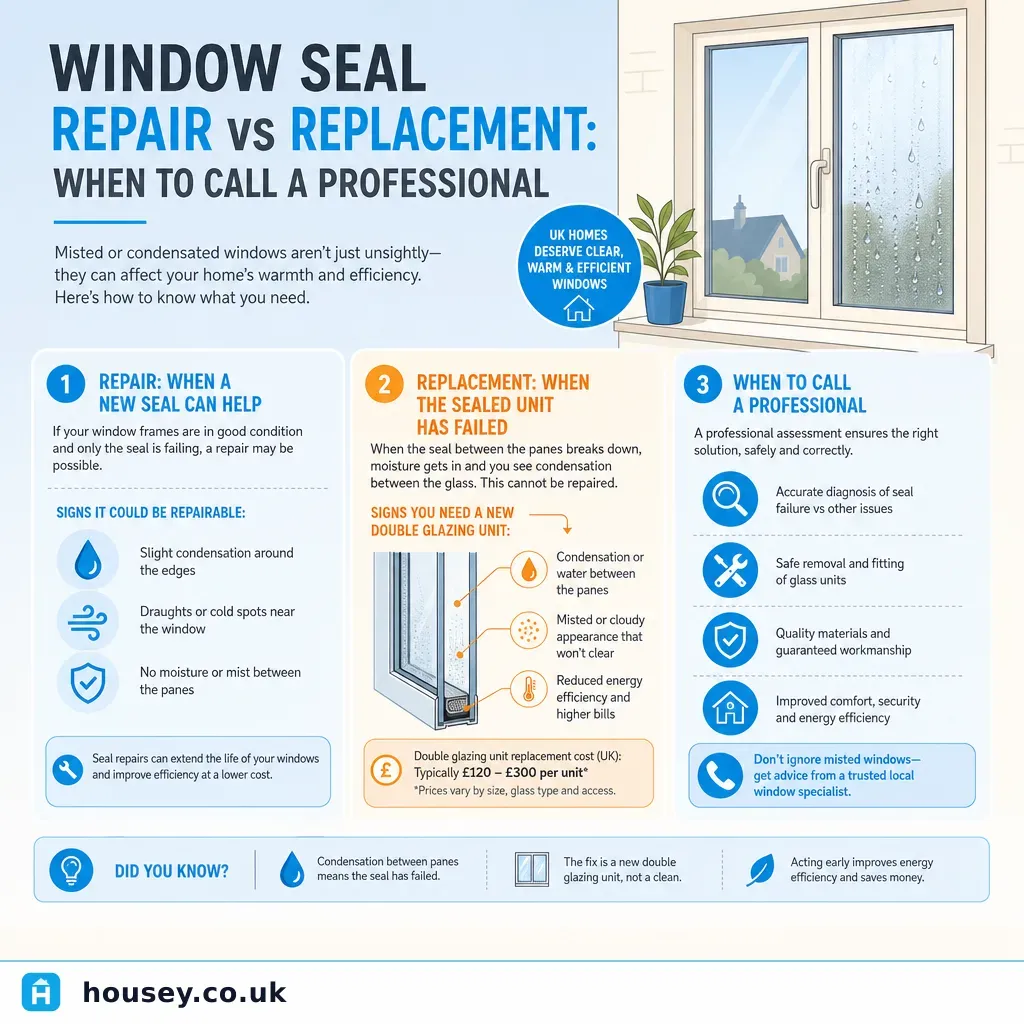
Window Seal Repair vs Replacement: When to Call a Professional
Failed window seals usually mean the double-glazed unit needs replacing — resealing a misted unit rarely works long-term.