Light-Coloured Roofing: Energy Benefits and Cooling Effectiveness
By Housey · Last reviewed 19th of May 2026
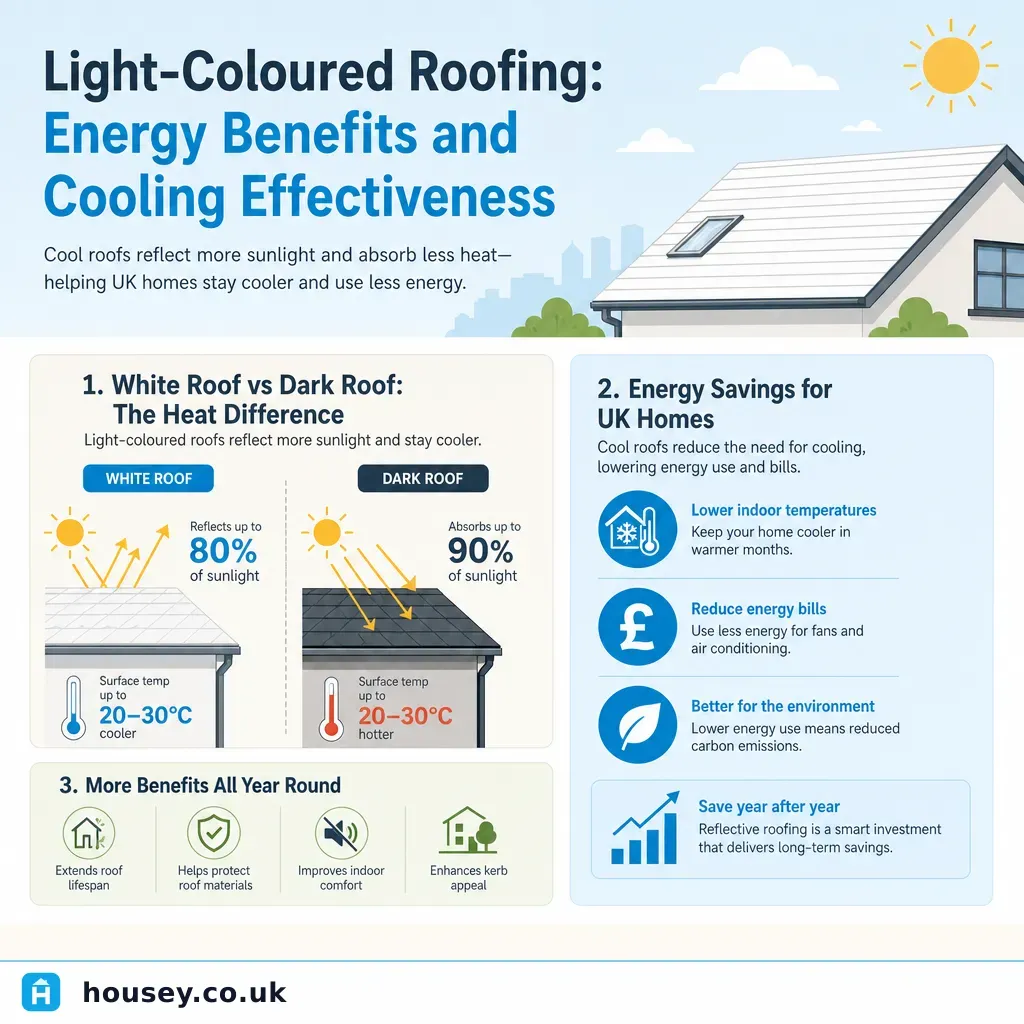
Light-Coloured Roofing: Energy Benefits and Cooling Effectiveness
Roof surface colour and reflectivity are receiving more attention as UK summers grow warmer and homeowners look for ways to reduce overheating without installing dedicated air conditioning. The question of whether a light-coloured or reflective roof makes a meaningful difference typically arises during re-roofing projects, flat-roof replacements, and whole-house retrofit assessments — often at the point where a homeowner is already choosing between products and wants to know how much weight to give surface colour in that decision.
Key points
- Dark roofing surfaces can reach 70–80°C in direct summer sunshine; light or high-reflectance roofing can reduce surface temperatures by 20–30°C under the same conditions.
- Solar Reflectance Index (SRI) is the standard performance measure for a roofing product's combined ability to reflect solar radiation and re-emit absorbed heat; higher SRI values mean cooler surfaces.
- UK Building Regulations Approved Document L (Part L) governs the thermal performance of roofs through U-value requirements; it does not mandate specific surface colours or minimum SRI values.
- In a UK heating-dominated climate, a reflective roof may marginally reduce the solar gain absorbed through the roof in winter — this trade-off should be assessed alongside insulation levels for your specific property.
- Changes to roof material or colour on listed buildings or within conservation areas typically require Listed Building Consent or planning permission from the local planning authority.
How does roofing colour affect heat gain?
Solar radiation heats roofing surfaces. A dark roof with low solar reflectance absorbs most of this energy, raising the surface temperature and conducting heat into the building below. A light or reflective roof reflects more radiation back and re-emits absorbed heat faster, keeping the surface and the structure beneath it cooler.
The key metrics are:
- Solar reflectance (albedo): The fraction of solar radiation reflected (0 = absorbs all, 1 = reflects all). Standard dark tiles may have values of 0.05–0.15; cool-roof membranes can reach 0.65–0.85.
- Thermal emittance: How efficiently a surface releases absorbed heat. Most roofing materials have high emittance values once above ambient temperature.
- Solar Reflectance Index (SRI): A combined measure from 0 (black body) to 100+ (highly reflective). Products marketed as cool roofs typically have SRI values of 78 or above.
Light vs dark roofing: a comparison
Characteristic | Dark roofing (slate, dark tile) | Light or reflective roofing (white membrane, light tile) |
|---|---|---|
Typical solar reflectance | 0.05–0.20 | 0.50–0.85 |
Summer surface temperature | Up to 70–80°C in direct sun | 40–50°C in direct sun |
Summer heat gain to building | High | Reduced |
Winter solar gain contribution | Small but present | Marginally less |
Visual appearance | Traditional UK aesthetic | Can appear modern or industrial |
Planning sensitivity | Lower for standard materials | Higher in conservation areas and for listed buildings |
Typical application | Pitched roofs: slates, tiles | Flat roofs: TPO, EPDM, cool-roof coatings |
Indicative performance data, last reviewed 2026-05-19. Consult manufacturer technical data sheets and a qualified surveyor for specific product comparisons.
Is a reflective roof right for your home?
- Choose a light-coloured or reflective product if you have a flat or low-pitch roof (where the cooling effect is greatest), upper-floor rooms overheat in summer, and you are re-roofing anyway or replacing a flat-roof membrane.
- Consider a standard product if your roof is a traditional pitched slate or tile with a well-ventilated cold loft space (which already buffers heat gain substantially), local aesthetics or planning constraints limit your options, or your primary concern is winter heat loss rather than summer overheating.
- Seek advice from an energy-efficiency consultant if you are unsure whether overheating is primarily driven by the roof or by glazing, orientation, or inadequate ventilation; or if you want whole-building energy modelling before committing to a specification.
- Check with your local planning authority before changing roof material or colour if your property is listed, in a conservation area, or in an area with an Article 4 Direction removing standard permitted development rights.
Worked UK property scenario: replacing a flat-roof extension
A homeowner in Coventry is replacing an ageing felt flat roof over a single-storey rear kitchen extension. The room below regularly exceeds 28°C in warm summer weather. The roofer offers two specifications at similar price points: a standard grey EPDM membrane (SRI approximately 20) and a white TPO membrane (SRI approximately 90).
Because the flat roof has no ventilated loft space to buffer heat, the surface temperature difference between the two products transfers more directly into the room below. The homeowner chooses the white TPO membrane. After installation, peak summer room temperatures fall by an estimated 3–5°C — a useful improvement, though the energy assessor also identifies south-facing glazing as a larger contributor to overheating, recommending external shading as a complementary measure.
The property is not listed and not in a conservation area, so the change of membrane material falls within permitted development in England. Had it been a listed building, Listed Building Consent would have been required before any work began.
What about pitched roofs and traditional tiles?
For most UK pitched roofs, the picture is more nuanced. A well-ventilated cold loft space provides a natural thermal buffer — the roof surface heats up, but the insulation layer at ceiling level significantly reduces how much of that heat reaches living spaces. In this configuration, the colour of the tiles or slates has a smaller effect on indoor temperatures than it would on a flat or unventilated roof.
Lighter-coloured tiles and reflective coatings are available from UK manufacturers, but offer diminishing returns in pitched-roof scenarios with adequate loft insulation. The more impactful improvement is usually ensuring loft insulation meets or exceeds the current standard of at least 270 mm of mineral wool at ceiling level, as referenced in Building Regulations Approved Document L.
When to get professional help
Seek specialist advice if:
- You are planning a full re-roof and want energy performance factored into the product specification — a roof survey can assess the existing condition and inform the brief.
- You are carrying out a wider retrofit and want to understand whether the roof is a significant contributor to summer overheating — a retrofit assessment can model this as part of a whole-home energy plan.
- Your property is listed or in a conservation area, where material and colour changes require formal consent before work begins.
- You are unsure whether overheating in upper-floor rooms stems from the roof, glazing, or both — an energy-efficiency consultant can carry out a targeted thermal comfort assessment.
How Housey can help
Choosing the right roofing specification is easier with expert input before you commit to a product or contractor. Housey connects you with roof surveyors who can assess your existing roof and advise on product suitability, and energy-efficiency consultants who can confirm whether reflective roofing will make a meaningful difference to your home's summer comfort levels.
Frequently asked questions
Does a white or light-coloured roof need planning permission?
For most houses, changing roof tiles or membranes falls within permitted development in England, provided the materials are of a similar appearance to those used on similar nearby buildings. Light or white membranes on flat-roof extensions may raise a question if appearance differs materially from the original. Properties in conservation areas, those subject to Article 4 Directions, and listed buildings require formal consent. Always check with your local planning authority if in doubt.
How much can a reflective roof reduce indoor temperatures?
This depends on roof type, insulation quality, and the primary source of overheating. For unventilated flat roofs directly above occupied rooms, research including studies by the Building Research Establishment indicates surface temperature reductions of 20–30°C and internal temperature reductions of 2–5°C in typical UK summer conditions. Pitched roofs with ventilated loft spaces see smaller indoor benefits. Reflective roofing alone will not resolve overheating caused by large south-facing glazing or poor ventilation.
Are reflective or cool-roof products suitable for all roof types?
Highly reflective membranes such as TPO and white EPDM are most practical on flat or low-pitch roofs. For pitched roofs, lighter-coloured slates and tiles are available from several UK manufacturers, though the range is narrower. Product compatibility with your existing roof structure, local aesthetics, planning requirements, and manufacturer warranty conditions all need to be considered before specifying a product.
Will a reflective roof increase my heating bills in winter?
In a UK heating-dominated climate, a highly reflective roof absorbs marginally less solar radiation in winter. However, the total contribution of solar gain through a well-insulated roof to winter space heating is small, and the effect on annual heating costs is typically modest. A whole-building energy assessment can model this trade-off accurately for your property, climate zone, and insulation specification.
Sources and further reading
- Approved Document L: Conservation of fuel and power — GOV.UK / DLUHC
- Overheating in new homes: a review of the evidence — DLUHC / GOV.UK
- Roof and loft insulation guidance — Energy Saving Trust
- Listed building alterations guidance — Historic England
- BRE Group: building research and cool roof studies — Building Research Establishment
Useful next reads
 Energy & Retrofit
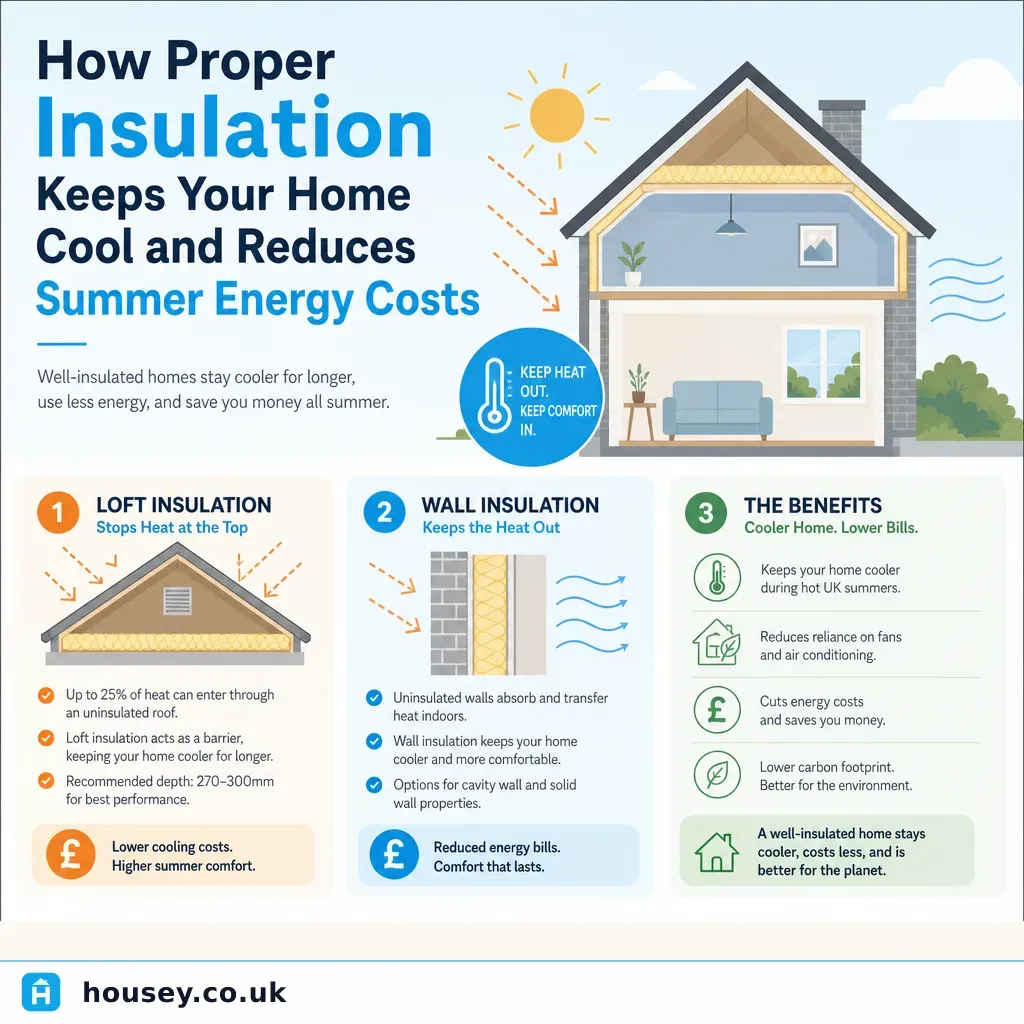
How Proper Insulation Keeps Your Home Cool and Reduces Summer Energy Costs
Insulation slows the flow of heat in both directions — in summer, it reduces how quickly outdoor heat enters your home.
 Energy & Retrofit
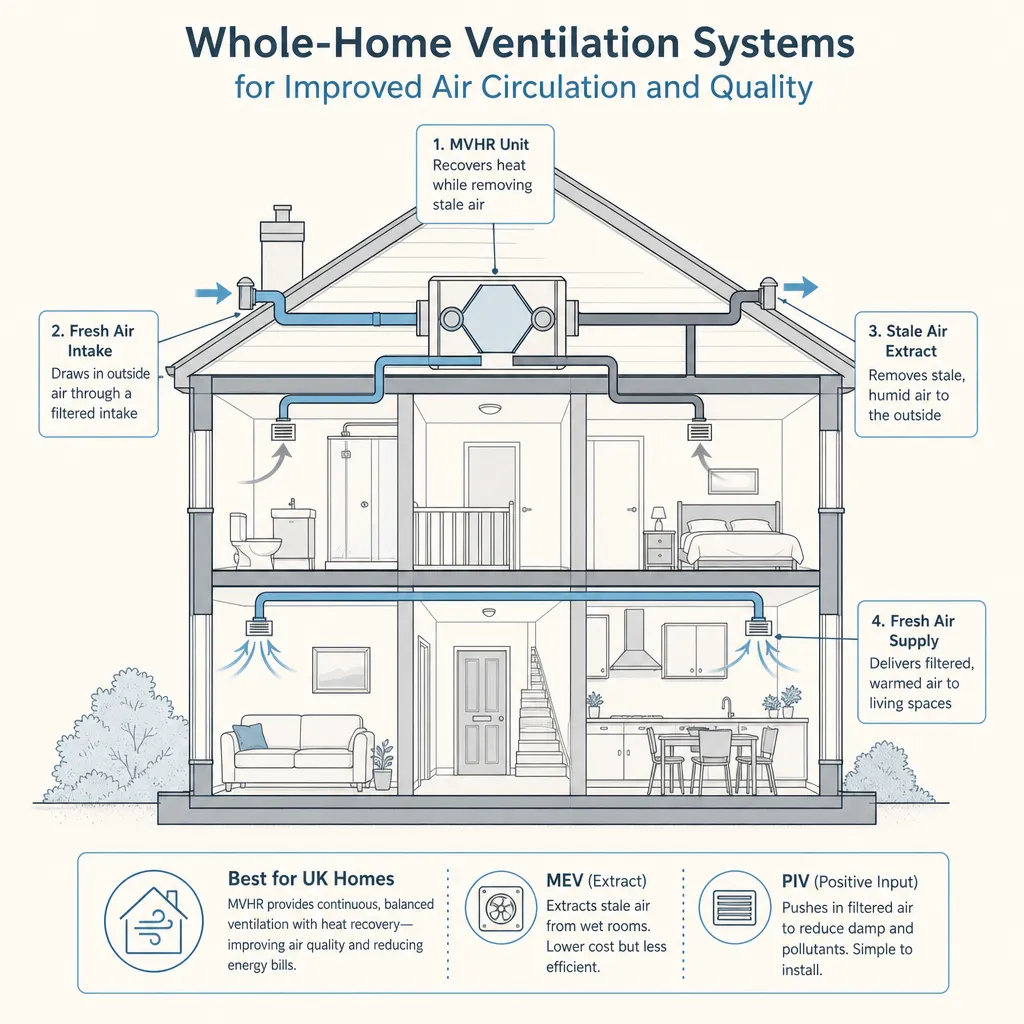
Whole-Home Ventilation Systems for Improved Air Circulation and Quality
Whole-home ventilation systems — including MVHR, MEV, dMEV, and PIV — improve indoor air quality and control condensation in UK homes.
 Energy & Retrofit
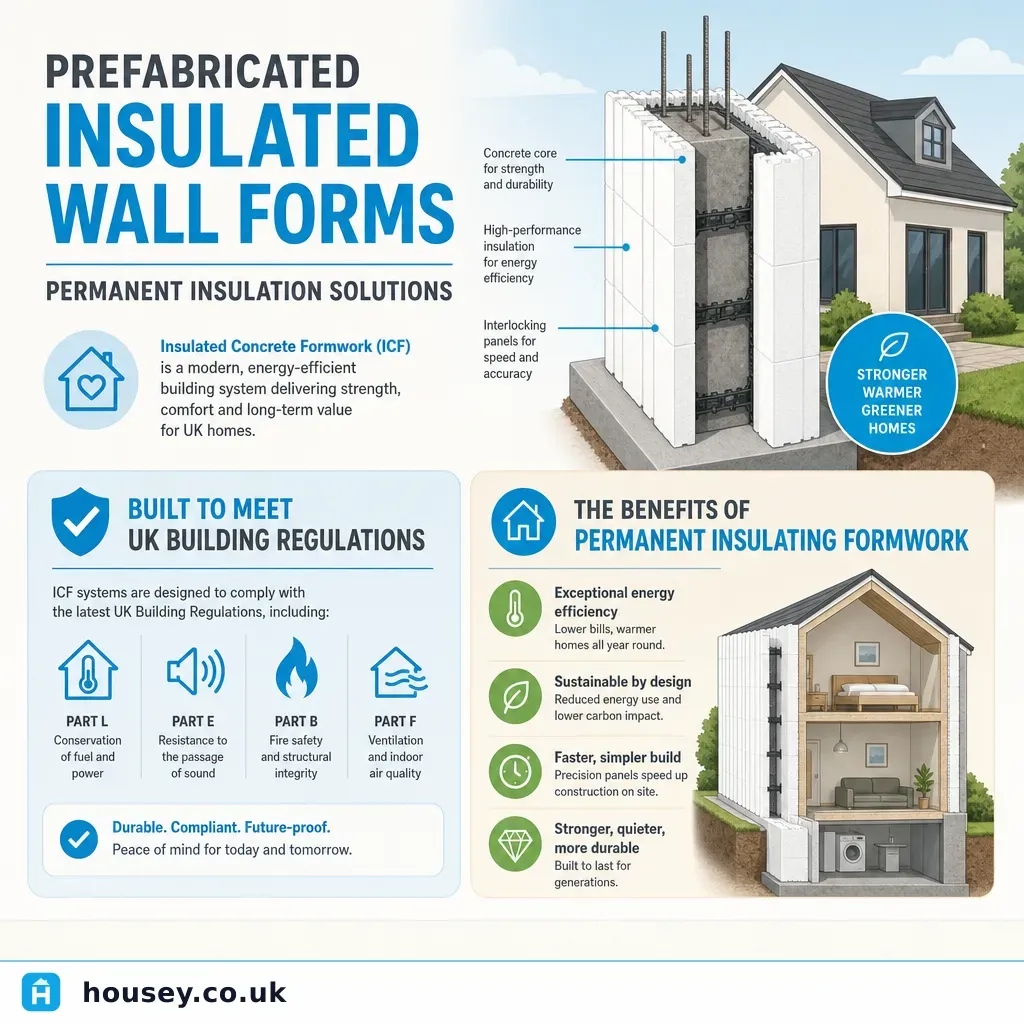
Prefabricated Insulated Wall Forms: Permanent Insulation Solutions
Prefabricated insulated wall forms — including ICF and SIPs systems — deliver high thermal performance by combining permanent insulation with structural concrete or timber in a single wall assembly.
 Energy & Retrofit
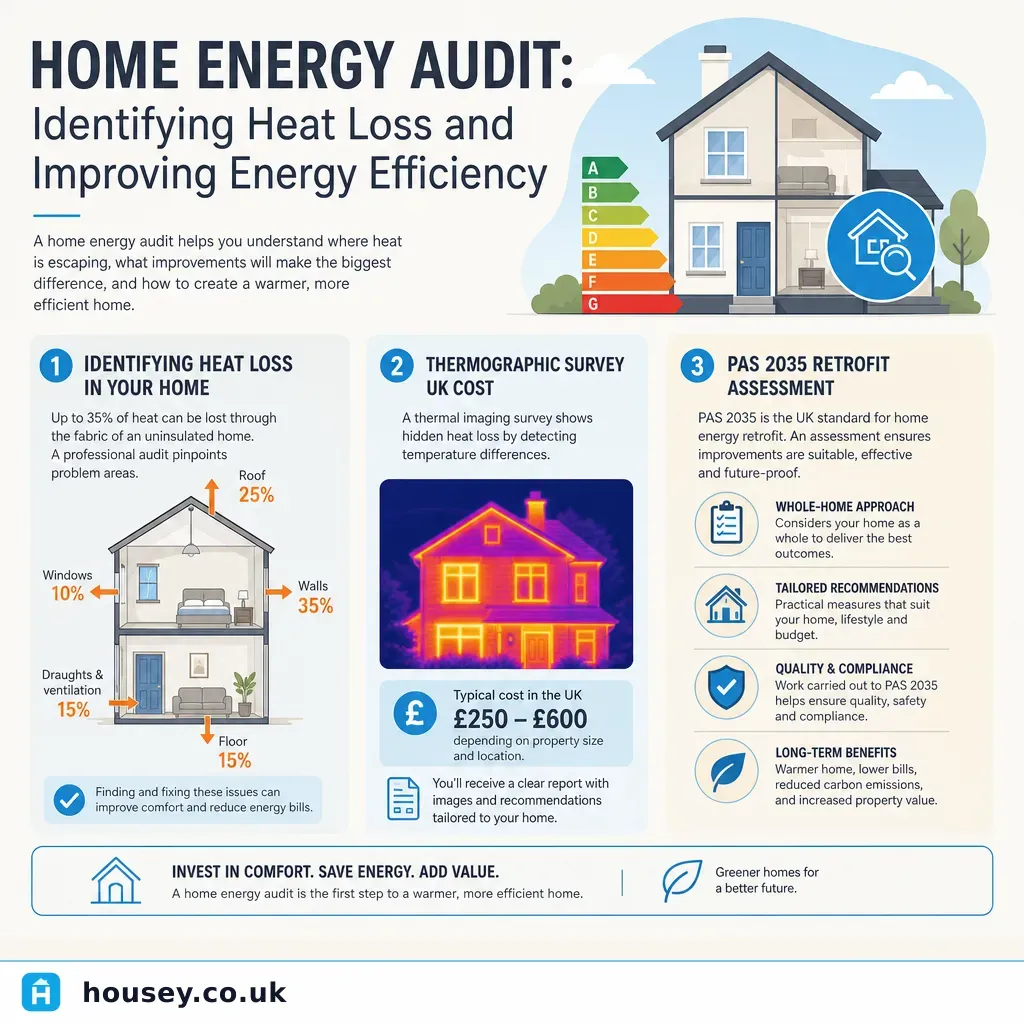
Home Energy Audit: Identifying Heat Loss and Improving Energy Efficiency
A home energy audit is a structured assessment of where your property loses heat and how efficiently it uses energy.
 Energy & Retrofit
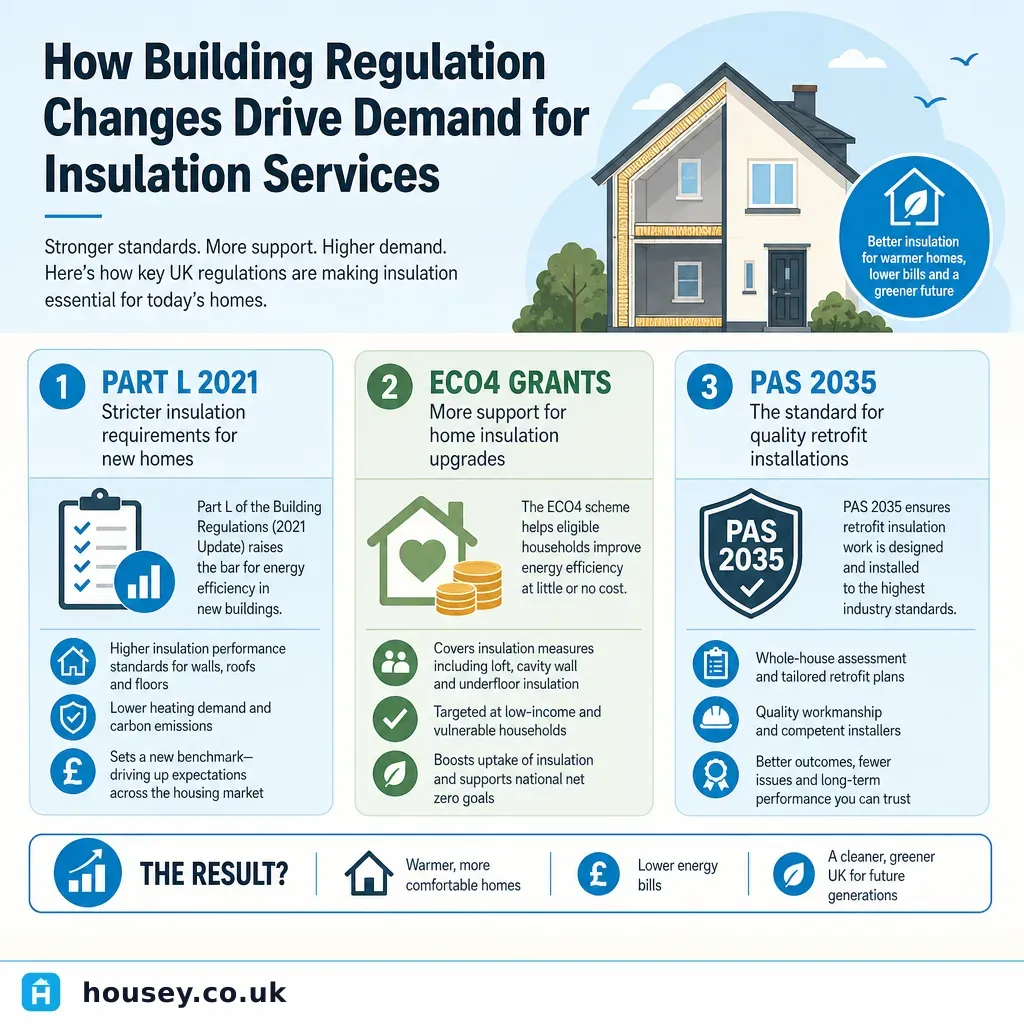
How Building Regulation Changes Drive Demand for Insulation Services
Building regulation changes — including 2021 updates to Approved Document L, ECO4 funding obligations, and proposed MEES tightening — are creating sustained demand for insulation services across the UK.