Living Wall and Green Wall Installation Costs
By Housey · Last reviewed 7th of May 2026
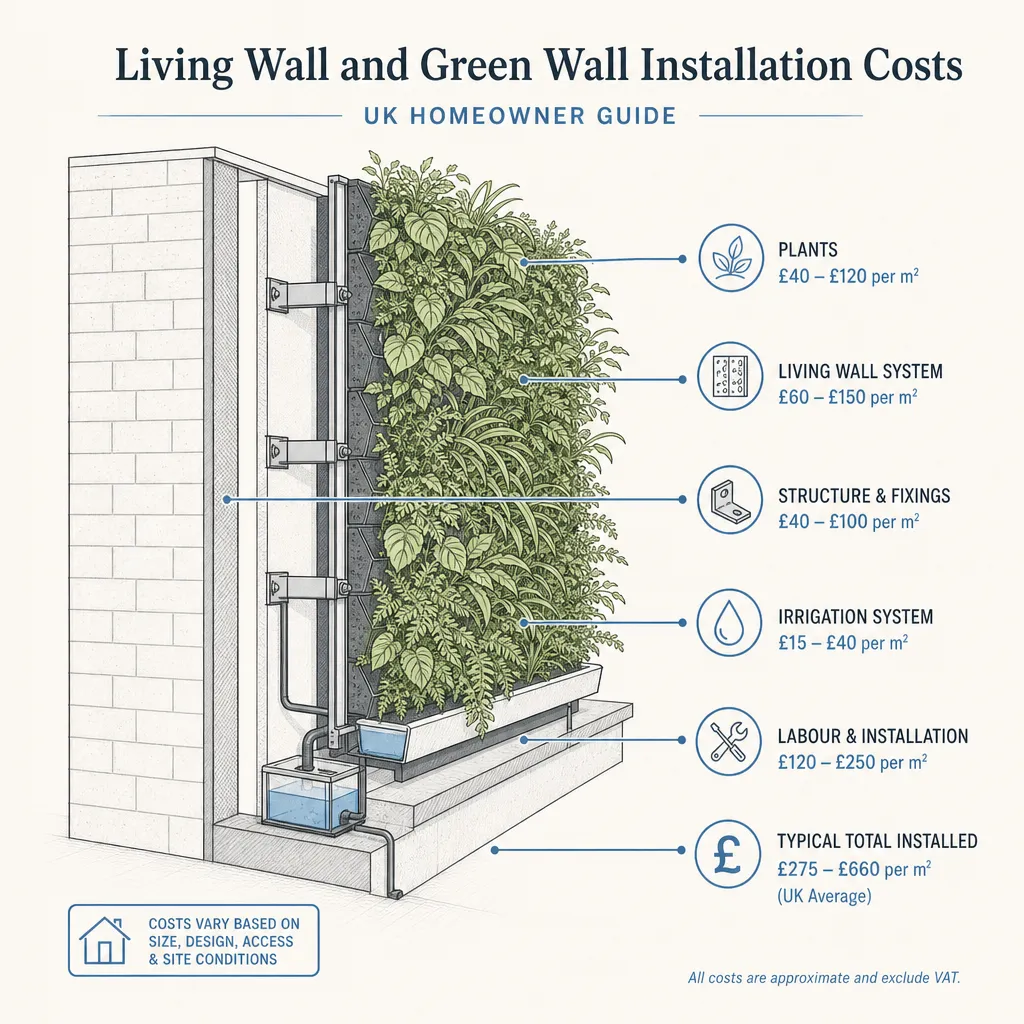
Living Wall and Green Wall Installation Costs
Living walls — sometimes called green walls or vertical gardens — are growing in popularity across UK homes, from kitchen feature walls to garden boundary screens. Whether you are considering an indoor installation or an outdoor planting system for a sheltered courtyard, the cost range is wide and depends on factors that are not always obvious from supplier brochures or online pricing guides. Getting the specification right before requesting quotes saves money and prevents the most common causes of plant failure.
Key points
- Modular hydroponic systems typically cost £200–£500 per m² installed; felt-pocket or soil-based systems start from around £150 per m² but may need more frequent plant replacement.
- Automated drip irrigation adds £300–£800 to the project cost and is strongly recommended for walls over 4 m² or in locations where hand watering would be impractical.
- Most living walls require a waterproof-backed mounting surface or a freestanding frame — existing wall structure and load-bearing capacity should be assessed before installation begins.
- Annual maintenance contracts for installed living walls typically range from £200 to £600+ per year, depending on wall size, plant species, and visit frequency.
- Internal living walls often require an electrical supply for grow lights and irrigation timers, which should be factored into the total project budget from the outset.
What are living walls and green walls?
Living walls (also called green walls or vertical gardens) are planted structures fixed to, or freestanding against, a vertical surface — indoors or outdoors. They differ from climbing plants or trellis systems in that the growing medium — whether hydroponic panels, felt pockets, modular trays, or soil-filled frames — is built into the structure itself, allowing plants to grow across the wall face rather than climbing from ground level.
Common applications in UK homes include:
- Indoor feature walls in living rooms, kitchens, and hallways
- Garden boundary screens providing privacy and wildlife habitat
- Outbuilding or garage wall softening
- Biophilic home-office or workspace installations
Living wall system types and costs
The system type is the single biggest cost driver. Here are the main options available to UK homeowners.
System type | Approximate installed cost (per m²) | Best for | Key consideration |
|---|---|---|---|
Felt pocket / fabric panel | £150–£300 | Smaller walls, budget installs | Plants grow in soil pouches; watering discipline is critical; pockets degrade over several years |
Modular hydroponic tray | £250–£500 | Indoor and sheltered outdoor use | Soilless, lightweight, consistent growth; requires nutrient solution |
Bespoke irrigated system | £600–£1,500+ | Large or high-visibility installs | Custom design and planting; full automation; higher upfront cost, lower ongoing labour |
Freestanding green wall frame | £800–£2,000+ per unit | Gardens, patios, rented properties | No wall fixing required; moveable; variable sizes and finishes |
Preserved moss wall | £200–£600 | Indoor decorative use only | No irrigation needed; no live growth; purely aesthetic |
Indicative UK costs, last reviewed 2026-05-07. Quotes vary significantly by region, supplier, and wall condition.
What affects the total installation cost?
Size
Living wall pricing is generally quoted per square metre. A 4 m² feature wall costs roughly four times a 1 m² panel. Very small walls (under 2 m²) may attract a minimum charge from specialist installers, so the effective per-m² cost can be higher at small scale.
Indoor versus outdoor
Outdoor living walls in the UK face wind, rain, frost, and UV exposure. They typically require more robust waterproofing behind the structure, hardier plant species (ferns, sedums, native grasses), and drainage management to avoid saturating the wall substrate. Expect to pay roughly 15–30% more for a comparable outdoor system versus an indoor installation.
Indoor living walls need an electrical supply for irrigation timers and, in rooms with limited natural light, supplementary grow lighting. A grow-light rail for a 3–4 m² wall can add £150–£400 to the project cost.
Irrigation
Manual watering of a living wall is time-intensive and error-prone — underwatering is the most common cause of plant failure. For walls over approximately 4 m², an automated drip-irrigation system is widely recommended by installers. Costs range from around £300 for a basic timer-controlled drip setup to £800+ for sensor-monitored systems. Connection to a mains water supply or a self-contained reservoir tank should be planned as part of the installation design.
Plant species
Plant costs are frequently underestimated at the planning stage. Robust species such as sedums, ferns, ivy, and mosses are relatively inexpensive. Statement tropical foliage, succulents, and specialist cultivars can double the planting cost. A well-specified palette also considers growth rate, seasonal change, and how much light the wall location receives year-round.
Wall condition and substrate
Living walls require a structurally sound, plumb mounting surface. Older walls with active damp, uneven masonry, or crumbling render may need preparatory work before installation — and this is not always included in initial quotes. A freestanding frame bypasses wall condition entirely but adds to the overall unit cost.
Worked UK property scenario
Scenario: A homeowner in a 1970s semi-detached in Bristol wants to install a living wall in their south-facing living room, approximately 3 m wide × 2 m tall (6 m²). They want a lush, year-round display with minimal manual maintenance.
- System chosen: Modular hydroponic tray system with automated drip irrigation
- Plant scheme: Mix of pothos, Boston ferns, and tropical foliage
- Electrical: Irrigation timer connected to an existing nearby socket
- Estimated system and installation: £250–£400 per m² = £1,500–£2,400
- Irrigation addition: £400–£600
- Plant stock and initial setup: £200–£400
- Total indicative range: £2,100–£3,400
- Annual maintenance contract: £300–£500 per year for quarterly specialist visits
This is a worked illustrative example only. Obtain at least three itemised quotes from specialist installers or experienced landscapers before committing to a system.
What to ask before accepting a quote
- What system type is being proposed, and why is it appropriate for this location and light level?
- Is irrigation included in the quoted price, and what type of system is specified?
- Which plant species are included, and will they thrive in the available light conditions?
- Is waterproofing or wall preparation included, or quoted separately?
- What warranty is offered on system components and plants?
- How often will maintenance visits be required, and what is covered?
- Is VAT included in the quoted price?
- What happens if plants fail within the first growing season?
Do you need planning permission for a living wall?
Most domestic living walls — indoor or private-garden outdoor — do not require planning permission under permitted development rights in England. However, check with your local planning authority if:
- The property is a listed building (any works, including internal alterations, may require listed building consent)
- The property sits within a conservation area and the installation will be visible from a public place
- The green wall substantially alters the external appearance of the building
- The installation involves a freestanding structure above a significant height
The Planning Portal provides guidance for England and Wales. Properties in Scotland or Northern Ireland should consult the relevant planning legislation and their local authority.
When to get professional help
A competent landscaper or specialist green wall installer is advisable for most projects beyond simple felt-pocket kits. Seek professional involvement when:
- The installation exceeds 4 m² in area
- Plumbing or electrical connections are needed
- The mounting surface is masonry and its load-bearing capacity is uncertain
- The installation is on an exposed outdoor elevation subject to wind or frost
- The property is listed or within a conservation area
A garden designer with living wall experience can help specify the right system and plant palette before you request installation quotes.
How Housey can help
If you are ready to explore a living wall for your home or garden, Housey can connect you with experienced landscapers who can assess your space and provide competitive installation quotes, and with garden designers who can help specify the right system, plant palette, and maintenance regime from the outset.
Frequently asked questions
How much does a living wall cost in the UK?
Modular living wall systems typically cost £150–£500 per square metre installed. Bespoke irrigated designs can reach £800–£1,500 or more per square metre. A 6 m² indoor feature wall with automated irrigation is likely to cost between £2,000 and £3,500 in total, depending on system type, plant selection, and region. Request itemised quotes that separate system, planting, and irrigation costs.
Are living walls hard to maintain?
Maintenance demands depend on the system. Preserved moss walls need no watering. Felt-pocket and basic soil systems need regular hand watering and periodic replanting. Hydroponic systems with automated irrigation are the lowest-maintenance option once established, typically requiring quarterly specialist visits to adjust nutrients, replace underperforming plants, and check irrigation lines.
Can a living wall go on any wall?
No. The wall must be structurally sound, plumb, and capable of bearing additional load — a saturated living wall system can weigh 25–60 kg per m². Walls with active damp, unstable render, or lightweight studwork will need assessment and potentially remedial work before installation. Always ask the installer to confirm wall suitability before works begin.
Do indoor living walls attract pests?
Indoor living walls can attract fungus gnats, scale insects, and aphids, particularly in warm, humid conditions. Choosing suitable plant species, maintaining correct moisture levels, and ensuring good air circulation all help to reduce pest pressure. Many professional installers include a pest management protocol in their maintenance contracts.
Does a living wall add value to a property?
There is no definitive UK research linking living walls to measurable property value uplift. A well-maintained, professionally installed living wall can enhance interior or kerb appeal, but a poorly maintained one may be a drawback at sale. Focus on correct system specification and ongoing maintenance rather than treating it primarily as a capital investment.
Sources and further reading
- Living walls and vertical gardens — Royal Horticultural Society
- Permitted development rights for householders — Planning Portal
- Listed buildings: what is designation? — Historic England
- Urban greening and green infrastructure — Energy Saving Trust
Useful next reads
 Improvement & Build
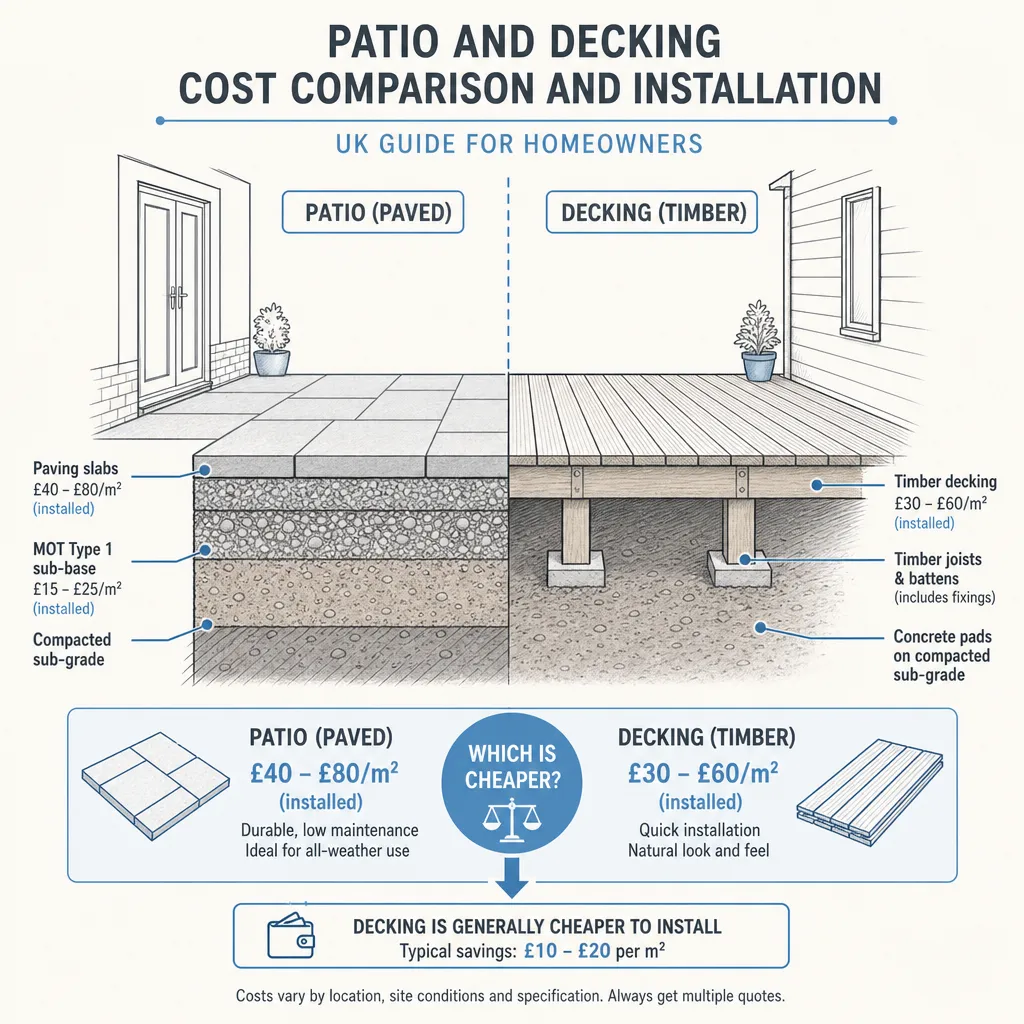
Patio and Decking Cost Comparison and Installation
A 20 m² porcelain or natural stone patio typically costs £2,000–£5,000 installed; block paving starts lower at £1,200–£3,000.
 Improvement & Build
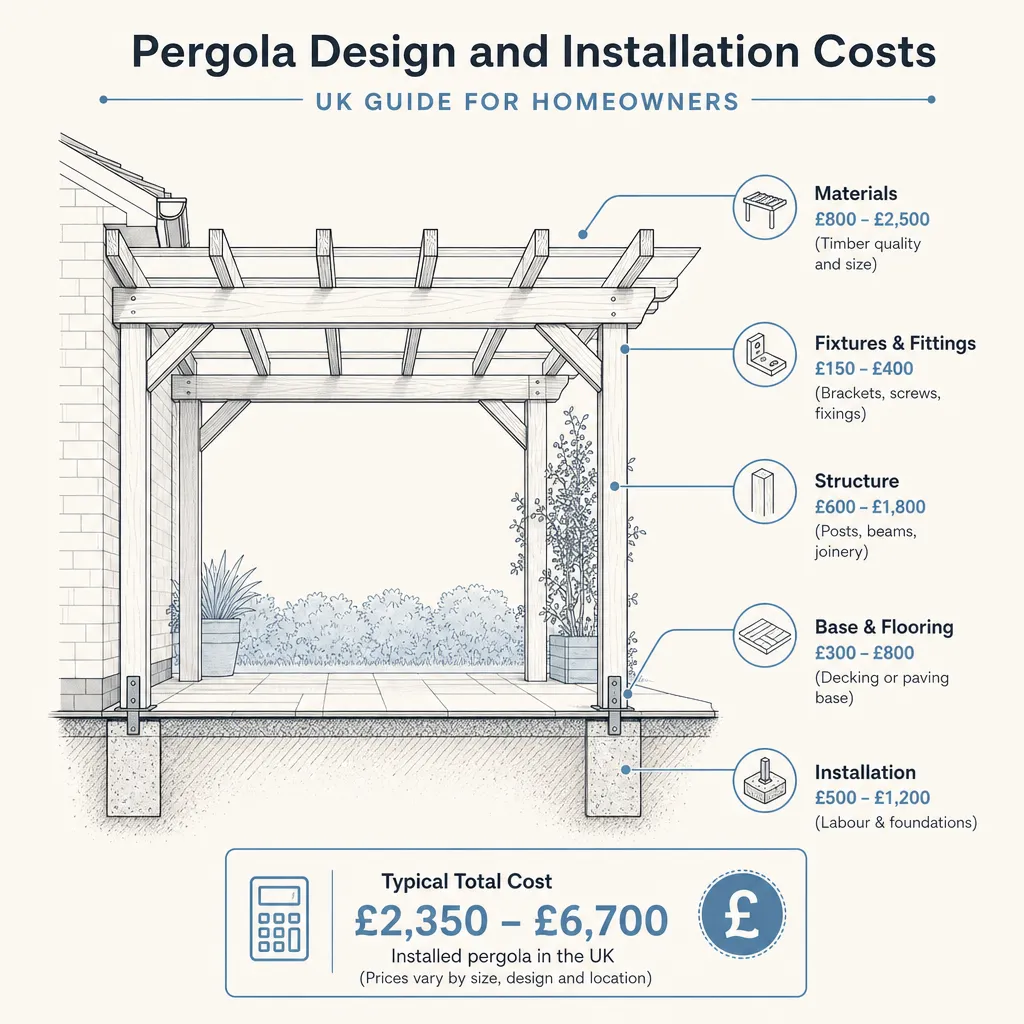
Pergola Design and Installation Costs
A garden pergola in the UK typically costs £1,500–£5,000 installed for a standard timber structure, or £3,000–£15,000 or more for aluminium or bespoke hardwood designs.
 Improvement & Build
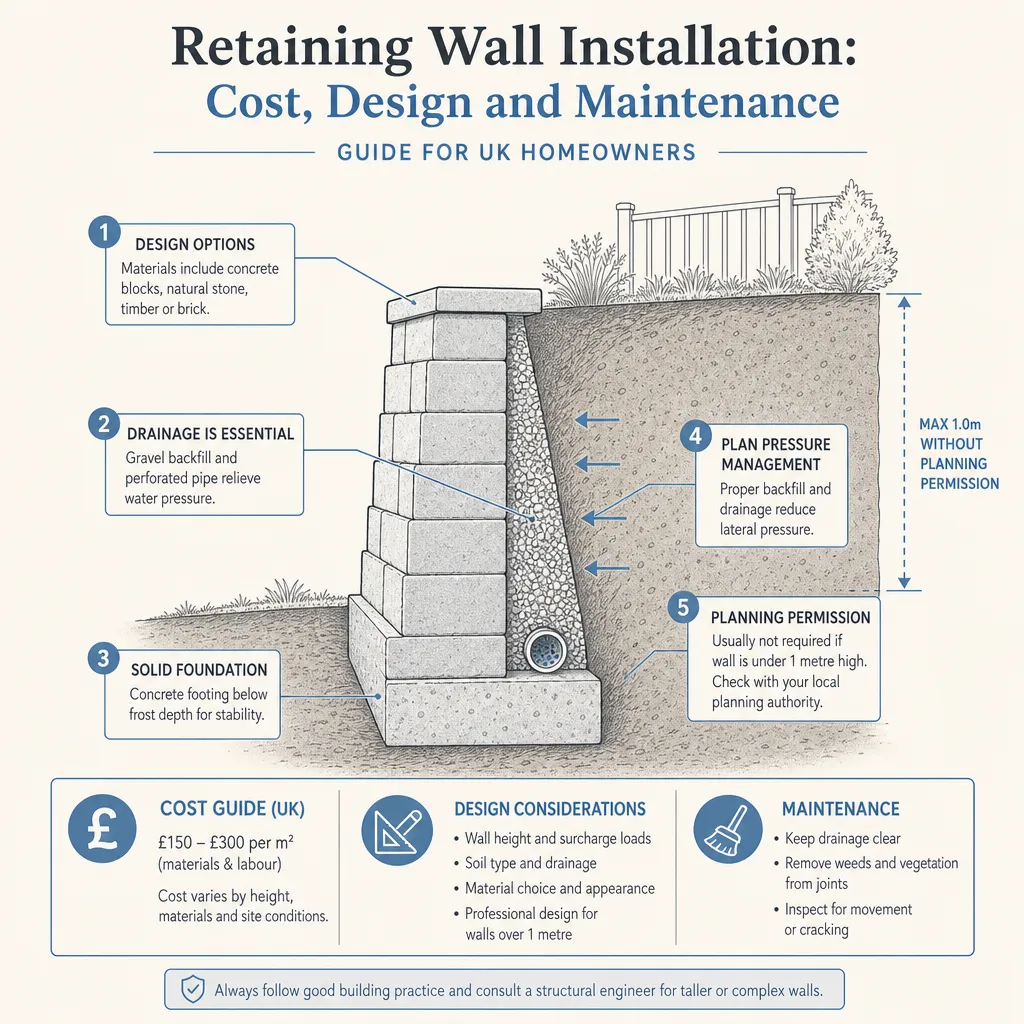
Retaining Wall Installation: Cost, Design and Maintenance
A retaining wall holds back soil on a sloped or banked site.
 Improvement & Build
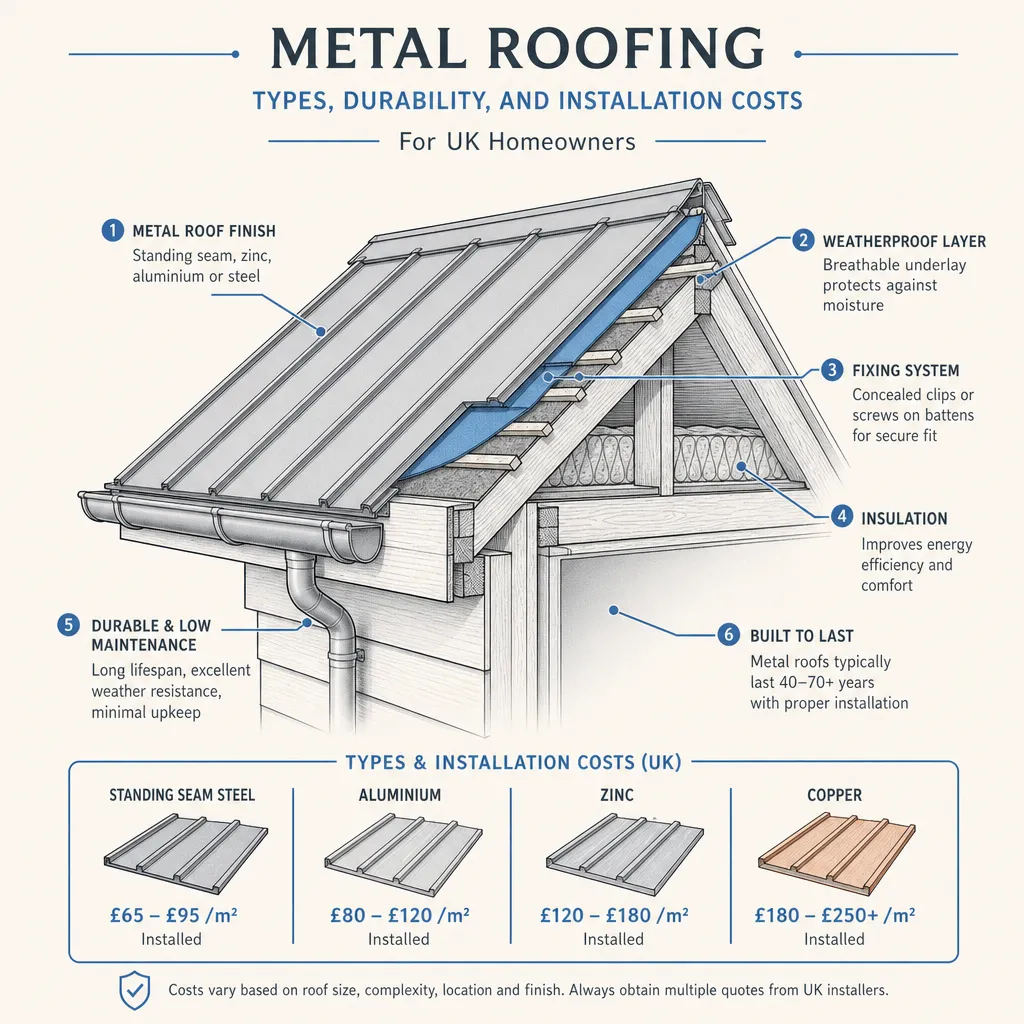
Metal Roofing: Types, Durability, and Installation Costs
Metal roofing in the UK includes standing seam, corrugated sheet, and metal tile systems in steel, aluminium, zinc, or copper.
 Improvement & Build
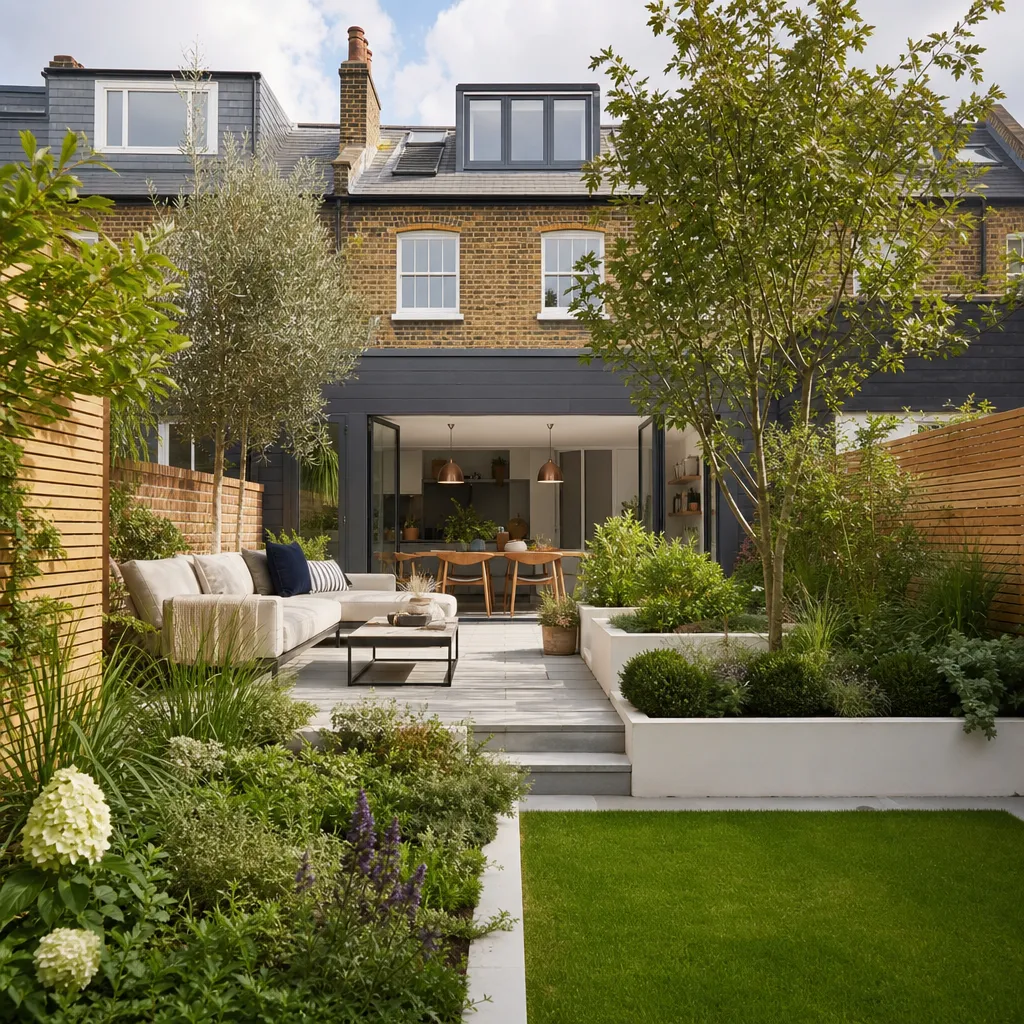
Seasonal Garden Transformations and Outdoor Design Ideas
A successful garden transformation in the UK works with the seasons rather than against them — establishing structure and hard landscaping in autumn or winter, planting in spring, and enjoying the results through summer.