Loft Safety Railings and Protective Equipment Costs
By Housey · Last reviewed 7th of May 2026
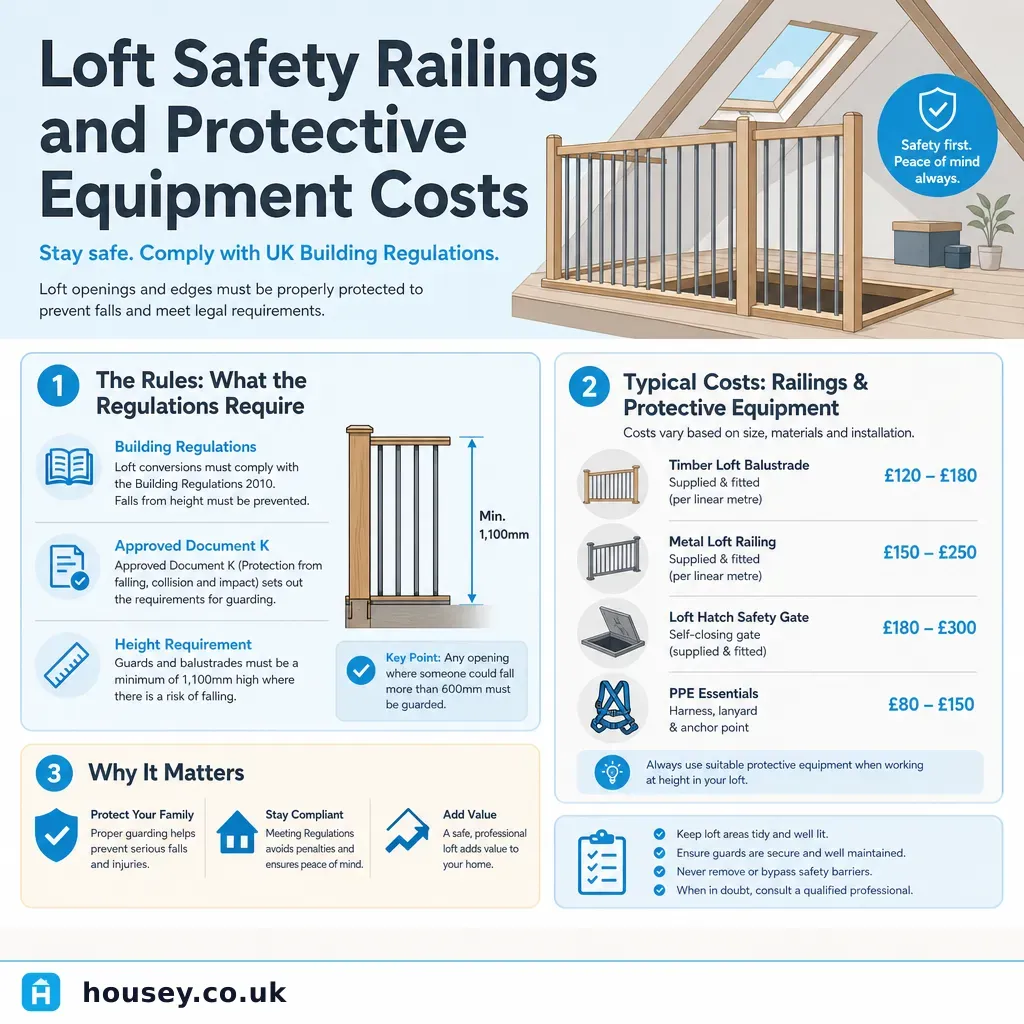
Loft Safety Railings and Protective Equipment Costs
Loft conversions create genuinely useful living space, but they also introduce open floor edges, stair voids, and changes in level that must be safely guarded before a building control completion certificate can be issued. Whether you are converting a simple dormer or a full mansard, understanding what Approved Document K requires — and what compliant guarding realistically costs — helps you budget accurately from the outset and avoid expensive remedial work once the build is complete.
Key points
- Approved Document K (Protection from falling, collision and impact) requires guarding at least 900 mm high on stairways and at least 1,100 mm high on landing edges, gallery floors, and accessible floor areas above ground level in England and Wales.
- Any opening in guarding must be sized so that a 100 mm sphere cannot pass through — a child-safety requirement applying to all new and converted dwellings.
- A loft conversion is notifiable building work; building control must approve the guarding arrangements before a completion certificate is issued.
- Material choices range from softwood timber (lowest cost) to structural glass and wrought iron (highest cost), each requiring different fixings, maintenance, and structural consideration.
- If the floor structure is being altered, a structural engineer may need to confirm that balustrade post fixings will not compromise joist integrity.
What do Building Regulations say about loft guarding?
Building Regulations Part K (Approved Document K), last substantively updated in 2013, covers protection from falling throughout a dwelling. For a loft conversion the key requirements are:
- Stair guarding: handrails and any balustrade on the open side of a stair must be at least 900 mm above the pitch line.
- Landing and floor-edge guarding: any accessible floor edge or landing more than 600 mm above the level below must have guarding at least 1,100 mm high.
- Infill restrictions: balustrade infill panels, spindles, or rails must not permit a 100 mm sphere to pass through at any point. Horizontal rails that could act as a ladder for young children should be avoided in the design.
- Structural loading: guarding must withstand horizontal loads as described in BS EN 1991-1-1 (Eurocode 1). A joiner fitting a standard domestic balustrade should use fixings specified by the manufacturer or confirmed by a structural engineer.
These requirements apply to new loft conversions and to alterations that constitute a material change of use. If you are adding railings to a completed and already signed-off loft room, the same standards broadly apply if building control is involved; however, standalone internal joinery in a completed space may not automatically trigger a new building control application — always check with your local authority before starting.
How much do loft safety railings cost?
Indicative UK costs, last reviewed 2026-05-07. Costs vary significantly by material, run length, access conditions, and contractor. Always obtain at least three written quotes.
Material | Typical installed cost (per linear metre) | Typical domestic project total | Key considerations |
|---|---|---|---|
Softwood timber (painted or stained) | £150–£300/m | £400–£900 | Most economical; suits traditional interiors; requires periodic redecoration |
Hardwood timber (oak, ash) | £250–£500/m | £700–£1,800 | Durable; suits contemporary or period interiors; higher material cost |
Steel or mild steel (powder-coated) | £300–£600/m | £900–£2,000 | Strong; industrial or modern aesthetic; may require specialist fabrication lead time |
Structural glass (frameless or framed) | £500–£900/m | £1,500–£3,500 | Maximises light; premium installation; glass must meet BS EN 12150 safety standard |
Wrought or cast iron (heritage-style) | £400–£800/m | £1,200–£2,800 | Traditional character; suits period properties; heavier — structural check on joist fixings advised |
Source: indicative ranges from UK joinery and balustrade trade guidance. Obtain written quotes for your specific project.
Building control fees for a loft conversion building notice or full plans application typically run £300–£700 through a local authority building control (LABC) inspector or an approved inspector. The guarding inspection is usually included in the overall conversion sign-off rather than charged separately.
Which professional do you need?
Situation | Who to contact |
|---|---|
New loft conversion with integrated stair and edge guarding | Loft conversion company (usually includes joinery as part of the build) |
Standalone balustrade upgrade on a completed loft room | Joiner or balustrade fabricator |
Unusual loading, heavy materials, or concerns about joist condition | Joiner plus structural engineer sign-off |
Listed property or conservation area | Joiner with Listed Building Consent experience; check with your Local Planning Authority first |
Building control compliance query | Local authority building control (LABC) or approved inspector |
Homeowner checklist before work begins
Before instructing a contractor, work through this checklist:
Red flags to watch out for
Be cautious if a contractor or quotation shows any of these warning signs:
- Claims that building regulations "don't apply" to loft railings without a specific, documented reason relevant to your property and works type.
- Guarding heights quoted at less than 1,100 mm for a landing or floor-edge position without a clear regulatory explanation.
- Horizontal rail designs that a child could clearly climb — common in some imported balustrade kits.
- Balustrade posts fixed only through floorboards without any joist or structural connection.
- No mention of building control sign-off in the quotation or written specification.
- Glass panels specified without reference to a safety glass standard.
- A quote significantly below the market range with no explanation based on shorter run length, simpler design, or material choice.
Important limitations
This article provides general information about loft safety railing requirements and typical costs in England and Wales under Building Regulations. Requirements in Scotland (Scottish Building Standards) and Northern Ireland (Building Regulations Northern Ireland) differ in some details. Always consult your local authority building control or a qualified approved inspector before starting work. The cost figures are indicative only and are not a substitute for written quotes from qualified contractors. Structural loading adequacy must be confirmed by a competent professional for each specific installation.
What to ask a qualified professional
Before instructing a joiner, balustrade fabricator, or loft conversion company, ask:
- Will this work require a building control application, and will you submit it on my behalf or support me in submitting it?
- What minimum guarding height are you designing to, and which specific section of Approved Document K applies?
- Are the balustrade post fixings adequate for the joist size and spacing here, and do I need a structural engineer's sign-off?
- If glass panels are included, what standard are they certified to and will you provide a conformity certificate on completion?
- What loading have you designed the guarding to, and can you confirm it meets domestic requirements under BS EN 1991-1-1?
- Will I receive a building control completion certificate at the end of the project?
When to get professional help
Seek qualified professional advice immediately if:
- An existing loft room has no compliant edge guarding — this is a significant safety risk, particularly in homes with young children, and should be remedied without delay.
- A contractor proposes guarding shorter than 1,100 mm on a landing or floor edge without a clear, regulation-specific reason.
- Your property is listed or in a conservation area and you are uncertain whether Listed Building Consent is required for the railing material or design.
- Joist damage or an inadequate floor structure is discovered when fixing balustrade posts — work should pause until a structural engineer has assessed the situation.
How Housey can help
If you are planning a loft conversion and want guarding that meets Building Regulations from the outset, Housey connects you with vetted loft conversion companies who can advise on compliant balustrade designs, handle building control applications, and manage the full installation from structural works through to finished joinery.
Frequently asked questions
How high does a loft railing need to be under UK Building Regulations?
Under Approved Document K, guarding on stair flights must be at least 900 mm above the pitch line. On landings, floor edges, and gallery areas in a loft conversion, guarding must be at least 1,100 mm above finished floor level. These heights apply in England and Wales; check Scottish Building Standards or Building Regulations Northern Ireland for differences in your location.
Do I need building control approval for loft safety railings?
If the railings form part of a notifiable loft conversion, building control sign-off is normally required as part of the overall completion certificate. If you are adding railings to an already completed and signed-off loft room, the works may or may not trigger a new application. Always check with your local authority building control or an approved inspector before starting work.
Can I use horizontal rails in a loft balustrade?
Horizontal rails are not prohibited outright, but Approved Document K advises against designs that are easily climbable by young children. Inspectors may require evidence that a design does not create a ladder effect. Vertical spindles, glass panels, or close-spaced horizontal rails where no gap exceeds 100 mm are generally easier to approve and present fewer child-safety concerns.
What is the cheapest compliant loft railing option in the UK?
Softwood timber balustrades with vertical spindles are typically the most cost-effective compliant solution, with installed costs starting around £150–£300 per linear metre. Total project cost depends on run length and whether building control fees are included. Cheap imported kits that exceed the 100 mm gap rule or lack adequate structural fixings may fail inspection and require replacement at additional cost.
Does a loft balustrade need to withstand a specific structural load?
Yes. Approved Document K references structural loading requirements for domestic guarding. Your joiner or fabricator should confirm that post fixings and rail sizes meet the relevant loading standard (BS EN 1991-1-1 for domestic buildings). For unusually tall or complex guarding, a structural engineer's written confirmation may be required as part of the building control application.
Sources and further reading
- Approved Document K: Protection from falling, collision and impact — GOV.UK / MHCLG
- Building Regulations: overview — GOV.UK
- Local Authority Building Control (LABC) — LABC
- BS EN 12150: Safety glass in buildings — BSI Group
Useful next reads
 Improvement & Build
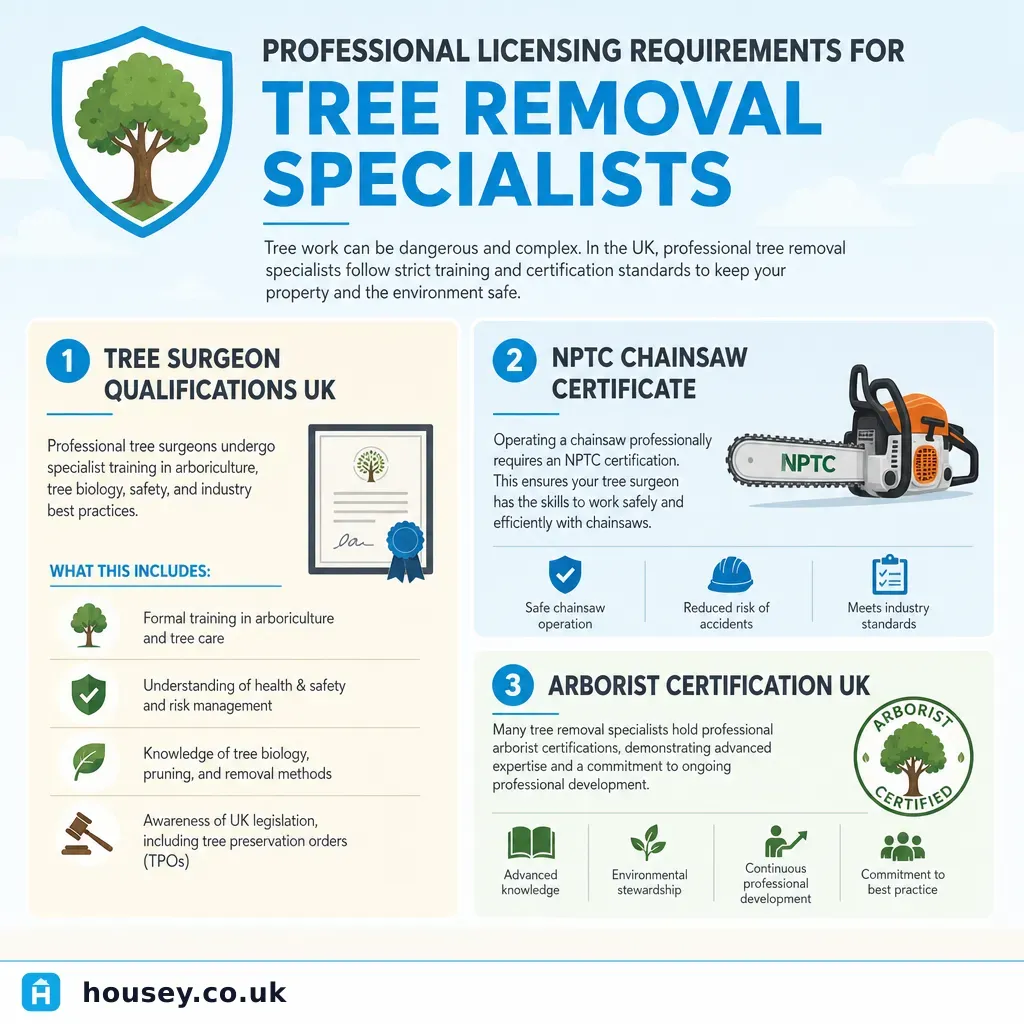
Professional Licensing Requirements for Tree Removal Specialists
Tree surgery in the UK has no single statutory licence, but chainsaw operators must hold recognised NPTC/City & Guilds certificates, and work near overhead lines requires specialist training.
 Improvement & Build
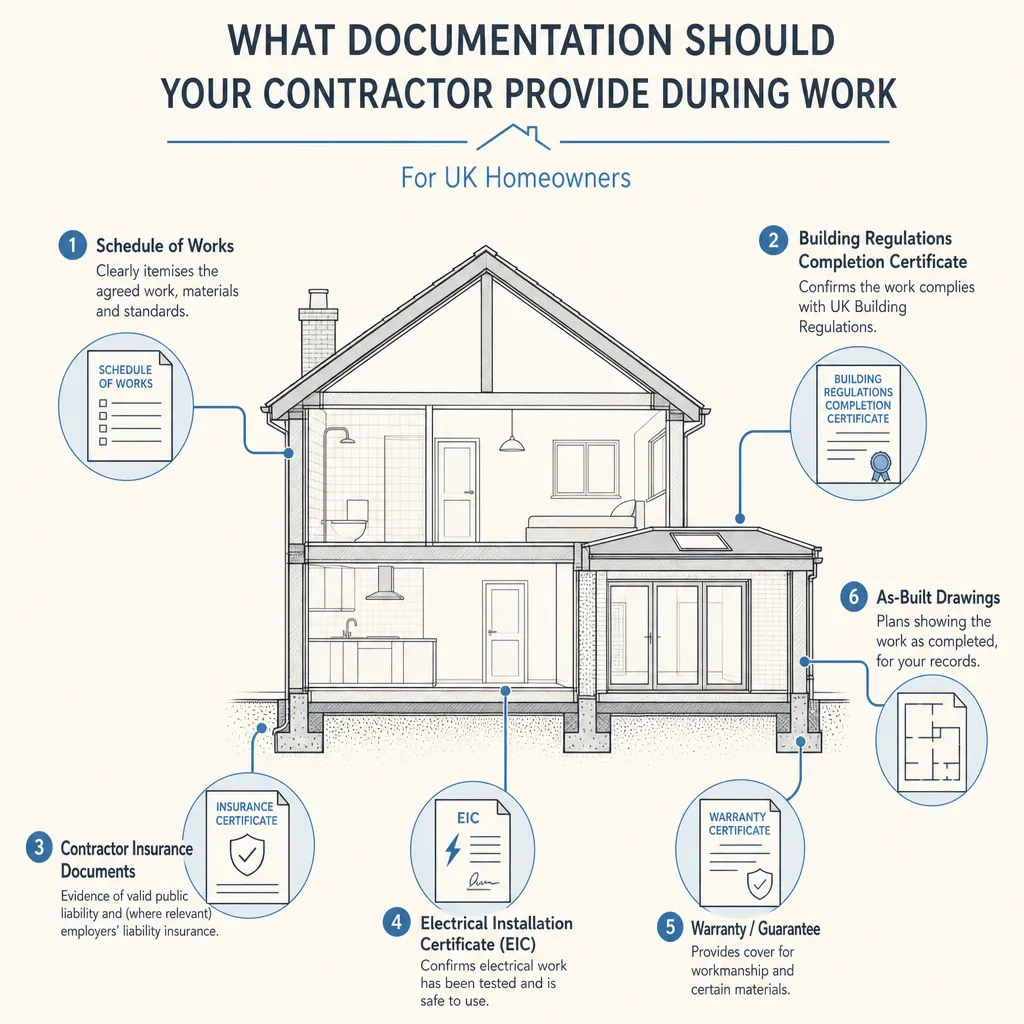
What Documentation Should Your Contractor Provide During Work
During building work, your contractor should provide a signed written contract, public liability insurance certificate, and copies of any building control application.
 Improvement & Build
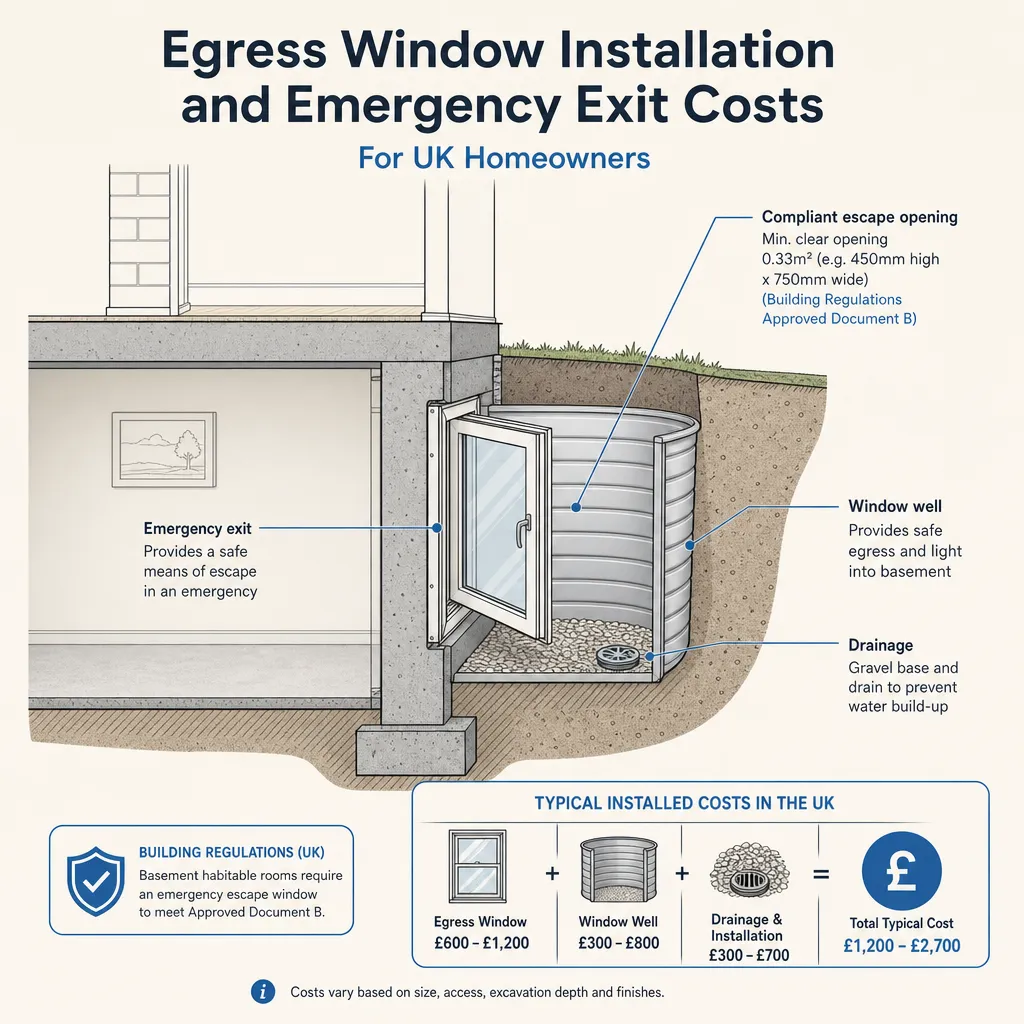
Egress Window Installation and Emergency Exit Costs
An egress window provides an emergency escape route from habitable rooms.
 Improvement & Build
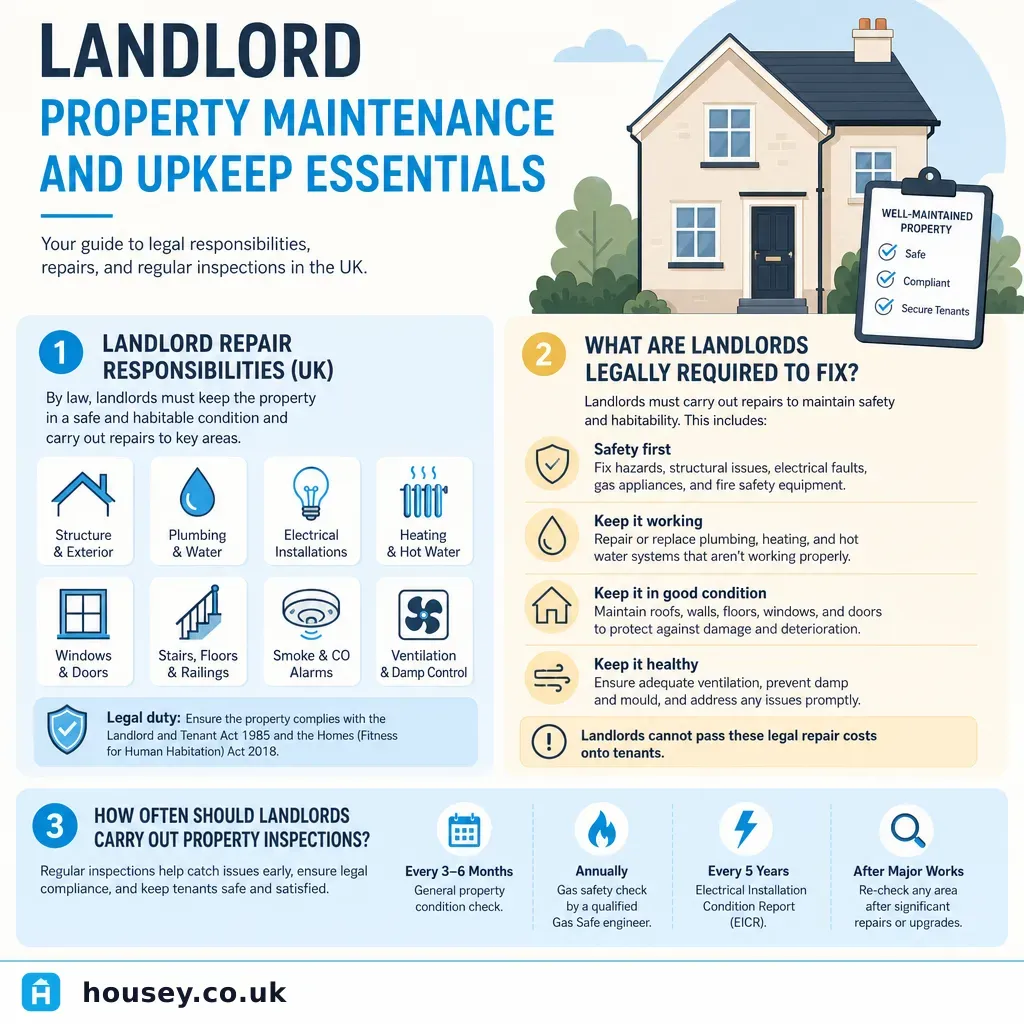
Landlord Property Maintenance and Upkeep Essentials
Landlords in England must maintain the structure and exterior, and gas, water, and electrical installations under the Landlord and Tenant Act 1985.
 Improvement & Build
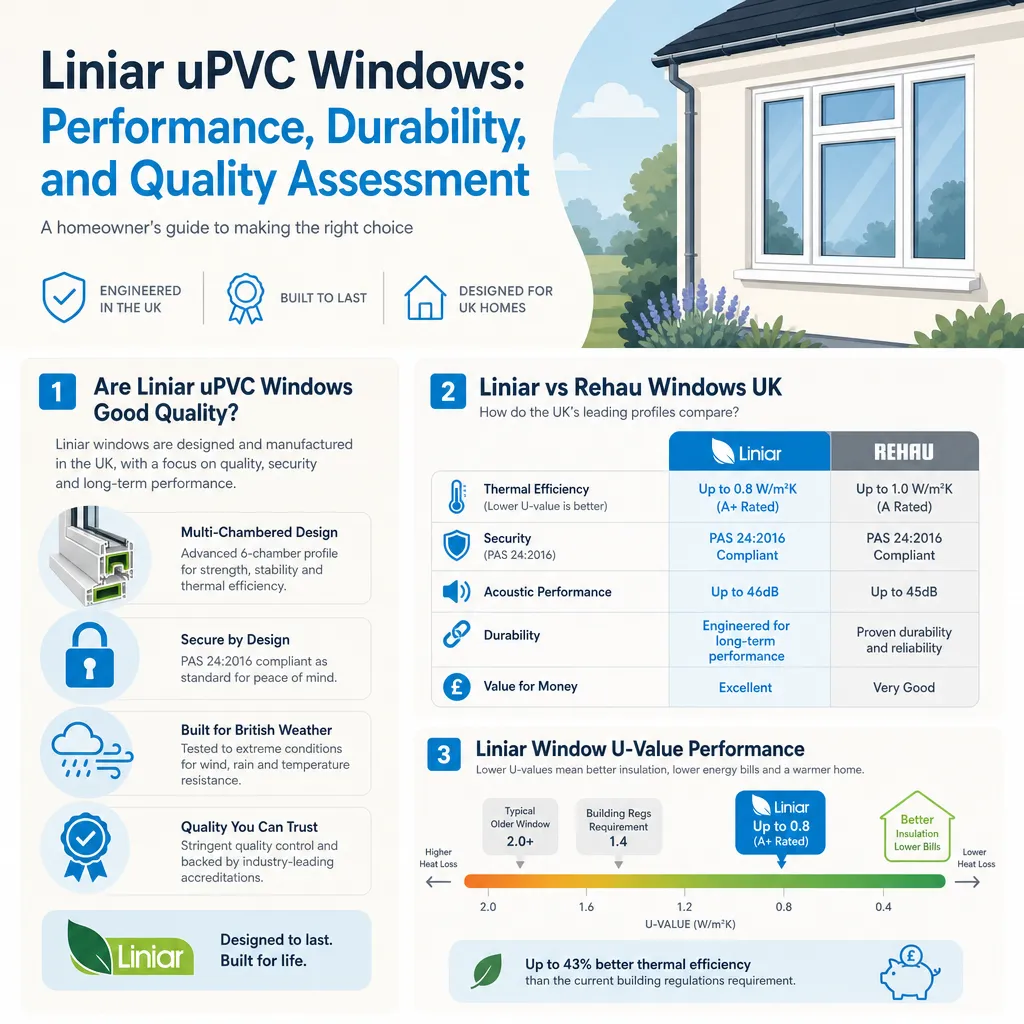
Liniar uPVC Windows: Performance, Durability, and Quality Assessment
Liniar uPVC window profiles are manufactured in the UK using multi-chambered, foamed frames.