Managing Invasive Plant Species in Garden Design
By Housey · Last reviewed 10th of May 2026
Managing Invasive Plant Species in Garden Design
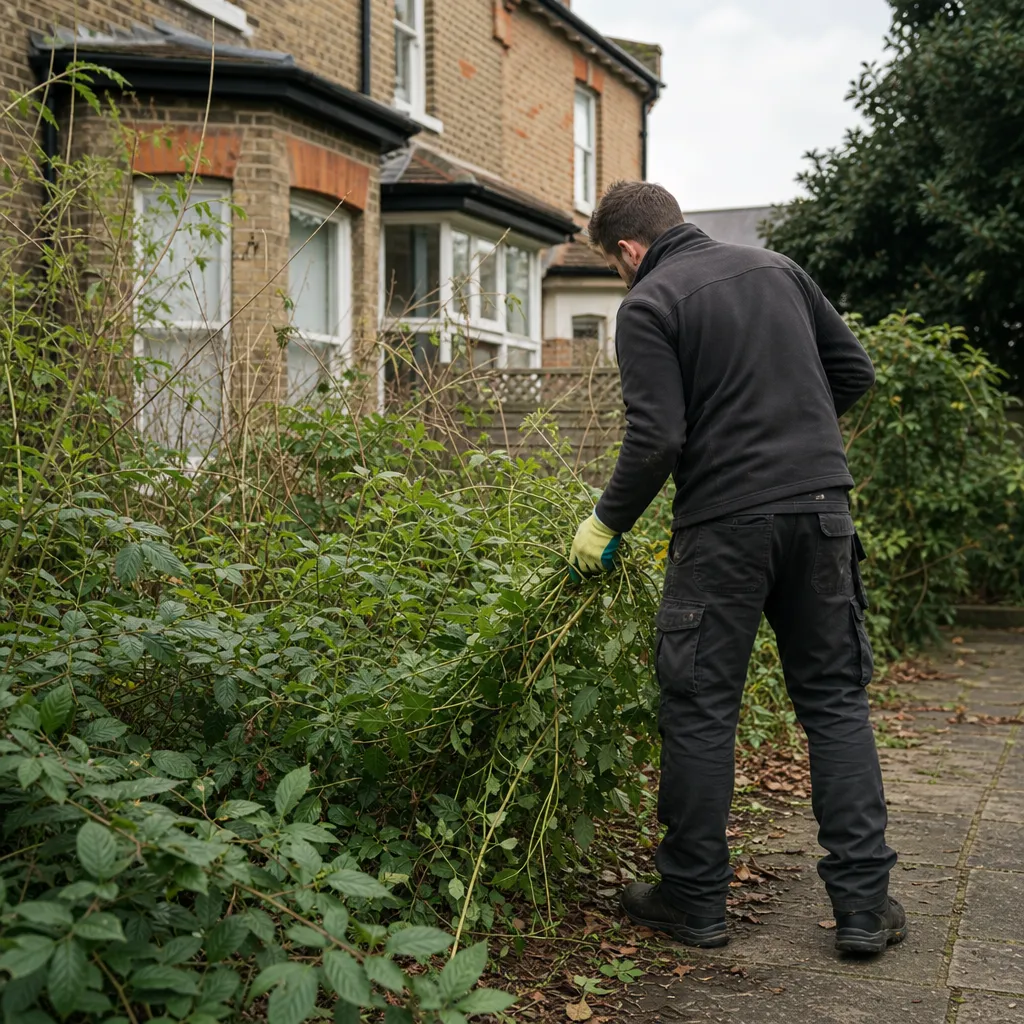
Invasive plants can undermine years of garden redesign work, cause physical damage to walls and drainage systems, and in some cases create direct legal liabilities for UK homeowners. Whether you are dealing with an established Japanese knotweed infestation, clearing Himalayan balsam from a boundary, or managing the relentless spread of Russian vine across fencing and structures, early identification and a realistic treatment plan are essential before any landscaping or planting scheme can proceed safely.
Key points
- Japanese knotweed is listed under Schedule 9 of the Wildlife and Countryside Act 1981 — it is a criminal offence to cause it to spread into the wild, and fly-tipping infected material carries a potential unlimited fine under the Environmental Protection Act 1990.
- Mortgage lenders and the RICS both regard Japanese knotweed within 7 metres of a habitable structure as a material risk; this can affect lending decisions and property valuations.
- Himalayan balsam is also a Schedule 9 species; its explosive seed pods disperse seeds up to 7 metres from the parent plant, making boundary management important near watercourses.
- Effective chemical control of most invasive species requires herbicide application across 2–3 growing seasons; there are no reliable single-treatment solutions.
- Soil containing Japanese knotweed rhizome fragments is classified as controlled waste under the Environmental Protection Act 1990 and must be disposed of at a licensed facility.
Identifying common UK garden invasive plants
Correct identification is the essential first step — treating the wrong plant or missing the problem species wastes time and money.
Plant | Identifying features | Season most visible | Primary risk to property |
|---|---|---|---|
Japanese knotweed (Fallopia japonica) | Shovel-shaped leaves, hollow bamboo-like stems with red or purple flecks, creamy-white flowers in late summer | Spring to autumn | Root system exploits existing cracks in walls, drains, and foundations |
Himalayan balsam (Impatiens glandulifera) | Pink-purple flowers, hollow red-tinged stems, explosive seed pods | Summer to early autumn | Smothers native plants; seeds spread rapidly along watercourses |
Giant hogweed (Heracleum mantegazzianum) | Very large plant up to 5 m tall, white umbel flowers, deeply divided leaves | Spring to summer | Sap causes severe phototoxic burns; Schedule 9 species |
Russian vine (Fallopia baldschuanica) | Rapid climbing growth, small white flowers, tough woody stems | Summer | Can undermine roofing, gutters, and mortar joints if left unchecked |
Buddleja (Buddleja davidii) | Purple-lilac flower spikes, grey-green leaves | Summer to autumn | Colonises walls and chimneys; not Schedule 9 but displaces native plants |
Which approach should you take?
- DIY chemical treatment is appropriate for Himalayan balsam, Russian vine, and buddleja on small areas, using approved herbicides (glyphosate is commonly used; follow the current product label and the HSE COSHH guidance at all times).
- PCA-accredited specialist contractor is strongly recommended for Japanese knotweed — most mortgage lenders and the RICS expect a professional treatment plan backed by a transferable guarantee from a Property Care Association-accredited provider.
- Do not dig out Japanese knotweed without specialist advice — even 0.7 g of rhizome material can regenerate a new plant, and disturbing the root system risks spreading the infestation into adjacent areas.
- Contact your local authority or the Environment Agency if giant hogweed is present; the phototoxic burn risk from sap means management requires full personal protective equipment and professional guidance.
- Instruct a garden designer or landscaper once invasive species are under control — competitive planting with robust native species is one of the most effective long-term suppression strategies.
- Check with Natural England or Natural Resources Wales before starting any management work on or adjacent to a Site of Special Scientific Interest (SSSI) or Natura 2000 site boundary.
Legal considerations for UK homeowners
Japanese knotweed carries specific legal duties that many homeowners are unaware of until they attempt to sell or remortgage.
- You are not legally required to eradicate knotweed from your land, but you must not allow it to spread onto a neighbour's land or into the wild (Wildlife and Countryside Act 1981, as amended by the Infrastructure Act 2015).
- Fly-tipping knotweed is illegal under the Environmental Protection Act 1990; even small amounts of soil containing rhizome fragments constitute controlled waste requiring a licensed carrier and disposal site.
- Neighbours may pursue civil claims if knotweed spreads from your property to theirs — this area of tort law was affirmed in Williams v Network Rail Infrastructure Ltd [2018] EWCA Civ 1514 in the Court of Appeal.
- Sellers must declare the presence of knotweed on the TA6 property information form used in the conveyancing process; failure to disclose accurately is a potential misrepresentation claim.
Red flags: when professional help is essential
- Japanese knotweed confirmed or strongly suspected within 7 metres of any structure, or visible from the boundary of a property you are buying or selling.
- Giant hogweed anywhere on the site — the phototoxic burn risk from sap makes unsupported DIY management dangerous without appropriate PPE.
- Any invasive species growing into or through masonry, around drain inspection covers, or close to underground pipework or foundations.
- Knotweed on a property you intend to sell or remortgage — lenders typically require a professional treatment plan with a minimum five-year transferable guarantee before they will lend.
- Any invasive species within or adjacent to an SSSI or Natura 2000 site — contact Natural England or Natural Resources Wales before starting any clearance work.
Developing a long-term management plan
Invasive plant management rarely delivers results in a single season. A realistic approach:
- Year 1: Identify all affected areas; commission a specialist survey if Japanese knotweed is involved; begin a licensed herbicide programme in spring or summer.
- Year 1–2: Monitor for re-growth; treat any regrowth promptly; avoid disturbing soil in affected areas unnecessarily.
- Year 2–3: Herbicide-treated areas should show significant reduction; begin competitive replanting in cleared zones using robust native species such as hawthorn, native ivy, or cow parsley to prevent re-colonisation.
- Year 3+: Annual monitoring; maintain documentation of all treatment activity for any future property sale or remortgage application.
What to ask before instructing a contractor:
- Are you accredited by the Property Care Association (PCA) as a Japanese knotweed specialist?
- What guarantee period is offered, and is it transferable to future property owners?
- What herbicide or herbicides do you plan to use, and will you provide written COSHH documentation?
- How will excavated material be disposed of? (Knotweed soil is controlled waste requiring a licensed carrier and disposal site.)
- Will you provide a site-specific management plan and a written treatment record I can use for conveyancing?
When to get professional help
A professional contractor is needed rather than a DIY approach when:
- Japanese knotweed is confirmed or suspected — RICS guidance and most mortgage lenders expect specialist treatment plans from PCA-accredited providers, not homeowner-applied herbicide programmes.
- Any Schedule 9 species requires removal close to a watercourse — the Environment Agency or Natural Resources Wales may need to be notified depending on location and scale.
- The infestation has spread beneath hard landscaping or is in close proximity to building foundations.
- You need a documented treatment record for conveyancing, mortgage, or insurance purposes.
How Housey can help
If you need to redesign or replant your garden after invasive plant clearance, Housey connects UK homeowners with professional landscapers and garden designers who can advise on competitive planting strategies and create a long-term plan that prevents re-establishment of problem species.
Frequently asked questions
Is Japanese knotweed illegal in the UK?
It is not illegal to have Japanese knotweed on your land, but it is a criminal offence under Schedule 9 of the Wildlife and Countryside Act 1981 to cause or allow it to spread into the wild. You also have a duty not to allow it to spread onto a neighbour's property. Soil containing knotweed is classified as controlled waste and must be disposed of at a licensed facility.
How long does it take to get rid of Japanese knotweed?
Most professional herbicide treatment programmes take 3–5 years to achieve effective control. There are no reliable quick fixes. Full excavation is possible but typically costs £10,000–£30,000 or more depending on the extent of the infestation (indicative UK costs, last reviewed 2026-05-10), and excavated material must go to a landfill site licensed to accept knotweed waste.
Does Japanese knotweed affect a house sale?
Yes, significantly. Mortgage lenders and buyers' solicitors ask about knotweed on the TA6 property information form. Undisclosed knotweed can result in a failed sale or a misrepresentation claim. A professional treatment plan with a transferable guarantee — typically a minimum of five years — substantially improves mortgageability and buyer confidence.
Can I compost invasive plant material?
You should not compost Japanese knotweed, Himalayan balsam seed heads, or giant hogweed — these species can survive and spread from compost. Himalayan balsam stems without seed heads can often be composted if the heap is well managed. When in doubt, dispose of material via your local authority's garden waste service and confirm they accept the specific species first.
Sources and further reading
- Prevent the spread of invasive non-native plants — GOV.UK / Defra
- Wildlife and Countryside Act 1981, Schedule 9 — legislation.gov.uk
- Japanese knotweed and residential property — Royal Institution of Chartered Surveyors
- Invasive non-native plants: advice for land managers — GOV.UK
Useful next reads
 Improvement & Build
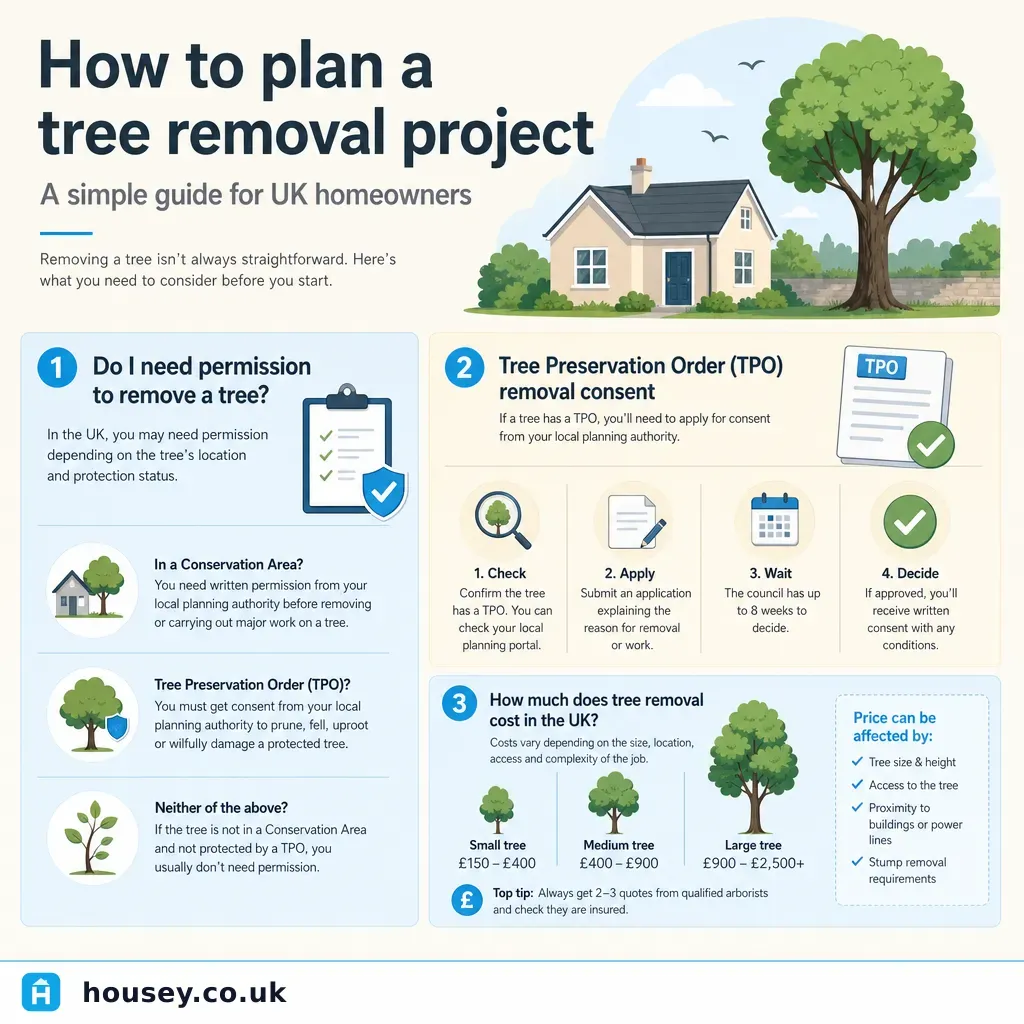
How to plan a tree removal project
Planning a tree removal project starts with checking whether the tree is protected by a Tree Preservation Order or sits in a conservation area, as both require council consent before any work begins.
 Improvement & Build
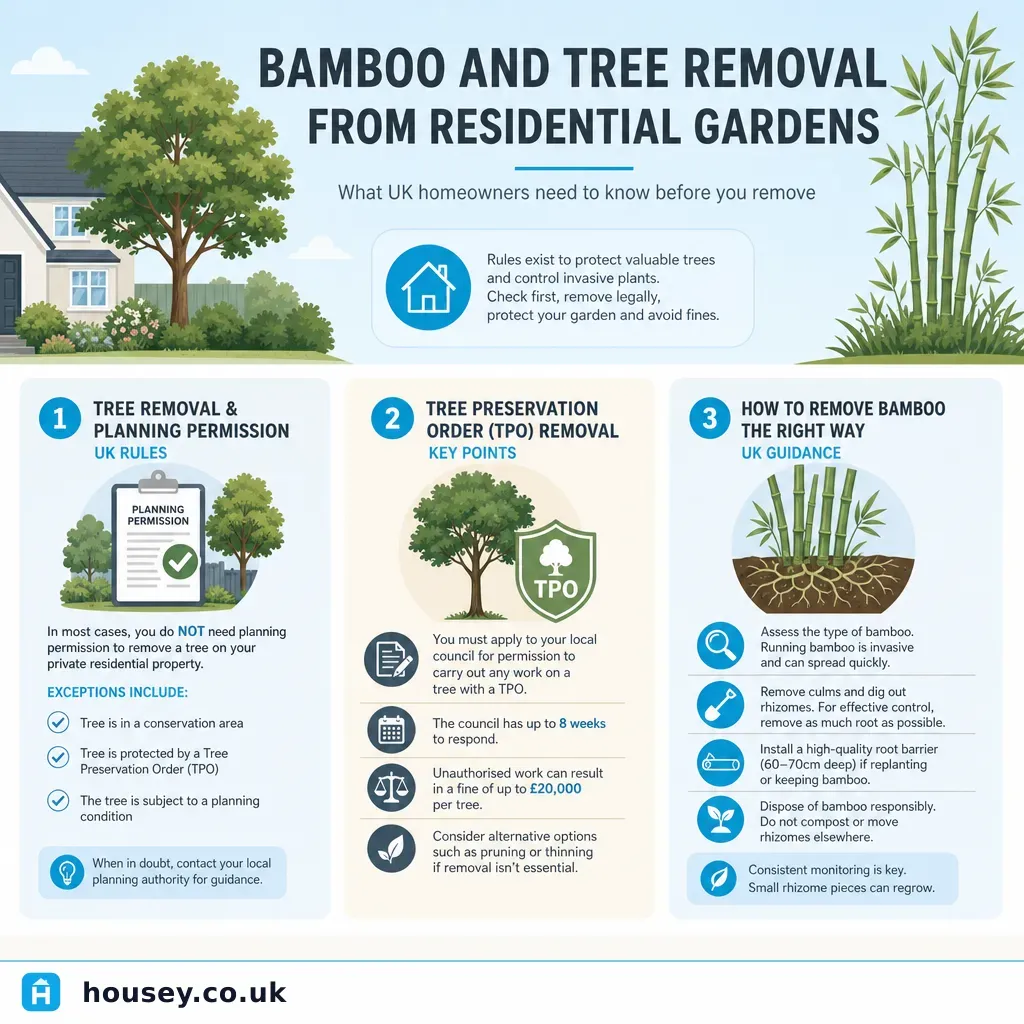
Bamboo and Tree Removal from Residential Gardens
Tree removal in UK gardens may need local authority approval if the tree has a Tree Preservation Order or sits in a conservation area.
 Improvement & Build
Professional Tree Removal: Safety, Regulations, and When You Need a Specialist
Professional tree removal in the UK often requires checking for Tree Preservation Orders or conservation area protections before any work begins.
 Improvement & Build
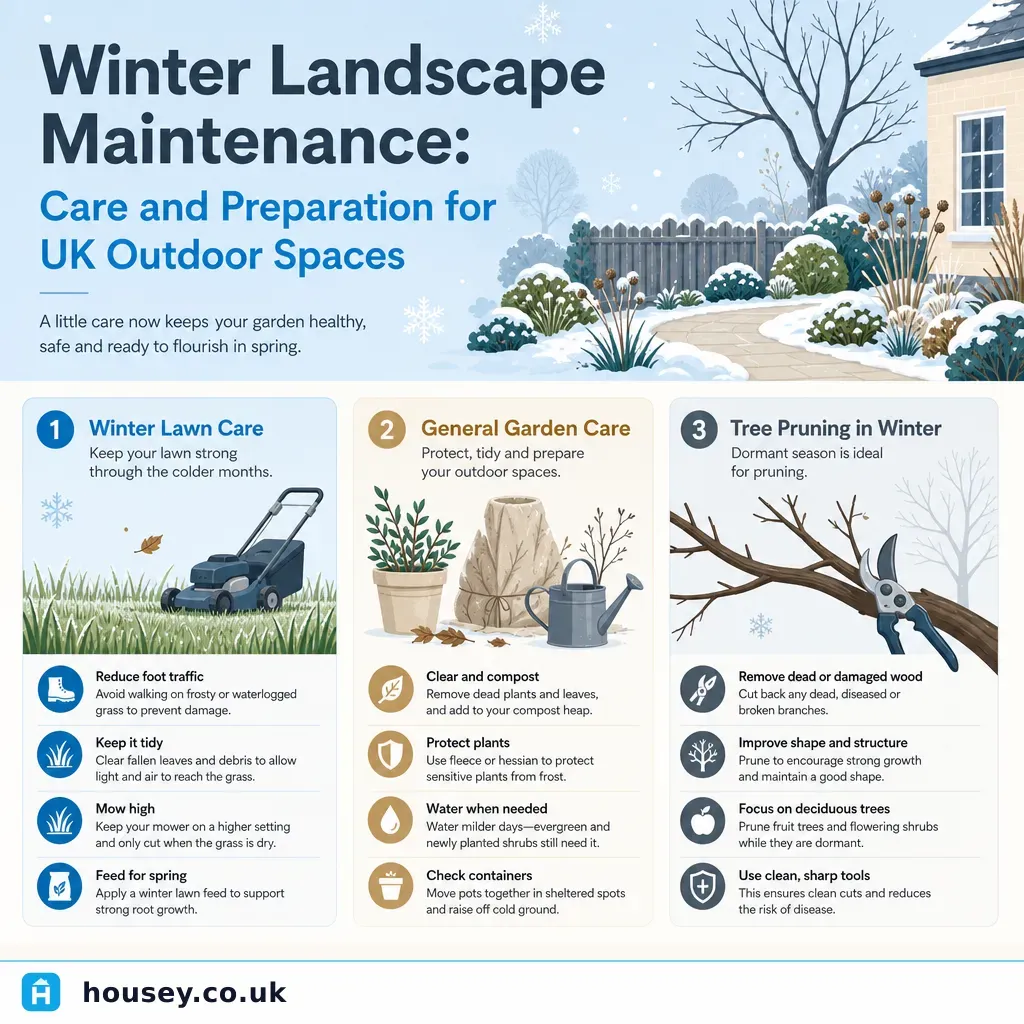
Winter Landscape Maintenance: Care and Preparation for UK Outdoor Spaces
During UK winters, landscape maintenance means avoiding foot traffic on frozen lawns, inspecting dormant trees for dead wood, clearing algae from hard surfaces, and monitoring ponds to prevent full freezing.
 Improvement & Build
Garden and Landscape Services for Your Property
Garden designers and landscapers both improve outdoor spaces but offer different services.