Managing Property and Contents After Damp Treatment
By Housey · Last reviewed 1st of June 2026
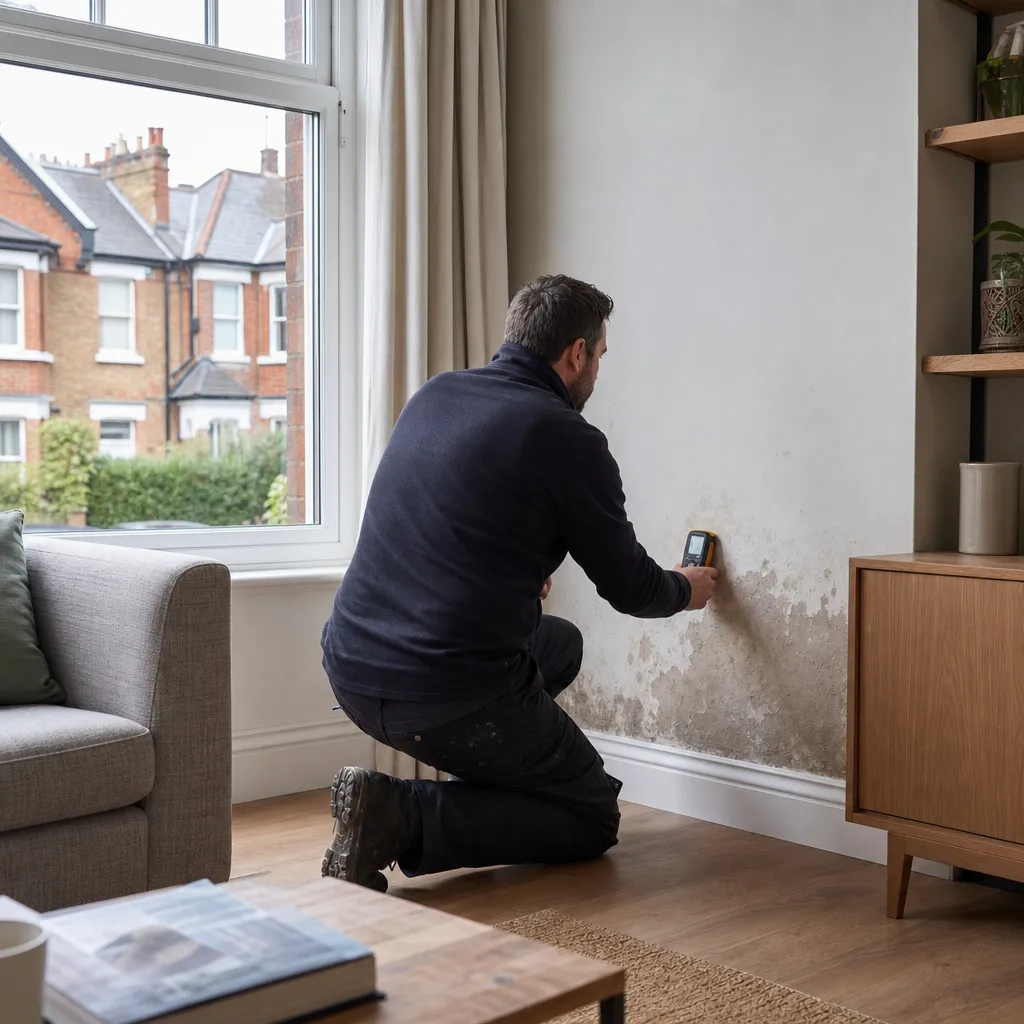
Managing Property and Contents After Damp Treatment
Damp treatment is rarely the end of the story for UK homeowners — it marks the beginning of a drying-out period that can last months or, in severe cases, more than a year. The decisions made immediately after a contractor finishes on site, from how the property is ventilated to what is done with affected contents, have a direct bearing on whether problems return and whether subsequent re-plastering and decorating work lasts. This question typically arises when a damp proofing company has completed its work and the homeowner is left with bare walls, damaged plaster, and possibly mould-affected belongings, uncertain about next steps.
Key points
- Treated walls typically require six months to two years to dry out sufficiently before re-plastering or redecorating, depending on wall construction, original moisture levels, and how well the property is ventilated during the drying period.
- The Property Care Association (PCA) is the main UK professional body for damp and timber treatment contractors; PCA members operate a guarantee protection scheme, and guarantees typically cover 10–30 years and are transferable on property sale.
- Adequate ventilation throughout the drying period is essential: BS 5250:2021 (Code of practice for the management of moisture in buildings) provides the UK framework for moisture management in dwellings, covering background trickle ventilation and intermittent extract requirements.
- Plasterboard, carpets, and soft furnishings saturated by damp or affected by extensive mould growth are generally not recoverable by surface cleaning alone; replacement is usually more cost-effective and prevents mould spore recolonisation.
- Damp survey reports, guarantee certificates, and associated documentation are disclosable material facts in a UK property sale, typically requested by buyers' solicitors via the TA6 property information form during conveyancing.
How long do walls take to dry after damp treatment?
There is no universal figure, but the following factors govern drying time.
Wall construction — Solid masonry walls (common in Victorian and Edwardian terraces and pre-war semis) hold substantially more moisture than modern cavity walls and take significantly longer to reach equilibrium. A solid 225 mm brick wall saturated by years of rising damp may take 12–24 months to dry adequately.
Original moisture levels — A wall showing severely elevated moisture readings at survey will take longer to dry than one with moderate dampness, even if both receive the same treatment.
Ventilation — A well-ventilated property will dry considerably faster. Keeping windows permanently closed and rooms sealed significantly extends drying time.
Heating — Gentle background heat supports evaporation without causing rapid surface drying that can crack remaining plaster. Avoid using high-output portable heaters that dry surfaces quickly while the core of the wall remains wet.
As a general principle, the damp treatment industry widely acknowledges that re-plastering before a wall has dried sufficiently risks plaster failure, efflorescence (salt migration to the surface as moisture moves outward), and continuing moisture problems behind the new finish. Your treating contractor should advise in writing on the expected drying period before leaving site, and should be willing to return for a moisture check before you commission new plasterwork.
Ventilation during the drying period
Correct ventilation is the single most important factor in achieving a timely and successful drying-out period. BS 5250:2021 provides the UK framework for moisture management in buildings and supports the following approach:
- Background trickle ventilation — Trickle vents in window frames provide continuous low-level air exchange. Where these are absent, fitting them before the property is sealed back up is worthwhile.
- Intermittent extract ventilation — Mechanical extract fans in kitchens and bathrooms, meeting the requirements of Approved Document F, remove moisture-laden air at source and prevent it from migrating into treated rooms.
- Cross-ventilation — Where practical, open windows on opposite sides of the property to encourage through-draught during dry weather.
- Furniture clearance — Do not push furniture directly against freshly treated walls during the drying period; maintain a gap to allow air to circulate across the wall surface.
Dehumidifiers can supplement natural ventilation, particularly during autumn and winter when opening windows is less practical. Empty the reservoir regularly and use the humidity readout to track improvement over time.
Managing mould-affected contents
Mould growth is a common consequence of prolonged damp in UK homes. Once the moisture source has been treated, assessing what to do with affected belongings requires a clear-eyed approach rather than optimism.
Hard, non-porous surfaces (tiles, sealed hard flooring, glass, solid sealed furniture) can generally be cleaned using an appropriate antifungal product, followed by rinsing and thorough drying. Work in a well-ventilated space and wear gloves, eye protection, and an FFP2-rated mask as a minimum.
Semi-porous and porous materials (plasterboard, softwood skirtings, MDF, textured wallpaper) — where mould has penetrated the surface layer, cleaning rarely provides a durable result. Replacement is usually the more practical and effective option.
Soft furnishings, carpets, and bedding — The NHS advises that mould-affected soft goods are difficult to clean effectively and can continue to release spores after surface treatment. Where mould coverage is extensive, disposal and replacement is generally recommended over cleaning attempts.
Documents, books, and photographs — Important papers affected by damp can sometimes be rescued by careful air-drying or specialist freeze-drying services. Consult a specialist conservator for valuable or irreplaceable items rather than attempting home rescue techniques.
Damp treatment aftercare checklist
Use this checklist in the weeks and months following damp treatment:
What not to assume about damp treatment aftercare
Do not assume the treatment is instant — Chemical injection damp proofing and similar treatments create a barrier against future moisture ingress; they do not dry out the wall. Drying happens independently over the following months.
Do not assume you can redecorate immediately — Applying new plaster, render, or paint to walls that are still drying is one of the most common reasons damp-related decoration fails in the same property repeatedly. The new finish traps moisture and prevents it from evaporating naturally.
Do not assume the guarantee covers everything — Most damp treatment guarantees cover the treatment works themselves, not consequential damage such as ruined decoration, damaged contents, or loss of use. Read the guarantee terms carefully, particularly the exclusions section, before assuming wider cover.
Do not assume mould is fully eliminated once it is no longer visible — Surface mould treated with antifungal spray may still harbour viable spores in the underlying material. If mould returns to cleaned surfaces within a few weeks, the substrate itself is likely still contaminated and replacement is the correct course of action.
Do not assume all damp contractors offer equivalent quality — Membership of the PCA or TrustMark accreditation provides a framework for quality standards and consumer recourse. An independent damp and timber survey before commissioning treatment helps ensure the diagnosis and specified remedy are appropriate.
Red flags suggesting the treatment may not be working
The following signs in the months after treatment warrant follow-up with your contractor or an independent damp surveyor:
- Damp patches reappearing in exactly the same locations as before treatment
- New damp patches appearing in areas not previously identified in the original survey
- Efflorescence (white salt crystals) forming on wall surfaces — this indicates moisture is still moving through the wall
- Plaster remaining soft, crumbling, or sounding hollow when tapped, well beyond the expected drying period
- Mould returning to surfaces that were cleaned, within a few weeks of treatment
- A persistent musty smell despite improved ventilation and background heating
- Moisture meter readings remaining elevated significantly beyond the drying period advised by the contractor
If you observe any of these signs, contact your treating contractor in writing, referencing the guarantee. If the response is unsatisfactory, the PCA's member disputes process provides a route to formal resolution for PCA-registered contractors.
Retaining documentation for property sales
Damp treatment guarantees and related survey reports are disclosable material facts in a UK property sale. Buyers' solicitors routinely request these documents via the standard TA6 property information form and conveyancing enquiries. Incomplete or missing documentation can cause delays to exchange and may raise questions about the adequacy of the original treatment.
Retain the following in a safe and accessible location:
- The original damp survey report, including moisture meter readings and the defect schedule
- The guarantee certificate with full terms, duration, and the guarantee protection scheme provider's contact details
- The contractor's details: company name, registration number, and PCA membership number if applicable
- Any building control documentation if structural repairs accompanied the damp treatment works
Provide copies to your solicitor at the outset of any future sale to avoid delays at the pre-contract stage.
When to get professional help
Return to a professional if:
- Damp problems reappear after treatment and the contractor is not satisfactorily honouring the guarantee claim
- You are considering buying a property that has been treated for damp and want an independent view before exchange — an independent damp and timber survey can confirm whether the treatment was appropriate and whether the property is now genuinely dry
- Mould growth is extensive, covering significant areas of walls, ceilings, or structural elements — large-scale mould remediation is a specialist task, and the underlying cause must be confirmed before remediation begins
- You notice structural concerns (cracking, bulging walls, failing lintels) that were not identified in the original damp survey — damp and structural defects sometimes coexist and each requires appropriate professional attention
How Housey can help
Housey can connect you with independent specialists who carry out damp and timber surveys across the UK — useful both before commissioning treatment and after treatment to confirm that walls have dried adequately before you invest in new plaster and decoration. An independent survey provides an unbiased assessment separate from the contractor who carried out the original work.
Frequently asked questions
How do I know when my walls are dry enough to re-plaster?
Your damp treatment contractor should return and check moisture meter readings before sign-off. Most damp surveyors look for readings well below 20% on the wood moisture equivalent scale before approving re-plastering, though specific targets depend on the meter type and wall substrate. Insist on a written moisture check confirmation from the contractor or an independent damp surveyor before commissioning new plasterwork.
Does home insurance cover damage caused by damp?
Most standard UK home insurance policies do not cover gradual damp damage, as this is typically classified as a maintenance issue rather than a sudden event. Some policies cover resultant damage from a sudden escape of water. Check your policy wording carefully and speak to your insurer before making a claim. The guarantee from your damp contractor is your primary form of protection for the treated works.
Can I stay in my home during the drying-out period after damp treatment?
Yes, in most cases. The drying-out period does not normally make a property uninhabitable. Maintain ventilation and gentle background heating, and avoid rooms with extensive active mould growth until remediation is complete. If mould is extensive, or if there are young children, elderly residents, or people with respiratory conditions in the household, seek medical advice about whether temporary relocation is appropriate.
What if my damp treatment contractor has gone out of business?
If the contractor was a PCA member, the PCA's guarantee protection scheme may provide cover even if the company has ceased trading. Check the guarantee certificate for the protection scheme provider's details. If the contractor was not a PCA member and the guarantee is unprotected, Citizens Advice can advise on your options, which may include pursuing the matter through the courts.
Sources and further reading
- Property Care Association: damp and timber treatment standards — Property Care Association (PCA)
- NHS: damp and mould — NHS
- BS 5250:2021 — Code of practice for the management of moisture in buildings — BSI Group
- Citizens Advice: problems with building work and guarantees — Citizens Advice
- GOV.UK: buying and selling property — GOV.UK
Useful next reads
 Surveys & Inspections
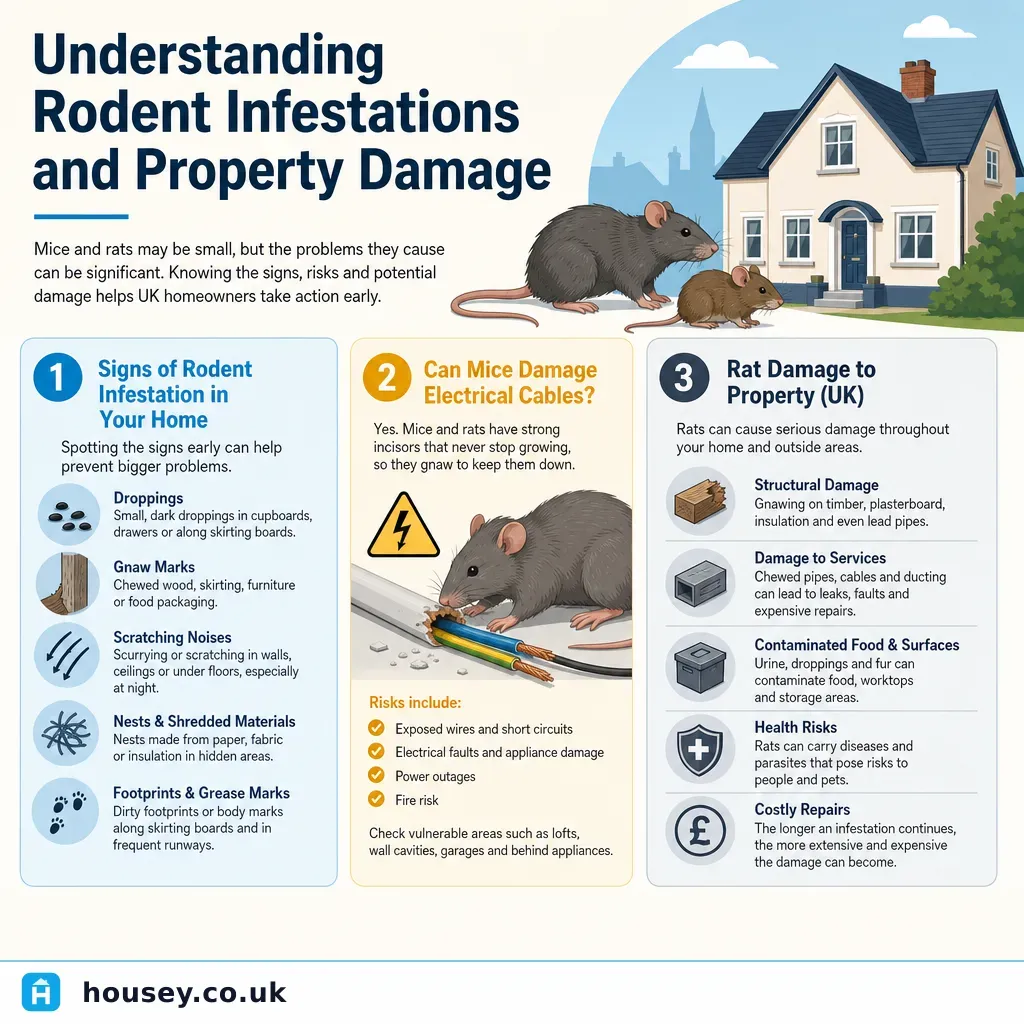
Understanding Rodent Infestations and Property Damage
Rats and mice can cause significant property damage in UK homes, including gnawed electrical cables that create fire risk, damaged pipework causing hidden leaks, and burrowing near foundations in older properties.
 Surveys & Inspections
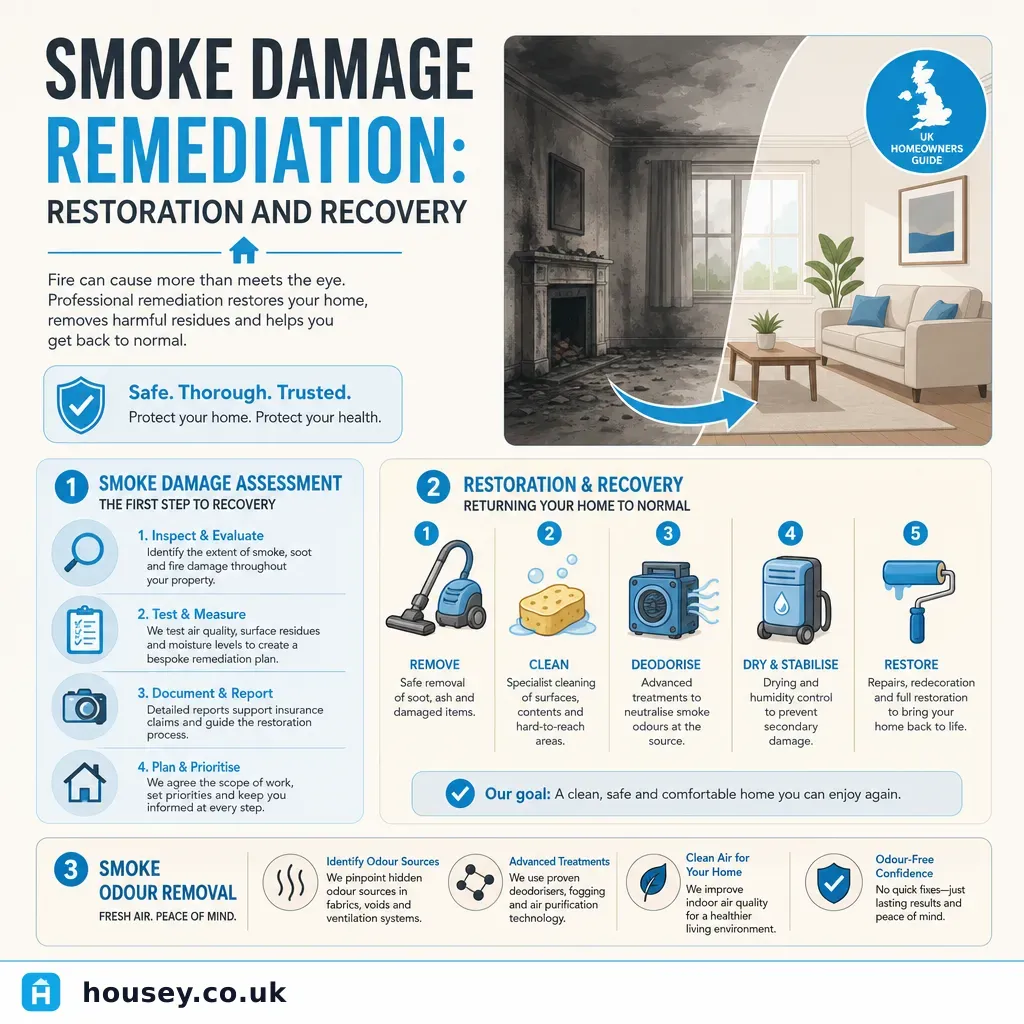
Smoke Damage Remediation: Restoration and Recovery
After a fire or smoke event, professional remediation involves safety assessment, dry cleaning to remove soot, chemical treatment, structural drying, and odour treatment.
 Surveys & Inspections
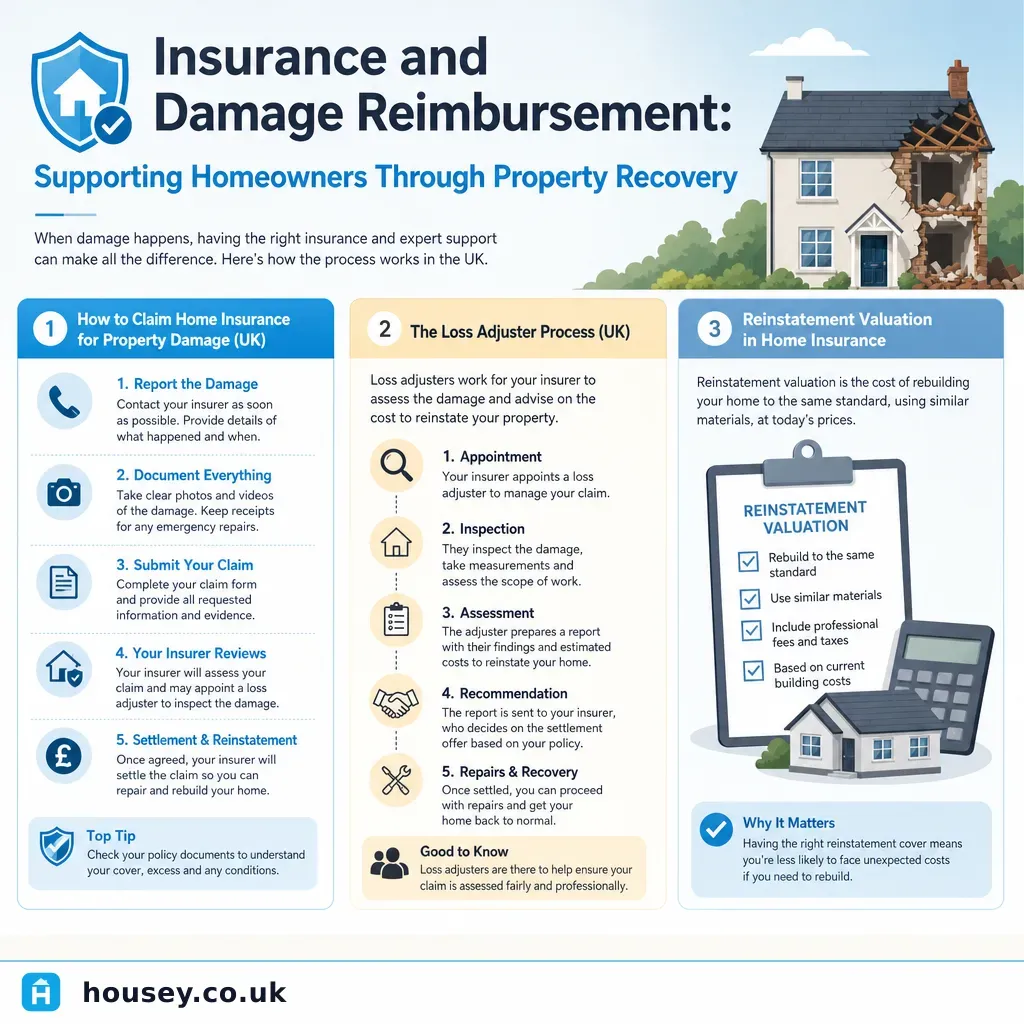
Insurance and Damage Reimbursement: Supporting Homeowners Through Property Recovery
After property damage, your insurer will typically appoint a loss adjuster to assess the claim.
 Surveys & Inspections
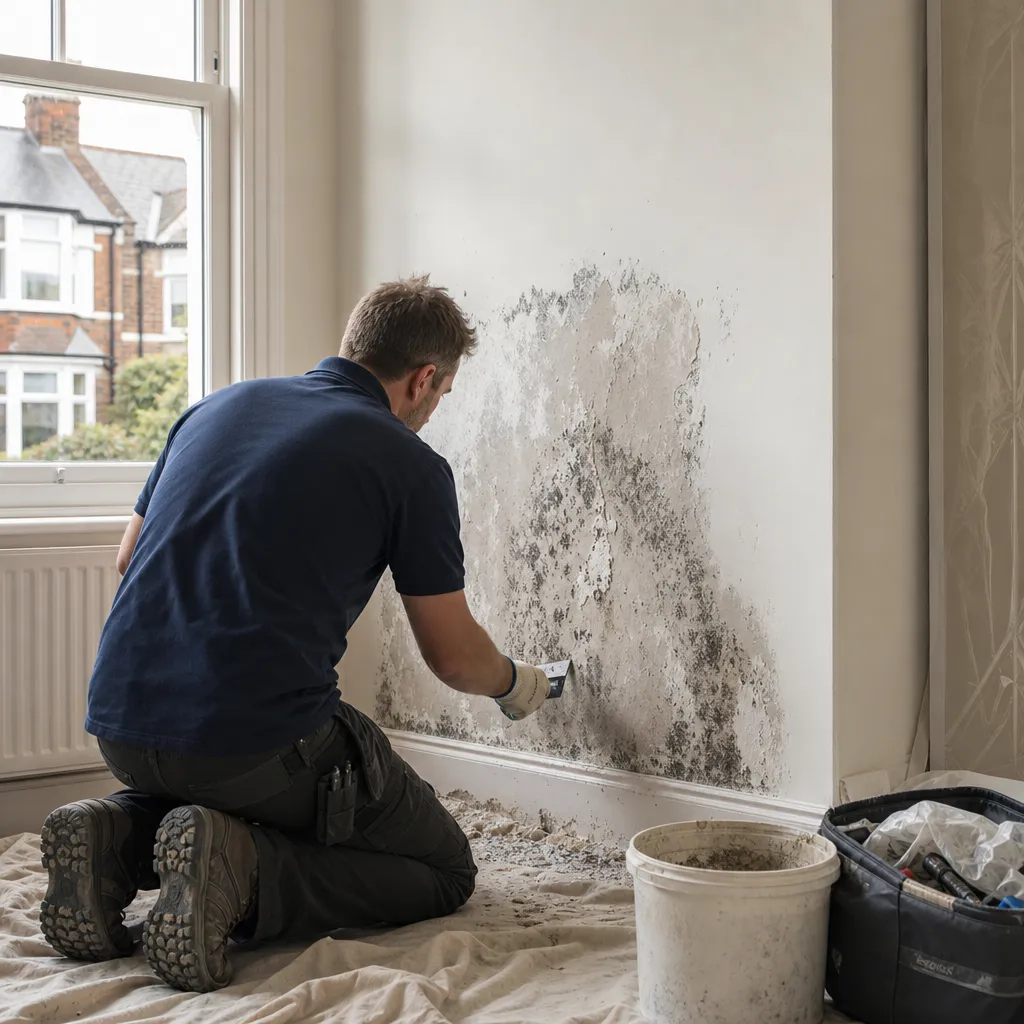
Treating Mould Contamination in Interior Walls
Mould on interior walls is caused by excess moisture — from condensation, penetrating damp, rising damp, or a plumbing leak.
 Surveys & Inspections
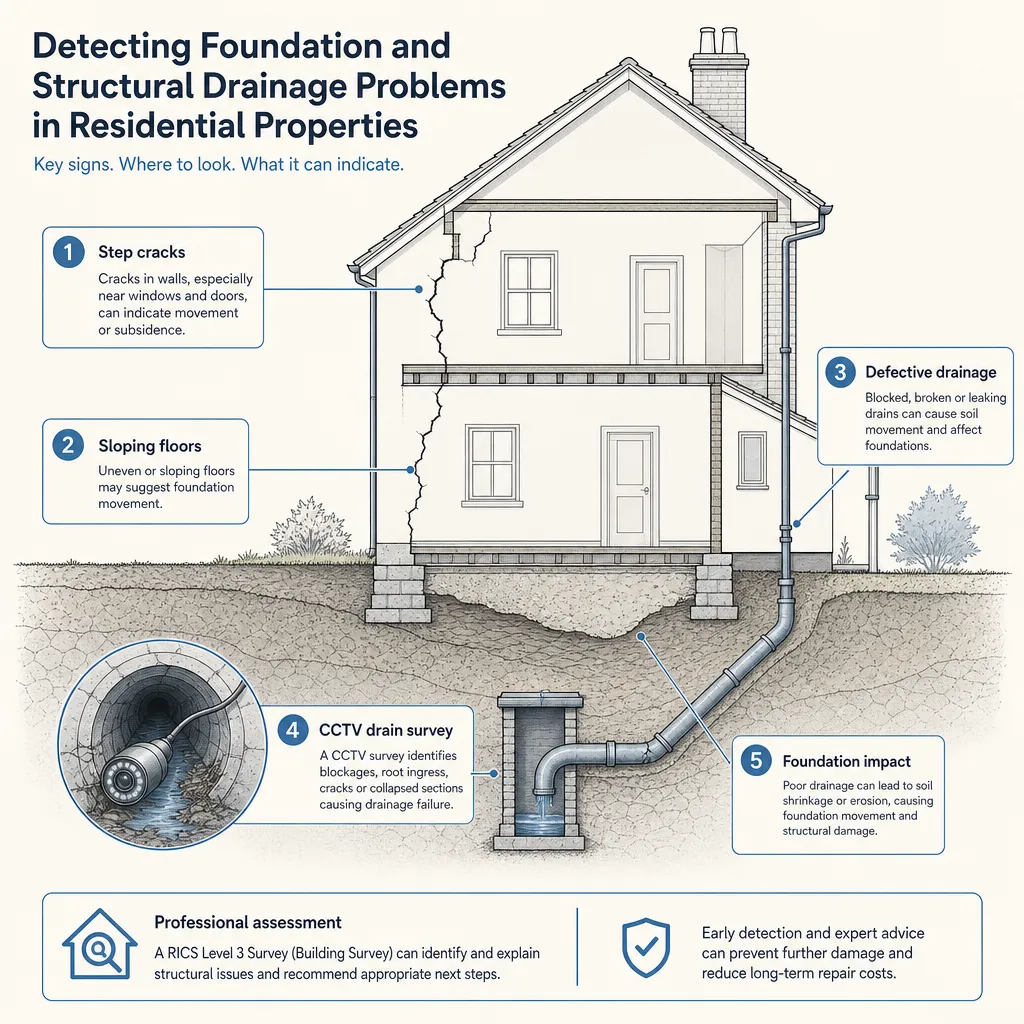
Detecting Foundation and Structural Drainage Problems in Residential Properties
Foundation and drainage problems in UK homes often appear as stepped cracks in brickwork, sticking doors, or slow-draining fixtures.