Mesh Drywall Patches: Function and Application in UK Plasterboard Repairs
By Housey · Last reviewed 31st of May 2026
Mesh Drywall Patches: Function and Application in UK Plasterboard Repairs
Patched plasterboard walls and ceilings are common findings in home surveys and pre-purchase inspections — arising when previous owners have re-routed services, altered openings, or repaired accidental damage. Understanding what a mesh patch is, when it is the appropriate repair method, and what signs indicate poor workmanship helps homeowners and buyers evaluate whether existing repairs are durable or likely to crack and fail over time.
Key points
- Self-adhesive fibreglass mesh patches are suited to holes up to approximately 100mm in standard 12.5mm plasterboard; larger openings need a timber or metal backing batten for a stable substrate.
- Mesh tape has lower tensile strength than paper tape, making paper tape preferable for long butt joints, corners, and any joint subject to seasonal movement.
- Fire-rated, moisture-resistant, or acoustic plasterboard must be repaired with like-for-like board; standard mesh and filler do not restore a fire or acoustic rating.
- Joint compound or patching plaster must be applied in at least two to three thin coats, allowed to dry fully between each, to prevent shrinkage cracking.
- British Gypsum and Knauf publish technical data sheets specifying approved jointing and repair methods for their plasterboard products.
What mesh patches are and how they work
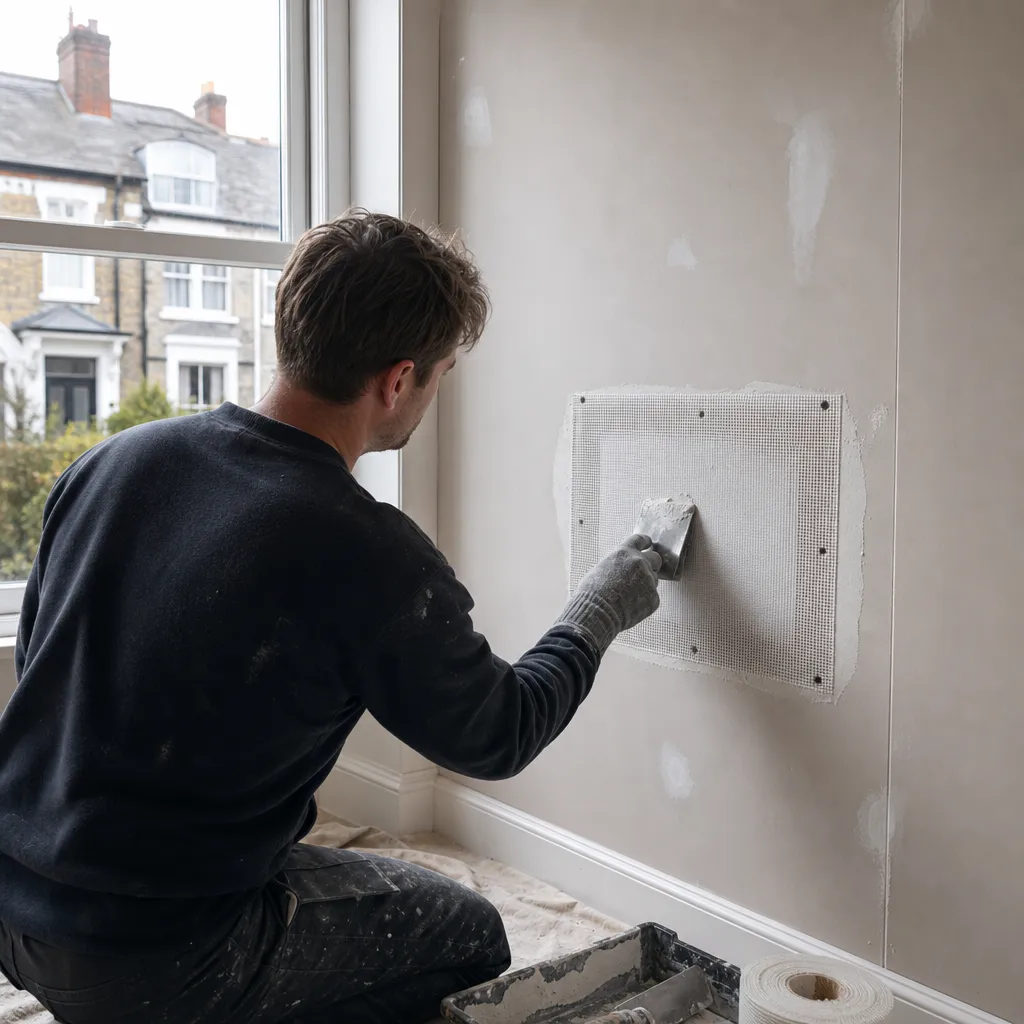
In the UK, drywall is most commonly called plasterboard — the gypsum-core, paper-faced boards sold under brands such as Gyproc (British Gypsum) and Knauf. Mesh patches are self-adhesive products, typically woven from fibreglass strands, that bridge a hole or crack in the board before jointing compound or finishing plaster is applied over the top.
The mesh provides mechanical reinforcement to the filler. Without it, compound applied over a void tends to crack as it cures and shrinks. When applied correctly — pressed firmly onto a clean, dust-free substrate and bedded into the first coat of compound — a mesh patch creates a stable base for the finishing layers.
Self-adhesive patches are available in sizes from around 50mm square up to 300mm square. For larger holes, rolls of self-adhesive fibreglass mesh tape are used instead, wrapped across the void and bridging onto the surrounding board on all sides.
Mesh tape, paper tape, and patch plates compared
Repair product | Best for | Not ideal for | Key limitation |
|---|---|---|---|
Self-adhesive mesh patch | Small holes 50–100mm; localised damage | Large voids; movement cracks | Needs backing for holes beyond 100mm; lower bond strength than paper tape |
Self-adhesive mesh tape | Cracks; seams; medium holes | Long butt joints; load-bearing partition taping | Lower tensile strength than paper tape; may telegraph through finish if not well feathered |
Paper tape | Long tapered joints; butt joints; corners; movement-prone areas | Isolated round holes | Must be embedded in wet compound; not self-adhesive |
Galvanised metal patch plate | Larger holes 100–250mm; high-traffic areas | Curved surfaces; fire-rated boards | Requires screwing into solid substrate; adds slight surface relief |
When mesh patches are not the right repair
Mesh patches and standard multi-finish plaster are adequate for cosmetic repairs in non-rated partitions. They are not appropriate in the following situations.
Fire-rated partitions. Cavity barriers and fire-resistant partitions (typically 30, 60, or 90-minute rated) must be repaired with like-for-like board and appropriate intumescent fillers, as required under Approved Document B. A mesh patch alone does not restore the fire rating. Consult the original system specification or the building control record if in doubt.
Wet and humid areas. Bathrooms, utility rooms, and kitchens require moisture-resistant plasterboard (sometimes called Aqua Board or equivalent). Standard mesh tape and jointing compound applied over standard board in a wet area can absorb moisture and deteriorate over time.
Structural movement cracks. A crack that has opened and closed repeatedly — or shows a pattern of step-cracking through masonry — may indicate ongoing settlement or structural movement. Patching the surface treats the symptom, not the cause. A building surveyor or structural engineer should be consulted before any cosmetic repair is carried out.
Acoustic partitions. Party walls and separating floors in flats or semi-detached homes may need to meet a specific performance specification under Approved Document E (resistance to the passage of sound). An incorrect repair can compromise the tested performance of the partition.
Identifying a quality repair versus a poor one
Red flags in a finished plasterboard repair
- Visible tape edges or ridges. A properly feathered application blends invisibly with the surrounding surface; a prominent rectangular outline indicates insufficient coats or inadequate feathering.
- Hairline cracks following the tape perimeter. This suggests the tape was not adequately bedded in the first coat, or the compound dried too quickly.
- Hollow sound when tapped. A hollow response over a repaired area can indicate the compound has debonded from the mesh or the board behind.
- Uneven sheen under raking light. Different absorption rates between compound and original plaster show up clearly under angled light; this may require re-skimming the whole wall bay to achieve a uniform finish.
- Incorrect board specification. In a bathroom or kitchen, check that moisture-resistant board was used where the repair is near a wet area.
Homeowner checklist: assessing a mesh-patch repair
When to get professional help
Consider instructing a surveyor if:
- A crack reopens within weeks or months of being patched, which may indicate structural or settlement movement.
- The repair is within a fire-rated or acoustic partition and you need confirmation that the specification has been maintained.
- A pre-purchase inspection has flagged plasterboard repairs and you want an independent view of their quality and extent.
- You suspect the repair may have concealed water damage, mould, or inadequately reinstated electrical or plumbing services.
How Housey can help
If you want a professional view on plasterboard repairs found during a viewing or after completed works, Housey can connect you with surveyors who offer specific defect surveys that assess the quality of repairs and identify any underlying issues requiring remediation.
Frequently asked questions
Can mesh tape be used on a plasterboard ceiling?
Yes, mesh tape and mesh patches can be used on plasterboard ceilings for small holes. The application is the same as for walls, but compound must be applied in thinner coats to prevent sagging before it dries. For larger ceiling voids, a timber backing batten screwed to the surrounding joists provides a more stable substrate.
How long does a mesh patch take to dry before painting?
Jointing compound typically requires 24 hours between coats in normal UK indoor conditions of around 15–20°C. Each coat should be fully dry before applying the next. Final decoration should not start until the last coat is thoroughly dry — usually 24–48 hours after the final skim coat.
Does a plasterboard patch repair need building regulations approval?
In most cases, cosmetic plasterboard repairs do not require building regulations approval. However, if the repair forms part of a fire-rated partition, or involves notifiable electrical or plumbing work behind it, relevant approved documents (Parts B, E, or P as applicable) may apply. If in doubt, contact your local authority building control.
Will a mesh patch repair show after painting?
A correctly applied repair — properly feathered with at least two coats of compound and a final light skim — should be invisible after painting. A poorly feathered or under-coated repair will show as a raised outline or patch of different texture under raking light. Sanding between coats and applying a mist coat before the finish coat helps achieve a uniform result.
Sources and further reading
- British Gypsum White Book — Repair and Maintenance — British Gypsum
- Approved Document B — Fire Safety — GOV.UK
- Approved Document E — Resistance to the Passage of Sound — GOV.UK
- Knauf Technical Guidance — Knauf UK
Useful next reads
 Surveys & Inspections
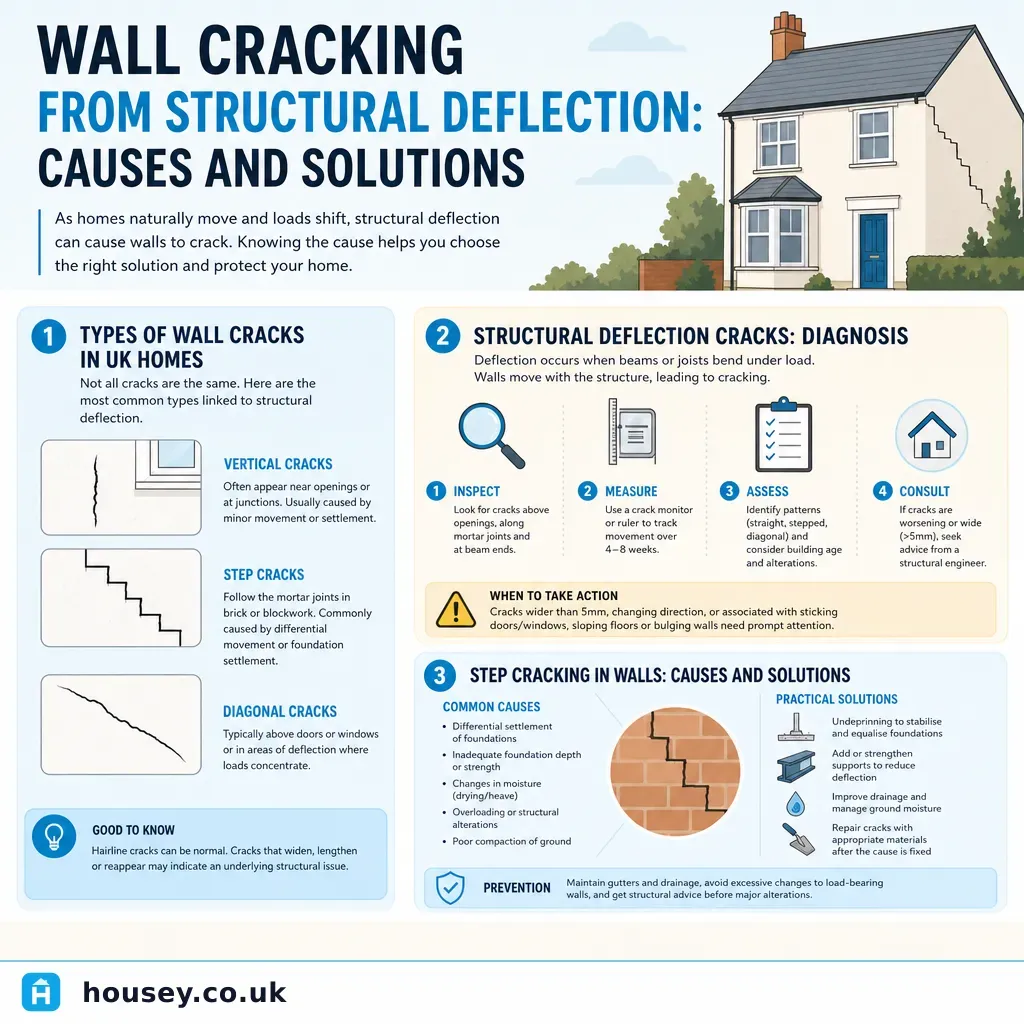
Wall Cracking from Structural Deflection: Causes and Solutions
Structural deflection occurs when a beam, floor, or lintel sags under load, transferring stress into surrounding masonry and causing characteristic cracks.
 Surveys & Inspections
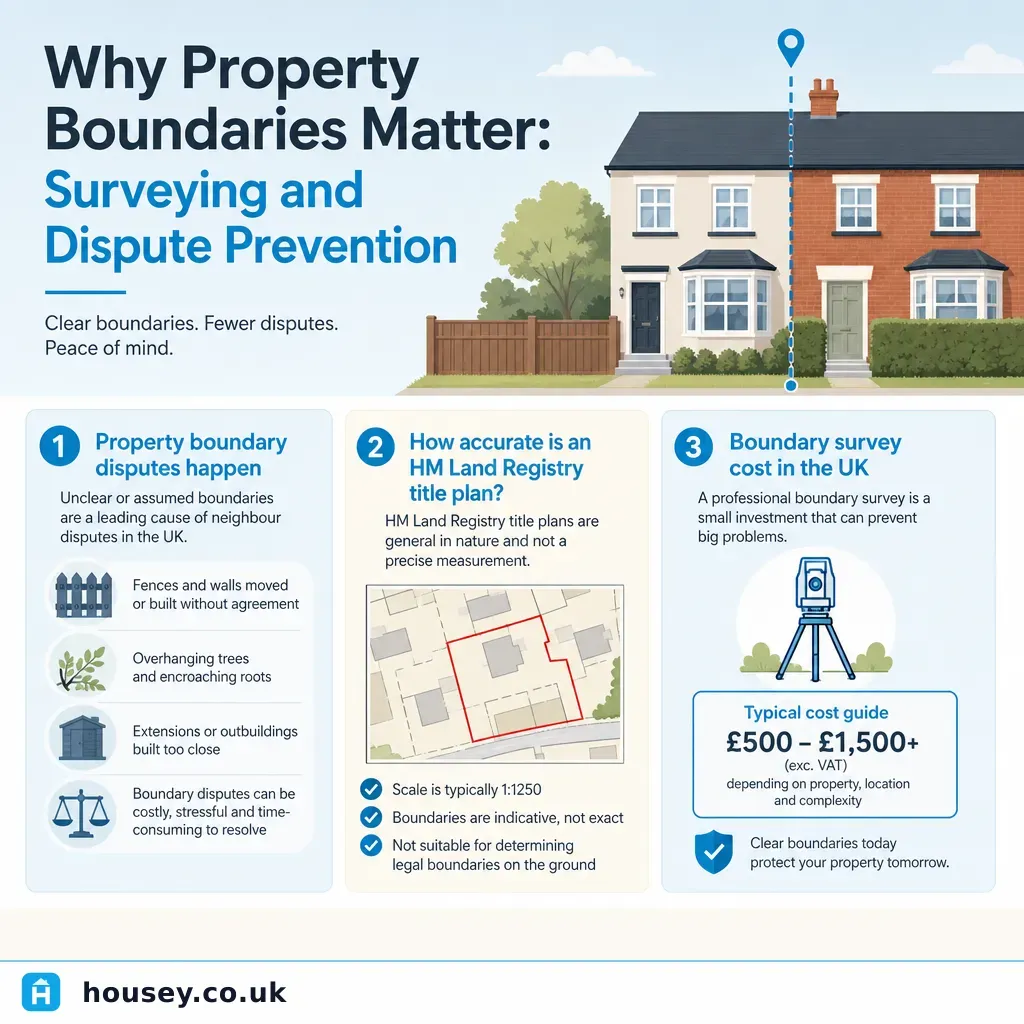
Why Property Boundaries Matter: Surveying and Dispute Prevention
Property boundaries in England and Wales are recorded as general boundaries by HM Land Registry — not precise measurements.
 Surveys & Inspections
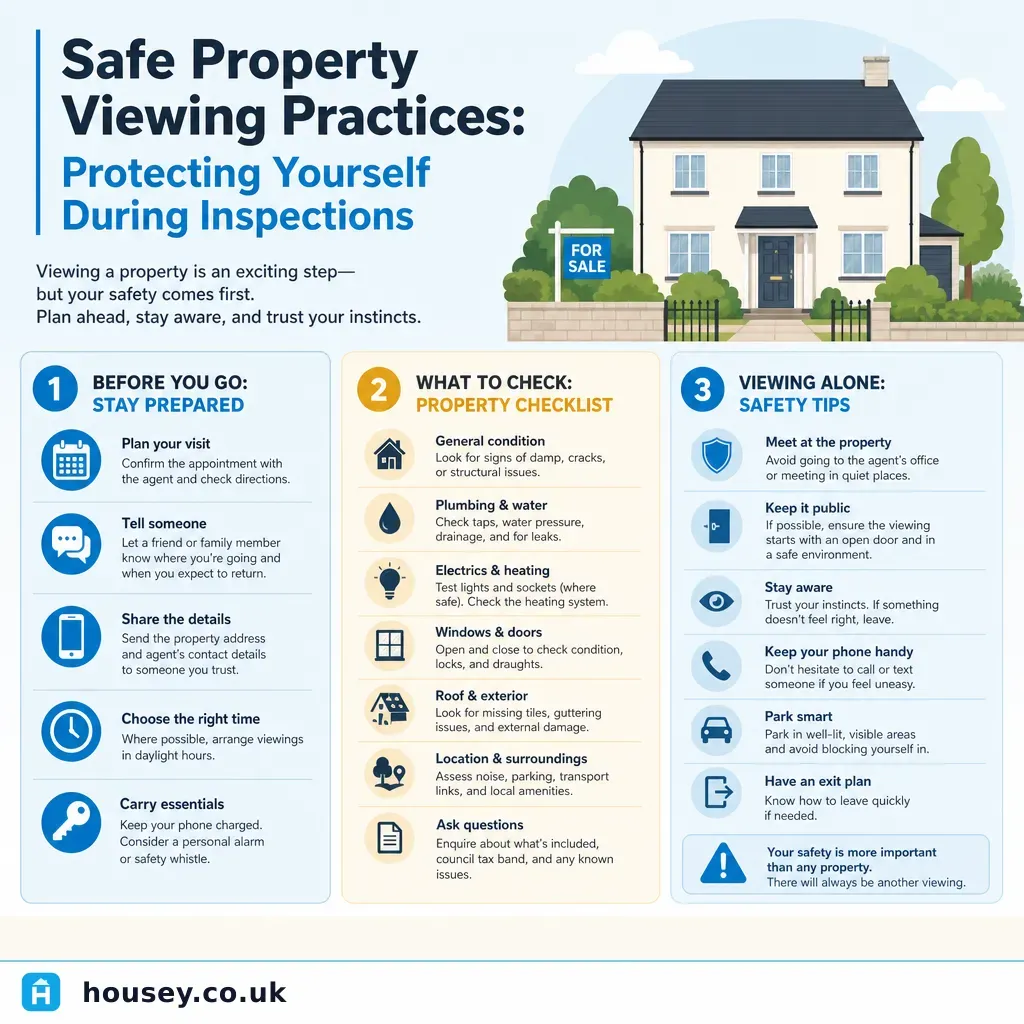
Safe Property Viewing Practices: Protecting Yourself During Inspections
When viewing a property in the UK, always tell someone where you are going and share the full address before you leave.
 Surveys & Inspections
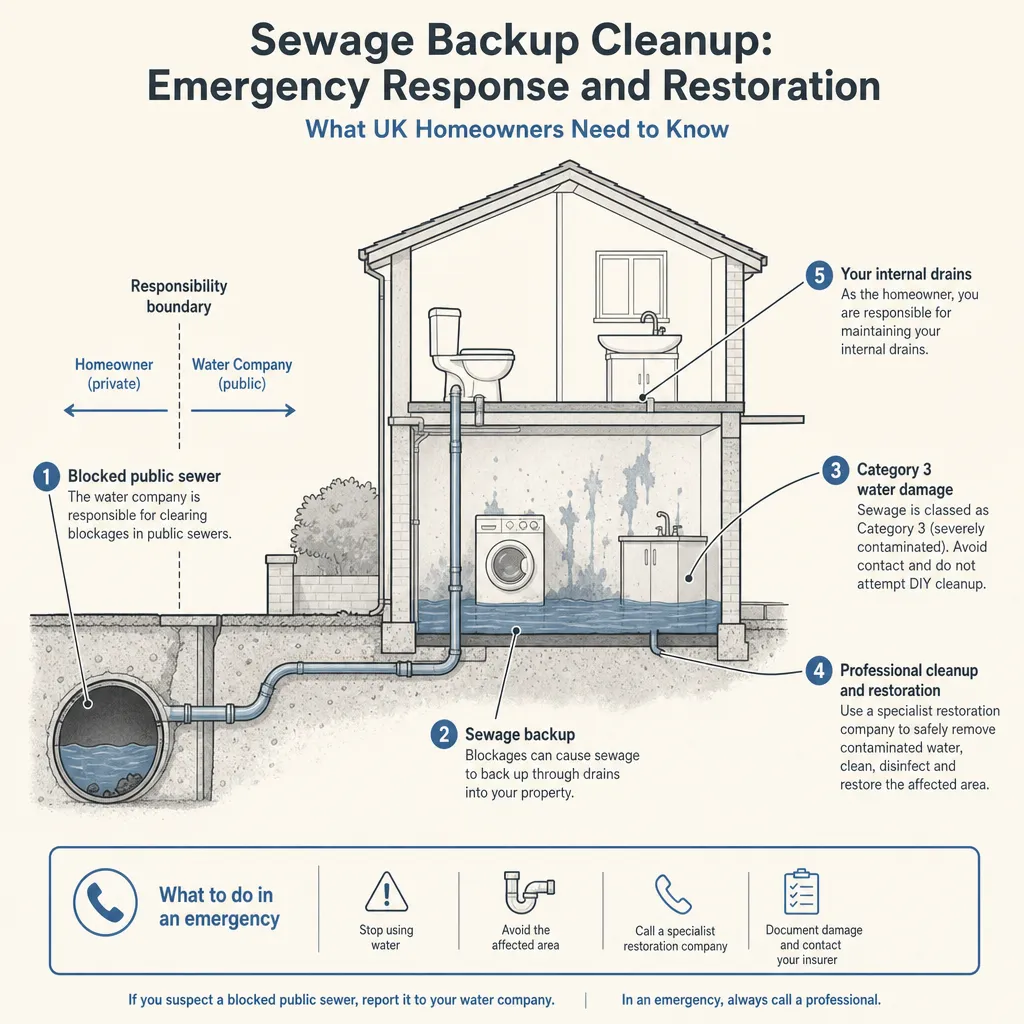
Sewage Backup Cleanup: Emergency Response and Restoration
A sewage backup should be treated as a Category 3 contamination event.
 Surveys & Inspections
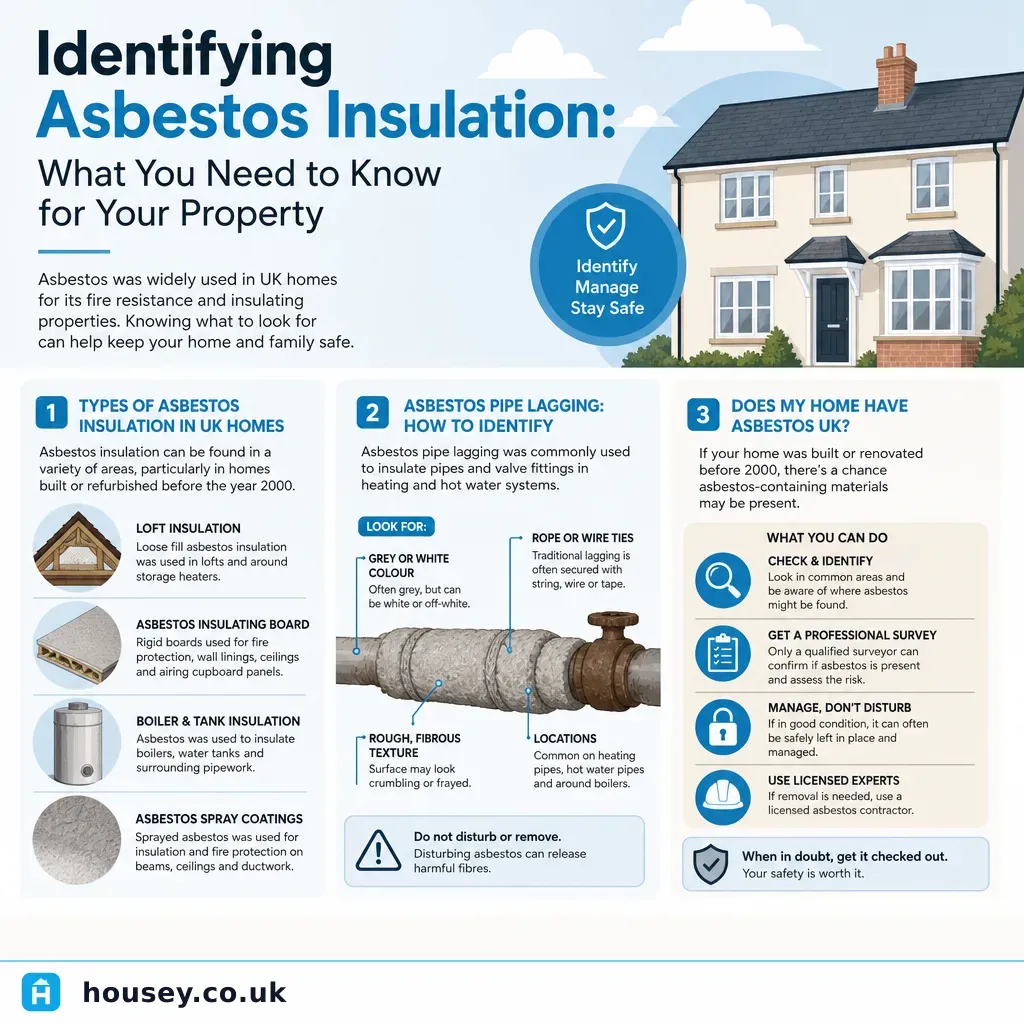
Identifying Asbestos Insulation: What You Need to Know for Your Property
Asbestos insulation was widely used in UK properties built before 2000, commonly found in pipe lagging, ceiling tiles, loose-fill loft insulation, and around boilers.