Moss on Trees: Causes, Identification, and Management
By Housey · Last reviewed 11th of May 2026
Moss on Trees: Causes, Identification, and Management
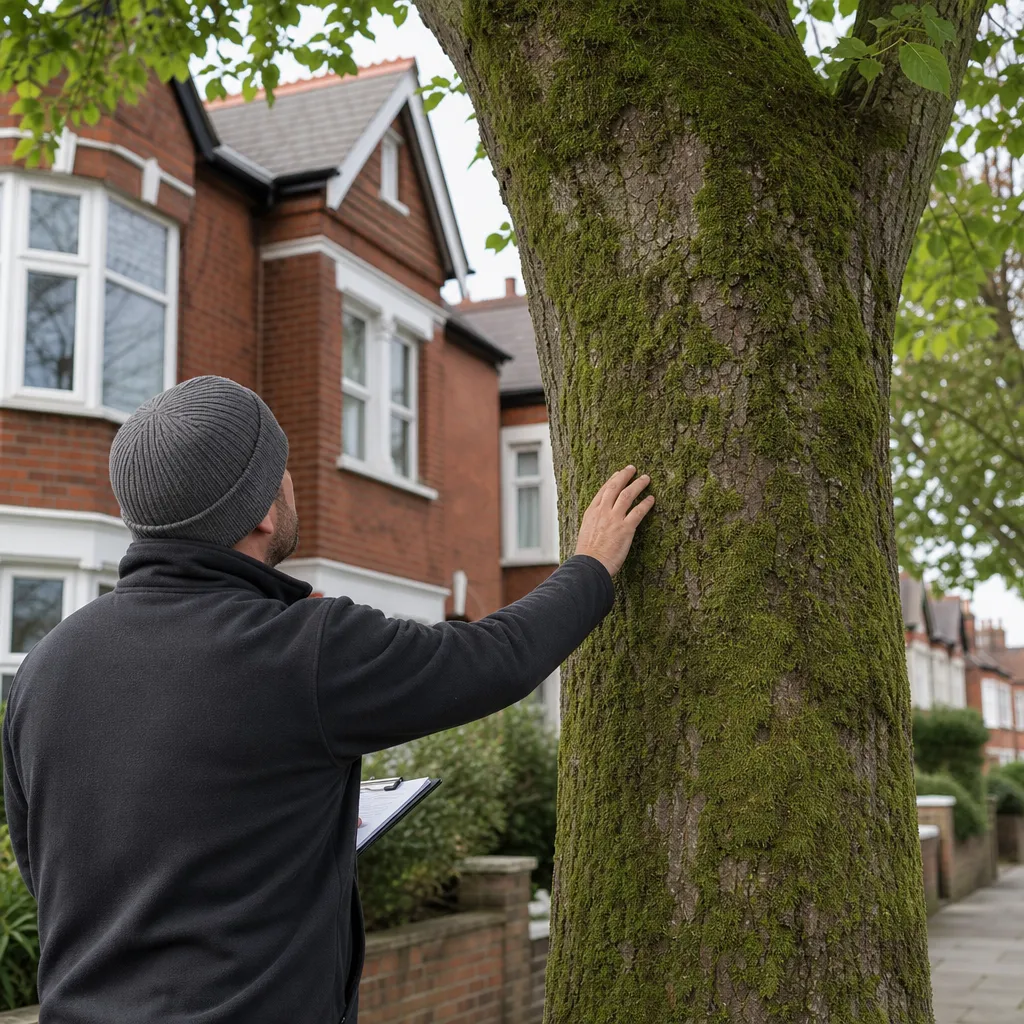
Mossy trunks and branches are a familiar sight across UK gardens and orchards — particularly in the wetter regions of England, Wales, Scotland, and Northern Ireland, and in sheltered, shaded plots where humidity lingers through much of the year. For many homeowners, the appearance of moss on a mature apple tree or garden oak triggers real concern about whether the tree is declining and whether intervention is required. Understanding what moss actually is, why it colonises bark, and when it warrants management helps you respond proportionately rather than reaching for chemical treatments unnecessarily.
Key points
- Moss is an epiphyte: it grows on bark for physical support only and does not extract nutrients, water, or minerals from the tree — it is not a parasite and cannot cause tree death on its own.
- Dense moss accumulation at the root collar (where trunk meets soil) can retain moisture and restrict air circulation, potentially contributing to bark rot or Phytophthora infection in susceptible species such as cherry, beech, and horse chestnut.
- Trees with a Tree Preservation Order (TPO) or within a Conservation Area may require prior consent from the local planning authority before associated pruning work is carried out; moss removal from bark itself does not typically require consent.
- Lichen abundance on bark is often a positive indicator of clean air quality — lichen are sensitive to sulphur dioxide and nitrogen oxide pollution and thrive in rural and semi-rural environments.
- A qualified arborist holding an NPTC/City & Guilds Level 2 or Level 3 qualification should assess any tree where moss growth is accompanied by dieback, bark damage, structural concerns, or fungal brackets.
What is moss and why does it grow on trees?
Mosses (class Bryopsida) are non-vascular plants that reproduce by spores. Unlike fungi, they contain chlorophyll and photosynthesise independently — meaning they gain nothing from the tree other than a physical surface on which to anchor. This is the defining distinction: moss is not a parasite and cannot kill a healthy tree by growing on its bark.
Moss colonises bark when conditions suit: sufficient moisture, indirect or filtered light, and a substrate with enough texture for the moss's rhizoids (hair-like anchoring structures) to grip. In UK gardens, these conditions are typically met on:
- The north and north-west-facing aspects of trunks, where humidity is higher and light intensity lower
- Trees growing in heavy shade from buildings, fences, or a dense overhead canopy
- Rough-barked species such as apple, cherry, oak, elder, and ash
- Low-lying plots with poor drainage, or in regions with high annual rainfall
Moss, lichen, and algae: telling them apart
Homeowners sometimes confuse moss with lichen or algae — three distinct organisms that colonise bark but differ significantly in biology and in what their presence indicates.
Organism | Appearance | Biology | Effect on tree |
|---|---|---|---|
Moss | Green, soft, cushion-like growth; typically 2–10 cm tall | Non-vascular plant; photosynthesises independently | None — epiphytic only |
Lichen | Flat, crusty, leafy, or shrubby; grey-green, orange, or yellow | Fungus and alga in symbiosis | None — epiphytic; indicates clean air |
Algae | Thin green, yellow-green, or black film on bark surface | Microscopic photosynthesising organisms | None — indicates persistent moisture and low light |
Ivy | Climbing stems with aerial rootlets; woody when mature | Vascular plant rooted in soil | Can add wind loading to crown; reduces light to canopy |
Abundant lichen, in particular, is often a sign of good local air quality. Lichen are highly sensitive to atmospheric pollutants and thrive where sulphur dioxide and nitrogen oxide levels are low — their presence in quantity is ecologically significant and generally a positive indicator for the wider environment.
What moss on trees does not mean
It does not mean the tree is dying. Moss colonises living trees with rough bark in humid spots. A healthy, vigorous apple tree in a sheltered garden will carry as much moss as one that is struggling. The moss is not the cause of any decline — it is simply taking advantage of a suitable surface.
It does not mean the tree is diseased. UK bark diseases — such as Phytophthora bleeding canker in horse chestnut, or Ash dieback caused by Hymenoscyphus fraxineus — have specific diagnostic signs: bleeding or weeping lesions, crown dieback, and wilting or discoloured foliage. These are entirely distinct from moss growth and require separate professional assessment.
Removing moss will not necessarily improve tree health. If the underlying conditions — shade, high humidity, poor drainage — remain unchanged, moss will return within a few growing seasons. Addressing the microclimate is usually more effective than removing the moss alone.
When does moss become a management concern?
Moss is generally low priority in garden tree management. There are specific situations, however, where it is worth taking action.
Dense accumulation at the root collar. Thick moss at the junction of trunk and soil can retain moisture and limit air circulation, increasing the risk of collar rot or Phytophthora infection in susceptible species — particularly cherry, beech, and horse chestnut. Checking bark condition beneath the moss annually during the dormant season is a sensible precaution.
Managed orchards and fruit trees. In fruit tree management, heavy moss on scaffold branches can harbour overwintering scale insects, woolly aphid eggs, and other pests. Many orchardists stiff-brush dormant trees between November and February as part of routine winter maintenance.
Obscured bark defects. Dense moss cover can conceal cracks, cavities, fungal fruiting bodies, or staining on the bark beneath. If a tree has not been inspected professionally in recent years, it may be worth clearing moss selectively in areas of concern to allow a proper visual check.
Aesthetic management. In formal or highly maintained gardens, moss may be managed for appearance alone. This is a legitimate choice, but it is worth noting that moss provides valuable microhabitat for invertebrates, spiders, and beneficial insects.
Homeowner checklist: assessing moss on your trees
Before deciding whether to act, work through the following:
If any of these checks reveal a concern beyond the moss itself, seek professional assessment rather than managing the surface growth in isolation.
Management approaches
Where moss management is appropriate, the following approaches can be used at homeowner level on accessible parts of the tree.
Manual removal during dormancy. Use a stiff-bristled nylon brush — not a wire brush, which can strip bark tissue — to remove surface moss gently between November and February. This reduces moisture retention without chemical intervention and is the method most orchardists prefer.
Improving growing conditions. Reducing shade from competing vegetation and improving drainage around the root zone alters the microclimate and slows re-colonisation. These measures are usually more effective long-term than removing moss alone.
Tar wash and copper-based treatments. Horticultural tar washes and copper-based products are used on dormant fruit trees to reduce moss, algae, and overwintering pests. Check that any product is approved under the UK Plant Protection Products Regulation — HSE maintains the current approved products register — and follow label instructions carefully, as many formulations are harmful to aquatic organisms.
Avoid pressure washing. High-pressure water strips protective bark tissue and the natural biofilm that helps trees resist infection. It causes significantly more harm than the moss it removes.
Decision tree: what action is needed?
- No action if moss is superficial on rough bark in a shaded spot and the tree is otherwise visibly healthy.
- Annual monitoring if moss is dense at the root collar — check bark condition beneath each dormant season.
- Gentle brushing during dormancy if you are managing a fruit tree and want to reduce overwintering pest habitat on scaffold branches.
- Instruct a qualified arborist if the tree shows any dieback, bark damage, structural defects, or has not been professionally assessed in five years.
- Check with the local planning authority before carrying out significant pruning on any tree with a TPO, within a Conservation Area, or adjacent to protected woodland.
When to get professional help
Consult a qualified arborist if:
- The tree shows signs of crown dieback, wilting, or unusual leaf drop out of season
- You notice fungal brackets or shelf fungi at the base of the trunk or on major limbs
- Bark beneath the moss appears cracked, soft, sunken, or dark-stained
- The tree is structurally significant — large diameter, close to a building, above a road, or near utilities
- The tree carries a Tree Preservation Order
- You are planning significant crown reduction, removal, or major limb work
Look for arborists registered on the Arboricultural Association's Approved Contractor scheme, or holding NPTC/City & Guilds qualifications for tree operations (formerly NPTC units CS30 and related modules for aerial and ground-based work).
How Housey can help
Housey connects homeowners with qualified local tree surgeons who can carry out a visual tree assessment or manage moss and bark-surface concerns safely and proportionately. For broader garden management — including drainage improvements and shade reduction that address the microclimate conditions favouring moss — landscapers listed on Housey can advise on sustainable, long-term solutions.
Frequently asked questions
Is moss on a tree harmful?
Moss is generally harmless to trees. It is an epiphyte — it uses bark as a surface to grow on but does not extract nutrients or water from the tree. Moss on branches and trunk usually indicates a humid, shaded environment rather than a health problem. Dense accumulation at the base of the trunk is worth monitoring annually, but moss alone is not a cause of tree decline.
Should I remove moss from my apple tree?
In managed orchards, many growers remove moss from scaffold branches during the dormant season using a stiff nylon brush to reduce habitat for overwintering pests such as scale insects. This is routine practice rather than urgent necessity — if the tree is otherwise healthy and well-pruned, moss removal alone has a limited effect on fruit yield or tree vigour.
Does moss on a tree mean the tree is dying?
No. Moss grows on living trees with rough bark in humid conditions. A dying or dead tree will also support moss, but the moss is not the cause of decline. If you are concerned about a tree's health, look for crown dieback, wilting foliage, bark lesions, or fungal brackets rather than treating moss presence as a diagnostic indicator.
Do I need planning permission to remove moss from a tree?
Moss removal from bark does not typically require consent. However, if the tree has a Tree Preservation Order or is within a Conservation Area, any associated pruning or structural work may require prior approval from your local planning authority. Always check before carrying out significant crown work on a protected or prominent tree.
Sources and further reading
- Tree Preservation Orders and trees in conservation areas — GOV.UK
- Arboricultural Association: find an approved contractor — Arboricultural Association
- Ash dieback (Hymenoscyphus fraxineus): identification and management — Forest Research
- UK Plant Protection Products: approved uses — HSE
Useful next reads
 Improvement & Build
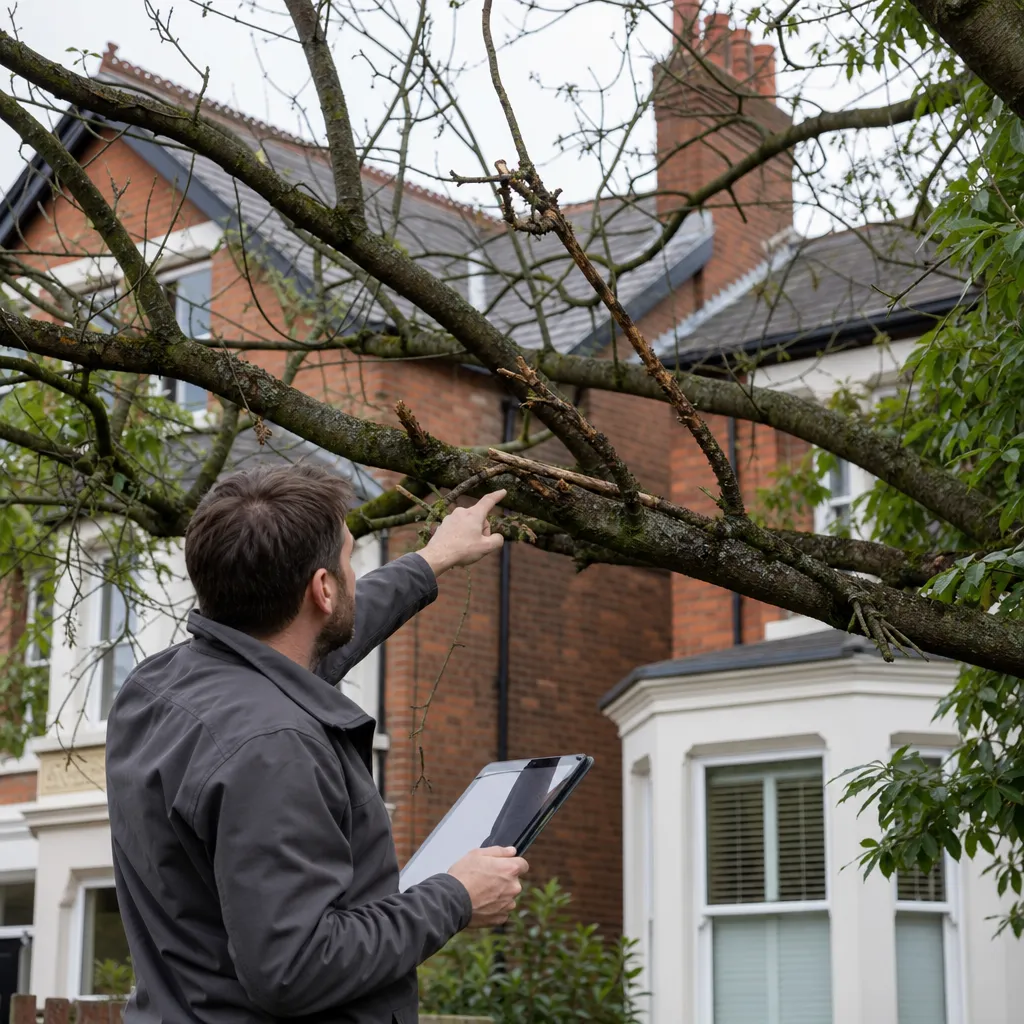
Identifying and Addressing Dying Tree Branches: Common Causes
Dying branches on UK garden trees can result from fungal diseases such as ash dieback or honey fungus, pest damage, drought stress, physical injury, or root problems.
 Improvement & Build
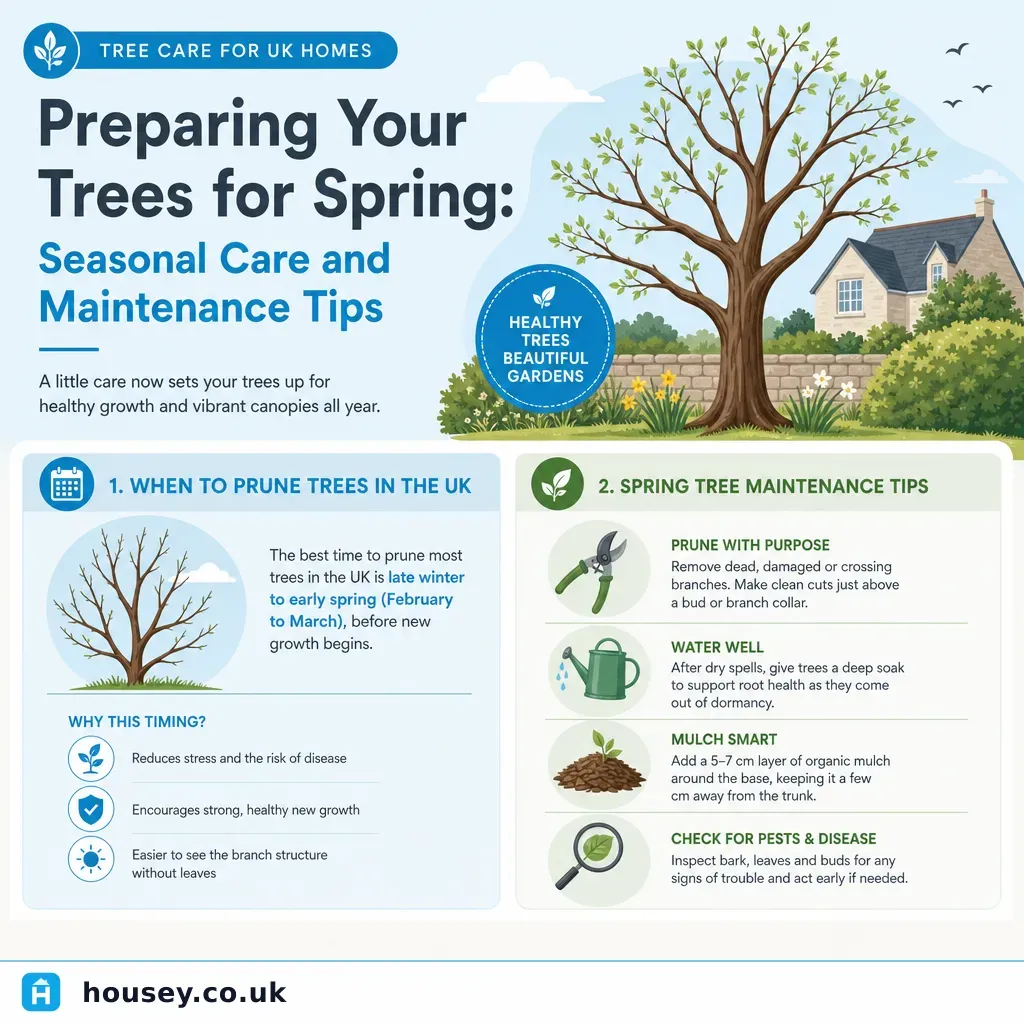
Preparing Your Trees for Spring: Seasonal Care and Maintenance Tips
Spring is the best time to assess trees after winter dormancy.
 Improvement & Build
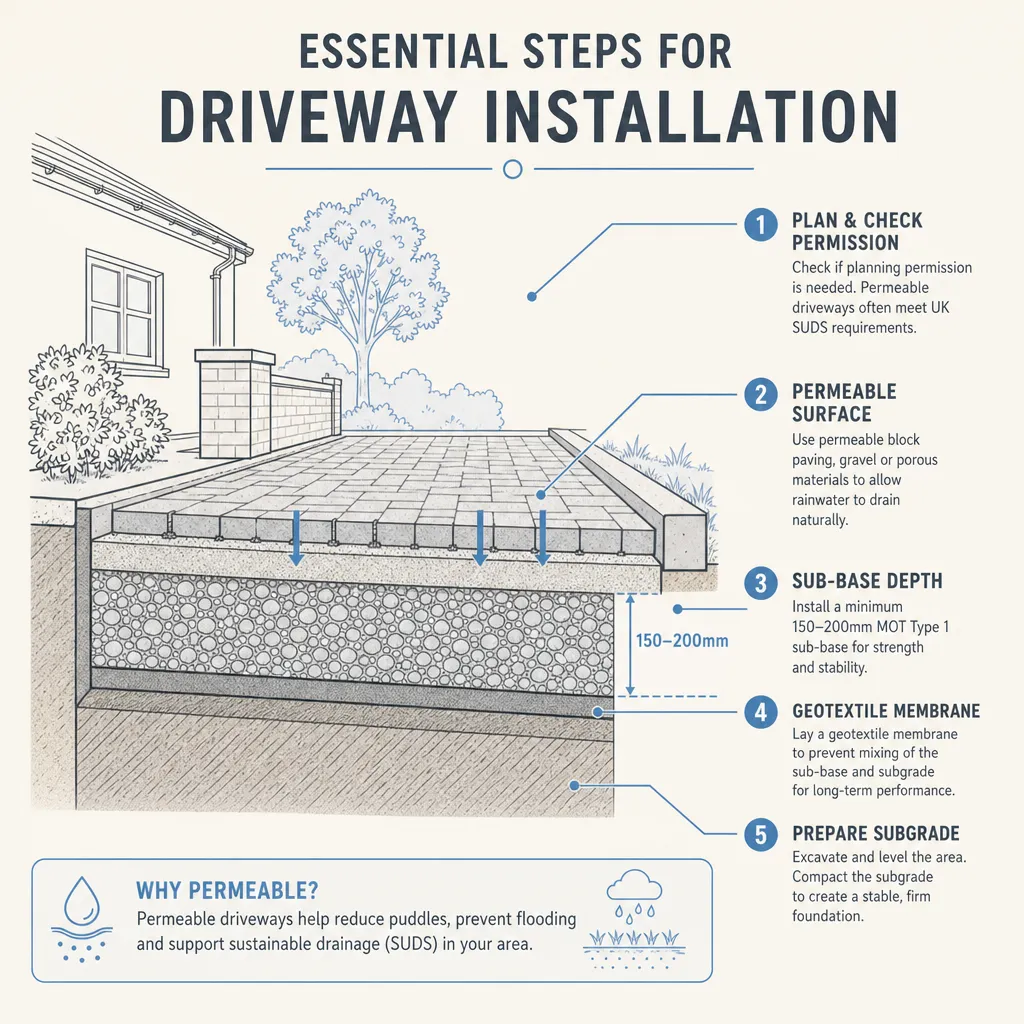
Essential Steps for Driveway Installation
Installing a driveway in England requires planning permission only when using an impermeable surface (standard tarmac, concrete, or block paving) on a front garden area over 5 m².
 Improvement & Build
Preparing Walls for Patching: Surface Preparation Best Practice
Durable wall patching starts with removing all loose material, cutting back to a clean and stable edge, cleaning the substrate, and priming with a construction-grade PVA bonding agent before applying any filler or plaster.
 Improvement & Build
Window Screens and Insect Mesh: Options and Installation
UK window screens fall into four main types: fixed frame, roller retractable, pleated folding, and magnetic snap-fit.