Negotiating with Tradespeople: Tips for Getting the Best Value and Service
By Housey · Last reviewed 19th of May 2026
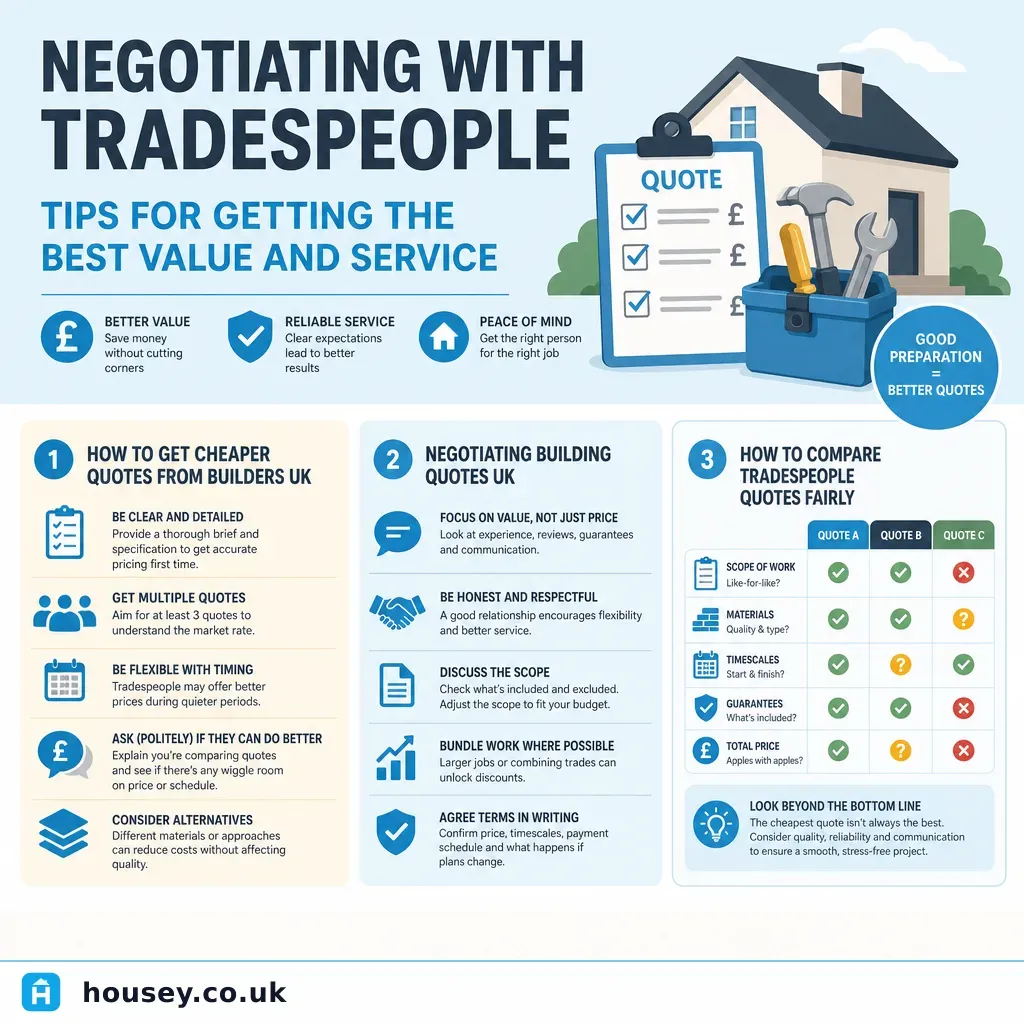
Negotiating with Tradespeople: Tips for Getting the Best Value and Service
Renovation and repair projects often represent significant household expenditure, and the quote you receive is rarely the only number on the table. Whether you are comparing roofing contractors for a reslate, planning a bathroom refurbishment in a 1930s semi, or arranging groundworks for a rear extension, understanding how to negotiate with tradespeople can make a meaningful difference to your final bill — without damaging the working relationship or compromising quality.
Key points
- Always obtain at least three written quotes before attempting to negotiate: a single quote gives you no benchmark and no leverage.
- Under the Consumer Rights Act 2015, services must be carried out with reasonable care and skill; a written scope of works makes disputes far easier to resolve.
- Cash-in-hand arrangements that bypass VAT are illegal and expose homeowners to liability if the work is substandard or causes subsequent damage.
- Timing is a genuine lever: tradespeople in quieter periods — typically January–February and late autumn — may be more flexible on price or scheduling.
- Scope changes during a project are the most common source of cost overruns — agree all variations in writing before work proceeds.
How negotiation differs from haggling
Negotiating with a tradesperson is not the same as demanding a lower number. Effective negotiation is about finding mutual value: adjusting scope, timing, payment terms, or materials specification to reach an outcome that works for both parties. Tradespeople price their quotes to cover materials, labour, overheads, and a reasonable margin. Pushing too hard on price alone risks cutting into quality or creating friction that shows in the finished work.
Practical areas to explore instead:
- Scope flexibility: Can non-urgent elements — decorating, landscaping after groundworks — be deferred to reduce the immediate cost?
- Materials substitution: Would an alternative product deliver the same outcome at a lower price? Ask the tradesperson to suggest options within your specification.
- Timing: Can you schedule the job during a quieter period that suits their diary and fills a gap in their forward workload?
- Bundling: If you have several related jobs, a single contractor may offer a better combined rate than multiple separate callouts.
- Payment terms: Offering a staged payment schedule tied clearly to completion milestones signals reliability and may facilitate a pricing conversation.
When — and when not — to negotiate
The timing of any price conversation matters.
Good moments to raise the subject:
- After receiving at least three comparable written quotes, when you can honestly reference competing figures.
- When you are a returning customer with an established and positive working relationship.
- When you are genuinely flexible on start date and can offer schedule certainty to the contractor.
- When you can offer a verifiable review on a recognised platform (Which? Trusted Traders, Google, Checkatrade) in exchange for scheduling priority.
Moments that undermine your position:
- Before you have received competing quotes — you have no reference point and the contractor knows it.
- After work has begun — leverage largely disappears once scaffolding is up or demolition has started.
- Mid-project, unless new information genuinely and materially changes the scope.
- Demanding a discount without a reason — vague pressure rarely achieves anything and sets a poor tone for the job ahead.
Comparing quotes fairly
Before negotiating on price, verify that you are comparing like for like. Different quotes often cover different scopes, and a cheaper figure may simply reflect a narrower specification.
Line item | What to check |
|---|---|
Materials specification | Same brand, grade, or product specified across all quotes? |
Labour scope | Includes making good, removing waste, or painting afterwards? |
VAT | All quotes inclusive or exclusive of VAT at the standard 20%? |
Defect liability period | What warranty applies after completion? |
Programme | Start date and estimated duration confirmed in writing? |
Provisional sums | Cost allowances for unknowns — how are variations managed? |
Exclusions | What is explicitly out of scope and your responsibility? |
Once you have a like-for-like comparison, it is reasonable to tell a preferred contractor that a competing quote came in lower for equivalent scope and ask whether they are able to review their figure.
Homeowner checklist: before and during the job
Before accepting a quote
During the job
What to ask before accepting a quote
- What exactly is included and excluded? Request a written scope of works, not just a total price figure.
- Who will carry out the work? Some contractors subcontract; confirm qualifications for any regulated tasks.
- What accreditations do you hold relevant to this job? Essential for gas, electrical, structural, and energy work.
- What assumptions does this quote rely on? Provisional sums, assumed access, and assumed material availability can all change the final price.
- What could change the price or timeline? Hidden rot, unexpected services, or asbestos materials are common in older UK properties.
- Is VAT included? Quotes excluding VAT from a VAT-registered contractor will be 20% higher than the stated figure.
- What is your defect liability period? What happens if something fails within six months of completion?
- Can you provide references or photographs of similar completed work?
Which approach should you choose?
- Choose scope negotiation if the overall price is within range but includes elements you could defer or handle yourself — decorating after a new bathroom, for instance.
- Choose timing negotiation if you are genuinely flexible on start date — offer schedule certainty in exchange for a modest reduction.
- Choose bundling if you have several related jobs on the same property — a single mobilisation often reduces the effective per-job cost.
- Ask the contractor to identify savings if you trust their judgement and want their expertise on where specification changes could reduce cost without compromising the result.
- Walk away if a quote is substantially higher than all others for equivalent scope and the contractor cannot or will not explain the difference clearly.
Red flags to watch for
- Requests for a large upfront payment — generally more than a third of the total — before materials are confirmed on order or work has begun.
- Refusal to provide a written quote, a written scope of works, or a VAT receipt.
- Pressure to sign or commit immediately, without time to compare quotes or consider.
- Insistence on cash payment only, with no formal invoice — illegal if the contractor is VAT-registered.
- No trade association membership or relevant accreditation for regulated work (gas, electrical, structural).
- Unwillingness to name their insurer or provide a certificate of public liability insurance on request.
When to get professional help
Most negotiation with tradespeople does not require professional support. Consider involving a third party if:
- The project value is significant — typically above £20,000 — and independent cost benchmarking from a quantity surveyor would be worthwhile.
- The project involves a complex refurbishment or extension where a project manager, architect, or contract administrator can manage contractor relationships and administer variations on your behalf.
- A dispute has arisen during or after the job — Citizens Advice, the contractor's trade association, or an Alternative Dispute Resolution (ADR) service can assist without immediate recourse to the courts.
- The work involves regulated activities and you have concerns about the qualifications of the person carrying it out.
How Housey can help
Housey connects UK homeowners with vetted, reviewed local tradespeople and service providers across improvement and build projects. Submit your job details once to receive structured quotes from qualified contractors — making it straightforward to compare scope, specification, and price before you negotiate, and ensuring you start from a pool of credible, reviewed professionals rather than searching blind.
Frequently asked questions
Is it rude to negotiate with a tradesperson?
No, provided you do so respectfully and with a genuine basis. Most experienced tradespeople expect homeowners to compare quotes and raise questions about price. The key is to negotiate on scope, timing, or specification — not to demand an arbitrary discount. Be honest about any competing quotes and give the contractor a fair chance to respond.
Should I pay a large deposit before work starts?
A modest deposit — typically 10–25% of the total to cover materials ordering — is common and legitimate. Paying more than a third of the contract value before work begins carries meaningful financial risk. Always tie payment milestones to agreed completion stages, and never pay the full amount before the job is finished to your satisfaction.
What if the final invoice is higher than the quote?
If a contractor discovers genuinely unforeseen additional work that changes the scope, they should notify you in writing before proceeding and agree a revised price. Variations not agreed in advance are generally not enforceable. Under the Consumer Rights Act 2015, any price stated to a consumer is binding unless the contract clearly states it is an estimate rather than a fixed price.
When is the worst time to negotiate?
After work has started. Once the contractor has mobilised — ordered materials, hired a skip, or erected scaffolding — your negotiating position is substantially weaker. Raise any concerns about price or scope before accepting the quote and before work begins. Mid-project pressure can damage the working relationship and sometimes affects the quality of the finished work.
Sources and further reading
- Consumer Rights Act 2015 — legislation.gov.uk
- Problems with building work, decorating and home improvements — Citizens Advice
- TrustMark: government-endorsed quality scheme for home improvements — TrustMark
- Check a UK VAT number — GOV.UK
- Which? Trusted Traders — Which?
Useful next reads
 Improvement & Build
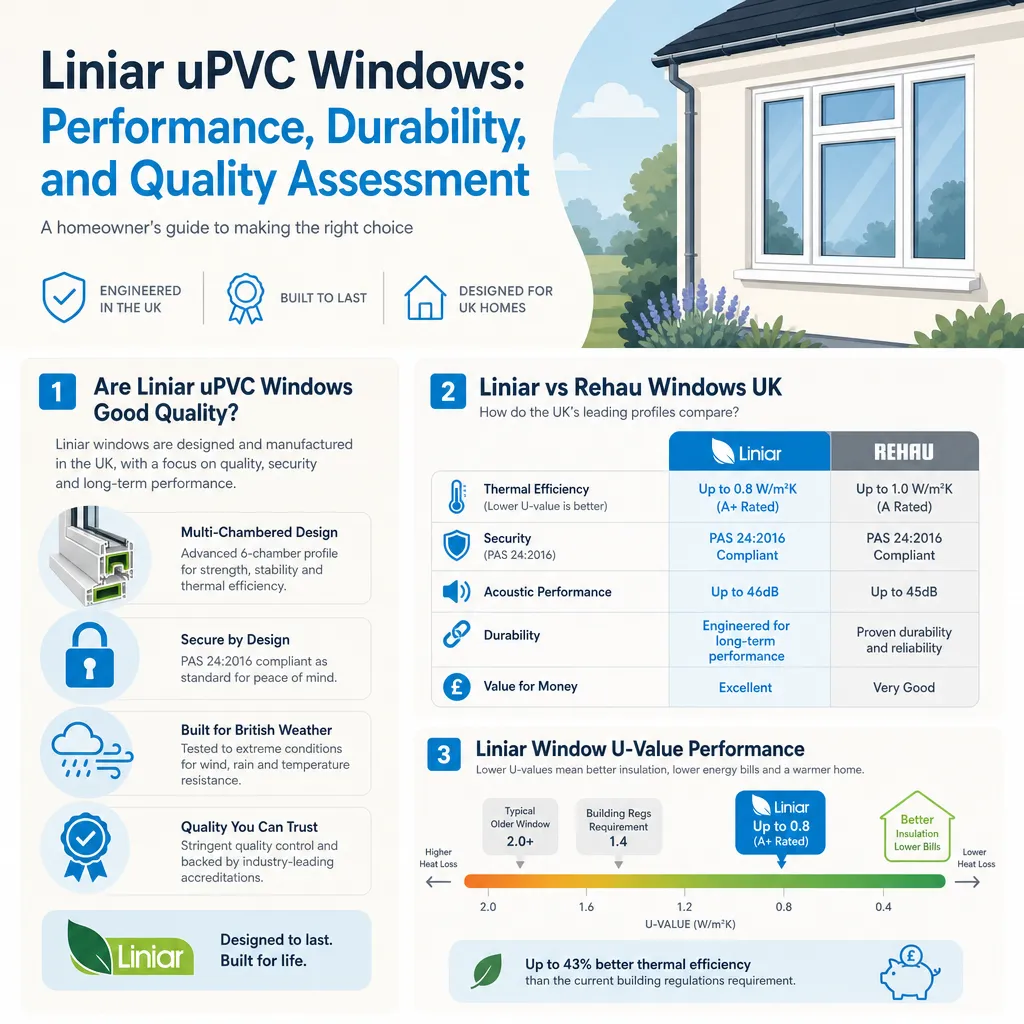
Liniar uPVC Windows: Performance, Durability, and Quality Assessment
Liniar uPVC window profiles are manufactured in the UK using multi-chambered, foamed frames.
 Improvement & Build
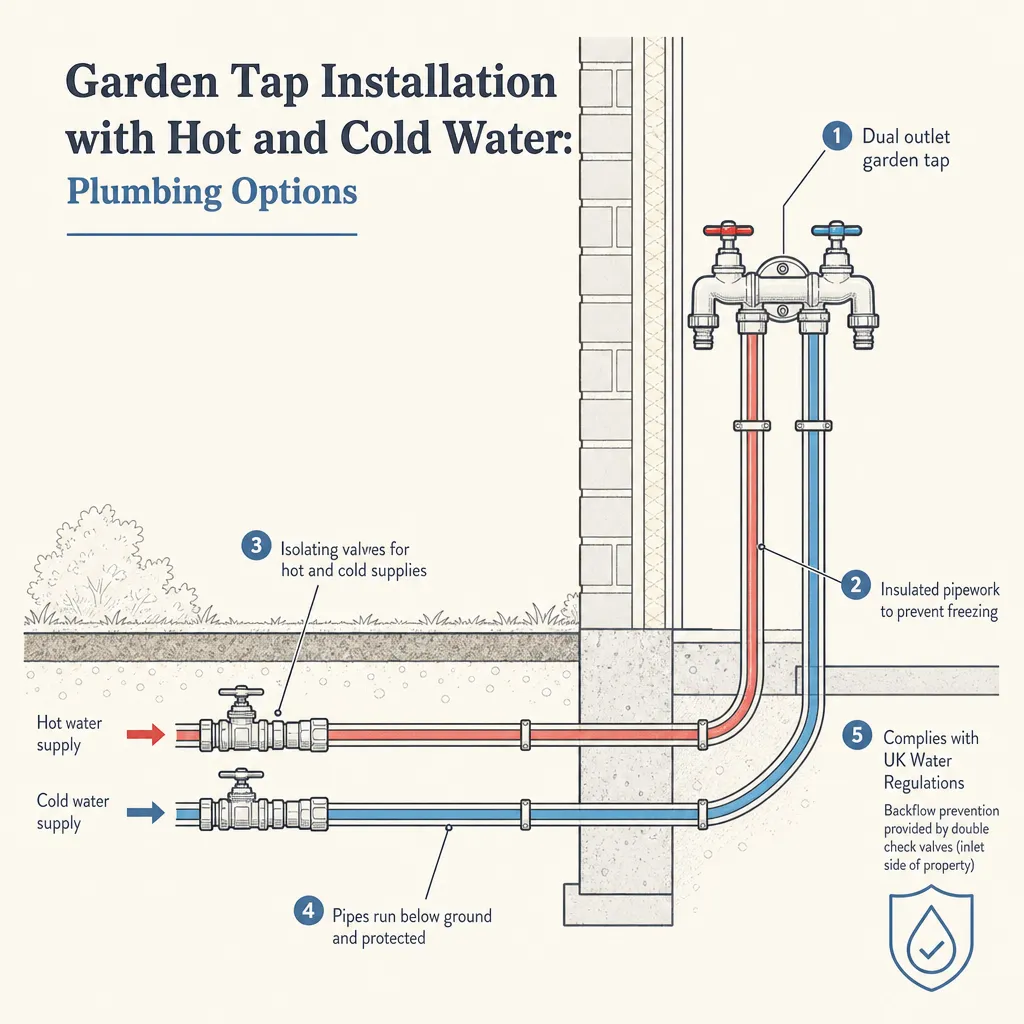
Garden Tap Installation with Hot and Cold Water: Plumbing Options
Adding a cold garden tap is a common DIY project, but routing hot water outdoors requires a plumber to connect to your domestic hot water system and comply with the Water Supply (Water Fittings) Regulations 1999.
 Improvement & Build
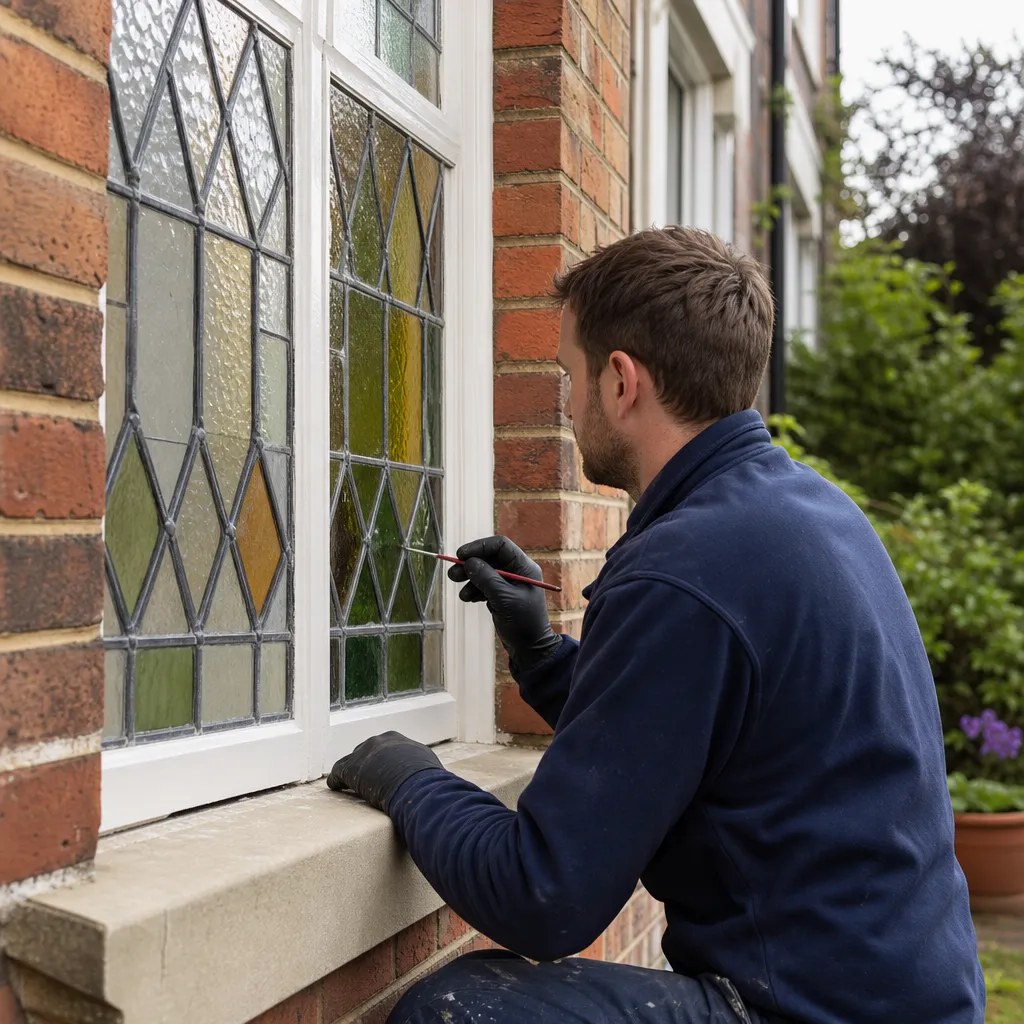
Sealing and Maintaining Historic Leaded Glass Windows: Preservation and Performance
Leaded glass windows are maintained using traditional linseed oil cement — not silicone or modern sealants, which prevent natural movement in the lead came.
 Improvement & Build
Greenhouse Construction: Glass Versus Polycarbonate Materials
Glass transmits around 90% of available light and lasts indefinitely if unbroken, but insulates poorly and shatters into sharp fragments.
 Improvement & Build
Retaining Wall Installation: Cost, Design and Maintenance
A retaining wall holds back soil on a sloped or banked site.