Outbuilding Removal: What To Expect
By Housey · Last reviewed 30th of May 2026
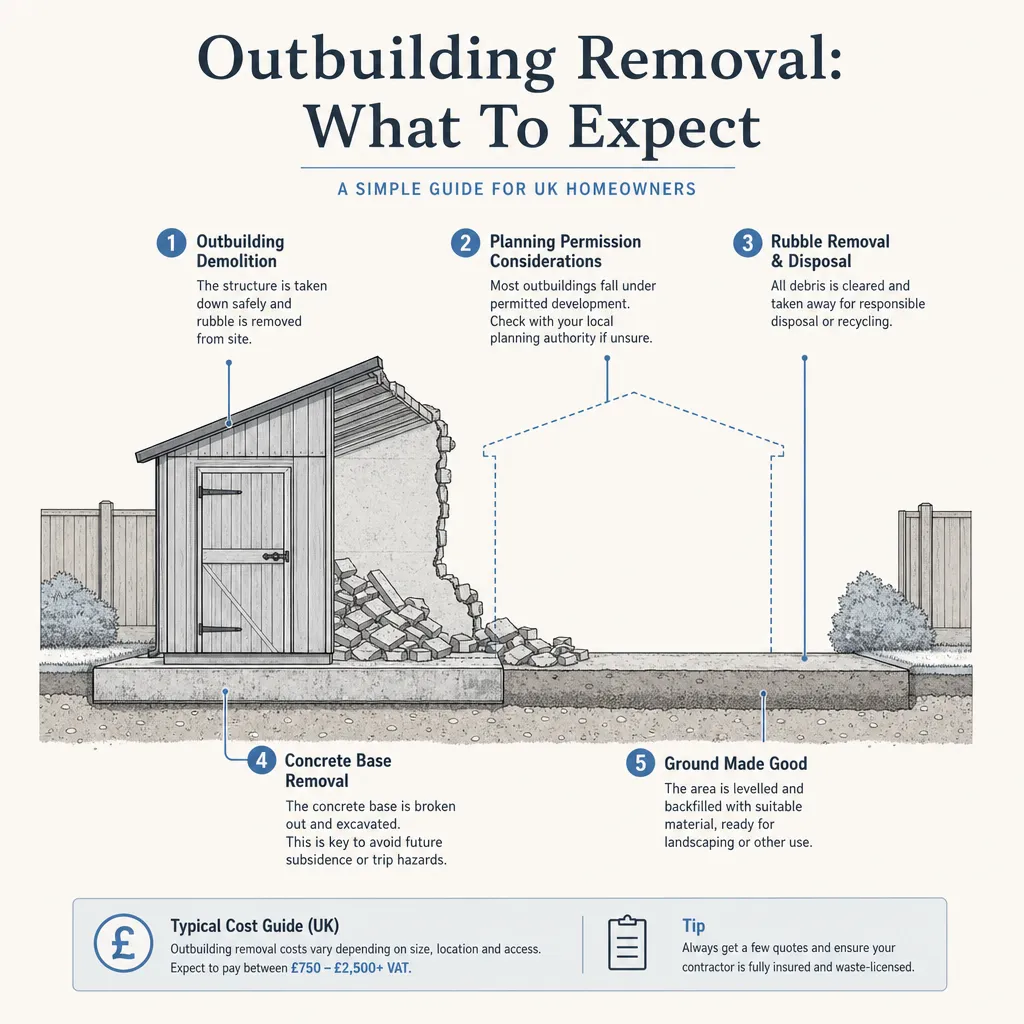
Outbuilding Removal: What To Expect
When clearing a garden or preparing land for a new project, outbuilding removal is one of those jobs that looks simpler than it often turns out to be. Whether you have inherited a crumbling lean-to, a pre-war brick outhouse, or a concrete sectional garage, the process involves more than just knocking things down — waste disposal, service disconnection, and occasionally planning and asbestos considerations all come into play.
Key points
- Most outbuilding demolitions do not require planning permission, but listed buildings, conservation areas, and structures above certain volume thresholds are exceptions — check with your local planning authority before starting.
- Structures built before 2000 may contain asbestos cement sheets, particularly corrugated roofing panels; these must be tested and removed by an HSE-licensed contractor before any demolition begins.
- Concrete bases are not always included in standard removal quotes — confirm in writing whether breaking up and disposing of the slab is part of the agreed scope.
- Skip hire or trade waste removal for a typical shed clearance adds £150–£400 depending on volume and location (Indicative UK costs, last reviewed 2026-05-30).
- Disconnecting electricity, gas, or water supplies serving an outbuilding must be carried out by a qualified tradesperson before demolition begins.
Does outbuilding removal need planning permission?
In most cases, demolishing an outbuilding does not require planning permission in England. There are important exceptions under the Town and Country Planning (Demolition — Description of Buildings) Direction 2014:
- Listed buildings: Works affecting a listed building or its curtilage require Listed Building Consent from the local planning authority.
- Conservation areas: Demolishing a structure with a volume over 115 m³ in a conservation area requires a prior approval application.
- Article 4 Directions: Some local authorities have removed permitted development rights in specific areas — check with your council before starting work.
For most standard garden sheds, brick outhouses, and concrete sectional garages outside these designations, demolition can proceed without formal permission. Always confirm with your local planning authority if you have any doubt, particularly in designated areas or where the outbuilding is physically attached to the main dwelling.
Asbestos: the most important check before demolition
Buildings constructed before 2000 — particularly those from the 1950s to 1980s — may contain asbestos in various forms: corrugated cement roof sheets, floor tiles, ceiling boards, or pipe lagging. Even materials that look like ordinary fibre cement can contain asbestos fibres.
Do not disturb suspected asbestos materials. Arrange a survey from a UKAS-accredited asbestos surveyor before any demolition begins. If asbestos-containing materials (ACMs) are confirmed, removal must be carried out by a contractor licensed by the Health and Safety Executive (HSE) under the Control of Asbestos Regulations 2012. This adds cost and time but is a legal requirement.
Signs that an outbuilding may contain asbestos:
- Corrugated cement roof panels
- Pre-2000 square floor tiles (9-inch and 12-inch patterns were common)
- Textured coatings on internal walls or ceilings
- Older pipe lagging or boiler insulation
What the removal process typically involves
1. Survey and preparation
A reputable contractor will assess the structure, identify any services (electricity, water, gas), and note hazardous materials before quoting. Ask whether their quote includes a pre-demolition inspection or whether you should arrange separate asbestos testing independently.
2. Service disconnection
Any electricity supply, water feed, or gas connection serving the outbuilding must be isolated by a qualified electrician (Part P registered), plumber, or Gas Safe registered engineer. This is usually arranged before demolition begins.
3. Dismantling
Timber-framed sheds are usually taken apart by hand. Brick or block structures may require mechanical breaking. Larger concrete structures or those with reinforced floor slabs sometimes need a mini-digger, particularly on restricted sites with limited vehicle access.
4. Waste disposal
Materials are separated for disposal or recycling. Brick, concrete, and timber are often recyclable. Asbestos waste must travel to a licensed landfill site and be accompanied by a consignment note under the Hazardous Waste Regulations 2005. Your contractor should provide copies of waste transfer notes as evidence of legal disposal.
5. Base removal (if required)
Concrete slabs and pads are not always included in a standard removal quote. If you want a clear, level area ready for landscaping or re-use, specify base removal and any reinstatement in writing before work starts.
Outbuilding removal costs: what to expect
Indicative UK costs, last reviewed 2026-05-30. Always obtain at least three quotes as prices vary significantly by region, access, structure type, and disposal requirements.
Structure type | Typical cost range | Key cost drivers |
|---|---|---|
Timber garden shed (up to 12 m²) | £300–£800 | Size, access, whether skip hire is included |
Large timber or felt-roof outbuilding | £500–£1,500 | Volume of waste, distance to vehicle access |
Concrete sectional garage or shed | £800–£2,500+ | Mechanical breaking, slab removal, material weight |
Brick outbuilding or outhouse | £1,000–£3,500+ | Construction method, footing depth, scaffold requirements |
Structures containing asbestos cement | Add £500–£2,000+ | Specialist removal, licensed disposal, consignment notes |
Always confirm whether waste disposal, skip hire, and base removal are included in the quoted price.
Checklist: what to confirm before work starts
Red flags to watch for
- A contractor who begins work on a pre-2000 structure without first checking for asbestos.
- Quotes with no mention of waste disposal costs, or prices that appear unusually low — waste disposal has a real and regulated cost.
- No written confirmation of scope; verbal-only agreements frequently lead to disputes about what was included.
- A contractor who cannot confirm they hold current public liability insurance.
- Anyone who offers to leave materials on site without providing waste transfer documentation.
- No consignment notes offered for any material that may be classified as hazardous waste.
When to get professional help
Most outbuilding removals are straightforward when approached methodically. Always use a professional contractor when:
- The structure is pre-2000 and you have not had a UKAS-accredited asbestos survey
- The outbuilding is large (over 50 m²), built in brick or concrete, or has deep foundations
- The site has restricted access for machinery or skips
- The structure is within 3 metres of a boundary, shared wall, or neighbouring property
- You suspect underground services or drainage running beneath or near the structure
How Housey can help
If you are planning to remove an outbuilding and want to compare quotes from vetted local specialists, Housey connects you with demolition contractors who can assess the structure, advise on any asbestos requirements, and provide clear written quotes covering waste disposal.
Frequently asked questions
Do I need planning permission to remove a shed or outbuilding?
In most cases in England, demolishing a garden outbuilding does not require planning permission, provided the structure falls outside a listed building curtilage, is not in a conservation area above the 115 m³ threshold, and no Article 4 Direction applies. Scotland, Wales, and Northern Ireland have separate rules. Always check with your local planning authority before starting if you have any doubt.
Can I demolish an outbuilding myself?
For a simple timber shed with no asbestos concerns, self-removal is often feasible provided you arrange legal waste disposal. For brick, concrete, or any pre-2000 structure where asbestos may be present, a professional contractor should assess and carry out the work. Never disturb suspected asbestos materials yourself — this is a legal requirement under the Control of Asbestos Regulations 2012.
How long does outbuilding removal take?
A small timber shed typically takes half a day to a full day, including loading and clearing. A concrete sectional garage may take one to two days. Brick structures with deep footings can take two to four days depending on size and access. Any confirmed asbestos removal adds a separate phase before demolition can begin.
What happens to the concrete base?
Concrete bases are usually priced separately from the main structure removal. Breaking up and removing a concrete slab is labour-intensive — expect to add £200–£800 or more depending on thickness and area (Indicative UK costs, last reviewed 2026-05-30). Some builders can retain crushed concrete as hardcore if you are immediately developing the cleared plot.
Sources and further reading
- Planning Portal — Demolition — Planning Portal
- Control of Asbestos Regulations 2012 — legislation.gov.uk
- Working with asbestos cement — Health and Safety Executive
- Dispose of hazardous waste — GOV.UK
Useful next reads
 Improvement & Build
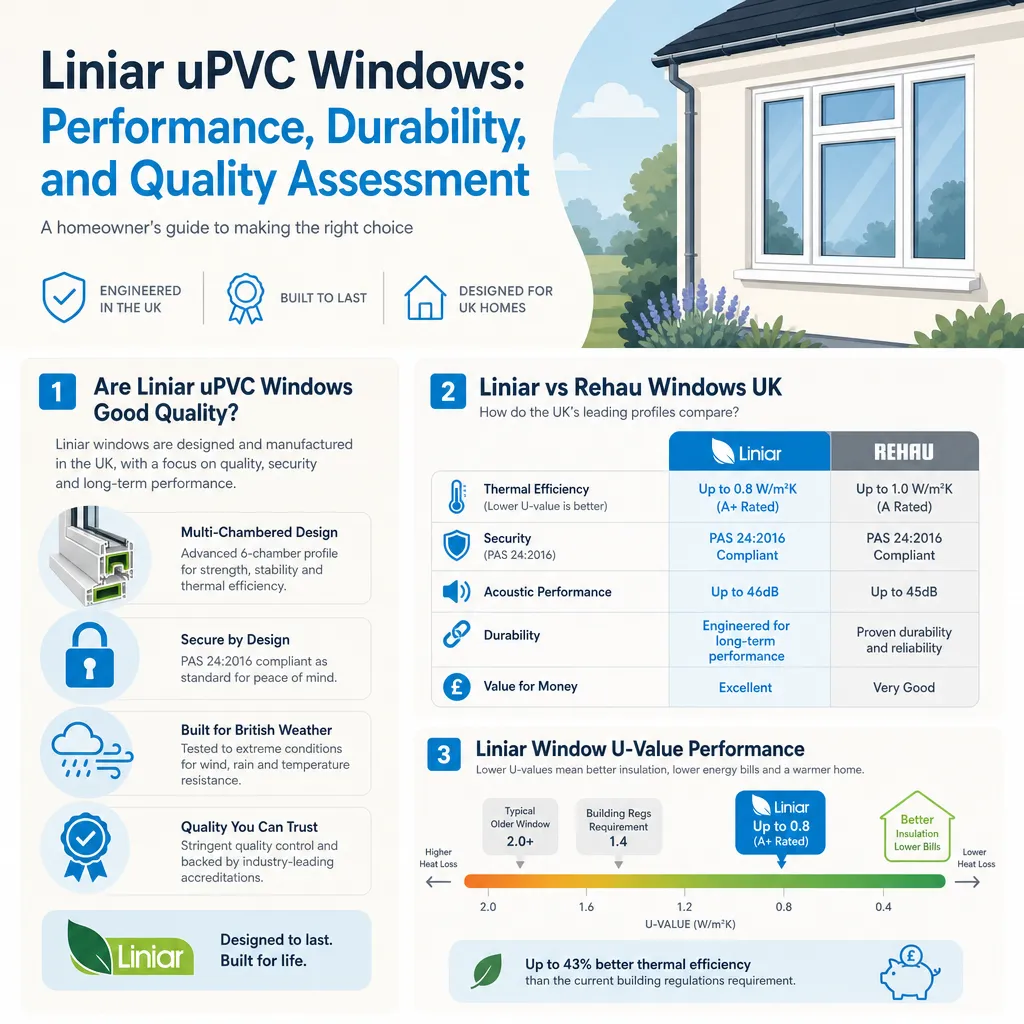
Liniar uPVC Windows: Performance, Durability, and Quality Assessment
Liniar uPVC window profiles are manufactured in the UK using multi-chambered, foamed frames.
 Improvement & Build
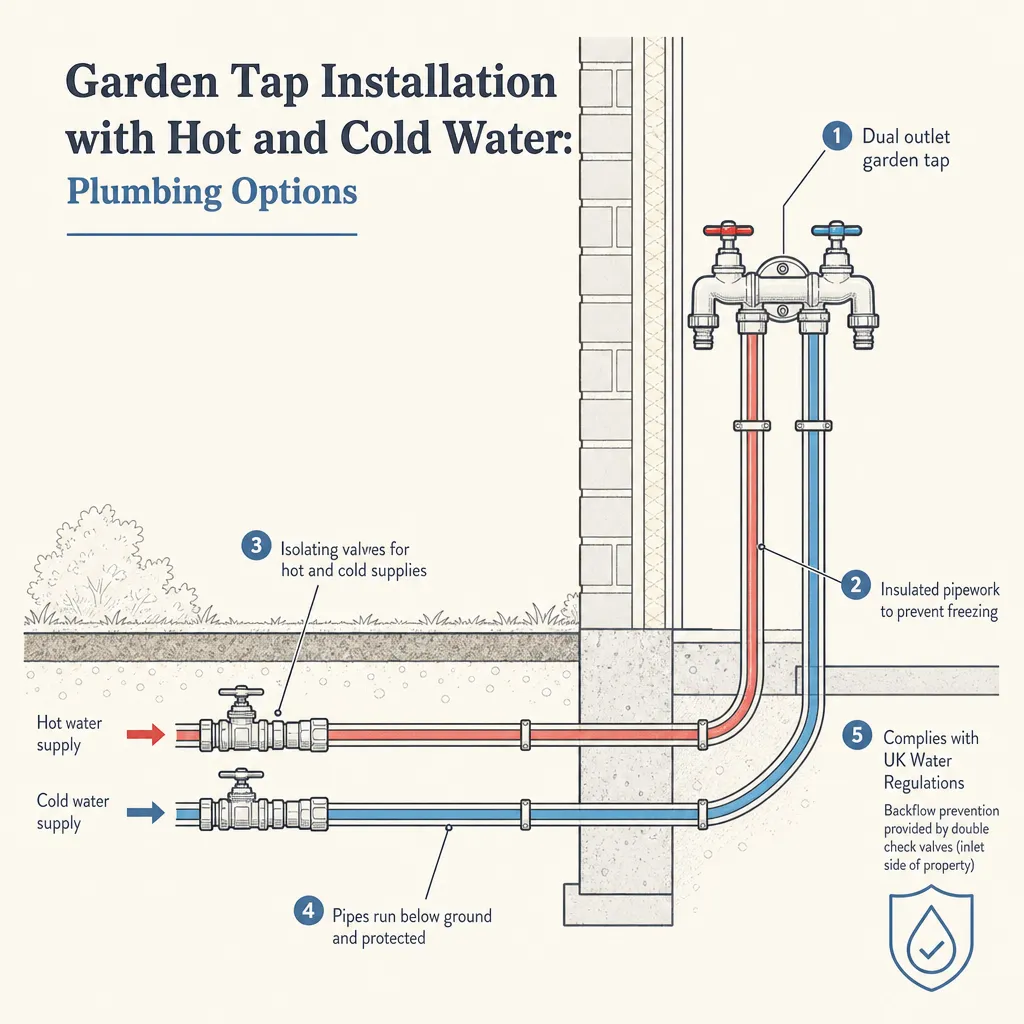
Garden Tap Installation with Hot and Cold Water: Plumbing Options
Adding a cold garden tap is a common DIY project, but routing hot water outdoors requires a plumber to connect to your domestic hot water system and comply with the Water Supply (Water Fittings) Regulations 1999.
 Improvement & Build
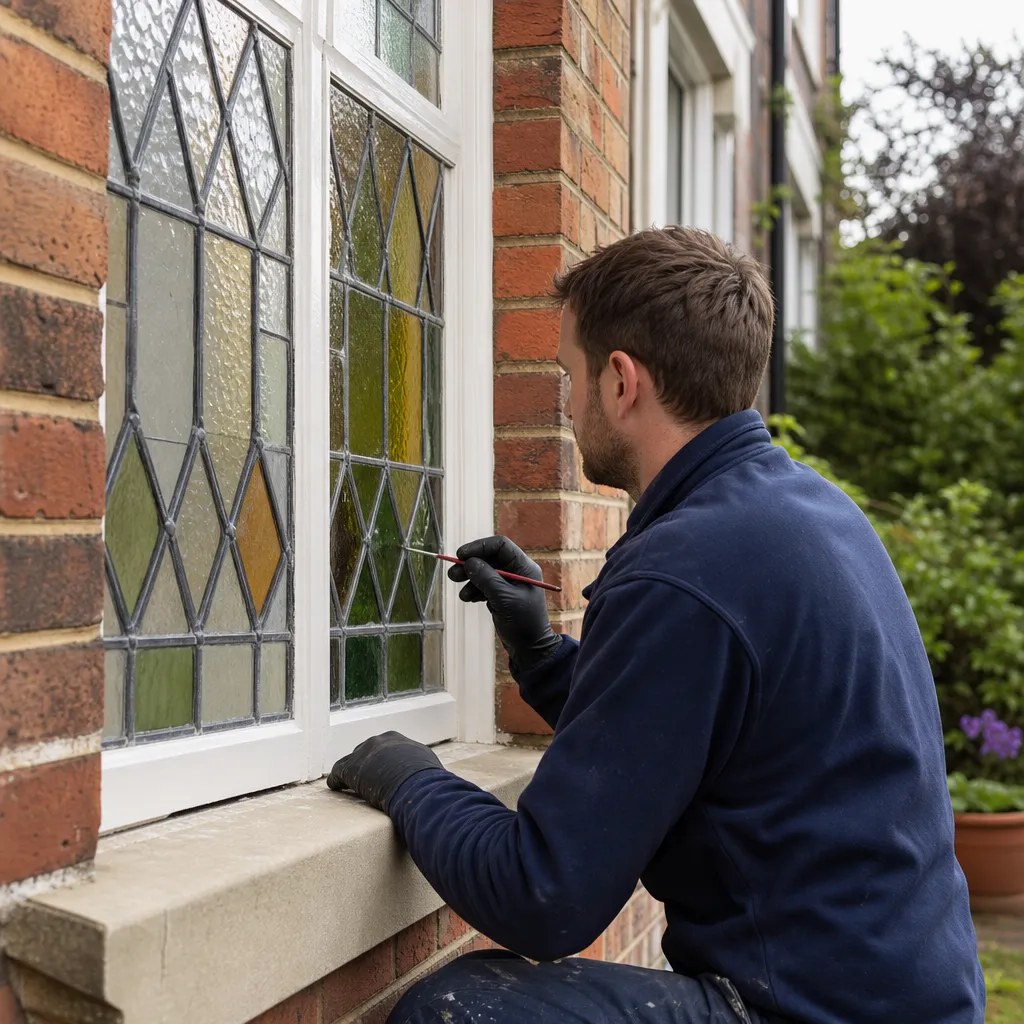
Sealing and Maintaining Historic Leaded Glass Windows: Preservation and Performance
Leaded glass windows are maintained using traditional linseed oil cement — not silicone or modern sealants, which prevent natural movement in the lead came.
 Improvement & Build
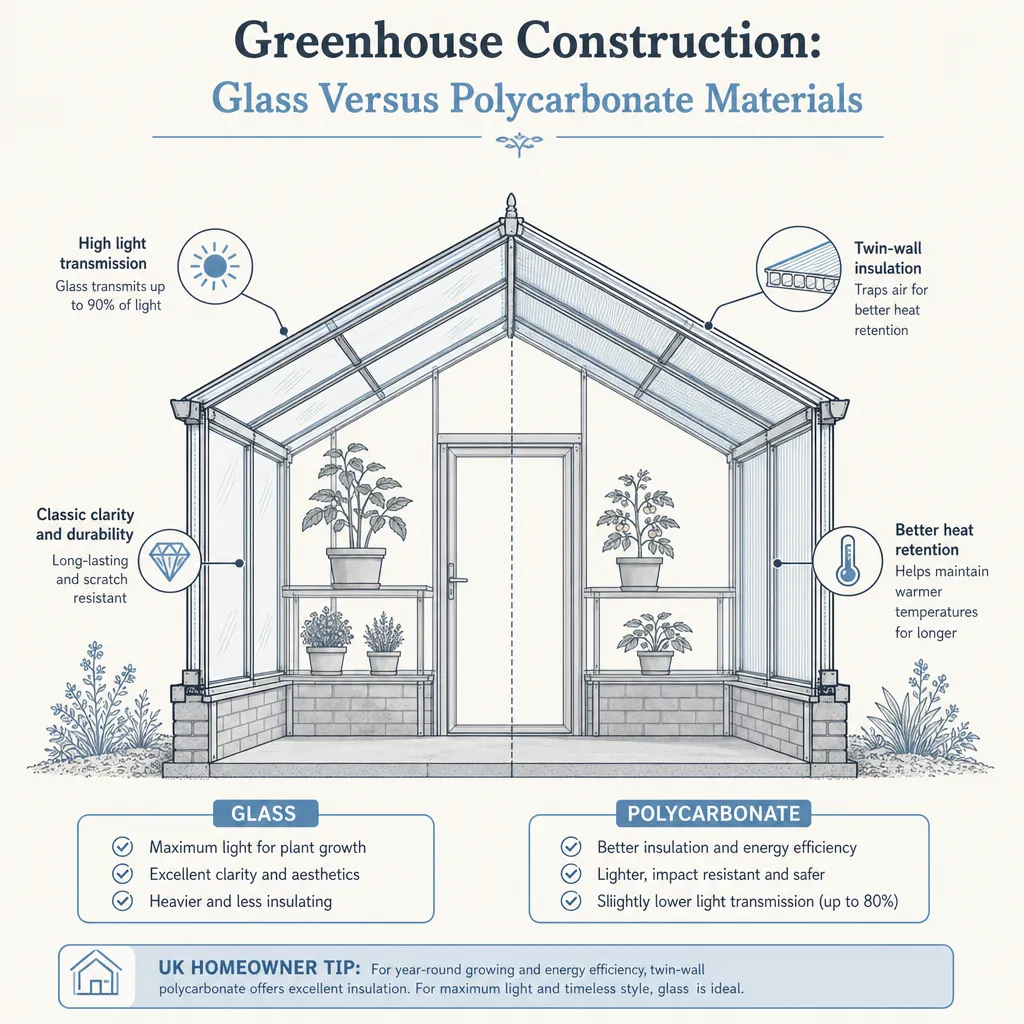
Greenhouse Construction: Glass Versus Polycarbonate Materials
Glass transmits around 90% of available light and lasts indefinitely if unbroken, but insulates poorly and shatters into sharp fragments.
 Improvement & Build
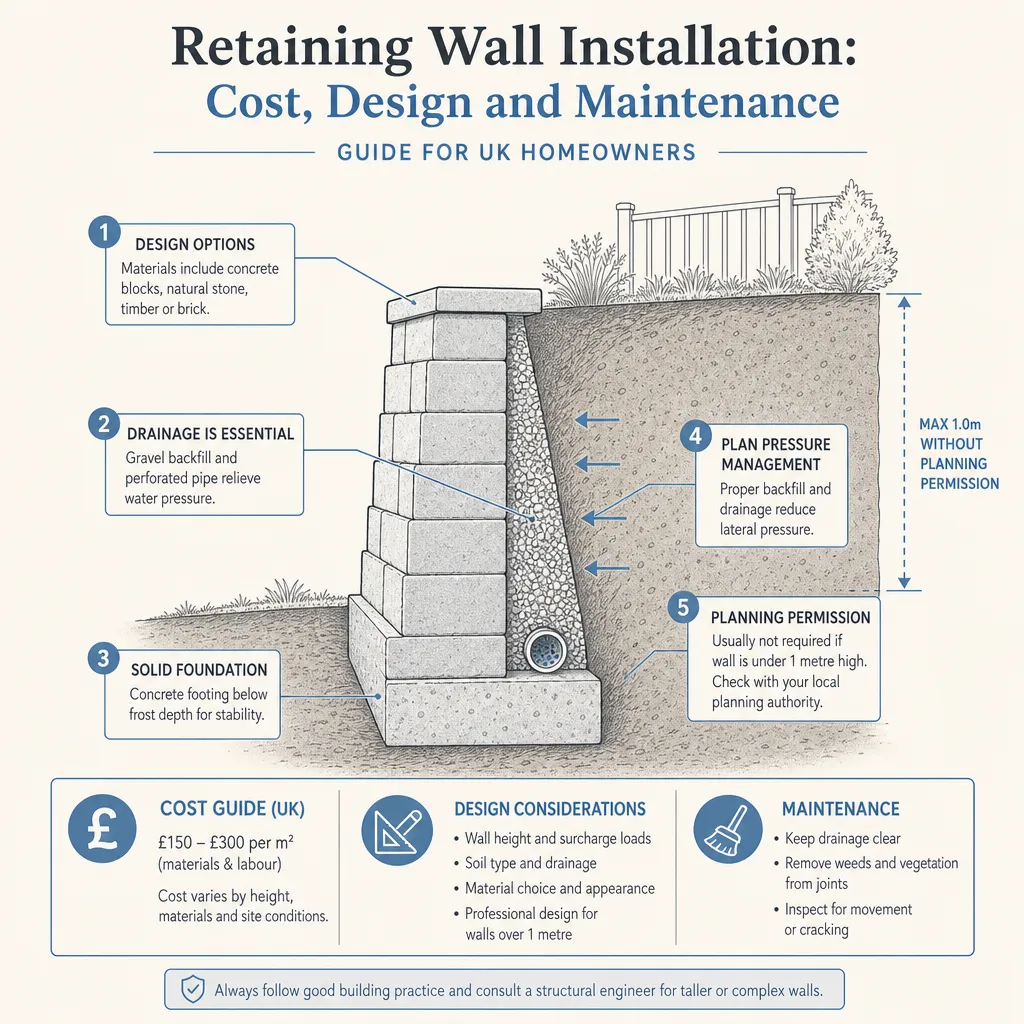
Retaining Wall Installation: Cost, Design and Maintenance
A retaining wall holds back soil on a sloped or banked site.