Painting Brick Exteriors: Preparation and Long-Term Maintenance
By Housey · Last reviewed 1st of June 2026
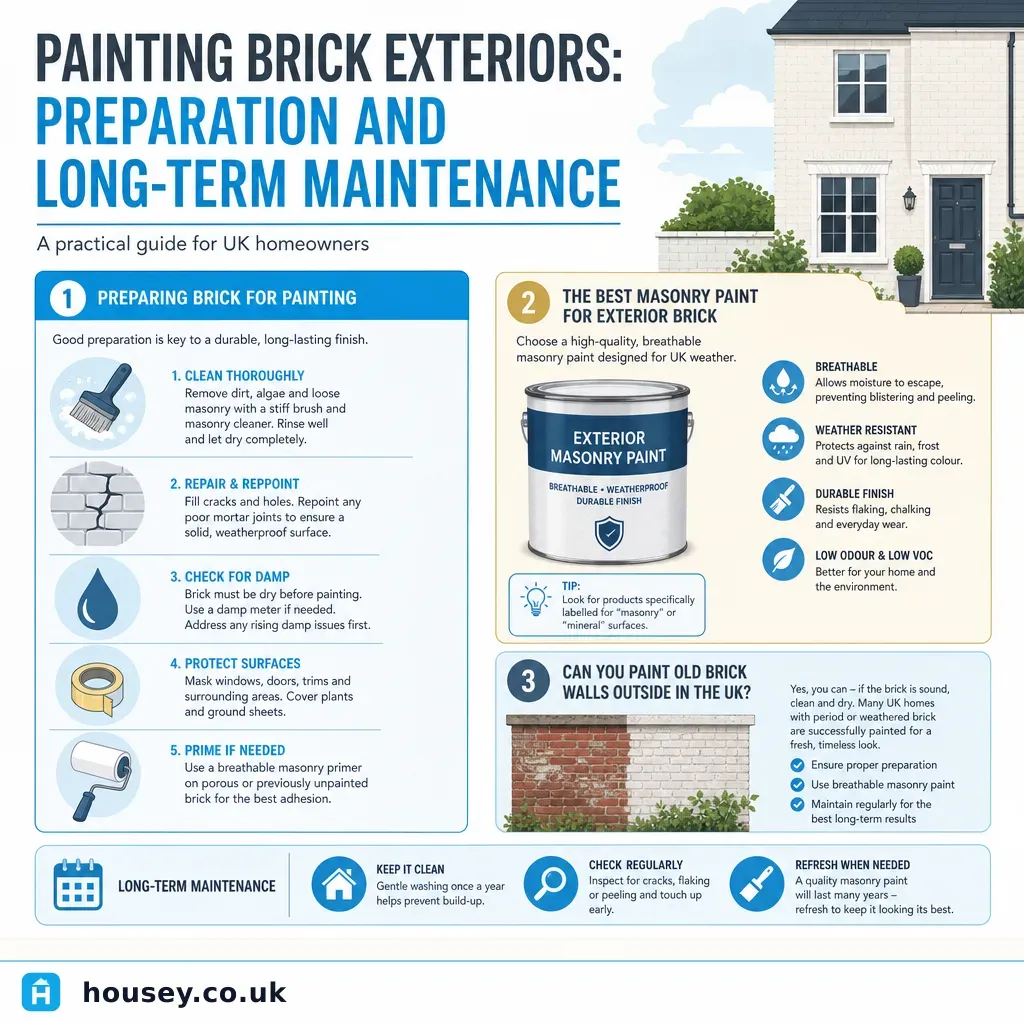
Painting Brick Exteriors: Preparation and Long-Term Maintenance
Exterior brickwork on British homes takes considerable weathering over the years — from UV exposure and driving rain to frost cycles and pollution. Whether the goal is to modernise a 1960s estate house, protect ageing or repaired mortar joints, or simply unify a patchy façade, painting exterior brick is a lasting change that deserves careful planning. Because the decision is largely irreversible, preparation and paint selection matter as much as the brushwork itself.
Key points
- Once exterior brickwork is painted, reverting to bare brick usually requires chemical stripping or grit-blasting — a costly and sometimes damaging process.
- Breathable (microporous) masonry paints are essential for brick: they allow water vapour to escape while repelling liquid water, reducing the risk of trapped moisture and spalling.
- New brickwork and freshly repointed joints must be allowed to cure for at least 12 months before painting to avoid trapping alkalis and moisture.
- Painting a listed building or a property in a conservation area may require planning permission or listed building consent — always check with your local planning authority before starting.
- Thorough surface preparation — cleaning, repointing, treating efflorescence and mould — accounts for the majority of a paint job's lifespan; cutting corners here will cause premature failure.
Is painting exterior brick the right choice?
Painting exterior brick is a long-term commitment. Unlike interior paint, once an exterior masonry coat is applied it bonds chemically with the surface and acts as a continuous film. Removing it later typically involves caustic chemical strippers, high-pressure steam, or abrasive blasting — all expensive, and potentially damaging to the brick face and mortar. Before starting, consider:
- Condition of the brickwork: Paint cannot hide structural cracking, failed pointing, or active damp. These must be resolved first or the paint film will fail within one to two seasons.
- Breathability: Victorian and Edwardian solid-wall homes in particular need vapour-permeable paints. Trapping moisture in the wall can cause spalling (the face of bricks flaking away), damp ingress, and in cold winters, frost damage.
- Heritage and planning restrictions: Properties in conservation areas, or those that are listed, may be subject to Article 4 Directions removing permitted development rights for painting. Historic England advises that painting historic brick is generally inadvisable and may require listed building consent. Always check with your local planning authority.
If the brickwork is sound and the decision to paint is made, proper preparation is what separates a 10-year finish from a 2-year failure.
Choosing the right masonry paint
Not all masonry paints are suitable for brick. The key distinction is vapour permeability — often marketed as breathable or microporous.
Paint type | Best for | Avoid when | Typical finish |
|---|---|---|---|
Microporous / breathable masonry paint | All brick types, solid walls, older homes | — | Matt or smooth |
Silicone masonry paint | Exposed, wet climates; extra water repellency | Walls where internal breathability is critical | Matt, weather-resistant |
Smooth masonry paint (non-breathable) | Rendered or concrete surfaces | Brick, stone, solid walls — traps moisture | Smooth, slight sheen |
Textured masonry paint | Hiding minor surface imperfections | Fine brickwork where texture is valued | Heavily textured |
For most UK brick homes, a silicone-enhanced microporous masonry paint offers the best balance of breathability and water repellence. Brands such as Sandtex, Dulux Weathershield, and Johnstone's Stormshield offer products in this category; always check the manufacturer's technical datasheet for vapour permeability ratings before purchasing.
Colour choice also matters: dark colours absorb more heat, which can accelerate thermal movement and cracking, especially on south-facing walls. Lighter tones are generally more forgiving on solid brick.
How to prepare exterior brickwork
Surface preparation is the most important stage. A well-prepared surface will hold paint significantly longer than a poorly prepared one.
Homeowner preparation checklist
Before the first coat goes on:
Applying exterior masonry paint
Most exterior masonry paints require two coats. A large-pore masonry roller is the fastest tool for open brickwork, but a stiff masonry brush ensures better penetration into mortar joints and recesses. For smooth brickwork, an airless sprayer can be used by professionals, reducing application time significantly.
- Temperature: Do not apply masonry paint below 5 °C or above 30 °C. Avoid painting in direct strong sunlight, which causes the paint to dry too fast and prevents proper film formation.
- Recoat time: Allow each coat to dry fully before applying the next — typically 4–6 hours in warm dry conditions, longer in cool or humid weather.
- Working at height: Any work above approximately 2 metres should use a scaffold or tower scaffold rather than a ladder, for both safety and even coverage. For whole-house painting, professional scaffolding is standard.
Coverage rates typically run 6–10 m² per litre for the first coat on porous brickwork (the first coat absorbs significantly more). Measure your wall area, subtract windows and doors, and add 15–20% for wastage. Always buy the same batch code to avoid colour variation.
Long-term maintenance
Painted brick requires periodic maintenance to remain weather-tight:
- Annual inspection: Each autumn, check for cracks, flaking, or areas where moisture may have penetrated behind the paint film.
- Touching up: Small areas of paint failure can be cleaned, primed, and touched in — but colour matching on weathered paint is rarely perfect. Keeping a small amount of the original paint batch helps.
- Full recoat interval: Most quality masonry paints carry a manufacturer's expected life of 10–15 years in normal UK conditions. Recoat before the film cracks rather than waiting for visible moisture ingress.
- Gutter and downpipe maintenance: Leaking gutters and downpipes are among the most common causes of premature paint failure. Clear gutters every autumn.
When to get professional help
Most exterior painting is within reach of a confident DIYer for single-storey sections, but professional help is advisable when:
- The house is two storeys or more — scaffold erection is specialist work.
- There is active damp, structural cracking, or suspected failed cavity-wall ties — these must be diagnosed and repaired before painting.
- The property is listed or in a conservation area — obtain the correct consent first.
- You are unsure whether existing paint is sound enough to overcoat — a professional painter can assess adhesion and compatibility.
Red flags that mean stop and seek specialist advice:
- Cracks that are widening, stepped through courses of brickwork, or accompanied by bulging.
- White or brown staining beneath the paint film suggesting rising or penetrating damp.
- Paint blistering or peeling shortly after application, pointing to a moisture or adhesion problem rather than a simple surface issue.
How Housey can help
Housey connects UK homeowners with vetted local painters and decorators experienced in exterior masonry work, as well as scaffold contractors and surveyors who can assess brickwork condition before a paint project begins. Use Housey to get and compare quotes from qualified tradespeople in your area.
Frequently asked questions
Can I paint over old exterior masonry paint?
Yes, if the existing paint is sound and well adhered. Clean the surface, treat any biological growth, lightly sand any loose edges, and apply a compatible masonry paint on top. If the existing coat is flaking or failing, strip back to bare brick first. Check with the new paint's manufacturer that the products are compatible — technical helplines can advise on compatibility.
How long does exterior masonry paint last on brick?
Quality silicone microporous masonry paints typically carry a manufacturer's expected life of 10–15 years in normal UK conditions before requiring a full recoat. Actual lifespan depends on wall orientation, surface preparation quality, number of coats, and gutter maintenance. Poor preparation can reduce the effective lifespan to as little as two to three years.
Do I need planning permission to paint my house exterior?
In most cases, no. Painting the exterior of a house is generally a permitted development right. However, if your property is listed, or if an Article 4 Direction applies in your area — common in conservation areas — you may need consent. Always check with your local planning authority before altering the appearance of a listed or conservation-area property.
Will painting exterior brick devalue my property?
It can in areas where natural brick is the norm, as buyers may be wary of future maintenance or the difficulty of reverting to bare brick. A well-executed paint job on sound brickwork does not necessarily reduce value and may improve kerb appeal. However, painting over damaged brickwork can mask problems that a RICS surveyor will identify, which may affect sale negotiations.
Sources and further reading
- Historic England: Technical Advice on Buildings — Historic England
- Planning Portal: Painting your home — Planning Portal
- GOV.UK: Listed buildings — GOV.UK
- British Coatings Federation — British Coatings Federation
- Energy Saving Trust: External walls — Energy Saving Trust
Useful next reads
 Improvement & Build
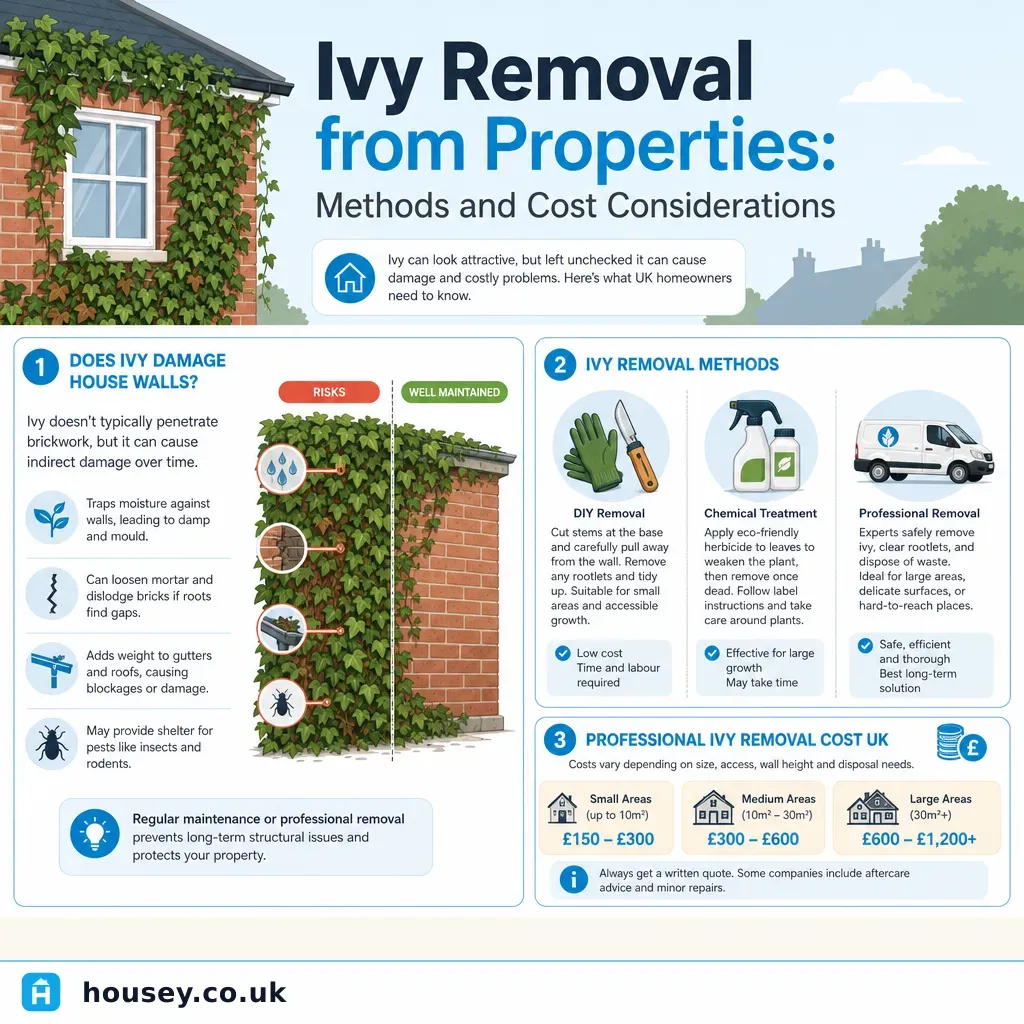
Ivy Removal from Properties: Methods and Cost Considerations
Remove ivy by cutting the main stems at the base and waiting two to four weeks before pulling the dead growth from the wall — this reduces damage to mortar.
 Improvement & Build
Painting Brick Fireplaces: Preparation, Materials and Technique
Painting a brick fireplace requires thorough cleaning, a masonry-specific primer, and heat-resistant paint rated to at least 200°C for the firebox area.
 Improvement & Build
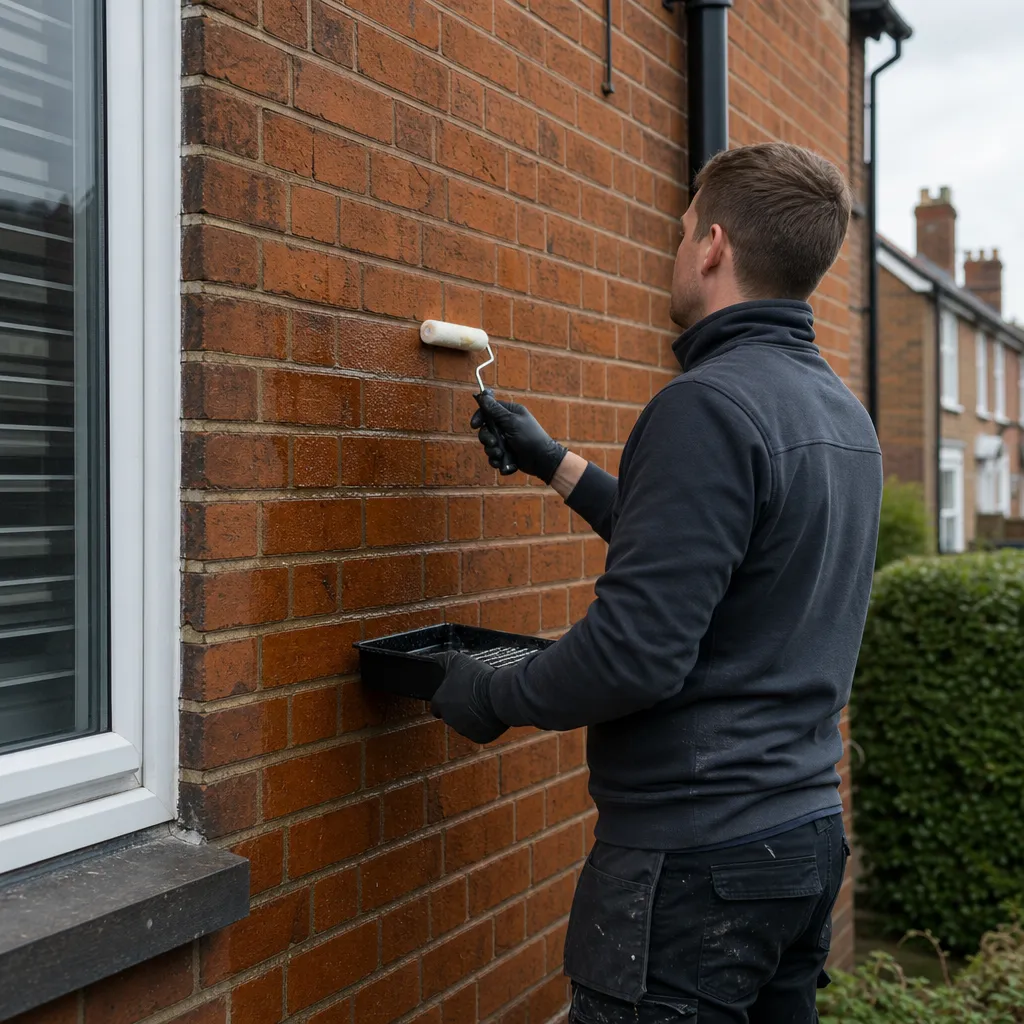
Sealing Brick Walls: Protective Benefits and Application Considerations
Sealing brick walls with a breathable silane-siloxane cream can reduce water ingress on exposed, sound brickwork.
 Improvement & Build
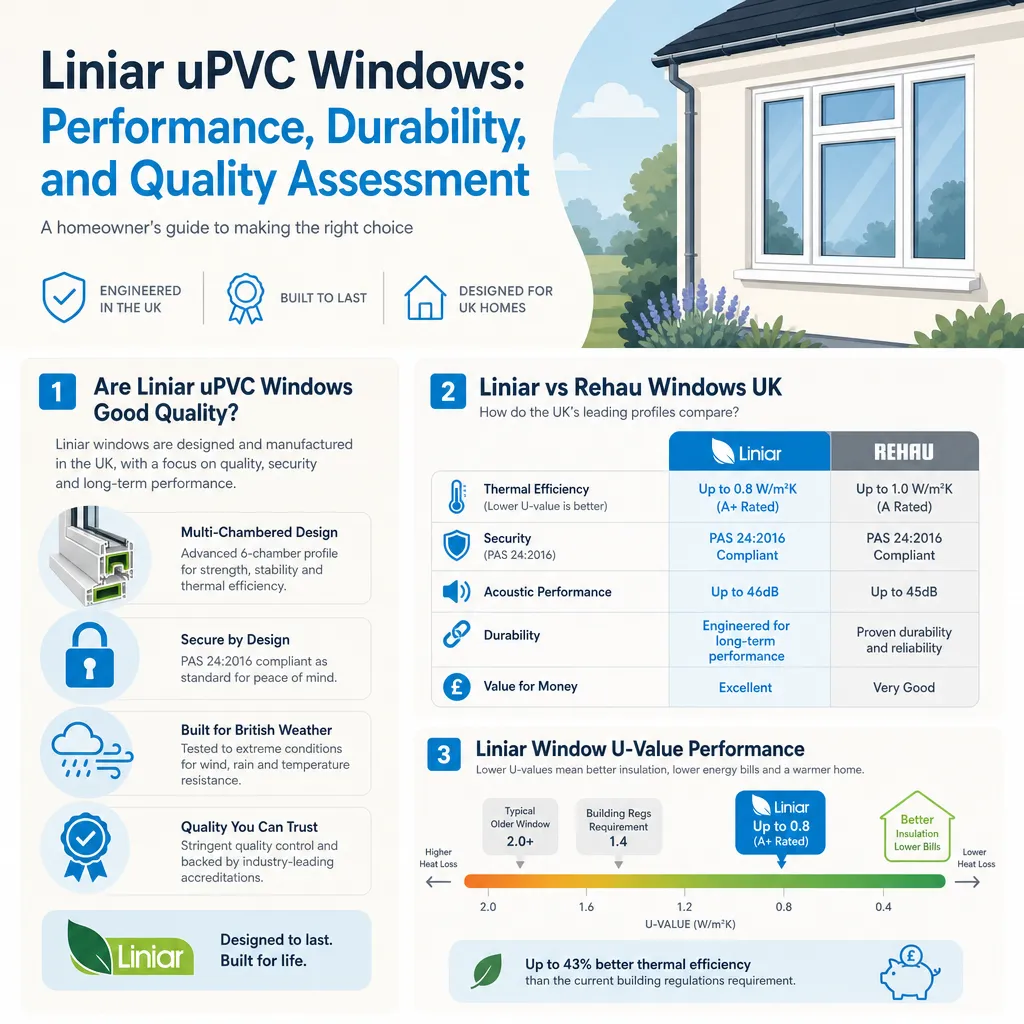
Liniar uPVC Windows: Performance, Durability, and Quality Assessment
Liniar uPVC window profiles are manufactured in the UK using multi-chambered, foamed frames.
 Improvement & Build
Garden Tap Installation with Hot and Cold Water: Plumbing Options
Adding a cold garden tap is a common DIY project, but routing hot water outdoors requires a plumber to connect to your domestic hot water system and comply with the Water Supply (Water Fittings) Regulations 1999.