Sealing Brick Walls: Protective Benefits and Application Considerations
By Housey · Last reviewed 18th of May 2026
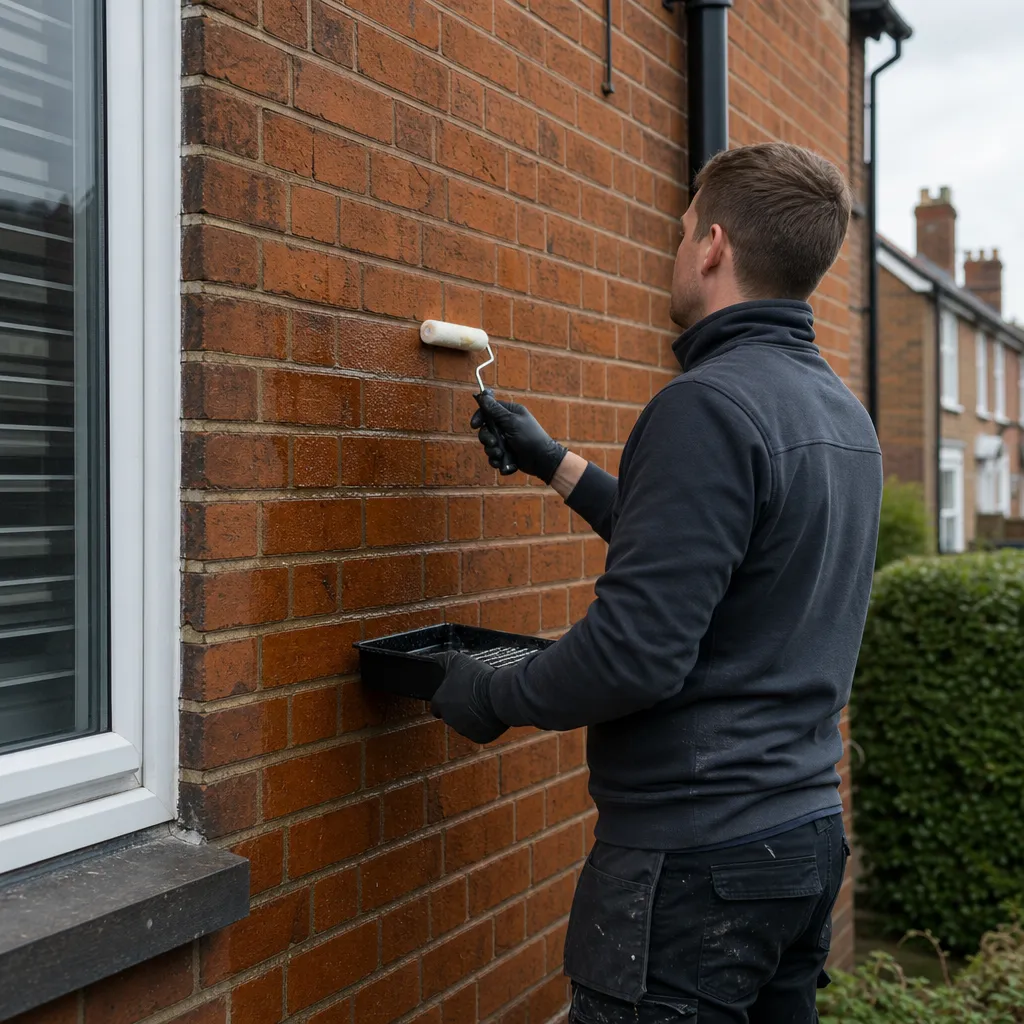
Sealing Brick Walls: Protective Benefits and Application Considerations
Sealing brick walls is often marketed as a simple remedy for water ingress, but on many UK properties — particularly pre-1920 solid-wall buildings constructed with lime mortar and porous brick — applying the wrong product can trap moisture within the wall and cause more harm than the weather ever would. The question typically arises when a homeowner notices damp patches after heavy rainfall, or sees a neighbour apply a coating to their facade. Getting the diagnosis right before reaching for a sealant is the most important step.
Key points
- Pre-1920 solid-wall properties were designed as breathable systems — lime mortar and soft brick absorb and release moisture — and many modern sealants disrupt this cycle, risking spalling, efflorescence, and internal damp.
- Silane-siloxane masonry creams are hydrophobic (water-repellent) rather than film-forming, and are the safest product type for exposed, sound brickwork; they remain vapour-permeable after curing, unlike film-forming coatings.
- Historic England advises against applying surface treatments to historic masonry as a first response to damp; identifying and addressing the root cause — defective pointing, failed DPC, blocked gutters — is always the correct first step.
- Applying sealant to a listed building without consent may constitute unauthorised works under the Planning (Listed Buildings and Conservation Areas) Act 1990, which is a criminal offence.
- Any sealant applied to a wall with active rising damp, condensation, or penetrating damp through failed mortar joints is likely to lock moisture in and may cause structural decay and mould growth.
Important limitations
This article provides general information about masonry sealants and is not a substitute for a professional damp survey or specialist assessment. Moisture problems in older properties are complex: the correct diagnosis depends on the specific construction, condition, orientation, and rainfall exposure of your building. A qualified surveyor or conservation specialist should assess any persistent damp problem before any treatment is applied. Rules, product suitability, and planning requirements vary significantly by property type and location.
When does sealing make sense — and when does it not?
Sealing is most likely to be appropriate when:
- The brickwork is sound, clean, and in good pointing condition — water is confirmed to be entering through the brick face, not through failed mortar joints.
- The property is in a high driving-rain exposure zone (Zone 3 or 4 per BS 8104) and penetrating rain through otherwise sound brickwork is the diagnosed cause of internal damp.
- A breathable, hydrophobic silane-siloxane cream is specified — not a film-forming paint, cement slurry, or water-based coating.
- No active rising damp, condensation, or penetrating damp from failed mortar is present before treatment begins.
- The product is confirmed to be compatible with the brick and mortar type; porous handmade brick and lime mortar behave very differently from modern engineering brick and cement mortar.
Sealing is unlikely to help — and may cause lasting harm — when:
- The wall has failed or missing pointing: water enters through mortar cracks, not through the brick face itself.
- Rising damp, a failed damp proof course (DPC), or condensation is the underlying cause.
- The building is pre-1920 with soft, porous brick and lime mortar.
- The property is listed or in a conservation area.
- An internal waterproof coating has already been applied, potentially creating a moisture trap between layers.
Masonry sealant product types compared
Product type | How it works | Vapour permeability | Suitable for older or lime-mortar buildings? | Risk if misapplied |
|---|---|---|---|---|
Silane-siloxane cream or liquid | Penetrates masonry, creates hydrophobic pores that repel liquid water but allow vapour movement | High — breathable | Cautiously, if substrate is dry and sound | Can darken brick; locks moisture in if wall is already wet |
Acrylic or polyurethane film-forming coating | Creates a surface film blocking both water and vapour | Low — effectively impermeable | Not recommended | Traps moisture, causes spalling, blistering, and efflorescence |
Cement-based render or slurry | Physically blocks surface pores | Very low | Not suitable for historic masonry | Traps moisture, cracks at substrate interface, obscures underlying defects |
Lime-based shelter coat | Breathable mineral coating; traditional remedy for exposed historic masonry | High — breathable | Yes — a specialist product for lime and historic masonry | Requires skilled application; colour matching is difficult |
What not to assume
Many homeowners make the following assumptions about brick sealing — here is what the evidence and professional guidance actually shows:
"Sealing my brick walls will fix my damp problem." Not necessarily. Damp in UK homes has multiple causes: rising damp, condensation, penetrating damp through failed mortar, blocked gutters, bridged DPCs, and interstitial condensation. A sealant only addresses penetrating damp through otherwise sound brickwork. Other causes require different remedies, and applying sealant before diagnosing the cause often delays or prevents proper treatment.
"Any waterproof product will do the same job." No. Film-forming products trap moisture and are inappropriate on most UK residential brickwork. Only breathable, hydrophobic treatments are suitable, and even these must be applied to a confirmed dry, sound substrate.
"Older brickwork needs more protection, not less." The opposite is often true. Pre-1920 soft, porous brick was designed to absorb and release moisture as part of a breathable wall system. Blocking this process with a modern sealant changes the moisture dynamics of the whole wall construction, often causing harm rather than preventing it.
"Brick sealing is a straightforward DIY job." Surface preparation and product selection are technically demanding on older properties. Applying the wrong product, or to a wall with active moisture or failed mortar, may cause lasting and expensive damage.
Red flags
Be cautious if a contractor or product supplier:
- Recommends sealing without first conducting or recommending an independent damp survey.
- Combines sealing with internal tanking and chemical DPC injection as a blanket solution without diagnosing which type of damp is present.
- Proposes a film-forming coating on solid-wall or pre-1920 brickwork.
- Does not mention surface preparation, a primer coat, or adequate drying time before application.
- Offers an unconditional guarantee without conditions about maintaining guttering, pointing, or drainage.
When this becomes urgent
Seek professional advice promptly if:
- Internal damp patches are spreading, worsening after rainfall, or are accompanied by visible mould growth.
- Brickwork is spalling — the face of bricks breaking away — or showing white salt efflorescence.
- Cracks in mortar joints are visible and appear to be widening.
- The building is listed, or you have received contact from a conservation or planning officer regarding the property.
What to ask a qualified professional
Before instructing any masonry treatment, ask the professional:
- What is the cause of the moisture — penetrating rain, rising damp, condensation, or failed rainwater goods?
- Has an independent damp survey been completed? Is the surveyor RICS-qualified and not affiliated with a damp-proofing company?
- Is this brickwork type — age, mortar, cavity or solid wall — appropriate for a sealant treatment?
- Which specific product do you recommend and what is its water vapour permeability rating (Sd value)?
- What surface preparation is required before application?
- Is this building listed or in a conservation area, and have you worked on similar properties?
- What does the warranty cover, and what maintenance is required to keep it valid?
When to get professional help
Consult a RICS-qualified building surveyor before applying any sealant to a wall with a persistent or unexplained damp problem. For listed buildings or properties in conservation areas, engage a heritage or conservation specialist — works that alter the character of a listed building may require listed building consent under the Planning (Listed Buildings and Conservation Areas) Act 1990, and incorrect treatments on historic masonry can cause irreversible damage. An independent damp survey from a party not selling treatments is the most reliable starting point.
How Housey can help
Housey connects homeowners with heritage and conservation consultants who can advise on appropriate masonry treatments for older and listed properties, ensuring that any protective works are suited to the building's construction and comply with planning and conservation requirements.
Frequently asked questions
Can I seal a listed building's brickwork?
Works that affect the character or appearance of a listed building — including surface treatments — may require listed building consent under the Planning (Listed Buildings and Conservation Areas) Act 1990. Check with your local planning authority's conservation officer before applying any product. Undertaking unauthorised works to a listed building is a criminal offence.
How long does a masonry sealant last?
Silane-siloxane treatments typically last 10–25 years depending on product quality, substrate porosity, and rainfall exposure. Reapplication is straightforward if the brickwork remains sound. Film-forming coatings tend to fail sooner as moisture pressure eventually forces the coating away from the substrate, causing blistering and spalling.
Does sealing brickwork need planning permission or building control approval?
Simple surface sealant application to a standard residential property does not generally require planning permission or building control approval. However, works to listed buildings or in conservation areas may require consent if the facade character is affected. Always confirm with your local planning authority if there is any doubt.
Is brick sealing worth the cost?
On an exposed, sound, modern cavity-wall property subject to driven-rain penetration, a breathable silane-siloxane treatment can reduce water ingress measurably. On older solid-wall buildings with any active damp, sealing before identifying the root cause is rarely cost-effective and may cause lasting damage. An independent survey is usually a better first investment.
Sources and further reading
- Historic England: Damp in historic buildings — advice and guidance — Historic England
- Planning (Listed Buildings and Conservation Areas) Act 1990 — legislation.gov.uk
- BS 8104:1992 Code of practice for assessing exposure of walls to wind-driven rain — BSI
- RICS: damp in buildings — professional guidance — RICS
- Building Research Establishment (BRE): moisture in buildings — BRE
Useful next reads
 Improvement & Build
Sealing and Maintaining Historic Leaded Glass Windows: Preservation and Performance
Leaded glass windows are maintained using traditional linseed oil cement — not silicone or modern sealants, which prevent natural movement in the lead came.
 Improvement & Build
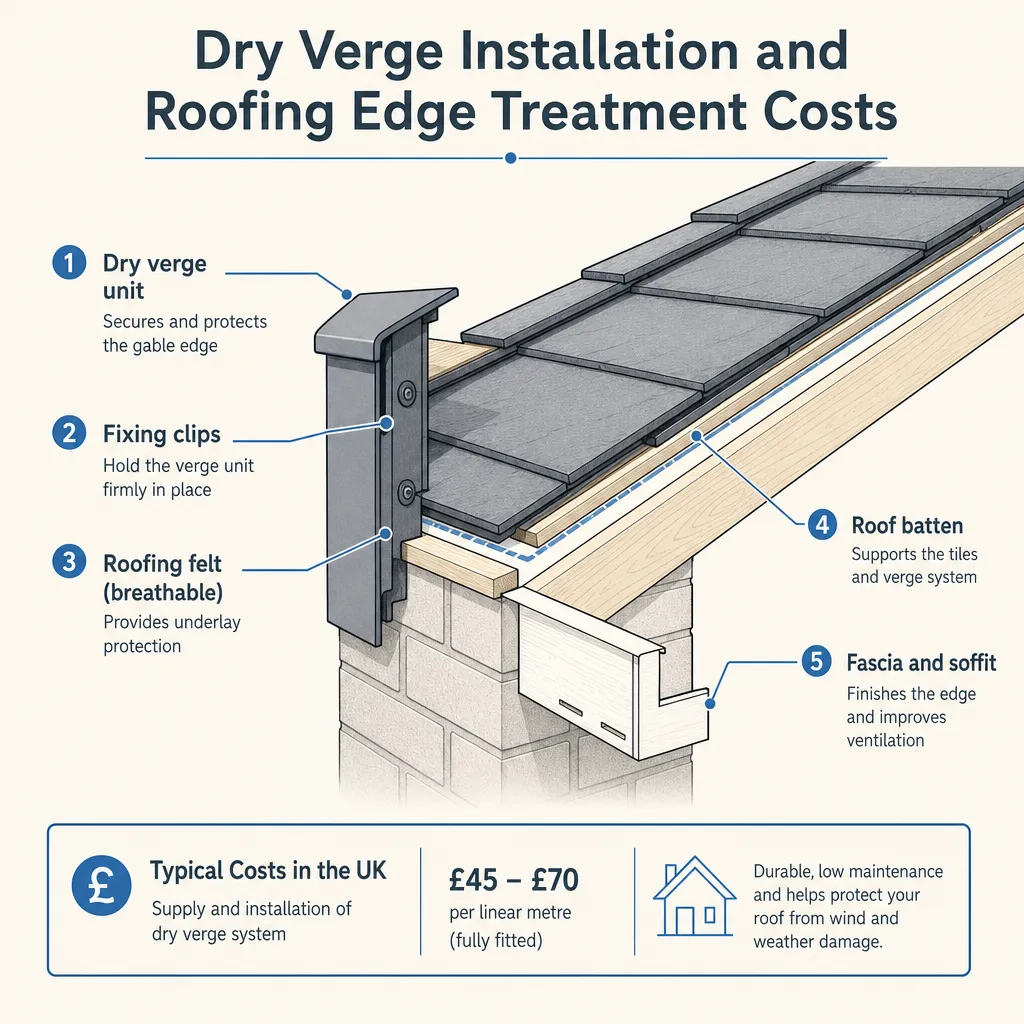
Dry Verge Installation and Roofing Edge Treatment Costs
A dry verge system replaces mortar bedding along the gable edge of a pitched roof with interlocking uPVC or aluminium units.
 Improvement & Build
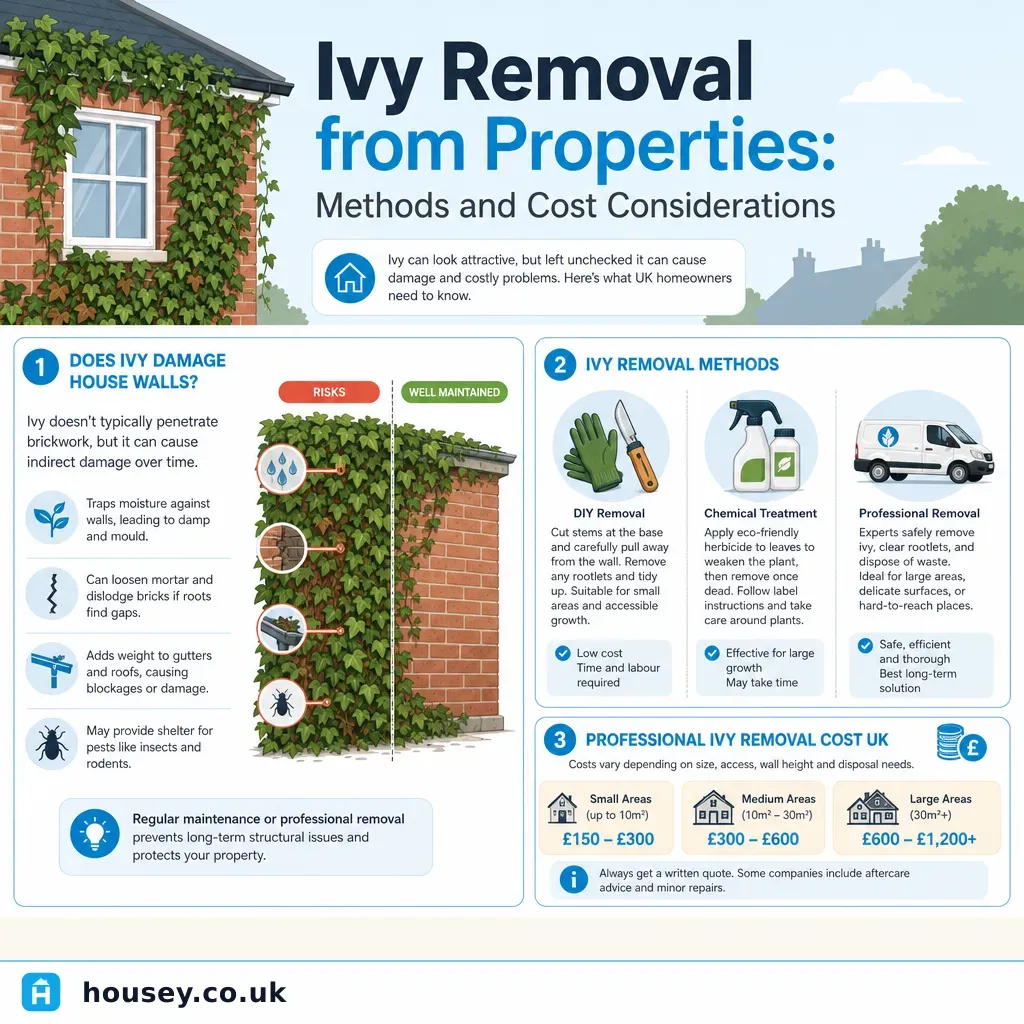
Ivy Removal from Properties: Methods and Cost Considerations
Remove ivy by cutting the main stems at the base and waiting two to four weeks before pulling the dead growth from the wall — this reduces damage to mortar.
 Improvement & Build
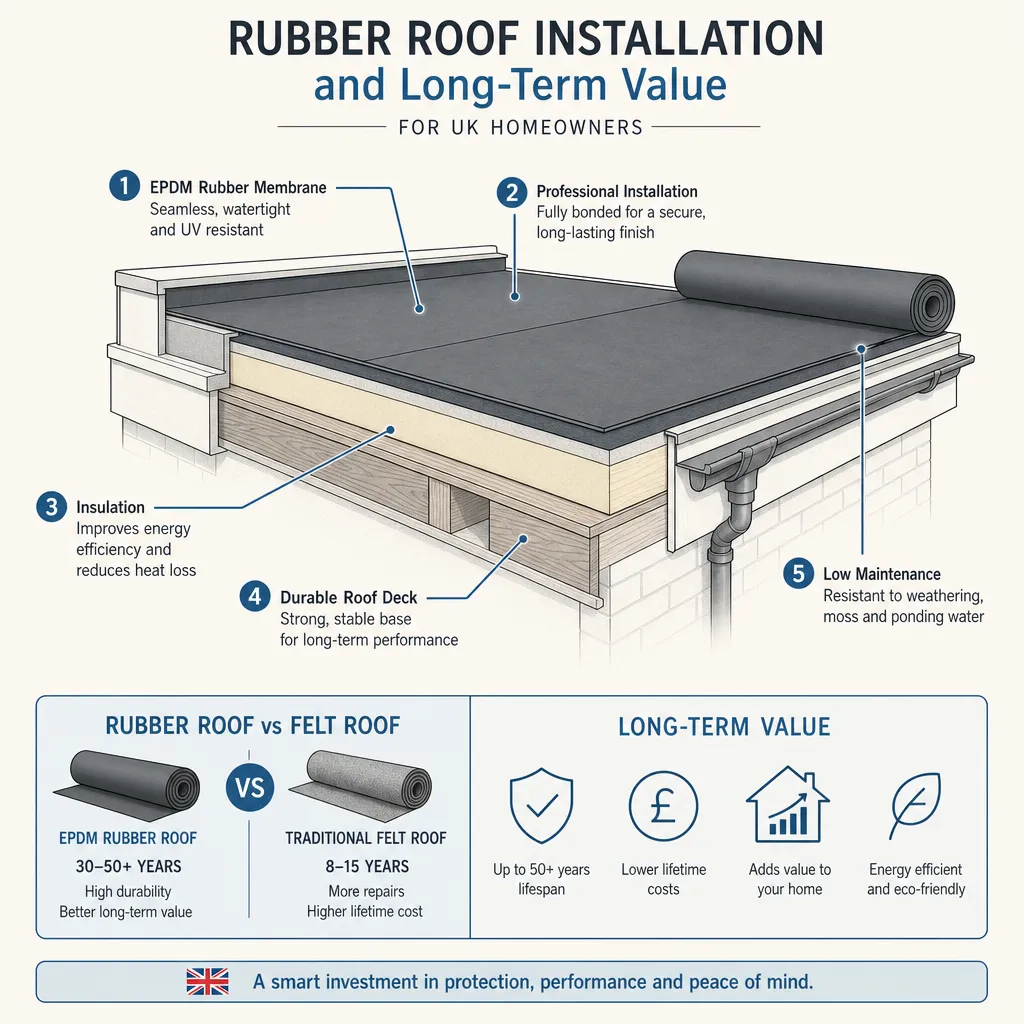
Rubber Roof Installation and Long-Term Value
EPDM rubber roofing is a synthetic membrane for flat and low-pitch roofs that typically lasts 30–50 years with minimal maintenance.
 Improvement & Build
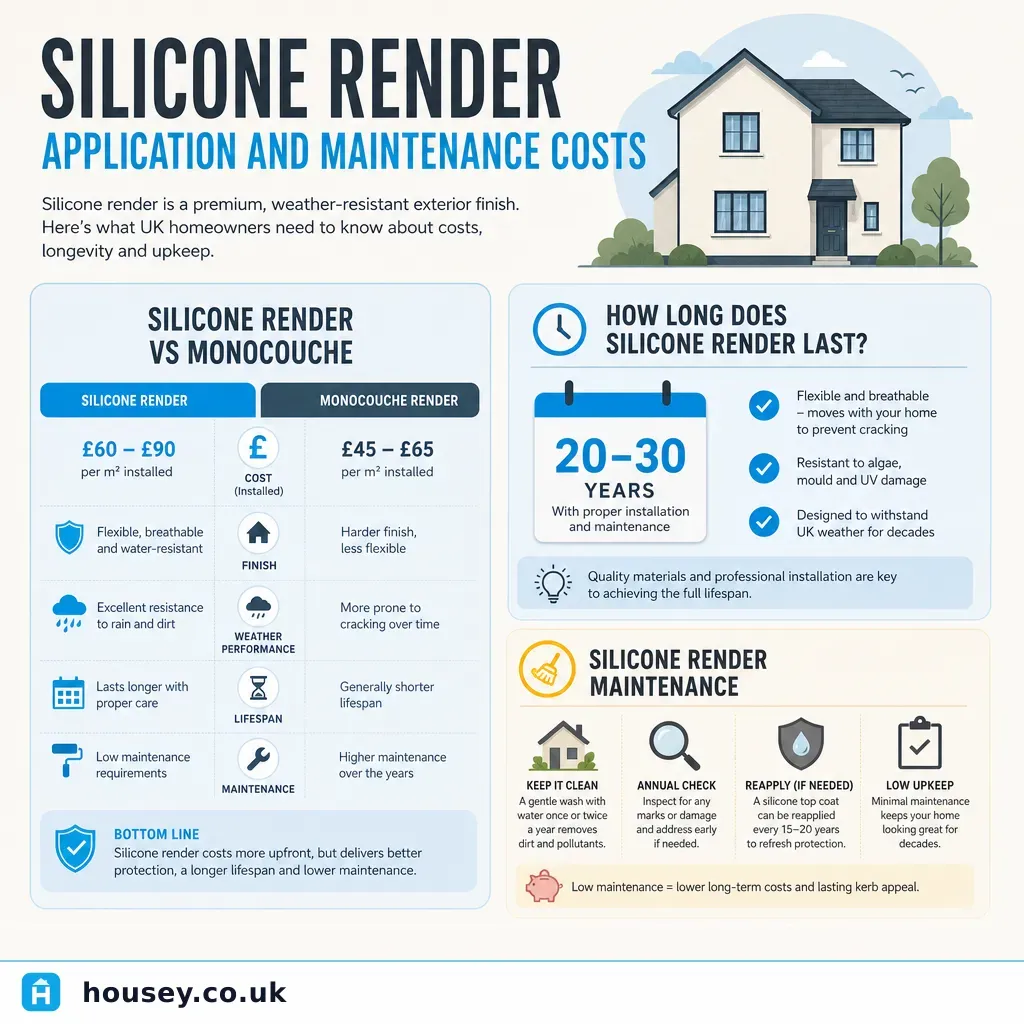
Silicone Render Application and Maintenance Costs
Silicone render typically costs £30–£70 per square metre installed across the UK, making a standard semi-detached house treatment around £3,000–£8,000.