Painting Freshly Skimmed Walls: Drying Time and Preparation
By Housey · Last reviewed 4th of May 2026
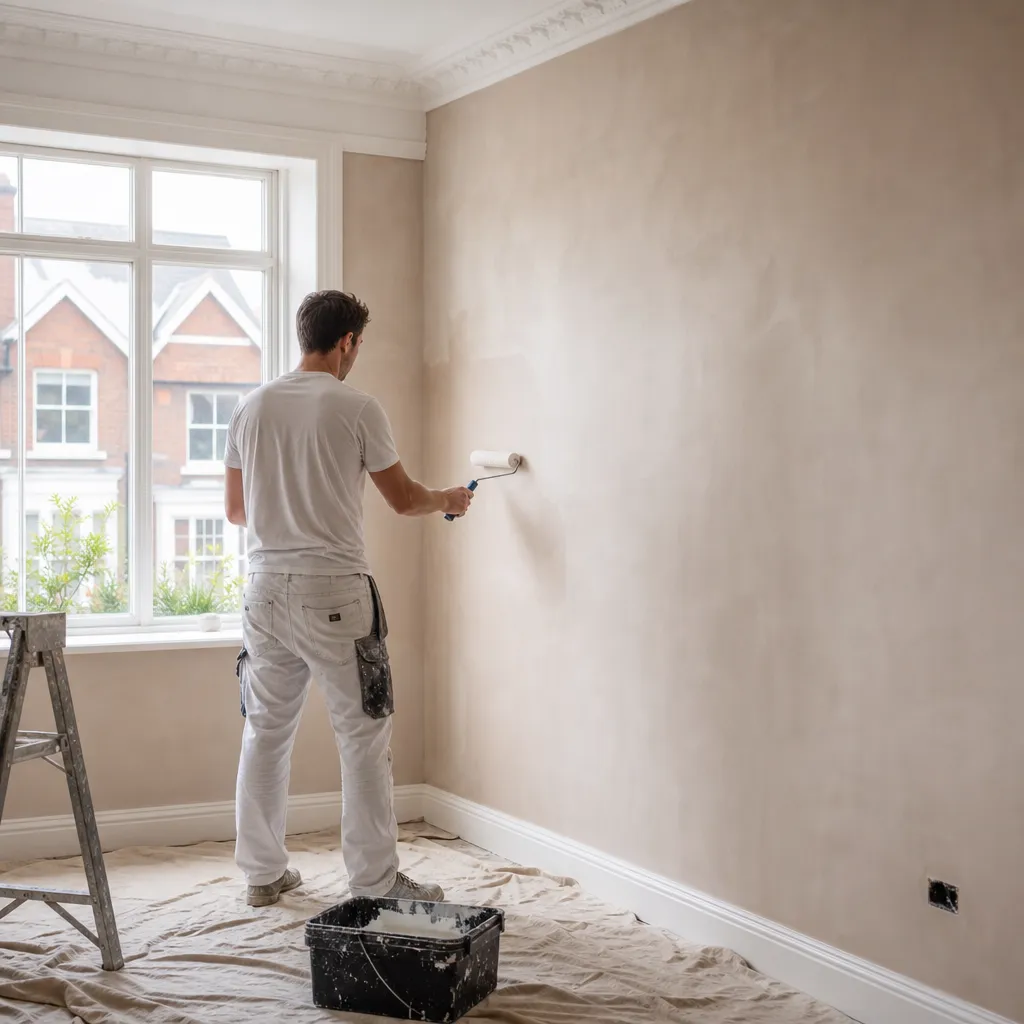
Painting Freshly Skimmed Walls: Drying Time and Preparation
Freshly plastered walls are a common feature of renovation projects across the UK, whether following a damp repair, a full room re-skim, or new plasterwork in an extension or loft conversion. Applying paint too soon is one of the most frequent finishing mistakes — it traps moisture beneath the paint film and can lead to peeling, bubbling, and surface failure that takes significant effort to correct. Understanding how long new plaster needs to dry, and how to prepare it correctly, is the difference between a durable finish and an expensive redo.
Key points
- New plaster typically needs 3–4 weeks to dry fully before any paint is applied, though thinner skim coats in well-ventilated rooms may be ready sooner.
- Colour is the most reliable visual indicator: dry plaster turns from a deep pink or orange tone to a uniform pale, dusty pink.
- The first coat on new plaster must always be a mist coat — standard emulsion diluted approximately 70:30 (paint to water) — to allow residual moisture to escape through the surface.
- Applying undiluted emulsion directly to new plaster seals the surface, traps moisture, and typically causes the paint film to crack, bubble, or peel.
- A moisture meter reading below 5% is a useful objective indicator that plaster is ready to paint.
How long does new plaster take to dry?
Drying time depends on the thickness of the coat, the room's ventilation, ambient temperature, and the time of year the work was carried out.
As a general guide:
- Full skim coat (2–3mm): 3–4 weeks under normal UK indoor conditions.
- Patch repairs (thinner areas): May be sufficiently dry in 1–2 weeks if the room is well-ventilated.
- Multi-coat work (bonding coat plus skim): Up to 6 weeks, particularly in winter or in poorly ventilated rooms.
- New build or extension plasterwork: Allow at least 4 weeks; blockwork and concrete substrates beneath the plaster will also hold significant moisture.
In winter, or in rooms where windows cannot be opened regularly, drying takes considerably longer. Do not judge dryness by touch alone — the surface can feel dry while the substrate remains damp.
How to tell when plaster is dry enough to paint
The most practical check is colour. Freshly applied plaster is a deep pink or terracotta colour; as it dries, it transitions to a consistent pale, dusty pink. Any remaining dark patches indicate moisture is still present.
Additional indicators:
- Temperature to the touch: Damp plaster feels noticeably cooler than dry plaster when you hold your hand close without touching the surface.
- Consistent tone across the full wall: Patchy colouration — particularly around reveals, corners, or external walls — means the plaster has not dried uniformly.
- No visible moisture near external walls or window reveals: These areas dry more slowly and should be checked carefully before you start.
A moisture meter gives a more objective reading; plaster is generally considered ready to paint when moisture content falls below approximately 5%. These meters are available from most UK builders' merchants and large DIY retailers.
Mist coat, PVA sealer, or ready-made primer: which should you use first?
Option | What it is | Best for | Drawbacks |
|---|---|---|---|
Diluted emulsion (mist coat) | Standard emulsion thinned approximately 30% with water | General use on new plaster walls and ceilings | Requires correct dilution; not suitable if plaster is still damp |
PVA sealer (diluted) | PVA adhesive mixed approximately 5:1 water to PVA | Very porous or powdery plaster surfaces | Can create a shiny barrier if over-applied; some decorators prefer to avoid on standard plaster |
Ready-made mist coat or plaster primer | Purpose-formulated low-viscosity primer | Convenience and consistent results | Higher cost than diluted emulsion |
Undiluted emulsion applied direct | Standard wall paint used without thinning | Not suitable for new plaster under any circumstances | Traps moisture; causes peeling, flaking, or bubbling |
For most UK residential projects, a diluted emulsion mist coat — using the same paint you intend to finish with, thinned approximately 70:30 — is the most practical approach. Apply thinly with a brush or roller, allow 4–6 hours to dry, then assess whether a second mist coat is needed before your full-strength finish coats.
Preparation checklist before painting new plaster
Work through each of the following before opening a paint tin:
Red flags: when not to paint yet
Stop and investigate before decorating if any of the following are present:
- Dark patches that have not dried after six weeks: May indicate an ongoing leak, rising damp, or penetrating moisture from outside. Painting over the symptom will not fix the underlying cause.
- Efflorescence (white crystalline deposits): Salt migration through plaster indicates significant residual moisture in the substrate; identify and address the source before decorating.
- Cracks wider than a hairline (approximately 1mm or more): Should be assessed by the plasterer before decorating; wider cracks may indicate poor bonding, insufficient key, or substrate movement.
- Hollow or drumming sounds when the surface is tapped: A dull hollow sound suggests the skim coat has not bonded properly to the substrate and may fail beneath paint.
- Persistent damp smell: New plaster has a faint chalky smell; a persistent earthy or musty odour suggests a moisture problem beneath the surface that requires investigation.
When to get professional help
Most painting of new plaster is within the scope of a competent decorator or a confident DIYer. Seek professional input if:
- Dark patches persist beyond six weeks despite adequate ventilation and heating — this may indicate structural damp, rising damp, or a waterproofing issue requiring specialist investigation by a damp and timber surveyor.
- Cracks continue to develop after the plaster has dried — particularly stepped cracks near window or door openings, which can be a sign of structural movement warranting a chartered surveyor's assessment.
- The property is older and new plaster was applied directly over suspect existing material — a damp and timber specialist may need to assess the substrate condition before you proceed with decoration.
How Housey can help
Housey connects homeowners with vetted tradespeople for improvement and build projects across the UK. Whether you need a plasterer to prepare your walls correctly or a decorator to complete the finish, you can use Housey to request and compare quotes from local professionals for your renovation work.
Frequently asked questions
Can I speed up how long new plaster takes to dry?
Gentle, consistent warmth and good ventilation are the most effective methods. Open windows where possible, use a dehumidifier to reduce moisture in the air, and keep heating at a moderate stable temperature of around 18–20°C. Avoid directing a fan heater at the plaster from close range, as rapid localised drying can cause surface cracking.
What happens if I paint new plaster too soon?
Applying undiluted paint before plaster is fully dry traps residual moisture beneath the paint film. As that moisture eventually escapes, it forces the paint away from the surface, causing bubbling, flaking, or peeling. In the worst cases you may need to strip the affected paint, allow the plaster to dry fully, and redecorate entirely from scratch.
How do I mix a mist coat correctly?
A standard mist coat uses approximately 70% emulsion paint to 30% clean water by volume. Stir until thoroughly combined — the consistency should be thin enough to soak into the plaster surface rather than sitting on top. Apply in a thin, even coat using a roller or brush and allow it to dry fully before applying further coats.
Do patch repairs also need a mist coat before painting?
Yes. Any area of new plaster — whether a full room skim or a small patch repair — should receive a mist coat before standard emulsion is applied. Patch repairs on older walls often absorb paint at a different rate from the surrounding surface, so a mist coat helps create a more even base for your finish coats.
Can I use PVA instead of a mist coat on new plaster?
Diluted PVA (approximately 5 parts water to 1 part PVA) is sometimes used to seal new plaster, but many professional decorators prefer a diluted emulsion mist coat because it avoids the risk of leaving a shiny or flaking adhesive barrier. If you use PVA, ensure it is fully dry and matte before applying emulsion, and check the manufacturer's compatibility guidance for your chosen paint.
Sources and further reading
- Technical Guidance — Plaster and Dry Lining Products — British Gypsum
- Painting and Decorating Association — Trade Standards and Guidance — Painting and Decorating Association
Useful next reads
 Improvement & Build
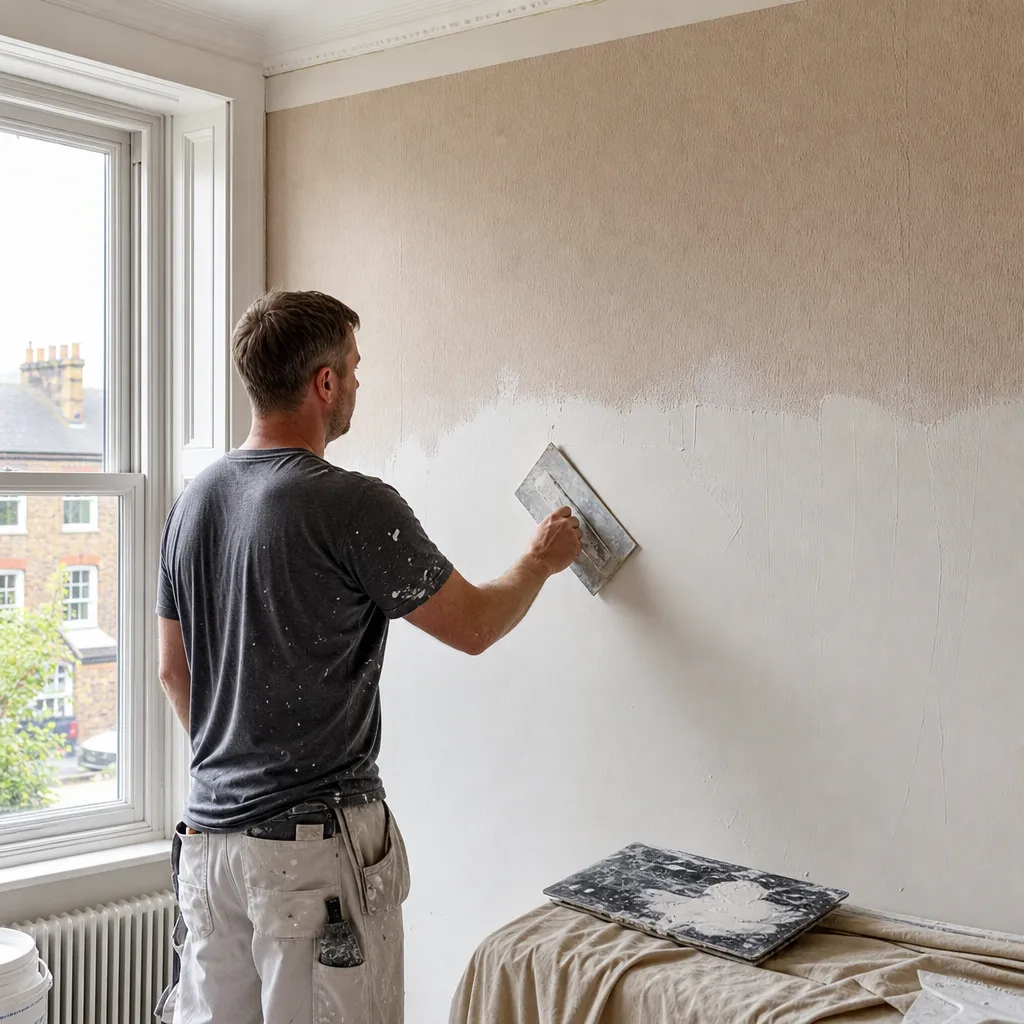
Skimming Over Wallpaper Lining: Surface Preparation and Results
You can skim plaster over wallpaper lining paper, provided the paper is fully adhered, the correct weight (usually 1,200g) is used, and the surface is primed with diluted PVA before applying a 2–3mm skim coat.
 Improvement & Build
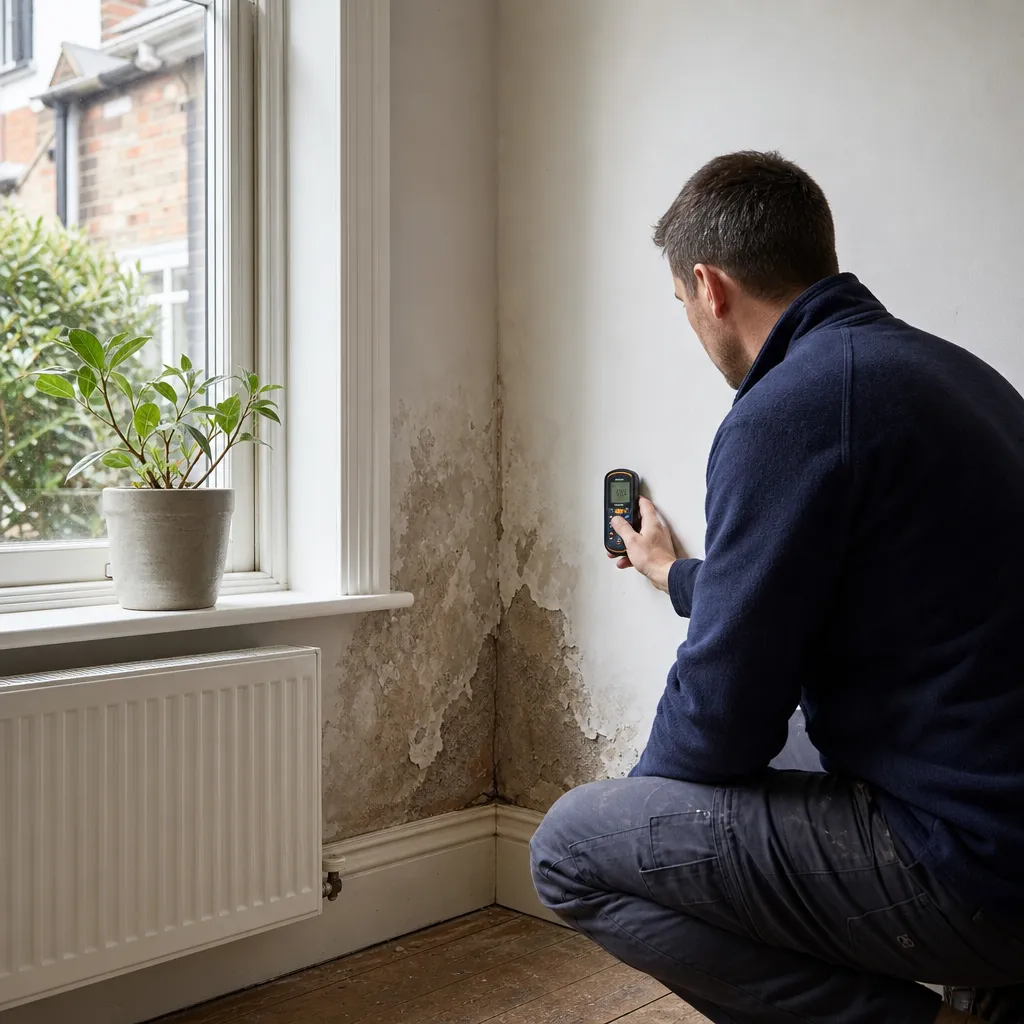
Identifying and Treating Damp Before Interior Decoration: Remediation First
Decorating before treating damp guarantees early failure — paint and wallpaper will bubble, stain, and peel within months.
 Improvement & Build
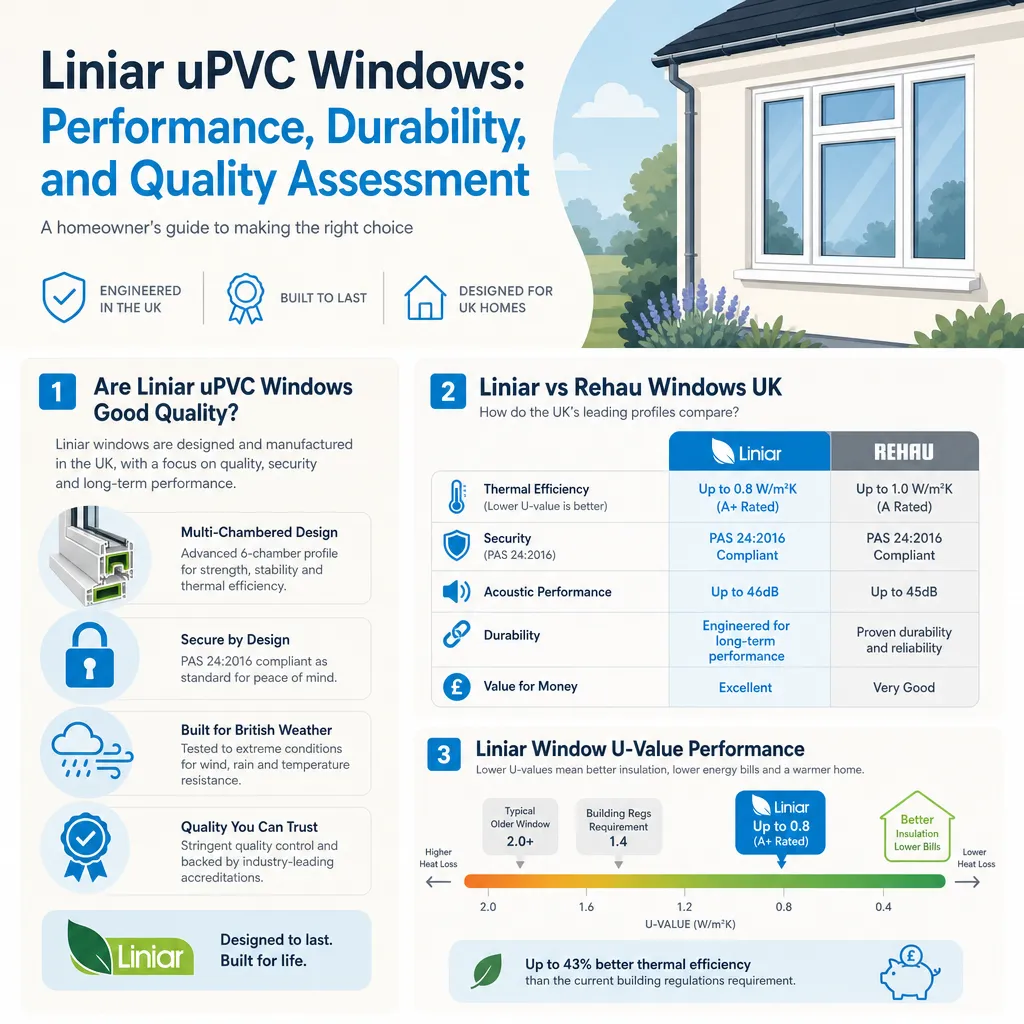
Liniar uPVC Windows: Performance, Durability, and Quality Assessment
Liniar uPVC window profiles are manufactured in the UK using multi-chambered, foamed frames.
 Improvement & Build
Garden Tap Installation with Hot and Cold Water: Plumbing Options
Adding a cold garden tap is a common DIY project, but routing hot water outdoors requires a plumber to connect to your domestic hot water system and comply with the Water Supply (Water Fittings) Regulations 1999.
 Improvement & Build
Sealing and Maintaining Historic Leaded Glass Windows: Preservation and Performance
Leaded glass windows are maintained using traditional linseed oil cement — not silicone or modern sealants, which prevent natural movement in the lead came.