Protecting Your Garden: Plant Tunnels and Growing Structures
By Housey · Last reviewed 10th of May 2026
Protecting Your Garden: Plant Tunnels and Growing Structures
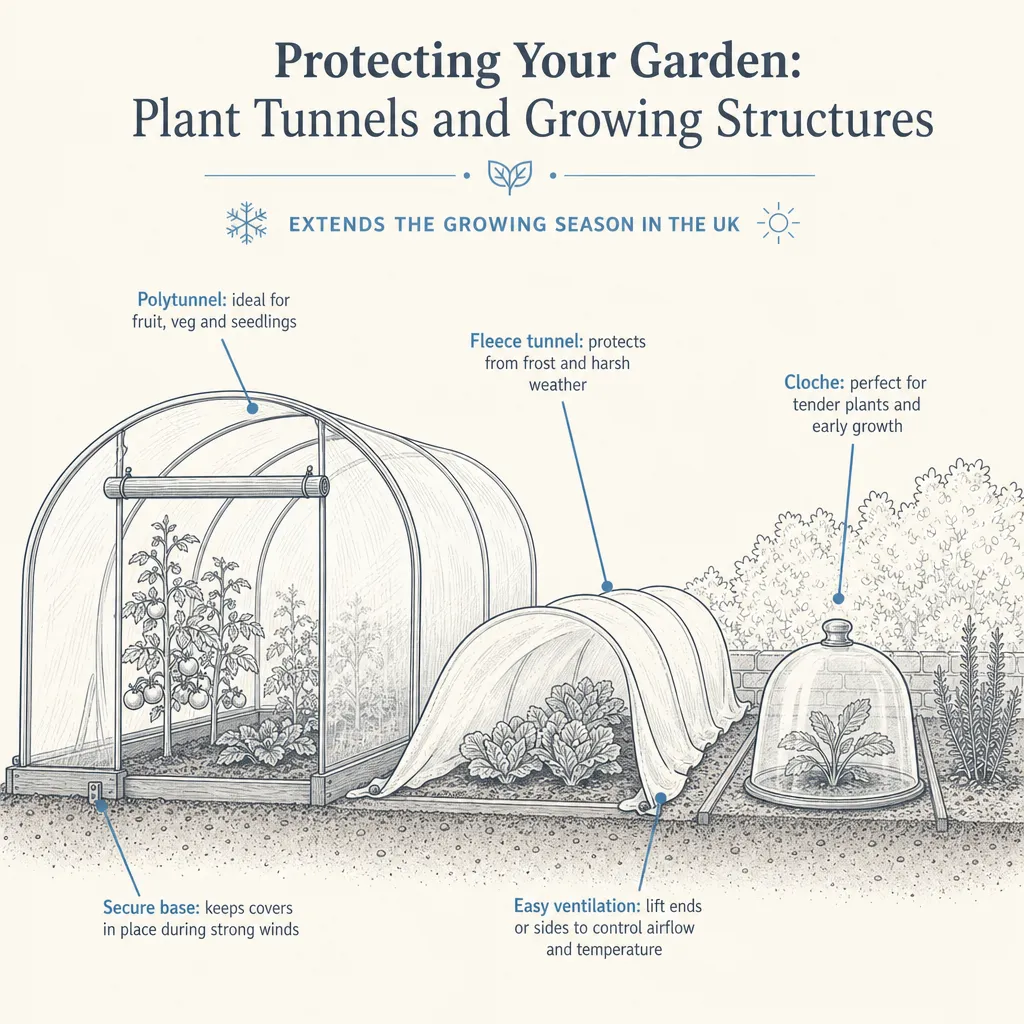
The UK's unpredictable climate — late frosts into May, wet summers, and autumns that shorten the harvest window — makes some form of covered growing structure almost essential for anyone raising vegetables, salad leaves, or tender crops. Whether you're weighing up a simple fleece tunnel for a raised bed or planning a full-size walk-in polytunnel, the choice involves balancing crop requirements, available space, budget, and how much of the year you want to grow.
Key points
- Fleece tunnel fabric is rated by weight: 17 g/m² offers light frost protection; 30 g/m² protects to approximately −3°C and suits early spring and autumn use
- A low polythene cloche tunnel can raise soil temperature by up to 5–8°C above ambient, meaningfully extending the sowing window in northern UK regions
- Standard mini polytunnel hoops are typically spaced at 900 mm centres; the polythene cover must have sufficient slack to allow ventilation without pulling away from the hoops
- UV-stabilised polythene polytunnel covers last approximately 3–5 years before degrading and needing replacement
- A domestic polytunnel in England may require planning permission if it materially alters the property's external appearance or exceeds permitted development thresholds — always check with your local planning authority before erecting a large or permanently anchored structure
Which structure should you choose?
The right structure depends on the crops you are growing, the duration of protection needed, and the size and layout of your plot.
- Choose a fleece tunnel if you need lightweight, short-term frost protection for established beds, easy access for daily harvesting, or temporary cover around the last frost date.
- Choose a polythene cloche tunnel if you want to warm the soil earlier in spring, extend the harvest into autumn, and protect crops from rain splash and slugs as well as cold.
- Choose a mini polytunnel (free-standing, hooped, with polythene or fine mesh) if you have raised beds and want a durable, reusable structure that can stay up for several months at a time.
- Choose a full-size walk-in polytunnel if you grow a significant volume of vegetables year-round, need to work inside the structure comfortably, or want sustained warmth for heat-loving crops such as tomatoes, cucumbers, or aubergines.
- Ask a professional garden designer if your plot has unusual dimensions, sloped ground, or significant wind exposure — professional advice can optimise position for sun and shelter and integrate the structure into a broader garden layout.
Comparing growing structure types
Structure | Best for | Not ideal for | Typical coverage | Main limitation |
|---|---|---|---|---|
Fleece tunnel | Frost protection; early sowing; easy access | Tall crops; wet climates with high disease risk | 1–5 m of bed | Degrades with UV; needs securing on windy sites |
Polythene cloche tunnel | Warming soil; rain protection; slug barrier | Long-term use without active ventilation management | 2–8 m of bed | Must be opened on warm days to prevent disease build-up |
Mini polytunnel | Raised beds; seasonal crops; reusable | Large plots; crops requiring headroom | 1.2–1.8 m wide × 2–4 m long | Limited headroom; can lift in high winds if inadequately anchored |
Walk-in polytunnel | Year-round growing; tall crops; comfortable working | Small gardens; constrained or overlooked sites | 3–6 m wide × 6–20+ m long | Cost; potential planning implications; cover lifespan 3–5 years |
Greenhouse (glass or polycarbonate) | Permanent year-round use; staging; propagation | Budget-conscious setups; rapid installation | Varies | Higher upfront cost; larger structures may need building control checks |
Ventilation and disease management
Poor ventilation is the most common cause of crop failure inside tunnels and polytunnels. When internal temperatures exceed 30°C, heat stress reduces yields and creates ideal conditions for fungal disease — grey mould (Botrytis cinerea) is particularly prevalent in damp, poorly ventilated structures and can devastate a tomato or strawberry crop within days.
For cloche tunnels, leaving one end open during warm weather is usually sufficient. Walk-in polytunnels benefit from door openings at each end, and side ventilation panels are advisable from late spring onwards. The RHS recommends aiming for at least one complete air change per day in high summer to manage humidity effectively.
Avoid wetting foliage directly, particularly in the evening, and space plants to allow airflow between them. These practices reduce the humidity that encourages disease without sacrificing the warmth benefit of the structure.
Anchoring and wind resistance
The UK's exposed coastal strips, upland gardens, and open rural plots create conditions where an inadequately anchored structure can be lost in a single storm. Common anchoring methods include:
- Ground pegs and tension ropes — suited to lightweight fleece or mesh tunnels on established beds
- Sandbags or water-filled anchor tubes — useful on hard or paved surfaces where pegs cannot be driven
- Driven ground anchors — galvanised steel anchors driven into the soil, with the polytunnel frame bolted directly to them; standard practice for walk-in polytunnels
- Concrete base footings — used for permanent installations; may affect the planning assessment by giving the structure a more built character
For walk-in polytunnels wider than 3 m, most manufacturers recommend a driven anchor system rated for sustained winds consistent with your site's exposure. Check the wind loading specification before purchasing, particularly if the site is above 200 m elevation or within 1 km of the coast.
Planning permission considerations
Most domestic growing structures in England do not require planning permission if they are temporary, set back from the main house elevation, and do not occupy more than half the garden area — broadly consistent with the thresholds for garden outbuildings under Permitted Development rights. However:
- Properties in conservation areas, national parks, or Areas of Outstanding Natural Beauty are subject to additional restrictions on external alterations
- Listed buildings and their curtilages may require listed building consent for any new external structure
- A large polytunnel with a permanent concrete base is more likely to be considered a built structure and may need a full planning application
Always consult GOV.UK's planning permission guidance or contact your local planning authority before purchasing if there is any doubt. A pre-application enquiry is usually low-cost and provides clarity before you commit to a structure.
Homeowner checklist before buying a growing structure
When to get professional help
For most homeowners, erecting a small fleece tunnel or mini polytunnel is a manageable task. Consider professional advice when:
- The site is sloped, shaded, or has restricted access affecting drainage or sun exposure
- You are planning a walk-in polytunnel larger than 6 m × 12 m or with a concrete foundation
- The structure is planned within a conservation area, a listed building curtilage, or another restricted site
- You want the structure integrated into a formal garden layout with irrigation, raised beds, or hard landscaping
- You are uncertain whether planning permission applies to your property
How Housey can help
A professional garden designer can assess your plot's sun exposure, wind patterns, and existing planting to identify the most suitable structure and position it for maximum productivity. Housey connects you with experienced garden designers across the UK who understand local growing conditions and can integrate a tunnel or polytunnel into a well-planned kitchen garden design.
Frequently asked questions
Do I need planning permission for a polytunnel in my garden?
In most cases, a domestic polytunnel does not require planning permission if it is temporary, not forward of the principal elevation, and your garden is not in a conservation area or subject to special designations. Properties in national parks, Areas of Outstanding Natural Beauty, or listed building curtilages face stricter controls. Check with your local planning authority if the structure is large or permanently anchored.
How long does a polytunnel cover last?
UV-stabilised polythene covers typically last 3–5 years in UK conditions before becoming brittle and beginning to crack. Clear covers tend to degrade faster than anti-drip or anti-fog variants. Replace the cover promptly when yellowing or cracking appears — a failing cover is vulnerable to wind damage and can bring the frame down with it.
Can I use fleece tunnels and polythene tunnels at the same time?
Yes. Many growers use a polythene cloche tunnel to warm the soil from late February, then switch to a fleece tunnel for lighter frost protection once temperatures rise in spring. This layered approach is especially effective for brassicas and salad leaves in northern UK regions where springs are later and summers are cooler.
What crops benefit most from a growing tunnel?
Salad leaves, spinach, radishes, early carrots, and brassica seedlings benefit most from low tunnel protection in early spring. Walk-in polytunnels are particularly valuable for tomatoes, cucumbers, aubergines, and peppers, which need sustained warmth to ripen reliably across most parts of the UK outside the warmest southern regions.
Sources and further reading
- Polytunnels and crop protection — Royal Horticultural Society
- Planning permission: when you need it — GOV.UK
- Outbuildings and permitted development — Planning Portal
Useful next reads
 Improvement & Build
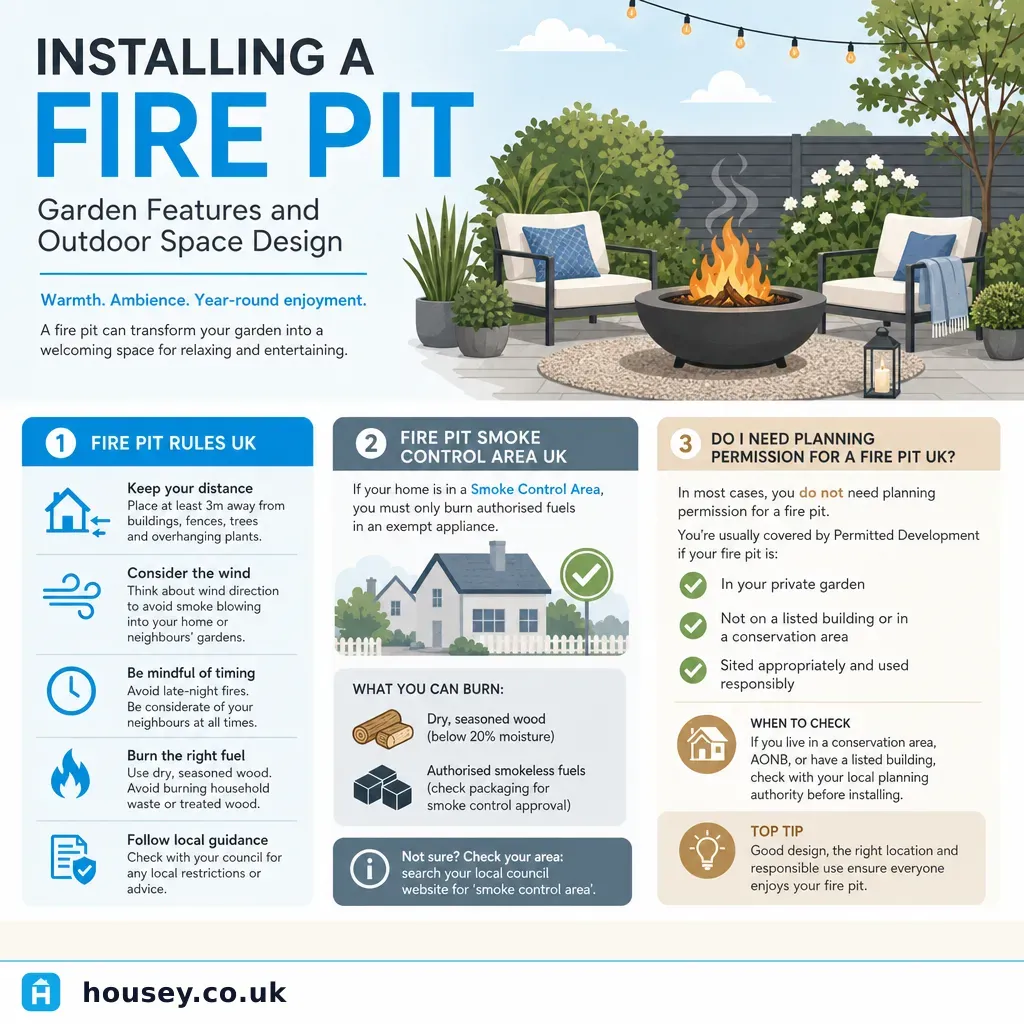
Installing a Fire Pit: Garden Features and Outdoor Space Design
Installing a garden fire pit in the UK is generally permitted, but Smoke Control Area rules prohibit open wood-burning in most towns and cities.
 Improvement & Build
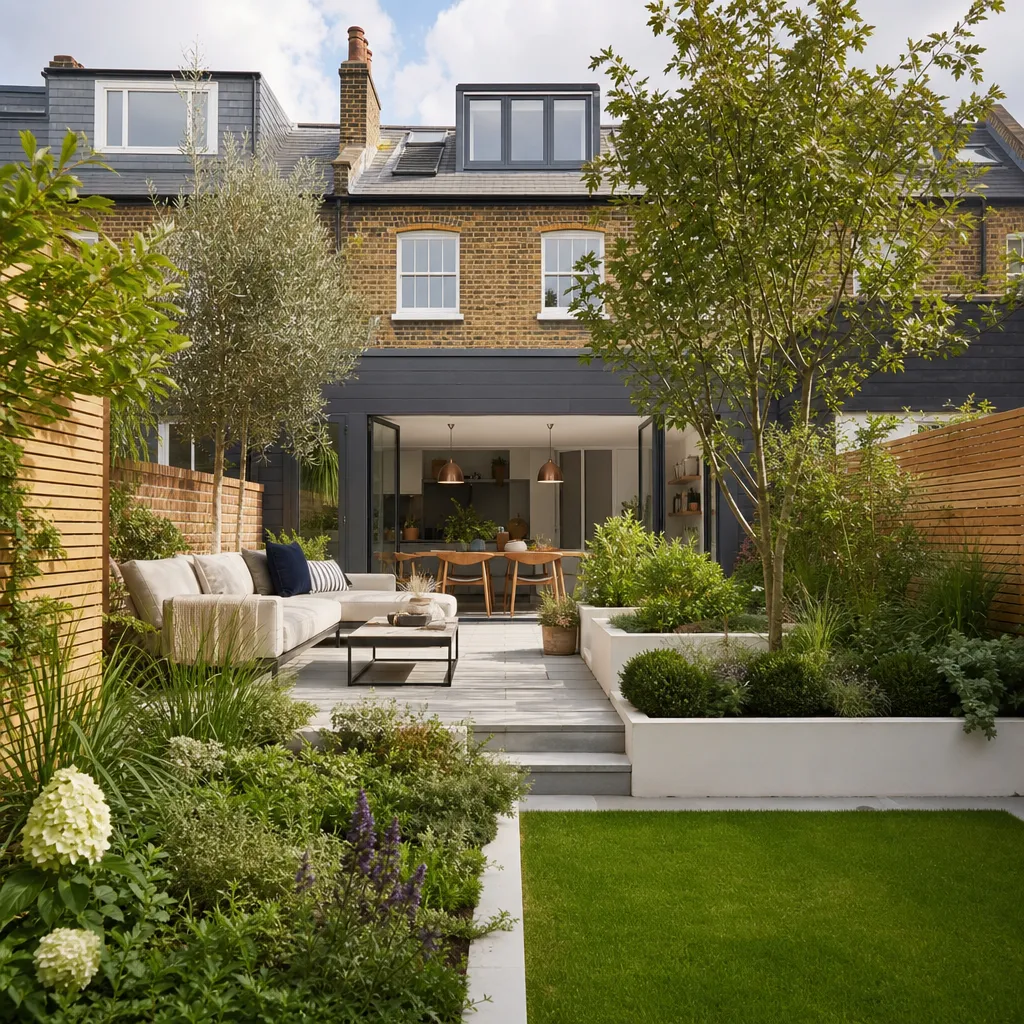
Seasonal Garden Transformations and Outdoor Design Ideas
A successful garden transformation in the UK works with the seasons rather than against them — establishing structure and hard landscaping in autumn or winter, planting in spring, and enjoying the results through summer.
 Improvement & Build
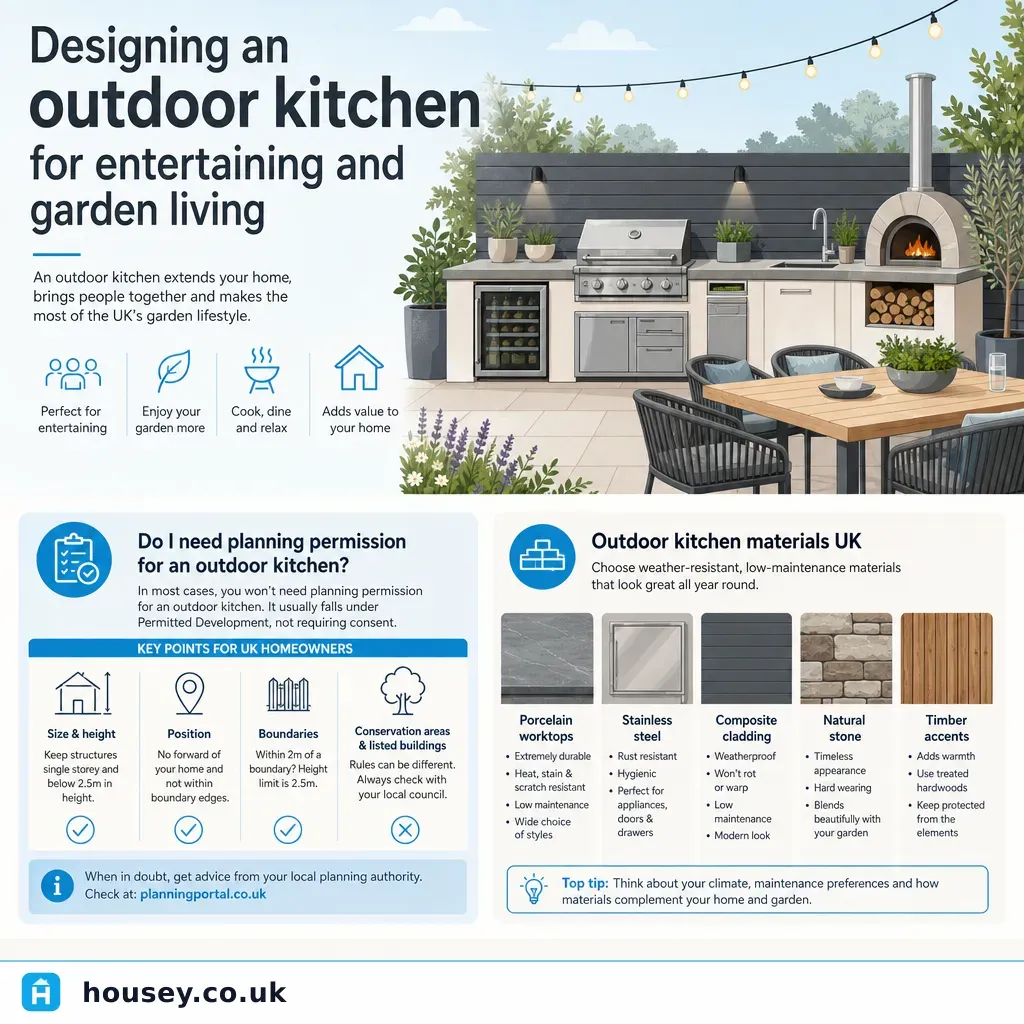
Designing an outdoor kitchen for entertaining and garden living
An outdoor kitchen in a UK garden needs a stable, level base — typically a concrete slab or quality paving — with weather-rated materials such as stainless steel grade 316 or frost-rated porcelain.
 Improvement & Build
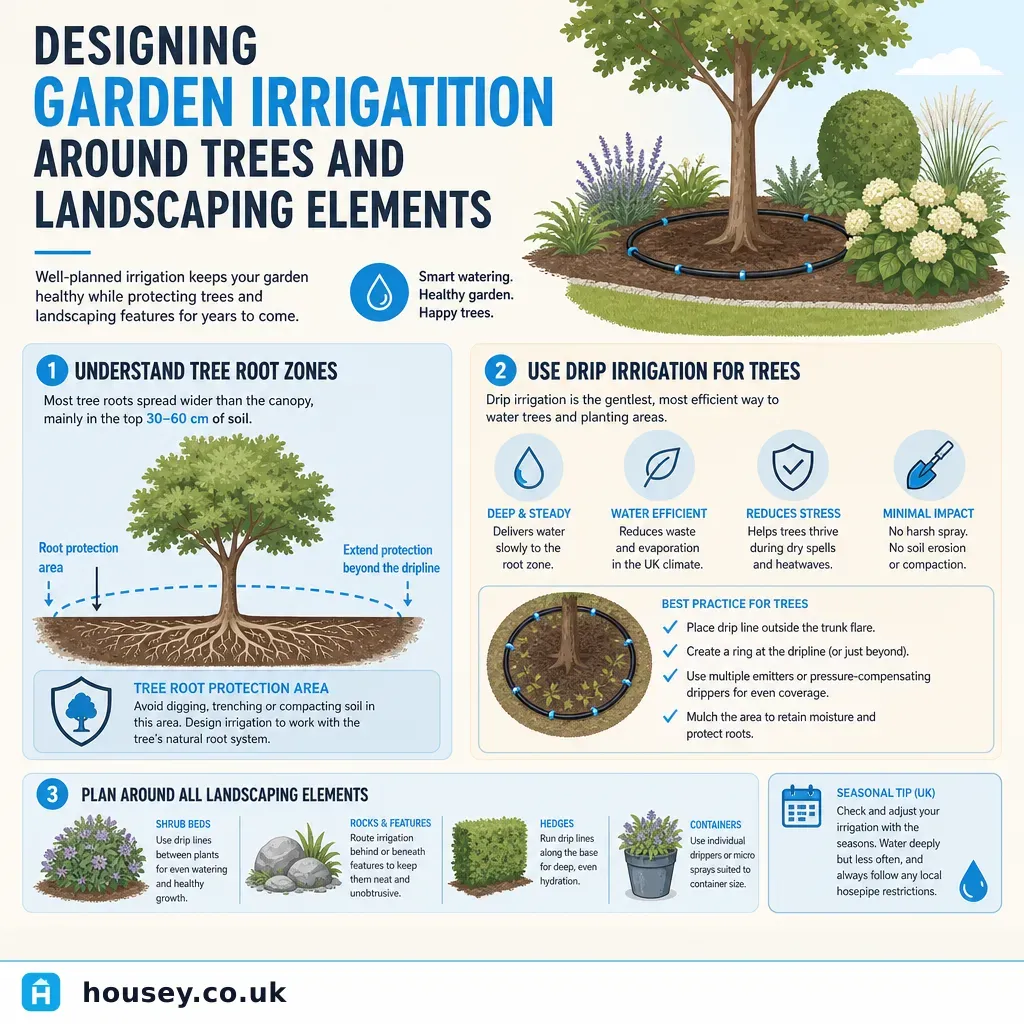
Designing Garden Irrigation Around Trees and Landscaping Elements
Design irrigation around trees by respecting the root protection area defined under BS 5837:2012, using drip or leaky pipe delivery rather than spray heads, and putting the tree zone on its own circuit.
 Improvement & Build
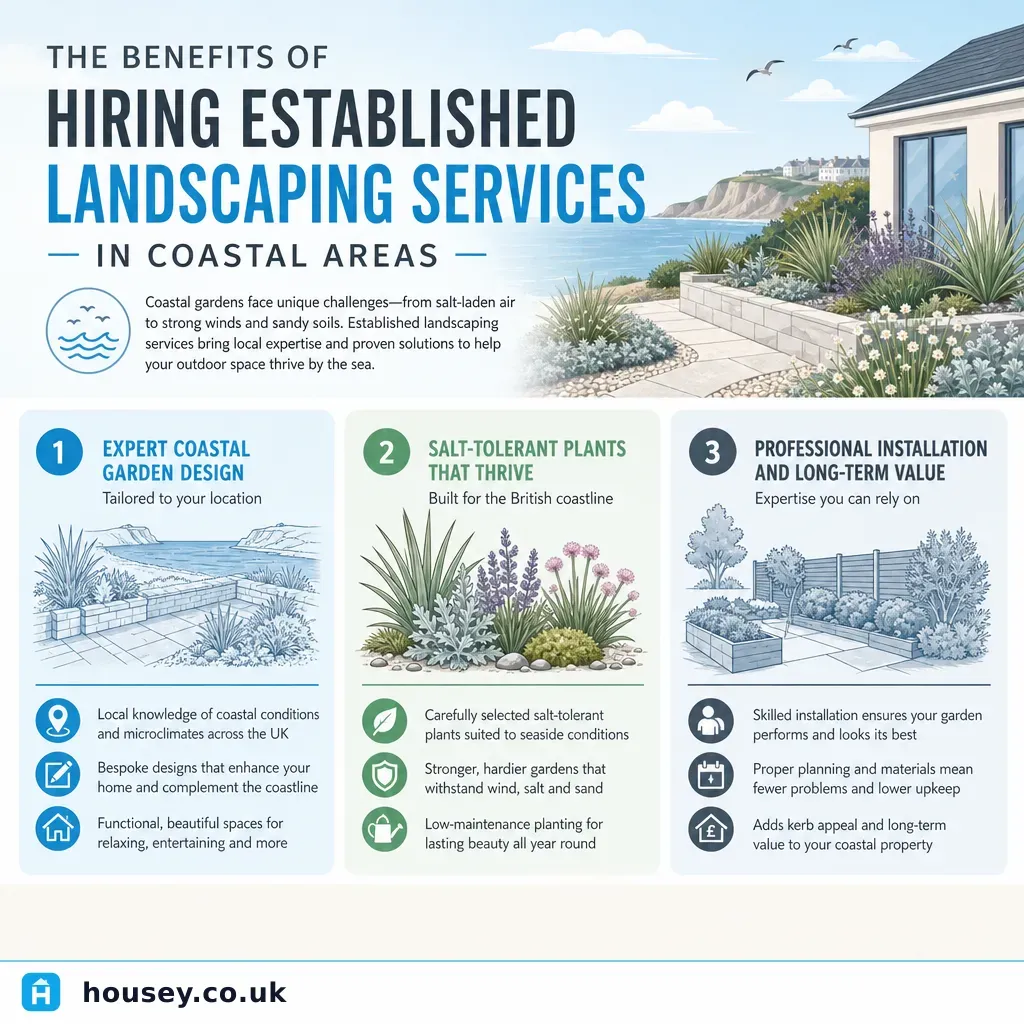
Benefits of Hiring Established Landscaping Services in Coastal Areas
Established landscaping contractors in coastal areas understand salt spray exposure, prevailing wind patterns, and local planning restrictions that inland firms often overlook.