Post-Lockdown Migration: Understanding Buyer Movement Out of Urban Areas
By Housey · Last reviewed 17th of May 2026
Post-Lockdown Migration: Understanding Buyer Movement Out of Urban Areas
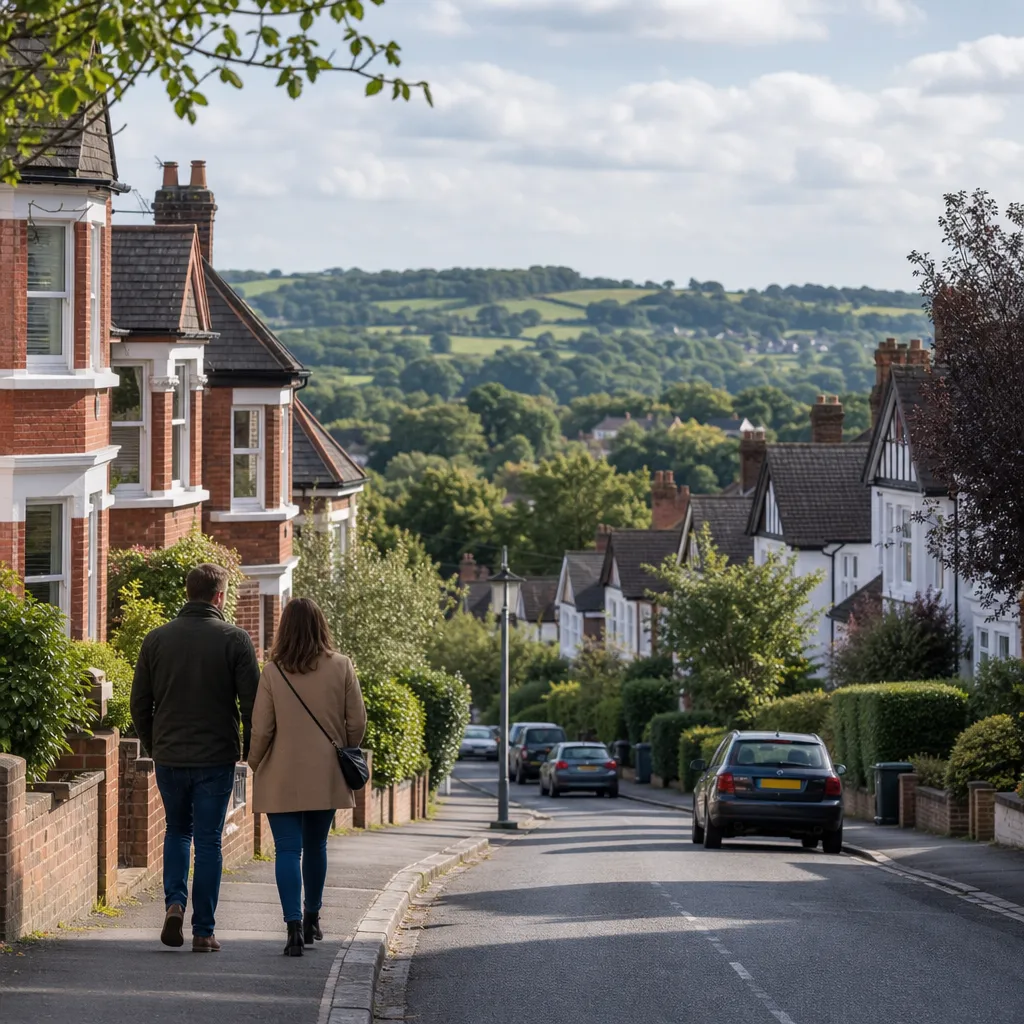
From early 2020, the COVID-19 pandemic set in motion one of the most visible shifts in UK buyer behaviour in a generation — away from city centres and towards more space, greenery, and quieter surroundings. For anyone buying, selling, or holding residential property in the mid-2020s, understanding where this migration has settled, and whether the trend has real staying power, is as important as reading local asking prices.
Key points
- ONS internal migration data from 2020–2022 recorded net population movement out of London and other major UK cities at a rate that significantly exceeded pre-pandemic trends, reversing or accelerating a gradual drift that had been building for years.
- Coastal and rural local authorities — including Dorset, North Yorkshire, Cornwall, and parts of Norfolk — recorded above-average house price growth between 2020 and 2022, according to HM Land Registry data.
- HM Land Registry records show average prices in some commuter market towns rose 20–30% between January 2020 and the 2022 peak, outpacing many metropolitan areas over the same period.
- The Stamp Duty Land Tax holiday (July 2020–September 2021 in England), which raised the nil-rate threshold to £500,000, added financial incentive for those trading city flats for larger suburban or rural properties at higher transaction values.
- ONS data from 2023–2024 shows approximately 40% of UK workers in some form of hybrid working arrangement — a structural shift that continues to support demand within 60–90 minutes' commuting distance of a major city.
What drove the urban exodus?
The pandemic created several simultaneous pressures on buyer priorities.
Mandatory remote working removed the daily commute from the equation for many white-collar workers, making proximity to an office a lower priority in property searches for the first time at scale.
Lockdown effects on urban flat living made the trade-offs of city ownership more visible. Shared outdoor space — or none at all — proximity to neighbours, and limited internal square footage all became acute pain points during extended periods at home.
The Stamp Duty Land Tax holiday provided transaction-level financial incentive. The temporary nil-rate threshold increase to £500,000 disproportionately benefitted buyers transacting at higher values — typically those moving from a smaller city property to a larger suburban or rural one.
Accumulated urban equity gave many owner-occupiers unexpected buying power. Years of house price growth in London and other cities meant city sellers arrived in less expensive markets with significant deposits relative to local asking prices, compressing competition and accelerating price rises.
Which areas saw the strongest inward migration pressure?
Region or area type | Key driver of demand | Typical buyer origin |
|---|---|---|
Commuter towns within 60–90 minutes of London | Space, good schools, retained rail access | London leavers, young families |
Cornwall and the South West coast | Lifestyle, scenery, remote-work viability | London, South East |
North Yorkshire and the Dales | Space, relative affordability, quality of life | Leeds, Manchester, London |
East Anglian coast (Norfolk, Suffolk) | Relative value, coastal access | London, East of England |
Scottish Highlands and islands | Remote lifestyle, dramatic scenery | Scottish cities, wider UK |
Areas that saw net outflow or stagnation during 2020–2022 included city-centre flat markets in London, Manchester, and Birmingham, where demand softened temporarily and investor appetite reduced. By 2023–2024, city-centre markets had partially recovered, particularly where graduate employment and build-to-rent supply was strong.
Has the trend persisted?
In moderated form, yes — but the dynamics have shifted materially since 2022.
The acute 'race for space' buying frenzy has largely unwound. Rising mortgage rates from late 2022 onwards dampened transaction volumes across all market segments, and some buyers who stretched budgets to move further from cities found that commuting costs, loss of urban amenity, and lifestyle trade-offs were larger than anticipated.
However, several structural changes appear durable:
- Hybrid working is now standard for a significant share of UK workers. ONS data suggests roughly 40% of workers have some hybrid working arrangement as of 2023–2024, continuing to support demand in locations within viable commuting range of employment centres.
- School and infrastructure preferences surfaced by the initial wave persist. Demand for market towns with strong state secondary provision has not fully reversed.
- Outdoor space and garden premiums have moderated but not disappeared — Rightmove data continues to show outdoor space as a prominent factor in buyer search behaviour.
What not to assume
Do not assume the pandemic-era price premium is permanent. Some areas that saw exceptional price growth in 2020–2022 also experienced above-average price softening in 2023–2024 as transaction volumes fell and mortgage affordability tightened. Buying in a previously overlooked rural location on the basis of pandemic-era demand is not without risk.
Do not assume your employer's hybrid working policy is fixed. Policies on in-office attendance continue to evolve across UK employers. Buyers extending their commute zone on the assumption of two days per week in the office should model what a return to four or five days would mean financially and practically.
Do not assume rural or coastal property is cheaper to maintain. Older rural homes — solid-wall cottages, farmhouses, properties on private drainage — often carry higher maintenance costs, higher fuel costs (oil or LPG heating in areas off the gas network), and significant retrofit challenges compared to urban equivalents.
Do not assume lower asking prices mean easier borrowing. Lenders sometimes apply stricter risk assessments to unusual construction types, properties with agricultural tie conditions, flood-zone positioning, or non-standard drainage. A lower asking price does not automatically translate to straightforward mortgage availability.
What this means for buyers making location decisions in 2026
Buyers considering a move from urban to rural or suburban locations are operating in a more normalised market than 2020–2022, but should account for:
- Mortgage affordability tested against your specific commute scenario and your employer's current attendance policy — not an optimistic assumption about future flexibility.
- Survey-level due diligence on rural property. Solid-wall construction, oil or LPG heating systems, septic tanks, private water supplies, and flood risk all require specific survey coverage. A RICS Level 3 Home Survey is usually appropriate for older rural properties.
- Broadband and mobile connectivity. Ofcom's Connected Nations reports and the Ofcom coverage checker provide postcode-level data on broadband speeds and mobile coverage — still patchy in some rural areas despite ongoing full-fibre rollout.
- Infrastructure access. Transport links, schools, healthcare, and retail that city buyers take for granted may require significantly more planning in rural settings.
When to get professional help
If you are making a major financial and lifestyle decision based on assumptions about commuting viability, employer flexibility, or the durability of rural property price levels, consider:
- Taking independent financial advice from a whole-of-market mortgage broker before making location decisions based on borrowing assumptions — particularly for rural properties with non-standard construction or drainage.
- Commissioning a RICS Level 3 Home Survey for any older rural property with non-standard construction, visible condition issues, or a history of flooding.
- Instructing a solicitor experienced in rural conveyancing for properties with agricultural ties, private drainage systems, shared access tracks, or unusual title conditions — these are not standard conveyancing matters and require relevant specialist experience.
How Housey can help
Housey publishes practical guides across the full UK property lifecycle to help homeowners and buyers make well-informed decisions. Whether you are researching a new area, comparing property types, or looking for qualified local professionals to support your move, the Housey marketplace connects you with surveyors, architects, and other specialists across the UK.
Frequently asked questions
Did house prices really rise faster outside cities during the pandemic?
Yes. HM Land Registry data and published analysis of the 2020–2022 period show that rural and coastal areas in England and Wales recorded above-average house price growth relative to their pre-pandemic trend. However, growth was not uniform — local factors, available housing stock, and buyer origin varied significantly between areas, and some of this growth partially reversed in 2023–2024.
Are people still leaving cities to buy property?
Net internal migration from major UK cities has moderated significantly from the 2020–2022 peak. Some movement continues, supported by hybrid working norms and lifestyle preferences, but the acute 'race for space' has normalised. City-centre markets have partially recovered, particularly in cities with strong employment markets. The picture varies considerably by city and neighbourhood.
How do I know if a rural property has good broadband?
Ofcom's Connected Nations interactive checker (checker.ofcom.org.uk) provides postcode-level data on broadband availability, technology type, and download speeds. You can check whether a specific address has access to full-fibre, superfast, or only standard broadband. Mobile coverage checks are also available via the Ofcom coverage checker and individual network coverage maps.
What surveys do I need for an older rural property?
For most older rural properties — particularly solid-wall cottages, farmhouses, or properties with non-standard construction — a RICS Level 3 Home Survey is the appropriate choice. If there is evidence of subsidence, flooding, or past structural alteration, a structural engineer's report may also be needed. Properties with private drainage or private water supplies should have these independently assessed before exchange.
Sources and further reading
- ONS internal migration statistics — Office for National Statistics
- UK House Price Index reports — HM Land Registry
- Ofcom Connected Nations report — Ofcom
- RICS UK residential market survey — RICS
- ONS homeworking in the UK — Office for National Statistics
Useful next reads
 General property advice
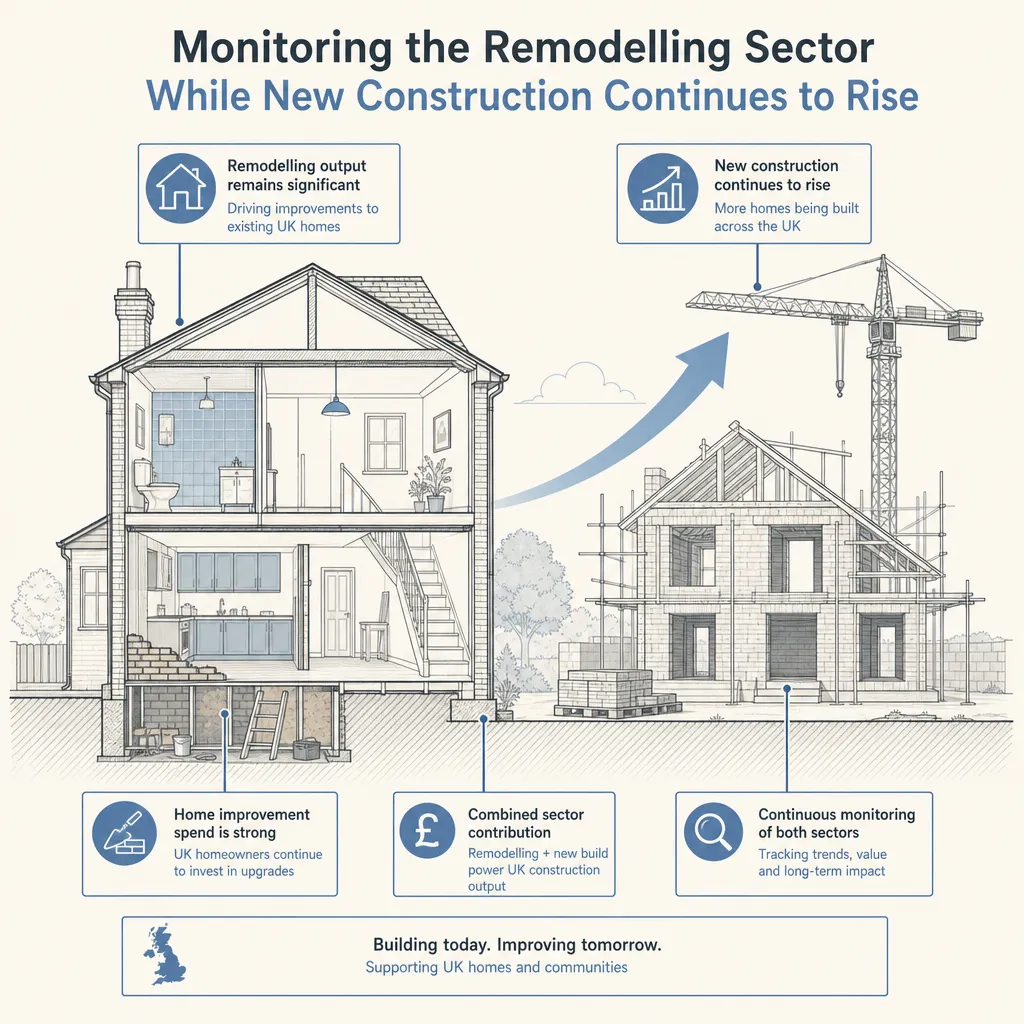
Monitoring the Remodelling Sector While New Construction Continues to Rise
The UK renovation sector runs alongside new-build activity, not in opposition to it — both draw on the same pool of skilled labour and materials.
 General property advice
Rental Market Trends: Garden Space Demand Among Tenants
Demand for rental properties with garden access has grown markedly since 2020, with families, remote workers, and pet owners rating outdoor space among their top priorities.
 General property advice
Garden Space Demand: What Modern Homebuyers Are Looking For
Gardens and private outdoor space rank among the most sought-after features for UK homebuyers, particularly since 2020.
 General property advice
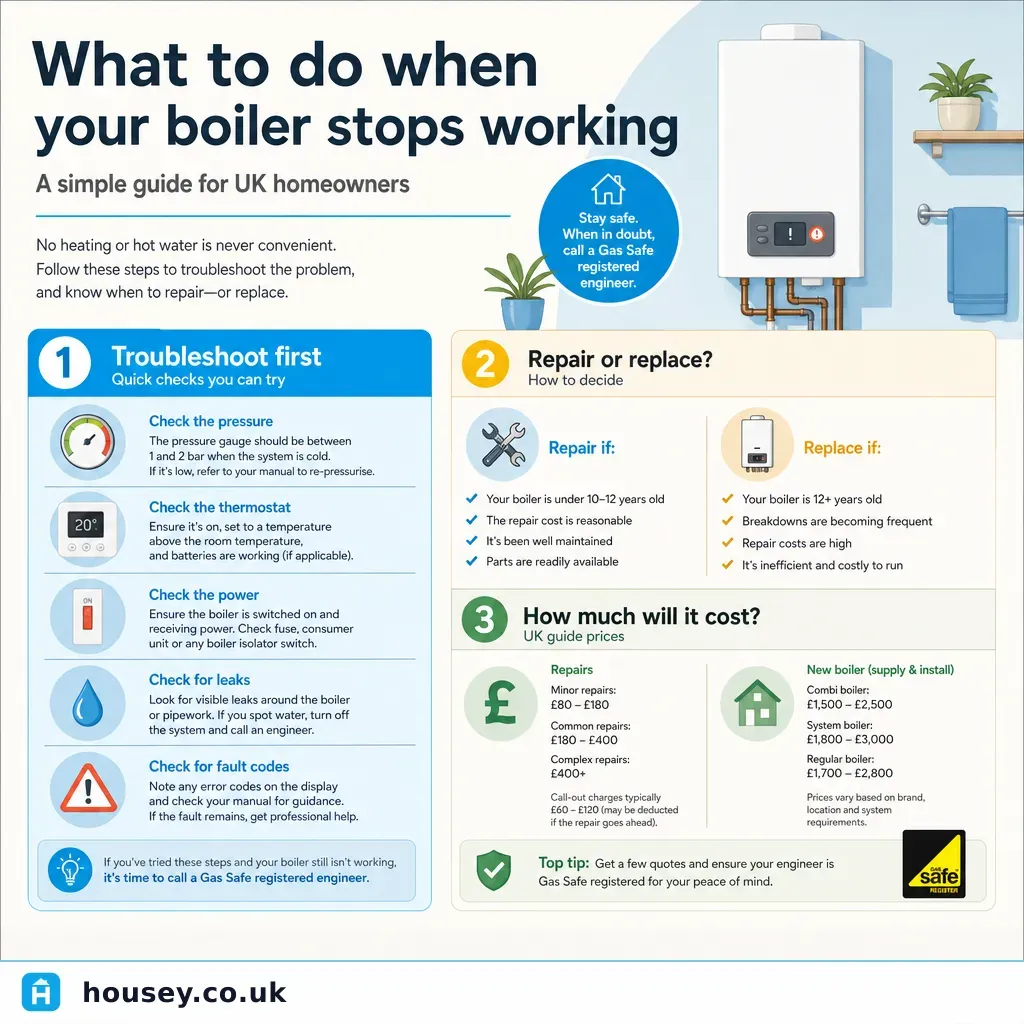
What to do when your boiler stops working
When your boiler stops working, check the pressure gauge (should read 1–1.
 General property advice
Property Market Trends: Activity Growth and Price Movements
UK property market activity is measured through completed sale registrations (HM Land Registry), lender mortgage data, and transaction volumes from HMRC.