Preserving Period Features: When to Repair vs Replace Historic Windows
By Housey · Last reviewed 19th of May 2026
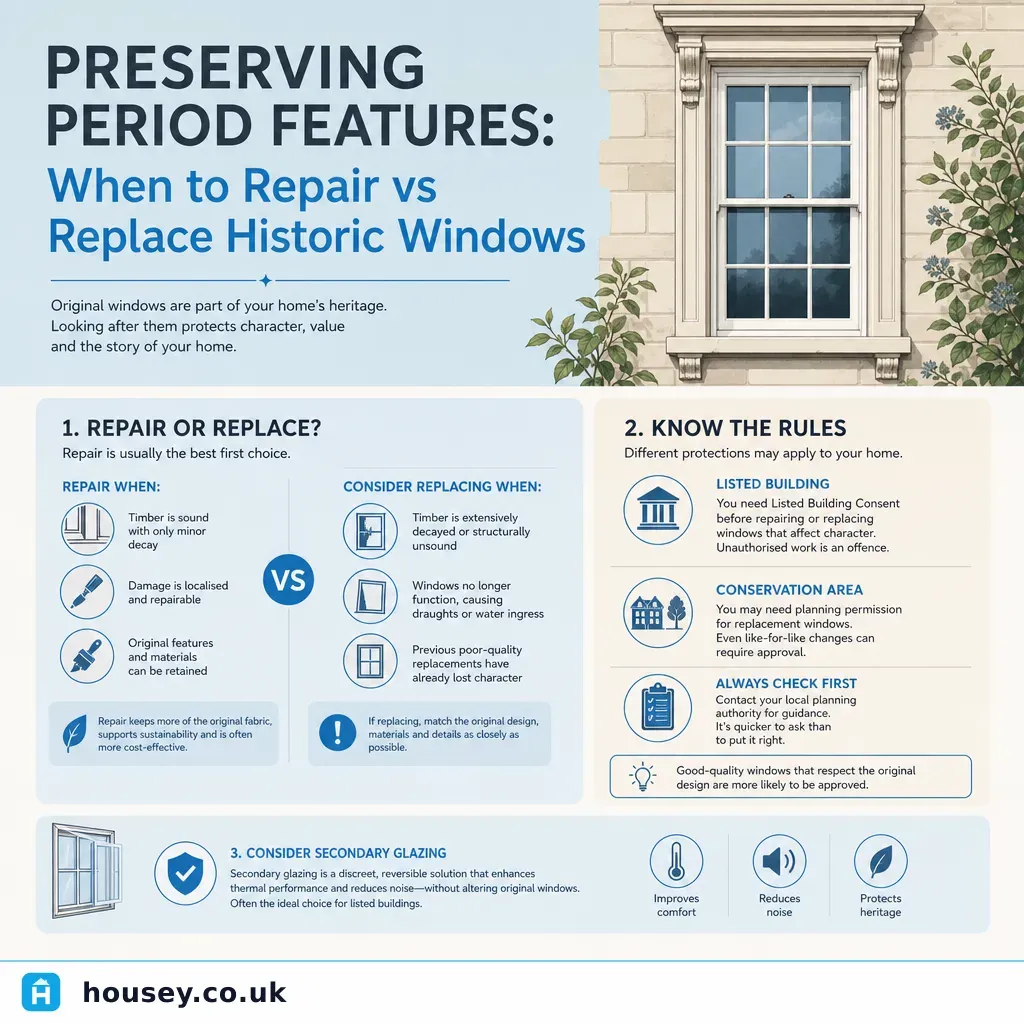
Preserving Period Features: When to Repair vs Replace Historic Windows
For owners of pre-1919 homes — Victorian terraces, Edwardian semis, Georgian town houses, or rural cottages — the decision about what to do with ageing original windows is one of the most consequential choices in a renovation. It affects planning compliance, energy performance, long-term maintenance cost, and the character of the building itself. The stakes are particularly high for listed properties or homes in conservation areas, where the wrong decision can carry serious legal consequences.
Key points
- Replacing windows in a listed building without Listed Building Consent (LBC) is a criminal offence under the Planning (Listed Buildings and Conservation Areas) Act 1990, regardless of material or how closely the replacement matches the original.
- In many conservation areas, permitted development rights for window replacement are removed by an Article 4 Direction — planning permission is then required for any replacement, even like-for-like.
- Building Regulations Part L (Conservation of Fuel and Power) in England requires replacement windows to achieve a centre-pane U-value of 1.4 W/m²K or better, but listed buildings and certain conservation area properties may be exempt from this specific requirement.
- Historic England advises that repair is generally preferable to replacement for windows in historic buildings, citing the irreversibility of removing original fabric and the embodied energy in existing materials.
- Secondary glazing — a discreet inner frame fitted to the existing reveal — typically requires no consent in listed buildings or conservation areas, and can reduce heat loss by up to 60% when correctly specified, according to the Energy Saving Trust.
The case for repair: what the evidence shows
The instinct to replace old single-pane timber windows with modern double glazing is understandable. But for pre-1919 properties, repair is often more practical, more durable, and more appropriate than it first appears.
Original timber windows from the Victorian and Edwardian eras were typically made from slow-growth heartwood timber — often Baltic pine, pitch pine, or English oak — that is denser, more resin-rich, and more dimensionally stable than modern plantation softwood. When properly maintained, these frames can last for many further decades. The Society for the Protection of Ancient Buildings (SPAB) notes that the principal cause of deterioration in historic timber windows is not age but lack of maintenance: peeling paint, failed putty, and blocked drainage channels allow moisture to penetrate and cause localised rot.
What specialist repair can achieve:
- Cutting out and splicing new timber into rotten sections using traditional splice joints — indistinguishable from the original when painted.
- Replacing worn sash cords, pulleys, and weights to restore smooth, draught-free operation.
- Fitting modern draught-proofing strips to the meeting rail, parting bead, and staff bead — reducing air infiltration by up to 86%, according to research published by Historic England.
- Replacing cracked or broken glazing with period-appropriate glass, including restoration float or cylinder glass where specified.
- Applying flexible linseed oil paint or traditional linseed putty for a durable, moisture-tolerant finish.
A fully repaired and draught-proofed sash window can achieve a significant improvement in thermal comfort without altering the building's character or triggering planning obligations.
Repair, secondary glazing, or replacement: a comparison
Option | Best for | Planning implications | Thermal improvement | Indicative cost range |
|---|---|---|---|---|
Repair + draught-proofing | Listed buildings; conservation areas; frames with sound structure | Usually no consent required | Moderate — air infiltration reduced by up to 86% | £200–£800 per window |
Secondary glazing | Listed buildings; conservation areas; where external appearance must be preserved | Usually no consent required | Good — up to 60% heat loss reduction | £300–£900 per window |
Heritage slim-profile double glazing | Conservation areas (non-listed); where LPA has indicated prior approval is possible | May require planning permission — check with LPA first | Very good | £600–£1,400 per window |
Standard double glazing replacement | Non-listed, non-conservation area properties only | FENSA or building control required; Part L U-value applies | Excellent | £400–£1,200 per window |
Indicative UK costs, last reviewed 2026-05-19. Costs vary by window size, region, and contractor.
Which route should you take? A decision guide
- Your property is listed → Full replacement almost certainly requires Listed Building Consent, which is rarely granted; instruct a heritage consultant and strongly consider repair plus secondary glazing as the primary approach.
- Your property is in a conservation area → Check whether an Article 4 Direction applies to your street or area; if so, replacement will need a householder planning application. Contact your local planning authority before ordering any units.
- The property is neither listed nor in a conservation area → Replacement is usually straightforward under permitted development for like-for-like substitution; ensure your installer is FENSA or CERTASS registered, or notify building control.
- The frames are rotting but structurally present → Timber splice and repair techniques can often salvage windows that appear beyond saving; obtain a specialist assessment before condemning them.
- The primary concern is energy efficiency → Draught-proofing combined with secondary glazing offers meaningful thermal improvement without planning risk; heritage slim-profile double glazing may be an option in conservation areas with prior LPA agreement.
- The windows contain original crown or cylinder glass, or leaded lights → These elements have independent heritage value; their removal may not be acceptable even where replacement is otherwise consented.
Planning and consent: what you need to know
Three separate regulatory regimes may apply to window works on a period property.
Listed Building Consent: Required for any works that affect the character of a listed building, including all window replacement. There is no de minimis threshold — even replacing a pane with a non-period glass type can require consent. LBC applications are made to the local planning authority free of charge. Carrying out works without consent is a criminal offence with potentially unlimited fines and a possible custodial sentence.
Conservation area planning permission: Many conservation areas are subject to Article 4 Directions that remove permitted development rights. Where such a direction is in place, replacing windows requires a householder planning application. Check the local planning authority's online mapping tool or call the duty planning officer to confirm whether your address is affected before proceeding.
Building Regulations Part L: Replacement windows in non-exempt properties in England must achieve a centre-pane U-value of 1.4 W/m²K or better. Installation by a FENSA or CERTASS member is the simplest compliance route; alternatively, notify your local building control before works begin and obtain a completion certificate. Listed buildings and certain conservation area properties may be exempt from this thermal requirement — confirm with your installer and building control.
Red flags: when to stop and take professional advice
- You have received a planning enforcement notice or pre-enforcement letter from the local planning authority concerning window works already carried out.
- A buyer's solicitor or surveyor has flagged unpermitted window replacement as a conveyancing issue in the property's history.
- The existing frames contain original crown glass, cylinder glass, or leaded lights — these have heritage value in their own right and a conservation officer should assess them before any decision is made.
- A contractor has told you that like-for-like replacement in a listed building 'doesn't need consent' — this is incorrect, and legal responsibility rests with the homeowner, not the contractor.
- Visible lead paint is present on existing window frames — specialist handling is required under the Control of Lead at Work Regulations 2002 before any stripping or disturbance.
Important limitations
This article provides general information about considerations involved in repairing or replacing historic windows in the UK. Planning obligations — including listed building and conservation area requirements — vary by property type, local authority policy, and the specific history of works. Building Regulations exemptions for listed buildings and conservation areas are subject to policy change. Always instruct a qualified heritage consultant or conservation architect, and confirm your planning position with the local planning authority, before committing to any window scheme.
What to ask a qualified professional
Before instructing a contractor or making a planning application, ask a heritage consultant, conservation architect, or specialist window contractor:
- Is my property listed (and at what grade), and is it in a conservation area subject to an Article 4 Direction?
- Does the proposed work require Listed Building Consent, a householder planning application, or Building Regulations notification?
- Are the existing frames genuinely beyond economic repair, or can splice and patch techniques extend their life significantly?
- Can slim-profile heritage double-glazed units be specified, and is there documented precedent for their approval by this local planning authority?
- What draught-proofing specification is most appropriate for my window type — sliding sash, casement, or Yorkshire light?
- Will the works affect the property's EPC rating, and does that matter for rental compliance, a mortgage, or a planned sale?
When to get professional help
Always instruct a heritage consultant or conservation specialist before:
- Applying for Listed Building Consent or submitting a conservation area planning application.
- Undertaking any works — including repair — to windows in a Grade I or Grade II* listed building.
- Purchasing heritage-compatible double-glazed units for a conservation area property without prior LPA confirmation that they will be acceptable.
For repair viability, instruct a specialist timber window company — rather than a general replacement contractor — for an honest assessment. SPAB maintains guidance and a network of conservation-minded practitioners.
How Housey can help
Housey connects homeowners with experienced specialist window and door installers who work with period properties, and with heritage and conservation consultants who can guide you through planning obligations, consent applications, and specification decisions. Compare quotes from vetted local professionals.
Frequently asked questions
Do I need permission to replace windows in a listed building?
Yes. Replacing windows in a listed building requires Listed Building Consent in England, Wales, and Scotland, regardless of the replacement material or how closely the new windows match the originals. This applies to all grades of listing. Carrying out works without consent is a criminal offence under the Planning (Listed Buildings and Conservation Areas) Act 1990, with no upper limit on fines.
Can I put double glazing in a period home?
In non-listed, non-conservation area properties, standard double glazing can usually be installed under permitted development provided it meets Building Regulations Part L standards and is installed by a FENSA or CERTASS registered contractor. In conservation areas and listed buildings, slim-profile heritage units may occasionally be acceptable but usually require prior consent; secondary glazing is often the preferred approved alternative.
How much does sash window restoration cost in the UK?
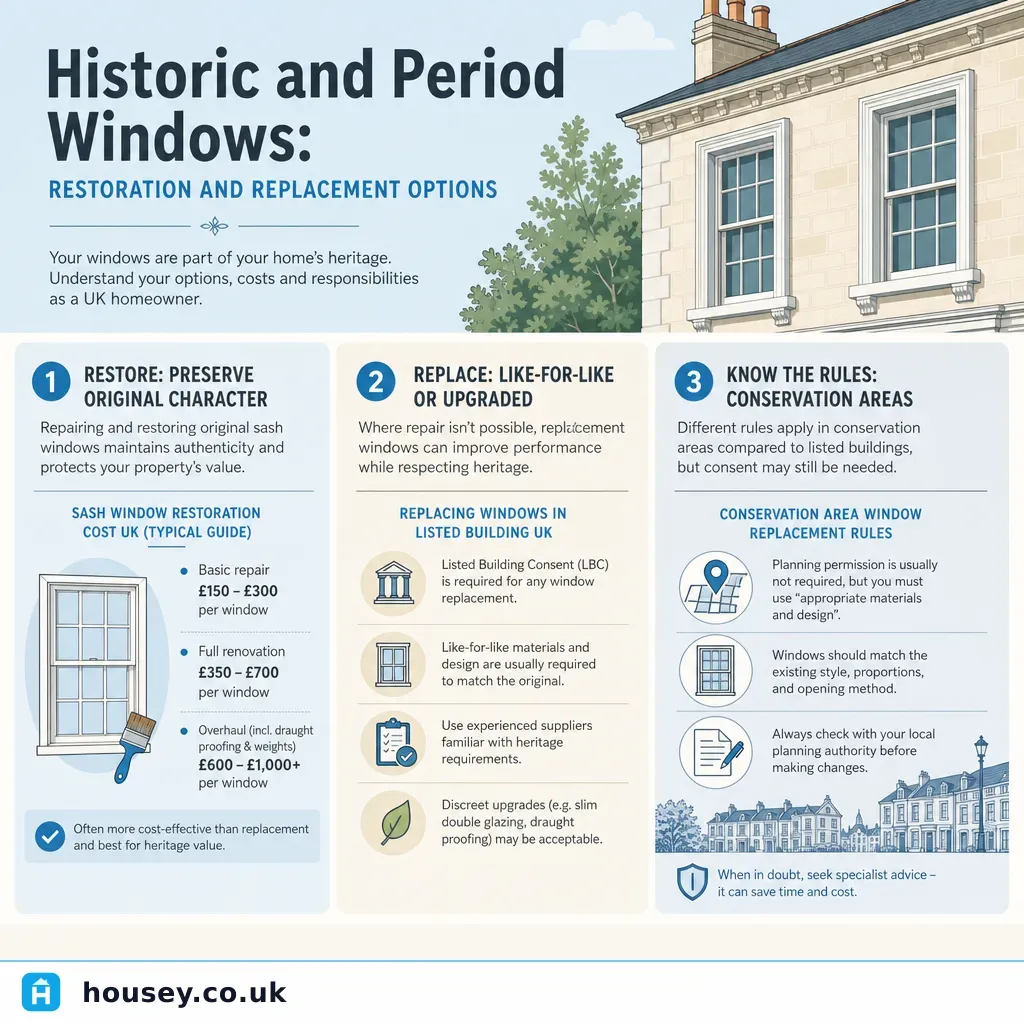
Indicative UK costs, last reviewed 2026-05-19: specialist sash window repair and draught-proofing typically costs £200–£800 per window depending on the extent of rot, the draught-proofing specification, and regional labour rates. Secondary glazing installation typically costs £300–£900 per window. Obtain at least three quotes from companies with demonstrated experience in historic window work, not general replacement contractors.
What is secondary glazing and does it need planning permission?
Secondary glazing is a discreet internal frame — typically slim aluminium or timber — fitted within the existing window reveal to create an insulating air gap without altering the external appearance. It usually does not require Listed Building Consent or planning permission, but confirm this with your local planning authority for your specific property. It is widely accepted as the most appropriate energy-efficiency measure for listed buildings.
Sources and further reading
- Windows in Historic Buildings: Guidance for Owners — Historic England
- Draught-Proofing of Timber Sash and Casement Windows (Research Report) — Historic England
- SPAB Windows Advice Note — Society for the Protection of Ancient Buildings
- Building Regulations Approved Document L1B: Conservation of Fuel and Power in Existing Dwellings — GOV.UK
- Planning (Listed Buildings and Conservation Areas) Act 1990 — legislation.gov.uk
Useful next reads
 Improvement & Build
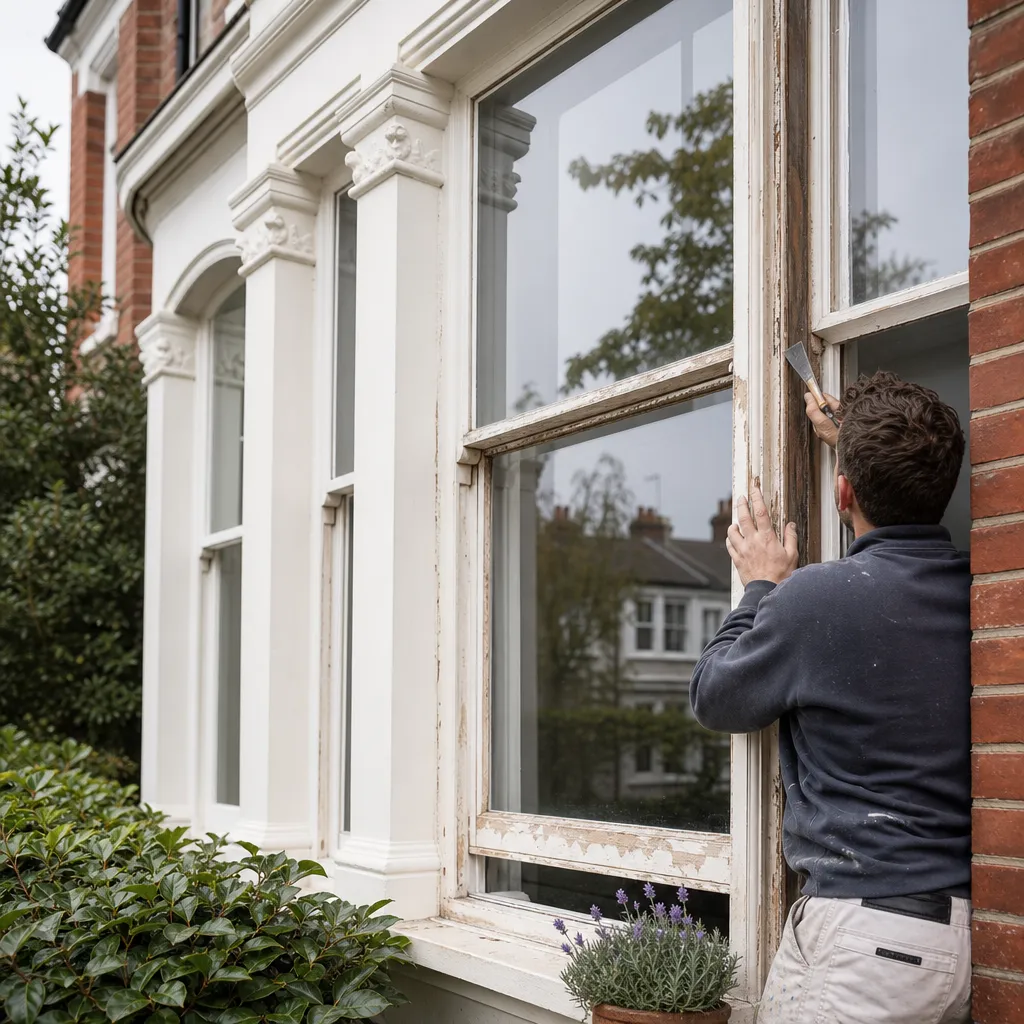
Restoring Historic Windows: Conservation Techniques and Materials
Historic window restoration involves repairing original timber or metal frames using like-for-like materials — often hardwood splices or epoxy consolidant — rather than replacing them outright.
 Improvement & Build
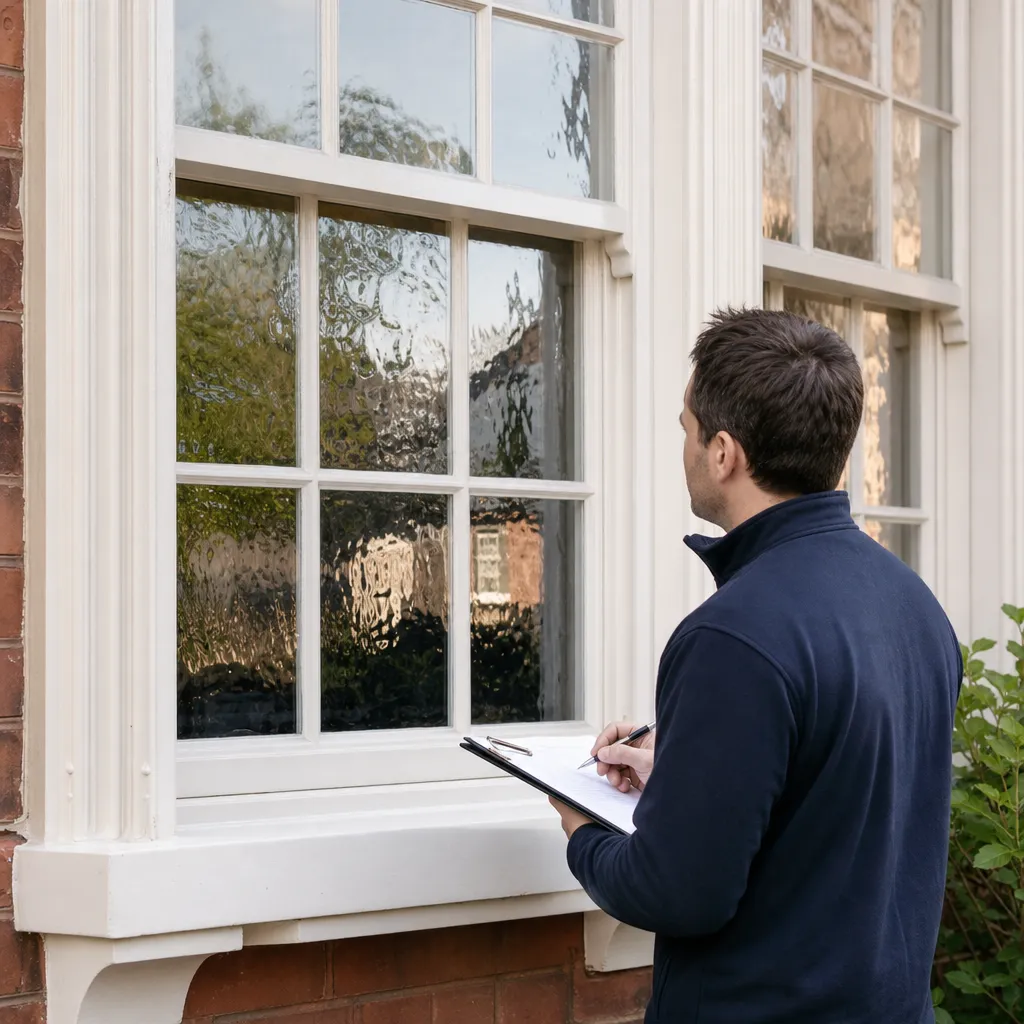
Understanding Wavy Glass in Historic Windows and Modern Replacements
The wavy distortion in old window glass results from the hand-blown manufacturing process — crown or cylinder glass — which produced panes of varying thickness that refract light unevenly.
 Improvement & Build
Historic and Period Windows: Restoration and Replacement Options
For period and historic windows, restoration is usually preferable — especially in listed buildings or conservation areas where replacement requires consent.
 Improvement & Build
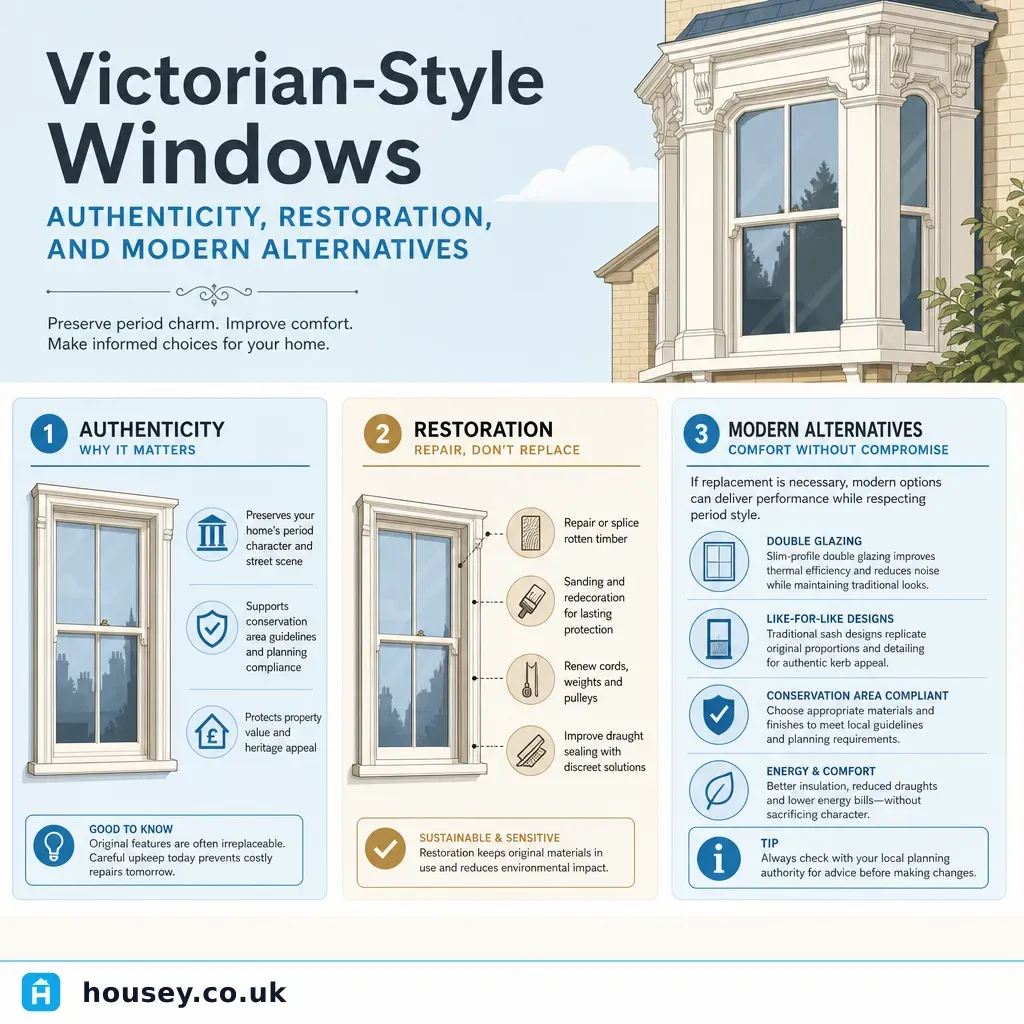
Victorian-Style Windows: Authenticity, Restoration, and Modern Alternatives
Victorian windows are typically double-hung timber sashes, often with thin glazing bars.
 Improvement & Build
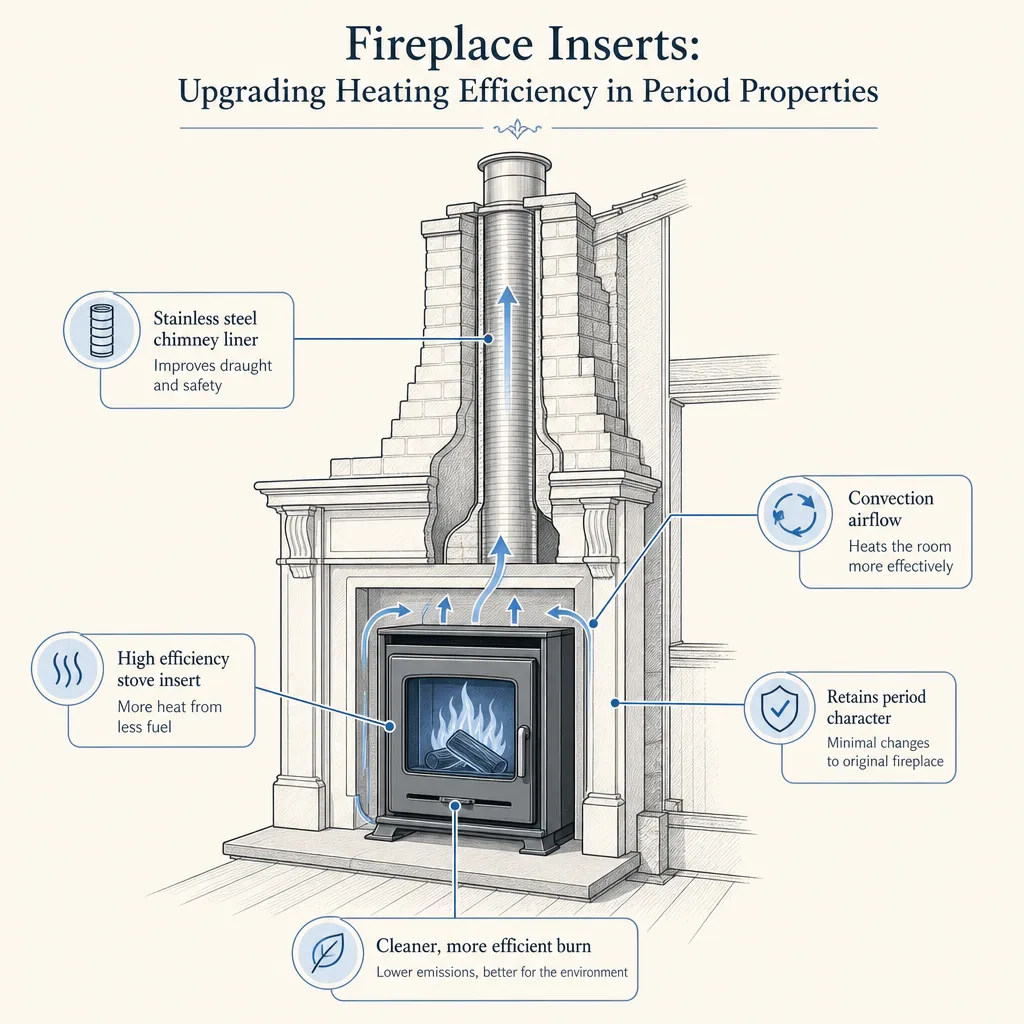
Fireplace Inserts: Upgrading Heating Efficiency in Period Properties
Fireplace inserts in period properties must comply with Building Regulations Approved Document J and, in smoke control areas, use only Defra-exempt appliances.