Preventing Wildlife Infestation in Your Roof and Loft Spaces
By Housey · Last reviewed 1st of June 2026
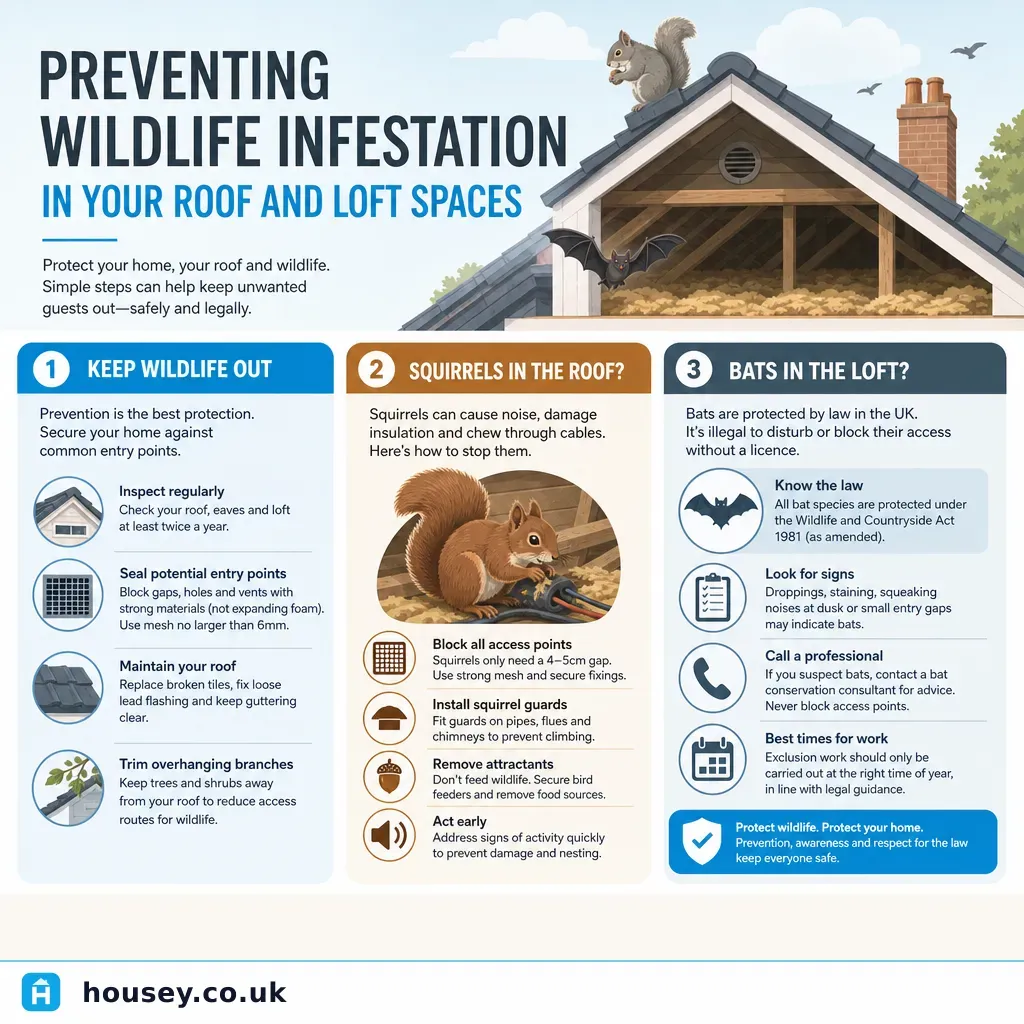
Preventing Wildlife Infestation in Your Roof and Loft Spaces
The loft space and roof structure of a UK home offer warm, sheltered conditions that many species are actively drawn to — particularly from late summer as temperatures begin to fall. Homeowners often discover an infestation only after audible scratching, visible droppings, or noticeable structural damage has already occurred. Understanding what gains access, how entry points form, and when professional intervention is legally required can prevent significant remediation costs and keep you on the right side of UK wildlife law.
Key points
- Grey squirrels (Sciurus carolinensis) are an invasive species that can legally be controlled, but all 18 UK bat species are fully protected under the Wildlife and Countryside Act 1981 and the Conservation of Habitats and Species Regulations 2017 — disturbing them or blocking their roost without a licence from Natural England, NatureScot, or Natural Resources Wales is a criminal offence.
- Common entry routes include slipped or broken roof tiles, open eaves, gaps around fascia and soffit boards, and uncapped or poorly pointed ridge tiles — all identifiable during a close-up roof inspection.
- Rats (Rattus norvegicus) can squeeze through a gap of approximately 12 mm; mice through approximately 6 mm — gaps that are often invisible from ground level.
- Birds nesting in roof voids may carry Salmonella, Campylobacter, and Ornithosis; established nests also attract secondary infestations of mites and carpet beetles.
- Some local councils offer free or subsidised pest-control services for certain rodent infestations under the Environmental Protection Act 1990 — check with your local authority before engaging a private contractor.
Which animals commonly enter UK roofs and lofts
Grey squirrels are the most frequently reported vertebrate pest in UK roof spaces, particularly in suburban and semi-rural settings. They gnaw through timber joists and electrical cabling, creating both structural weakness and fire risk. Rats and mice enter through gaps at eaves level, around soil pipes, or through deteriorated pointing and mortar joints. Feral pigeons and starlings nest in open eaves and beneath loose ridge tiles, leaving corrosive guano that accelerates tile and timber decay.
Bats represent a separate legal category entirely. All UK bat species and their roosts are protected by law whether or not bats are currently present at the property. Any roofing, re-roofing, or loft conversion work that may affect a bat roost requires a survey by a licensed bat worker, and in many cases a European Protected Species (EPS) mitigation licence issued by the relevant statutory nature conservation body — Natural England in England, NatureScot in Scotland, Natural Resources Wales in Wales, or the NIEA in Northern Ireland.
Why roof condition determines infestation risk
Most wildlife entry points result from gradual deterioration rather than sudden damage. The following structural vulnerabilities are the most common precursors:
- Slipped, broken, or missing tiles — create gaps large enough for squirrels and birds.
- Deteriorated lead flashings — open joints around chimneys and dormers that rodents readily exploit.
- Rotted or poorly fitted fascia and soffit boards — particularly on 1950s–1980s housing with original timber soffits.
- Open or unprotected eaves vents — common on pre-1990 properties not retrofitted with pest-proof mesh inserts.
- Unsecured gaps around soil pipes and utility conduits — where roof penetrations have not been re-sealed after plumbing or aerial works.
A routine inspection by a qualified roofer should cover all these points. RICS Level 2 and Level 3 Home Surveys may note visible access risks from ground level, but a dedicated roof survey provides close-up inspection and is more likely to identify fine gaps or deteriorating sealant that a general survey would miss.
Red flags: signs you may have an active infestation
- Audible scratching, scurrying, or chittering from the loft or roof space — particularly at night (rodents) or at dawn and dusk (bats).
- Droppings in the loft or on insulation — rodent droppings are dark brown pellets 10–20 mm long; bat droppings are similar in size but crumble to fine powder when dry.
- Gnawed timbers, cables, or pipe lagging in the roof void.
- Damp patches or ceiling staining directly below nesting areas — urine and decomposing nest material accelerate timber decay.
- Strong ammonia odour in the loft space.
- Visible entry holes or dark grease rub marks around the roofline, particularly at eave and ridge level.
- Dead animals found in the loft — often a sign of an active nest elsewhere in the roof structure.
If you identify or suspect bat activity, stop any planned works immediately and contact the Bat Conservation Trust Helpline (0345 1300 228) before proceeding.
Which professional do you need?
Different wildlife issues require different specialists. Using the wrong contractor can delay resolution, result in ineffective treatment, or — in the case of bats — expose you to prosecution.
Situation | Professional to engage | Key regulation |
|---|---|---|
Rats or mice in loft | BPCA or RSPH-accredited pest controller | Environmental Protection Act 1990 |
Grey squirrels in roof space | BPCA-accredited pest controller (humane trapping or legal dispatch) | Invasive Alien Species (Enforcement & Permitting) Order 2019 |
Birds nesting in roof voids | BPCA pest controller after nesting season ends; roofer to seal re-entry | Wildlife and Countryside Act 1981 — active nests must not be disturbed |
Bat roost confirmed or suspected | Licensed bat surveyor (Natural England/NatureScot licence required) | Wildlife and Countryside Act 1981; Habitats Regulations 2017 |
Structural damage after infestation | Qualified roofer or structural engineer | Building Regulations Part A |
Roof entry points to seal | Qualified roofer — obtain bat survey clearance first on pre-2000 properties | N/A |
Prevention: a homeowner checklist
Proactive maintenance is the most cost-effective approach. Work through these checks each autumn, before temperatures drop and animals begin seeking shelter:
Decision tree: what action should you take?
- Heard scratching last night and found droppings in the loft? Contact a BPCA-accredited pest controller for species identification and treatment; do not block entry points until the species is confirmed.
- Planning a loft conversion or re-roofing on a pre-2000 property? Commission a bat survey by a licensed bat worker first, regardless of whether you have previously seen bats.
- Noticed slipped tiles or gaps around soffits but no current wildlife activity? Book a roof inspection and seal entry points proactively — this is the most cost-effective intervention.
- Found a large rodent infestation or dead animals in the loft? Contact your local council's environmental health team; subsidised rodent control services may be available.
- Unsure what species is present? Do not disturb. Contact a pest controller or, if bat activity is possible, the Bat Conservation Trust before any works begin.
When to get professional help
Attempting to seal entry points without professional species identification risks trapping animals inside the roof void, causing further damage and secondary odour and pest problems. In the case of bats, blocking a roost is a criminal offence under the Wildlife and Countryside Act 1981 and the Habitats Regulations 2017.
Seek professional help immediately if:
- Continuous scratching or movement is audible in the roof — wildlife may be actively present and causing ongoing damage.
- You have found electrical cables with bite damage — gnawed cabling is a significant fire risk requiring prompt electrician assessment.
- You are planning any works to the roof, loft, or external walls of a property built before 2000 — a bat survey clearance is advisable first.
- Loft insulation shows widespread contamination or structural timber has been visibly gnawed — professional clearance and reinstatement will be needed before the space is resealed.
How Housey can help
A professional roof survey is the most reliable way to identify the structural vulnerabilities — slipped tiles, failed flashings, open soffits — that give wildlife access to your home. Housey connects you with qualified local roof surveyors who can inspect at close quarters, produce a written condition report, and advise on priority repairs before an infestation takes hold.
Frequently asked questions
Are all bats in UK roof spaces legally protected?
Yes. All 18 UK bat species are protected under the Wildlife and Countryside Act 1981 and the Conservation of Habitats and Species Regulations 2017. It is an offence to intentionally disturb bats, damage or destroy a roost, or block access to one — whether or not bats are currently present. Always contact a licensed bat surveyor or the Bat Conservation Trust before carrying out any roofing work on older properties.
How much does squirrel-proofing a roof cost?
Indicative UK costs, last reviewed 2026-06-01. Pest control for a typical roof squirrel infestation ranges from approximately £150–£400 depending on severity and the number of visits required. Physical repairs — re-pointing ridges, replacing soffit boards, fitting eaves mesh — vary considerably by the scope of work needed. Always obtain at least two itemised quotes from a BPCA-accredited pest controller and a qualified roofer, and confirm what follow-up visits are included in the price.
Can squirrels cause structural damage to a loft?
Yes. Grey squirrels gnaw continuously to manage incisor growth. In a loft space they frequently damage roof timbers, rafter feet, and ridge boards, and they commonly chew electrical cables, creating a fire risk. Once a squirrel infestation has been cleared by a pest controller, a qualified electrician should inspect any exposed wiring before the area is resealed.
Can I block a bird nest in my eaves?
Not during the active nesting season. Active bird nests are protected under the Wildlife and Countryside Act 1981 — damaging or destroying a nest containing eggs or young is a criminal offence. Wait until nesting has ended (typically September to January for most UK species) before sealing entry points. House sparrows are a protected species year-round, so confirm the species before undertaking any works.
Sources and further reading
- Wildlife and Countryside Act 1981 — legislation.gov.uk
- Conservation of Habitats and Species Regulations 2017 — legislation.gov.uk
- Bats and the Law — Bat Conservation Trust
- Pest Identification and Control — British Pest Control Association
Useful next reads
 Surveys & Inspections
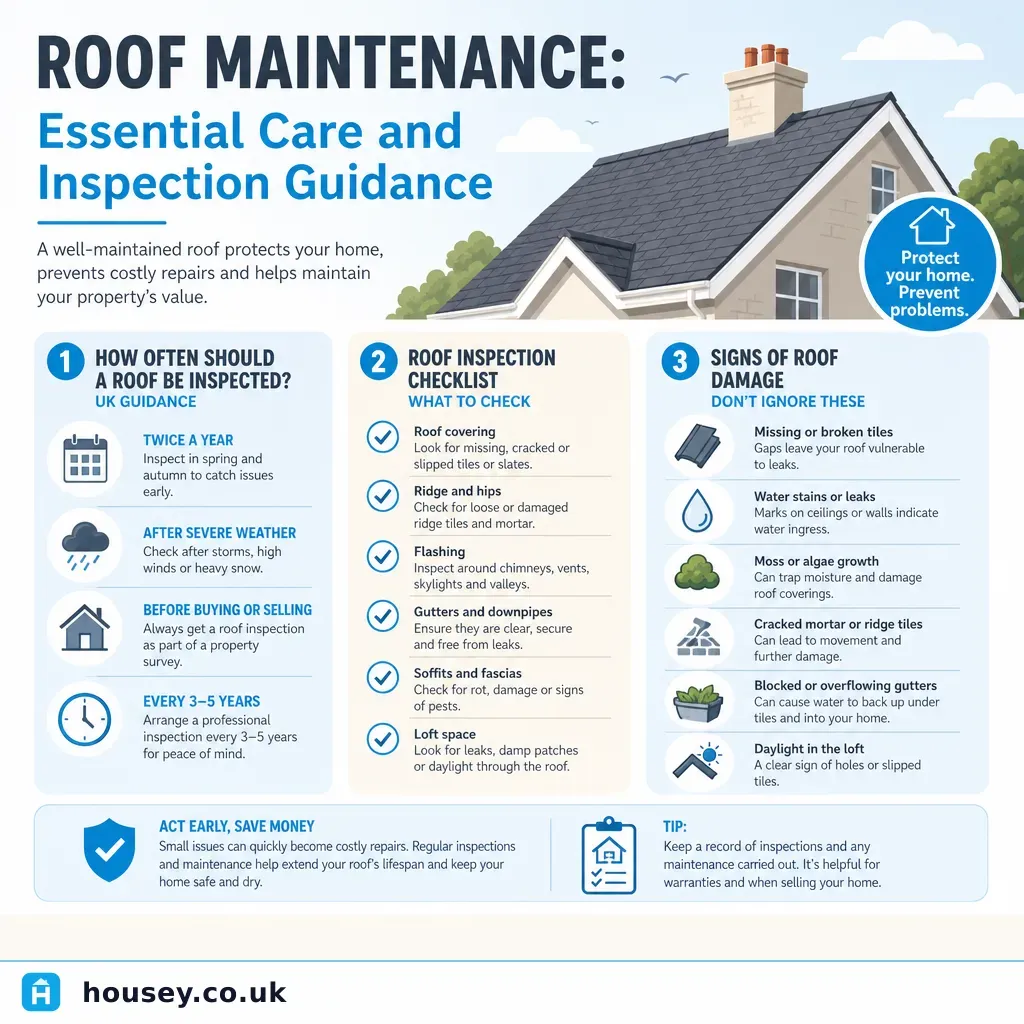
Roof Maintenance: Essential Care and Inspection Guidance
UK roofs should be visually inspected at least once a year — ideally in autumn before winter — and after any significant storm.
 Surveys & Inspections
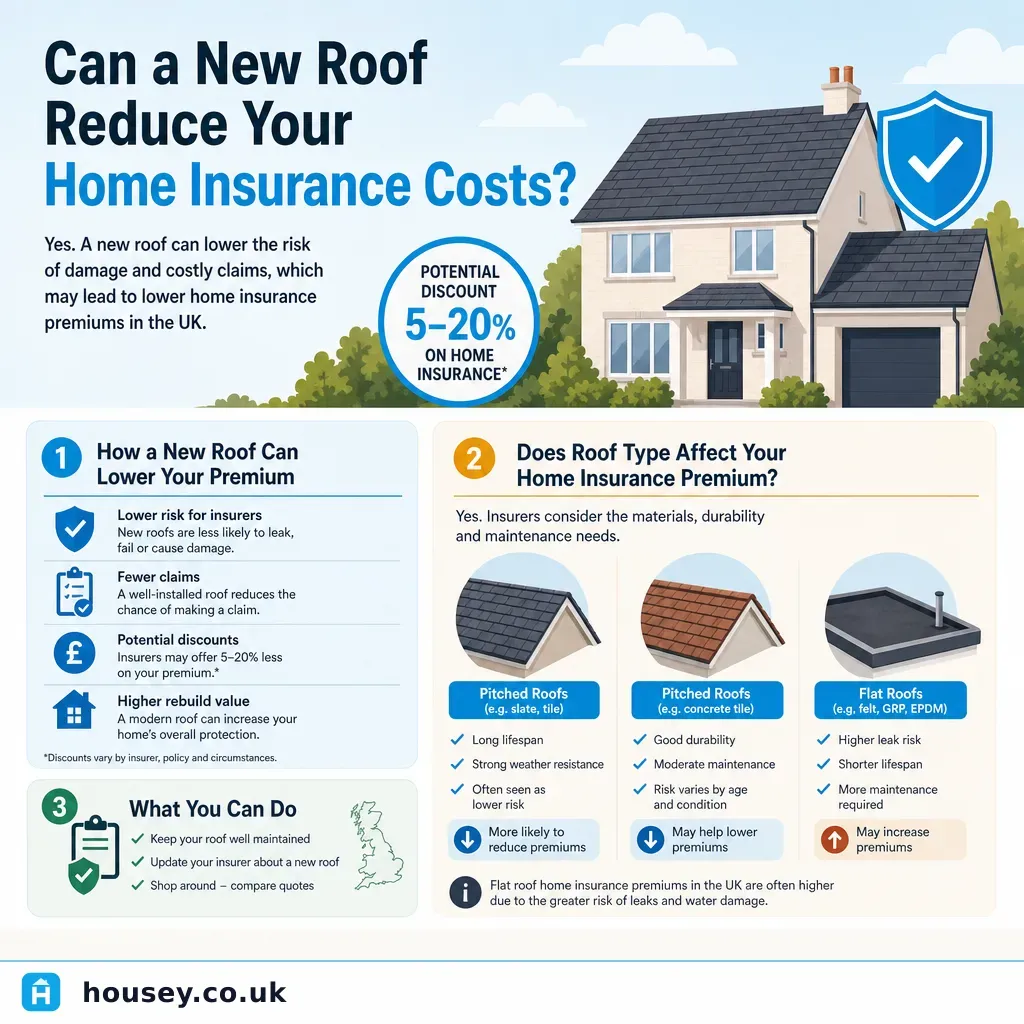
Can a New Roof Reduce Your Home Insurance Costs?
A new roof can improve your home insurance position in the UK, particularly if you replace an aged flat roof or a deteriorating pitched roof.
 Surveys & Inspections
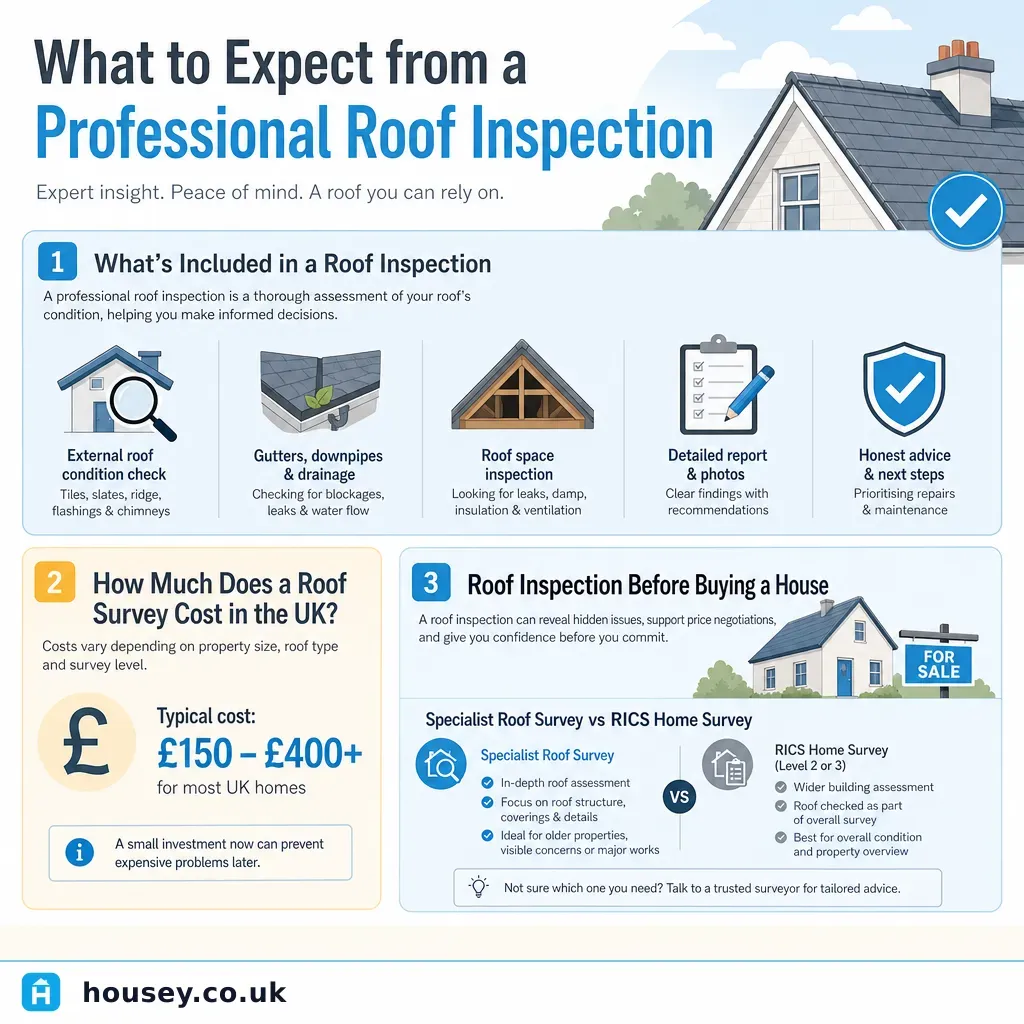
What to Expect from a Professional Roof Inspection
A professional roof inspection involves a qualified specialist examining your roof coverings, flashings, mortar, gutters, and structure.
 Surveys & Inspections
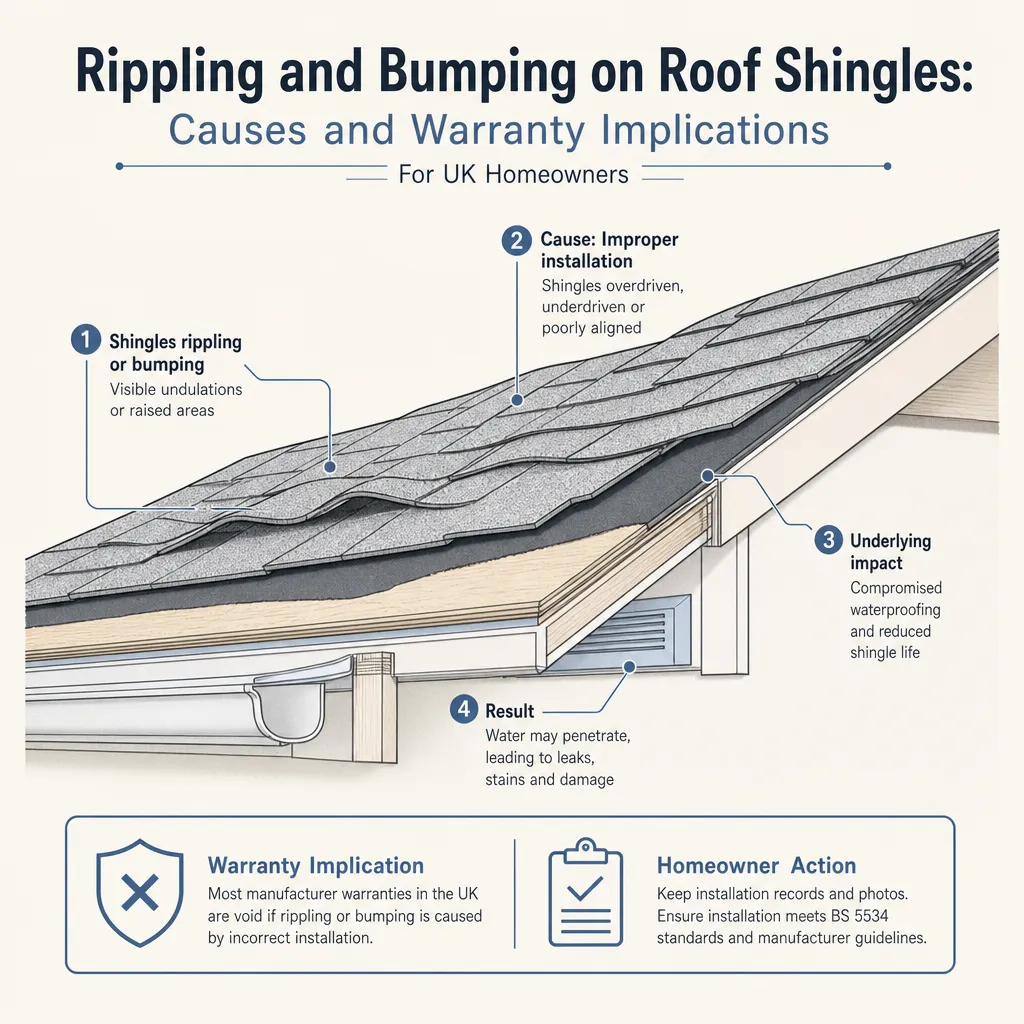
Rippling and Bumping on Roof Shingles: Causes and Warranty Implications
Rippling or bumping on roof shingles is almost always caused by installation error — typically inadequate fastening or a damp, uneven substrate — rather than a product defect.
 Surveys & Inspections
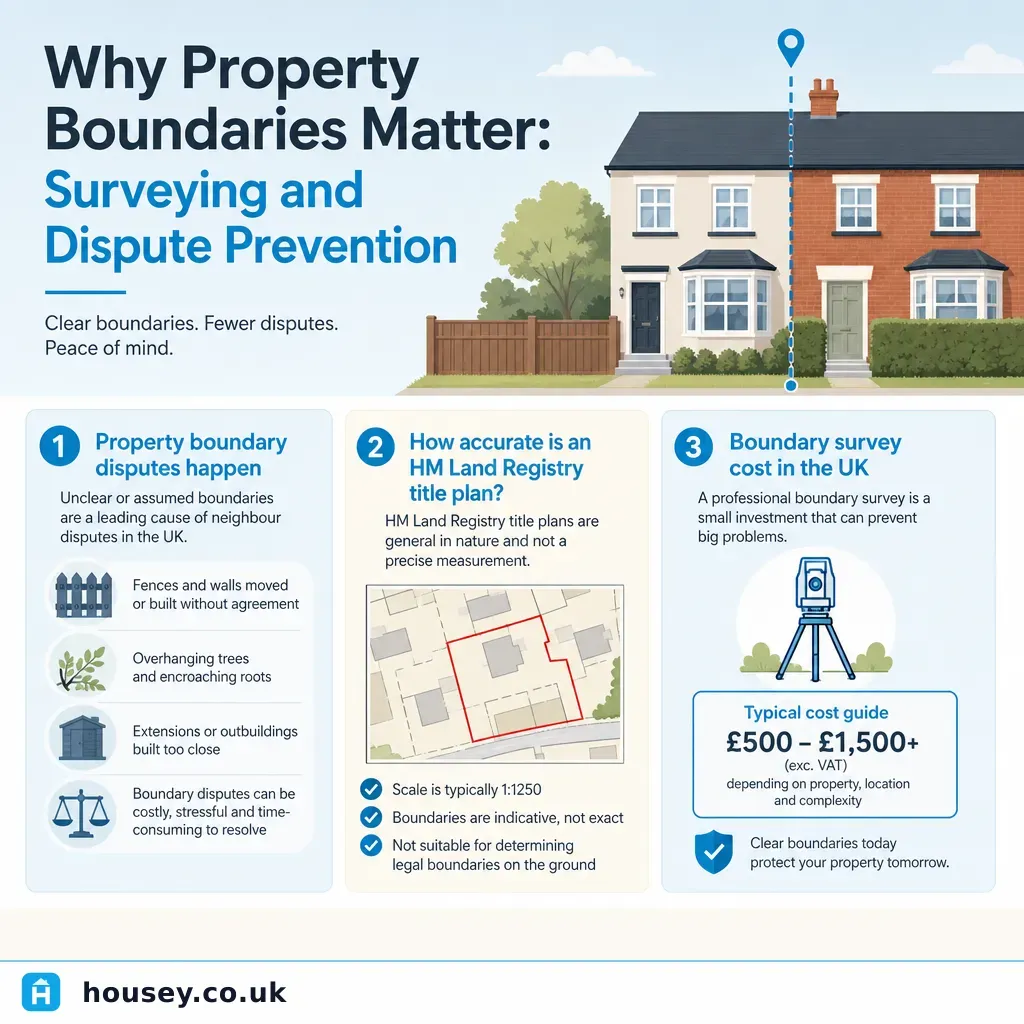
Why Property Boundaries Matter: Surveying and Dispute Prevention
Property boundaries in England and Wales are recorded as general boundaries by HM Land Registry — not precise measurements.