Property Market Dynamics: Stamp Duty Relief Effects on Transaction Rates
By Housey · Last reviewed 18th of May 2026

Property Market Dynamics: Stamp Duty Relief Effects on Transaction Rates
Stamp Duty Land Tax (SDLT) relief periods have repeatedly demonstrated their ability to reshape UK transaction volumes in dramatic, and sometimes chaotic, fashion. For homeowners deciding when to buy or sell, understanding how these tax changes influence the market — not just personal costs — can mean the difference between a smooth move and one caught in a multi-thousand-transaction bottleneck at an overstretched conveyancer's diary.
Key points
- The 2020–21 SDLT holiday raised the nil-rate threshold to £500,000; HMRC recorded approximately 198,000 residential transactions in June 2021 — close to double the typical monthly average.
- First-time buyer SDLT relief, in place from November 2017, sets the nil-rate threshold at £300,000 with partial relief extending to £500,000 in England and Northern Ireland.
- From 1 April 2025, the standard nil-rate SDLT threshold returned to £125,000 after a temporary period at £250,000 that had been in place since September 2022.
- Scotland and Wales operate entirely separate systems — Land and Buildings Transaction Tax (LBTT) and Land Transaction Tax (LTT) respectively — with their own relief schedules not tied to UK Government SDLT announcements.
- Bank of England analysis of the 2020–21 holiday suggested approximately one-third to one-half of additional transactions represented demand brought forward from future months rather than genuinely new market activity.
How SDLT relief periods affect transaction volumes
Stamp duty relief events create predictable market behaviours. The core dynamic is straightforward: a time-limited reduction in transaction tax concentrates months of latent demand into a compressed window, producing a sharp surge in completions followed by an equally sharp fall.
The surge-and-cliff pattern
HMRC residential transaction data shows a consistent surge-and-cliff pattern around SDLT changes:
Relief period | Context | Peak monthly transactions (approx.) | Notable post-relief effect |
|---|---|---|---|
2008 SDLT holiday (£175,000 nil-rate threshold) | Low-demand post-financial-crisis market | Modest uplift | Limited cliff; subdued conditions prevailed |
2020–21 SDLT holiday (£500,000 threshold) | Post-lockdown demand release | ~198,000 (June 2021) | Sharp fall to ~75,000 (October 2021) |
March 2025 pre-deadline rush | Return to £125,000 standard threshold | Elevated Jan–Mar 2025 | Volumes moderated from April 2025 |
Source: HMRC UK Property Transaction Statistics.
The cliff is often as significant as the surge. Buyers who could not complete in time face full SDLT liability at the new, higher rate, alongside a post-holiday market that may have absorbed months of supply at elevated prices.
What brought-forward demand means for the market
A key finding from the economic analysis of SDLT relief is that a significant share of the transaction surge reflects demand already present in the market — brought forward in time rather than genuinely created by the tax cut. Bank of England analysis of the 2020–21 holiday suggested roughly one-third to one-half of additional transactions fell into this category.
Implications for homeowners:
- Properties sold during the peak of a relief period may attract more competition and higher offers — but sellers often pay a similar premium on their onward purchase, partially offsetting any gain.
- The post-relief slowdown typically runs two to four months, during which transaction volumes fall below trend. Listing immediately post-deadline often means a smaller pool of active buyers.
- Conveyancer and surveyor capacity becomes severely strained near a deadline. Legal completions that slip past the cut-off carry a significant financial penalty — the full SDLT saving is lost.
Worked example: the March 2025 deadline
Consider a homeowner in Birmingham buying a £350,000 property:
Before 1 April 2025 (nil-rate threshold: £250,000):
- SDLT = 5% of the £100,000 above £250,000 = £5,000.
From 1 April 2025 (nil-rate threshold back to £125,000):
- SDLT = (2% of £125,000 between £125,001 and £250,000) + (5% of £100,000 between £250,001 and £350,000)
- = £2,500 + £5,000 = £7,500.
The additional SDLT liability after 1 April 2025 on this property was £2,500 — a clear and calculable incentive to complete before the deadline. Multiplied across the many thousands of transactions clustered around this price band, the market-wide effect on timing and behaviour is substantial.
SDLT rates are subject to change by HM Treasury. Always verify current rates via the HMRC SDLT calculator before exchange.
Regional and national variations
SDLT applies in England and Northern Ireland only. Scotland and Wales operate separate systems:
- Scotland — Land and Buildings Transaction Tax (LBTT): administered by Revenue Scotland. Rates, thresholds, and relief schedules are set independently by the Scottish Government and are not automatically mirrored from UK Government SDLT announcements.
- Wales — Land Transaction Tax (LTT): administered by the Welsh Revenue Authority. The Welsh Government may align with UK changes but is not required to do so.
This means that relief events announced at UK Budget level do not automatically apply in Scotland or Wales. Buyers and sellers in those nations should check with Revenue Scotland or the Welsh Revenue Authority for current rates and any applicable relief.
What not to assume about SDLT relief and market timing
A common set of misunderstandings surrounds whether it is straightforwardly advantageous to time a purchase or sale around an SDLT deadline.
"I will definitely complete in time." Conveyancing chains have multiple dependencies. A single party who instructs solicitors late, encounters a delayed mortgage offer, or requires an additional search can push completion past a deadline. SDLT liability is determined by the completion date, not the date of instruction, mortgage offer, or exchange.
"House prices fall reliably after a relief period, so I should wait." The evidence does not support sustained price falls post-deadline. Post-relief price moderation has been observed, but localised supply levels, mortgage rates, and local employment conditions are typically larger price determinants than the tax change alone.
"My SDLT saving will outweigh any extra costs of moving faster." Rushing a purchase can mean less time for due diligence — survey, title enquiries, local authority searches — or accepting a property at a higher asking price to secure it in time. The SDLT saving may be partially or wholly offset.
"Conveyancers can always meet the deadline." In the final weeks before a significant SDLT deadline, conveyancers across England work at or beyond capacity. Some firms stop accepting new instructions entirely. Average conveyancing timescales lengthen significantly during the rush period.
When to get professional help
For specific calculations of your SDLT liability — particularly where an additional property surcharge, company purchase structure, multiple dwellings relief, or first-time buyer relief is in question — always consult a qualified solicitor or licensed conveyancer. Where the sums involved are material, a tax adviser or accountant can clarify the position. Market-timing decisions should draw on current HMRC transaction data and independent housing market research rather than anecdote or media coverage alone.
How Housey can help
Housey publishes practical, sourced guides on UK property market topics to help buyers, sellers, and homeowners make more informed decisions at every stage of a transaction. Whether you are weighing the timing of a sale, understanding the full cost of buying, or researching which professionals to instruct, Housey's editorial coverage spans the full property lifecycle.
Frequently asked questions
Does stamp duty relief apply in Scotland?
No. Scotland operates Land and Buildings Transaction Tax (LBTT), administered by Revenue Scotland. Any relief measures in Scotland are announced separately by the Scottish Government and are not automatically aligned with UK Government SDLT changes in England and Northern Ireland. Always check the Revenue Scotland website for current Scottish rates.
Do stamp duty relief periods always increase house prices?
The evidence suggests relief periods increase transaction volumes more reliably than they increase prices. Prices typically show some uplift during the peak period, reflecting increased competition, but the effect is uneven by region and property type. Post-relief, prices often soften modestly rather than falling sharply.
What is the 3% SDLT surcharge?
Buyers purchasing an additional residential property — a second home or buy-to-let — pay a 3% surcharge on top of standard SDLT rates in England and Northern Ireland. Relief periods may reduce the underlying tax but the surcharge structure can also change independently; always verify current rates via the HMRC SDLT calculator before exchange.
How long does a post-deadline transaction slowdown typically last?
HMRC transaction data from previous relief periods suggests the post-deadline slowdown typically lasts two to four months before volumes return toward trend. The depth of the dip varies with overall market conditions, mortgage availability, and whether underlying demand was genuinely stimulated or mainly brought forward in time.
Sources and further reading
- UK Property Transaction Statistics — HM Revenue & Customs
- Stamp Duty Land Tax rates and thresholds — GOV.UK
- Land and Buildings Transaction Tax — Revenue Scotland
- Land Transaction Tax guide — Welsh Revenue Authority
- Bank of England housing market research — Bank of England
Useful next reads
 General property advice
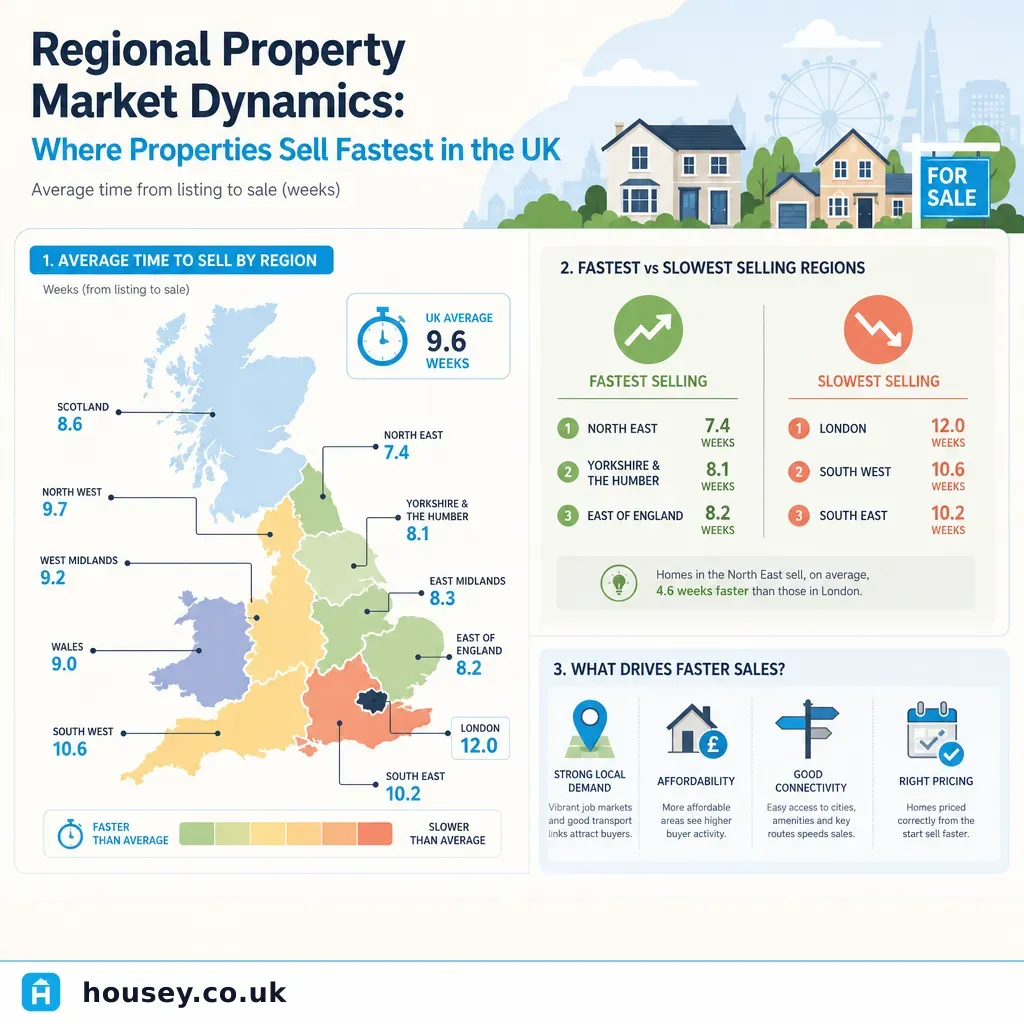
Regional Property Market Dynamics: Where Properties Sell Fastest in the UK
Properties in northern English cities such as Manchester and Leeds have often shown shorter average listing-to-sale times than the national average, though this varies by price bracket, property type, and local stock levels.
 General property advice
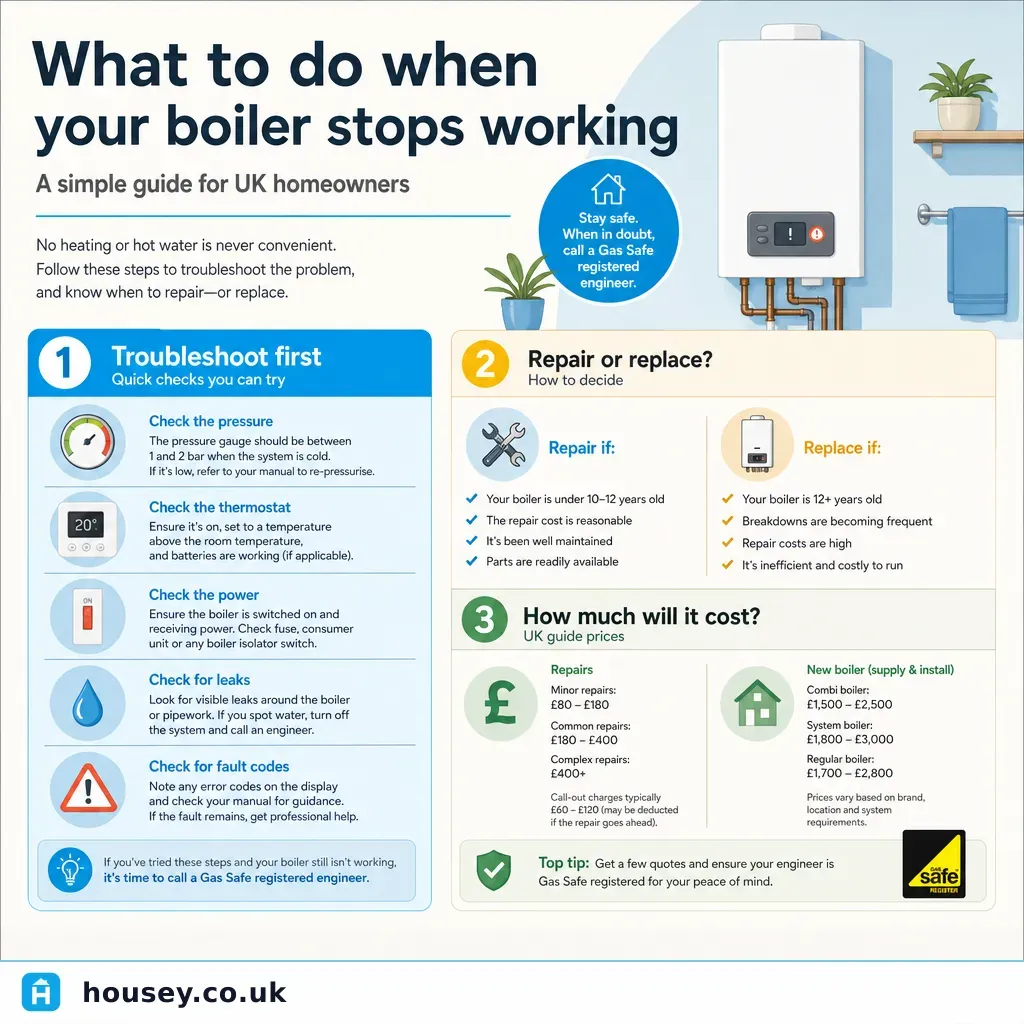
What to do when your boiler stops working
When your boiler stops working, check the pressure gauge (should read 1–1.
 General property advice
Property Market Trends: Activity Growth and Price Movements
UK property market activity is measured through completed sale registrations (HM Land Registry), lender mortgage data, and transaction volumes from HMRC.
 General property advice
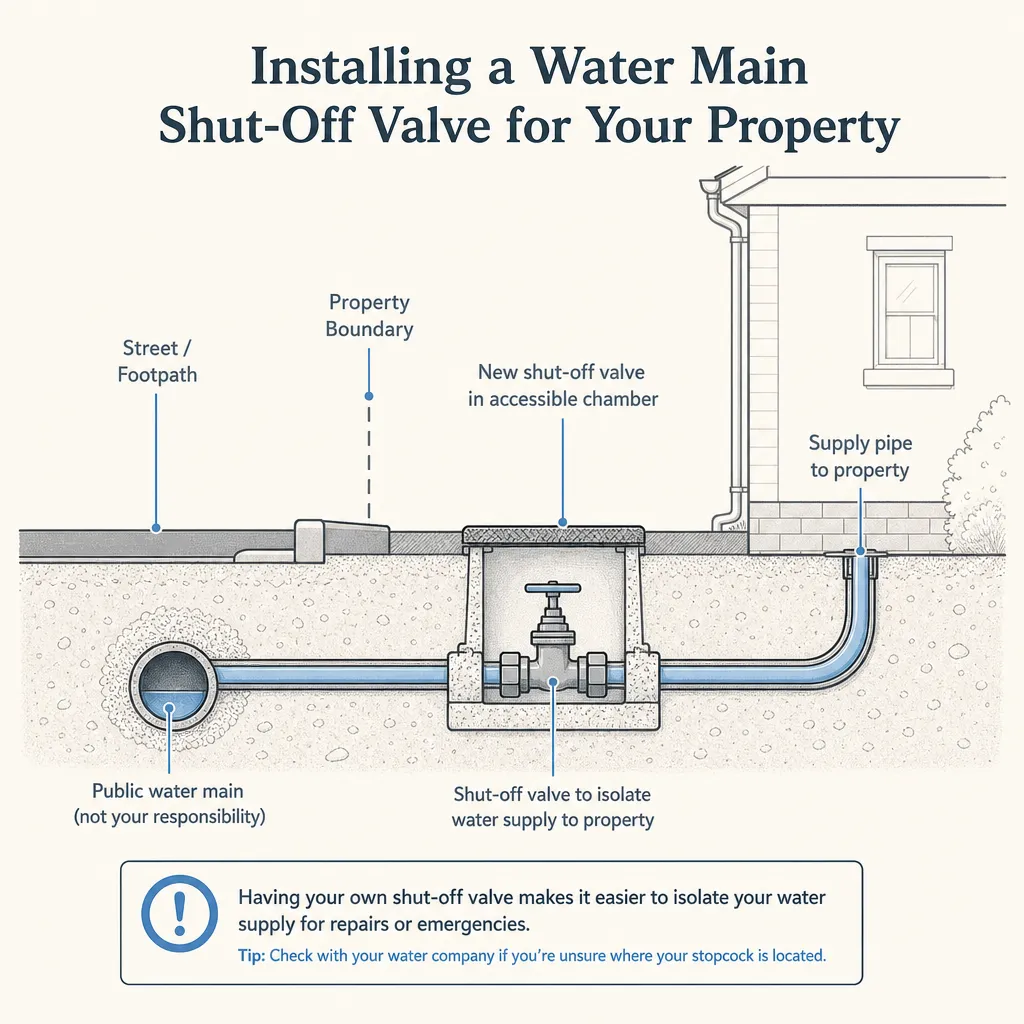
Installing a water main shut-off valve for your property
A water main shut-off valve — commonly called a stopcock — controls all water entering your home from the mains.
 General property advice
Monthly House Price Index: August Market Report and Analysis
The UK House Price Index is published monthly using completed Land Registry transaction data, meaning August figures typically reflect sales agreed months earlier.