Protecting Your Property from Winter Frost and Freeze Damage
By Housey · Last reviewed 6th of May 2026
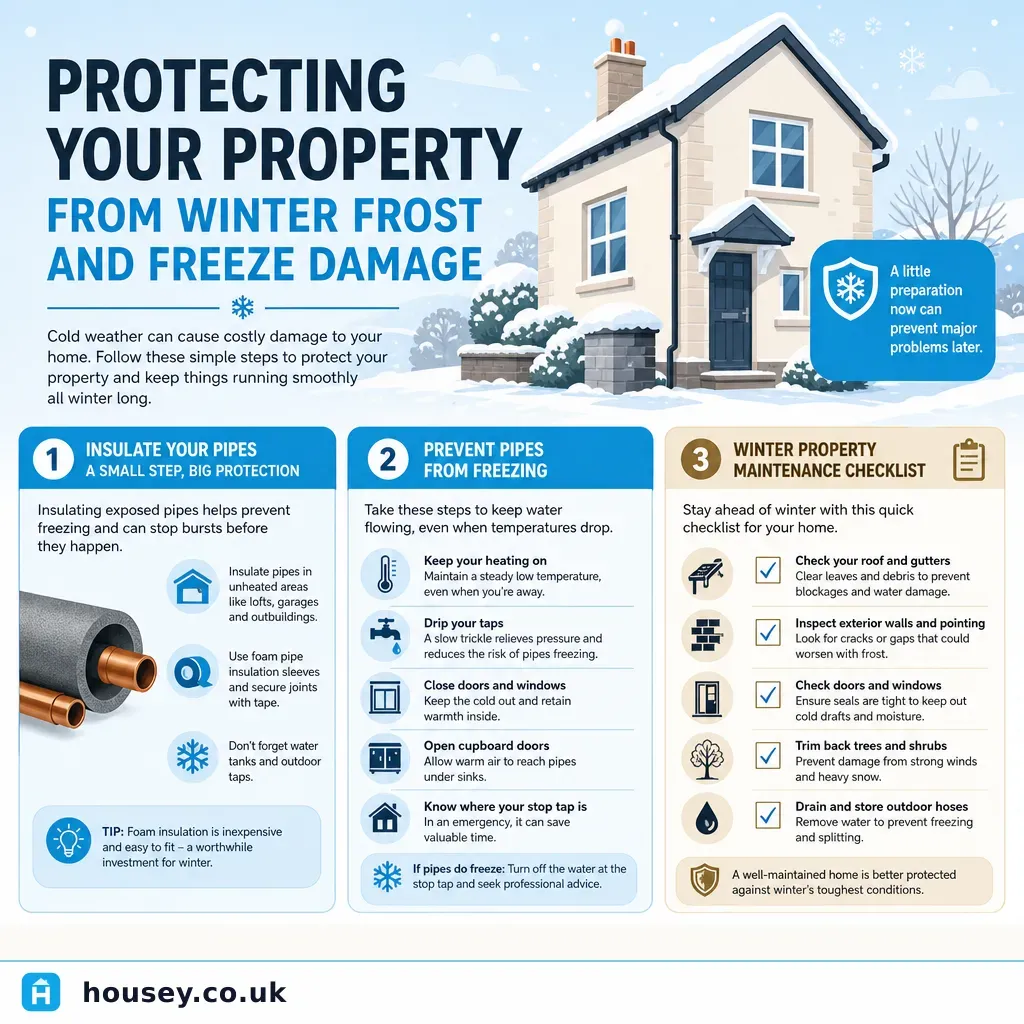
Protecting Your Property from Winter Frost and Freeze Damage
Cold snaps can arrive quickly in the UK, and the cost of burst pipes, cracked render, or frozen drainage can run into thousands of pounds for homeowners caught unprepared. The Association of British Insurers consistently reports that escape of water is one of the most common and expensive home insurance claims in the country, with a significant proportion occurring during and immediately after cold spells. Most frost damage is preventable with relatively modest maintenance carried out before temperatures drop — making winter preparation one of the better-value tasks on the annual property maintenance calendar.
Key points
- Water expands by approximately 9% when it freezes, which is why even a brief hard frost can split copper or plastic pipes, outdoor taps, and exposed water meters.
- The Met Office defines a hard frost as temperatures reaching −4°C or below at ground level; UK winters regularly produce these conditions across most regions, particularly in Scotland, northern England, and inland areas.
- British Standard BS 5422 specifies minimum insulation thicknesses for domestic pipework; exposed pipes in unheated spaces — lofts, garages, outbuildings, and external wall chases — carry the highest freeze risk.
- Unoccupied properties are disproportionately vulnerable to freeze damage; most UK insurers require a minimum internal temperature of 13°C or a full drain-down when a property is left empty during cold weather.
- Gutters, downpipes, and surface water gullies can crack when trapped water freezes inside them — pre-winter clearance significantly reduces this risk and the subsequent water ingress it causes.
Which areas of your property are most at risk?
Frost damage is concentrated where water is present and either uninsulated or unheated. Use this table to identify your priorities.
Location | Specific frost risk | Key preventive action |
|---|---|---|
Loft and roof space | Cold-water storage tank and supply pipes | Lag tank on sides and lid (not base); lag all visible pipes |
External walls | Pipes routed on or within outside face | Lag with appropriate foam or mineral wool; consider rerouting if repeatedly freezing |
Garage and outbuildings | Stopcock, pipework, sub-meters | Lag all pipework; consider trace heating for vulnerable runs |
Outdoor taps | Exposed metal body and feed pipe | Fit insulating cover or drain down and isolate before first frost |
Gutters and downpipes | Water pooling and freezing inside | Clear debris before cold weather; check brackets and joints are sound |
Flat roofs and parapet gutters | Ice dam formation blocking outlets | Ensure outlets are clear; inspect membrane for pooling after thaw |
Shallow underground drainage | Plastic or clay runs at low depth in exposed positions | Less common but possible in prolonged cold; keep gullies clear and flowing |
Pipe insulation: what the standards say
Foam pipe lagging is widely available from builders' merchants and straightforward to fit on accessible pipework in lofts, underfloor voids, and garages. BS 5422 provides the reference standard for insulation thicknesses based on pipe diameter and ambient temperature.
Practical guidance for effective lagging:
- Foam lagging must be a snug fit — gaps at joints, valves, and bends are the most common failure points. Use purpose-made elbow and tee fittings rather than cutting straight sections to fit around corners.
- For pipes in very exposed locations (garages in northern regions, unheated outbuildings), self-regulating electric trace heating tape can supplement conventional insulation. It requires a power supply but is a practical solution for persistently vulnerable runs.
- Cold-water storage tanks in loft spaces should be insulated on the sides and the lid, but not on the base — the intention is to allow some warmth to rise from the room below rather than trapping cold air beneath the tank.
- If your property is connected by an MDPE (medium-density polyethylene) blue plastic mains pipe, the section running from the boundary stop tap to the internal stopcock may be at shallow depth in exposed ground and can freeze during prolonged hard frost.
If you are planning a loft conversion, extension, or major renovation, ask your contractor to confirm that any pipework being relocated or newly exposed in unheated voids is lagged to the appropriate specification. An insulation installer can advise on upgrading loft or underfloor insulation as part of a broader energy-efficiency project, which also reduces cold-bridging in external walls.
Protecting an unoccupied property in winter
Unoccupied homes account for a disproportionate share of serious freeze damage. If you are leaving a property empty for more than a few days during cold weather, you broadly have two options.
Option 1 — maintain minimum heating: Keep the heating set to at least 13°C throughout the property. This is the threshold recommended by most UK insurers for frost protection. A smart thermostat with a frost-protection mode, or a simple timer with the thermostat turned low, makes this straightforward. Ensure all rooms — not just the main living areas — receive some heat.
Option 2 — drain down the system: Turn off the water at the main internal stopcock, then open all taps to drain the pipes, drain the cold-water storage tank, and drain the hot water cylinder via its drain cock. This removes standing water from the system entirely. Reinstatement on return requires refilling and checking for leaks. A plumber can carry out a full drain-down quickly and confirm the system is properly isolated.
Do not rely on a single living-room thermostat to protect the whole property. Unheated bedrooms, loft spaces, garages, and outbuildings remain at close to ambient outdoor temperature regardless of what the main thermostat reads.
Winter property maintenance checklist
Work through this checklist each autumn before the first forecast frost.
Plumbing and water systems
Drainage and external fabric
Roof and external walls
Heating and unoccupied periods
Garden and outbuildings
What to do if a pipe bursts
Acting quickly significantly limits the extent of water damage.
- Turn off the water at the main internal stopcock immediately.
- Turn off the boiler and any electric immersion heater.
- Open all taps to drain remaining water from the system.
- Collect water in buckets and use towels to slow spread across floors.
- Do not use naked flames near any pipework.
- Once water flow stops, contact a qualified plumber to locate and repair the burst section.
- Contact your buildings insurer promptly — most policies require early notification and may send a claims assessor before drying or repair work begins.
- Document all damage with photographs before any reinstatement.
When to get professional help
Routine pipe lagging, gutter clearance, and annual boiler servicing are maintenance tasks most homeowners can handle or arrange straightforwardly. Seek professional advice if:
- You cannot locate or freely operate your main stopcock — a plumber should inspect and replace the valve before the cold season.
- Pipes are repeatedly freezing despite insulation, suggesting the insulation specification or pipe routing is inadequate.
- You notice cracking in external render, pointing, or brickwork that may relate to frost damage and water ingress — a surveyor should assess whether the wall structure has been compromised.
- Drainage is backing up or discharging slowly after a cold spell, which may indicate root ingress or cracking that freeze-thaw cycles worsen over successive winters. A drainage contractor can carry out CCTV investigation to locate and diagnose the problem.
- You are planning a loft conversion or major renovation that will expose currently protected pipework to unheated voids.
How Housey can help
Keeping your property resilient through winter starts with good drainage and properly specified insulation. If you need drainage inspected, gutters cleared and checked, or loft and pipe insulation upgraded before the cold season, Housey can connect you with qualified local contractors. Find a drainage contractor for drainage inspection and clearance work, or an insulation installer to improve loft and pipe insulation to an appropriate standard.
Frequently asked questions
At what temperature do pipes typically freeze?
Pipes can begin to freeze when the ambient temperature around them drops below 0°C and remains there for a sustained period. The risk increases significantly during hard frosts below −4°C lasting more than a few hours. Speed of freezing depends on pipe material, water flow rate, insulation quality, and how exposed the pipe is to outside air — unheated lofts and garages are the most vulnerable locations.
Does home insurance cover burst pipe damage?
Most standard UK buildings and contents policies include escape of water cover, which typically covers damage caused by burst or leaking pipes. However, some policies reduce or exclude pay-outs where a property was left unheated and unoccupied, or where insulation was inadequate. Check your policy schedule carefully and notify your insurer promptly if damage occurs — delayed notification can complicate claims.
Can I lag pipes in a loft myself?
Yes — foam pipe lagging is straightforward to fit on accessible straight runs in a loft. Ensure you cover joints, bends, and valves using purpose-made fittings, not just straight sections. Insulate the cold-water tank on the sides and lid but not the base. If you are uncomfortable working in a confined loft space or unsure which pipes need priority, a plumber or insulation installer can advise quickly.
How often should gutters be cleared?
At least twice a year — once in late autumn after leaf-fall and once in spring. Properties with overhanging trees or in high-rainfall areas may need more frequent clearance. Blocked gutters overflow onto external walls, increasing moisture ingress that freeze-thaw cycles then worsen through spalling brickwork and cracked render. A drainage contractor can clear and inspect downpipes and underground connections at the same visit.
What is trace heating tape and when is it worth using?
Self-regulating electric trace heating tape wraps around exposed pipes and maintains them above freezing without relying on insulation alone. It is most useful for pipes in unheated outbuildings, garages, or on external walls where conventional lagging is difficult to install or maintain. It requires a nearby power supply and adds a small ongoing running cost, but is a practical solution for persistently vulnerable pipe runs.
Sources and further reading
- Preparing your home for winter — Energy Saving Trust
- UK climate: frost and cold spell data — Met Office
- Escape of water: guidance for policyholders — Association of British Insurers
- BS 5422: Thermal insulating materials for pipes, tanks and vessels — BSI Group
Useful next reads
 Improvement & Build
Exterior Painting for Your Home
Exterior painting protects your home from the UK's wet climate and can significantly boost kerb appeal.
 Improvement & Build
Maintaining And Caring For Thatched Properties
A thatched roof needs inspection by a master thatcher every one to two years, with ridge replacement every 10–15 years and a full re-thatch every 25–40 years depending on the material.
 Improvement & Build
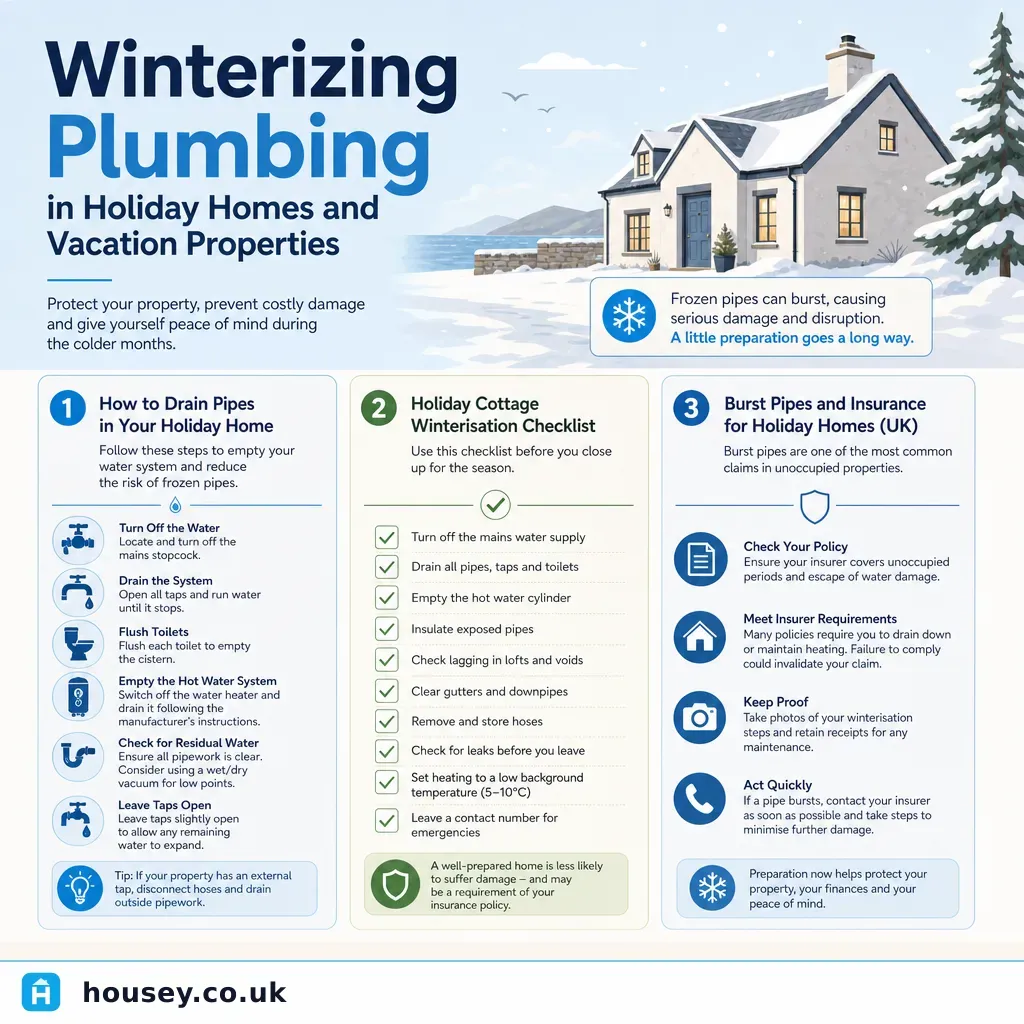
Winterizing Plumbing in Holiday Homes and Vacation Properties
Holiday homes left unheated face serious burst-pipe risk in UK winters.
 Improvement & Build
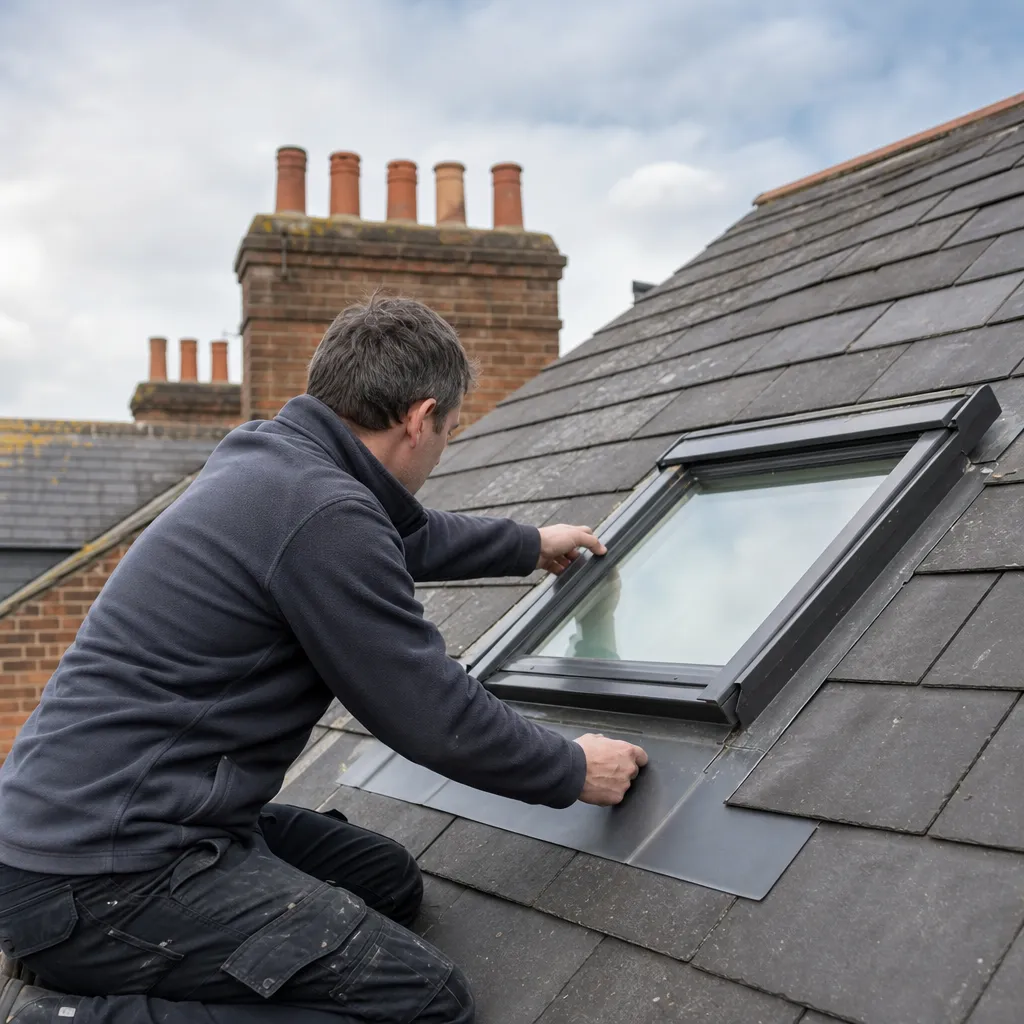
Fixing Velux Window Leaks: Causes and Repair Solutions
Velux window leaks most commonly occur at the flashing — the metal collar sealing the window to the roof — or at the weather seal around the opening sash.
 Improvement & Build
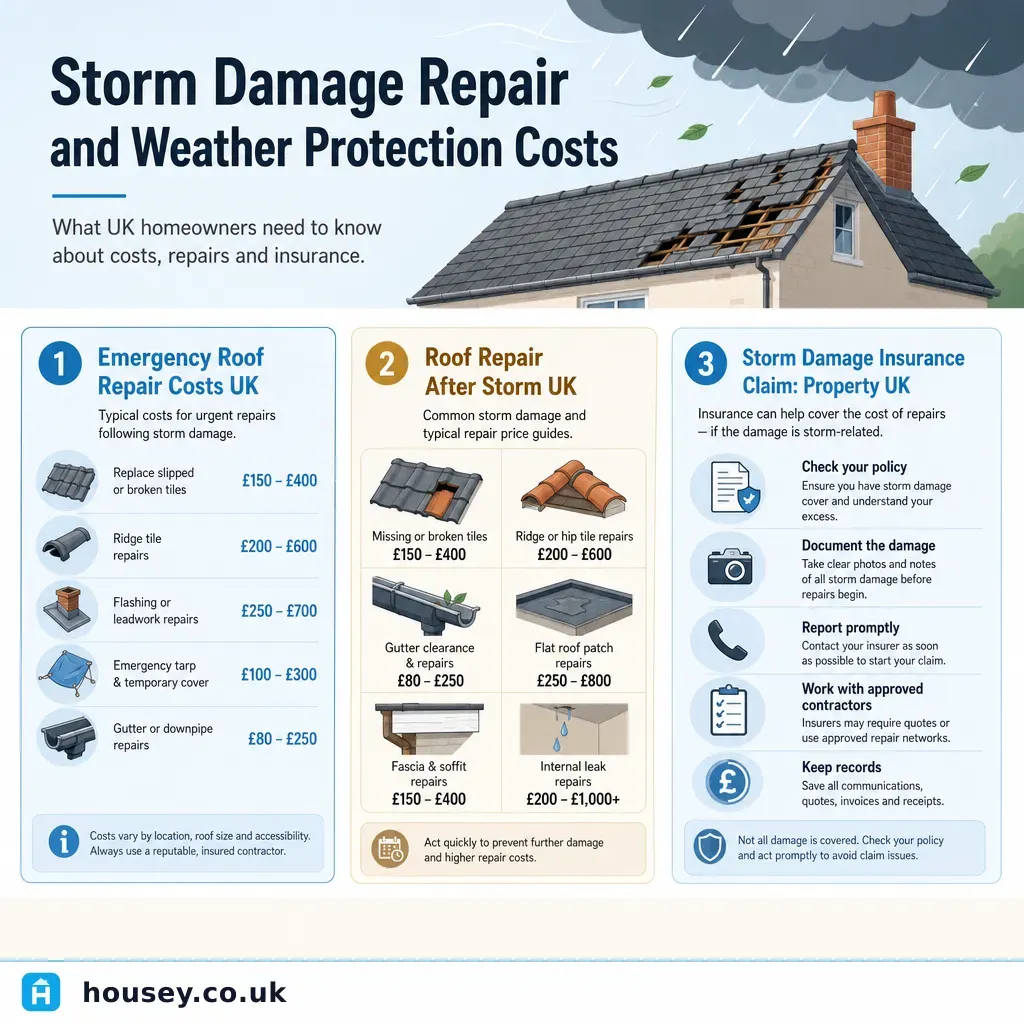
Storm Damage Repair and Weather Protection Costs
Storm damage repair costs in the UK range from around £200–£600 for emergency weatherproofing to £3,000–£15,000 or more for full roof reinstatement.