Quartz and Granite Worktop Cost Comparison
By Housey · Last reviewed 8th of May 2026
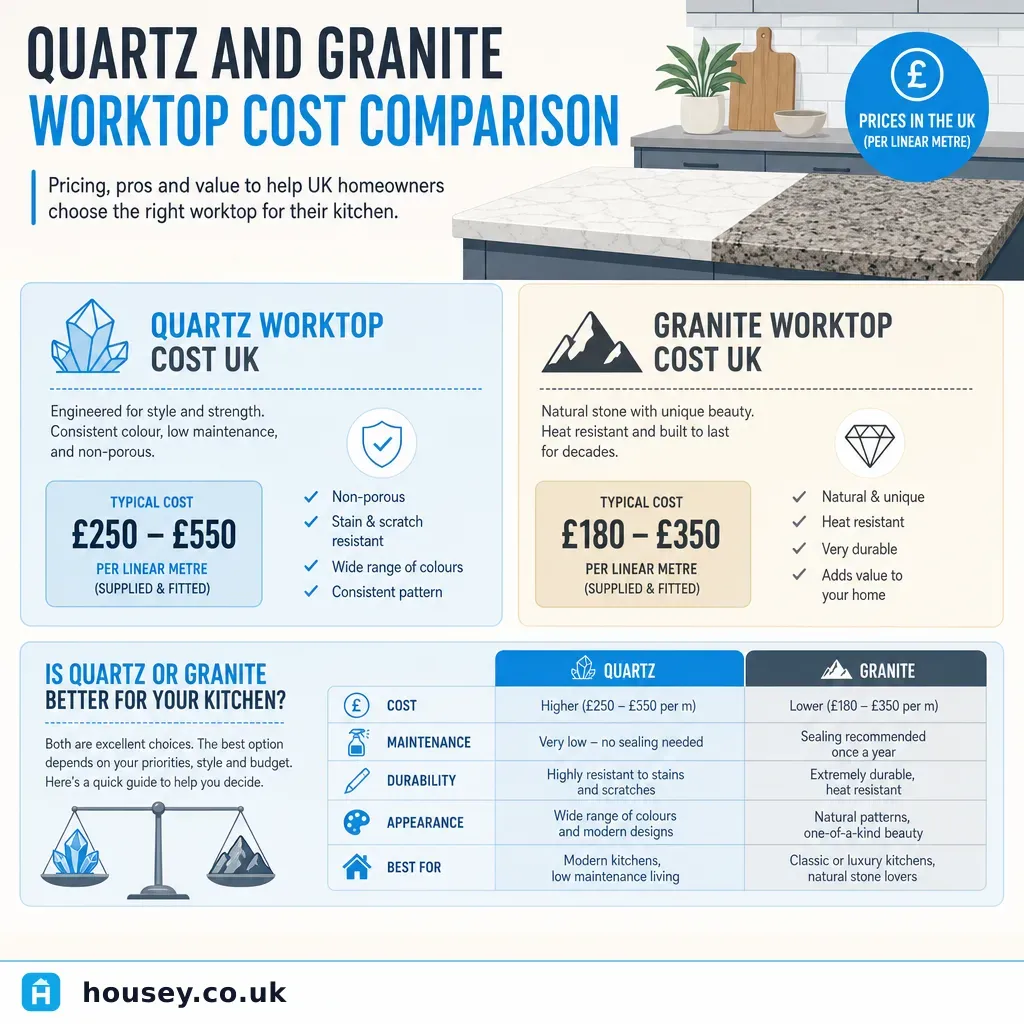
Quartz and Granite Worktop Cost Comparison
Choosing between quartz and granite is one of the most common material decisions in a UK kitchen refurbishment. Both are popular premium choices that can last the lifetime of the home, but they behave differently in use, carry different maintenance requirements, and come with meaningfully different price profiles depending on slab origin, cut complexity, and the fabricator you choose. Getting the comparison right before committing avoids expensive changes of mind once templating has started.
Key points
- Quartz worktops in the UK typically cost £250–£650 per linear metre supplied and fitted; granite ranges from £200–£600 per linear metre for standard slabs. Indicative UK costs, last reviewed 2026-05-08.
- Quartz is an engineered composite (approximately 93–95% crushed stone bound with polymer resin) and is non-porous, requiring no sealing; granite is a natural porous stone that must be sealed on installation and periodically thereafter.
- Quartz is not suitable for outdoor use or prolonged direct heat — resin binders can discolour or delaminate under sustained high temperature or UV exposure.
- The Health and Safety Executive (HSE) has published COSHH guidance on respirable silica dust from cutting engineered stone; confirm any quartz fabricator uses wet cutting and complies with current HSE requirements.
- Exotic granite slabs such as Blue Bahia or Cosmic Black can exceed £1,000 per linear metre installed; sintered ultra-compact surfaces such as Dekton and Neolith sit above both materials in price but offer superior heat and scratch resistance.
How quartz and granite compare
Feature | Quartz | Granite |
|---|---|---|
Composition | ~93–95% crushed quartz + polymer resin | Natural igneous rock, quarried and slab-cut |
Appearance | Consistent colour and pattern | Unique per slab; natural veining and variation |
Porosity | Non-porous | Porous — requires sealing |
Heat resistance | Moderate — use trivets; resin can discolour | Good — natural stone tolerates more direct heat |
Scratch resistance | Good | Very good |
Outdoor suitability | Not suitable (UV degrades resin) | Suitable with appropriate sealing |
Maintenance | Wipe clean; no annual sealing needed | Annual or biennial re-sealing recommended |
Typical fitted cost per linear metre | £250–£650 | £200–£600 |
Premium range per linear metre | £650–£1,200+ | £600–£1,200+ |
Indicative UK cost breakdown
Indicative UK costs, last reviewed 2026-05-08. Costs vary by fabricator, region, stone origin, edge profile, and cutout count. Obtain at least three quotes.
A standard worktop quote typically includes templating, fabrication, standard edge profiling, delivery, installation, and one or two cutouts for sink and hob. Common extras include upstands, decorative edges such as ogee or waterfall ends, additional cutouts beyond the allowance, and removal and disposal of the existing worktop.
Cost element | Approximate range |
|---|---|
Standard quartz, 3–4 linear metres, fitted | £750–£2,200 |
Standard granite, 3–4 linear metres, fitted | £600–£1,900 |
Premium or exotic stone (either material), per linear metre | £600–£1,200+ |
Upstands in matching material (per linear metre) | £50–£120 |
Additional sink or hob cutout | £50–£100 |
Old worktop removal and disposal | £50–£150 |
Which material should you choose?
- Choose quartz if you want consistent colour and pattern across a large run or island — particularly important where slab joins would make natural variation visible.
- Choose quartz if low maintenance is a priority and you want reliable stain resistance without annual sealing or specialist cleaning products.
- Choose granite if you want a natural, unique surface — no two granite slabs are identical, which suits statement islands and traditional kitchen styles.
- Choose granite if the worktop will be near sustained heat sources or used in an outdoor kitchen, where natural stone's better thermal properties are an advantage.
- Consider alternatives if budget is a priority — compact laminate or solid timber can offer good durability at significantly lower cost. If maximum heat and scratch resistance is essential, sintered surfaces such as Dekton or Neolith are worth specifying, though they typically cost more than standard quartz or granite.
Silicosis and fabrication regulations
The dry cutting and grinding of engineered stone generates fine respirable crystalline silica (RCS) dust, a serious long-term lung health hazard. HSE has published guidance under the Control of Substances Hazardous to Health Regulations 2002 (COSHH) requiring fabricators to use wet cutting, local exhaust ventilation, and appropriate respiratory protective equipment. When requesting quartz quotes, ask whether the fabricator uses wet-cutting equipment and can confirm compliance with current HSE engineered stone guidance. Reputable fabricators will answer without hesitation.
What to ask before accepting a quote
- Which brand or quarry does the slab come from, and can I view the specific slab before fabrication?
- What edge profile is included, and what are the upcharge options?
- How many cutouts are included, and what is the charge for additional ones?
- Is templating charged separately or included?
- What is the lead time from template to installation?
- What aftercare does the slab require — will you apply sealer on installation?
- Is VAT included?
- What is your process if the slab is damaged in transit or during fitting?
- For quartz: can you confirm your dust control compliance for engineered stone cutting?
Red flags when choosing a worktop fabricator
- Quoting per linear metre without a site visit — accurate pricing requires on-site templating measurement.
- No opportunity to view the actual slab before cutting — especially important for granite, where colour and veining variation between slabs of the same name can be substantial.
- No mention of cutout allowances or upstands, which are common sources of unexpected additional charges.
- Claiming quartz requires annual sealing (it does not), or being unable to explain granite sealing requirements clearly.
- For engineered stone: no clear answer on wet cutting or COSHH compliance.
When to get professional help
Natural and engineered stone worktops are heavy, brittle, and expensive — always use a specialist fabricator or experienced kitchen fitter. Incorrect cutting, poor substrate support, or inadequate bracketing can cause irreparable cracking. If the worktop forms part of a larger kitchen renovation or new build, agree the installation sequence with your main contractor in advance: stone fabricators typically require plumbing and cabinetry in final position before templating.
How Housey can help
If you are specifying worktops as part of a larger kitchen build or renovation, design-and-build firms on Housey can coordinate material specification, supply, and installation alongside the broader project. For kitchen upgrades forming part of a new extension, extension builders can advise on sequencing worktop installation with structural and fit-out works.
Frequently asked questions
Is quartz or granite more durable?
Both perform well in everyday kitchen use. Granite has better natural heat tolerance and is generally harder, giving very good scratch resistance. Quartz is uniformly non-porous and resists staining without sealing. In practice the difference is minor for standard kitchen use; edge protection and maintenance habits matter more than the material choice alone.
Does granite need to be sealed?
Yes. Granite is a natural porous stone that can absorb liquids and oils if left unsealed, leading to permanent staining. Most fabricators apply an impregnating sealer on installation. Resealing is generally recommended annually or every two years depending on use intensity. Use a penetrating impregnator sealer rather than a surface coating for best long-term results.
Can you repair a chipped quartz or granite worktop?
Small chips in both materials can often be filled with colour-matched resin by a specialist stone repairer, though the repair is usually visible under certain lighting. Large cracks typically require slab replacement. Edge chips are the most common damage point; using chopping boards and protecting edges during the first weeks of use significantly reduces the risk.
Which is better for resale value, quartz or granite?
Both are associated with premium kitchen specification and viewed positively by UK buyers. Neither has a clear resale advantage over the other. Overall kitchen condition, layout quality, and colour neutrality are more influential to buyers than the specific stone type. Choose the material that suits your use and aesthetic preferences rather than speculating on resale uplift.
Sources and further reading
- Control of Substances Hazardous to Health Regulations 2002 — legislation.gov.uk
- Engineered stone — working safely — Health and Safety Executive
- Kitchen Bathroom Bedroom Specialists Association (KBSA) — KBSA
- Kitchen worktops buying guide — Which?
Useful next reads
 Improvement & Build
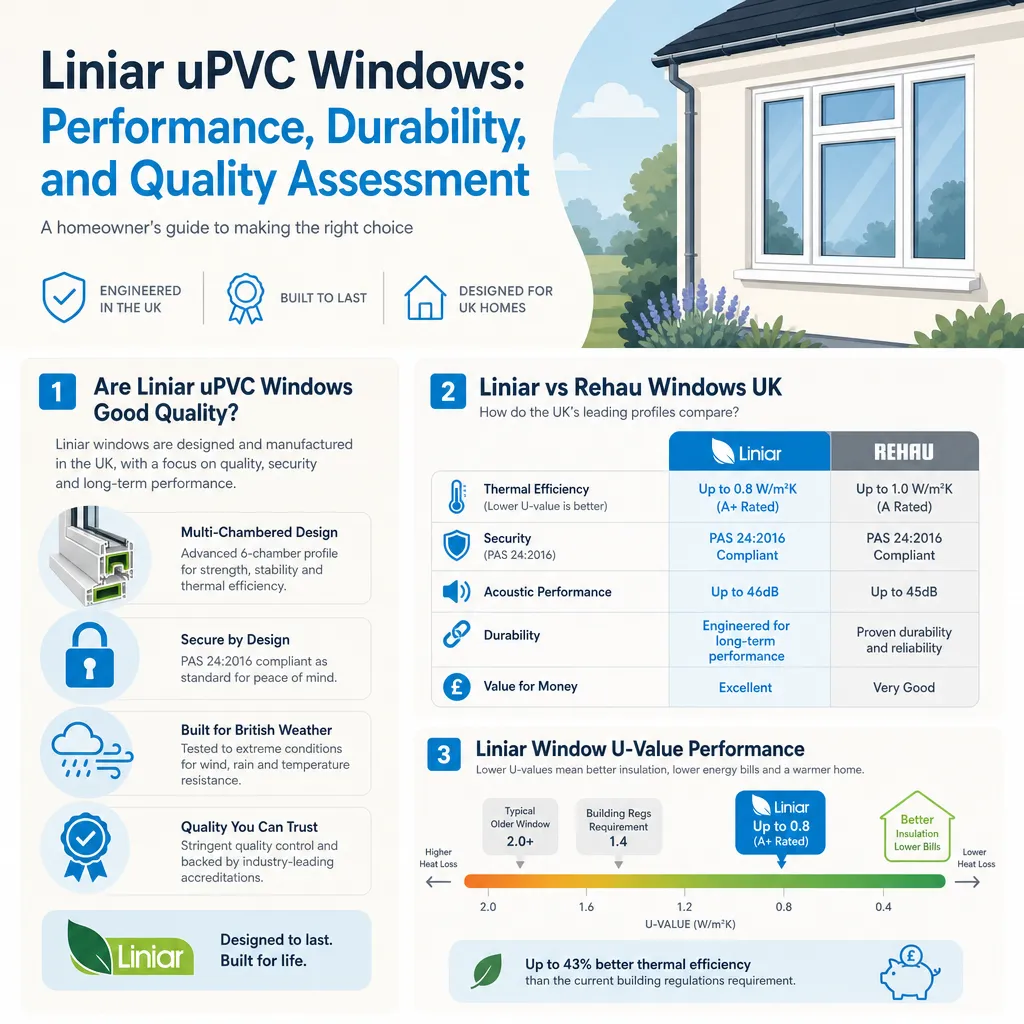
Liniar uPVC Windows: Performance, Durability, and Quality Assessment
Liniar uPVC window profiles are manufactured in the UK using multi-chambered, foamed frames.
 Improvement & Build
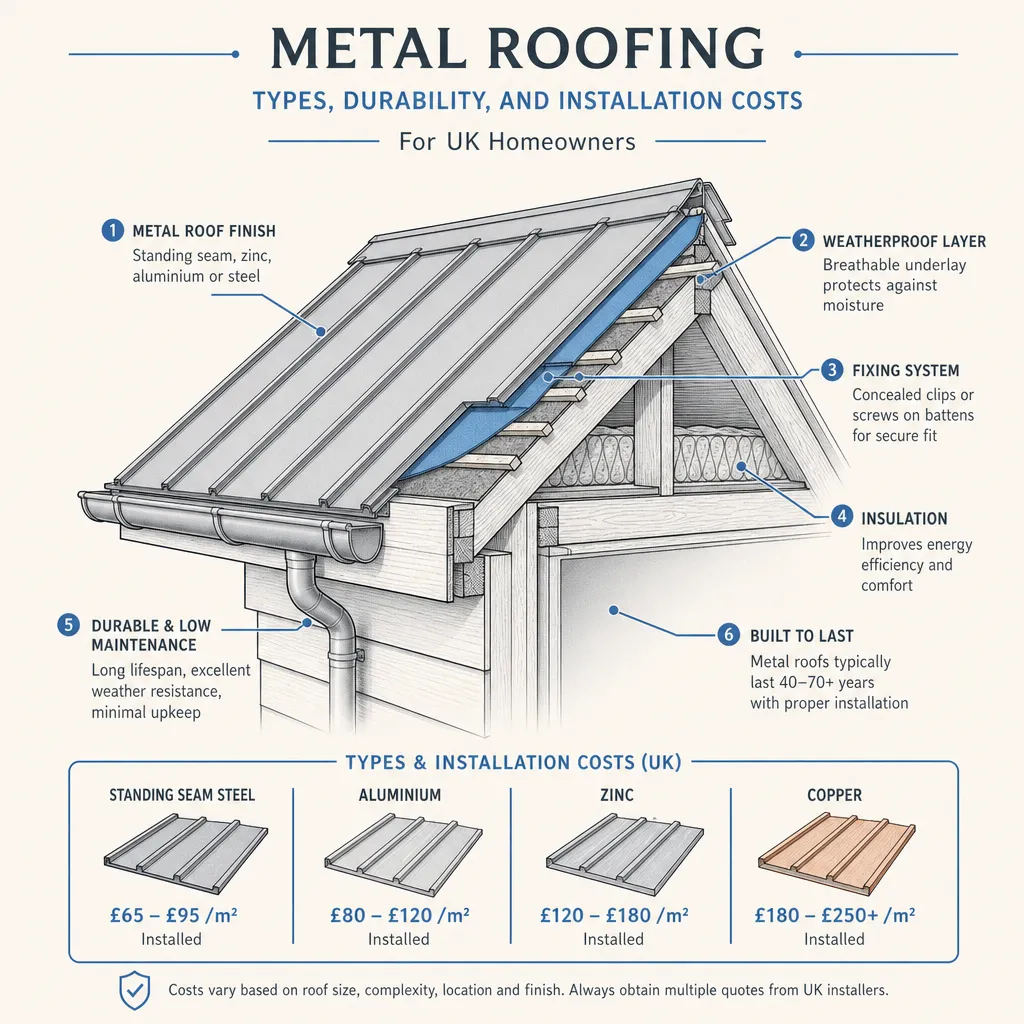
Metal Roofing: Types, Durability, and Installation Costs
Metal roofing in the UK includes standing seam, corrugated sheet, and metal tile systems in steel, aluminium, zinc, or copper.
 Improvement & Build
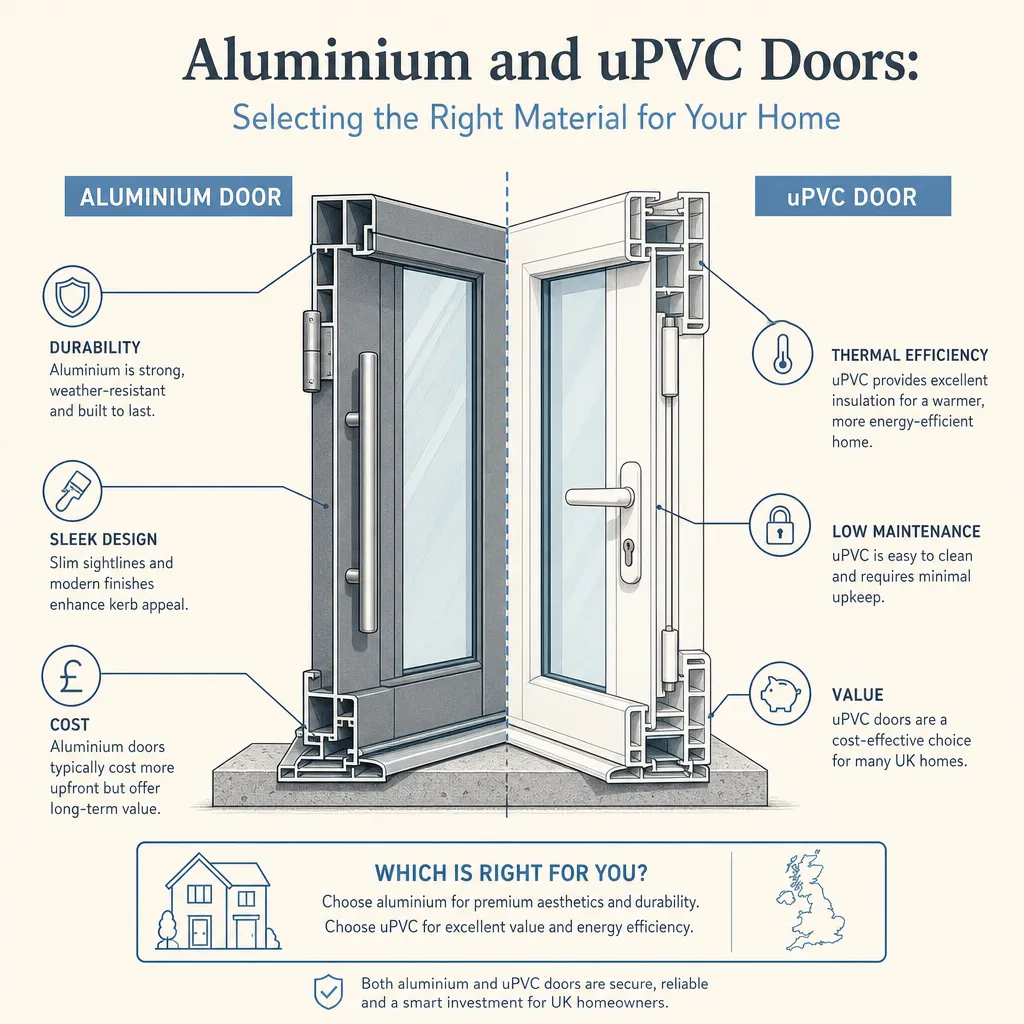
Aluminium and uPVC Doors: Selecting the Right Material for Your Home
uPVC doors are lower-cost and low-maintenance, making them a practical choice for most UK homes.
 Improvement & Build
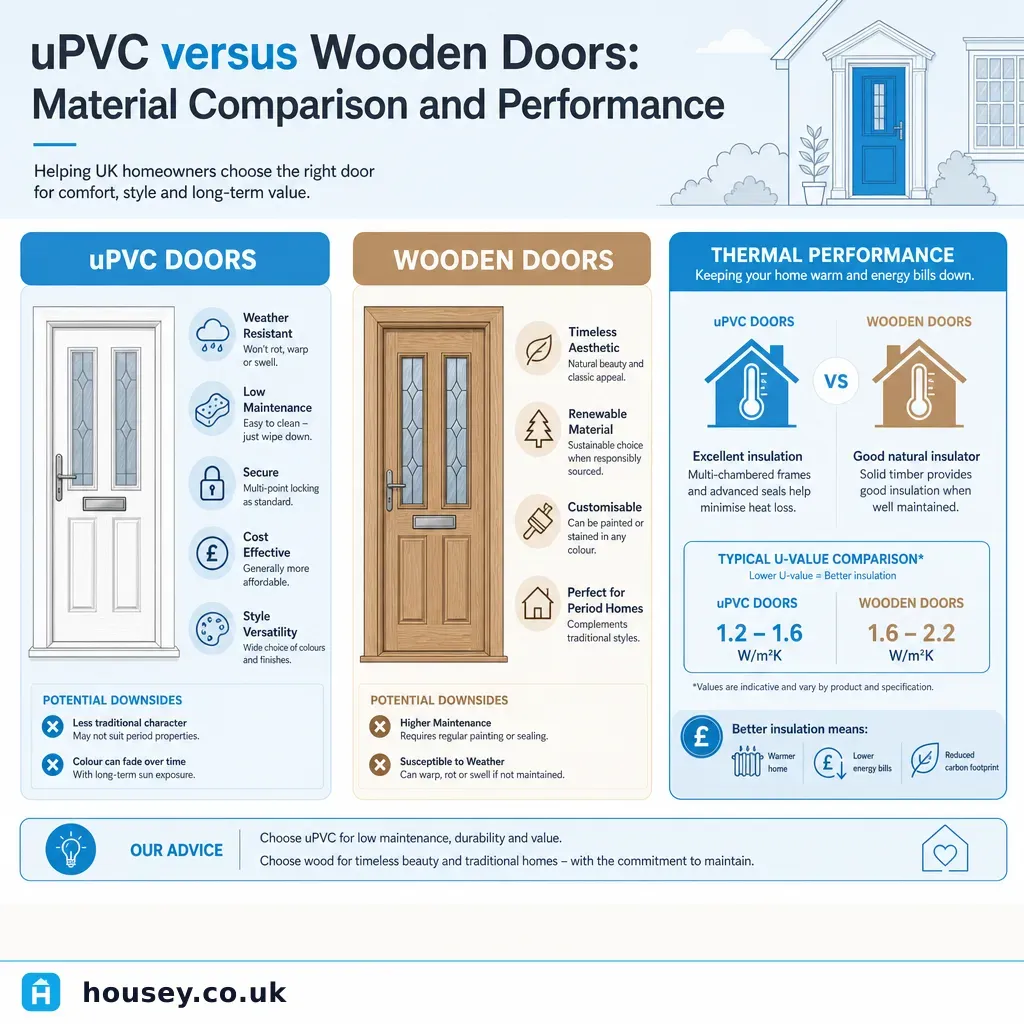
uPVC versus Wooden Doors: Material Comparison and Performance
uPVC doors are generally lower maintenance, better draught-sealed from the factory, and cheaper to install than timber doors.
 Improvement & Build
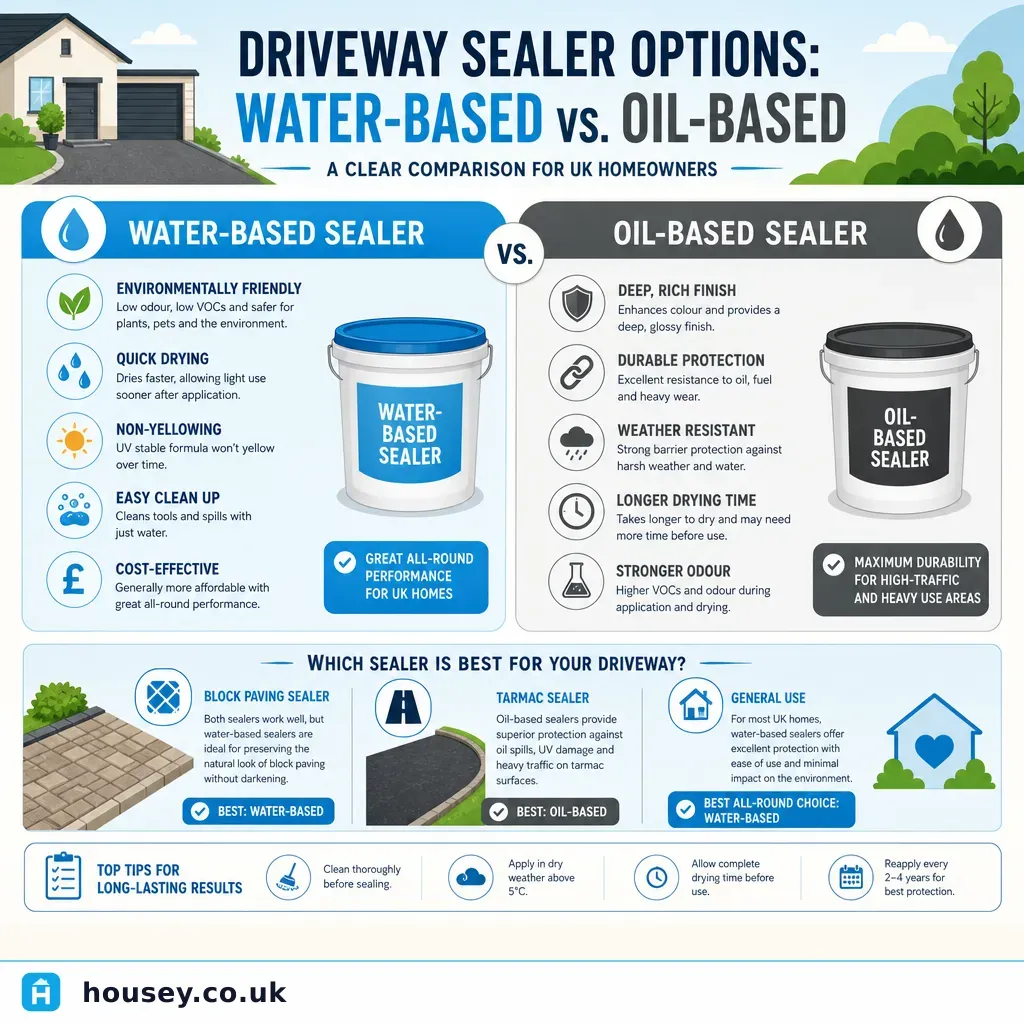
Driveway Sealer Options: Water-Based vs Oil-Based Comparison
Water-based driveway sealers are generally easier to apply, lower in VOCs, and suitable for most block paving and concrete surfaces.