Raised Garden Beds: Design Benefits and Implementation
By Housey · Last reviewed 11th of May 2026
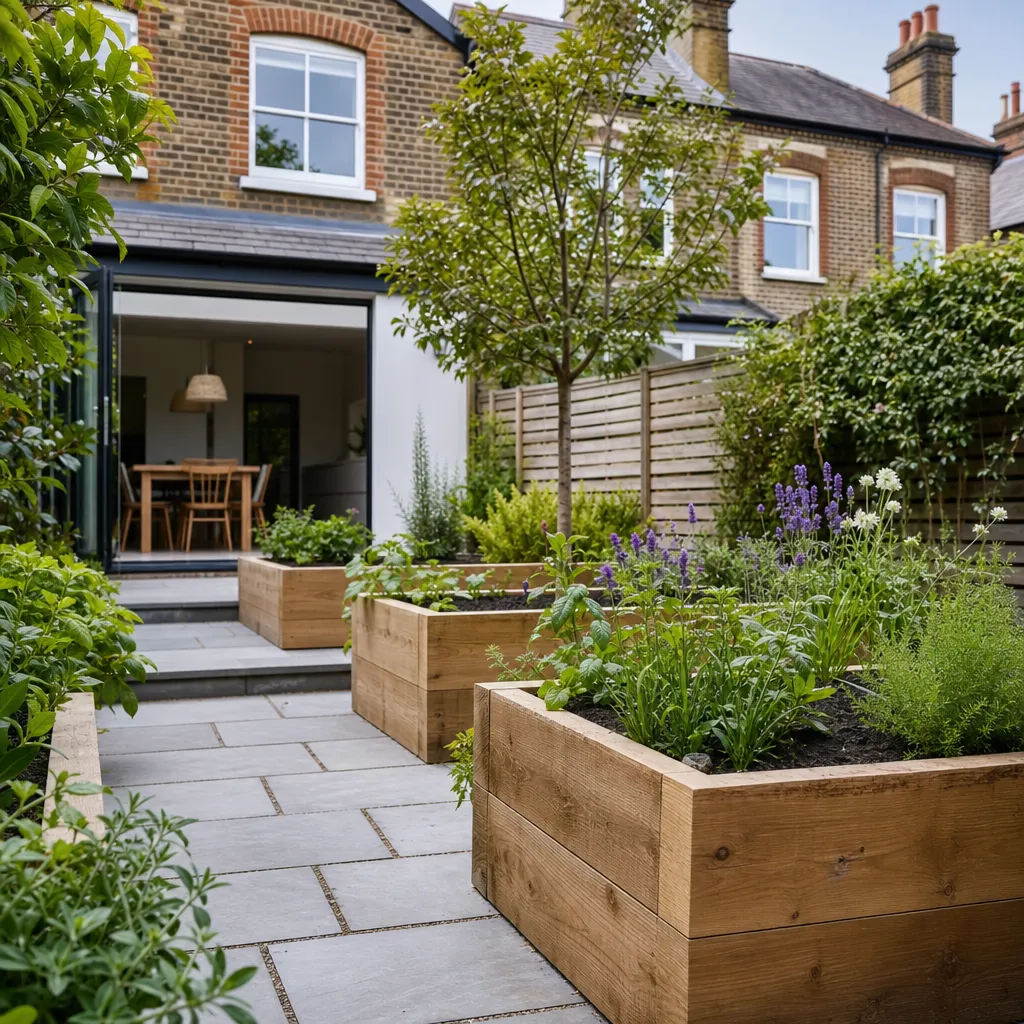
Raised Garden Beds: Design Benefits and Implementation
Raised garden beds have become one of the most practical and popular ways for UK homeowners to grow vegetables, herbs, and flowers — whether dealing with heavy clay soil, a compact plot, or physical limitations that make ground-level digging difficult. The decision to install raised beds typically arises during a garden redesign, a lawn removal, or when a household wants to start growing food for the first time. Getting the design right from the outset — depth, dimensions, material, and siting — makes the difference between a productive, lasting setup and one that needs expensive correction a season later.
Key points
- Raised beds for shallow-rooted crops (lettuce, herbs, strawberries) require a minimum growing depth of 15–20 cm; root vegetables such as carrots and parsnips need 30–45 cm.
- The standard recommended bed width is 1.2 m (approximately 4 ft), allowing comfortable reach from both sides without stepping in and compacting the growing medium.
- Untreated hardwood (oak, larch) and tanalised (pressure-treated) softwood are the most widely used UK construction materials; creosote-treated or CCA (copper-chrome-arsenate) timber must not be used near edible crops.
- The RHS recommends a growing medium of roughly 50% topsoil, 25% horticultural grit or sharp sand, and 25% well-rotted organic matter for general vegetable growing.
- Raised beds on hard surfaces such as paving or concrete require a weed-suppressing membrane at the base and adequate drainage gaps in the frame to prevent waterlogging.
What are the benefits of raised garden beds?
Raised beds offer advantages that are particularly relevant to UK growing conditions, where poorly draining clay soils and short growing seasons are common constraints.
Improved drainage and soil control. Filling the bed yourself means you avoid the compacted, waterlogged, or nutrient-poor ground that affects many UK gardens — particularly those in newer developments where topsoil was stripped during construction.
Warmer soil and a longer growing season. The elevated growing medium warms faster in spring than in-ground soil. In northern England, Scotland, and Wales — where frosts can persist into late April — this can extend the effective growing season by two to four weeks for early crops.
Weed reduction. A well-prepared raised bed with a cardboard or membrane base significantly reduces pressure from persistent perennials such as couch grass and bindweed, which are difficult to eradicate from heavy UK soils.
Accessibility. Beds raised to 45–60 cm or higher can be used comfortably by gardeners with limited mobility, back conditions, or wheelchair users. The charity Thrive, which promotes social and therapeutic horticulture, publishes specific guidance on accessible garden design, including recommended bed heights and pathway widths.
Pest management. The defined perimeter of a raised bed makes it easier to apply physical barriers — copper tape against slugs and snails, fine insect mesh against root flies and cabbage white butterflies — than in open ground.
Which materials work best in the UK?
Material choice affects longevity, appearance, build cost, and food safety where edible crops are grown.
Material | Typical lifespan | Best for | Key considerations |
|---|---|---|---|
Untreated hardwood (oak, larch) | 15–25 years | Edible crops, period or cottage gardens | Higher upfront cost; weathers to a silver-grey patina |
Tanalised softwood (pine, spruce) | 10–15 years | General use, budget-conscious builds | Confirm treatment meets current EN 351 standards; avoid older CCA-treated stock near edibles |
Reclaimed scaffolding boards | 5–10 years | Very low-budget builds | May carry preservative residues; not recommended for edibles |
Corrugated steel or galvanised metal | 20+ years | Contemporary or productive kitchen gardens | Can overheat in full sun; check coating suitability for food-contact applications |
New hardwood or oak sleepers | 20–30 years | Structural, tiered, or decorative beds | Heavy and often need professional handling; avoid reclaimed railway sleepers (typically creosote-treated) |
Brick or dense concrete block | 30+ years | Permanent, formal garden schemes | Higher build cost; requires mortar work or skilled dry-laying |
Indicative UK materials costs, last reviewed 2026-05-11. Prices vary by supplier, timber grade, and region.
Choosing the right dimensions
Width. Keep beds to 1.2 m (4 ft) maximum if accessed from both sides, or 60 cm (2 ft) if accessed from one side only. Stepping inside a raised bed compacts the growing medium, reducing the drainage and aeration benefits the design is intended to provide.
Length. Length is largely a matter of available space and layout preference. 1.8 m to 2.4 m is a manageable working length; beds over 3 m can make it awkward to navigate around the garden or to stretch to the centre from either end.
Depth. Required depth depends on crop type:
- Herbs, lettuce, radishes, strawberries: 15–20 cm minimum
- Tomatoes, courgettes, brassicas, onions: 25–30 cm
- Carrots, parsnips, beetroot, maincrop potatoes: 35–45 cm
- If the bed sits over compacted or heavy clay soil, add 10 cm to give roots room to establish before hitting resistance.
Height above ground. Standard beds are 20–30 cm tall. For accessibility — seated gardening or reduced bending — 45–75 cm is recommended. At this height, consider internal cross-bracing or vertical posts at corners on longer beds to prevent bowing under the weight of the growing medium.
Which option should you choose?
- Choose timber (hardwood or tanalised softwood) if you want an affordable, attractive, easily installed solution for most UK gardens.
- Choose brick or block if you want a permanent, low-maintenance structure with a formal appearance that will last the lifetime of the garden.
- Choose corrugated steel if you prefer a contemporary aesthetic or are setting up a productive kitchen garden or allotment-style plot.
- Ask a garden designer if you are planning a large installation, a tiered or sloped garden, or need raised beds integrated into a wider hard landscaping scheme.
- Check BS 3882:2015 (the British Standard specification for topsoil) before buying bulk growing medium — ask your supplier which grade they supply and request a specification sheet.
Siting, drainage, and ground preparation
Most vegetables and herbs require at least six hours of direct sunlight daily. Siting beds in shade will significantly reduce yields, particularly for fruiting crops such as tomatoes, climbing beans, and courgettes.
Drainage checklist:
- Lay a weed-suppressing membrane or several layers of damp cardboard at the base before filling; cardboard will decompose over time and allow worm activity to develop.
- For beds on compacted soil or paving, ensure the growing medium depth is sufficient for root development and include gaps or holes in the base frame.
- Avoid low-lying areas and positions against walls where water collects after heavy rain.
- Check that beds installed on paving will not cause pooling that could affect the condition of neighbouring structures or cause drainage issues.
Homeowner planning checklist
Before building or ordering raised beds:
When to get professional help
Most raised bed installations are straightforward projects for a competent DIY homeowner. Consider professional help when:
- The site is on a significant slope requiring terracing, retaining walls, or drainage engineering beyond simple grading.
- You are planning a large garden redesign integrating raised beds with hard landscaping, irrigation systems, or lighting.
- Access to the site is restricted and material delivery or mechanical handling is needed.
- The ground may be contaminated (near old industrial land, some urban infill sites, or gardens with a documented history of heavy pesticide use) — a membrane is essential in these circumstances and professional soil testing may be advisable before growing edibles.
How Housey can help
If raised beds are part of a wider garden redesign, Housey connects you with vetted garden designers who can advise on layout, materials, and planting plans, as well as landscapers who can handle construction of more complex or permanent raised bed installations including terracing and irrigation.
Frequently asked questions
Do raised garden beds need planning permission?
In most cases, no. Raised beds are treated as garden fixtures rather than structures and typically fall within permitted development for domestic properties. If your home is listed or in a conservation area, check with your local planning authority before making significant changes to the garden layout, as restrictions may apply.
What is the best wood for raised beds in the UK?
Untreated hardwoods such as oak and larch are widely considered the most durable and safest choice for edible beds, though they cost more upfront. Tanalised (pressure-treated) softwood is a practical alternative, provided it complies with current EN 351 treatment standards. Avoid creosote-treated or CCA-treated timber near edible crops, and do not use reclaimed railway sleepers for food-growing beds.
How deep should a raised bed be for vegetables?
For salad crops and herbs, 15–20 cm is usually sufficient. For fruiting plants, brassicas, and onions, aim for 25–30 cm. For root vegetables such as carrots and parsnips, a minimum of 35–45 cm is recommended to allow unobstructed root development. If the bed sits over compacted soil, adding a further 10 cm helps roots establish before hitting resistance.
Can I put a raised bed on a paved patio or concrete?
Yes, but ensure the growing medium is at least 30 cm deep for most crops. Include gaps or drainage holes at the base of the frame to prevent waterlogging and lay a weed-suppressing membrane at the base. Heavy soil-filled beds can put stress on older or less stable paving, so check the surface condition before installing.
Sources and further reading
- Raised beds: how to make and fill them — Royal Horticultural Society (RHS)
- Thrive: gardening for health and wellbeing — Thrive (social and therapeutic horticulture charity)
- BS 3882:2015 Specification for topsoil — BSI British Standards
- Permitted development rights for householders — Planning Portal
Useful next reads
 Improvement & Build
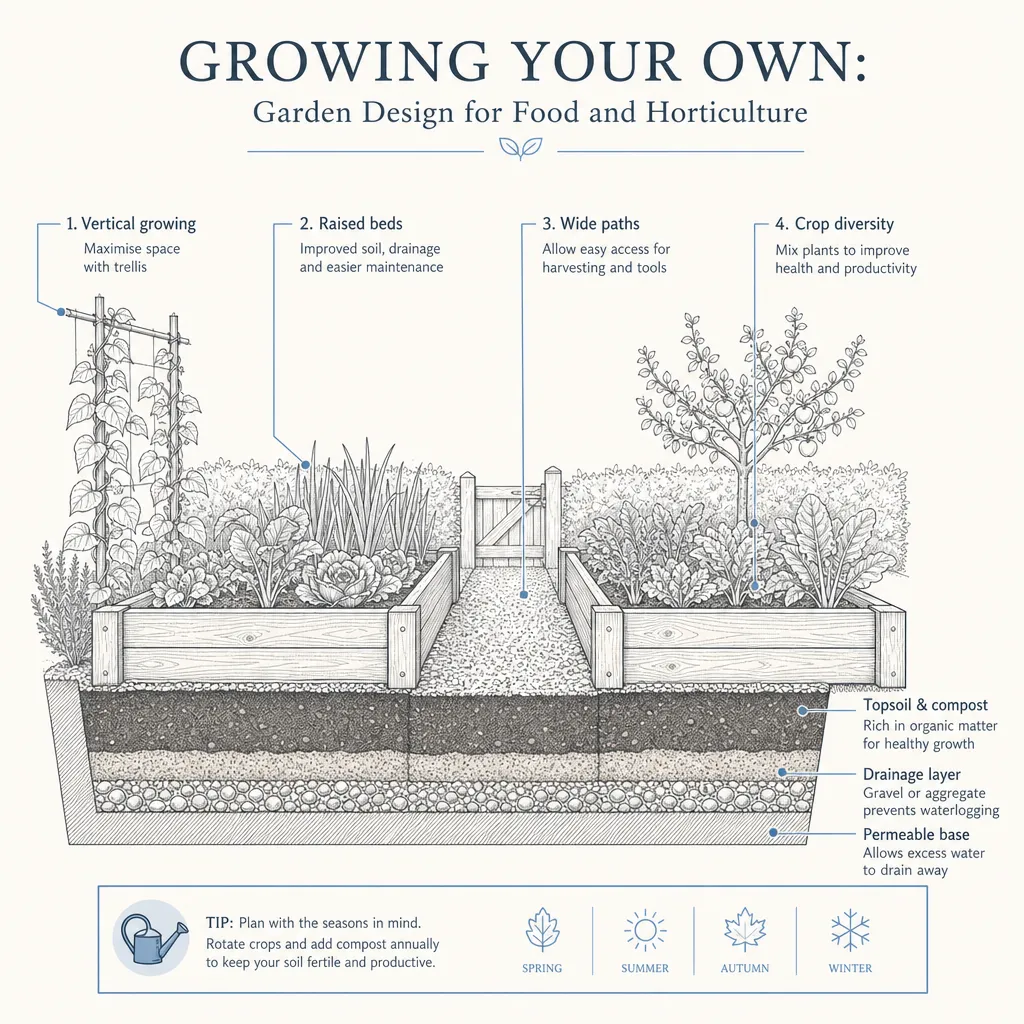
Growing Your Own: Garden Design for Food and Horticulture
A productive food garden starts with assessing your plot's sunlight, soil, and drainage, then choosing the right structures — raised beds, paths, a cold frame, or a greenhouse — to match your space.
 Improvement & Build
Gardening in Hot Weather: Growing Successfully in Summer Conditions
In hot weather, UK gardens benefit most from deep watering in the early morning, a 5–7.
 Improvement & Build
Expert advice for garden design and outdoor space planning
Effective garden design begins with a site assessment — soil type, aspect, drainage, and existing trees — before any planting or layout decisions are made.
 Improvement & Build
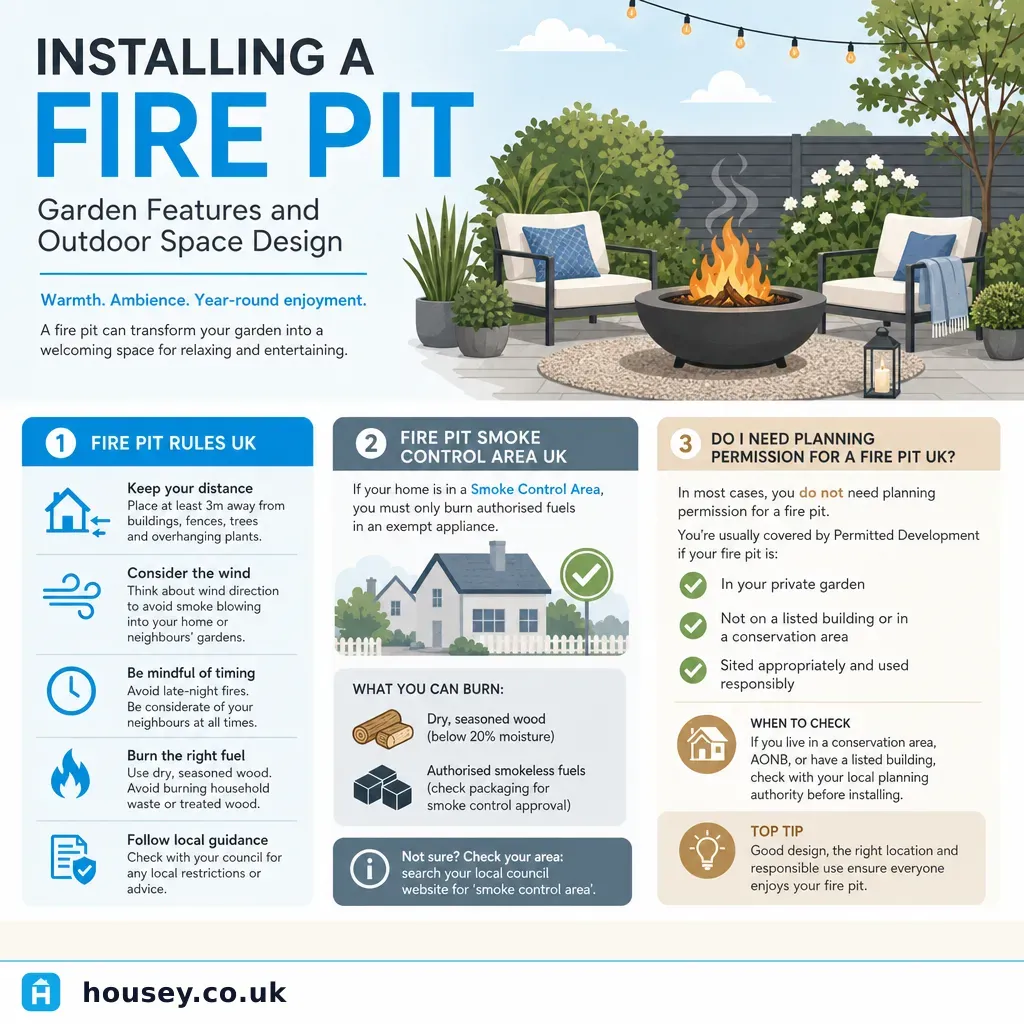
Installing a Fire Pit: Garden Features and Outdoor Space Design
Installing a garden fire pit in the UK is generally permitted, but Smoke Control Area rules prohibit open wood-burning in most towns and cities.
 Improvement & Build
Seasonal Garden Transformations and Outdoor Design Ideas
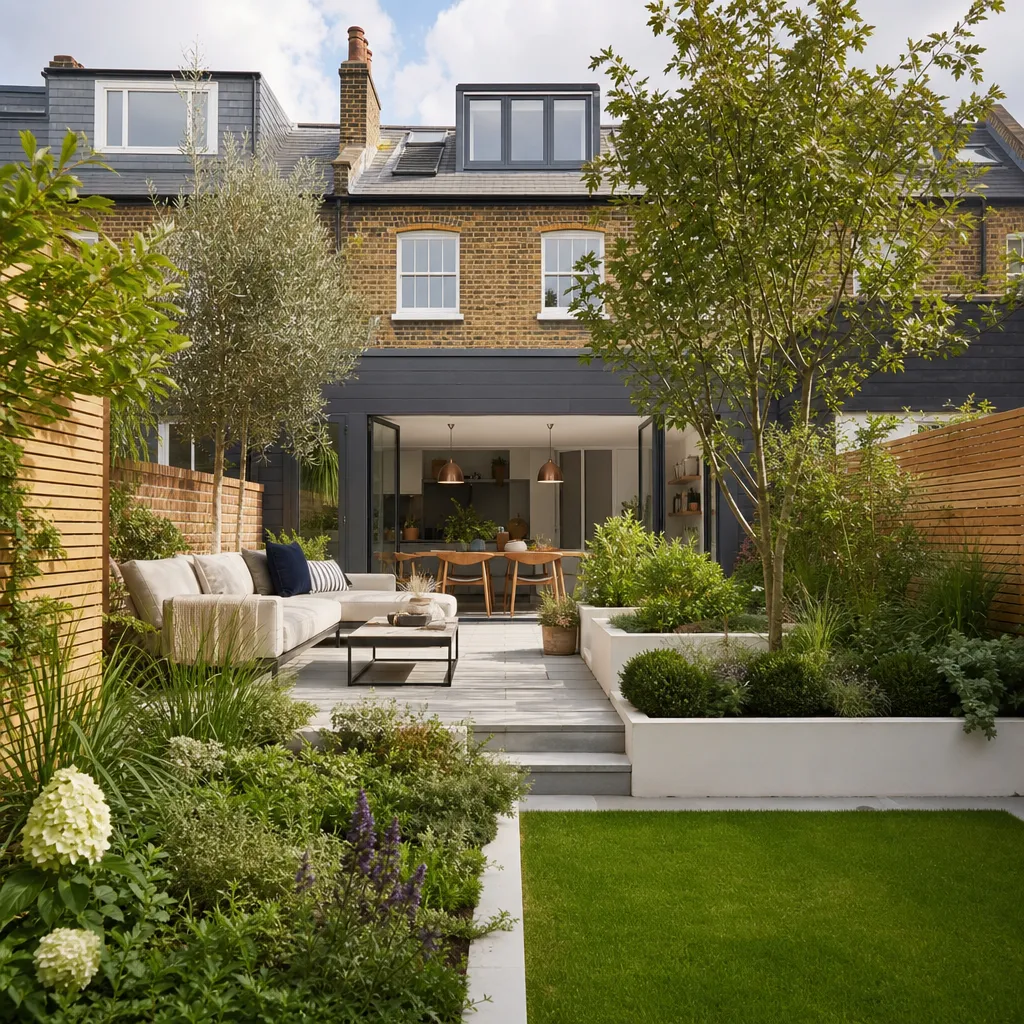
A successful garden transformation in the UK works with the seasons rather than against them — establishing structure and hard landscaping in autumn or winter, planting in spring, and enjoying the results through summer.