Removal and Disposal of Expanded Foam Roof Insulation
By Housey · Last reviewed 6th of May 2026
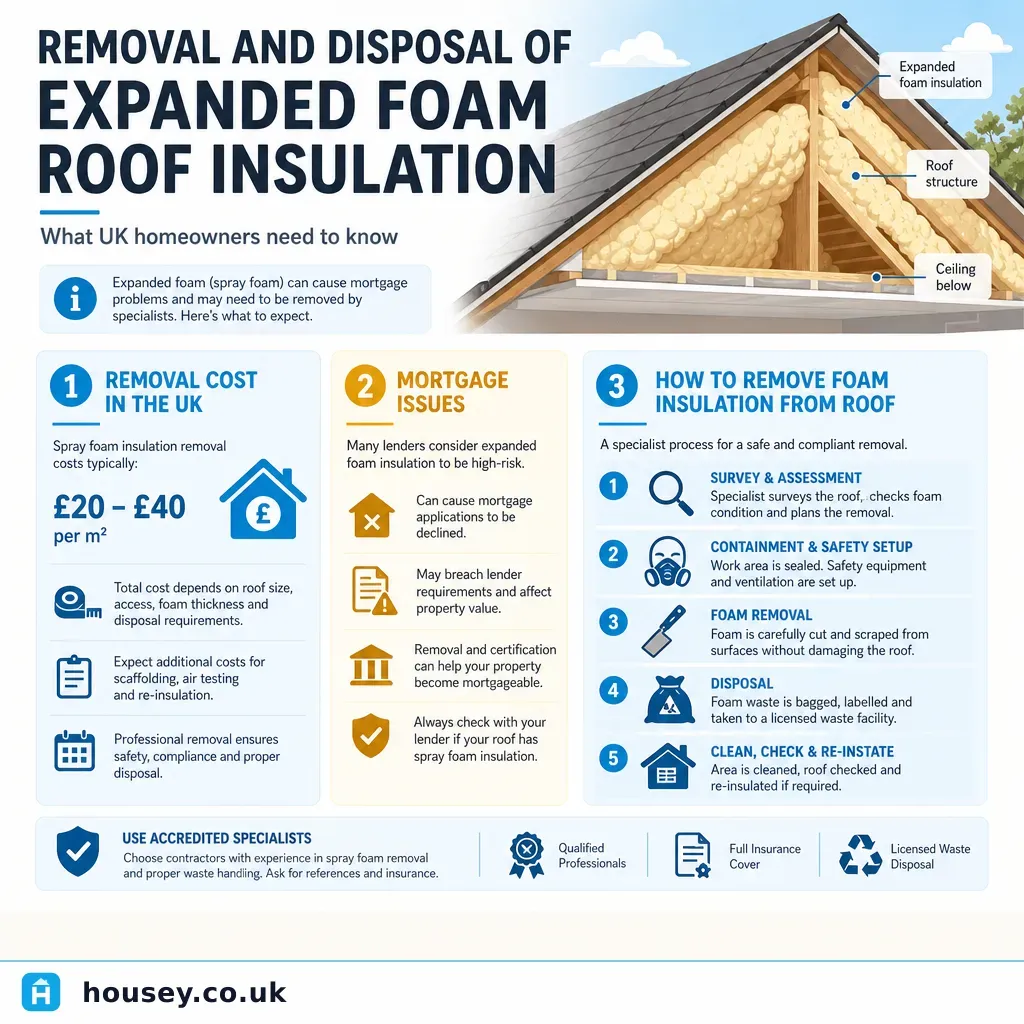
Removal and Disposal of Expanded Foam Roof Insulation
Expanded and spray foam insulation was installed in hundreds of thousands of UK roof spaces and lofts from the 1980s onwards, often as a low-cost draught-proofing measure marketed door-to-door. In recent years, its presence has become a significant problem for homeowners attempting to sell or remortgage — with many mainstream lenders declining or restricting lending on properties where spray foam is identified in the roof structure. Whether you are removing foam to restore mortgage eligibility, to replace a failing insulation system, or to re-roof entirely, the process is considerably more complex than standard loft insulation removal and carries specific regulatory and safety obligations that make professional involvement essential.
Key points
- In any property built or substantially refurbished before 2000, asbestos-containing materials (ACMs) may be present in the roof space — including asbestos cement sheets, pipe lagging, or soffit boards — and must be identified before removal work disturbs the area, as required by the Control of Asbestos Regulations 2012.
- Closed-cell spray polyurethane foam (SPF) bonded to roof rafters prevents surveyors from assessing timber condition, which is the primary reason RICS-following lenders flag it as a defect requiring investigation before lending.
- Spray foam waste is subject to the Waste (England and Wales) Regulations 2011 and must be removed by a registered waste carrier; always obtain a waste transfer note as proof of compliant disposal.
- Replacement insulation installed after foam removal must meet Building Regulations Approved Document L minimum U-value requirements — typically 0.16 W/m²K for a cold pitched roof or a compliant warm roof specification.
- Working in a confined roof void at height engages the Work at Height Regulations 2005; specialist access equipment and safe working procedures are required and should be confirmed with any contractor you appoint.
What types of expanded foam are typically found in roofs?
Several foam products have been used in UK roof spaces. The type present directly affects removal difficulty, cost, and risk:
Foam type | Typical location | Removal difficulty | Key risk |
|---|---|---|---|
Open-cell spray polyurethane foam (SPF) | Sprayed to underside of rafters or sarking board | Moderate — can often be cut and scraped | Absorbs moisture; may conceal timber decay beneath |
Closed-cell spray polyurethane foam (SPF) | Sprayed to underside of rafters; rigid and dense | High — bonds very firmly; mechanical removal required | Traps moisture in timber; extremely difficult to remove cleanly |
Expanded polystyrene (EPS) boards | Between or over joists, occasionally under sarking | Low to moderate — usually cut and lifted | Rarely the primary rafter insulation; generally more accessible |
Polyurethane foam gap-filler | Point-applied at junctions and gaps | Low — cut and removed spot by spot | Rarely a structural issue when used only as gap-filler |
Closed-cell SPF is the most problematic for mortgage eligibility, removal cost, and timber condition assessment because of its rigid bond, moisture-trapping properties, and the difficulty of inspecting the substrate beneath it.
Why is spray foam causing mortgage problems?
Mainstream mortgage lenders and their appointed valuers follow RICS guidance, which identifies spray foam applied to roof rafters as a significant material concern. The core issues are:
- Structural concealment: Foam bonded to rafters makes it impossible for a surveyor to assess whether the timber beneath is decayed, infested, or damaged without physical removal first.
- Moisture trapping: Closed-cell foam prevents rafters from drying naturally, accelerating decay over time — particularly at the eaves and in poorly ventilated ridge zones.
- Roof lifespan reduction: Where foam has been applied over an ageing felt underlay, the underlay cannot be inspected or replaced without removing the foam, shortening the effective life of the roof covering.
- Guarantee failure: Many foam installation companies operating in the 1990s and 2000s no longer exist, making any product guarantee unenforceable.
If a surveyor identifies spray foam during a RICS Level 2 or Level 3 survey, they will typically flag it as a defect requiring specialist investigation. Some lenders will not proceed to offer until a post-removal structural report is provided.
What the removal process involves
Removing expanded foam roof insulation is specialist work. The typical sequence is:
- Asbestos survey — in any property built before 2000, a refurbishment/demolition asbestos survey (as defined under the Control of Asbestos Regulations 2012) should be carried out by a UKAS-accredited surveyor before work begins. If ACMs are found, a licensed asbestos contractor must manage or remove them before foam removal proceeds.
- Structural assessment — a structural engineer or experienced roofer should assess rafters, ridge, purlins, and sarking board condition before and during removal to identify decay, deflection, or damage.
- Scaffolding and access — external scaffolding may be required if roof tiles or slates need to be lifted. Internal access platforms within the roof void are needed for safe confined-space working. The Work at Height Regulations 2005 apply throughout.
- Foam removal — depending on foam type, this involves mechanical scraping, cutting, grinding, or proprietary foam-removal solvents. Closed-cell SPF is particularly labour-intensive and may require removing roof tiles from above to access firmly bonded sections.
- Timber inspection and treatment — once exposed, all structural timbers should be checked for rot, woodworm, and moisture content. Timbers above 20% moisture content or showing decay should be treated or replaced before re-insulating.
- Replacement insulation — new insulation must meet Building Regulations Part L U-value requirements. A retrofit assessor or energy consultant can advise on the appropriate system for your roof type and tenure.
- Waste disposal — foam and contaminated materials must be removed by a licensed waste carrier under the Waste (England and Wales) Regulations 2011. Request a waste transfer note as proof of compliance.
Decision tree: do you need full foam removal?
- If your property was built before 2000 and has not had an asbestos survey → arrange a refurbishment/demolition survey before any roof work begins, including foam removal.
- If a mortgage application or remortgage has been declined because of spray foam → instruct a specialist foam removal contractor and request a post-removal structural report in a lender-acceptable format.
- If foam is present but you are not selling, remortgaging, or reroofing → commission a specialist surveyor to assess whether monitoring, partial removal, or full removal is the appropriate course of action.
- If you are planning a full re-roof → foam removal is usually integrated into the reroofing contract; confirm in writing that disposal is included and that a waste transfer note will be provided.
- If you suspect the foam is concealing active timber decay or structural distress → do not delay; contact a structural engineer or RICS chartered surveyor for urgent assessment.
Red flags requiring urgent professional attention
- A mortgage valuation or RICS survey report flagging spray foam as a condition of lending or as a significant defect.
- Visible sagging, wet patches, or dark staining on the underside of roof timbers adjacent to the foam.
- A persistent smell of dampness or decay in the loft space, particularly after rainfall.
- Roof tiles or slates that have shifted, are lifting, or show irregular deflection — may indicate rafter movement concealed by foam.
- Asbestos-containing materials identified or suspected in the roof void — do not disturb; contact a UKAS-accredited asbestos surveyor immediately.
- Foam applied directly over or around electrical cables, junction boxes, or fittings in the loft space.
- Any foam that has bridged the eaves ventilation gap, which can cause condensation and accelerated timber decay at rafter feet.
Important limitations
This article provides general information for UK homeowners and does not constitute structural, legal, financial, asbestos safety, or building control advice. Risks, regulatory requirements, and appropriate remediation will vary significantly depending on property age, foam type, roof construction, and local conditions. A qualified professional — including a UKAS-accredited asbestos surveyor, structural engineer, specialist foam removal contractor, or retrofit assessor — should assess your specific property before any removal work is instructed. Mortgage lender requirements also vary; always confirm current policy directly with your lender or an independent mortgage broker.
What to ask a qualified professional
Before instructing a foam removal contractor or commissioning a structural assessment, ask:
- Are you a licensed asbestos contractor under the Control of Asbestos Regulations 2012, or will you arrange a UKAS-accredited asbestos survey before work begins?
- What method will you use to remove the foam, and how will you protect the timber structure and roof covering during removal?
- What happens if rotted or structurally compromised timbers are found — is repair within your scope, or will you appoint a structural engineer?
- How will foam waste be classified, transported, and disposed of, and will you provide a waste transfer note?
- Will you produce a post-removal report suitable for submission to my mortgage lender or their appointed surveyor?
- Are you registered with TrustMark or a relevant trade body, and can you provide evidence of current public liability insurance?
- What warranty or guarantee do you offer on the removal work and any replacement insulation system you install?
When to get professional help
Foam roof insulation removal is not a DIY task under any circumstances. Working at height in a confined roof void, the potential presence of asbestos-adjacent materials in pre-2000 properties, structural uncertainty beneath bonded foam, and regulated waste disposal obligations all require specialist contractor involvement and compliance with UK regulations. Seek professional assessment without delay if:
- A surveyor, lender, or valuer has flagged spray foam in a report or as a condition of lending.
- You discover foam has been applied in a pre-2000 roof void that has not had an asbestos survey.
- You notice structural distress — sagging timbers, ridge deflection, or unexplained leaks — in a roof where foam is present.
- You are planning to re-roof a property where foam is bonded to sarking boards or rafters.
How Housey can help
Once foam has been professionally removed and the roof structure confirmed as sound, Housey can connect you with vetted insulation installers experienced in installing post-removal loft insulation to Building Regulations Part L standards. Request quotes from qualified local installers to compare specifications, U-value performance, and pricing for your project.
Frequently asked questions
Will spray foam insulation prevent me from getting a mortgage?
It may. Many UK mortgage lenders follow RICS guidance that identifies spray foam on roof rafters as a defect requiring investigation. If a surveyor reports foam in the roof, some lenders will decline to lend until it is removed and the roof structure is confirmed as sound. Always disclose foam to your surveyor and check current policy with your lender or mortgage broker before instructing removal.
How much does expanded foam roof insulation removal cost?
Costs vary widely by foam type, roof size, access, and timber condition beneath. As a rough indication, specialist removal for a standard three-bedroom semi-detached loft might range from approximately £1,500 to £5,000+, excluding structural repairs or replacement insulation (Indicative UK costs, last reviewed 2026-05-06; obtain quotes from specialist contractors). Closed-cell spray polyurethane foam firmly bonded to rafters is at the higher end due to labour intensity.
Can I remove spray foam roof insulation myself?
No — for most properties this is not appropriate DIY work. Working at height in a confined roof space, potential asbestos risks in pre-2000 properties, structural uncertainty beneath the foam, and regulated waste disposal requirements all require specialist contractors. Attempting removal without a prior asbestos survey in a pre-2000 property could breach the Control of Asbestos Regulations 2012.
What happens to the roof structure after foam insulation is removed?
Once foam is removed, a structural engineer or experienced roofer should inspect all timber elements — rafters, ridge board, purlins, and wall plates — for rot, moisture damage, or pest infestation. Timbers with moisture content above 20% or showing active decay should be treated or replaced before new insulation is installed. Some properties require partial reroofing as part of the remediation.
Does foam insulation removal require building regulations approval?
Removal alone does not typically require a building regulations application, but installing replacement insulation may if it changes the thermal envelope of the roof. New insulation must meet Part L U-value requirements. If structural timbers are repaired or replaced as part of the work, this may also engage Building Regulations Part A. Check with a building control officer or your local authority if you are unsure.
Sources and further reading
- Control of Asbestos Regulations 2012 — Health and Safety Executive
- Work at Height Regulations 2005 — Health and Safety Executive
- Approved Document L: Conservation of fuel and power — GOV.UK
- Waste (England and Wales) Regulations 2011 — legislation.gov.uk
- Spray foam insulation in roof voids — RICS
- Loft insulation — Energy Saving Trust
Useful next reads
 Energy & Retrofit
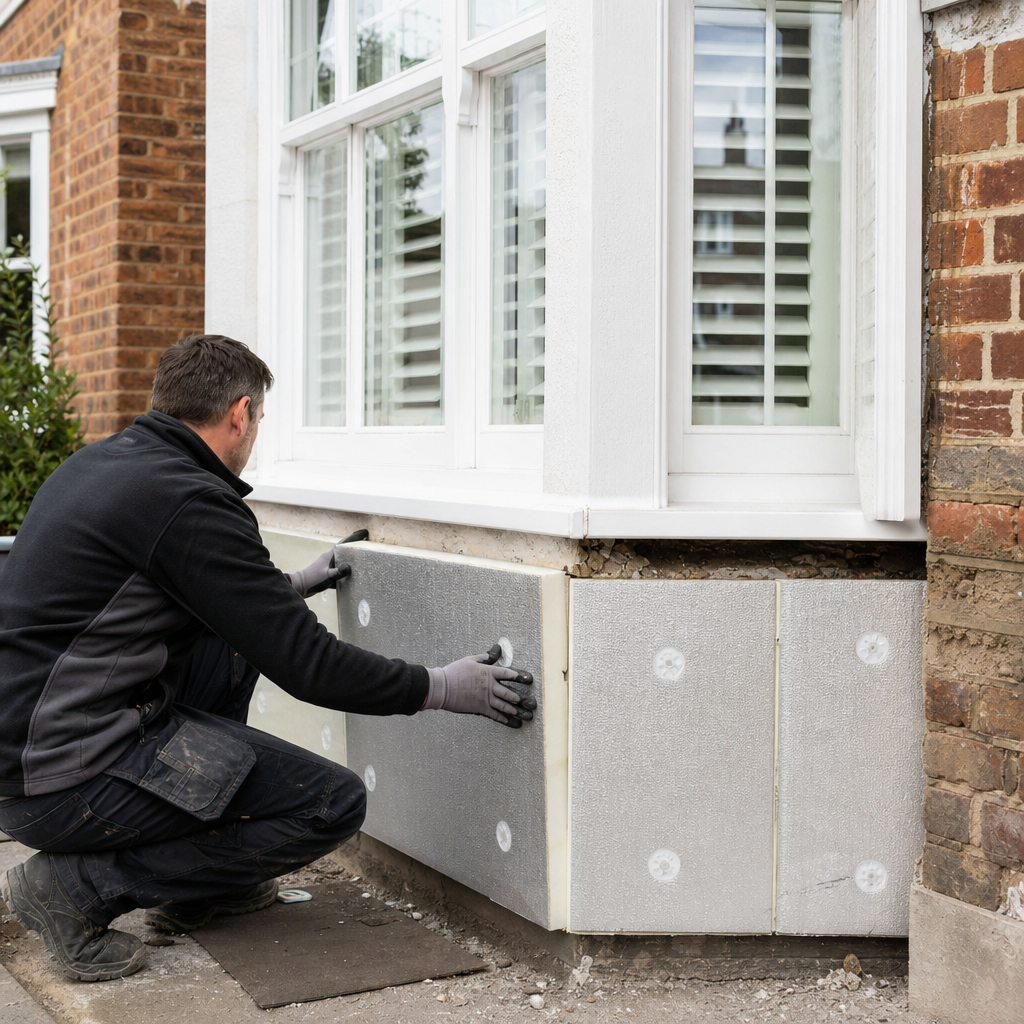
Insulating Solid Masonry Walls Under Bay Windows: Technical Guidance
Insulating solid masonry walls under bay windows requires specialist detailing at angled wall faces, window reveals, and the bay floor and ceiling junctions.
 Energy & Retrofit
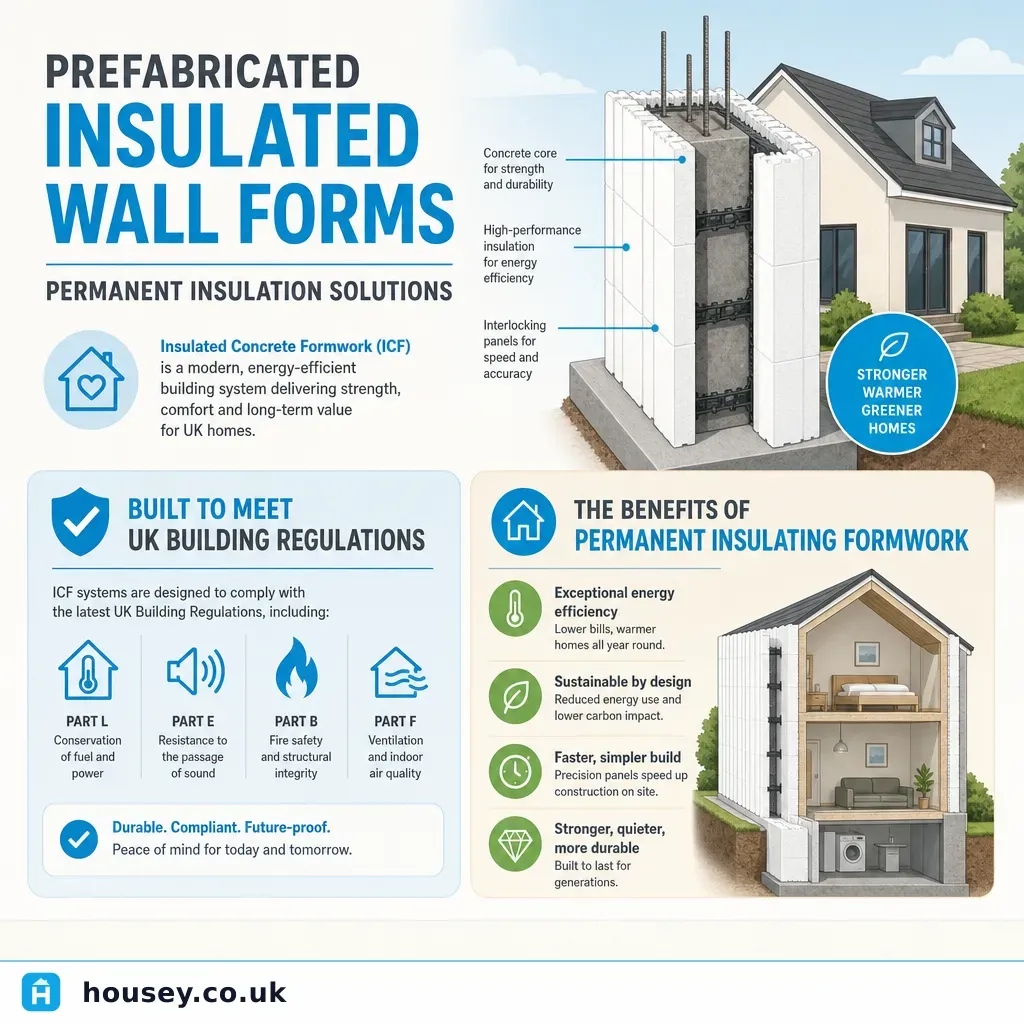
Prefabricated Insulated Wall Forms: Permanent Insulation Solutions
Prefabricated insulated wall forms — including ICF and SIPs systems — deliver high thermal performance by combining permanent insulation with structural concrete or timber in a single wall assembly.
 Energy & Retrofit
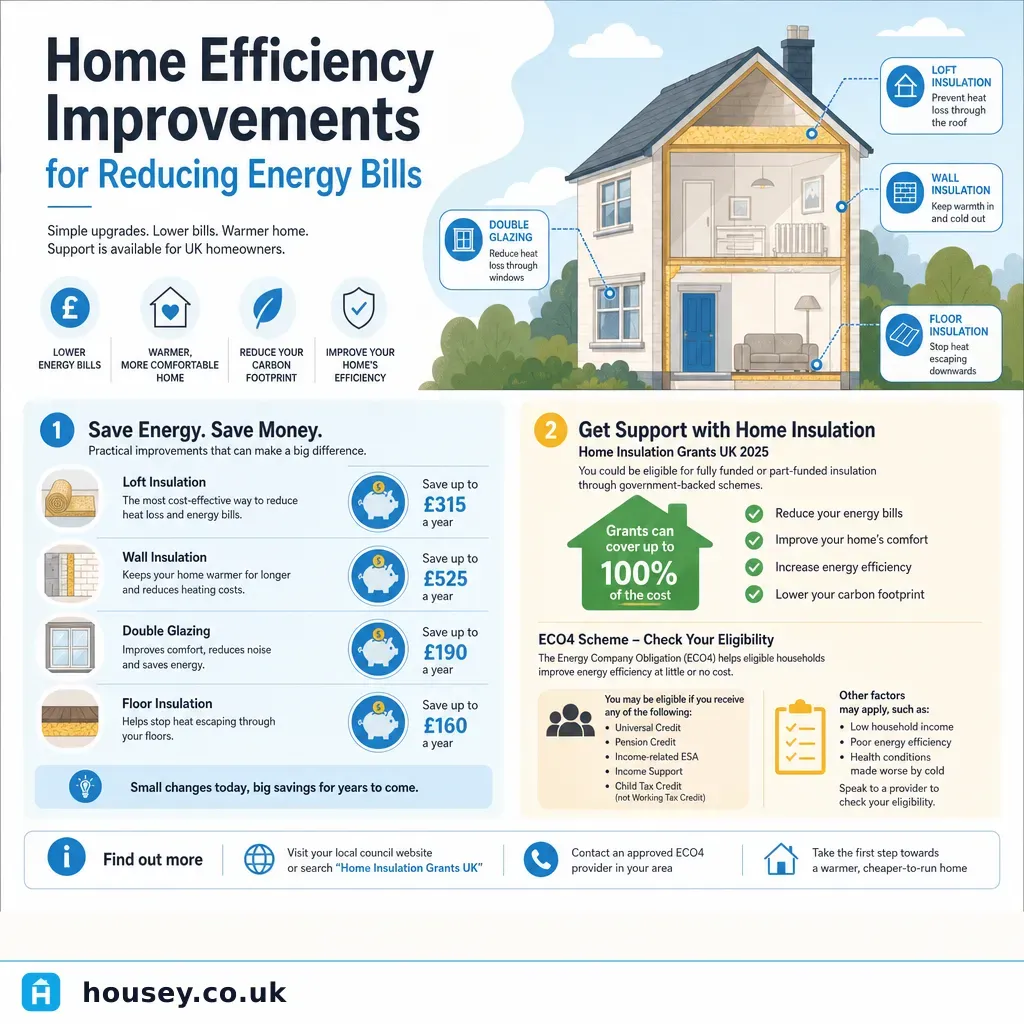
Home Efficiency Improvements for Reducing Energy Bills
The most cost-effective UK home efficiency improvements are usually loft insulation, cavity wall insulation, draught-proofing, and upgrading heating controls.
 Energy & Retrofit
Solar Energy Integration in Below-Ground Structures: Design and Feasibility
Below-ground structures cannot host solar panels on their own roofs but can use surface-mounted panels connected via cable runs, solar light tubes for daylighting, and battery storage.
 Energy & Retrofit
Climate-Ready Home Improvements for the Future
Climate-ready home improvements tackle four main risks for UK properties: overheating, increased rainfall and flooding, storm damage, and energy cost volatility.