Rental Property Inspection Checklist: What Landlords Should Assess
By Housey · Last reviewed 18th of May 2026
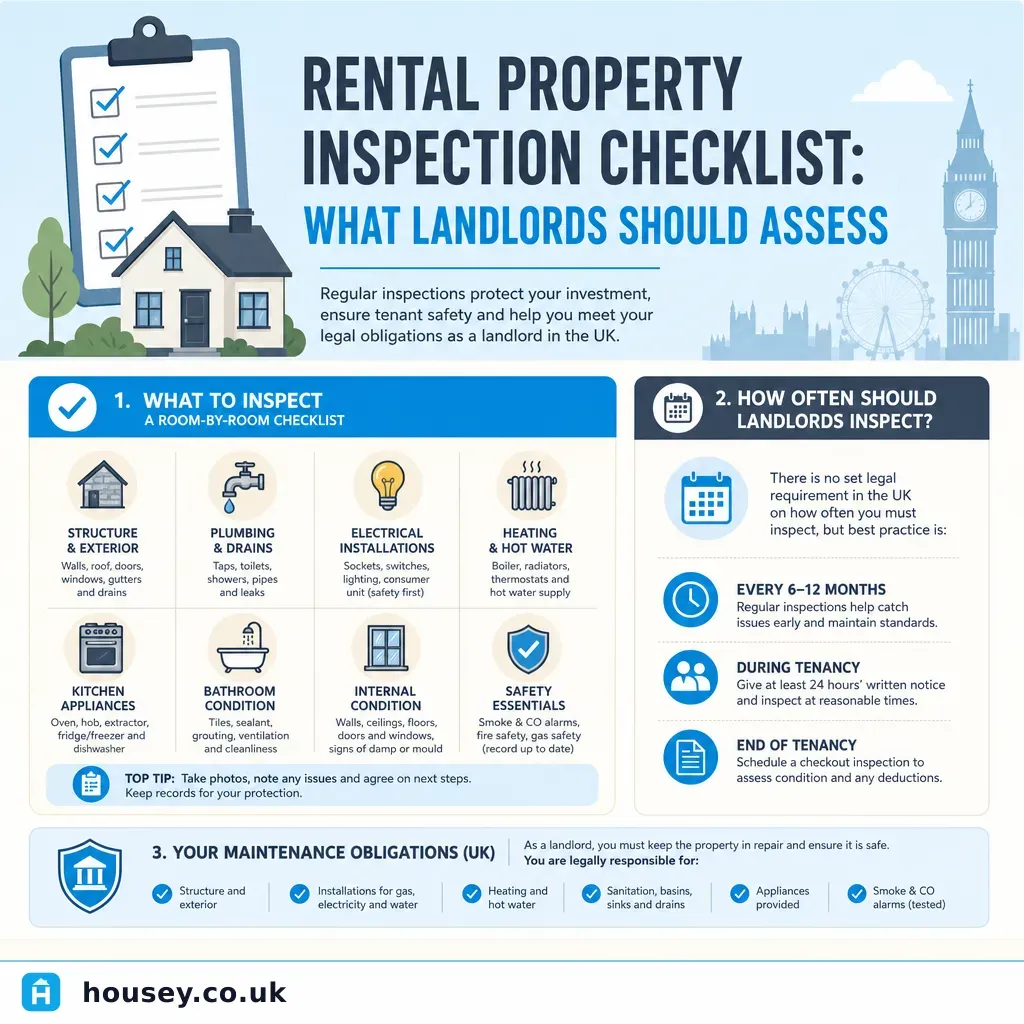
Rental Property Inspection Checklist: What Landlords Should Assess
Rental property inspections sit at the intersection of legal obligation and practical maintenance management. Whether you own a single buy-to-let or a larger portfolio, knowing what to look for — and when — protects your property's value, keeps tenants safe, and reduces the risk of enforcement action or costly disputes.
Key points
- Section 11 of the Landlord and Tenant Act 1985 places legal repair obligations on landlords for the structure, exterior, and services of most residential lets.
- Gas appliances must be checked annually by a Gas Safe registered engineer; a valid Gas Safety Record (CP12) must be provided to tenants within 28 days of the check.
- Electrical Installation Condition Reports (EICRs) are compulsory for private rental properties in England, renewed at least every five years or at the start of each new tenancy.
- The Smoke and Carbon Monoxide Alarm (Amendment) Regulations 2022 require at least one smoke alarm on every storey and a CO alarm in any room containing a solid fuel appliance.
- The Homes (Fitness for Human Habitation) Act 2018 gives tenants the right to take landlords to court if a property is not kept in a habitable condition.
What a landlord inspection should cover
A thorough inspection addresses four areas: safety compliance, structural condition, services and installations, and internal fabric. Safety items are non-negotiable legal duties; structural and fabric issues are risk-based but equally important for long-term asset management.
Statutory safety checks
Item | Frequency | Who carries it out | Key document |
|---|---|---|---|
Gas safety check | Annually | Gas Safe registered engineer | Gas Safety Record (CP12) |
Electrical installation (EICR) | Every 5 years or at tenancy start | NICEIC- or NAPIT-registered electrician | EICR certificate |
Smoke alarms | At tenancy start and each inspection | Landlord (test); engineer if faults found | Record of test |
CO alarms | At tenancy start and each inspection | Landlord (test) | Record of test |
Legionella risk assessment | Periodically — every 2 years for low-risk properties is common | Competent person | Risk assessment record |
Fire door checks (HMOs) | Per licence conditions | Qualified fire door inspector | Inspection log |
Structural condition
Walk the exterior systematically. Check:
- Roof covering: missing or cracked tiles; visible sagging; blocked gutters and downpipes.
- External walls: cracking patterns, particularly stepped cracks through mortar joints or diagonal cracks near openings; spalling brickwork; mortar erosion.
- Chimneys: leaning stacks, missing pointing, damaged flaunching or flashings.
- Windows and external doors: failed sealed units (condensation between panes), rotting frames, damaged sills, failed weather seals.
- Foundation zone: signs of subsidence or heave — sticking doors and windows, visible floor slope, new cracking since the last visit.
Services and installations
- Boiler and heating: operation, visible leaks, pressure gauge reading, and age (systems over 15 years carry higher breakdown risk).
- Hot and cold water: inspect under sinks and around baths for drips or staining; note any change in pressure.
- Electrics: check the consumer unit for tripped breakers and evidence of DIY wiring; test RCDs if fitted.
- Drainage: flush all toilets, run all taps, test plug-hole drainage; check external gullies for blockage.
- Ventilation: extractor fans in kitchen and bathrooms operational; condensation mould in corners, window reveals, and behind furniture.
Internal fabric
- Walls and ceilings: cracking, damp staining, efflorescence, blown plaster.
- Floors: lifting floor coverings, springy sections, water staining.
- Kitchen and bathrooms: sealant, grout, and tile condition; leaks under sinks; adequate ventilation.
- Condition relative to inventory: compare against the check-in inventory and schedule of condition.
Landlord inspection checklist
Use at each routine visit — note date, condition, and any action required.
Safety
Exterior
Services
Interior
Red flags that need prompt action
Some findings go beyond a routine maintenance request:
- Widening or stepped cracks in walls — may indicate structural movement; instruct a chartered surveyor or structural engineer promptly.
- Black mould in multiple rooms or mould recurring after treatment — often indicates a systemic ventilation or moisture problem, not tenant behaviour alone.
- Smell of gas or carbon monoxide symptoms — call the Gas Emergency Service (0800 111 999); evacuate if necessary.
- Sparking, burning smell, or repeated circuit trips — instruct a registered electrician immediately.
- Evidence of pest infestation — requires specialist treatment; may constitute a fitness-for-habitation breach if unresolved.
- Suspected asbestos-containing materials being disturbed — do not proceed; commission a survey from a UKAS-accredited asbestos surveyor.
How often should landlords inspect?
There is no statutory minimum interval for routine visits. Common practice:
- Check-in and check-out: at the start and end of every tenancy, with a formal inventory report and schedule of condition.
- Routine visits: typically every 3–6 months during a tenancy; you must give at least 24 hours' written notice.
- Annual safety visits: the gas check triggers an annual professional visit regardless of the above.
- Responsive visits: following a tenant report of a defect, extreme weather, or a neighbouring incident.
When to get professional help
A landlord's own inspection has clear limits. Commission a professional when:
- Cracking, damp, or structural deformation is unexplained or worsening.
- The property is pre-1919 construction with solid walls, original joinery, or a pitched slate roof.
- You are preparing to sell, refinance, or undertake substantial renovation.
- A tenant has raised a formal complaint or the local authority has served a Housing Health and Safety Rating System (HHSRS) notice.
- You have not had a specialist survey of an older property in several years.
How Housey can help
If an inspection uncovers defects that need specialist diagnosis, Housey connects you with qualified local surveyors. Request a specific defect survey for targeted analysis of damp, cracking, or structural concerns, book a damp and timber survey if moisture or woodworm is suspected, or arrange a RICS Home Survey for a full condition assessment of an older rental property.
Frequently asked questions
How often should a landlord inspect a rented property?
There is no statutory minimum for routine visits, but most tenancy agreements permit access with 24–48 hours' written notice. Common practice is every 3–6 months during a tenancy. Annual gas safety checks and responsive visits following a defect report add to this schedule. Always document each visit with a written record.
Can a tenant legally refuse access for an inspection?
A tenant can decline a specific time but cannot permanently prevent reasonable access. You must give at least 24 hours' written notice. If persistent refusal prevents you from meeting a legal safety duty — such as arranging the annual gas check — seek advice from a specialist landlord solicitor or your local authority.
What are the penalties for missing a gas safety check?
Failure to arrange annual gas safety checks is a criminal offence under the Gas Safety (Installation and Use) Regulations 1998, punishable by an unlimited fine and up to two years' imprisonment. A landlord without a valid Gas Safety Record may also be unable to serve a valid Section 21 notice to regain possession.
Do all rental properties in England need an EICR?
Yes. Since 1 April 2021, all private rental properties in England must have a valid Electrical Installation Condition Report renewed at least every five years or at each new tenancy. The report must be carried out by a qualified electrician — typically NICEIC- or NAPIT-registered — and provided to tenants and the local authority on request.
Sources and further reading
- Landlord and Tenant Act 1985 — Section 11 — legislation.gov.uk
- Gas safety in rented properties — GOV.UK
- Electrical safety standards in the private rented sector — GOV.UK
- Smoke and Carbon Monoxide Alarm (Amendment) Regulations 2022 — legislation.gov.uk
- Homes (Fitness for Human Habitation) Act 2018 — legislation.gov.uk
Useful next reads
 Surveys & Inspections
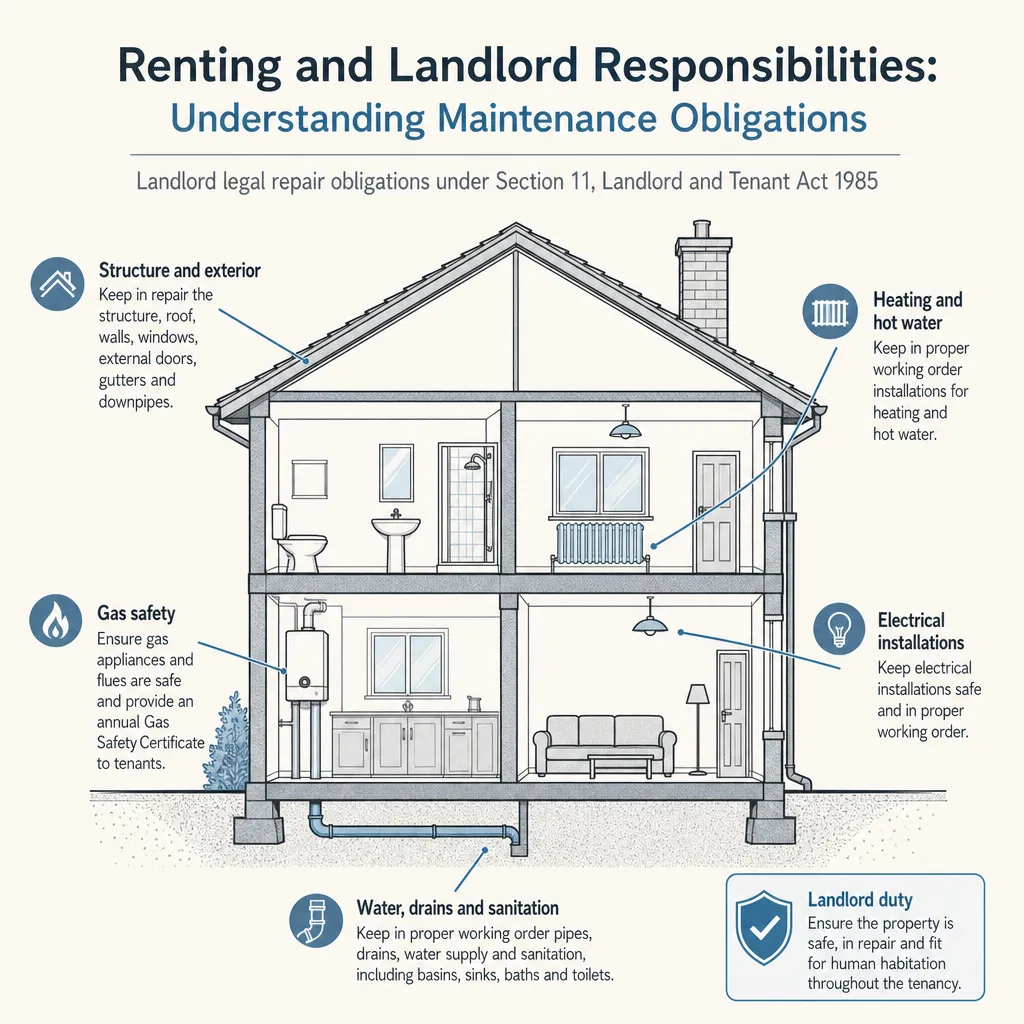
Renting and Landlord Responsibilities: Understanding Maintenance Obligations
UK landlords must keep the structure, exterior, and core services of a rented property in good repair under Section 11 of the Landlord and Tenant Act 1985.
 Surveys & Inspections
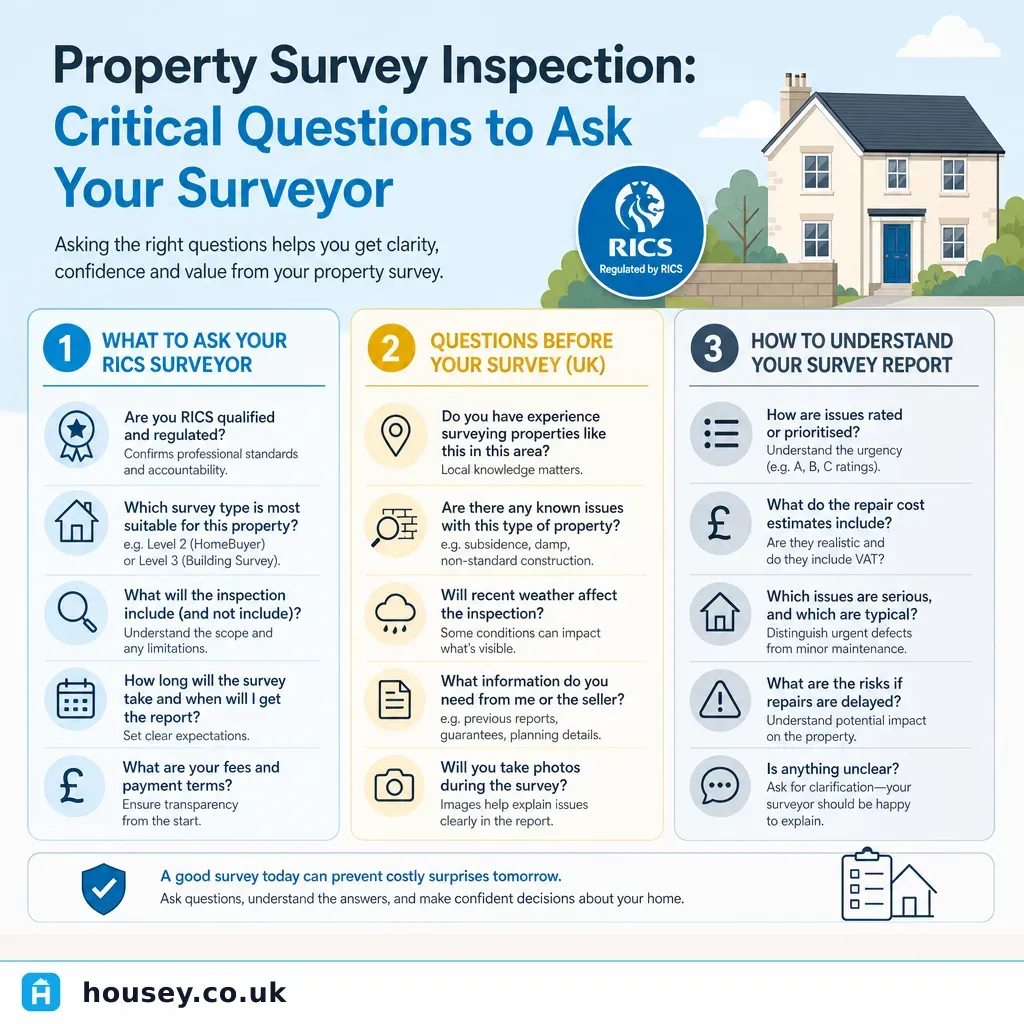
Property Survey Inspection: Critical Questions to Ask Your Surveyor
Before instructing a surveyor, ask which RICS level suits your property and what the report will and will not cover.
 Surveys & Inspections
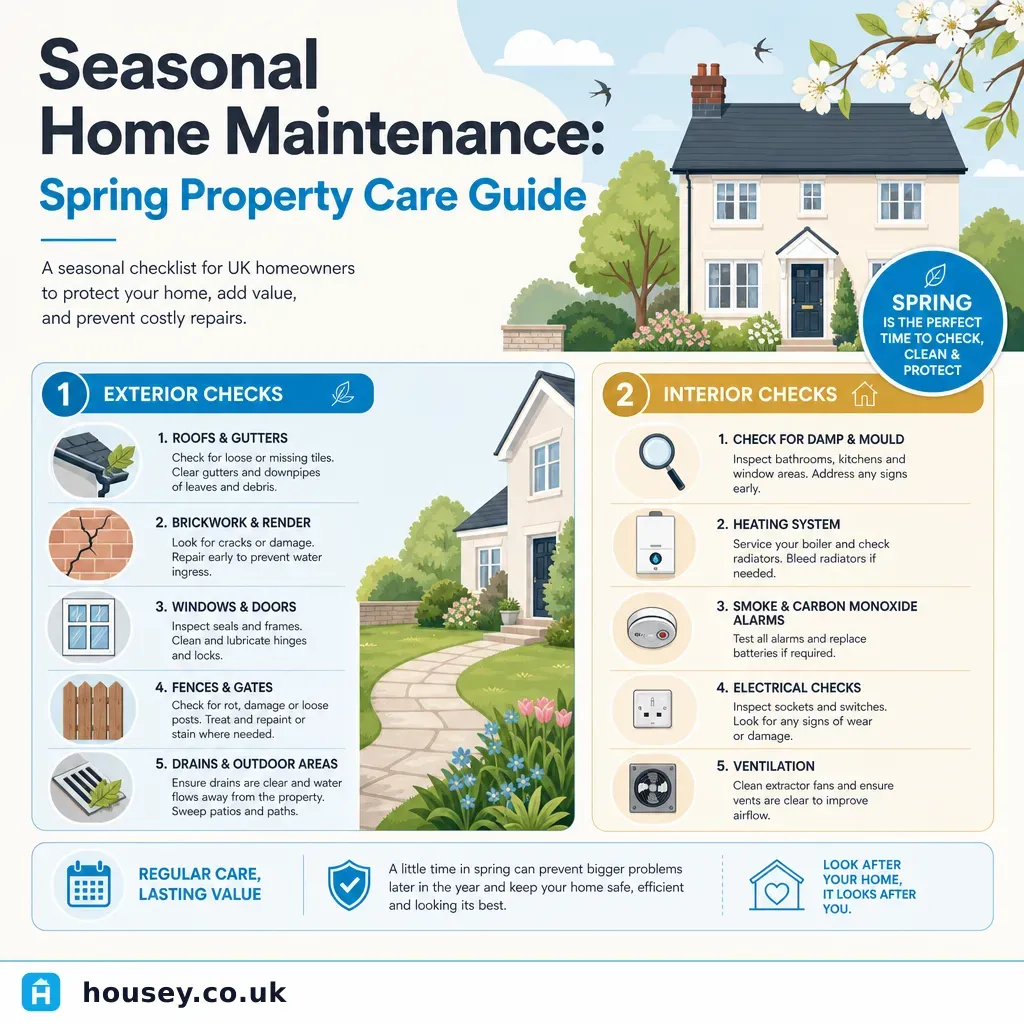
Seasonal Home Maintenance: Spring Property Care Guide
Spring is the best time to inspect your home after winter.
 Surveys & Inspections
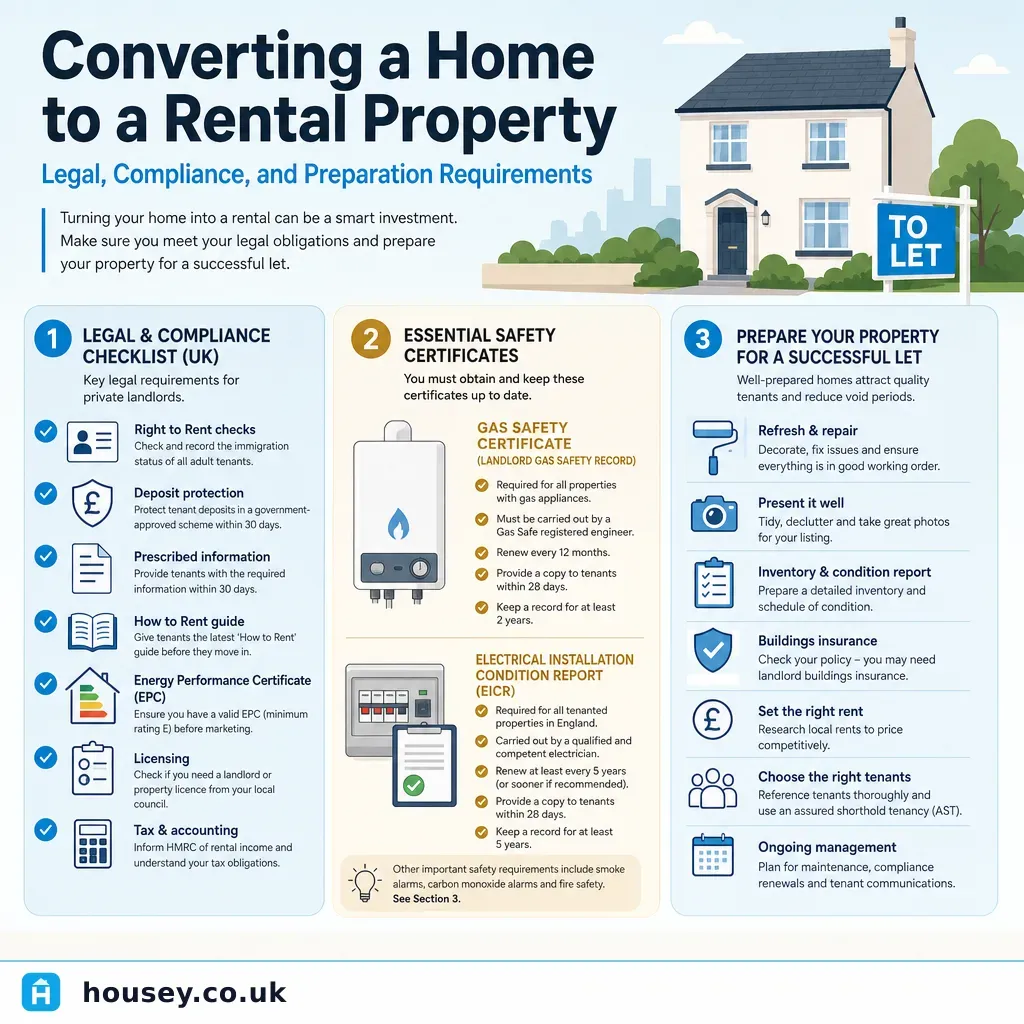
Converting a Home to a Rental Property: Legal, Compliance, and Preparation Requirements
Converting a home to a rental property in England requires a valid EPC rated E or above, an annual gas safety certificate, an Electrical Installation Condition Report every five years, and working smoke alarms on every storey.
 Surveys & Inspections
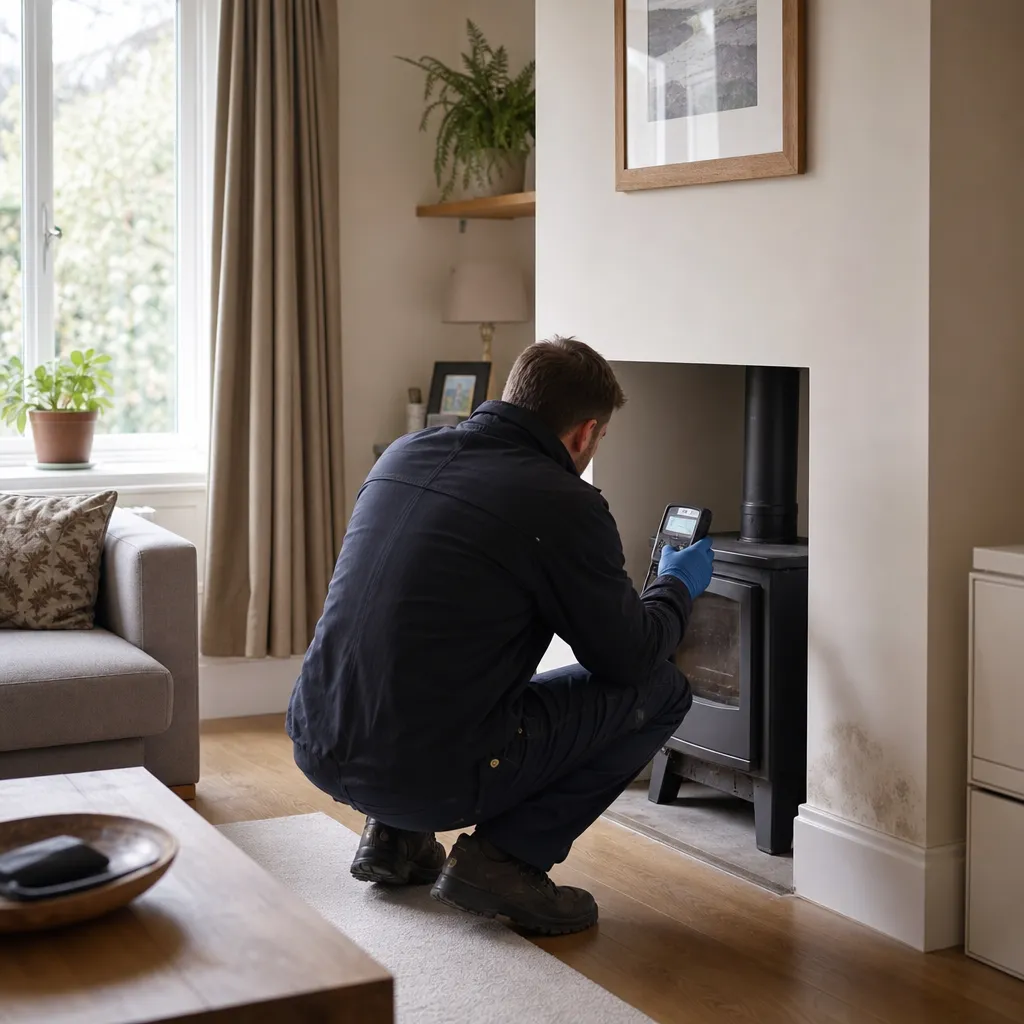
Identifying Unpleasant Odours in Your Home
Unpleasant smells in a UK home often point to damp, mould, a drainage fault, or — in the most urgent cases — a gas leak.