Repairing Inspection Chambers: Costs and Procedures
By Housey · Last reviewed 10th of May 2026
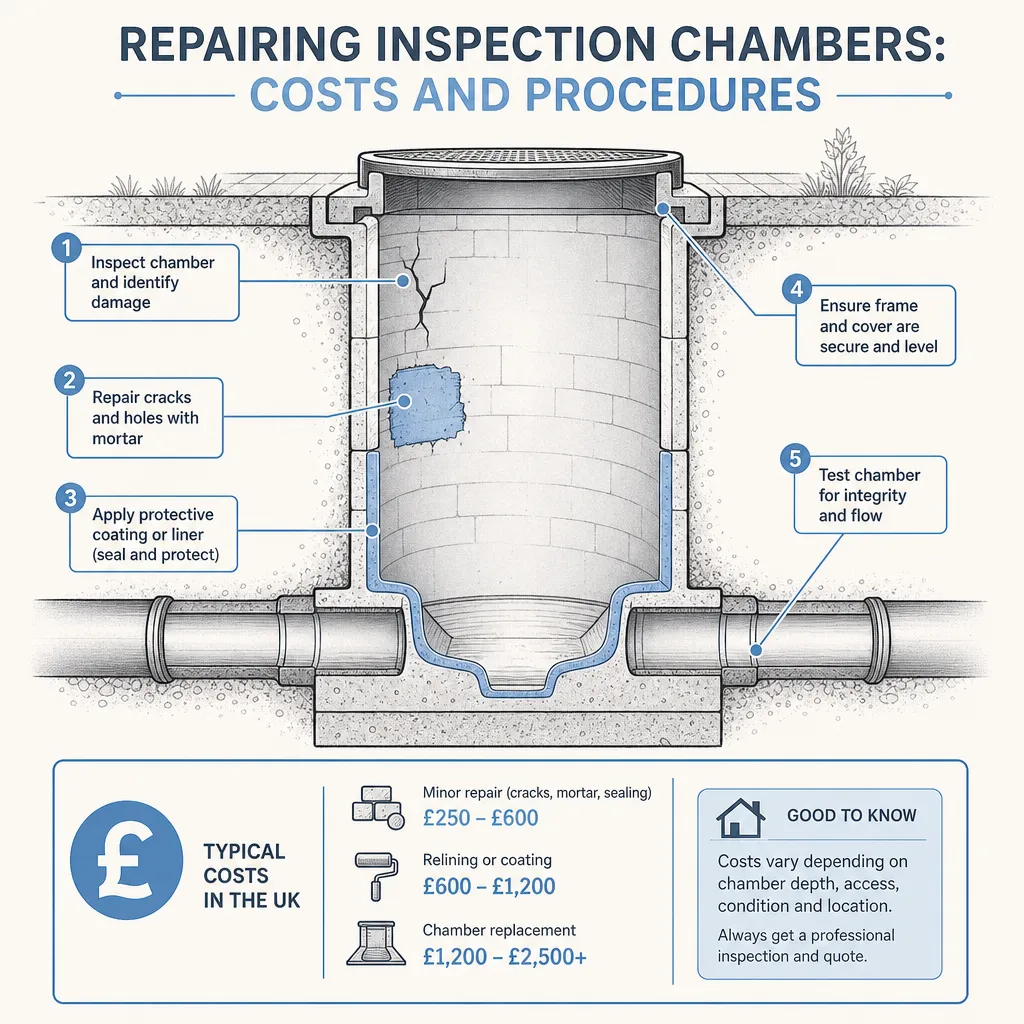
Repairing Inspection Chambers: Costs and Procedures
When a drain runs slowly, a cover sinks, or a CCTV survey reveals cracked brickwork underground, the question of who pays — and how much — quickly becomes pressing. Inspection chambers are the covered access points built into a property's drainage system, allowing rodding, inspection, and maintenance of the pipe runs below. In the UK, most homeowners are responsible for any chamber that sits within their property boundary, making it important to understand the range of faults, the cost implications of each, and how to find a competent contractor before committing to invasive work.
Key points
- Inspection chambers are governed by Building Regulations Part H (Drainage and Waste Disposal), which sets construction standards, access sizing, and minimum cover load ratings.
- Water company responsibility for sewers ends at your property boundary; private inspection chambers within your curtilage are the homeowner's responsibility under the Water Industry Act 1991.
- Cover and frame replacements must conform to BS EN 124:2015 load classifications (A15 to F900); domestic driveways require a B125-rated cover as a minimum.
- Repair mortars for brick-lined chambers should be a hydraulic lime or specialist drainage product — ordinary sand-cement cracks under sustained wet conditions and ground movement.
- A CCTV drain survey (typically £100–£350) is strongly recommended before committing to repair, to confirm the cause and extent of any damage and avoid unnecessary excavation.
Who is responsible for an inspection chamber?
Since the Water Industry Act 1991 and subsequent amendments under the Water Industry (Schemes for Adoption of Private Sewers) Regulations 2011, shared private sewers serving more than one property have been transferred to water company ownership. Inspection chambers that serve only your property, however, remain the homeowner's responsibility.
If you are unsure whether a chamber is shared or private, your regional water company's sewer map (published online by Thames Water, Severn Trent, and others) will show adopted sewer boundaries. A CON29DW drainage search — obtained as part of a conveyancing transaction — also records this information.
Key distinction:
- Chamber serving one property only → homeowner's responsibility.
- Chamber shared with neighbours or connecting to a public sewer → water company's responsibility; report via their faults line.
Common faults and what they cost
Indicative UK costs, last reviewed 2026-05-10. Quotes vary significantly by location, access difficulty, chamber depth, and contractor rates.
Fault type | Typical repair | Indicative cost range | Notes |
|---|---|---|---|
Sunken or loose cover and frame | Frame reset or cover and frame replacement | £150–£450 | Cover load rating must match the location (driveway vs garden) |
Cracked or spalled brickwork (minor) | Patch with drainage repair mortar | £200–£600 | Lime-compatible mortar required for older chambers |
Defective or collapsed benching | Rebenching with rapid-setting hydraulic mortar | £300–£900 | Benching channels flow to the outlet; failure causes backing up |
Root ingress through joints | Root clearance and joint re-seal | £200–£700 | CCTV survey recommended to confirm root extent |
Full chamber replacement (pre-cast concrete ring system) | Excavation, new rings, backfill, surface reinstatement | £1,500–£3,500+ | Cost rises with depth, traffic loading, and surface type above |
Surcharging due to blockage at inlet | High-pressure jetting and clearance | £80–£250 | Not a structural repair — often mistaken for one |
Which repair approach is right for your situation?
A practical decision guide before instructing a contractor:
- Choose a cover or frame replacement if the cover is rocking, loose, or cracked but the chamber walls and benching below appear sound — obtain a quote specifying the correct BS EN 124 load class for the location.
- Commission a CCTV drain survey first if effluent is backing up with no obvious surface blockage — the camera will show whether the fault lies inside the chamber or further along the pipe run.
- Opt for mortar patching if brickwork is cracking or mortar is missing from the walls but the chamber structure is otherwise intact — ask the contractor to specify the repair mortar type in writing before work begins.
- Consider full replacement if the chamber is deformed, has settled noticeably, is more than 25 years old with multiple defects, or if repair costs exceed approximately 60–70% of replacement cost.
- Ask a drainage contractor to inspect in person before accepting any quote where multiple defects are suspected or the chamber serves a busy driveway.
Cover and frame load classifications
Covers are classified under BS EN 124:2015 by load group. Specifying the wrong class is a common and potentially hazardous error.
Load class | Maximum wheel load | Typical location |
|---|---|---|
A15 | 1.5 tonnes | Gardens and pedestrian-only areas |
B125 | 12.5 tonnes | Domestic driveways and light vehicle areas |
C250 | 25 tonnes | Car parks and roadside verges |
D400 | 40 tonnes | Public carriageways and roads |
An A15 cover installed in a driveway will fail quickly and may present a trip or structural hazard. Always confirm the intended location and expected traffic loading before ordering.
Mortar selection for brick-lined chambers
Older inspection chambers built with semi-engineering or handmade bricks need a mortar that allows some flexibility and tolerates sustained moisture. Options include:
- Hydraulic natural lime (NHL 3.5 or NHL 5): suitable for most historic brick chambers; sets adequately in wet conditions and remains slightly flexible under ground movement.
- Specialist drainage repair mortar (OPC-free): rapid-setting formulations from recognised manufacturers are appropriate where the chamber must return to service quickly with minimal downtime.
- Standard sand-cement (OPC-based): not recommended for older chambers — too rigid, prone to cracking as ground moves, and can accelerate spalling on softer historic brick.
Homeowner checklist before instructing repair
Red flags to watch for
- A contractor who quotes for repair without inspecting in person or reviewing CCTV footage.
- No mention of cover load rating when quoting to replace a cover in or near a driveway.
- Ordinary sand-cement mortar specified for a chamber with clearly older or softer brickwork.
- A quote that excludes surface reinstatement after excavation.
- No VAT breakdown — drainage repair is standard-rated at 20%.
- Reluctance to provide public liability insurance details on request.
When to get professional help
Most inspection chamber repairs are straightforward for a competent drainage contractor, but some situations need specialist involvement:
- The chamber is deeper than 1.5 m or requires entry — confined space working falls under the Confined Spaces Regulations 1997 and requires specific competencies, equipment, and a written safe system of work.
- There is visible ground settlement around the chamber, or nearby trees suggest root damage to the wider drain run.
- The property is listed or in a conservation area — excavation near the building may need prior agreement with the local planning authority.
- You suspect contaminated ground (historic industrial site, proximity to a former fuel tank) — professional assessment is required before any excavation begins.
How Housey can help
Housey connects you with vetted drainage contractors and specialists offering CCTV drain surveys and full drainage surveys across the UK. Submit your job to receive up to four competitive quotes from providers whose qualifications and coverage areas have been verified before they contact you.
Frequently asked questions
Is inspection chamber repair covered by home insurance?
It depends on your policy and the cause of damage. Sudden damage caused by a third party, subsidence, or an insured event may be covered; gradual deterioration is usually excluded as a maintenance issue. Check your policy wording carefully before instructing repairs, as unauthorised works can sometimes affect a valid claim.
Do I need planning permission to repair or replace an inspection chamber?
Not usually. Like-for-like repair or replacement of a private inspection chamber within your property boundary does not normally require planning permission. If the work involves highway excavation, you will need a permit from the local authority. Listed buildings may require consent for external ground works — check with your local planning authority first.
How long does inspection chamber repair take?
Minor repairs such as cover replacement or mortar patching typically take half a day to a full day. Full chamber replacement involving excavation usually takes one to two days, plus additional time for the backfill to consolidate before final surface reinstatement can be completed.
Can I use standard brick-laying mortar to repair an inspection chamber?
No. Ordinary sand-cement mortars are not suitable for the sustained wet conditions and ground movement typical in inspection chambers. Use a hydraulic lime or specialist drainage repair mortar. For chambers in active use, rapid-setting hydraulic formulations allow quicker return to service with appropriate durability.
Sources and further reading
- Building Regulations Approved Document H: Drainage and Waste Disposal — GOV.UK
- Water Industry (Schemes for Adoption of Private Sewers) Regulations 2011 — legislation.gov.uk
- Confined Spaces Regulations 1997 — legislation.gov.uk
- BS EN 124:2015 — Gully tops and manhole tops — BSI Group
Useful next reads
 Surveys & Inspections
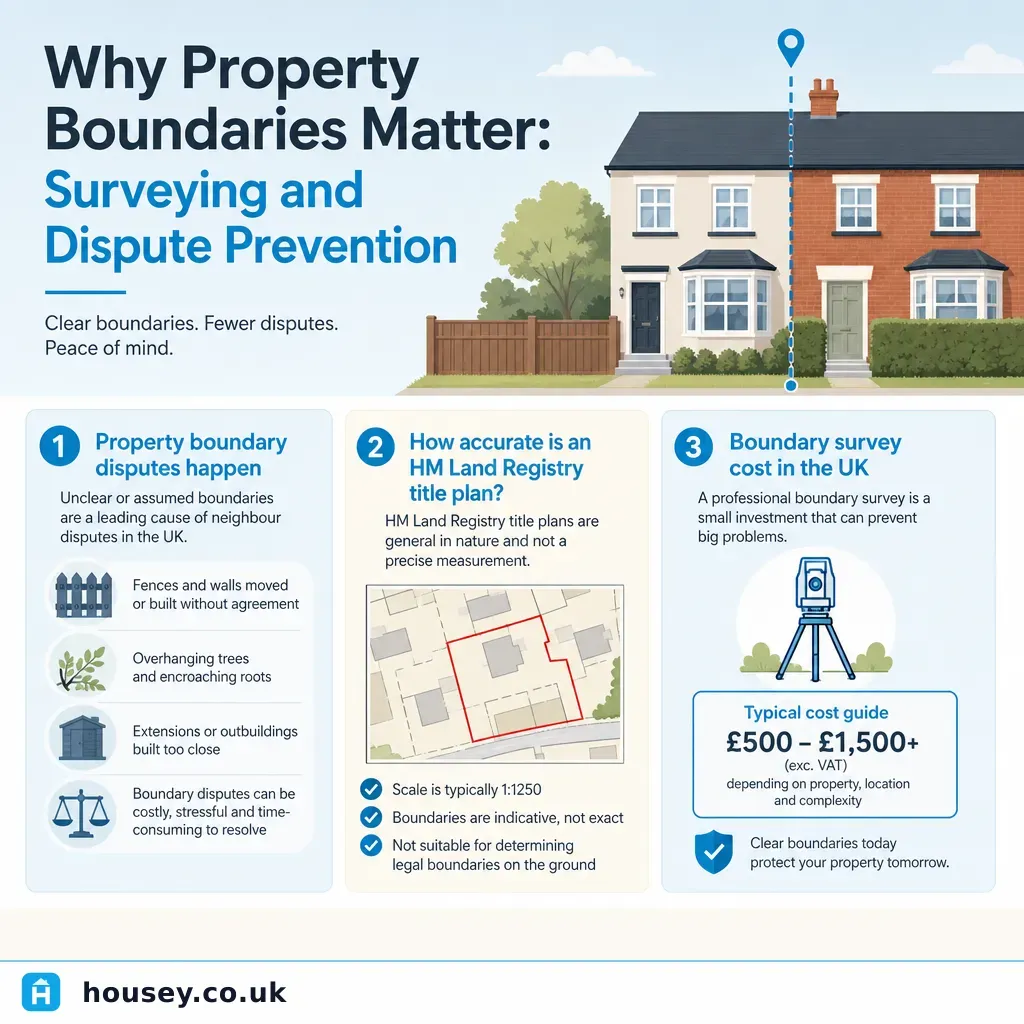
Why Property Boundaries Matter: Surveying and Dispute Prevention
Property boundaries in England and Wales are recorded as general boundaries by HM Land Registry — not precise measurements.
 Surveys & Inspections
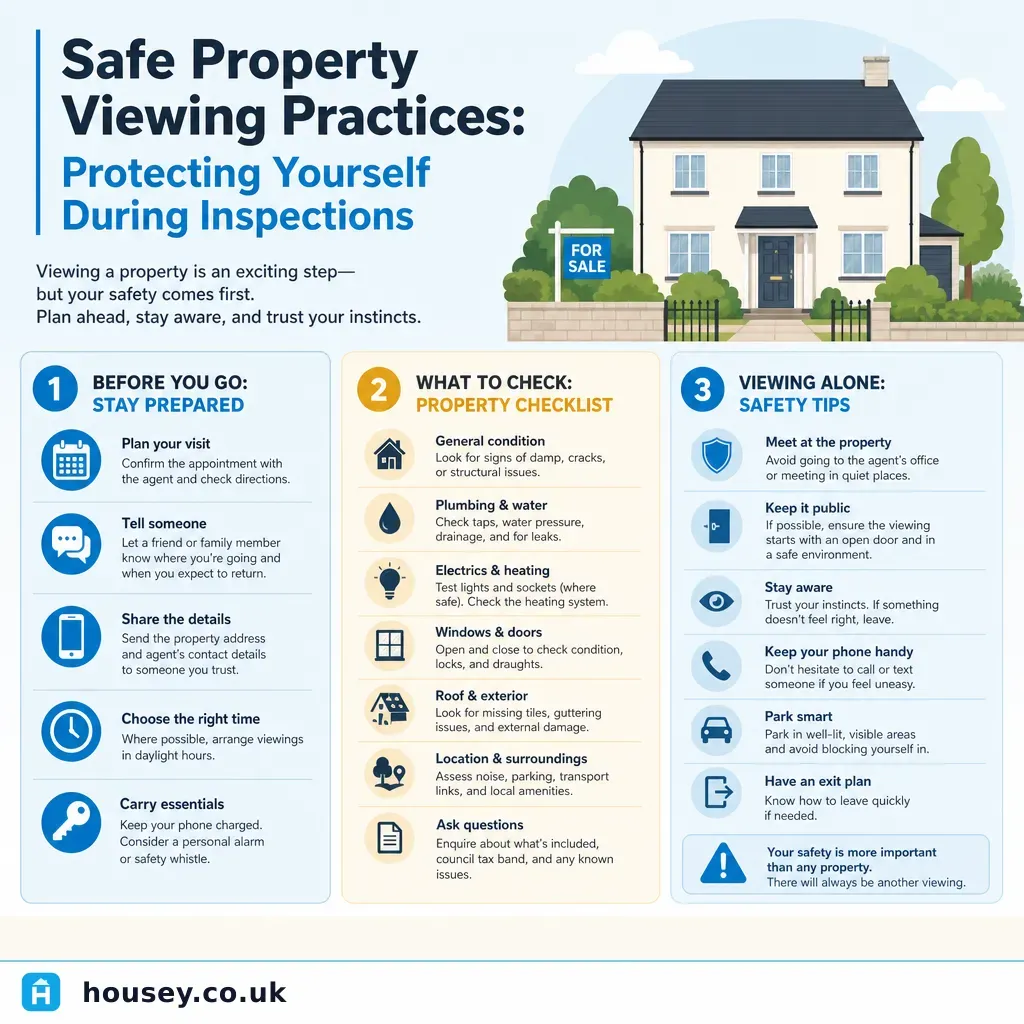
Safe Property Viewing Practices: Protecting Yourself During Inspections
When viewing a property in the UK, always tell someone where you are going and share the full address before you leave.
 Surveys & Inspections
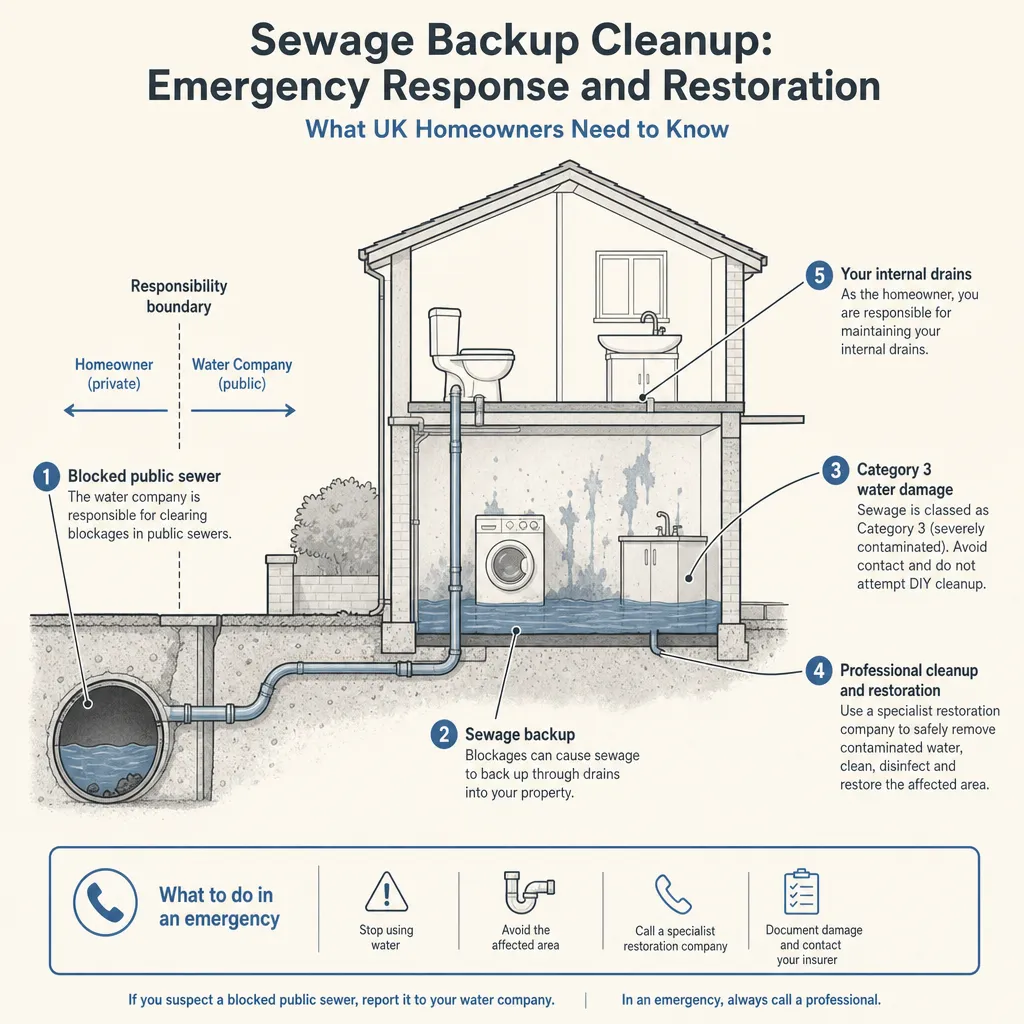
Sewage Backup Cleanup: Emergency Response and Restoration
A sewage backup should be treated as a Category 3 contamination event.
 Surveys & Inspections
Identifying Asbestos Insulation: What You Need to Know for Your Property
Asbestos insulation was widely used in UK properties built before 2000, commonly found in pipe lagging, ceiling tiles, loose-fill loft insulation, and around boilers.
 Surveys & Inspections
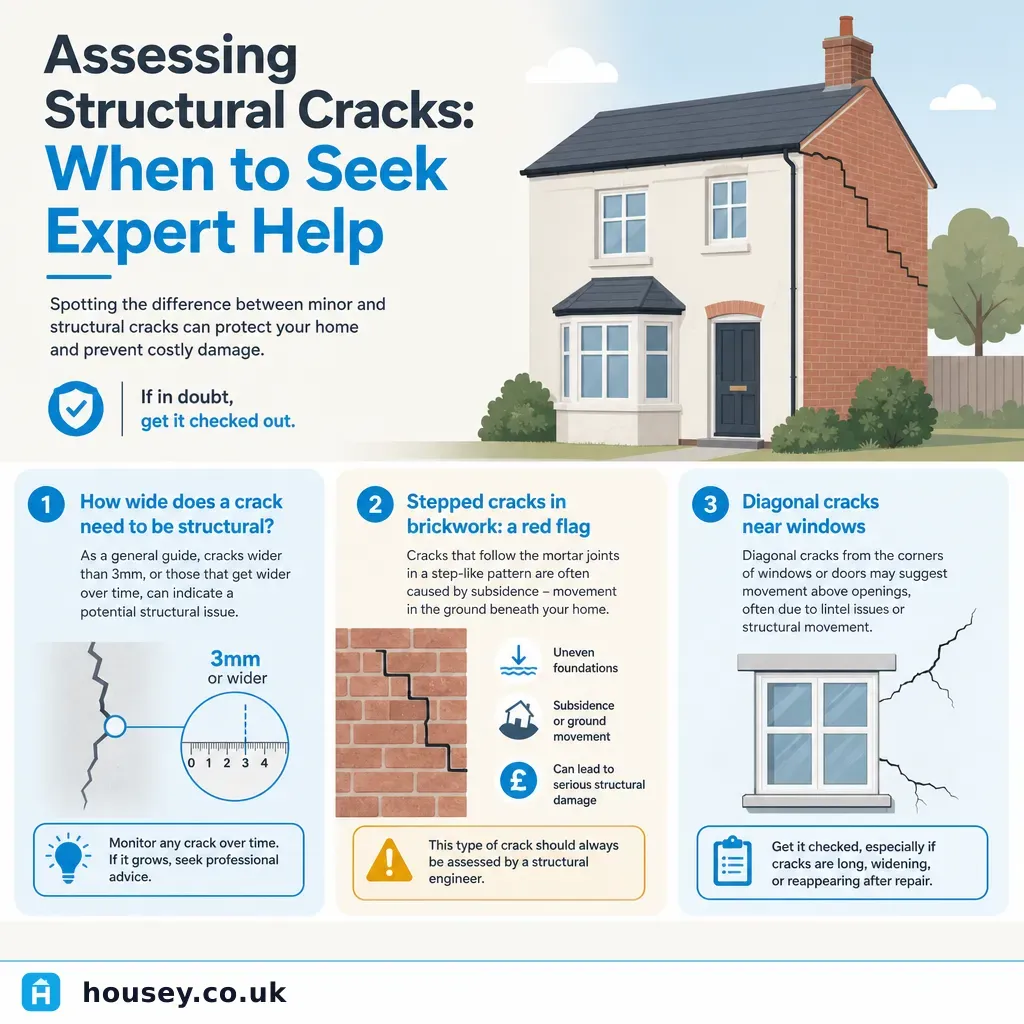
Assessing Structural Cracks: When to Seek Expert Help
Structural cracks range from harmless shrinkage hairlines to signs of subsidence or foundation movement.