Resurfacing Your Driveway: Materials, Durability and Maintenance
By Housey · Last reviewed 19th of May 2026
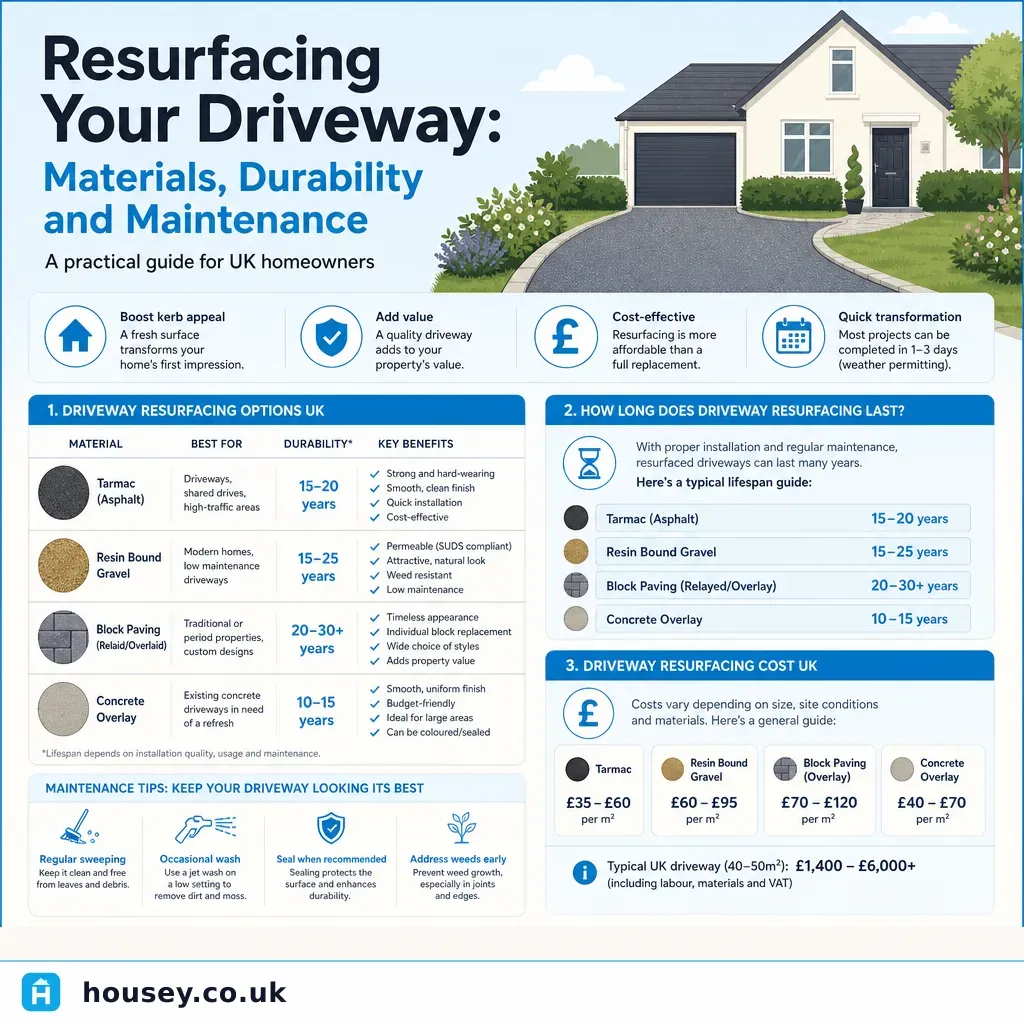
Resurfacing Your Driveway: Materials, Durability and Maintenance
Driveway resurfacing comes up at predictable moments: after a hard winter leaves cracks and potholes, when a front garden needs updating before a property sale, or when persistent drainage problems make the existing surface unsatisfactory. In the UK, the decision involves more than budget and aesthetics — permitted development rules introduced in 2008 restrict impermeable surfaces on front drives, making material choice partly a regulatory question. Getting it right first time avoids costly early replacement and protects the property's drainage performance.
Key points
- Since October 2008, new or replacement front garden driveways over 5 m² in England require planning permission unless the surface is permeable or rainwater drains to a planted area within the property, under the Town and Country Planning (General Permitted Development) (Amendment) (No. 2) (England) Order 2008.
- Tarmac (macadam) typically lasts 15–25 years; resin-bound aggregate and block paving can achieve 20–30 years with correct installation and periodic maintenance.
- Resin-bound (not resin-bonded) aggregate systems are porous throughout and satisfy Sustainable Urban Drainage Systems (SuDS) requirements without needing a separate drainage channel.
- Sub-base preparation is the single biggest determinant of surface longevity; a minimum of 150 mm of compacted MOT Type 1 granular sub-base is standard on most residential projects.
- VAT at the standard rate of 20% applies to most driveway installation and resurfacing work; there is no reduced rate available for domestic driveway projects.
What driveway resurfacing involves
Resurfacing does not always mean starting from scratch. Where the sub-base is sound and the surface has not subsided or cracked structurally, an overlay — typically 25–40 mm of new tarmac or resin laid over the prepared existing surface — can be a cost-effective route. Where drainage is consistently poor, roots have undermined the base, or significant sinkage has occurred, full excavation and sub-base replacement is the more reliable approach.
A professional assessment before instructing work should include:
- Sub-base depth and stability (minimum 100 mm compacted MOT Type 1 is common; deeper on clay soils or for heavy vehicles)
- Existing drainage channels, inspection covers, manholes, and surface falls
- Edge restraints (block paving and resin-bound systems both need a firm edging to prevent lateral creep)
- Underground services that may be within excavation depth
Comparing driveway surface materials
The table below summarises the main surface options available to UK homeowners.
Material | Typical lifespan | Approx. installed cost per m² | Permeable as standard | Maintenance level |
|---|---|---|---|---|
Tarmac (dense macadam) | 15–25 years | £30–£70 | No (porous tarmac available) | Low |
Block paving | 20–30 years | £50–£120 | Yes (open-jointed pointing) | Medium |
Resin-bound aggregate | 15–25 years | £50–£100 | Yes | Low–medium |
Loose gravel | Top-up required | £10–£25 | Yes | Low (weeding/raking) |
Pattern-imprinted concrete | 15–25 years | £60–£120 | No (standard) | Medium |
Plain concrete | 25–40 years | £50–£100 | No (standard) | Low |
Indicative UK costs, last reviewed 2026-05-19. Prices vary significantly by region, access, sub-base condition, and contractor. Obtain at least three written quotes.
Tarmac is the most common choice for cost-driven projects. It is laid quickly, is durable, and is straightforward to repair. Standard dense macadam is not permeable, so either a porous (open-graded) tarmac variant or a separate drainage channel is needed for front drive compliance in England.
Block paving offers long-term flexibility — individual blocks can be lifted and relaid if utility works are needed beneath. Jointing sand must be maintained to prevent weeds and instability; proprietary polymeric jointing compounds reduce ongoing maintenance.
Resin-bound systems bond aggregate chips within a resin carrier and are laid at 15–18 mm depth over a prepared base. They are seamless, UV-stable with quality products, and fully permeable. Resin-bonded systems — where aggregate is scattered on top of a resin layer — are not permeable and are generally less durable; check the specification carefully before instructing.
Loose gravel is the lowest-cost option and inherently permeable. It requires firm edge restraints, regular raking, and weed management, and is not suited to steep slopes.
Planning permission and drainage rules
Under permitted development rights in England, no planning permission is needed to resurface a front drive if:
- The surface is permeable (gravel, open-jointed block paving, porous tarmac, resin-bound aggregate), or
- Rainwater drains to a permeable area within the curtilage of the property, such as a lawn or planted border
If neither condition is met and the area exceeds 5 m², householder planning permission is usually required. Conservation areas and listed building curtilages may have additional controls. In Scotland and Wales, permitted development rules differ — check with your local planning authority or the Planning Portal before starting work.
New dropped kerb access crossings over the public footway require separate consent from the local highway authority, regardless of the drive surface material.
Annual driveway maintenance checklist
Regular upkeep extends surface life considerably and identifies minor defects before they become expensive repairs.
When to resurface rather than repair
Patching suits isolated cracks, small potholes, or edge damage where the surrounding surface is structurally sound. Full resurfacing is usually the better choice when:
- More than 25–30% of the surface area shows cracking or structural failure
- The surface has sunk unevenly, suggesting sub-base failure
- Drainage problems affect the whole drive rather than isolated spots
- You are switching material type, for example from tarmac to resin-bound
- Kerb appeal matters ahead of an upcoming property sale
When to get professional help
A qualified groundworker or driveway specialist should be involved for any work beyond simple like-for-like patching. Seek professional assessment when:
- Significant sinkage suggests sub-base failure — overlaying alone will not address a failing base
- Drainage connects to highway drainage or involves SuDS attenuation, which may require building control notification or highway authority consent
- Work affects the highway boundary or requires a dropped kerb, which needs local highway authority consent
- You are in a conservation area or own a listed property and want to change the surface material
How Housey can help
Housey connects you with vetted driveway installers and groundworkers who can assess your existing surface, advise on the right material for your drainage situation, and provide written quotes so you can compare costs and approaches before committing.
Frequently asked questions
Do I need planning permission to resurface my driveway?
In England, you do not need planning permission if the new surface is permeable or if rainwater drains to a planted area within the property. Impermeable surfaces over 5 m² on front drives normally require householder planning permission. Conservation areas and listed buildings may have stricter controls. Rules differ in Scotland and Wales — check your local planning authority.
How long does driveway resurfacing take?
Most residential projects take one to three days depending on size, material, and whether sub-base replacement is needed. Resin-bound systems require four to eight hours curing before foot traffic and around 24 hours before vehicles. Block paving on a larger double driveway may take two to four days including edge restraints and final compaction.
What is the difference between resin-bound and resin-bonded?
Resin-bound systems blend aggregate and resin together before trowelling onto the base — fully permeable, smooth, and durable. Resin-bonded systems apply resin to the base first then scatter aggregate on top; they are not permeable and the surface layer can loosen over time. Resin-bound is the preferred option for drainage compliance and longevity.
How much does driveway resurfacing cost in the UK?
Costs vary by material, area, sub-base condition, and region. As a guide: tarmac overlay typically runs £30–£70 per m²; block paving £50–£120 per m²; resin-bound £50–£100 per m². A standard 40–50 m² double driveway might cost £1,500–£6,000 fully installed. Indicative UK costs, last reviewed 2026-05-19. Always obtain at least three written quotes.
Sources and further reading
- Driveways and vehicle crossings — Planning Portal
- Permitted development rights for householders — GOV.UK
- The SUDS Manual (CIRIA C753) — CIRIA
- Highways Act 1980 — vehicle crossings (s.184) — legislation.gov.uk
Useful next reads
 Improvement & Build
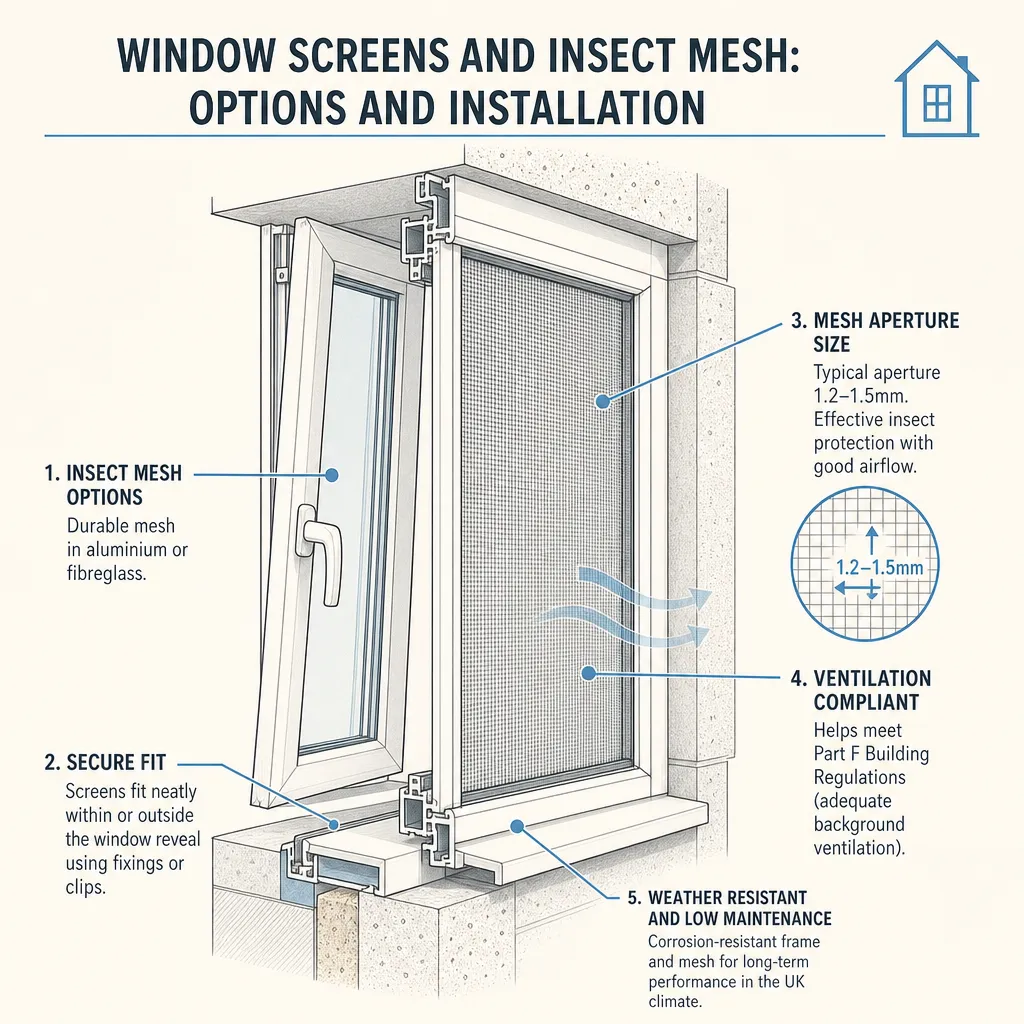
Window Screens and Insect Mesh: Options and Installation
UK window screens fall into four main types: fixed frame, roller retractable, pleated folding, and magnetic snap-fit.
 Improvement & Build
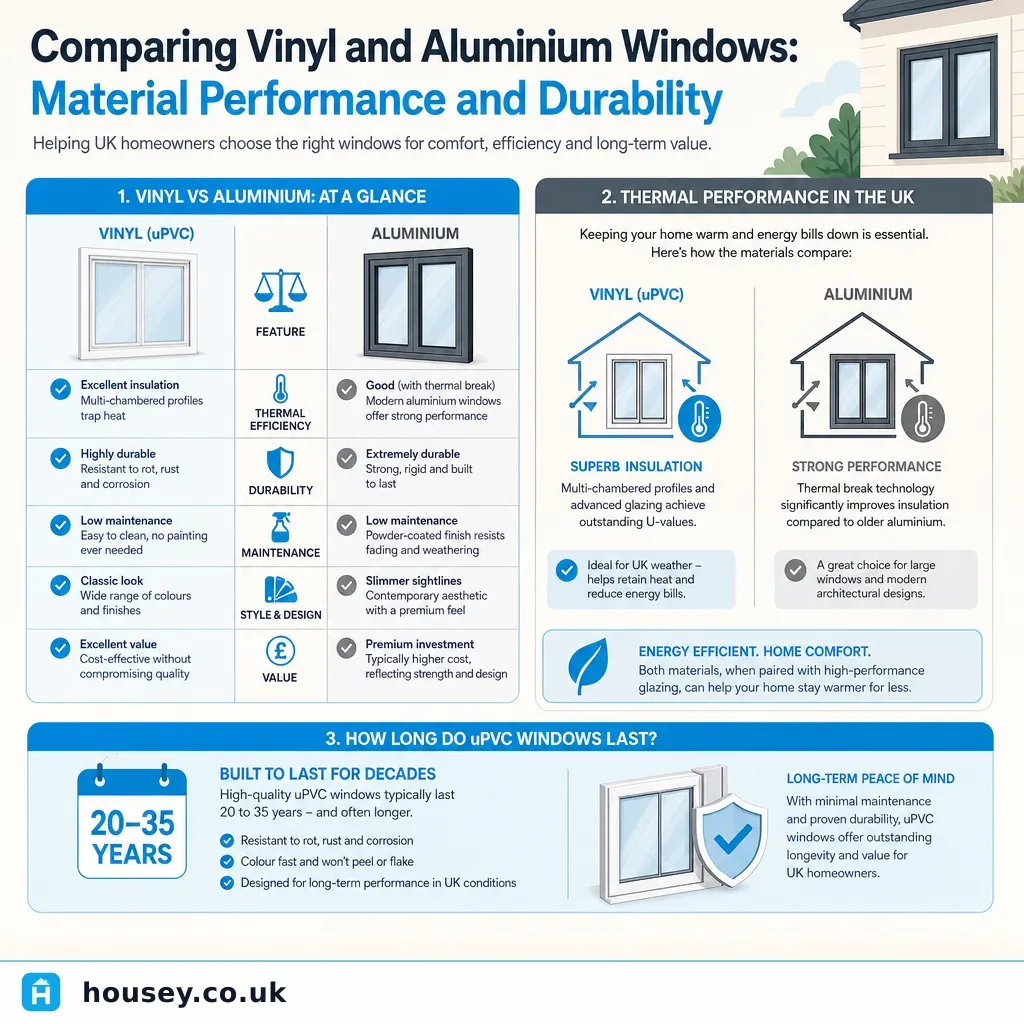
Comparing Vinyl and Aluminium Windows: Material Performance and Durability
uPVC (vinyl) and aluminium windows both meet UK Building Regulations Part L when properly specified.
 Improvement & Build
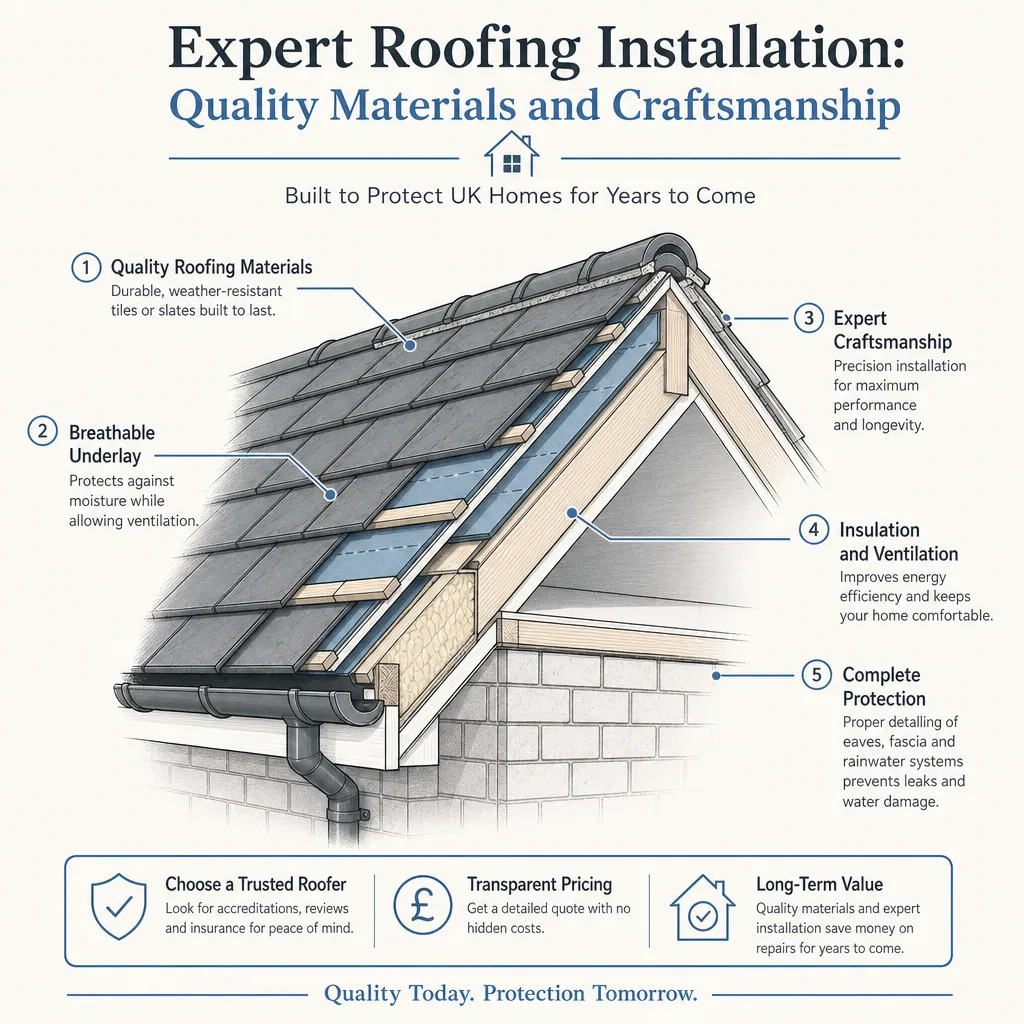
Expert Roofing Installation: Quality Materials and Craftsmanship
A quality roof installation depends on matching materials to your property type, hiring a suitably qualified roofer, and ensuring building regulations are met where required.
 Improvement & Build
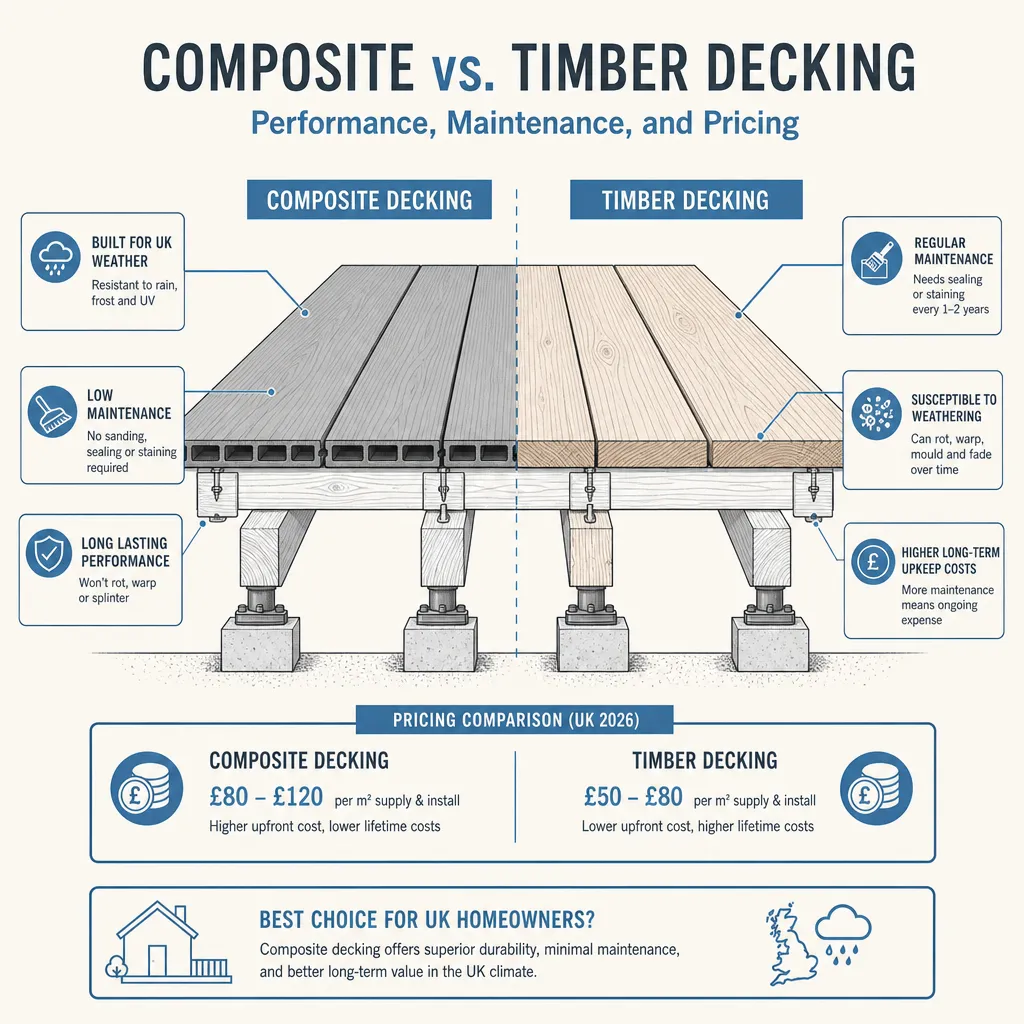
Composite vs. Timber Decking: Performance, Maintenance, and Pricing
Composite decking costs more upfront — typically £120–£220 per m² installed versus £80–£150 for treated softwood — but requires far less maintenance and carries a 25-year warranty.
 Improvement & Build
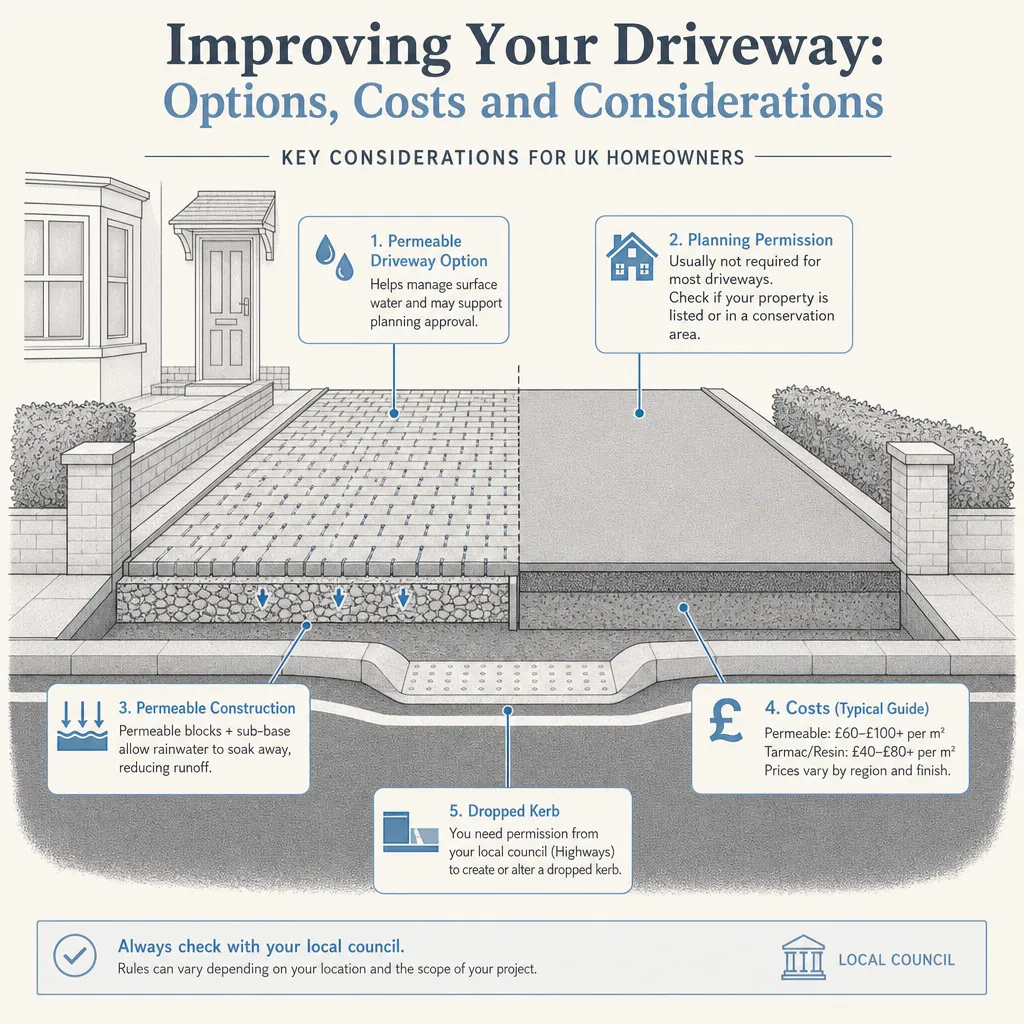
Improving Your Driveway: Options, Costs and Considerations
Installing a new driveway with a non-permeable surface larger than 5m² over a front garden in England requires planning permission unless water drains to a permeable area.