The Rise of Off-Site Residential Construction: Trends and Benefits
By Housey · Last reviewed 24th of May 2026
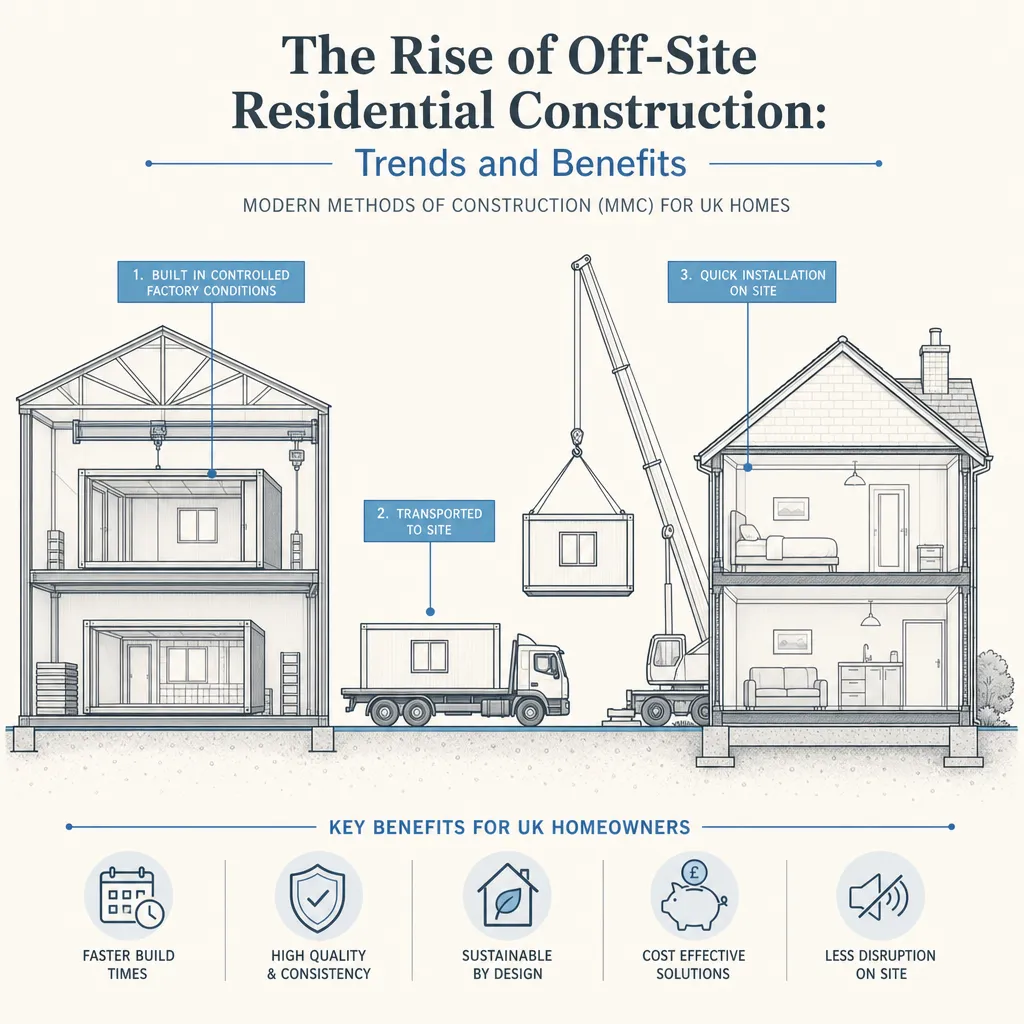
The Rise of Off-Site Residential Construction: Trends and Benefits
Off-site residential construction has moved from a niche consideration to a mainstream option in UK housing, yet many homeowners and self-builders encounter it only when exploring routes to a new home, replacement dwelling, or ambitious extension. The decision to go off-site touches warranty requirements, mortgage eligibility, build programme planning, and contractor selection — all areas where understanding the landscape upfront prevents costly surprises later.
Key points
- The Ministry of Housing, Communities & Local Government (MHCLG) classifies off-site construction into seven Modern Methods of Construction (MMC) categories, from Category 1 (volumetric modular units) to Category 7 (site labour reduction products).
- The National House Building Council (NHBC) Accepts scheme provides product and system assurance for MMC homes; many mortgage lenders require Accepts certification or equivalent BOPAS appraisal before lending against a modular property.
- BRE research indicates off-site manufacture can reduce on-site construction time by 30–50% compared with traditional brick-and-block methods.
- Homes England's strategic partnerships programme has directed funding towards MMC housebuilders to scale factory capacity across England.
- Modular and panelised homes must comply with the same Building Regulations Approved Documents — including Part A (structure), Part L (energy efficiency), and Part F (ventilation) — as conventionally built properties.
What off-site construction actually covers
The term encompasses a spectrum of approaches, not a single product. At one end, Category 1 volumetric modular units arrive on site as fully fitted three-dimensional rooms — plumbing, electrics, and internal finishes included — ready for crane placement onto prepared foundations. At the other end, Category 2 panelised flat-pack systems supply factory-manufactured structural panels that are assembled on site more quickly and precisely than traditional methods.
MMC Category | Description | Typical application |
|---|---|---|
Category 1 | 3D volumetric modules (full fit-out) | Apartments, repetitive housing schemes |
Category 2 | Panelised flat-pack systems | Single houses, rear extensions |
Category 3 | Hybrid (volumetric and panelised) | Mixed residential developments |
Category 4 | Sub-assemblies and pre-made components | Roof cassettes, pre-made floor decks |
Category 5 | Innovative pre-manufactured materials | Structural insulated panels (SIPs) |
Category 6 | Traditional methods with site labour reduction | Pre-cut timber frame kits |
Category 7 | Site labour reduction products | Off-site mechanical, electrical, and plumbing modules |
For private self-builders and homeowners commissioning a new dwelling, Categories 1, 2, and 5 are most commonly relevant.
Why uptake is growing in the UK
Several converging pressures have pushed MMC further into mainstream housebuilding.
Labour and skills shortages. The UK construction sector faces a sustained shortage of skilled site operatives. Shifting production into a factory reduces dependence on site-based trades and provides more predictable workforce scheduling.
Speed and programme certainty. Factory manufacture is unaffected by wet British winters. A modular home's on-site assembly phase commonly takes weeks rather than the months of a traditional build, which can reduce financing costs and site supervision periods.
Consistent build quality. Controlled factory environments with fixed tolerances, material traceability, and inspection stages can deliver more repeatable quality than multi-trade site operations.
Government housing targets. The UK government's ambition for 1.5 million new homes by 2029 has brought MMC into policy discussions as one route to accelerating delivery, alongside reforms to the planning system.
Mortgages, warranties, and lender requirements
A common concern for buyers of modular new-builds and self-builders is whether standard mortgage products apply. Most mortgage lenders require a recognised structural warranty — typically NHBC Buildmark, Premier Guarantee, or an equivalent — before lending. For MMC properties, many lenders additionally require NHBC Accepts certification or BOPAS (Build Offsite Property Assurance Scheme) appraisal to be satisfied about long-term durability.
BOPAS is a joint scheme developed by Lloyd's Register and RICS to give lenders confidence in off-site systems. Confirm with your mortgage broker that your chosen MMC system is on the lender's approved list before contracting with a manufacturer.
Is off-site construction right for your project?
Use this checklist before committing to an off-site route.
Homeowner checklist: assessing the off-site option
When to get professional help
Off-site construction front-loads the design process. Factories need fully finalised drawings before production starts, leaving little room for changes mid-programme. Seek professional guidance if:
- You are uncertain which MMC category suits your brief, budget, or site conditions.
- Your site has access constraints, unusual ground conditions, or proximity to listed structures.
- Your lender has raised concerns about the system's mortgage or warranty eligibility.
- You need building regulations approval and are unclear about who carries the responsibility.
- You are comparing costs between off-site and traditional routes and need independent cost planning advice.
How Housey can help
Working with an experienced design-and-build firm with MMC experience can save significant time and help you avoid specification errors that are difficult to correct once factory production has begun. Housey connects homeowners and self-builders with vetted firms across the UK.
Frequently asked questions
Is a modular home harder to get a mortgage on?
It can be. Many mainstream lenders now lend on modular properties, but they commonly require NHBC Accepts, BOPAS appraisal, or equivalent certification alongside a structural warranty. Some high-street lenders have not yet established clear MMC lending policies. Speak to a whole-of-market mortgage broker experienced in self-build and new-build MMC properties before committing to a system.
Do modular homes still need Building Regulations approval?
Yes. Modular and panelised homes must comply with all relevant Approved Documents — including Part A (structure), Part B (fire safety), Part L (energy efficiency), and Part F (ventilation). Building control approval is required in the same way as for a traditionally built property, whether through the local authority or a registered building control approver.
Can a modular home be extended or altered later?
It depends on the structural system. Volumetric modular homes with load-bearing module walls may require a structural engineer's assessment before alteration. Panelised timber-frame systems are often more adaptable. Always check the manufacturer's technical documentation and consult a structural engineer before undertaking significant alterations to a modular property.
How long does off-site construction take from start to completion?
Timescales vary by manufacturer and order book, but factory production typically takes eight to twenty-four weeks once drawings are finalised. On-site assembly of a complete modular home often takes four to twelve weeks. Total programmes can still be faster than a traditional build, particularly for repetitive designs, but design must begin earlier to meet the factory schedule.
Sources and further reading
- Modern Methods of Construction definition framework — GOV.UK / MHCLG
- NHBC Accepts scheme — NHBC
- BOPAS: Build Offsite Property Assurance Scheme — Lloyd's Register / RICS
- Homes England: strategic partnerships — Homes England
- BRE Group: modern methods of construction research — BRE Group
Useful next reads
 Improvement & Build
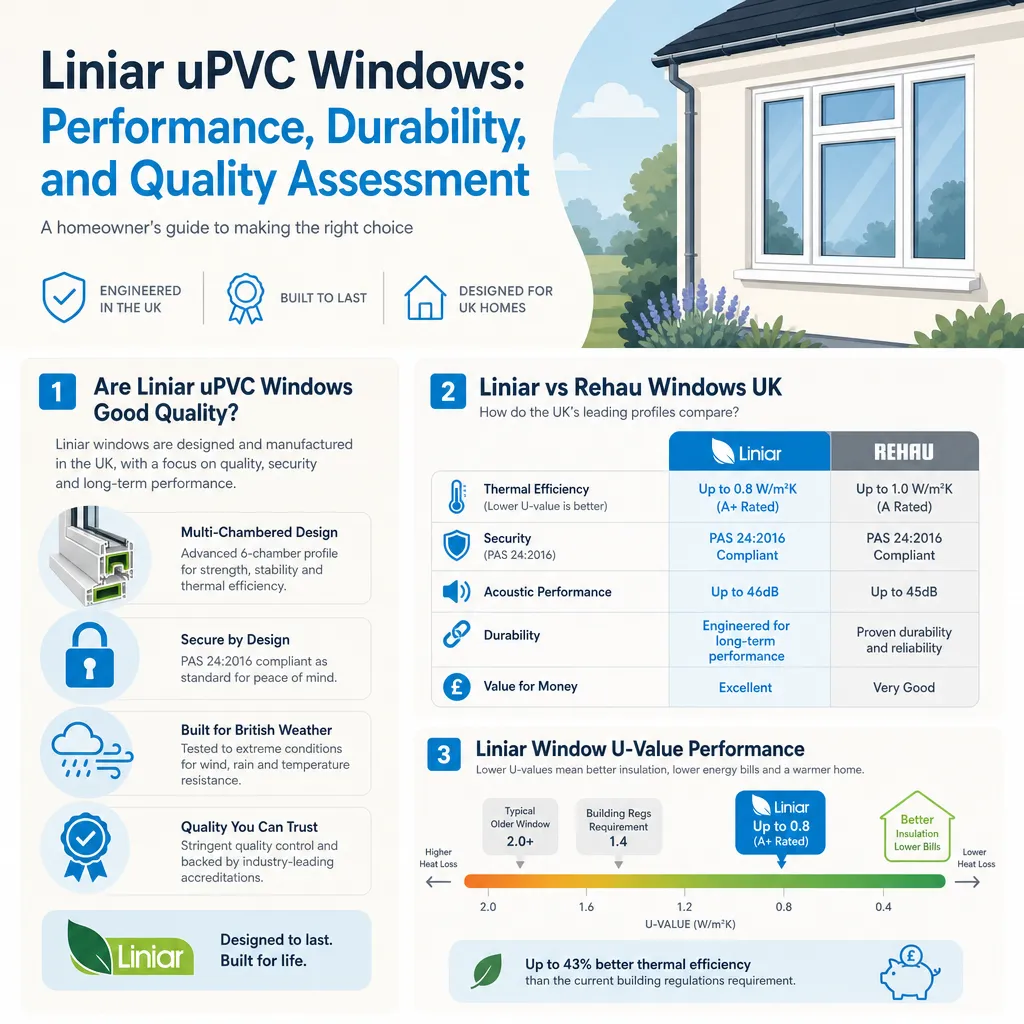
Liniar uPVC Windows: Performance, Durability, and Quality Assessment
Liniar uPVC window profiles are manufactured in the UK using multi-chambered, foamed frames.
 Improvement & Build
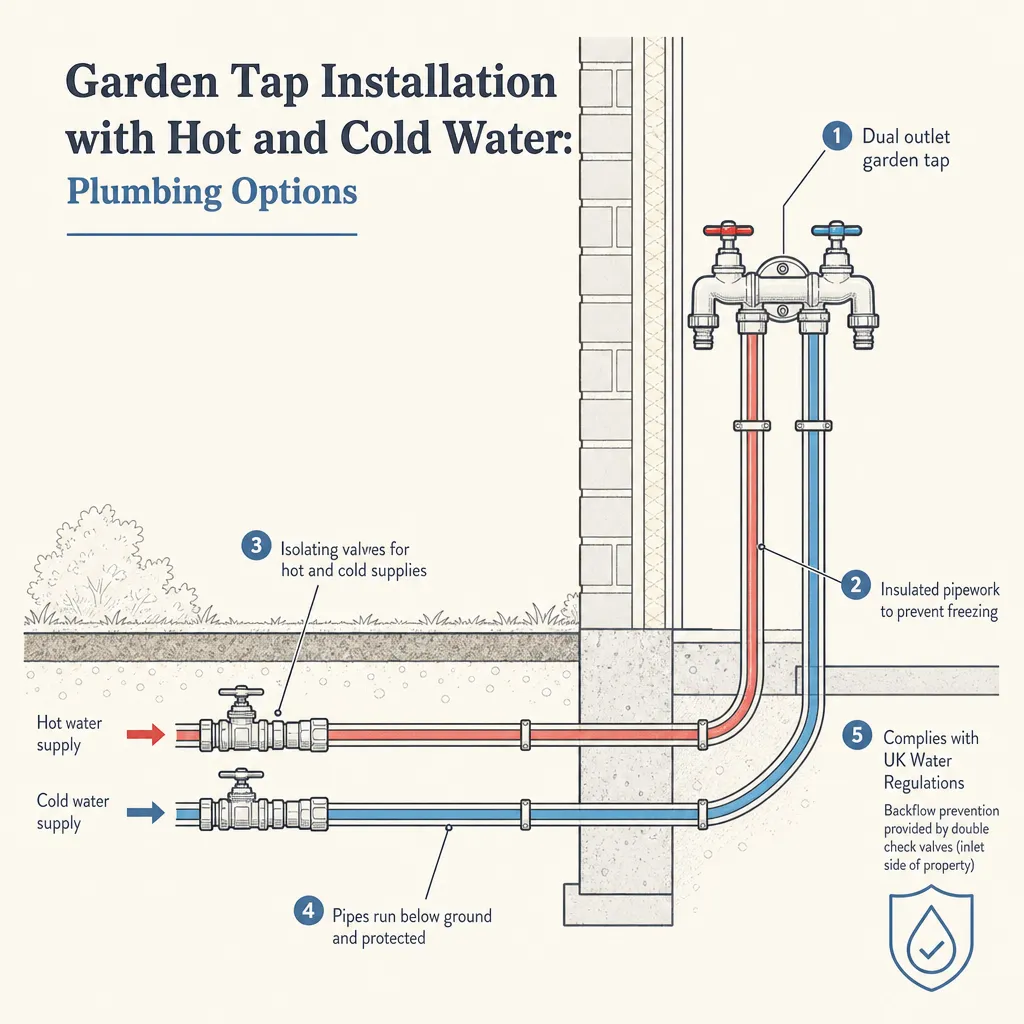
Garden Tap Installation with Hot and Cold Water: Plumbing Options
Adding a cold garden tap is a common DIY project, but routing hot water outdoors requires a plumber to connect to your domestic hot water system and comply with the Water Supply (Water Fittings) Regulations 1999.
 Improvement & Build
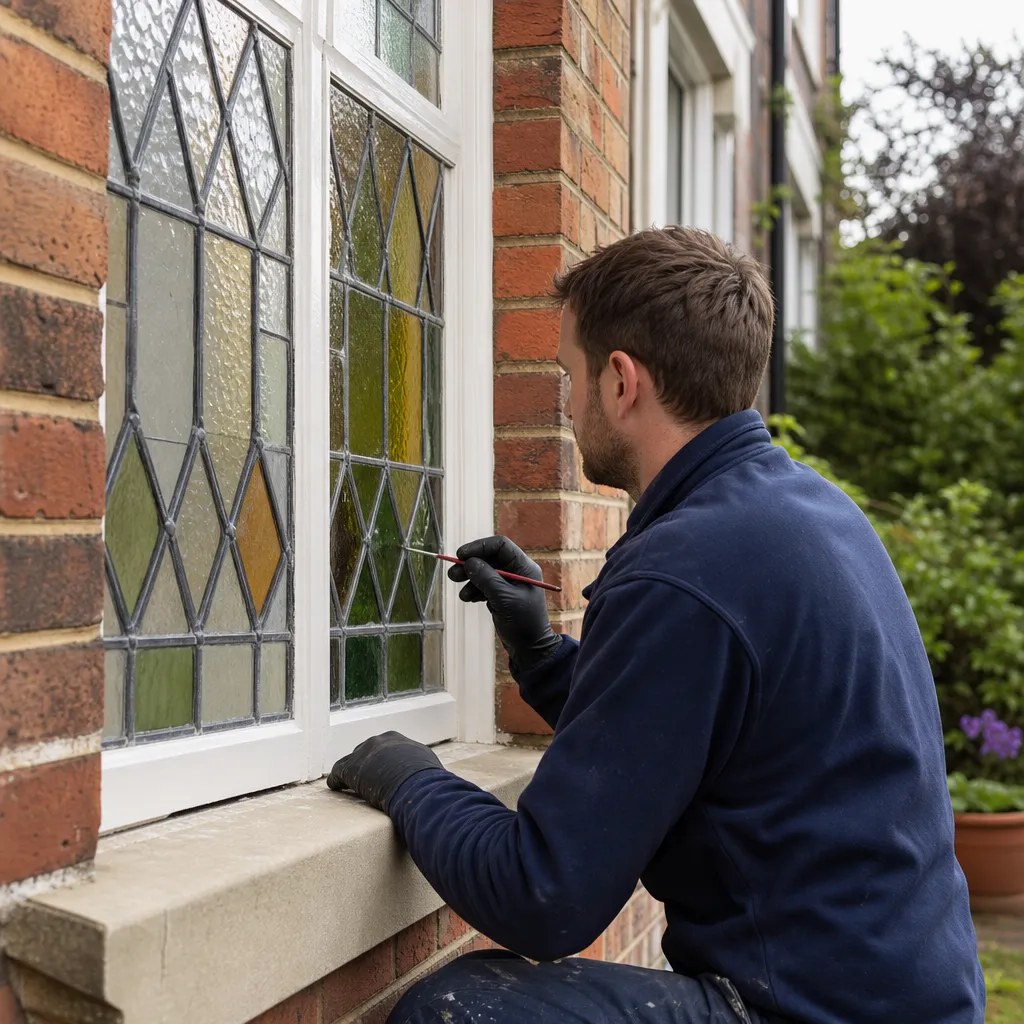
Sealing and Maintaining Historic Leaded Glass Windows: Preservation and Performance
Leaded glass windows are maintained using traditional linseed oil cement — not silicone or modern sealants, which prevent natural movement in the lead came.
 Improvement & Build
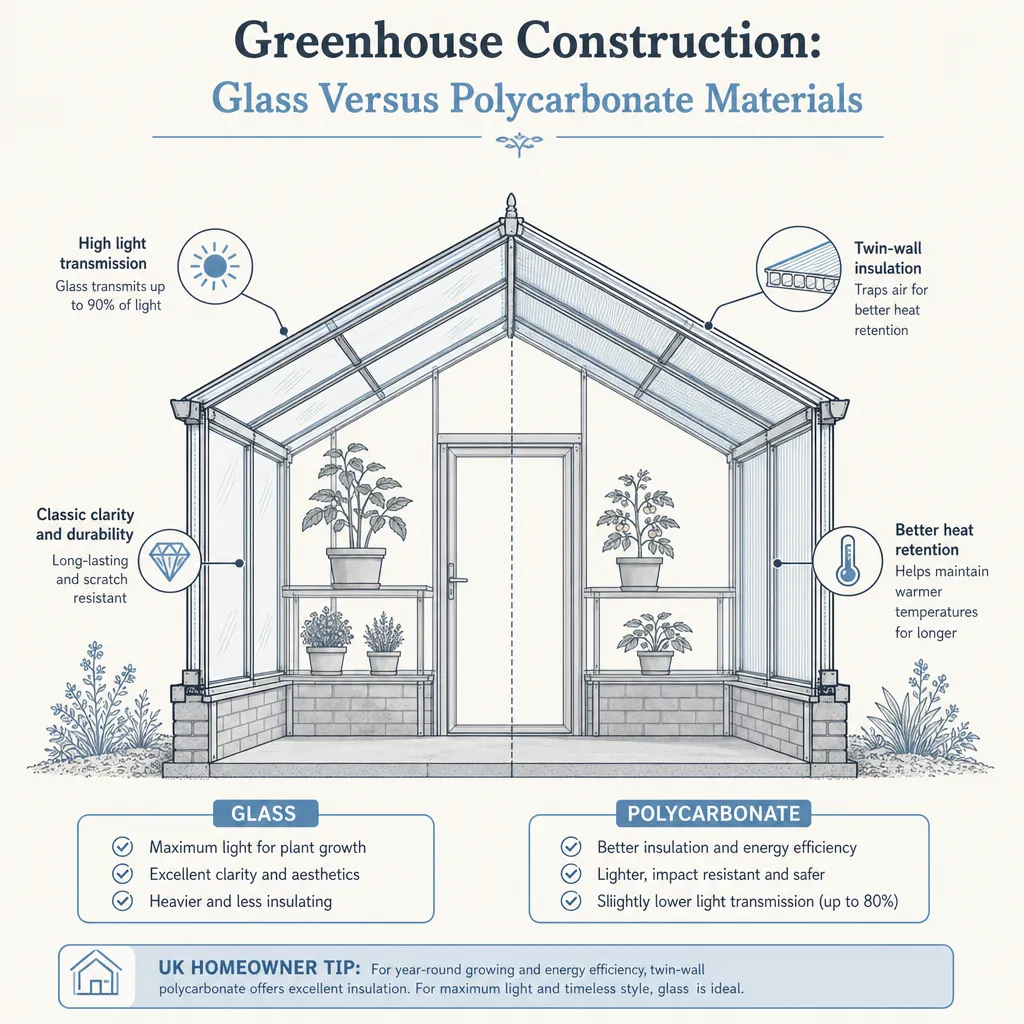
Greenhouse Construction: Glass Versus Polycarbonate Materials
Glass transmits around 90% of available light and lasts indefinitely if unbroken, but insulates poorly and shatters into sharp fragments.
 Improvement & Build
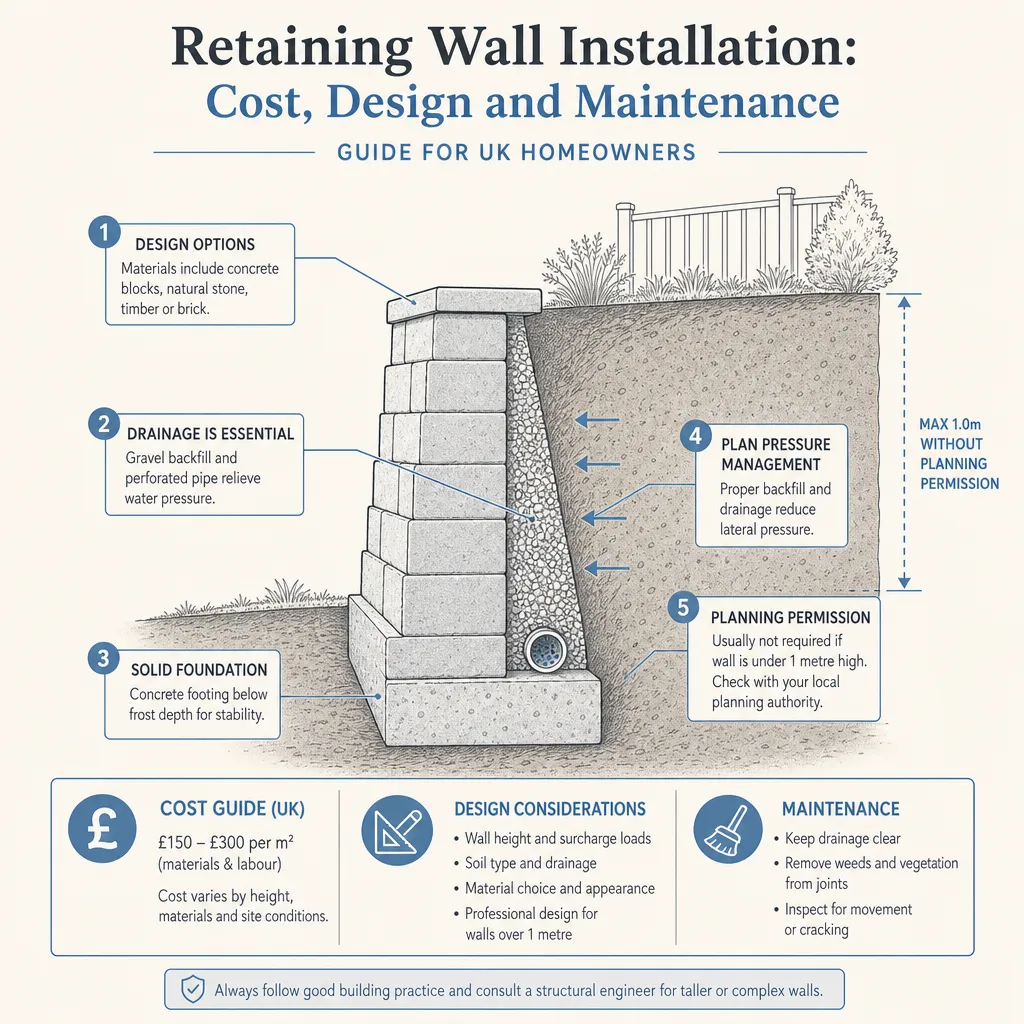
Retaining Wall Installation: Cost, Design and Maintenance
A retaining wall holds back soil on a sloped or banked site.