Roof Snow Guard Installation and Winter Protection Costs
By Housey · Last reviewed 6th of May 2026
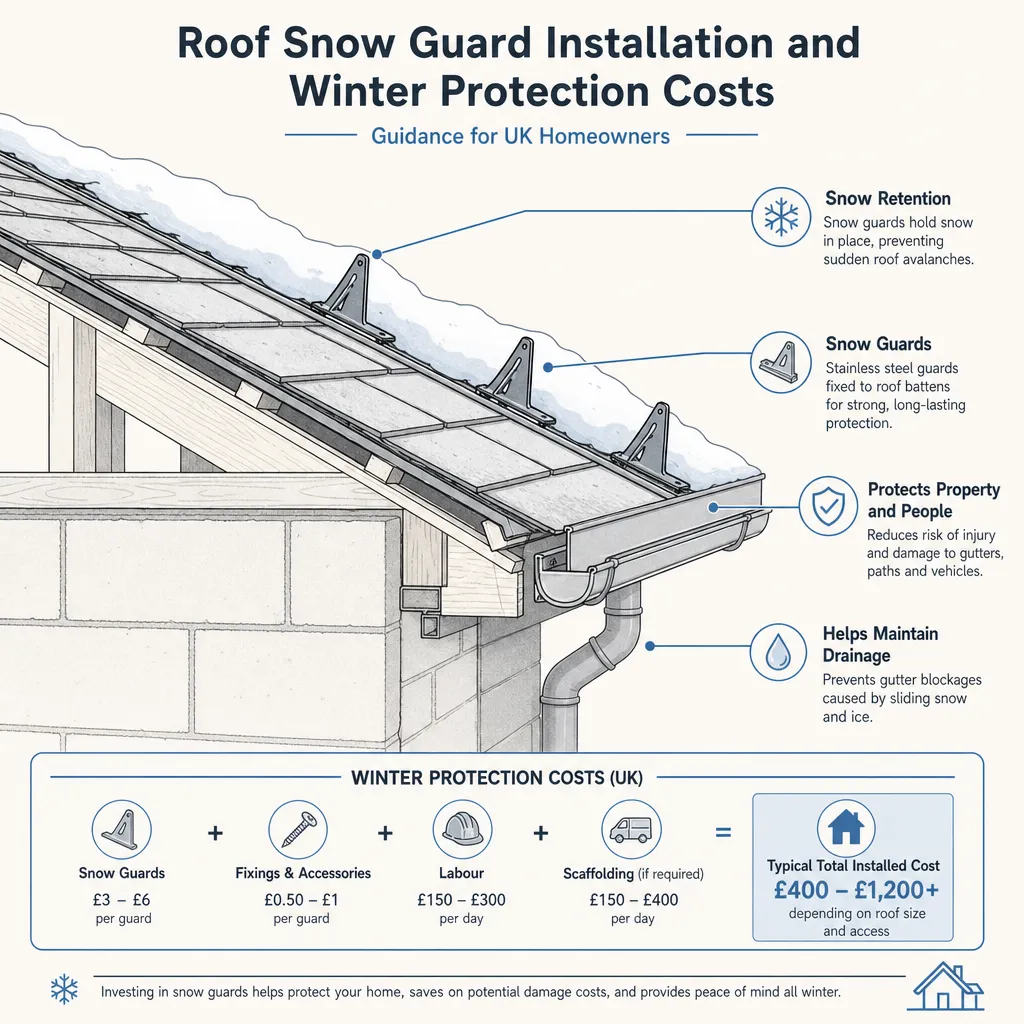
Roof Snow Guard Installation and Winter Protection Costs
Snow guards are one of those roof features that homeowners rarely think about until they need them — usually after a heavy snowfall sends a sheet of compacted ice crashing from their eaves onto a path, car, or neighbour's boundary. In the UK, properties with steep pitches, metal standing-seam roofs, natural slate, and smooth interlocking tiles are particularly prone to sudden snow release. Understanding what installation involves, which system suits your roof, and what it costs helps you make a considered decision before the next cold snap arrives.
Key points
- Snow guard systems must be specified to handle the calculated snow load for your roof pitch and geographic zone, as referenced in BS EN 1991-1-3 (Eurocode 1: actions on structures — snow loads).
- The National Federation of Roofing Contractors (NFRC) recommends professional installation by a competent roofer; work at height is regulated under the HSE Working at Height Regulations 2005 and is not suitable for DIY.
- Two principal system types exist: individual point-fixed brackets (clamp-on or screw-fixed) and continuous bar or pipe systems — each suits different roof materials, pitches, and aesthetic requirements.
- Listed buildings and properties in conservation areas may require consent before fixing external roof hardware; check with your local planning authority before specifying a system.
- Indicative installed costs range from approximately £500 to £3,000+ for a typical UK semi-detached property, varying by roof area, pitch, access difficulty, and system type.
Why do UK homes need snow guards?
Snow guards — also called snow stops, snow retention systems, or snow cleats — prevent the sudden mass release of accumulated snow and ice from a pitched roof. This matters most in northern England, Scotland, and elevated areas of Wales and the Pennines, where heavy snowfall is more frequent, but even in southern England a single cold snap can produce dangerous conditions on certain roof profiles.
Without retention, a compacted snow sheet can slide off a roof with considerable force, injuring pedestrians, damaging parked vehicles, blocking pathways, and damaging garden structures or outbuildings below. Properties whose eaves overhang a public pavement, shared driveway, conservatory, or garden office are especially exposed.
Snow guards are also increasingly fitted to:
- Solar panel arrays, where the smooth glass surface channels snow unpredictably toward the eaves
- Metal and standing-seam roofs, common on agricultural buildings, barn conversions, and contemporary extensions
- Natural slate roofs, where low surface friction allows rapid snow compaction followed by sudden release
- Roofs above glazed lean-to structures, covered walkways, or entrance porches
Types of snow guard system
Choosing the right system depends on your roof material, pitch, expected snow load, and visual preference.
System type | Best for | Not ideal for | Typical material |
|---|---|---|---|
Point-fixed clamp-on brackets | Standing-seam metal roofs; avoids penetrating the roof membrane | Traditional tiled roofs; relies on seam clamping | Stainless steel, aluminium |
Screw-fixed point guards | Concrete, fibre cement, or interlocking tiles at moderate pitch | Roofs where penetrations risk voiding manufacturer guarantees | Nylon, stainless steel, polycarbonate |
Continuous bar or pipe systems | High expected snow loads; natural slate; exposed northern locations | Lower-pitch roofs where visual impact must be minimal | Galvanised or powder-coated steel; aluminium |
Mesh or fence-panel systems | Agricultural buildings and large commercial roofs | Residential properties where appearance is a priority | Galvanised steel |
Bar systems generally offer higher load capacity and are better suited to properties in higher-altitude or higher-snowfall zones. Point guards are more discreet and are commonly used on residential properties in lower-risk areas. For roofs above occupied or frequently accessed spaces, your roofing contractor should calculate the appropriate load rating rather than selecting a system by appearance alone.
How much does snow guard installation cost in the UK?
Costs depend on roof area, the number of rows of guards required, pitch and height (which affects scaffold or access platform costs), roof condition, and the system chosen.
Indicative UK costs, last reviewed 2026-05-06.
Scenario | Approximate installed cost |
|---|---|
Small terrace or cottage, front elevation only, point guards | £400–£900 |
Semi-detached house, front and rear elevations, point guards | £800–£1,800 |
Detached house, full perimeter protection, bar system | £1,500–£4,000+ |
Metal roof on agricultural building or large extension | £600–£2,500+ (area dependent) |
Additional scaffold hire where required | £300–£800 per lift |
Quotes vary significantly based on regional labour rates and access difficulty. Always ask whether VAT is included and whether scaffold or cherry-picker hire is priced separately.
Indicative ranges based on NFRC contractor guidance and market rate observations. Obtain at least three written quotes before committing.
Which system should you choose?
- Choose point-fixed clamp-on brackets if your roof has a standing-seam metal profile and you want to avoid penetrating the roof membrane.
- Choose screw-fixed point guards if your roof has concrete, fibre cement, or interlocking tiles at a moderate pitch in a lower-snowfall area.
- Choose a continuous bar or pipe system if your property is in a high-altitude location, has a steep natural slate roof, or sits directly above a frequently used pathway or entrance.
- Ask a qualified roofing contractor to specify the system if you are unsure about the appropriate type for your roof material, pitch, or snow load zone.
- Check with your local planning authority before installation if your property is listed, in a conservation area, or subject to an Article 4 direction restricting external alterations.
What to ask your roofer before accepting a quote
Before instructing a roofing contractor, ask:
- Are you a member of the NFRC or an equivalent trade body, and do you hold public liability insurance for work at height?
- What system are you recommending, and why is it appropriate for my specific roof material and pitch?
- Have you assessed the snow load requirements for my location, or are you applying a standard specification?
- Will any fixings or penetrations void my existing roof or tile manufacturer guarantees?
- Is planning permission or listed building consent required for this property?
- Does the quote include scaffold, VAT, and disposal of any surplus material?
- What guarantee do you provide on the installation, and what is the expected product lifespan?
- How will you protect existing tiles or the roof membrane during installation?
Red flags to watch for
- A contractor who quotes without a site visit or physical inspection of the roof.
- No discussion of safe access or scaffold provision for a two-storey or steeply pitched roof.
- An unusually low quote that makes no mention of insurance, trade membership, or product specification.
- A recommendation that ignores your roof material when selecting the system type.
- Pressure to pay a large deposit before any contract or written scope of works is provided.
- No written guarantee or specification document offered after the job is agreed.
When to get professional help
Always use a qualified roofing contractor for snow guard installation. Work at height above 2m is regulated under the HSE Working at Height Regulations 2005, and incorrect installation can create a false sense of security while introducing new leak paths at fixing points.
If you notice damage to existing tiles, ridge, flashing, or leadwork during the quote process, arrange for those defects to be assessed and addressed before snow guard installation proceeds. Fitting retention systems to a roof that already has integrity issues is rarely advisable.
How Housey can help
Housey connects homeowners with vetted roofing contractors who can assess your roof, recommend the right snow guard system, and provide a written quote. Find a qualified roofer in your area through Housey.
Frequently asked questions
Do I need planning permission to fit snow guards?
In most cases, no — snow guards are treated as minor additions within permitted development rights. However, if your property is a listed building or in a conservation area, you may need consent before fixing any external roof hardware. Always check with your local planning authority before work begins.
Which roof types are most at risk from snow slides?
Smooth-surface roofs present the greatest risk: natural slate, metal standing-seam, and modern interlocking tiles with low surface friction allow snow to compact and release suddenly. Older rough-cast clay tiles and deeply profiled concrete tiles offer more natural retention but can still shed snow on steeper pitches.
Can snow guards be fitted to a roof with solar panels?
Yes — snow guards are commonly installed above solar panel arrays specifically to prevent the smooth glass surface channelling a large snow sheet to the eaves. A roofer experienced in PV installations should assess the fixing points carefully, as panel rails and roof structure both influence the specification.
How long do snow guards last?
Stainless steel and aluminium systems typically last 20–40 years with minimal maintenance. Polycarbonate or nylon point guards may degrade more quickly under prolonged UV exposure. Ask your contractor for the expected lifespan of the specific product and whether periodic inspection is recommended.
Will snow guards stop all snow from falling off my roof?
No — snow guards retain accumulated snow on the roof surface and allow it to melt gradually rather than slide off as a mass. Fine powder snow may still drift through, and heavily loaded systems can be overtopped in a very severe snowfall event. A correctly specified system reduces risk significantly rather than eliminating it entirely.
Sources and further reading
- Working at Height Regulations 2005 — legislation.gov.uk
- Working at Height guidance — Health and Safety Executive
- National Federation of Roofing Contractors — NFRC
- Approved Document A: Structure — GOV.UK
- Eurocode 1: Actions on Structures — snow loads — GOV.UK / BSI
Useful next reads
 Improvement & Build
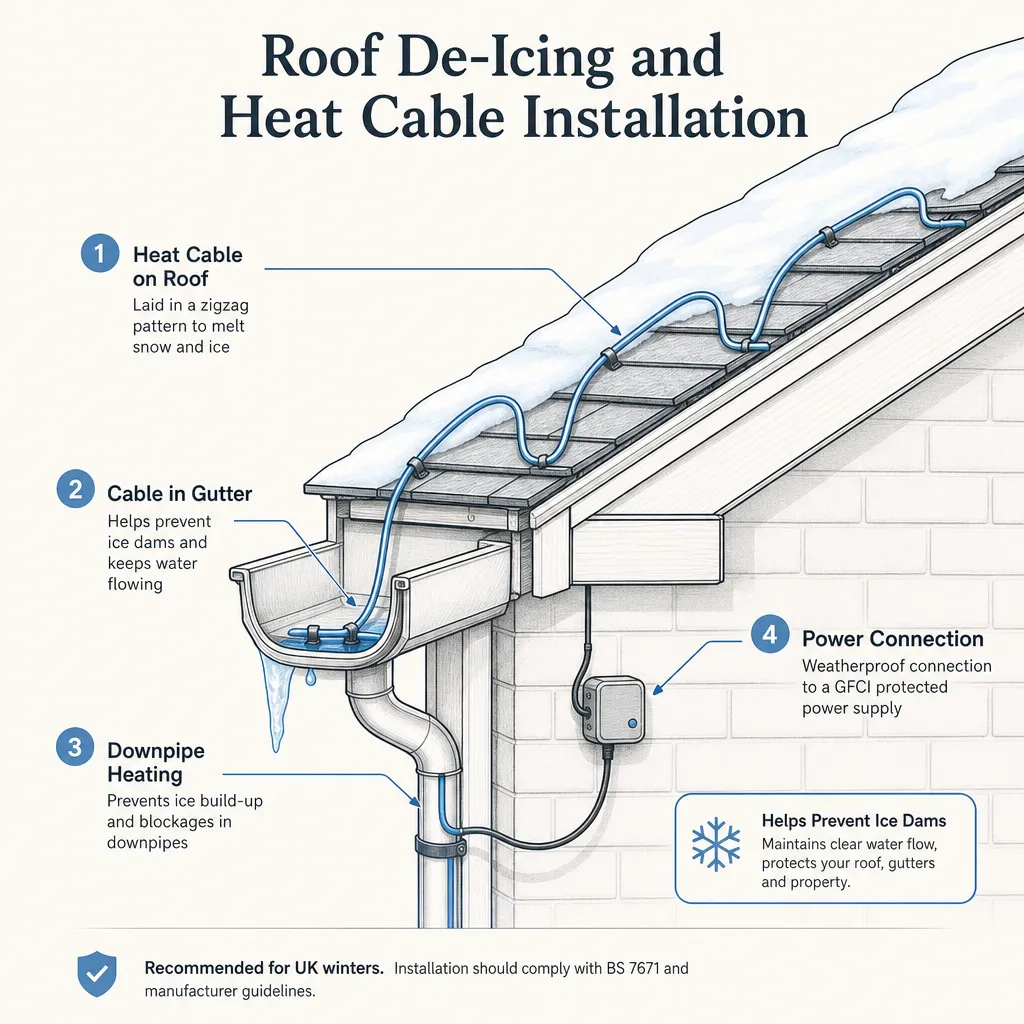
Roof De-Icing and Heat Cable Installation
Roof heat cables — also called trace heating or de-icing cables — are installed along gutters, valley gutters, and flat roof edges to prevent ice dams and snow melt from re-freezing.
 Improvement & Build
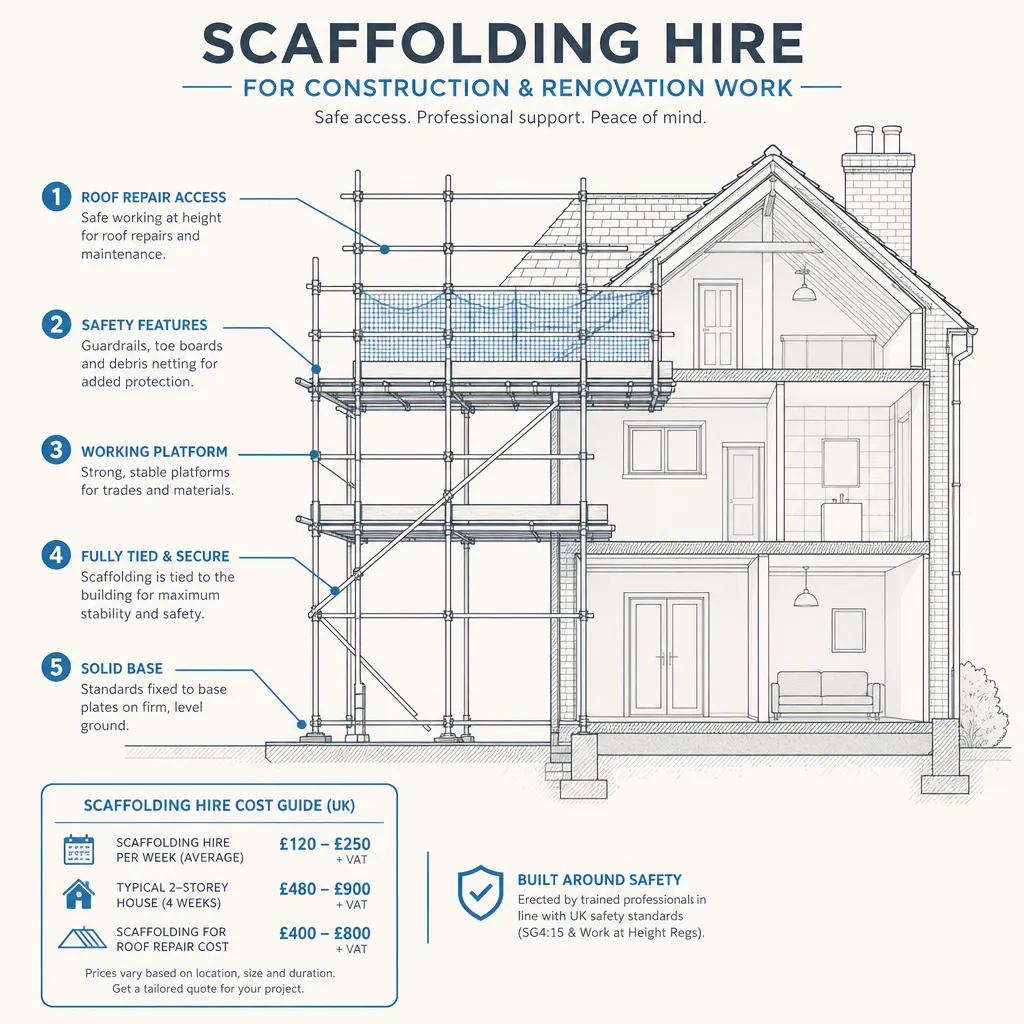
Scaffolding Hire for Construction and Renovation Work
Scaffolding hire in the UK is typically charged in two parts: a fixed erection and dismantling fee, and a weekly hire rate.
 Improvement & Build
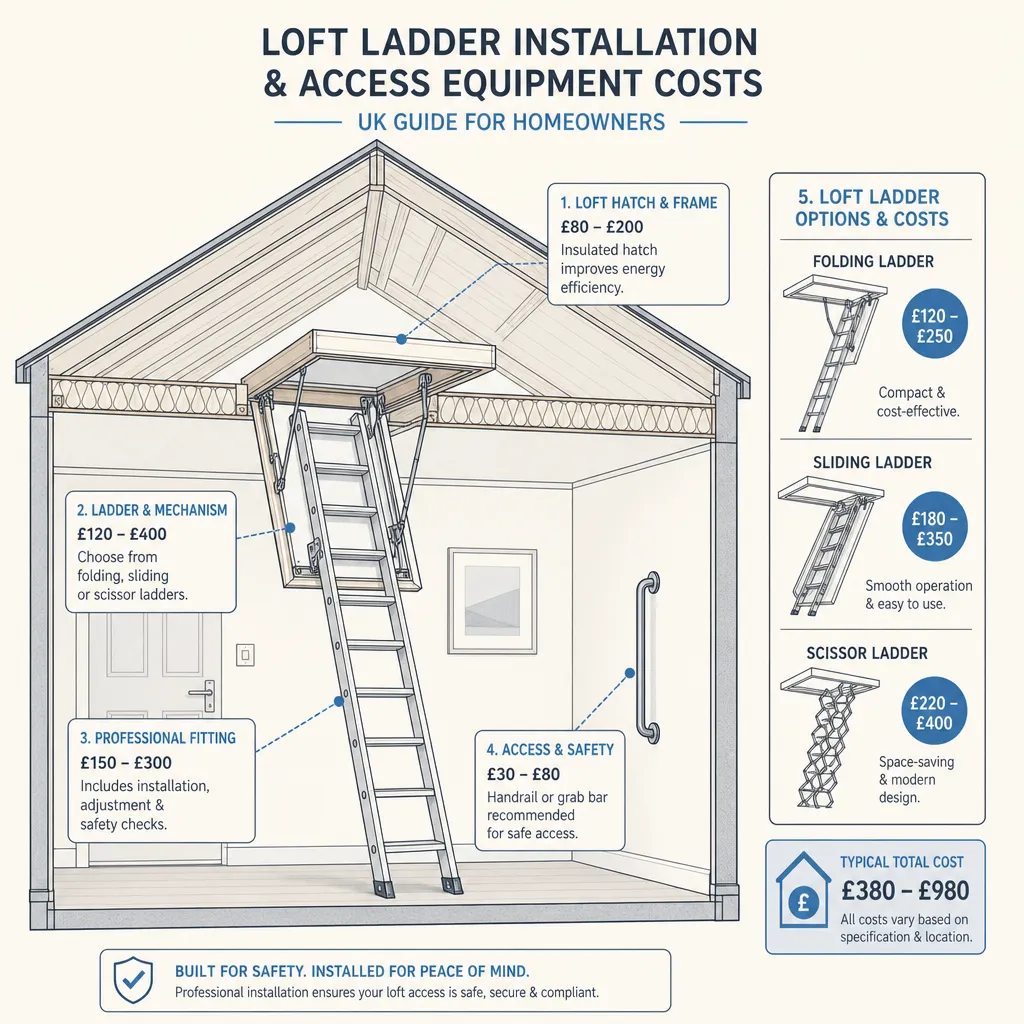
Loft Ladder Installation and Access Equipment Costs
Loft ladder installation typically costs £150–£450 supply and fit in the UK, depending on ladder type and whether the hatch needs enlarging.
 Improvement & Build
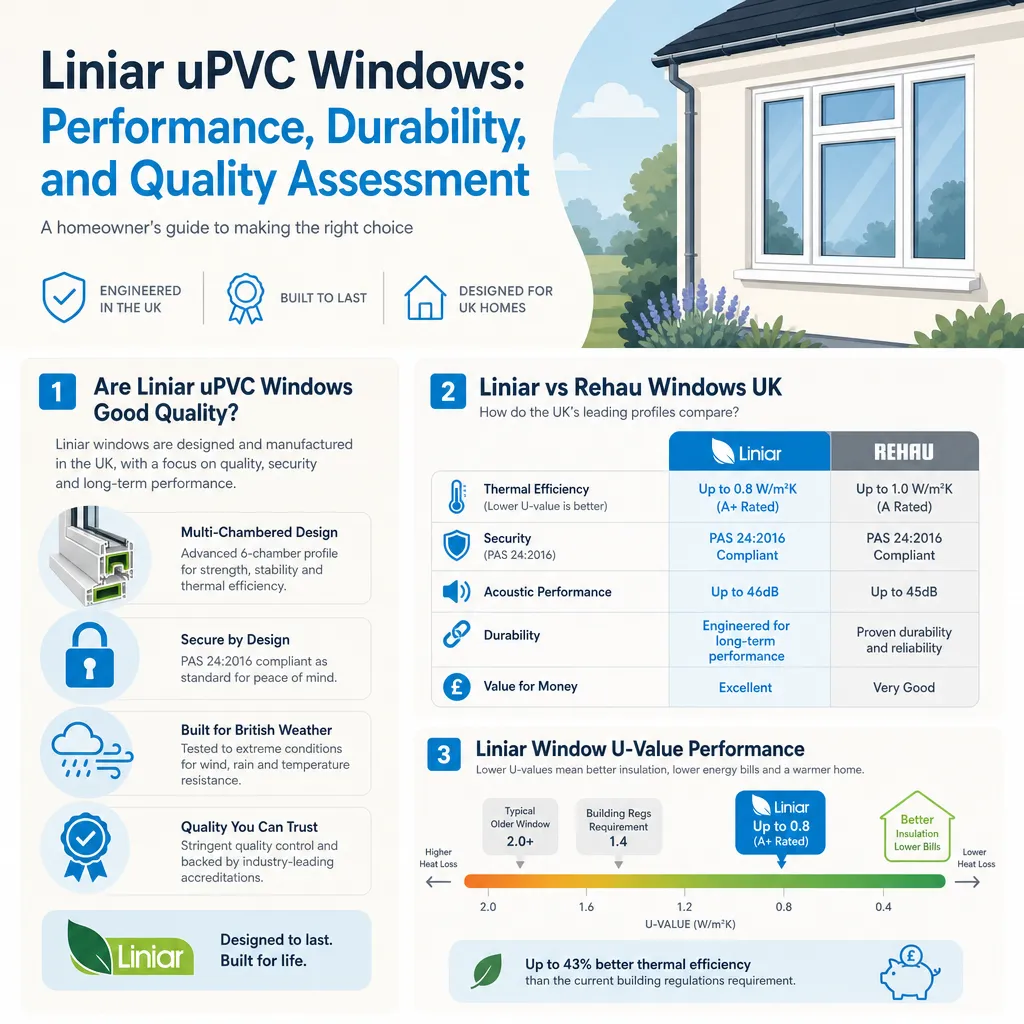
Liniar uPVC Windows: Performance, Durability, and Quality Assessment
Liniar uPVC window profiles are manufactured in the UK using multi-chambered, foamed frames.
 Improvement & Build
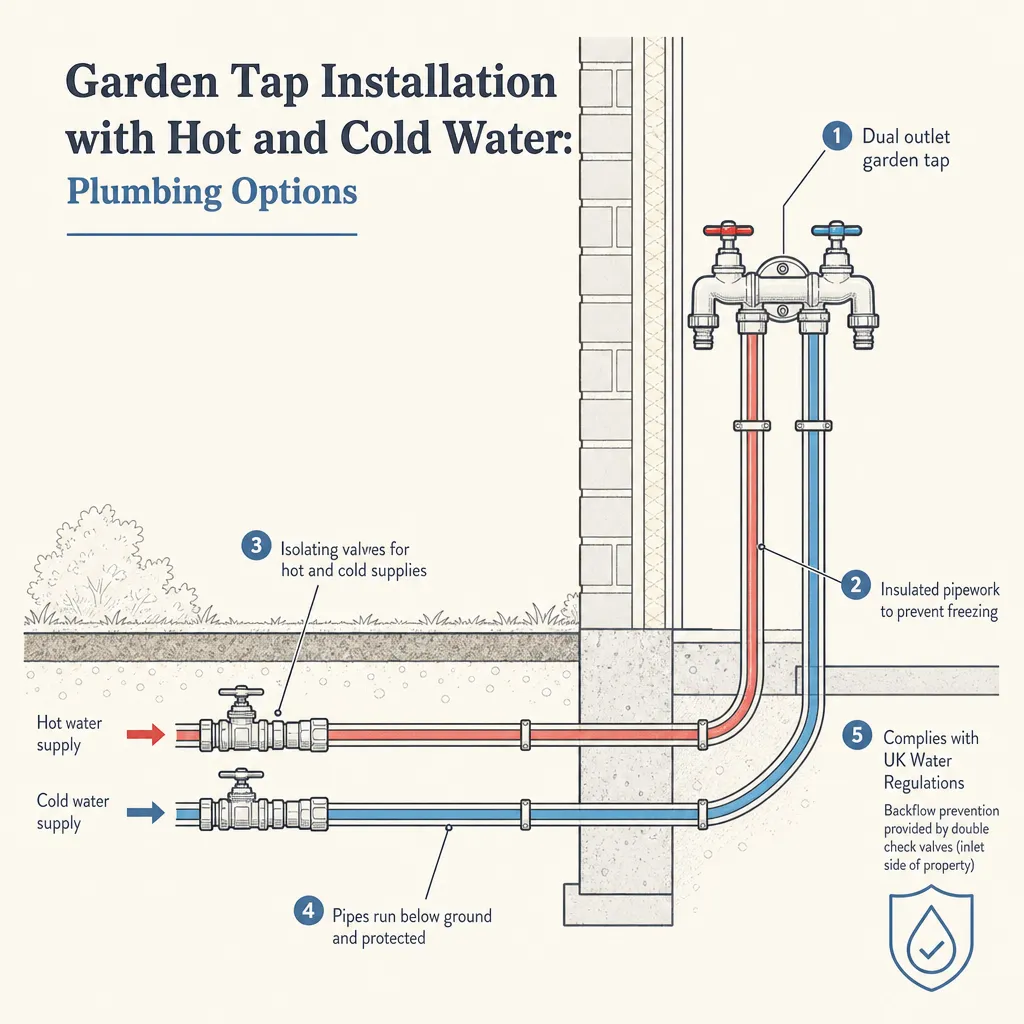
Garden Tap Installation with Hot and Cold Water: Plumbing Options
Adding a cold garden tap is a common DIY project, but routing hot water outdoors requires a plumber to connect to your domestic hot water system and comply with the Water Supply (Water Fittings) Regulations 1999.