Roof Truss System Installation and Repair Costs
By Housey · Last reviewed 11th of May 2026
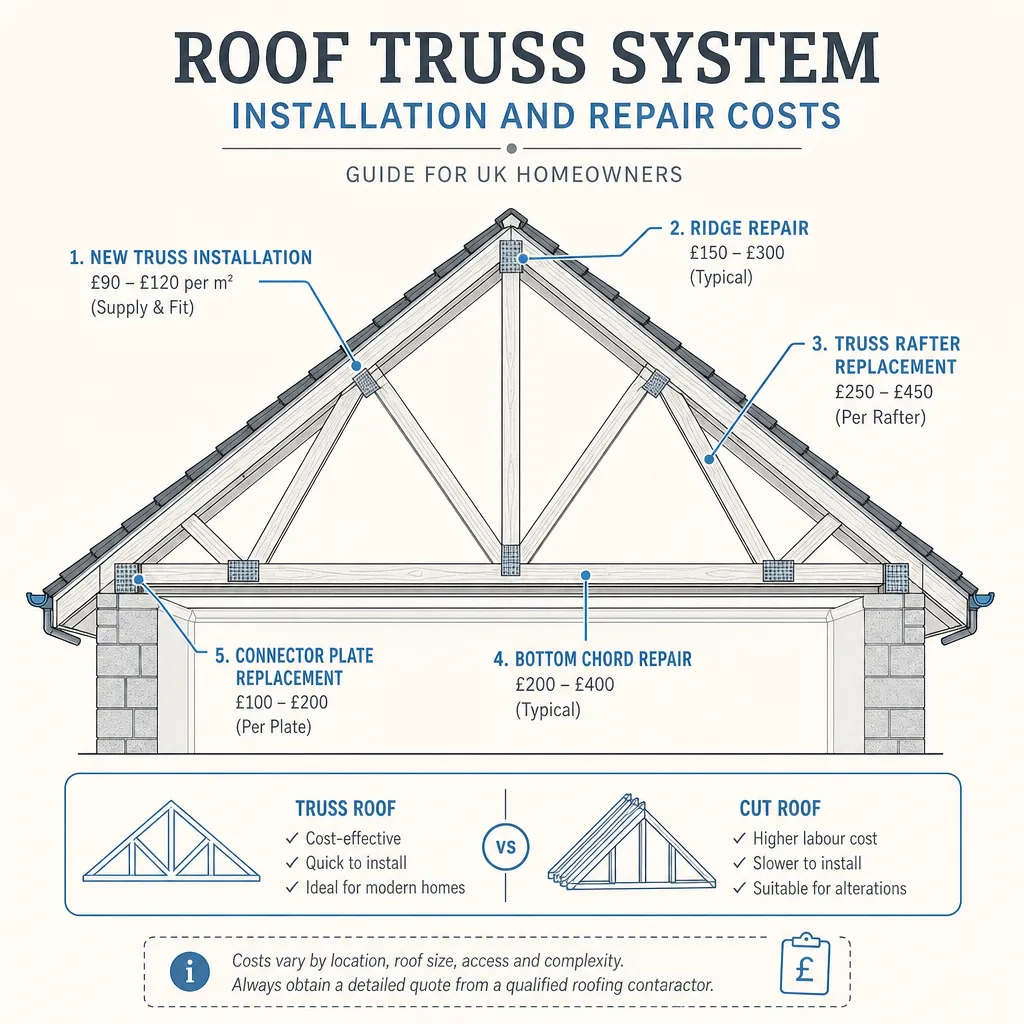
Roof Truss System Installation and Repair Costs
Roof trusses are the factory-manufactured structural frames that form the skeleton of most pitched roofs built in the UK since the 1960s. Questions about truss installation costs typically arise during new builds and extensions, while repair and replacement queries emerge after a surveyor flags damaged or modified trusses in a RICS Level 3 Home Survey, or when a homeowner discovers cut or notched members following a loft conversion that was never properly designed. Understanding what trusses cost — and when you need more than a roofer — is essential before committing to any structural roof project.
Key points
- Trussed rafter installation for a standard three-bedroom semi in England typically costs £3,000–£7,000 including manufacture, delivery, crane hire, and erection, but excluding tiling, felt, battens, and insulation. Indicative UK costs, last reviewed 2026-05-11.
- Any modifications to roof trusses — cutting, notching, or removing members — require structural engineer sign-off; trusses are designed as a complete load-path system and any single change can redistribute loads dangerously.
- New roofs and roof replacements require Building Regulations approval under Approved Document A: Structure; a structural engineer's design and building control sign-off are required.
- Common truss types used in UK housing include fink (W-truss), attic truss (room-in-roof), howe, raised heel, and scissors truss — choice affects cost, ceiling height, and whether the loft can be made habitable.
- A single damaged truss member may sometimes be repaired with a timber sistering or scarf splice approved by a structural engineer; minor repairs can cost £200–£600 per member, avoiding full replacement.
What do roof trusses cost in the UK?
Costs split across manufacture and supply, crane hire, and erection labour. Roofing materials — felt, battens, tiles or slates — are almost always quoted separately.
Item | Typical cost range |
|---|---|
Truss manufacture and supply (3-bed semi, fink truss) | £1,200–£2,500 |
Crane hire (typically 1 day) | £500–£1,200 |
Erection labour (carpenter gang) | £800–£1,800 |
Structural engineer design fee | £400–£900 |
Building regulations application (full plans fee) | £200–£600 |
Total (supply, erect, structural design, building control — excluding roofing) | £3,100–£7,000 |
Indicative UK costs, last reviewed 2026-05-11. Attic trusses cost 25–50% more to manufacture than standard fink trusses. Larger or hipped roofs can reach £10,000–£18,000 before roofing materials.
Truss roof vs cut (traditional) roof: what is the difference?
Feature | Trussed rafter roof | Cut (traditional) roof |
|---|---|---|
Construction method | Factory-made; erected on site | Carpenter-cut on site from individual timbers |
Typical UK prevalence | Most new builds from 1965 onwards | Pre-1960s housing; bespoke projects |
Speed to erect | Fast (1–2 days for a semi) | Slower; more on-site skill required |
Loft usability (standard) | Standard fink truss — unusable; attic truss — habitable | Often convertible (purlin and collar construction) |
Design flexibility | High with prefabrication; limited once built | Can be adapted more readily with engineering input |
Modification rules | Strict — structural engineer required | Still requires structural engineer |
Typical cost (supply and erect) | Lower overall | Higher labour cost |
The presence of a trussed rafter roof versus a cut roof is often noted in RICS Level 2 and Level 3 surveys and directly affects whether a loft conversion is feasible without substantial structural redesign.
When do trusses need repair?
Trusses may need repair or replacement after:
- Unauthorised modification: Previous owners or loft-conversion contractors cutting through web or chord members to create storage space without structural design. This is one of the most commonly flagged structural defects in RICS Level 3 Home Surveys.
- Water ingress and rot: Long-term roof leaks can cause timber members to degrade, particularly at eaves and ridge connections.
- Insect infestation: Woodworm (Anobium punctatum) or, more rarely, death-watch beetle can weaken timber members over time.
- Overloading: Tiling with heavier materials than the original design specified, solar panel installations without structural assessment, or water tank relocation can all impose unplanned loads.
- Subsidence or movement: Foundation movement that shifts wall plates can rack truss frames out of alignment.
A structural engineer should assess whether repair is viable. Single-member damage may be addressed by sistering (fixing a new member alongside the damaged one) or a scarf splice. Widespread damage or fundamental load-path compromise usually means section or full replacement.
Important limitations
This article provides general cost guidance and an overview of the regulatory framework for roof truss work in the UK. It is not structural engineering advice. The condition and load capacity of any specific roof must be assessed by a chartered structural engineer (MIStructE or CEng-qualified) or a qualified structural surveyor. Costs vary significantly by property size, roof geometry, timber specification, site access, and regional labour rates. Do not instruct any structural modification to a roof without professional design and building control sign-off.
When this becomes urgent
Contact a chartered structural engineer or RICS-registered surveyor without delay if you observe:
- Cracked, split, or bowed truss members visible from the loft space
- Trusses visibly displaced or leaning out of vertical
- The ridge line appears to have dipped or deviated when viewed from outside
- Ceiling cracks in an unusual pattern — especially diagonal cracks from door or window corners — combined with evidence of roof movement
- A survey report has flagged 'cut trusses', 'modified roof structure', or recommended urgent specialist investigation
- A recent loft conversion has left the roof structure partially dismantled or inadequately propped
Do not use the loft for storage if truss damage is suspected until a professional assessment has been carried out.
What to ask a qualified professional
Before instructing a structural engineer or roofing contractor for truss work, ask:
- Are you a chartered structural engineer (MIStructE) or a chartered building surveyor, and do you carry current professional indemnity insurance?
- Will you produce a formal structural design or repair specification that can be submitted to building control?
- What information do you need before your assessment — existing drawings, original building control consent, details of any previous works?
- Is a building control application required for this repair, or does it fall within routine maintenance?
- If replacing trusses, who manufactures them and will they be designed to BS EN 14250?
- What crane or access equipment is needed, and is that cost included in your quote?
- What is the programme, and how long will the roof be exposed to weather during works?
- Who will reinstate the roofing covering, and is that contractor included in the quote or separate?
When to get professional help
Roof truss work almost always requires professional involvement. As a minimum:
- A structural engineer for any modification, repair assessment, or new truss design
- Building control (local authority or an approved inspector) for any new roof construction or significant alteration
- A qualified roofing contractor for felt, batten, and tile or slate reinstatement after structural work
- A RICS Level 3 chartered surveyor or building surveyor if you are buying a property with suspected truss modifications
Do not rely on a general builder's assessment of structural roof damage. If a surveyor's report flags truss issues, treat this as a specialist referral, not a routine snagging item.
How Housey can help
Housey can connect you with qualified roofers for roofing material reinstatement and structural engineering professionals who can assess, design, and certify roof truss work to Building Regulations standards. Describe your project once to receive up to four responses from vetted professionals in your area.
Frequently asked questions
Do I need building regulations approval for roof truss repairs?
Minor like-for-like repairs using a method approved by a structural engineer may not always require a formal building control application, but borderline cases should be checked with your local authority building control team before starting work. Any new roof construction, significant structural alteration, or change of roof loading always requires Building Regulations Part A approval. Do not assume a repair is exempt without confirming with your local building control office.
Can I convert a trussed rafter roof to a habitable loft?
Yes, but it requires a full structural redesign. Standard fink trusses cannot simply be cut — load paths must be redesigned using attic trusses, a structural steel frame, or a beam and post arrangement. This work requires a structural engineer's design, building regulations approval, and typically planning permission if the conversion involves raising the roof height or adding dormers. An attic truss conversion on a standard semi typically costs £25,000–£50,000 or more, all in.
How long do timber roof trusses last?
Properly designed, ventilated, and maintained softwood trusses graded to C16 or C24 can last the life of the building — 60 years or more. The primary risks to longevity are water ingress from failing flashings or damaged tiles, insect infestation such as woodworm, and unauthorised modification of members. Regular inspection from the loft hatch every few years can catch problems early before they become costly to remedy.
Are roof trusses covered by buildings insurance?
Structural damage to roof trusses caused by a sudden insured event such as storm, fallen tree, or fire is typically covered under buildings insurance. Gradual deterioration, rot, or damage from poor workmanship is usually excluded. If making a claim, an insurance loss adjuster or independent chartered surveyor can provide an impartial assessment of the extent and cause of damage before repair work is instructed.
Sources and further reading
- Approved Document A: Structure — HM Government
- TRADA timber and wood product information — TRADA (Timber Research and Development Association)
- The Institution of Structural Engineers: find a structural engineer — IStructE
- RICS Home Survey Standard — RICS
- Planning Portal: loft conversions — Planning Portal
Useful next reads
 Improvement & Build
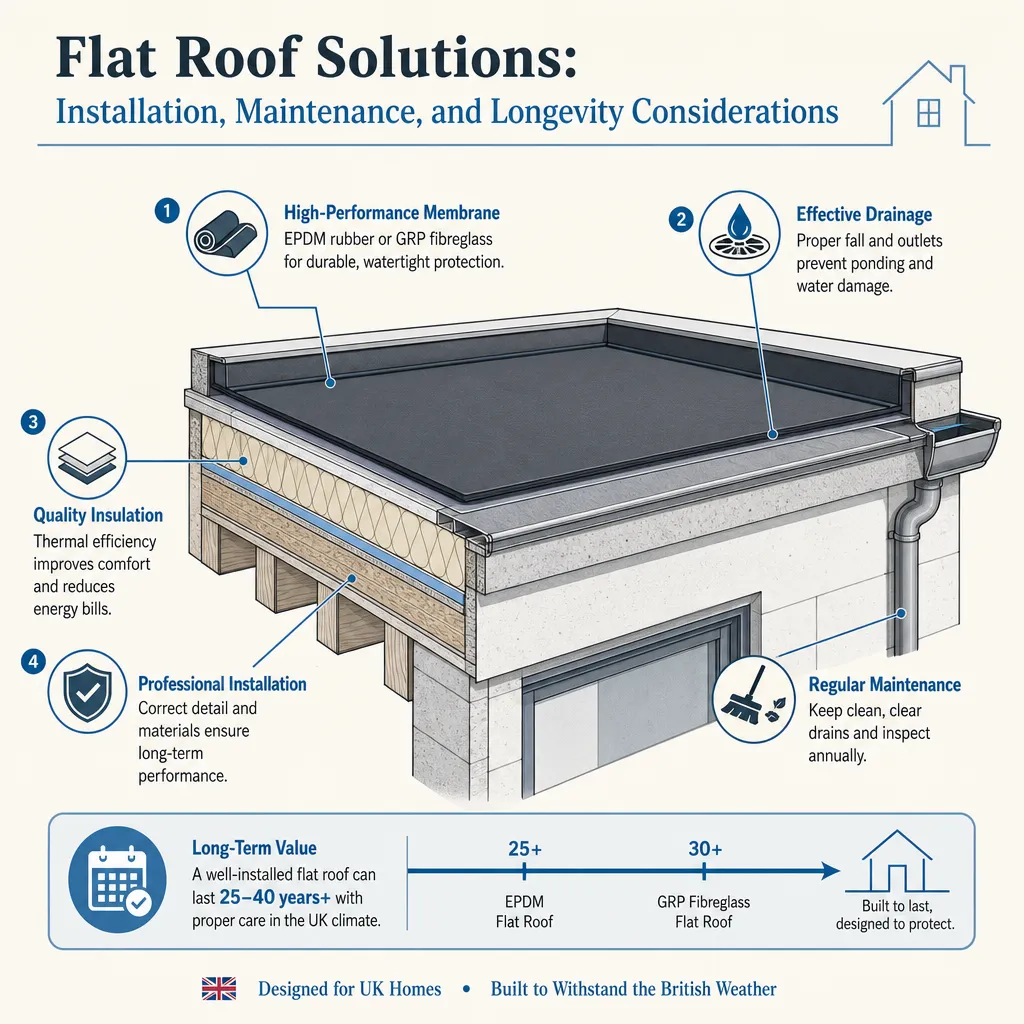
Flat Roof Solutions: Installation, Maintenance, and Longevity Considerations
Flat roofs use several waterproofing systems — EPDM rubber, GRP fibreglass, liquid-applied coatings, modified bitumen felt, lead, and zinc — each with different lifespans and installation requirements.
 Improvement & Build
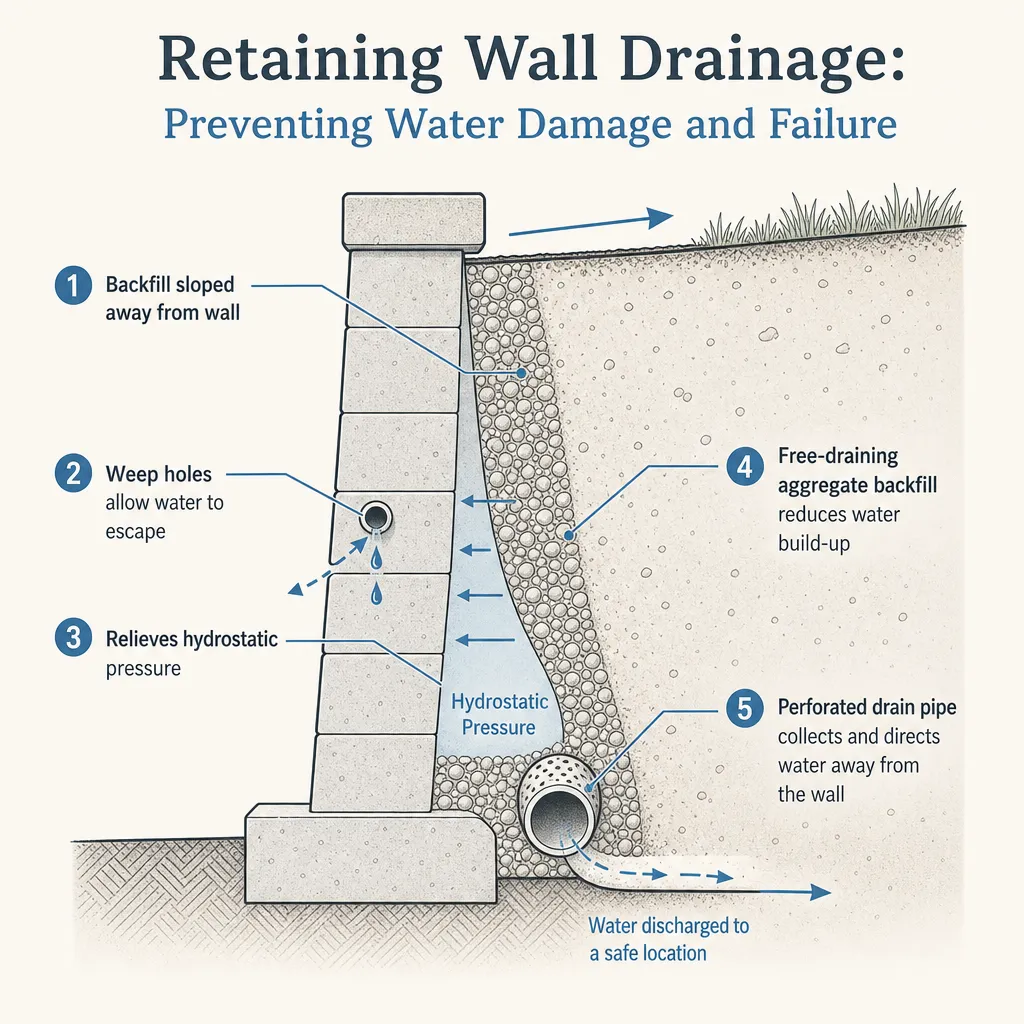
Retaining Wall Drainage: Preventing Water Damage and Failure
Retaining wall drainage fails when hydrostatic pressure builds behind the structure due to poor drainage layers, blocked weep holes, or impermeable backfill.
 Improvement & Build
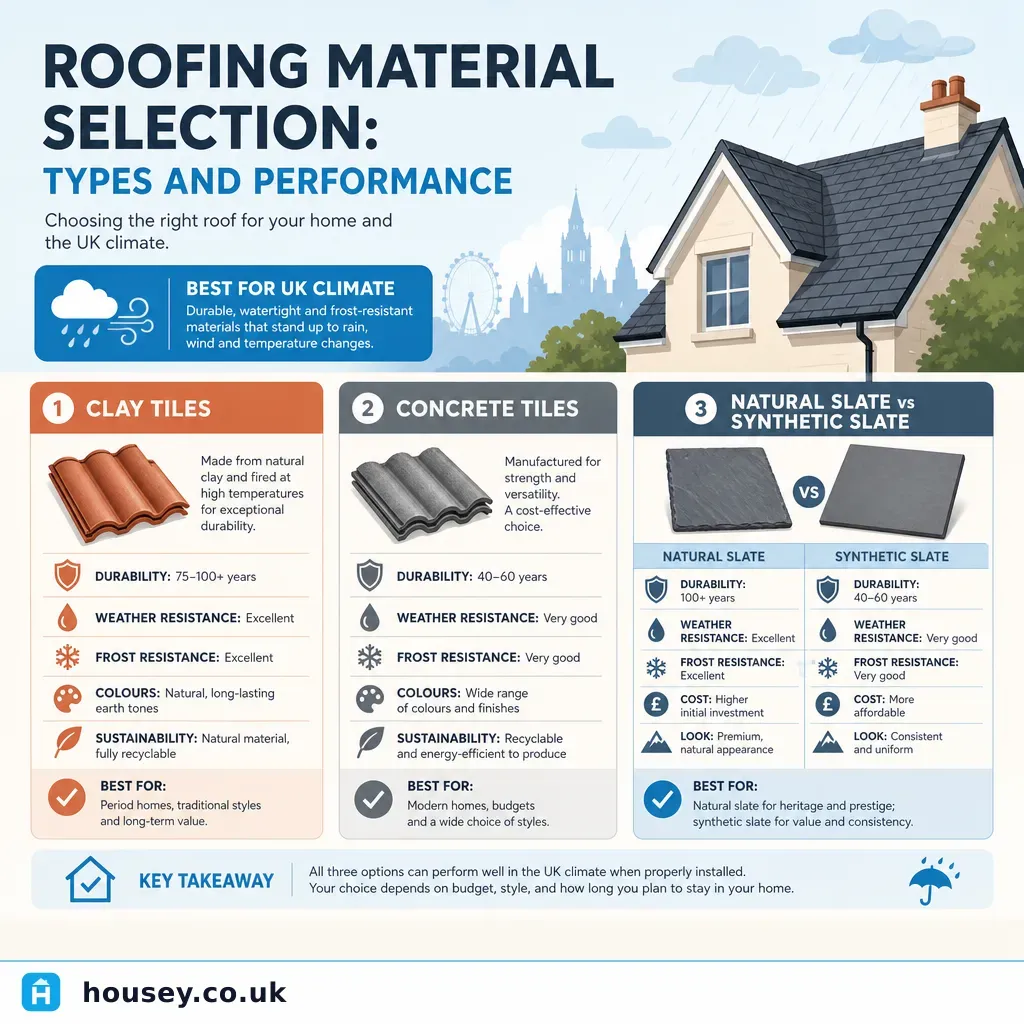
Roofing Material Selection: Types and Performance
The right roofing material depends on your roof pitch, property type, local planning requirements, and budget.
 Improvement & Build
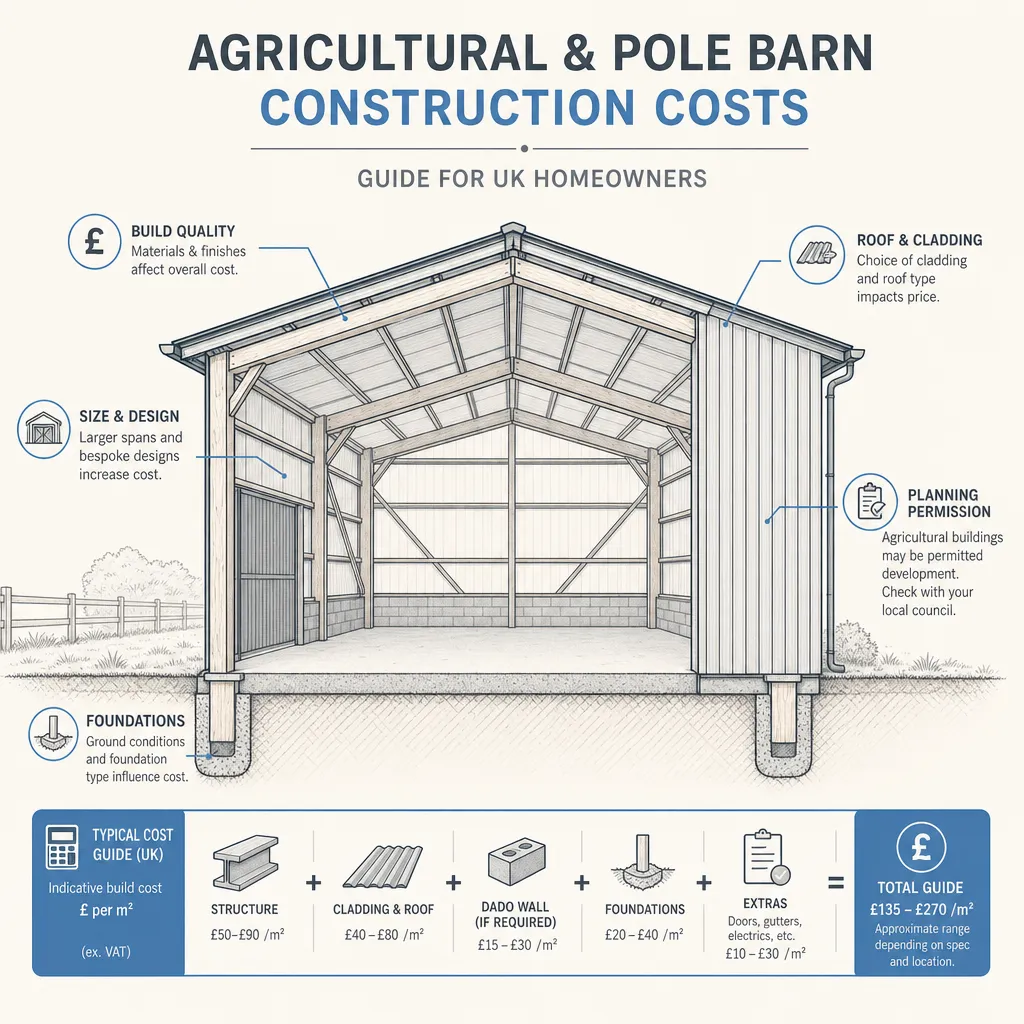
Agricultural and Pole Barn Construction Costs
Pole barn and agricultural building costs in the UK vary widely by size, frame type, cladding, and groundwork.
 Improvement & Build
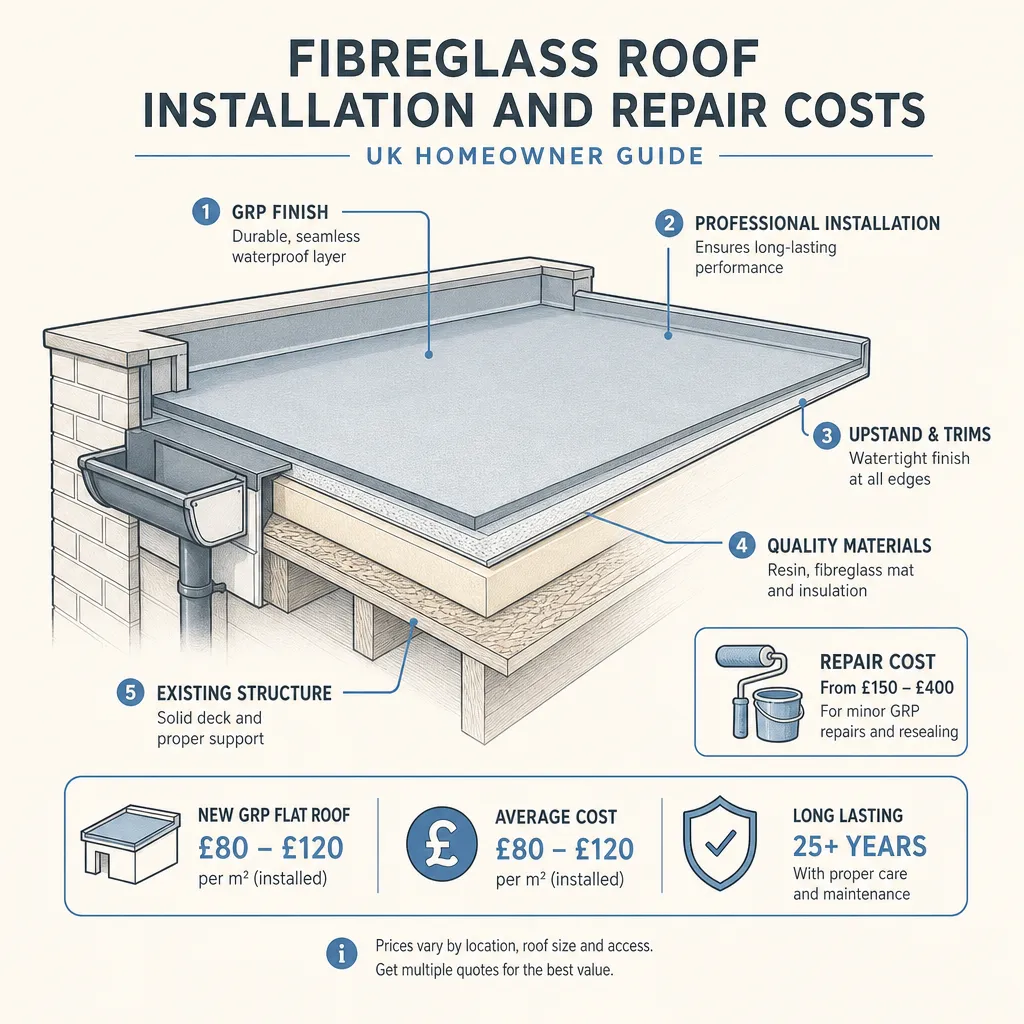
Fibreglass Roof Installation and Repair Costs
A fibreglass (GRP) flat roof costs approximately £70–£110 per square metre installed in the UK, with a typical 15 m² garage roof costing £1,200–£2,000.