Storm Doors versus Screen Doors: Seasonal Purpose and Protection Compared
By Housey · Last reviewed 24th of May 2026
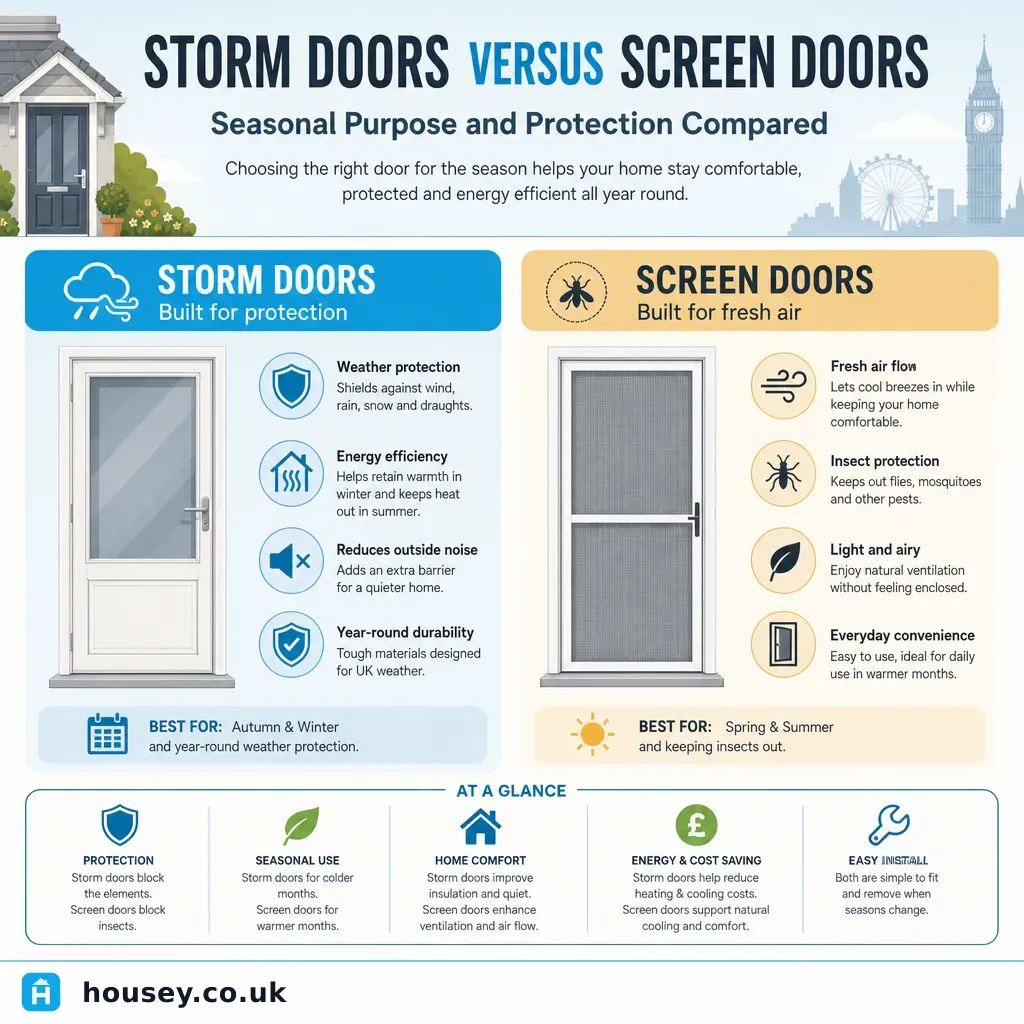
Storm Doors versus Screen Doors: Seasonal Purpose and Protection Compared
External door additions come in several forms, and "storm door" and "screen door" appear frequently in searches — sometimes used interchangeably when they in fact describe products with quite different seasonal functions. The question typically arises when homeowners are planning a porch renovation, trying to improve ventilation without letting insects in, or dealing with persistent cold draughts through a front entrance. Understanding what each product actually does makes it easier to spend on the right solution.
Key points
- Storm doors (also sold as porch doors or secondary outer doors by UK suppliers) are designed to reduce draughts, rain ingress, and heat loss — relevant year-round, particularly from October to March.
- Screen doors (fly-screen doors or insect-mesh doors) use fine mesh panels to allow ventilation while blocking insects; they provide no meaningful weather protection.
- Combination doors — with interchangeable glazed and mesh inserts within a single frame — are available from UK suppliers and offer both weather and insect protection seasonally.
- Neither storm doors nor screen doors carry security certification; neither satisfies Building Regulations Part Q for new dwellings or extensions.
- Scotland's west coast and upland areas experience significant midge and biting insect activity between May and September, making insect screen additions particularly useful for rural properties in those regions.
What does a storm door do?
A storm door is a secondary outer door fitted in front of the primary entrance door. In the UK, the term is less standard than in North America — most trade catalogues list comparable products as porch doors, outer doors, or secondary glazed entrance doors — but the product is available from UK door and glazing suppliers.
Its main functions are:
- Draught reduction: the air gap between the outer door and the primary door acts as a buffer zone, reducing cold air infiltration and making the hallway warmer in winter.
- Rain and wind protection: the storm door shields the primary door and threshold from direct weather exposure, which can reduce maintenance requirements on timber or composite primary doors.
- Heat retention: where the primary door is older and draughty, a storm door can reduce heat loss at the entrance — though it is not a replacement for a well-fitted, thermally broken primary door.
Storm doors are typically glazed, either fully or in the upper portion, and are made from aluminium or uPVC frames. They do not carry security certification.
What does a screen door do?
A screen door replaces or supplements an external doorway with a frame holding fine mesh or a perforated insect-resistant panel. Its purpose is ventilation: it allows air to flow through while physically blocking insects — flies, midges, wasps, and mosquitoes.
In UK homes, screen doors are particularly useful for:
- Rural properties in Scotland, Wales, and Northern Ireland where biting insects are prevalent during late spring and summer.
- Ground-floor flats and terraced houses where opening a door for ventilation without leaving the entrance unsecured is otherwise difficult.
- Kitchens and utility rooms with external doors where insects are attracted to food preparation areas.
Screen doors are lightweight — usually aluminium or timber-framed with fibreglass or aluminium mesh — and offer essentially no weather or security protection. They are warm-weather products; most UK homeowners remove or store a standalone screen door in autumn.
Storm door vs screen door: comparison
Feature | Storm door | Screen door |
|---|---|---|
Primary purpose | Weather and draught protection | Insect exclusion during ventilation |
UK seasonal use | Year-round (mainly autumn to spring) | Spring to autumn (warm months) |
Typical materials | Aluminium or uPVC frame, glazed | Aluminium or timber frame, mesh panel |
Weather protection | Good — rain, wind, draughts | Negligible |
Insect exclusion | Limited (only when closed) | Yes — primary function |
Security performance | Not rated | Not rated |
Indicative installed cost | £300–£800 | £100–£350 |
Indicative UK costs, last reviewed 2026-05-24. Prices vary by size, material, and installer. Obtain at least two or three quotes.
Combination doors: the hybrid option
Some UK door manufacturers offer combination storm and screen doors within a single frame, using interchangeable inserts. A glazed panel is fitted in autumn and winter for weather and draught protection, while a mesh insert replaces it in spring and summer for insect exclusion and ventilation. These combination products suit homes where both seasonal needs arise at the same entrance and avoid the cost and storage demands of two separate doors. Ask any installer whether a combination door is available for your frame size, as stock is more limited than for standalone products.
Which option should you choose?
- Choose a storm door if your main issue is cold draughts, rain splash at the threshold, or heat loss through an older or exposed entrance — particularly relevant from October to March across most of England, Scotland, and Wales.
- Choose a screen door if your main concern is insect ingress during warm months and you want to leave the primary door open for ventilation — particularly relevant in rural Scotland and Wales from May to September.
- Choose a combination door if you want to address both needs from a single frame and your opening is a standard size that combination products cover.
- Consider fitting draught-excluding compression seals on your primary door first — in many cases a well-fitted primary door significantly reduces draughts at low cost before any secondary product is added.
When to get professional help
Storm doors and screen doors are generally simpler to install than full composite doorsets, and some are sold as DIY kits. However, use a professional installer if:
- The existing door frame is damaged, out of square, or too narrow to accept a secondary door without adjustment work.
- You are fitting a storm door with a fully glazed panel that requires careful perimeter sealing to be genuinely weathertight.
- Your property is listed, in a conservation area, or subject to conditions that restrict visible changes to external doors — in those cases, check with your local planning authority before any installation begins.
How Housey can help
Housey can connect you with local window and door installers who fit storm doors, screen doors, and combination products across the UK. Submit your job to receive quotes from vetted installers in your area.
Frequently asked questions
Are storm doors and screen doors widely used in the UK?
Both are significantly less common in the UK than in North America. Most UK homeowners rely on their primary front door for weather protection and ventilation. Storm doors are available from UK suppliers but remain a niche product; screen doors are more commonly found in rural areas prone to biting insects, particularly in Scotland, Wales, and Northern Ireland during late spring and summer.
Can I fit a screen door to a uPVC primary door frame?
Yes, but the method depends on the existing frame and threshold. Some screen door kits attach directly to the outer face of the existing frame without drilling; others require a separate sub-frame. An installer can assess whether your frame is suitable. Ensure any fixing method does not compromise the weatherproofing or thermal performance of the primary door.
Will a storm door reduce my heating bills?
A storm door can reduce draught and heat loss at the entrance, particularly if the primary door is poorly sealed or old. The energy saving is typically modest compared with insulating walls, loft, or upgrading the primary door itself. Energy Saving Trust guidance recommends addressing the largest heat-loss pathways — walls, loft, windows — before investing in secondary door products.
Do storm doors or screen doors require building regulations approval?
In most cases, adding a secondary door or screen door to an existing opening in a house does not require building regulations approval. If the work involves creating a new opening or structural changes, building control may apply. If the property is listed or in a conservation area, check with your local planning authority before any installation work begins.
Sources and further reading
- Draught-proofing and energy efficiency at home — Energy Saving Trust
- Planning Portal: do I need permission for doors? — Planning Portal
- Approved Document Q: security in new dwellings — GOV.UK
Useful next reads
 Improvement & Build
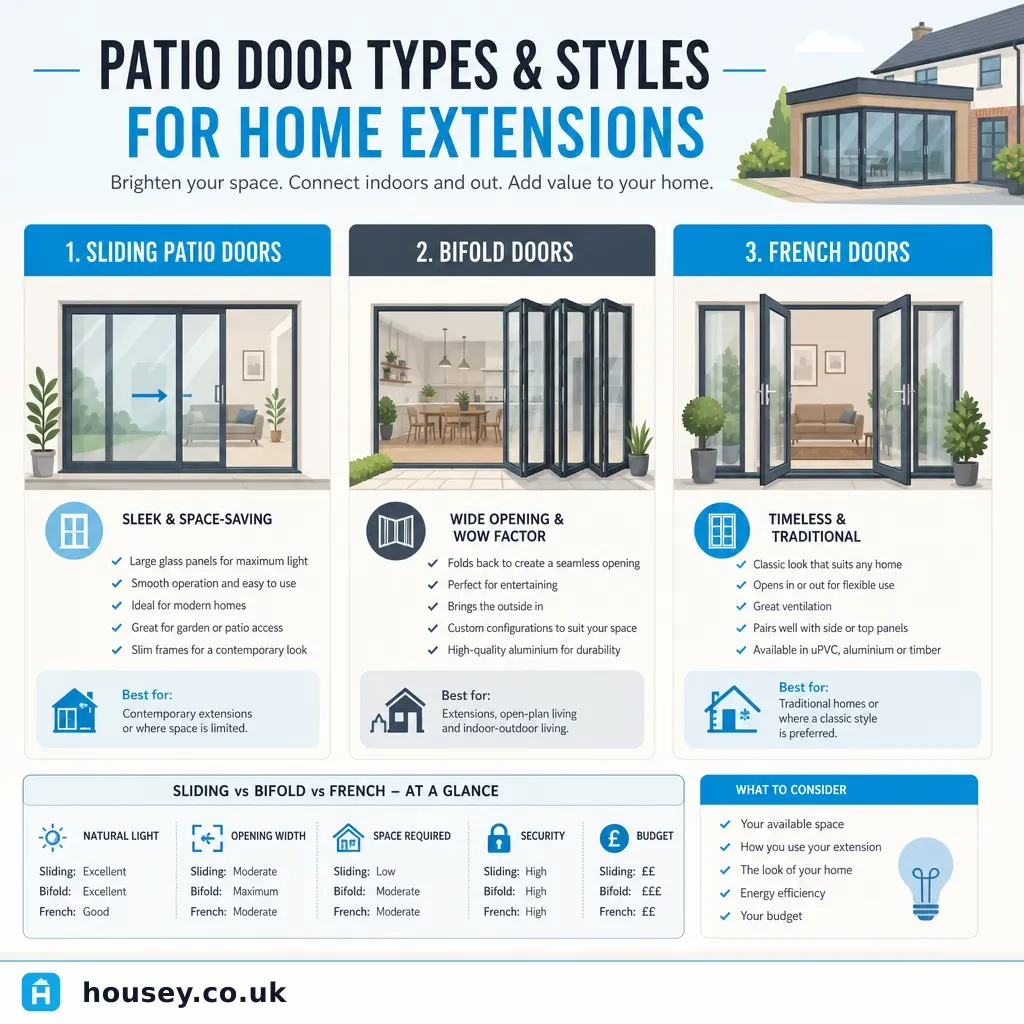
Patio Door Types and Styles for Home Extensions
For most UK home extensions, sliding doors suit openings up to 3.
 Improvement & Build
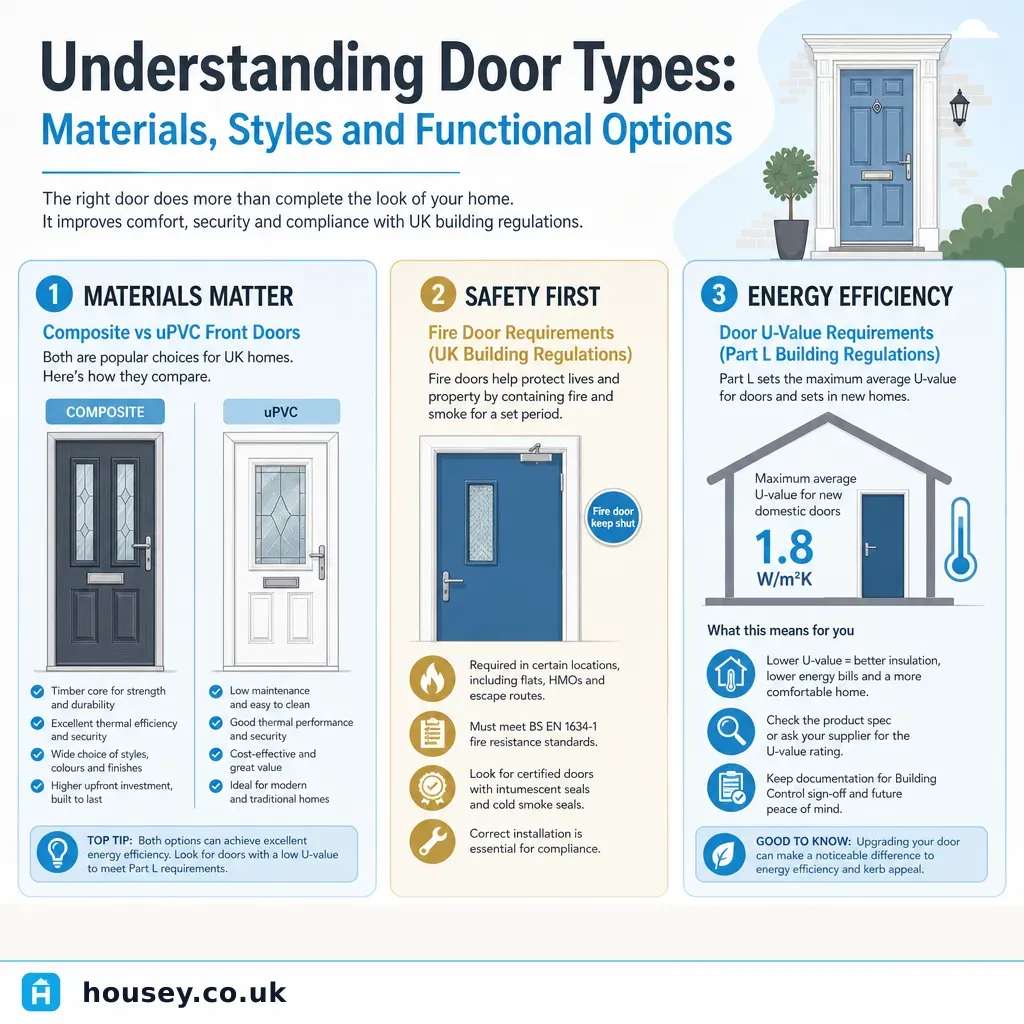
Understanding Door Types: Materials, Styles and Functional Options
Doors are available in timber, uPVC, aluminium, steel, and composite materials, each suited to different budgets, locations, and performance requirements.
 Improvement & Build
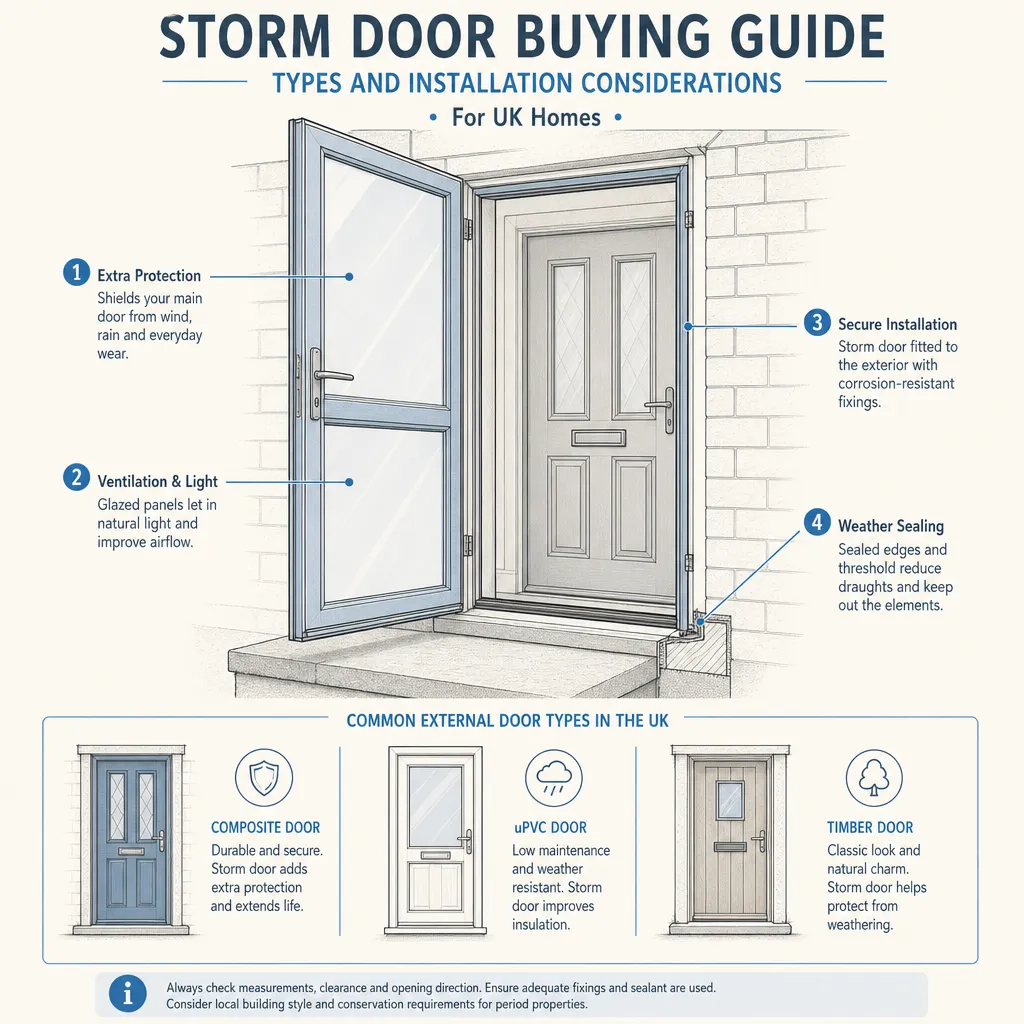
Storm Door Buying Guide: Types and Installation Considerations
In the UK, 'storm door' refers either to a secondary outer door forming a draught lobby in front of the main entrance, or to a robust composite, uPVC, or timber external door with enhanced weather sealing.
 Improvement & Build
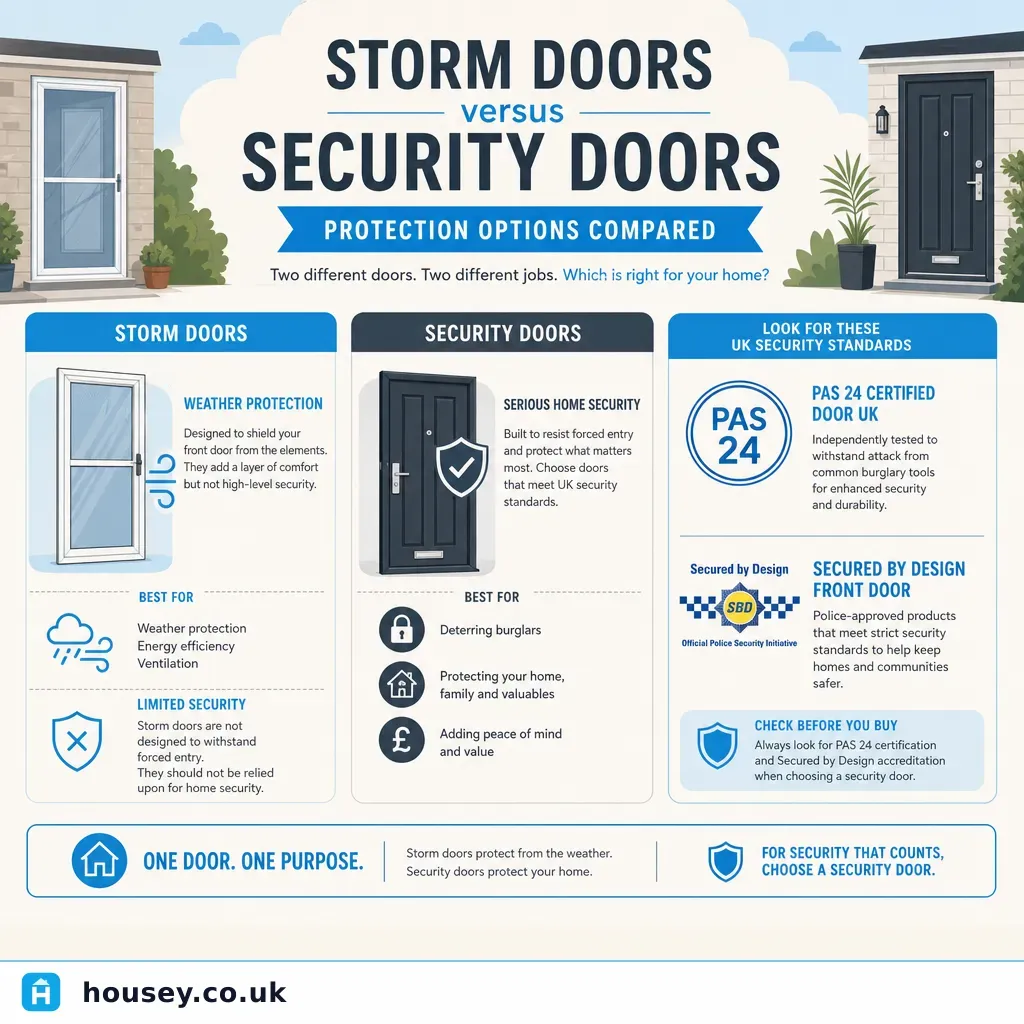
Storm Doors versus Security Doors: Protection Options Compared
Storm doors are secondary outer doors fitted in front of your main entrance to reduce draughts and rain; they are not certified security products.
 Improvement & Build
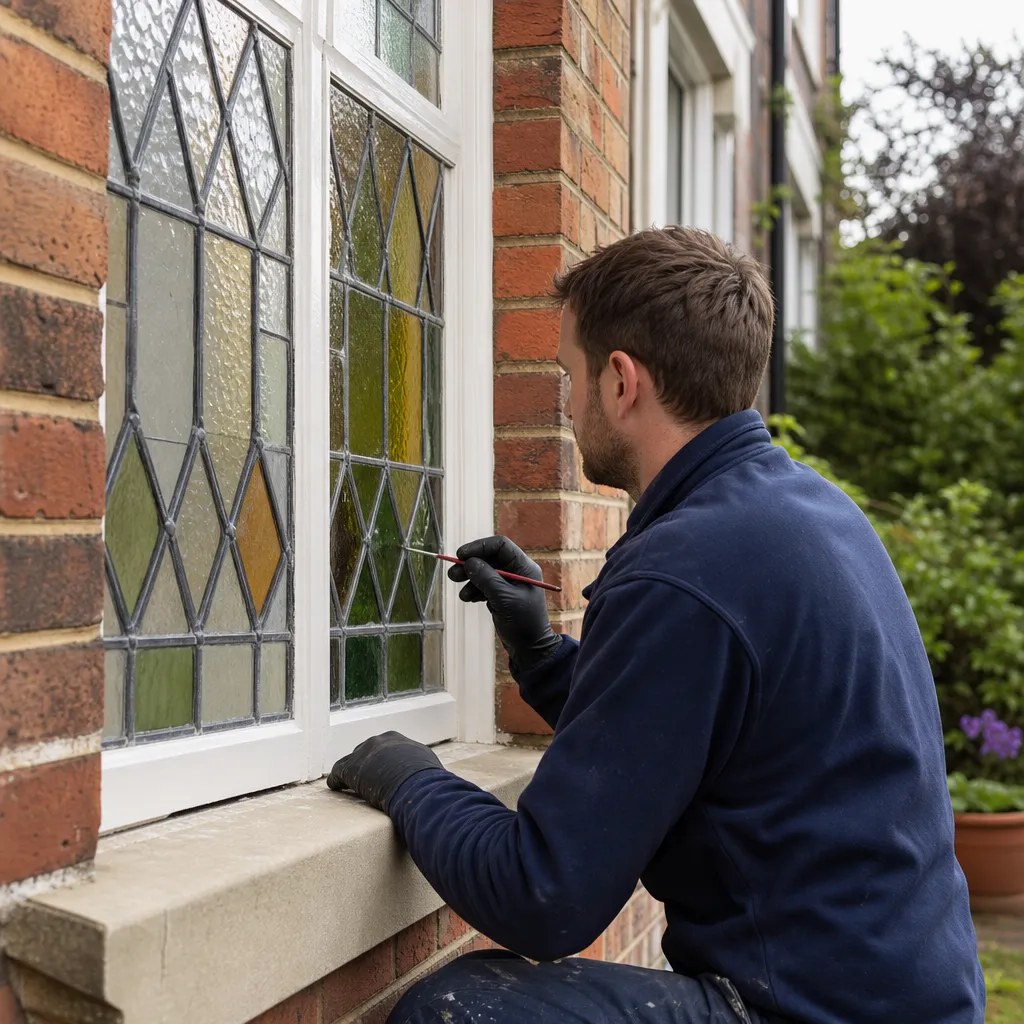
Sealing and Maintaining Historic Leaded Glass Windows: Preservation and Performance
Leaded glass windows are maintained using traditional linseed oil cement — not silicone or modern sealants, which prevent natural movement in the lead came.