Seasonal Roof and Gutter Inspection: Winter Maintenance to Prevent Damage
By Housey · Last reviewed 18th of May 2026
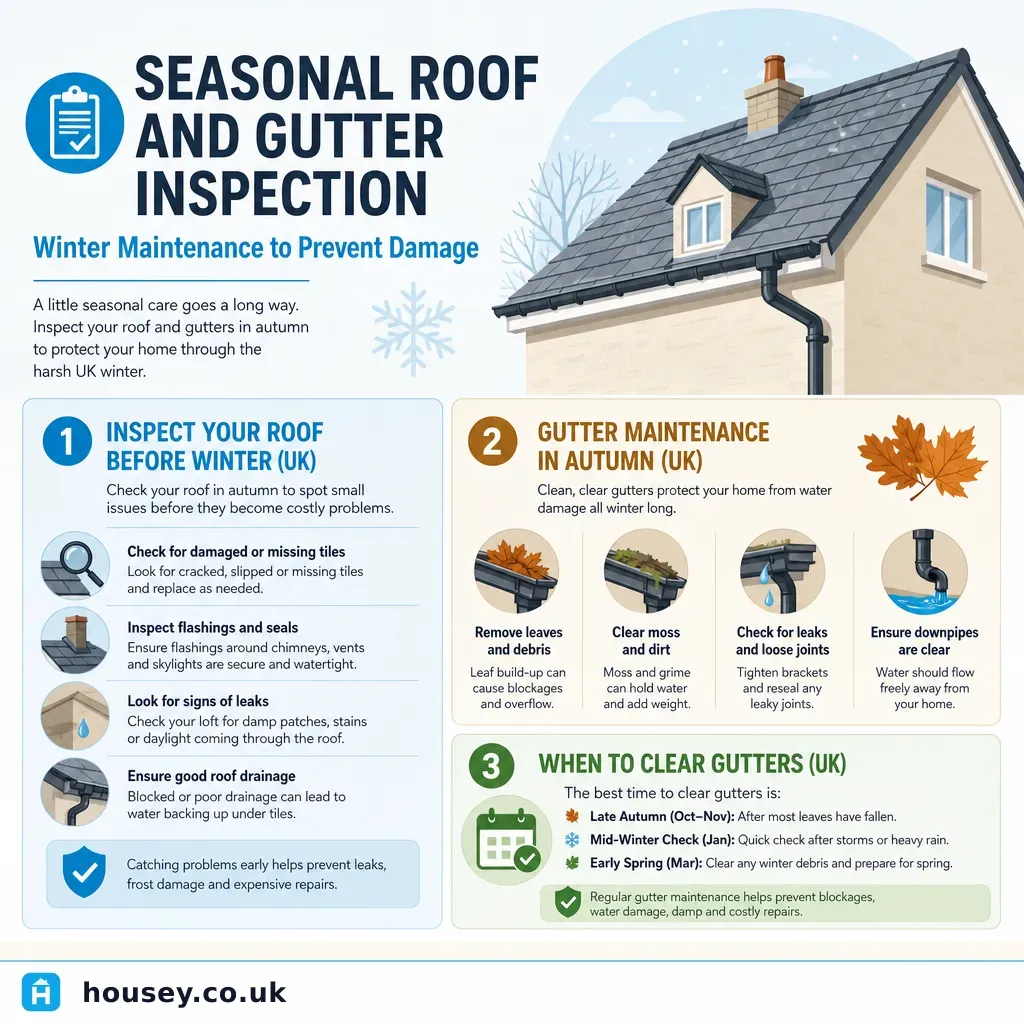
Seasonal Roof and Gutter Inspection: Winter Maintenance to Prevent Damage
A UK winter — with its combination of driving rain, standing water, freeze-thaw cycles, and debris-laden wind — is the harshest test a roof and drainage system faces each year. The difference between a property that comes through undamaged and one that develops costly leaks, rotten timbers, or internal water staining often comes down to a few hours of targeted inspection in October or November, before the worst weather arrives. Spotting a slipped tile or clearing a blocked gutter in autumn is a fraction of the cost of repairing a saturated ceiling joist or decayed fascia board in January.
Key points
- Gutters should be cleared of leaves, moss, and debris in late October or early November each year; blocked gutters cause water to overflow behind fascia boards, leading to rot and damp penetration of external walls.
- Missing, slipped, or cracked tiles are the most common cause of roof leaks in UK residential properties; valley junctions and the ridge course are the most vulnerable points after a storm.
- Lead flashings around chimneys, dormers, and roof-to-wall abutments are prone to cracking and lifting during freeze-thaw cycles and are frequently the cause of internal water staining on top-floor ceilings.
- Working at roof level above 2m carries a serious injury risk; roof access should only be undertaken by a qualified roofer with appropriate access equipment, fall protection, and public liability insurance, in line with the Work at Height Regulations 2005.
- A RICS-accredited roof survey or specialist drone roof inspection can identify felt failure, deck deflection, and structural rafter issues invisible from ground level.
Why autumn is the right time to inspect
The logic of an autumn inspection is straightforward: defects found before winter can usually be repaired cheaply, while defects found after water has entered the building often involve much wider remediation. Most roof leaks that emerge in January or February were caused by defects present the previous autumn — a cracked ridge tile, a blocked downpipe, or a lifting flashing — that went unnoticed until water found a route inside.
The second useful inspection window is early spring, once the worst weather has passed. A spring check assesses what winter has done: dislodged tiles, gutters sagged under ice loading, and any moss or lichen that proliferated in the wet months. Together, an autumn and spring check covers the full seasonal cycle.
Gutters: what to check and when to clear them
Gutters accumulate leaves, moss, bird material, and wind-blown debris throughout summer and autumn. The blockage risk peaks in October and November when deciduous trees shed. A blocked gutter:
- Overflows during heavy rain, directing water behind fascia boards and into the wall cavity or eaves structure.
- Adds weight to gutter brackets, causing sagging and joint failure.
- Retains standing water that freezes in cold snaps, expanding and cracking both plastic and cast-iron gutters.
What to look for from ground level:
- Visible overflow or damp staining on the wall surface directly below the gutter line.
- Sagging sections between brackets.
- Plant growth — ferns, weeds, or thick moss — inside the gutter channel, indicating prolonged blockage.
- Downpipe connections that appear discoloured, disconnected, or show white mineral deposits from long-term overflow.
If downpipes connect to a soakaway rather than a surface drain, check the area around the soakaway for standing water after heavy rain — a saturated or blocked soakaway will eventually force water back up through the gutter system.
Roof tiles and coverings: common defects and lifespan
UK residential roofs use several covering materials, each with characteristic failure modes that worsen in winter conditions.
Covering type | Common failure mode | Approximate lifespan |
|---|---|---|
Concrete interlocking tiles (1960s–present) | Cracking, moss growth, surface erosion | 40–60 years |
Natural slate | Nail-sickness (corroding fixings), delamination | 80–150 years |
Clay plain tiles | Freeze-thaw cracking, ridge mortar failure | 60–100 years |
Felt or GRP flat roof (garages, extensions) | Felt splits, GRP crazing, lap failure | 10–25 years |
EPDM rubber (modern flat roofs) | Lap adhesive failure, puncture | 20–50 years |
After any storm producing gusts above 40 mph, carry out a ground-level inspection of the ridge line, chimney stack, and valley junctions — these are the first areas to shed material. The ridge course relies on mortar bedding that deteriorates with age; loose ridge tiles can cause serious damage to gutters, conservatories, and garden structures if they fall.
Flashings, ridges, and valleys: the hidden vulnerabilities
Lead flashings seal the joint between the roof covering and any vertical surface: chimney stacks, parapet walls, dormer cheeks, and abutments with neighbouring walls. They are among the most common sites of water ingress in UK properties built before 1980, because:
- Lead creeps slowly under repeated thermal expansion and contraction, eventually parting from the surfaces it seals.
- The mortar pointing that holds step flashings into masonry perishes over time, allowing water to track behind the lead.
- Freeze-thaw cycles crack and lift lead that was already fatigued.
Valley gutters — the internal angle where two roof slopes meet — collect the highest volume of water and debris on the roof. A blocked valley during heavy rain can back water up under the tile course above, saturating the underlay and timbers.
Signs of flashing problems from ground level or a loft inspection:
- Brown or yellow tide marks on internal ceilings near a chimney or dormer — often appearing only during or after sustained rain.
- Damp patches on top-floor walls adjacent to a party wall or external abutment.
- Visible daylight or gaps between a chimney stack and the roof slope when viewed from outside.
- Green algae or moss growing at the base of a chimney — a sign of persistent moisture at the flashing joint.
Red flags that need a professional roofer or roof surveyor
A ground-level inspection may reveal problems that require specialist access to investigate or resolve safely. Treat the following as red flags requiring a professional roof survey or inspection by a qualified roofer:
- More than one or two missing or displaced tiles — a pattern of slippage suggests a systemic bedding, batten, or fixing problem, not an isolated incident.
- A sagging ridge line or dip mid-slope — a structural signal involving rafters, purlins, or the roof deck that needs engineering assessment.
- Persistent internal damp on upper floors despite cleared gutters and no visible tile defects — suspect a flashing or underlay failure not visible from the ground.
- Moss and lichen coverage exceeding a third of the roof slope — moss retains moisture and accelerates freeze-thaw damage; professional treatment from a proper access platform is needed.
- Flat roof blistering, open seams, or pooling water — flat roof coverings are not safe to walk on without specialist training and equipment.
- Visible daylight in the loft space when standing in the dark — indicates a gap in tiles or underlay that will admit water.
- Any major storm — even a roof that appears intact from the ground may have sustained damage to lead work or the underlay that only becomes apparent when rain returns.
Seasonal ground-level inspection checklist
Carry out this check from ground level, using binoculars where helpful. Do not attempt to access the roof yourself.
Autumn (October–November):
Spring (March–April):
When to get professional help
Never access a roof at height without professional training, appropriate equipment, and fall protection. The Work at Height Regulations 2005 require that work above 2m is planned and supervised by a competent person using suitable equipment. If your seasonal inspection reveals any of the red flags above, or if you cannot carry out a safe ground-level inspection due to access or visibility limitations, arrange a professional roof survey.
Also consider a professional inspection if:
- The property is more than 30 years old and has not had a recent roof condition report.
- You are purchasing a property and want an independent assessment before exchange of contracts.
- The property has a flat roof or complex roof geometry with multiple valleys and abutments.
- You need to establish shared maintenance responsibilities as a leaseholder or shared-ownership buyer.
How Housey can help
Housey connects homeowners with qualified roofers and surveyors who can carry out a professional roof survey safely and provide a written report on the full condition of your covering, gutters, flashings, and structure. Arranging an inspection before winter — or immediately after a significant storm — is the most reliable way to catch defects early and avoid far larger repair bills later.
Frequently asked questions
How often should gutters be cleared in the UK?
Most UK properties need gutters cleared at least once a year, ideally in late October or November after the main leaf fall. Properties surrounded by mature deciduous trees, or with north-facing slopes heavily colonised by moss, may need clearing twice annually. If gutters overflow during moderate rainfall despite appearing clear, have the downpipes rodded — a lower blockage is likely.
Can I inspect my roof myself safely?
A ground-level inspection using binoculars is safe and worthwhile. Accessing the roof or using a ladder above approximately 2m carries a significant risk of serious injury and should only be carried out by a qualified roofer with appropriate access equipment, a safety harness where required, and public liability insurance. Never attempt to walk on a roof surface without professional training.
What does a specialist roof survey typically cover?
A specialist roof survey inspects the condition of tiles or slates, ridges, hips, valleys, gutters, downpipes, flashings, and where accessible the roof structure, underlay, and battens. Some surveyors offer drone-assisted surveys providing close-up imagery of hard-to-reach areas. A written report should identify defects, grade their urgency, and advise on remediation.
Is moss on a roof a serious problem?
Moss retains moisture against the tile surface, accelerating freeze-thaw damage and potentially lifting tiles over time. On north-facing slopes it can become thick enough to block water flow. Chemical biocide treatment followed by mechanical removal is the standard approach, but this work should only be carried out from scaffolding or a properly erected access platform — not a ladder.
Sources and further reading
- Working at height: the law — Health and Safety Executive (HSE)
- RICS guidance on building surveys and technical due diligence — RICS
- NHBC: flat roofs technical guidance — NHBC
- Energy Saving Trust: roofs and lofts — Energy Saving Trust
Useful next reads
 Surveys & Inspections
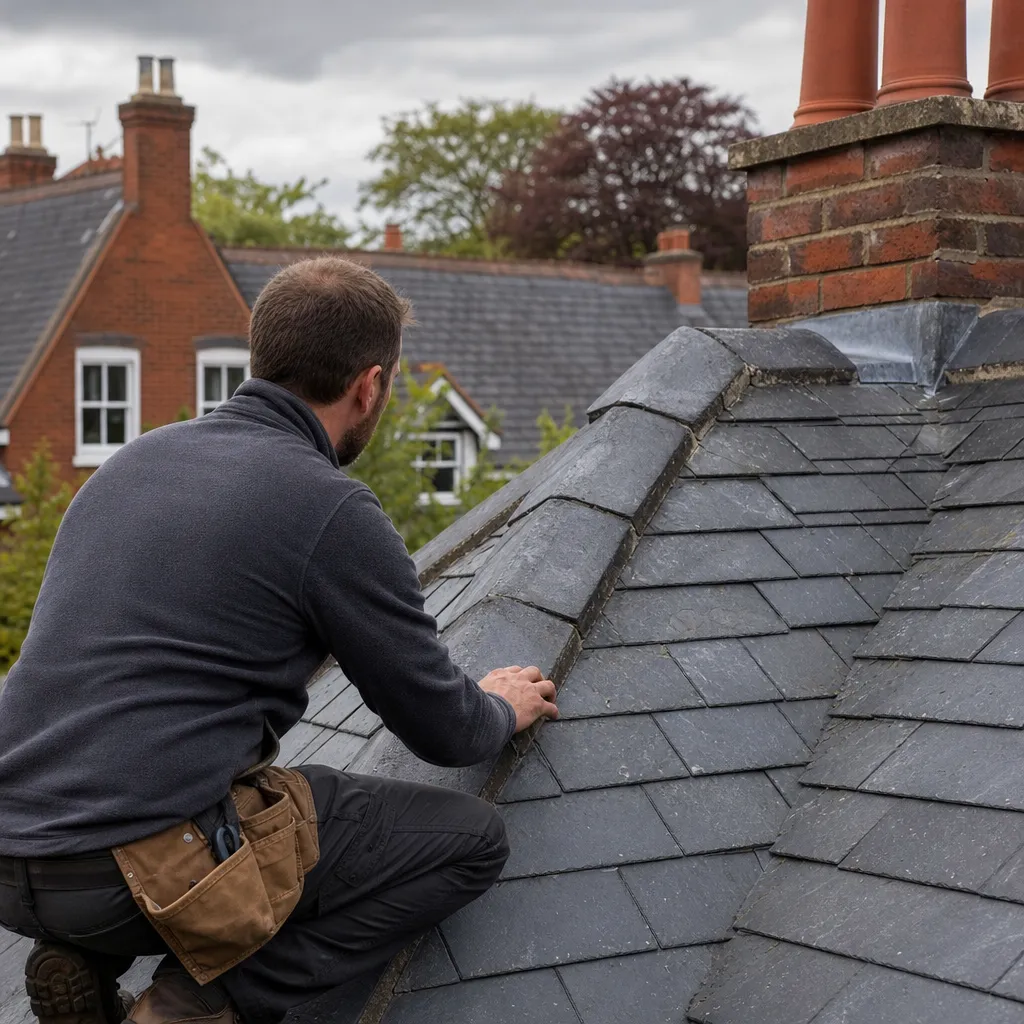
Maintaining slate roofs: essential care and upkeep guidance
A well-maintained natural slate roof can last 80–150 years, but it relies on regular inspections, prompt replacement of slipped or cracked slates, clear gutters, and sound lead flashings.
 Surveys & Inspections
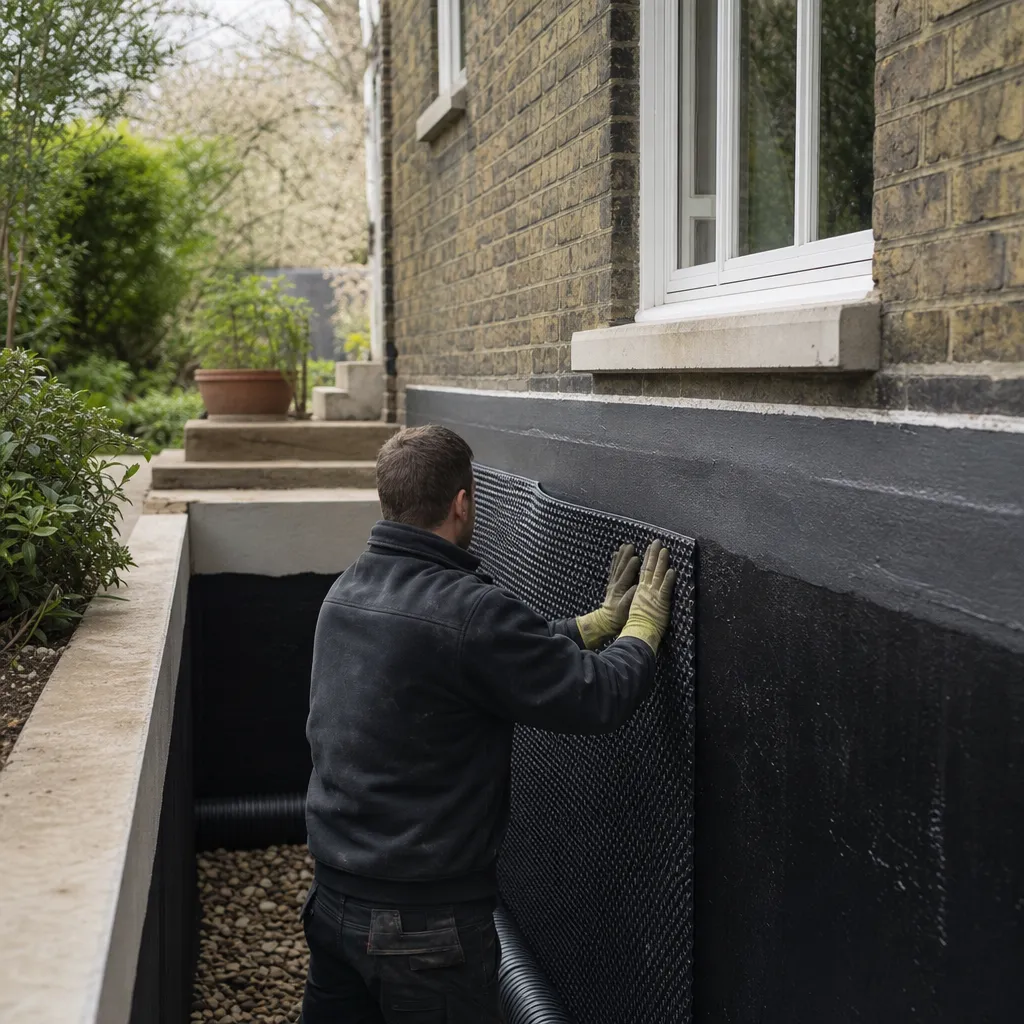
Basement Waterproofing Solutions for Damp Prevention
Basement waterproofing in the UK is governed by BS 8102:2022, which defines three system types: Type A (barrier coatings), Type B (structurally integral concrete), and Type C (cavity drain membrane with sump pump).
 Surveys & Inspections
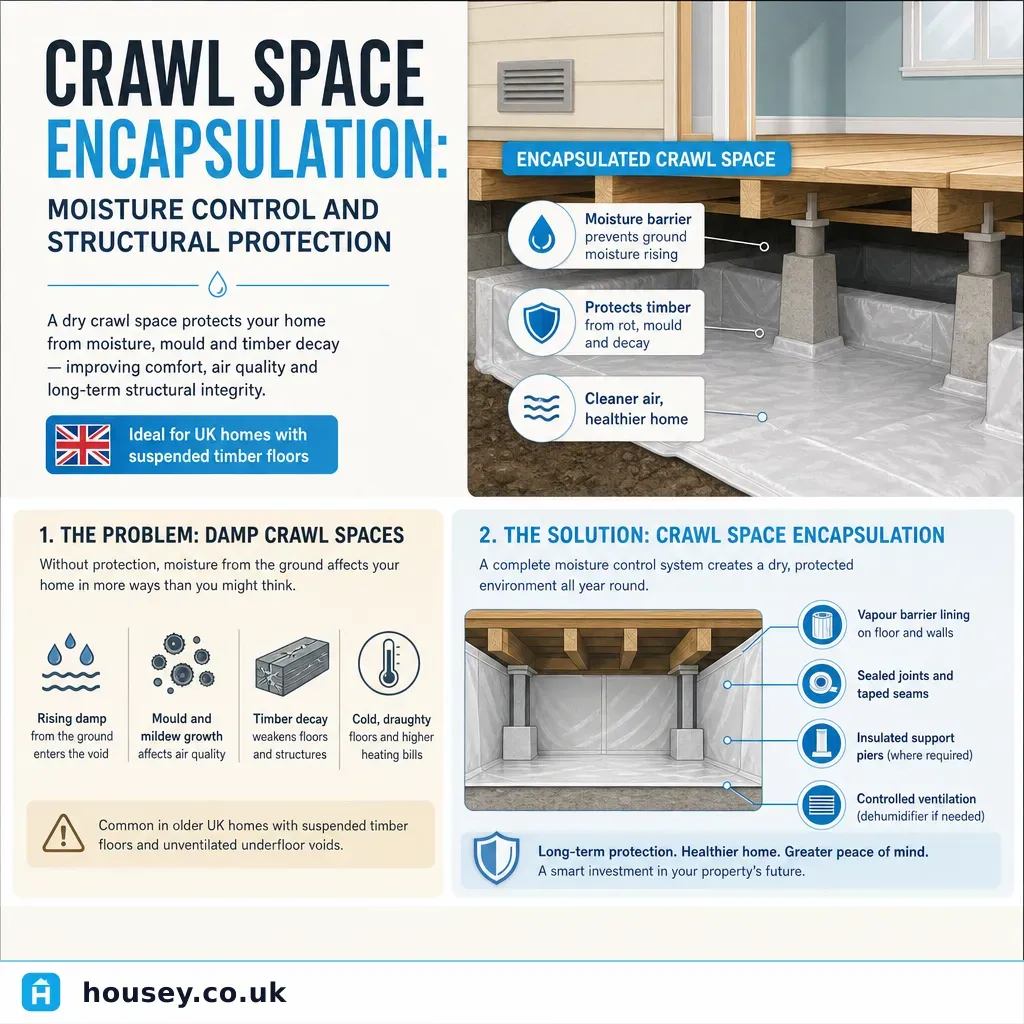
Crawl Space Encapsulation: Moisture Control and Structural Protection
Crawl space encapsulation seals the subfloor void beneath suspended timber floors with a vapour control layer and improved ventilation to prevent rising damp, condensation, timber rot and structural damage.
 Surveys & Inspections
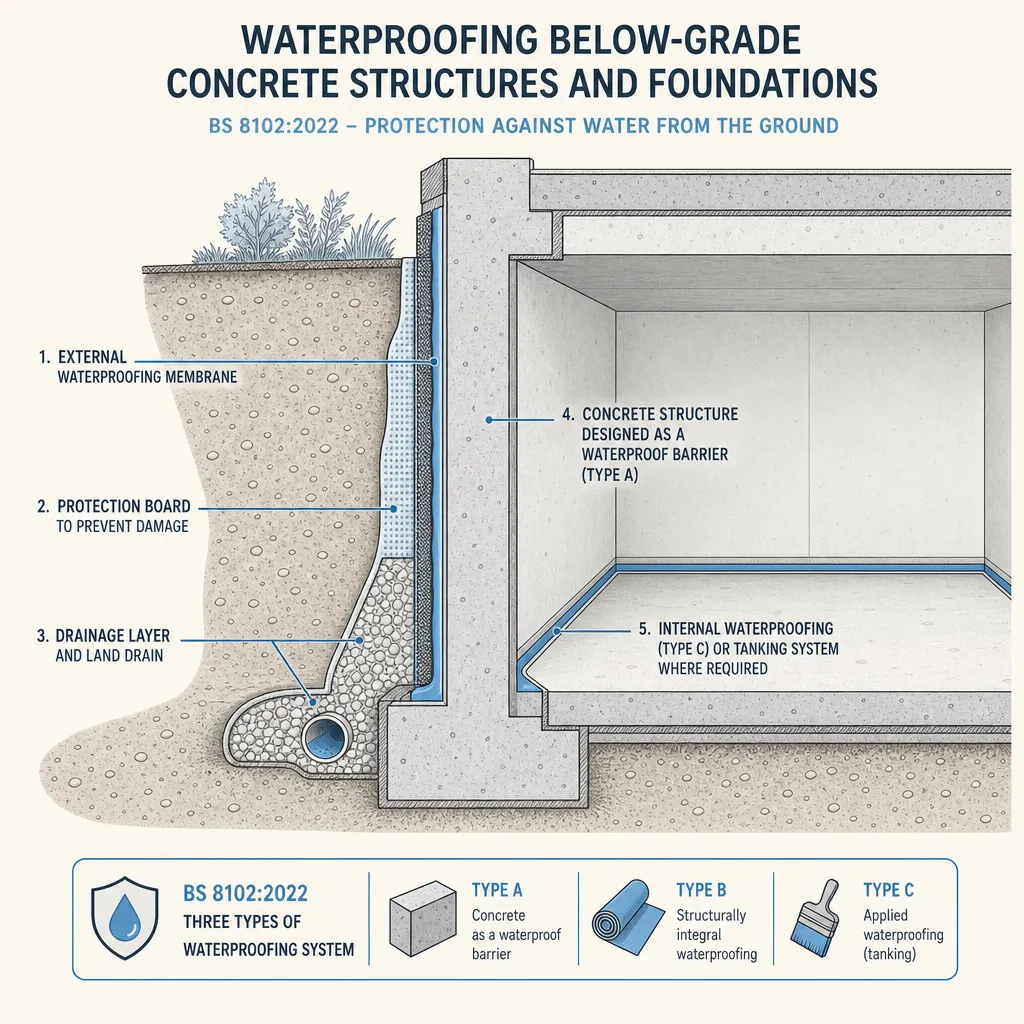
Waterproofing Below-Grade Concrete Structures and Foundations
Below-grade waterproofing in the UK should be designed to the grade of protection required under BS 8102:2022.
 Surveys & Inspections
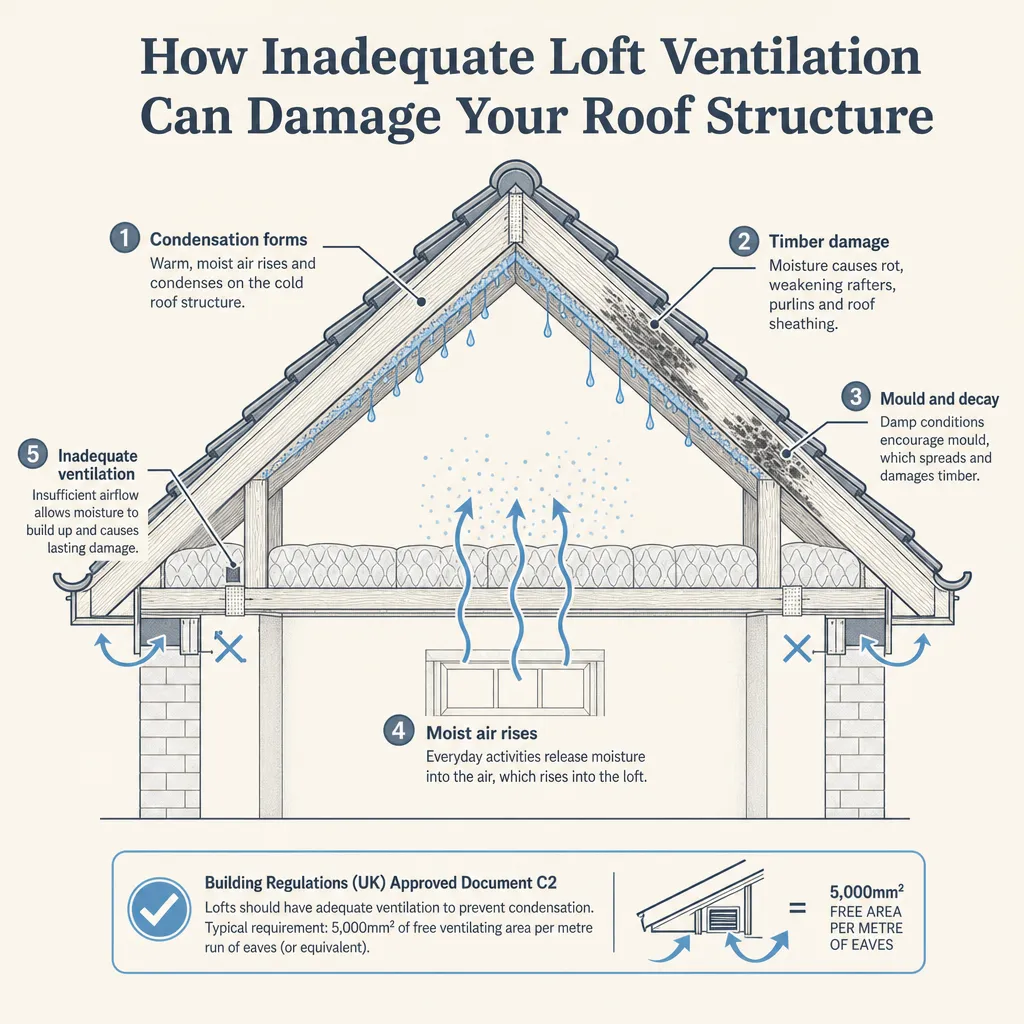
How Inadequate Loft Ventilation Can Damage Your Roof Structure
Inadequate loft ventilation allows warm, moist air to condense on cold roof timbers.