Secondary Glazing Installation for Energy Efficiency
By Housey · Last reviewed 10th of May 2026
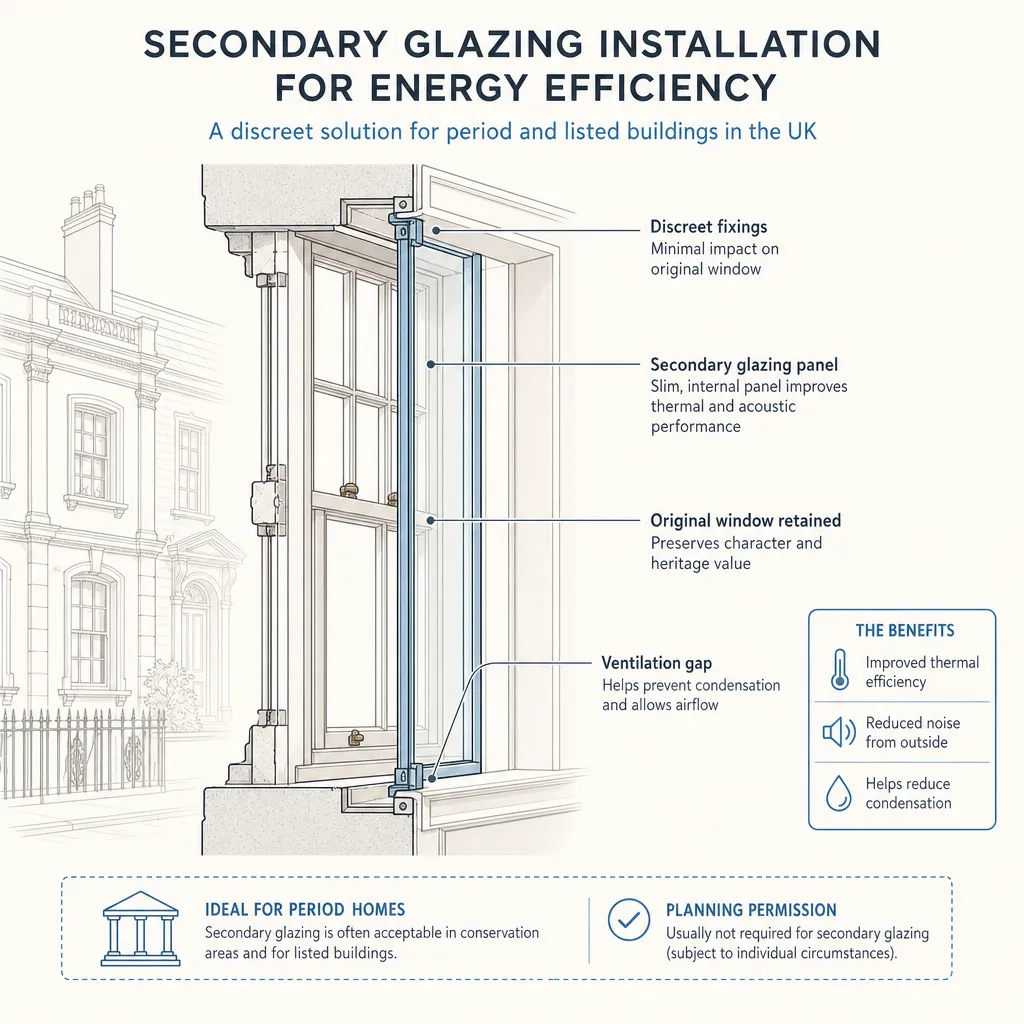
Secondary Glazing Installation for Energy Efficiency
Secondary glazing comes up most often in three situations: a homeowner in a conservation area cannot replace original sash windows, someone in an older property wants to cut heat loss without the disruption of full window replacement, or a leaseholder in a flat has limited scope to alter the external fabric of the building. In each case, secondary glazing offers a meaningful thermal and acoustic improvement that the existing window alone cannot provide — and without the planning complications that replacement windows can trigger.
Key points
- Secondary glazing is typically permitted development and does not require planning permission in most UK properties; listed buildings may require listed building consent before installation.
- A 100 mm air gap between the original window and the secondary unit gives the best combination of thermal and acoustic performance — narrower gaps reduce effectiveness.
- Secondary glazing can improve a single-glazed window's U-value from approximately 5.0 W/m²K to around 1.8–2.0 W/m²K, depending on glazing specification and gap width.
- Unlike replacing windows outright, fitting secondary glazing does not require a FENSA or Certass certificate because the original window frame is not being disturbed.
- Historic England actively recommends secondary glazing as the preferred thermal upgrade strategy for listed and historic buildings where replacement is not appropriate.
What is secondary glazing?
Secondary glazing consists of a slim frame holding a pane of glass or polycarbonate fitted on the room side of an existing window, completely separate from the original frame. It is not the same as double glazing: in double glazing a sealed unit replaces the single pane within a new or existing frame. Secondary glazing retains the original window entirely and adds an independent inner layer.
Systems range from sliding horizontal panels and lift-out cassettes to hinged units and purpose-made frames that match the geometry of unusual or shaped windows — useful for listed properties with Gothic arches or irregular openings common in Victorian and Edwardian terraces.
Secondary glazing vs. full window replacement
Option | Best for | Not ideal for | Planning implications | FENSA/Certass cert required? | Typical U-value achievable |
|---|---|---|---|---|---|
Secondary glazing | Listed buildings; conservation areas; period sash windows; leasehold flats | Modern homes where full replacement is straightforward and no restrictions apply | Usually none; check listed building rules | No | ~1.8–2.0 W/m²K |
Double glazing (replacement) | Modern properties; windows at end of service life; high air infiltration | Listed buildings without consent; conservation areas with Article 4 Directions | Permitted development in most cases; may need consent in conservation areas | Yes (or building control) | ~1.0–1.4 W/m²K |
Triple glazing (replacement) | Passive house or very low-energy projects; new builds | Masonry not suited to heavier frames; historic buildings | As for double glazing above | Yes | ~0.6–0.8 W/m²K |
U-values are indicative and depend on glazing specification, frame type, and installation quality. Indicative UK costs, last reviewed 2026-05-10.
Which secondary glazing system do you need?
- Choose a sliding horizontal panel if the window is a standard rectangular sash or casement and you want easy opening access for ventilation.
- Choose a lift-out cassette if access to the original window is infrequent — typically used for windows that are rarely opened.
- Choose a hinged or tilt system if the original window is a tilt-and-turn or casement that needs to be opened regularly.
- Commission a bespoke frame if the opening is arched, circular, or has an unusual shape — common in Victorian, Edwardian, and ecclesiastical properties.
- Ask a specialist installer or energy-efficiency consultant if the building is listed, in a conservation area, or if you need confirmation that the proposed system is acceptable to your local planning authority.
Thermal performance in detail
The thermal improvement from secondary glazing comes from two effects: an additional pane of glass adds resistance, and the trapped still air between the two panes provides the main insulating layer. The width of the air gap is therefore critical:
- Less than 50 mm: thermal improvement is still meaningful but acoustic performance is reduced.
- 100 mm: generally accepted as the optimum for combined thermal and acoustic benefit.
- More than 150 mm: no significant further thermal gain and can affect solar access and daylighting in some configurations.
For properties trying to improve their Energy Performance Certificate (EPC) rating, secondary glazing contributes to the energy efficiency score but rarely changes the EPC band on its own. Combining it with loft insulation, wall insulation, or a more efficient heating system will have a greater overall effect.
Listed buildings and conservation areas
Secondary glazing is Historic England's preferred thermal retrofit strategy for listed buildings precisely because it does not alter the character of the original window. However, there are important nuances:
- Listed buildings: even purely internal works can require listed building consent. Check with your local planning authority before installation, particularly if fixings will penetrate historic fabric.
- Conservation areas: planning permission is generally not required because secondary glazing does not alter the external appearance of the building. Some conservation areas, however, have Article 4 Directions that remove permitted development rights more broadly — verify with your council.
- Flats and leaseholds: check the lease before proceeding. Some leases require landlord consent for any alterations to the flat, including internal window additions.
What to ask before accepting a quote
- What frame material is proposed — aluminium, uPVC, or timber — and how does it complement the existing window reveal and architrave?
- What is the air gap between the existing window and the secondary unit?
- What glass specification is being used — standard float, laminated for security, or acoustic glass for noise reduction?
- Is the system designed to allow ventilation when needed, or is it a sealed unit?
- How is the frame fixed, and will any fixings penetrate or damage the original window or reveals?
- Is VAT included, and does the quote cover removal of any existing secondary units?
- What warranty is provided on the unit and on the installation?
When to get professional help
Secondary glazing is not equivalent to a simple draught-proofing job. Fitting to an unusual window, in a listed building, or where acoustic performance is a priority carries real risk if not done carefully — including damage to historic fabric, condensation problems if the system is not correctly ventilated, and security issues with poorly fitting panels.
For listed buildings and conservation areas, always use a specialist installer who can demonstrate relevant heritage experience. Window and door installers with period property experience can specify and fit systems appropriate to the building. For a broader assessment of which energy measures are worth prioritising, an energy-efficiency consultant can assess your home and advise on the full package of improvements.
How Housey can help
Housey connects you with experienced window and door installers who can specify and fit secondary glazing for period, listed, and modern properties. If you want to understand the wider energy-efficiency picture first, an energy-efficiency consultant can assess your home and recommend the most cost-effective sequence of improvements. Request quotes from vetted local specialists through Housey.
Frequently asked questions
Do I need planning permission to fit secondary glazing?
In most cases, no. Secondary glazing is typically permitted development because it does not alter the external appearance of the building. However, listed buildings may require listed building consent even for internal works, and some conservation areas have Article 4 Directions that restrict alterations more broadly. Always check with your local planning authority if you are unsure.
Is secondary glazing as effective as double glazing?
Secondary glazing with a 100 mm air gap can achieve a U-value of around 1.8–2.0 W/m²K, compared with 1.0–1.4 W/m²K for a quality double-glazed replacement unit. Double glazing outperforms secondary glazing thermally, but secondary glazing may be the only viable option for listed buildings and conservation areas, and it retains the original window intact.
How much does secondary glazing cost in the UK?
Indicative UK costs, last reviewed 2026-05-10. Costs vary by window size, system type, and location. A made-to-measure sliding system typically costs £200–£500 per window for supply and installation, though bespoke heritage systems in listed buildings can be significantly higher. Obtain at least three quotes from specialist installers before committing.
Will secondary glazing reduce noise as well as heat loss?
Yes, often significantly. A 100 mm air gap with acoustic glass can reduce noise transmission by 40–45 dB, compared with around 20 dB for a single-glazed window. Effectiveness depends heavily on the glass specification and how airtight the secondary unit is when closed — any gaps at the edges will compromise acoustic performance.
Sources and further reading
- Energy efficiency in historic buildings — Historic England
- Permitted development rights for householders — technical guidance — GOV.UK
- Windows, doors and glazing — Energy Saving Trust
- Energy Performance Certificates — GOV.UK
Useful next reads
 Improvement & Build
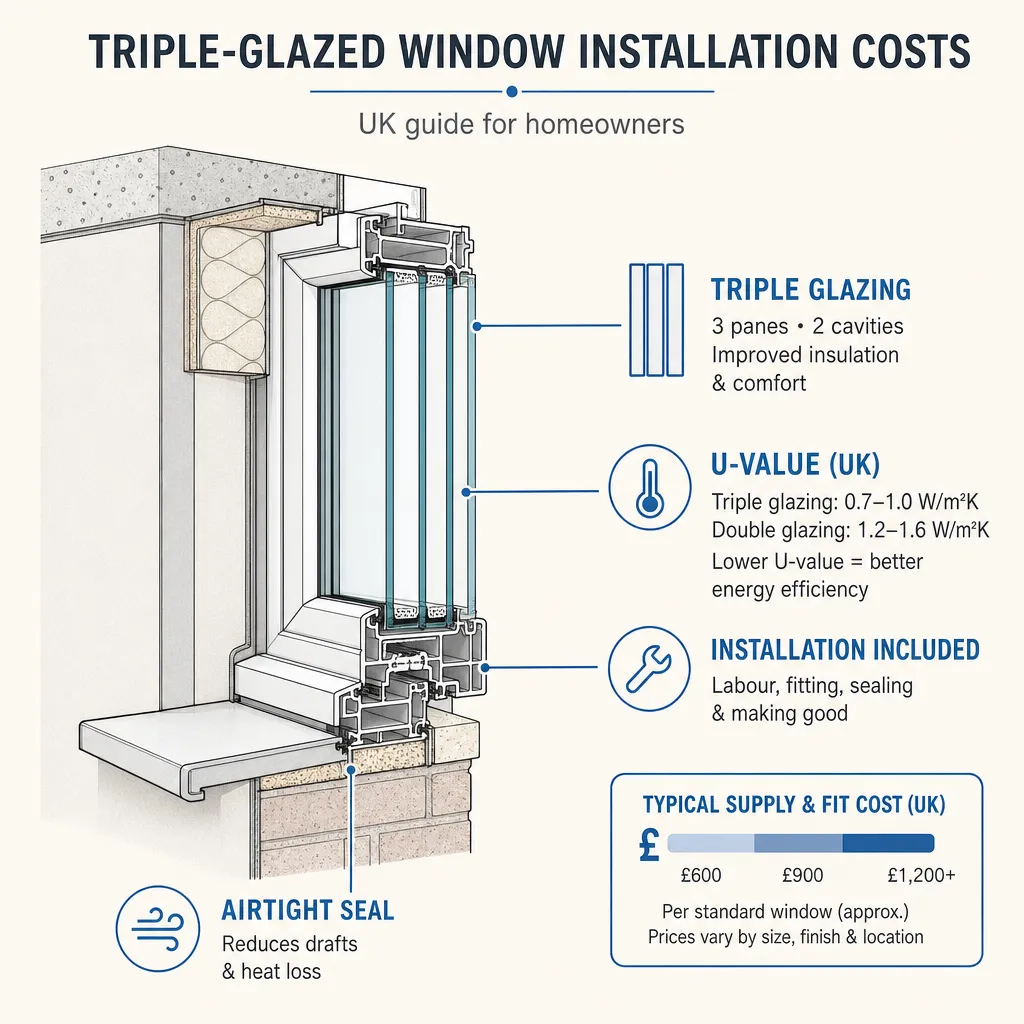
Triple-Glazed Window Installation Costs
Triple-glazed window installation in the UK typically costs £800–£1,800 per window, depending on size, frame material, and glazing specification.
 Improvement & Build
Guide to Replacing Timber Sash Windows with Authentic Restoration
Restoring a timber sash window typically costs £150–£400 per window; full replacement costs £800–£2,500.
 Improvement & Build
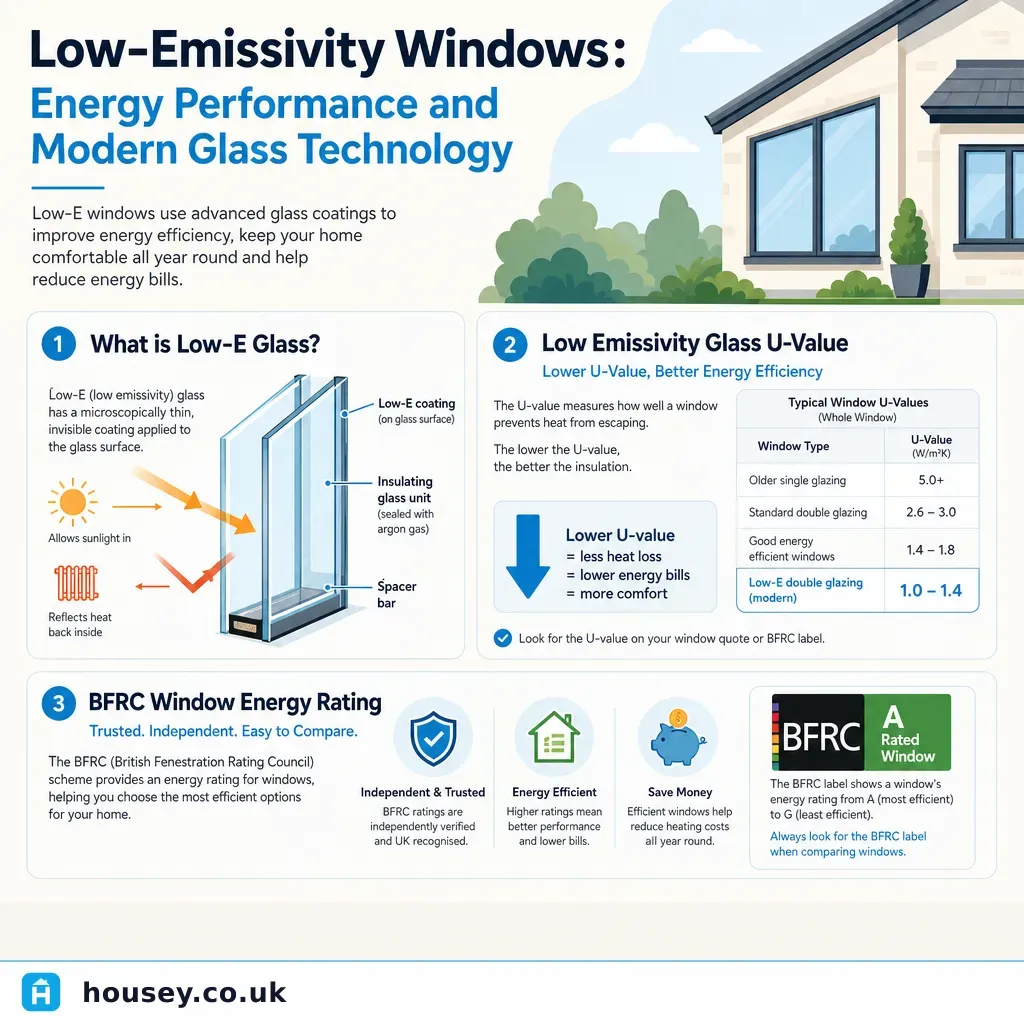
Low-Emissivity Windows: Energy Performance and Modern Glass Technology
Low-emissivity (low-E) glass has a microscopically thin metallic coating that reflects heat back into a room while allowing daylight through.
 Improvement & Build
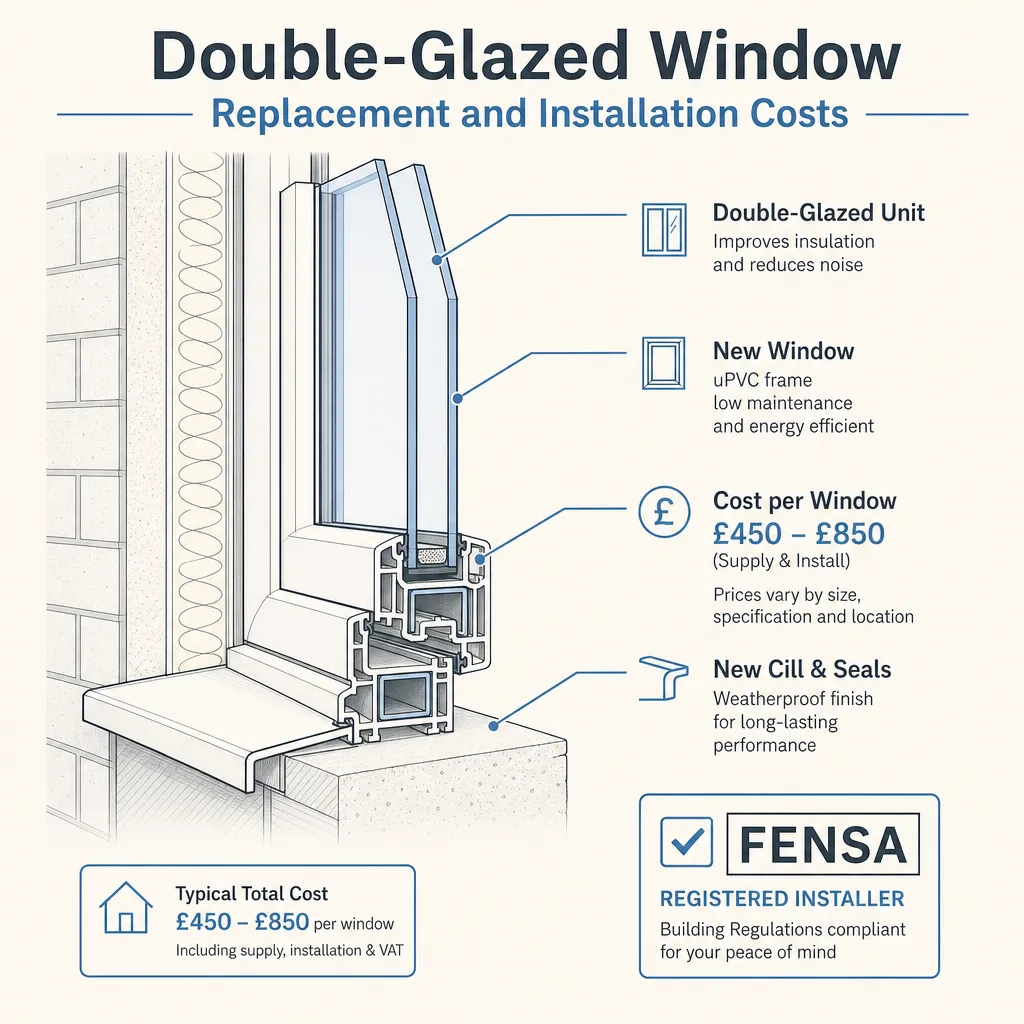
Double-Glazed Window Replacement and Installation Costs
Replacing double-glazed windows in a typical UK home costs roughly £300–£600 per uPVC casement window installed, rising to £500–£1,200 for timber and £400–£800 for aluminium.
 Improvement & Build
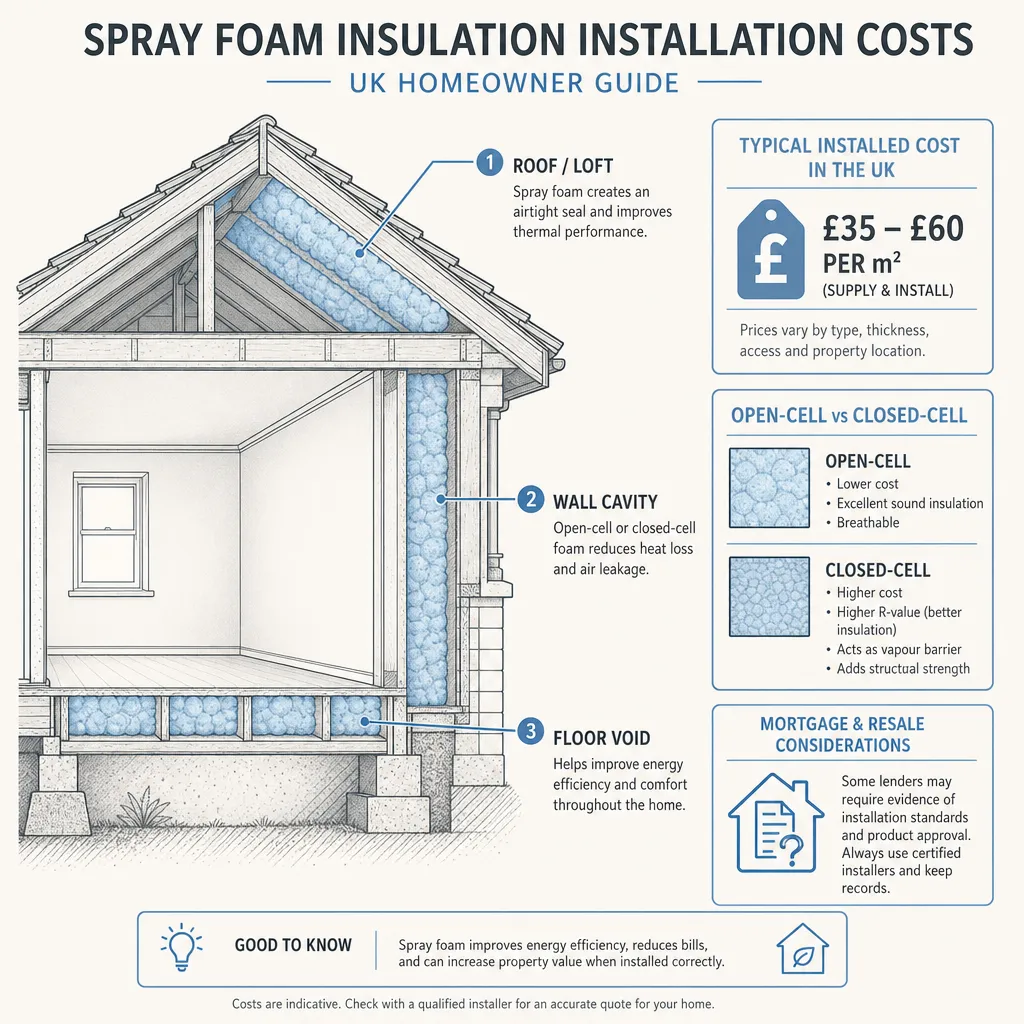
Spray Foam Insulation Installation Costs
Spray foam insulation typically costs £20–£80 per m² installed in the UK, depending on foam type and area treated.