Selecting Appropriate Tree Species: Avoiding Problem Trees in Your Garden
By Housey · Last reviewed 19th of May 2026
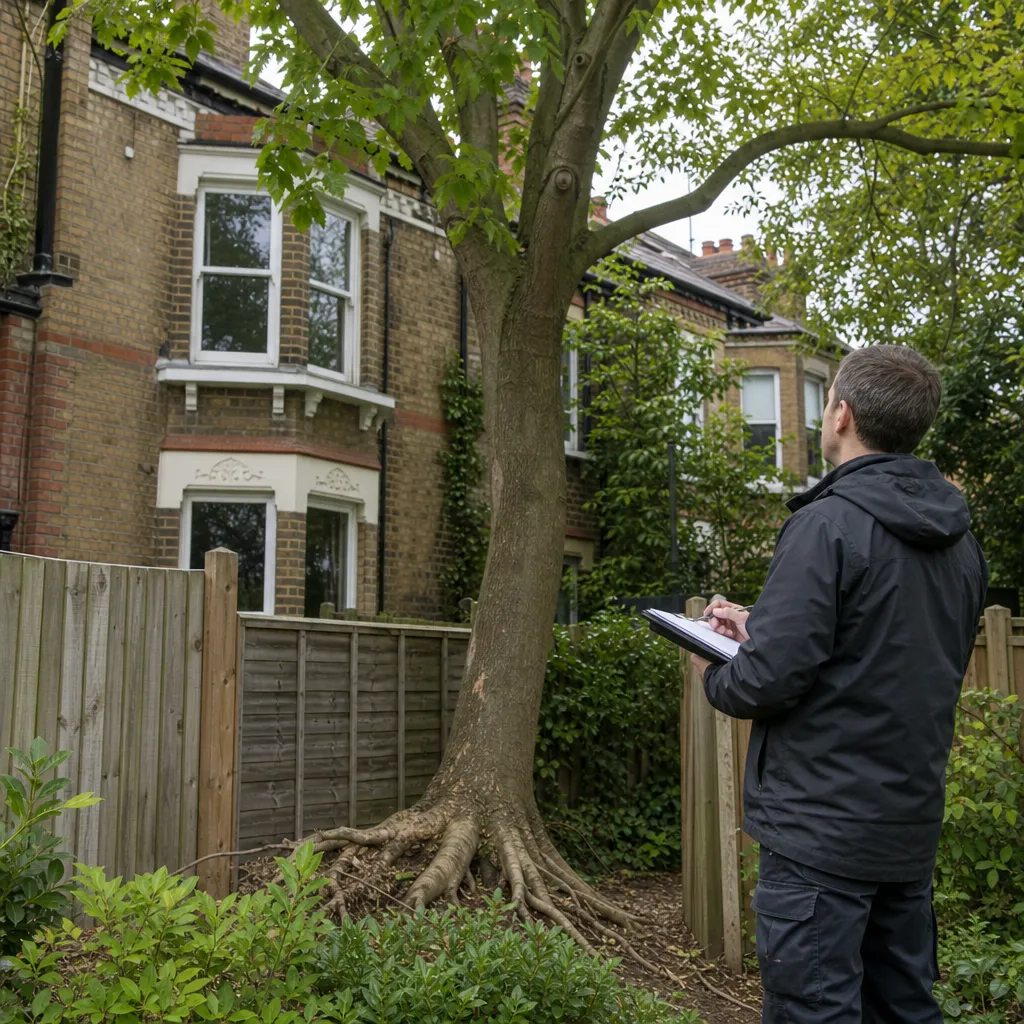
Selecting Appropriate Tree Species: Avoiding Problem Trees in Your Garden
Choosing trees for a UK garden involves more than aesthetics. The wrong species planted too close to a house, boundary, or drain can cause costly structural damage, blocked pipes, or neighbour disputes that take years to resolve. Understanding which trees pose the highest risk — and which compact alternatives suit most plots — helps homeowners plant with confidence and avoid expensive consequences.
Key points
- Trees with high water demand including willow, poplar, oak, and ash can cause clay soil shrinkage and foundation subsidence at distances of up to 30 m or more from the trunk — sometimes without visible symptoms for years.
- NHBC Standards Chapter 4.2 specifies minimum planting distances between tree species and new foundations, based on mature height and soil type; these figures are widely used by insurers and surveyors when assessing subsidence claims.
- A Tree Preservation Order (TPO) or conservation area designation prohibits felling, pruning, or uprooting protected trees without prior written consent from the local planning authority (LPA).
- Common ash (Fraxinus excelsior) is now severely affected by ash dieback (Hymenoscyphus fraxineus); planting new common ash is generally inadvisable across the UK.
- Small ornamental trees — rowan (Sorbus aucuparia), crab apple (Malus cultivars), and amelanchier — generally have compact, non-invasive root systems and suit most UK garden sizes.
Which trees cause the most problems near buildings?
Root-related damage to structures is the single biggest concern when planting trees near UK homes, particularly on clay-rich soils that cover large parts of England and the Midlands. Tree roots extract moisture from the soil; on shrinkable clay, this causes the soil to compress, undermining shallow foundations — a process known as subsidence.
The following species are considered high-risk near structures on clay soils:
Tree species | Typical mature height | Recommended minimum distance from foundations (clay soil) | Main risk |
|---|---|---|---|
White/crack willow (Salix) | 15–25 m | 40 m+ | Extreme water demand; root intrusion into drains |
Lombardy/black poplar (Populus) | 20–30 m | 30–35 m | Very high water demand on clay |
Common oak (Quercus robur) | 20–25 m | 25–30 m | High water demand; slow to show damage |
Ash (Fraxinus excelsior) | 20–30 m | 20–25 m | High water demand; ash dieback risk |
Horse chestnut (Aesculus) | 20–25 m | 20–23 m | Moderate-high water demand |
Common lime (Tilia europaea) | 20–35 m | 20–25 m | High water demand; heavy aphid honeydew |
Leyland cypress (Cuprocyparis leylandii) | 20–35 m unchecked | 5–10 m (roots less aggressive) | Height, shade, and boundary disputes |
Source: NHBC Standards Chapter 4.2; BRE Digest 298.
On sandy or gravel soils, subsidence risk from roots is considerably lower, though drain damage from root intrusion remains possible with vigorous, moisture-seeking species near older clay pipes.
Trees to avoid for other reasons
Leylandii (Leyland cypress): Root systems are less structurally aggressive than willows, but unchecked leylandii can grow more than a metre per year. The High Hedges provisions of the Anti-social Behaviour Act 2003 (Part 8) allow neighbours to complain to the council if an evergreen hedge over 2 m blocks light. Boundary disputes involving leylandii are among the most common in UK property law.
Ash and ash dieback: Hymenoscyphus fraxineus has affected the majority of UK ash trees. Newly planted common ash is generally inadvisable; consider disease-resistant alternatives such as Sorbus species or field maple.
False acacia (Robinia pseudoacacia): Vigorous root suckers and brittle branches make this a high-maintenance choice near boundaries or structures.
Cherry laurel (Prunus laurocerasus): Not a structural risk, but seeds spread readily and it can become invasive along garden boundaries and on adjacent land.
Better alternatives: lower-risk species for UK gardens
For gardens of typical UK size — from a suburban plot of 100–300 m² to a generous country garden — the following species offer seasonal interest with lower structural risk:
- Rowan (Sorbus aucuparia): Compact root system, attractive berries and autumn colour, wildlife-friendly. Mature height 8–15 m; well suited to most plots.
- Crab apple (ornamental Malus cultivars): Moderate height (5–8 m for most cultivars), spring blossom, fruit for wildlife. Non-invasive roots.
- Amelanchier lamarckii (snowy mespilus): Multi-stem or standard form, mature height 4–8 m. Exceptional spring blossom and autumn colour; widely used in urban gardens.
- Field maple (Acer campestre): Native species, tolerant of most UK soils, suitable for hedging or as a specimen. Mature height 10–15 m; moderate water demand.
- Silver birch (Betula pendula): Elegant canopy and light shade. Tap root structure limits subsidence risk compared with surface-rooting species; plant at 10 m or more from buildings.
- Hawthorn (Crataegus monogyna): Excellent native wildlife tree or hedge, compact, and rarely causes structural problems.
Which professional do I need?
Situation | Professional to consult |
|---|---|
Removing or significantly pruning an established tree | Arborist or tree surgeon — check for TPO first |
Suspected root-related subsidence or cracking | Chartered building surveyor or structural engineer |
Garden redesign including tree placement | Garden designer or landscape architect |
Root intrusion into drains | CCTV drainage surveyor |
TPO or conservation area consent query | Local planning authority; an arborist can assist with the application |
Trees, planning permission, and legal protections
Before removing or significantly pruning any tree in your garden:
- Check for a Tree Preservation Order. Contact your LPA or check their online mapping tool. Breaching a TPO without consent can result in prosecution and an unlimited fine under the Town and Country Planning Act 1990.
- Conservation area notice. If your property is in a conservation area, you must give the LPA six weeks' written notice before carrying out any work on a tree with a trunk diameter greater than 75 mm (measured at 1.5 m height). The LPA can make a TPO during this period.
- Felling licence. Felling trees above certain volume thresholds may require a licence from the Forestry Commission, even on private land. Exemptions apply for trees near buildings — check current Forestry Commission guidance before proceeding.
When to get professional help
Consult a qualified arborist or tree surgeon before:
- Planting any large-canopy tree within 10 m of a building, boundary drain, or public utility.
- Removing any established tree — check for TPO or conservation area restrictions before instructing any work.
- You notice heave, cracking, or door-binding problems that may be root-related.
- A tree shows signs of disease, deadwood, lean, or structural failure such as a split trunk.
Consult a garden designer or landscaper when planning a comprehensive planting scheme — they can advise on species selection, soil conditions, and long-term maintenance alongside the aesthetic design.
How Housey can help
Housey connects UK homeowners with experienced tree surgeons, garden designers, and landscapers who can assess your site, recommend appropriate species, and carry out work safely and in compliance with local planning requirements.
Frequently asked questions
Can tree roots damage house foundations even on non-clay soils?
Root-related subsidence is primarily a risk on shrinkable clay soils, widespread across the Midlands, south-east, and east of England. On sandy or well-drained soils the structural risk is considerably lower, though physical root intrusion into drains and pipes remains possible with vigorous species such as willow or poplar regardless of soil type. A CCTV drain survey can confirm whether intrusion has occurred.
How do I find out if a tree in my garden has a Tree Preservation Order?
Contact your local planning authority. Most councils publish an interactive TPO map on their website; you can also search the council planning register or use the Planning Portal. If you are uncertain, seek a formal confirmation before instructing any arborist to carry out work, as breaching a TPO without consent can result in prosecution and an unlimited fine.
What is the High Hedges legislation and does it apply to individual trees?
The High Hedges provisions of the Anti-social Behaviour Act 2003 (Part 8 in England and Wales) apply to a line of two or more evergreen or semi-evergreen plants forming a hedge over 2 m tall that blocks light. It applies to hedges, not single specimen trees. Neighbours can complain to the council, which may issue a remedial notice requiring height reduction.
Should I commission a drain survey before planting large trees near older pipework?
If you have older clay or vitrified clay drains near where you plan to plant high-water-demand trees, a CCTV drain survey is a sensible precaution. Indicative UK costs, last reviewed 2026-05-19: typically £100–£300 for a standard residential survey. Root intrusion into cracked drains often goes undetected until a blockage or collapse occurs.
Sources and further reading
- Tree Preservation Orders and trees in conservation areas — GOV.UK
- NHBC Standards Chapter 4.2: Building near trees — NHBC
- BRE Digest 298: Low-rise building foundations — the influence of trees in clay soils — BRE Group
- Tree felling: when you need a licence — Forestry Commission / GOV.UK
- Anti-social Behaviour Act 2003: High Hedges (Part 8) — legislation.gov.uk
Useful next reads
 Improvement & Build
Landscaping Around Trees: Design and Planting Guide
The key to landscaping around trees is working with the tree's conditions rather than against them.
 Improvement & Build
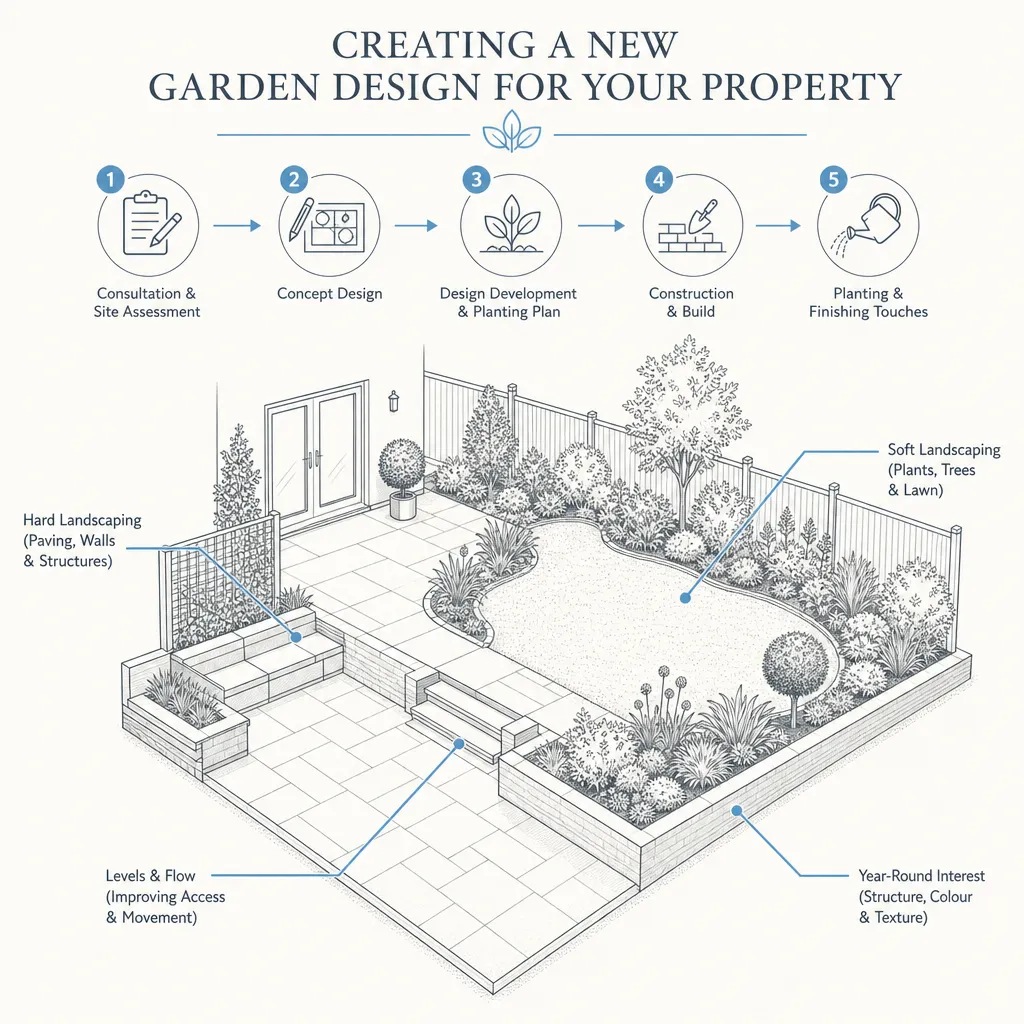
Creating a New Garden Design for Your Property
Creating a new garden design involves assessing your space, setting a realistic budget, deciding on hard and soft landscaping, and choosing a planting scheme suited to your soil and aspect.
 Improvement & Build
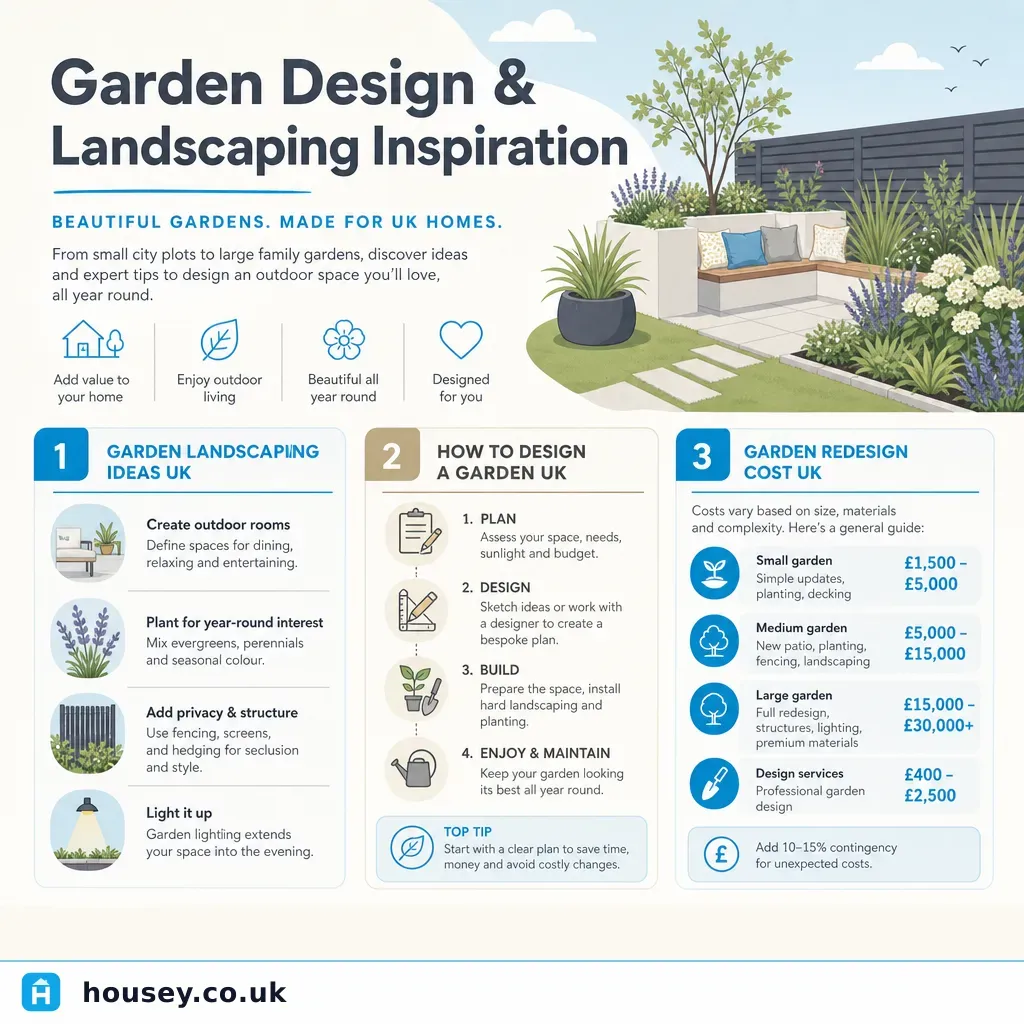
Garden Design and Landscaping Inspiration
Effective garden design starts with assessing your aspect, soil type, and existing features before commissioning any planting or hard landscaping.
 Improvement & Build
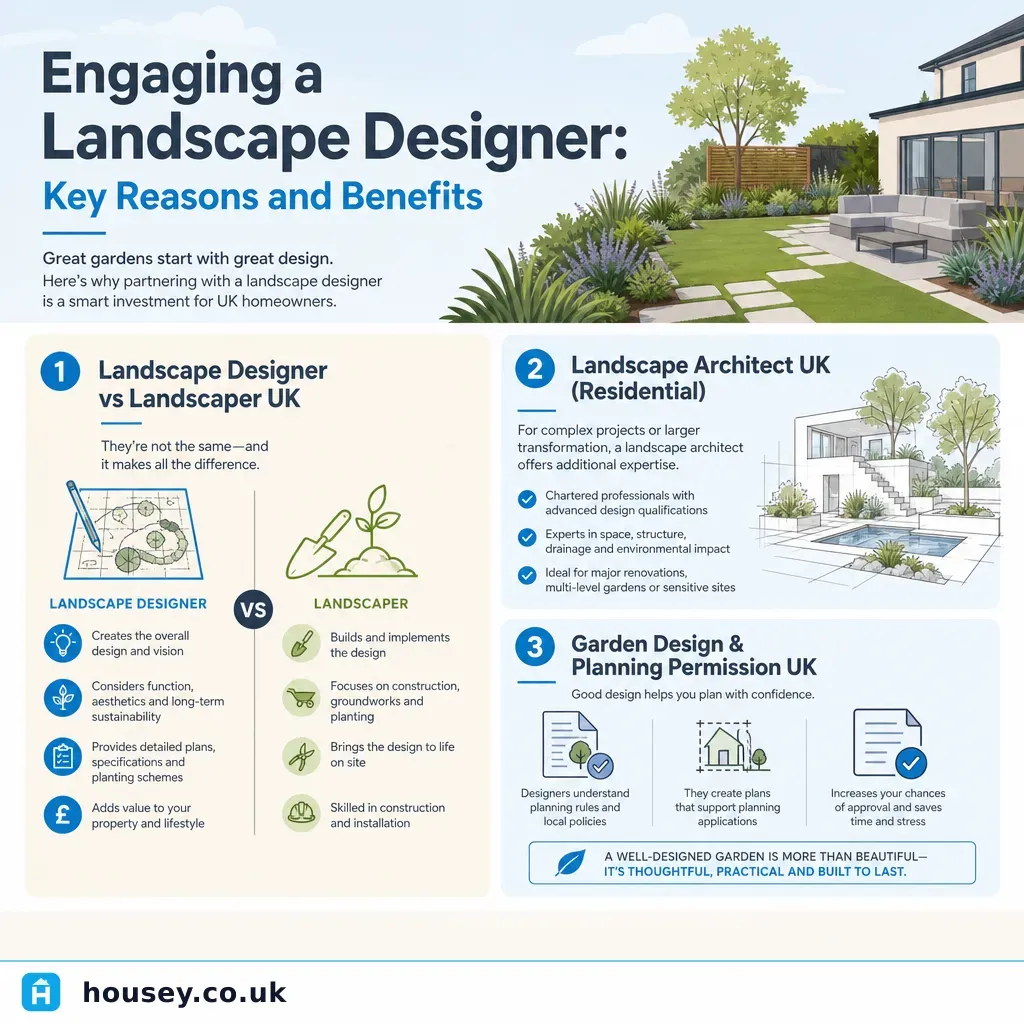
Engaging a Landscape Designer: Key Reasons and Benefits
A landscape designer assesses your site's drainage, aspect, levels, and intended use before producing drawings and specifications for a landscaper to build from.
 Improvement & Build
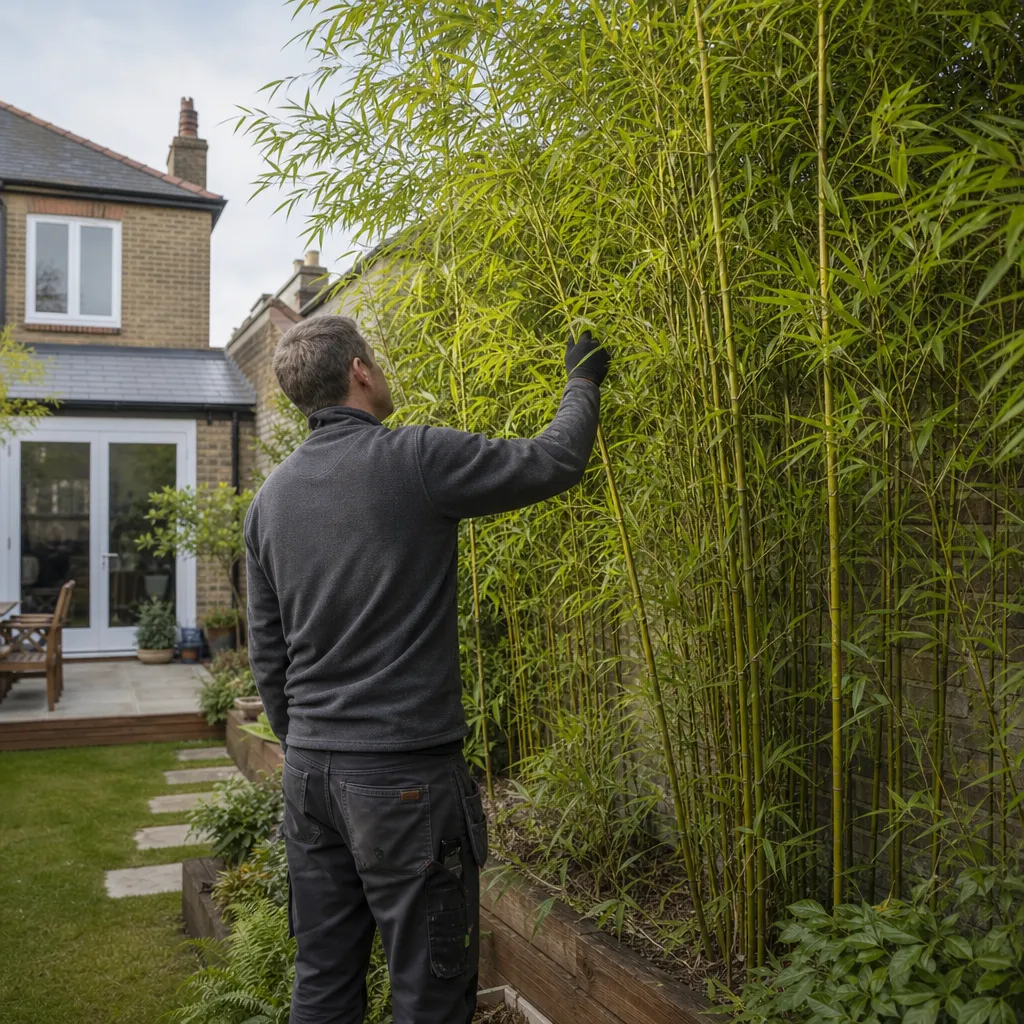
Growing bamboo in your garden: planning and management
Bamboo is not a legally invasive species in the UK, so no permission is required to plant it.