Septic Tank Installation in the UK: Costs, Planning and Regulations
By Housey · Last reviewed 31st of May 2026
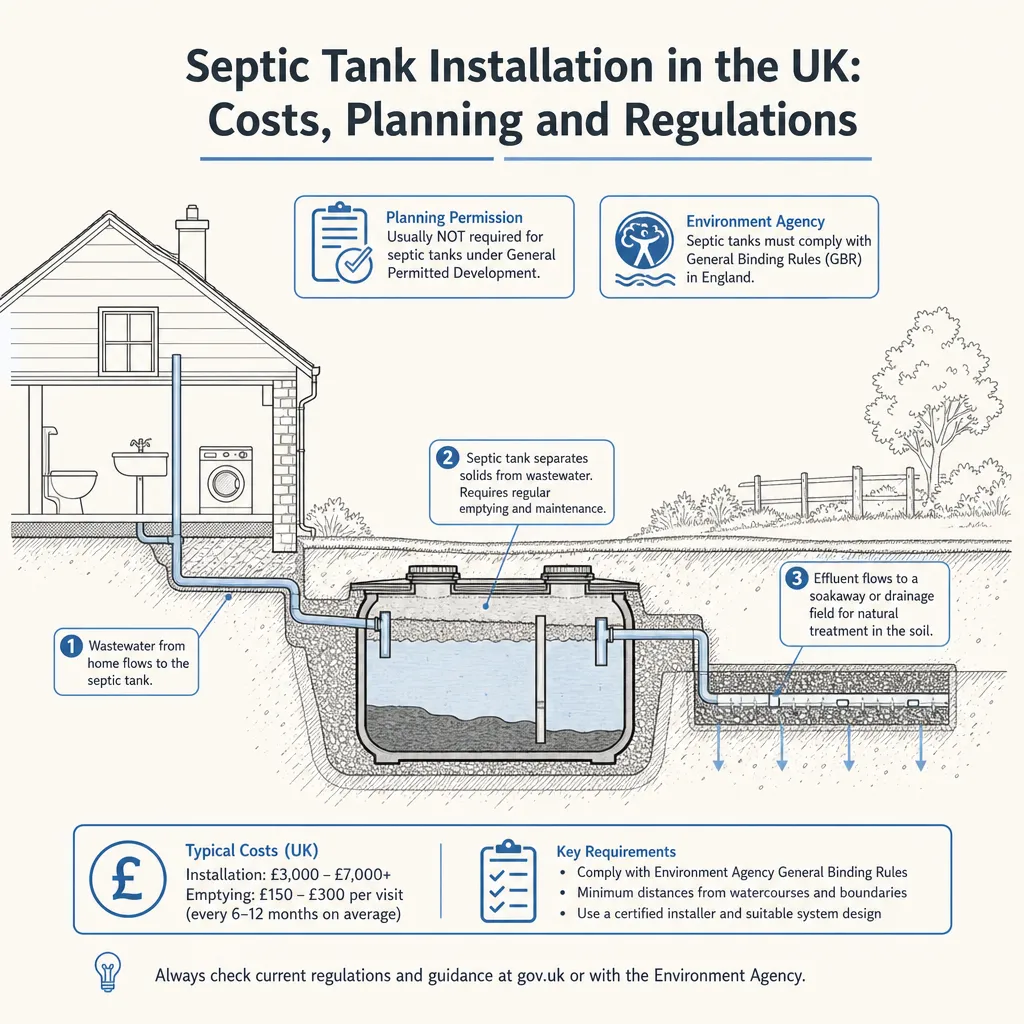
Septic Tank Installation in the UK: Costs, Planning and Regulations
Septic tanks and sewage treatment plants are the standard off-mains drainage solutions for rural properties, self-builds, and sites where connection to the public sewer is not practicable or cost-effective. For homeowners buying a rural property, planning a new build, or replacing a failing system, navigating the Environment Agency's regulatory requirements alongside Building Regulations and planning rules can be complex. Getting the site assessment and system selection right at the outset avoids costly replacement works and potential enforcement action later.
Key points
- Under the Environment Agency's General Binding Rules (GBRs) for small sewage discharges (updated 2020), septic tanks discharging directly to a watercourse or ditch became non-compliant — they may now only discharge to a soakaway; sewage treatment plants may discharge to surface water subject to registration or permit.
- Building Regulations Approved Document H (Drainage and Waste Disposal) governs private drainage installations; building control approval is required for new systems.
- A percolation test (carried out to BS EN 12056 / BS 6297) is essential before choosing a system — clay soils across much of the UK may not support a soakaway, which affects which system type is viable.
- Installed costs for a new system typically range from £3,000 to £10,000+ depending on system type, tank size, ground conditions, and access (Indicative UK costs, last reviewed 2026-05-31).
- Septic tanks must be desludged at least once a year; sewage treatment plants require annual servicing by a competent engineer and use electricity continuously.
Important limitations
This article provides general information about private drainage systems in the UK. Environmental permit requirements, planning rules, and ground suitability vary significantly by location, drainage history, proximity to watercourses, groundwater conditions, and local authority policies. Rules differ between England, Wales (Natural Resources Wales), and Scotland (SEPA). A qualified drainage engineer or environmental consultant should assess your specific site before any system is designed or installed. This article does not constitute regulatory, environmental, or legal advice.
Septic tank vs sewage treatment plant: which do you need?
This is often the first and most consequential decision. The right system depends on ground conditions, available discharge points, and the regulatory requirements for your location.
Feature | Septic tank | Sewage treatment plant (STP) |
|---|---|---|
How it works | Separates solids; liquid effluent to soakaway | Biological treatment; cleaner effluent |
Permitted discharge point (England, post-2020) | Soakaway only | Soakaway or watercourse (with GBR registration or permit) |
Indicative installation cost | £3,000–£6,000 | £5,000–£10,000+ |
Annual running cost (indicative) | Desludging £150–£300 | Servicing and electricity £300–£600 |
Ground condition requirement | Suitable percolation rate essential | Can work where soakaway is not feasible if watercourse available |
Ongoing mechanical parts | None | Aeration pump or biofilm media — requires servicing |
Decision tree: which system should you choose?
- Choose a septic tank with soakaway if: percolation tests confirm suitable ground, no watercourse is conveniently available, the property will be occupied by a small number of people (typically up to 4–6), and budget is a primary constraint.
- Choose a sewage treatment plant with soakaway if: ground conditions are borderline, you want reduced maintenance intervention, or you may need to increase capacity in future.
- Choose a sewage treatment plant discharging to a watercourse if: ground conditions fail percolation tests, a suitable watercourse is within reach, and an Environment Agency permit or GBR registration can be obtained.
- Consult an environmental consultant and drainage engineer if: the site is near a groundwater source protection zone, SSSI, chalk aquifer, or other sensitive receptor; the system is replacing one that has failed; or the property is listed or in a protected landscape.
Site requirements and the percolation test
Before any system can be designed, a site investigation is essential. Key elements include:
- Percolation test (BS EN 12056 / BS 6297): determines whether the soil can absorb treated effluent at the required rate. A specialist drainage contractor or geotechnical engineer digs trial pits and measures water absorption over time.
- Groundwater depth: systems must maintain minimum separation distances from groundwater. Approved Document H specifies minimum distances from buildings, boundaries, and watercourses — septic tanks must be at least 7 m from any habitable building and 15 m from a spring, well, or borehole used for drinking water.
- Soakaway setback: soakaways must be at least 5 m from buildings and 10 m from watercourses under Approved Document H.
- Tanker access: the tank must be accessible to a desludging tanker vehicle, typically requiring a clear route with no more than approximately 30 m of hose run.
A geotechnical and soil investigation is often the right starting point for new builds or replacement systems on sites where ground conditions are uncertain.
Document preparation list
Gather these before engaging a contractor:
Costs and what affects them
Indicative UK costs, last reviewed 2026-05-31:
Cost item | Typical range |
|---|---|
Percolation test and site investigation | £300–£800 |
Septic tank (supply only, 2,700–3,800 litre) | £600–£1,500 |
Sewage treatment plant (supply only, domestic) | £2,000–£6,000 |
Groundworks and installation (straightforward) | £1,500–£4,000 |
Soakaway construction | £800–£2,500 |
Environment Agency permit fee (standard bespoke) | £526 (2024–25; check current GOV.UK fee schedule) |
Total installed — septic tank, simple site | £3,000–£6,000 |
Total installed — STP, complex site | £7,000–£14,000+ |
Difficult ground conditions, a high water table, extensive groundworks, poor vehicle access, or remote rural locations can significantly increase costs beyond these indicative ranges.
Environment Agency registration and permits
From January 2020, the Environment Agency revised the General Binding Rules for small sewage discharges in England. Key requirements:
- Septic tanks may only discharge to a soakaway and not directly to a watercourse or ditch. Properties with existing septic tanks discharging to surface water are required to upgrade or replace the system.
- Sewage treatment plants discharging to a surface water body require either GBR registration (where standard conditions are met) or a bespoke environmental permit.
- Properties in certain sensitive areas — including groundwater source protection zones, SSSIs, and chalk catchments — may require a bespoke permit even where GBR registration would otherwise suffice.
- GBR registration is made through the Environment Agency's online portal; a fee applies for bespoke permit applications.
In Wales, environmental regulation is administered by Natural Resources Wales; in Scotland, by SEPA. Requirements and thresholds vary from those in England.
What to ask a qualified professional
Before instructing a drainage contractor or environmental consultant:
- What percolation test standard will you follow, and how many test locations do you recommend for this site?
- Can you confirm whether the site falls within a groundwater source protection zone or other sensitive area?
- What system size do you recommend, and how is that sizing calculated?
- Will the system require a bespoke Environment Agency permit or GBR registration, and will you handle the application?
- What Building Regulations notification procedure will you follow, and who is the notifying body?
- What guarantees or warranties are provided on the installed system and its components?
- What are the ongoing maintenance requirements, and do you offer a service contract?
- Is the proposed tank location achievable for tanker desludging access?
When to get professional help
Always use a qualified drainage contractor; on sites with uncertain ground conditions, engage a geotechnical engineer as well. Seek professional advice before taking any further steps if:
- Existing drainage is visibly failing — sewage surfacing in the garden, persistent odour, or slow drainage across the property
- You are buying a rural property and the drainage status or discharge point is unclear from conveyancing searches
- The site is within 50 m of a watercourse, well, spring, or ecologically sensitive habitat
- You are in an Environment Agency groundwater source protection zone (Zone 1 or 2)
- The property has had previous drainage enforcement notices or permit conditions attached
How Housey can help
Housey connects you with qualified drainage contractors and specialists in geotechnical and soil investigations who can carry out percolation tests, system design, installation, and Environment Agency registration support. Submit a request to compare quotes from local professionals.
Frequently asked questions
Do I need planning permission for a septic tank in England?
In most cases, installing a private sewage system is permitted development under Schedule 2, Part 2 of the GPDO 2015 and does not require a planning application. However, permission may be required on listed buildings, in sensitive landscapes, or where works affect the external appearance in a conservation area. Always check with your local planning authority.
What is the difference between a septic tank and a sewage treatment plant?
A septic tank separates solids from liquid waste and discharges the liquid to a soakaway. It does not treat the effluent to a high standard. A sewage treatment plant uses biological processes to produce cleaner effluent that can — with the appropriate permit — be discharged to a watercourse. Since 2020, septic tanks in England may only discharge to a soakaway, not directly to surface water.
How often does a septic tank need emptying?
Most domestic septic tanks should be desludged at least once a year, depending on occupancy and usage. Sewage treatment plants require annual servicing by a competent engineer, plus periodic checks of aeration or biofilm components depending on the system type. Neglecting desludging can cause solids to escape into the soakaway, which is difficult and expensive to remedy.
Can I connect to the public sewer instead of installing a private system?
In some cases, yes. Contact your local water company to enquire about the cost of a sewer connection — in some areas this may be comparable to a private system. Under the Water Industry Act 1991, you have the right to connect to a public sewer subject to conditions set by the sewerage undertaker.
Sources and further reading
- GOV.UK: General binding rules for small sewage discharges — Environment Agency regulatory requirements
- Building Regulations Approved Document H — GOV.UK, drainage and waste disposal requirements
- GOV.UK: Septic tanks and treatment plants — permits and exemptions — Environment Agency permit guidance
- Natural Resources Wales: private sewage systems — regulatory guidance for Wales
Useful next reads
 Planning & Pre-Build
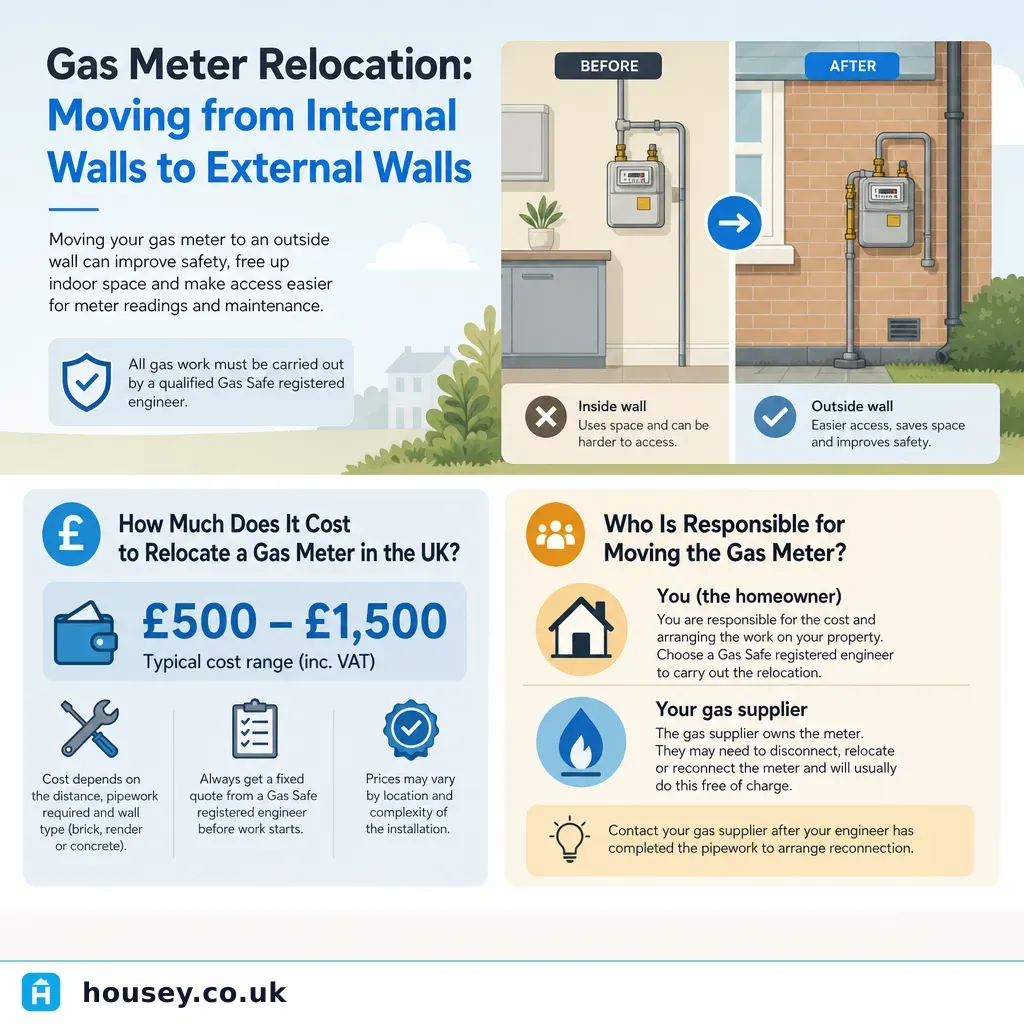
Gas Meter Relocation: Moving from Internal Walls to External Walls
In the UK, your gas meter is owned by your regional gas transporter — not your energy supplier — and only they can move it.
 Planning & Pre-Build
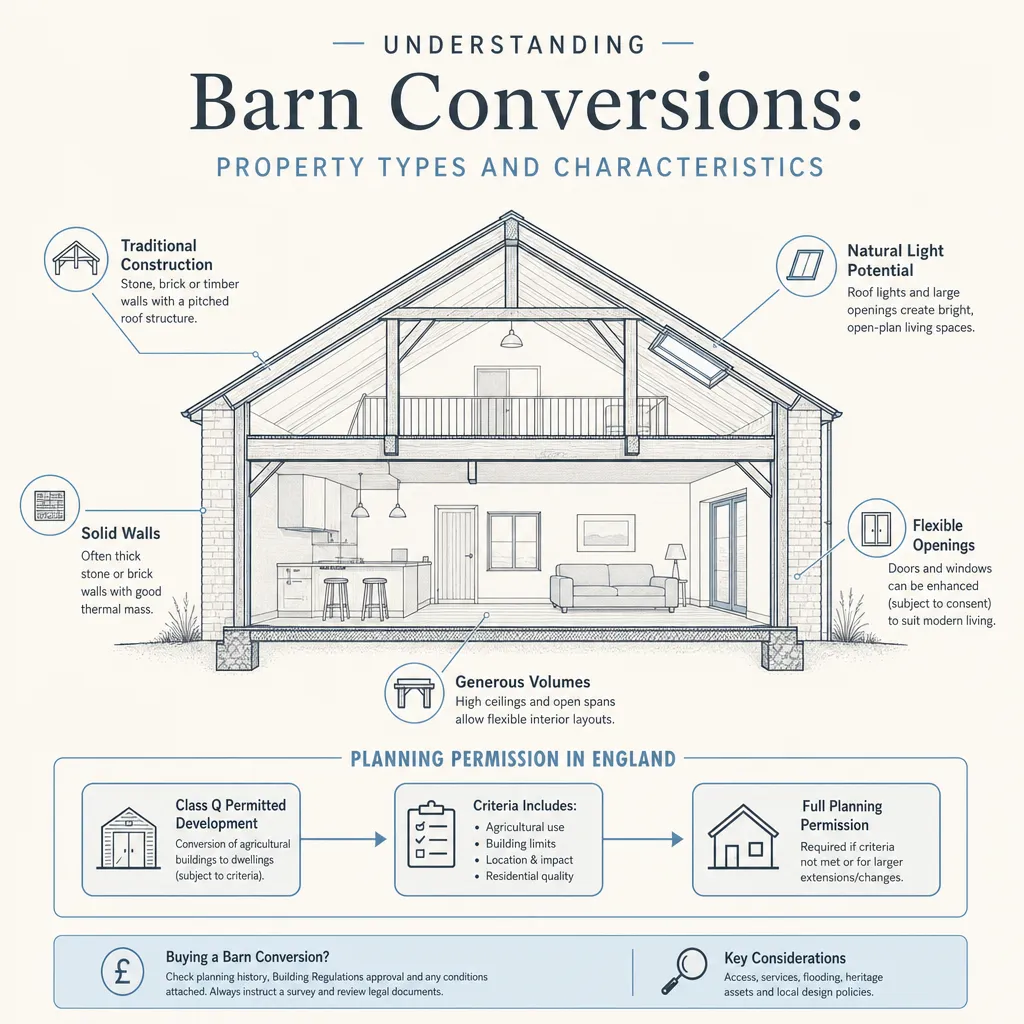
Understanding Barn Conversions: Property Types and Characteristics
A barn conversion is an agricultural building — typically a former threshing barn, cattle shed, or granary — converted into residential use.
 Planning & Pre-Build
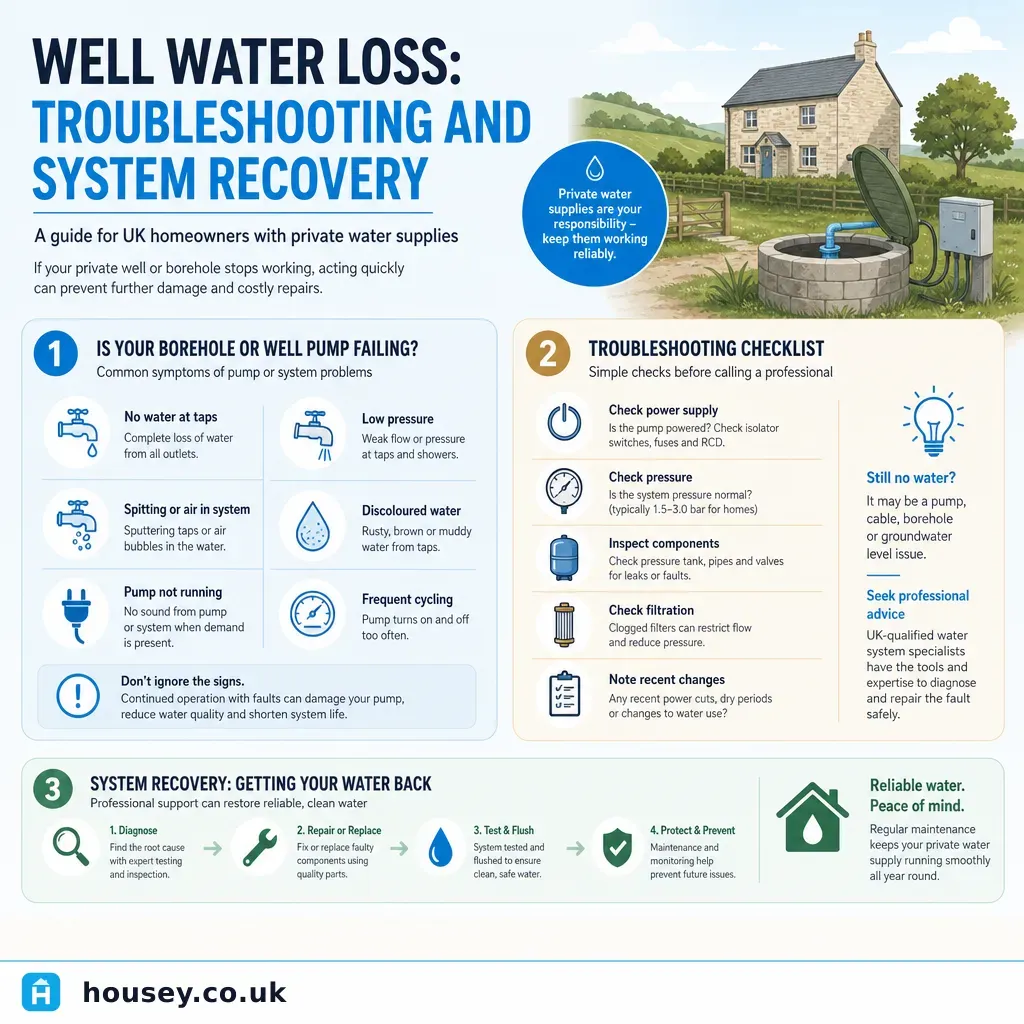
Well Water Loss: Troubleshooting and System Recovery
Well water loss in UK properties is most commonly caused by a tripped circuit breaker, pump failure, or a faulty pressure switch — not an empty aquifer.
 Planning & Pre-Build
Changes to Loft Conversion Rules: Permitted Development and Planning Updates
In England, most loft conversions on standard houses qualify as Permitted Development under Class B of the GPDO 2015, allowing up to 40 cubic metres (terraced) or 50 cubic metres (detached or semi-detached) without a planning application — if conditions are met.
 Planning & Pre-Build
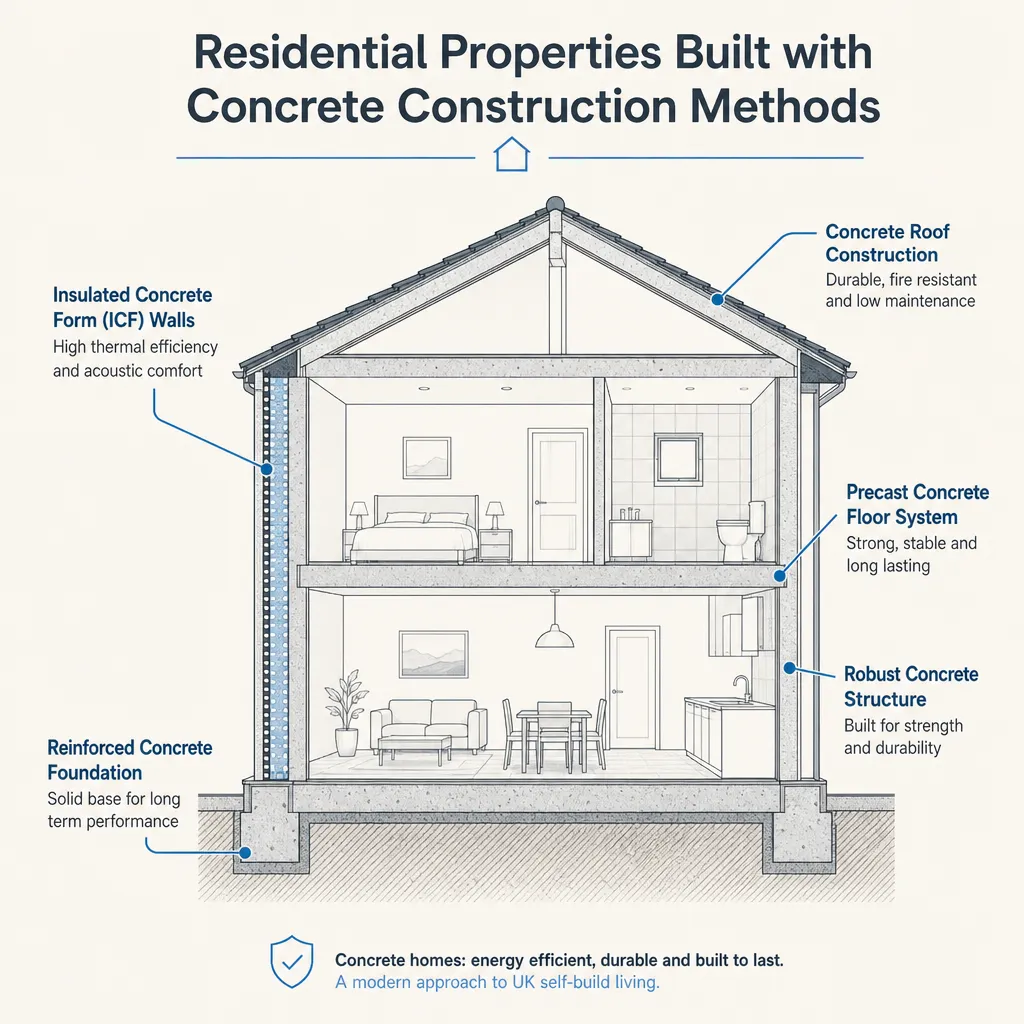
Residential Properties Built with Concrete Construction Methods
UK homes are built using several concrete methods: in-situ cast concrete, precast panel systems, insulating concrete formwork (ICF), and older non-traditional types such as Wimpey No-Fines and Laing Easiform.