Sewer Gas Odours in Homes: Causes, Health Risks, and Solutions
By Housey · Last reviewed 31st of May 2026
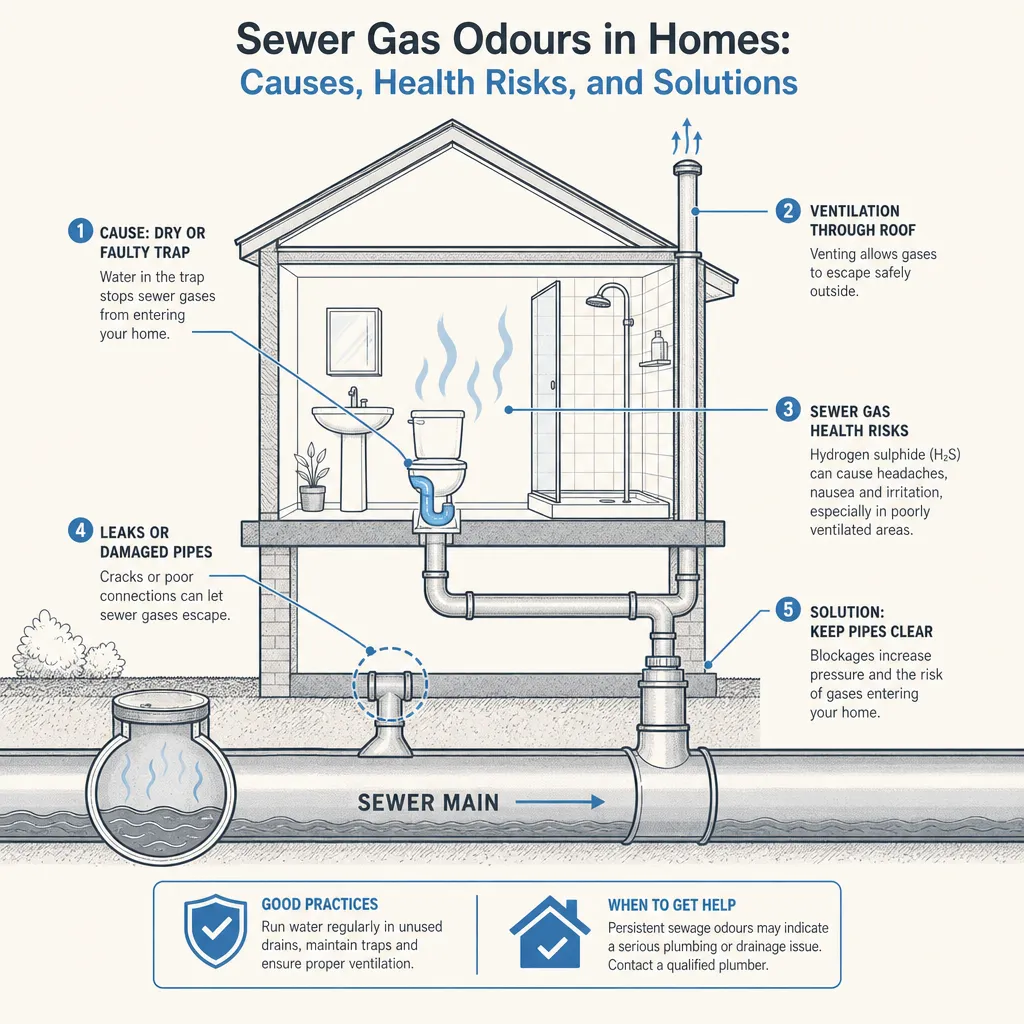
Sewer Gas Odours in Homes: Causes, Health Risks, and Solutions
A persistent smell of sewage inside a home is unpleasant and, in some cases, a warning sign of a drainage defect that will worsen without intervention. It is a particularly common complaint in older UK properties — Victorian and Edwardian terraces with ageing clay pipework and Edwardian-era drainage layouts, and pre-1970s houses where design predates modern Building Regulations — but can also occur in newer homes following poor installation or tree root ingress. Identifying the source promptly limits both health exposure and the eventual cost of repair.
Key points
- Sewer gas is produced by the decomposition of organic matter in drainage systems; the most significant components are hydrogen sulphide (H₂S), methane (CH₄), ammonia, and carbon dioxide.
- Hydrogen sulphide produces a characteristic rotten-egg odour detectable at as little as 0.0005 parts per million (ppm); at higher concentrations it desensitises the sense of smell, meaning the odour can fade even as levels continue to rise — a critical safety consideration.
- The most common domestic cause of a sewage smell is an evaporated or defective water trap (the U-bend beneath sinks, baths, and shower trays), which normally holds a standing water seal to prevent gas ingress from the drainage system.
- Under the Water Industry Act 1991, public sewers are the responsibility of the relevant water and sewerage company (such as Thames Water or Severn Trent); private drains serving a single property remain the homeowner's responsibility.
- A CCTV drain survey — where a remote camera is passed through drainage runs — is the standard diagnostic method for identifying cracked pipes, root ingress, displaced joints, and other defects that allow gas to escape.
How sewer gas enters a home
Sewer gas reaches living areas when the seal between the drainage system and indoor air is compromised. The main routes are:
Dried or faulty water traps The U-bend (trap) beneath every sink, bath, shower tray, and floor drain holds a standing water seal that prevents gases rising from the pipe. In an unoccupied property, or in a floor drain that is rarely used, this water evaporates — allowing gas to pass freely into the room. Running water into the fitting for 30 seconds usually restores the seal.
Cracked or displaced drain pipes Underground or concealed pipework can crack due to ground movement, root intrusion, or age. Hairline fractures in clay or cast-iron pipes allow gas to seep into voids beneath floor slabs, from which it migrates upward into the building.
Poorly sealed connections Where pipes connect to inspection chambers, gully pots, or branch junctions, degraded mortar or deteriorated seals allow gas to escape. This is common in older properties where joints have aged or been disturbed by ground movement.
Blocked or partially blocked drains A build-up of fats, non-flushable wipes, or root intrusion holds organic material in the pipe, accelerating gas production at that point and increasing pressure behind the blockage.
Defective or missing vent pipes UK drainage systems are ventilated through a soil and vent pipe (SVP), which terminates above the roofline. A blocked, incorrectly capped, or absent vent creates negative pressure that can siphon water from traps and draw gas directly into the building.
Health risks: what the evidence says
Sewer gas at typical domestic exposure levels causes headaches, nausea, dizziness, and eye and throat irritation. At elevated concentrations, the risks become more serious:
- Hydrogen sulphide is classified as a toxic gas by the Health and Safety Executive. The HSE EH40 document sets a workplace exposure limit of 1 ppm (8-hour time-weighted average) and a 15-minute short-term exposure limit of 5 ppm. At concentrations above approximately 20 ppm, respiratory distress occurs; at very high concentrations, rapid incapacitation is possible. Critically, olfactory fatigue means the smell may disappear even while levels remain elevated.
- Methane is flammable in air at concentrations between approximately 5% and 15% (the lower and upper explosive limits). While open domestic drains rarely approach these levels in ventilated spaces, accumulation in enclosed subfloor voids can create a fire or explosion risk near ignition sources.
- Ammonia causes respiratory and mucous membrane irritation at higher concentrations.
Diagnosing the source: decision tree
Use this guide to narrow down the most likely cause before instructing a professional:
- Smell only in one room near a single fitting (sink, shower, or bath): Run water into the fitting for 30 seconds. If the smell resolves, the trap had evaporated. If it returns within a few hours, suspect a cracked or inadequate trap — replace the trap component.
- Smell near a floor drain or infrequently used fitting: Pour water in to refill the trap. Check the drain cover is correctly seated. If the smell persists, the trap itself may be defective or missing.
- Smell present in multiple rooms or across the entire ground floor: Suggests a systemic problem — a cracked underground drain, a blocked or missing vent pipe, or a displaced joint beneath the slab. Commission a CCTV drain survey.
- Smell intensifies when flushing toilets or running taps: Points to a venting problem (blocked SVP) or a partial blockage creating backpressure. A drainage engineer can inspect and clear the vent stack.
- Smell is consistent and unrelated to water use: May indicate a fracture in underground pipework allowing gas to permeate through the floor structure. A CCTV drain survey — and potentially a smoke or dye test — is appropriate.
- Smell accompanied by gurgling sounds from drains or toilets: A classic indicator of negative pressure caused by a partial blockage or failed vent. Seek professional drainage assessment promptly rather than waiting.
Red flags: when sewer odour requires urgent attention
The following situations go beyond routine and require prompt professional intervention:
- Sewage smell accompanied by sewage backing up into a toilet, bath, or floor drain — indicates a blockage requiring immediate clearance.
- Any occupant experiencing headaches, nausea, or dizziness that correlates with time spent indoors — vacate and ventilate the property, then instruct a drainage professional before re-occupying.
- Smell in a property with a known history of tree root problems near drainage runs or previous flooding.
- Smell appearing or worsening after nearby construction or groundworks — ground disturbance can fracture pipes without immediately obvious surface signs.
- Damp patches at floor level or subsidence of ground above the drainage route — may indicate a collapsed pipe leaking into surrounding soil.
- Any evidence of gas accumulation in an enclosed subfloor void with a potential ignition source — treat as a potential fire risk and ventilate immediately.
What a CCTV drain survey involves
A CCTV drain survey passes a remote-operated camera through the drainage system, producing video footage and a written report that identifies the type, location, and severity of defects. It is the standard diagnostic approach when a simple trap-refill has not resolved persistent sewer odour.
For odour investigations, drainage engineers typically survey the lateral drain from the property boundary back to the building, and internal runs where access permits. Defects are graded using the Water Research Centre (WRC) coding standard — the industry-recognised classification used by drainage contractors, mortgage lenders, and insurers. The resulting report provides the evidence base for specifying remediation and supports any insurance or legal claim.
Important limitations
This article provides general information only. Sewer gas composition and concentration, the nature and location of drainage defects, and the appropriate remediation method vary significantly by property age, drainage layout, and local conditions. If occupants feel unwell, vacate and ventilate the affected area before seeking professional assessment. Do not attempt to open drainage inspection chambers or excavate drainage runs without appropriate safety equipment and professional experience. This article does not constitute health, safety, or legal advice.
What to ask a qualified professional
Before instructing a drainage surveyor or contractor:
- What areas of the drainage system will the CCTV survey cover — both above-ground and below-ground runs?
- What defect classification system do you use, and will the report satisfy the requirements of my insurer or mortgage lender?
- How will you confirm the specific source of the odour, rather than simply reporting the presence of defects?
- What remediation options exist for any defects found, and what is the indicative cost range?
- Will you carry out required repairs directly, or refer to a separate contractor?
- Does the remediation work carry a written guarantee, and for how long?
- Is VAT included in your quoted price?
When to get professional help
Instruct a drainage professional if the smell persists after refilling all water traps, if drains are gurgling or backing up, if any occupant is experiencing symptoms, or if you are buying or selling a property with unexplained drainage odours. A CCTV drain survey provides definitive diagnosis of pipe condition and defect location. A full drainage survey assesses the overall system and identifies any remediation needed before the situation worsens.
How Housey can help
Housey connects you with qualified drainage professionals for CCTV drain surveys and full drainage surveys. You can request quotes from local specialists who will identify the source of sewer odours and provide a clear, costed remediation plan.
Frequently asked questions
What is sewer gas and is it dangerous?
Sewer gas is a mixture produced by the decomposition of waste in drainage systems, containing hydrogen sulphide, methane, ammonia, and carbon dioxide. At typical domestic levels, symptoms include headaches and nausea. Hydrogen sulphide is toxic at elevated concentrations and can impair the sense of smell. Methane is flammable in air at 5–15% concentration. Persistent or widespread exposure warrants professional drainage investigation.
Why does my bathroom smell of sewage?
The most common cause is an evaporated or defective trap beneath a sink, bath, or shower. Running water for 30 seconds usually restores the water seal. If the smell returns quickly, or if it is present throughout the property, a drainage defect — such as a cracked pipe, blocked vent pipe, or displaced joint — is more likely, and a CCTV drain survey is advisable.
How do I know if I need a drain survey for a sewer smell?
If refilling water traps does not resolve the smell, or if the odour is present in multiple rooms or is accompanied by gurgling drains, a CCTV drain survey is the appropriate next step. A survey is also advisable before purchasing any property with a history of drainage odours or persistently slow-draining fittings, to avoid inheriting a hidden defect.
Can sewer gas make you ill?
Yes, at elevated concentrations. Common symptoms at lower levels include headaches, nausea, and eye and throat irritation. Hydrogen sulphide desensitises the sense of smell at higher concentrations, meaning the absence of odour does not confirm levels are safe. If occupants experience symptoms, vacate and ventilate the property and instruct a drainage professional before re-occupying.
Sources and further reading
- EH40/2005 Workplace Exposure Limits — Health and Safety Executive
- Water Industry Act 1991 — legislation.gov.uk
- Ofwat: Drainage responsibilities explained — Ofwat
- Citizens Advice: Problems with drains and sewers — Citizens Advice
Useful next reads
 Surveys & Inspections
Identifying Asbestos Insulation: What You Need to Know for Your Property
Asbestos insulation was widely used in UK properties built before 2000, commonly found in pipe lagging, ceiling tiles, loose-fill loft insulation, and around boilers.
 Surveys & Inspections
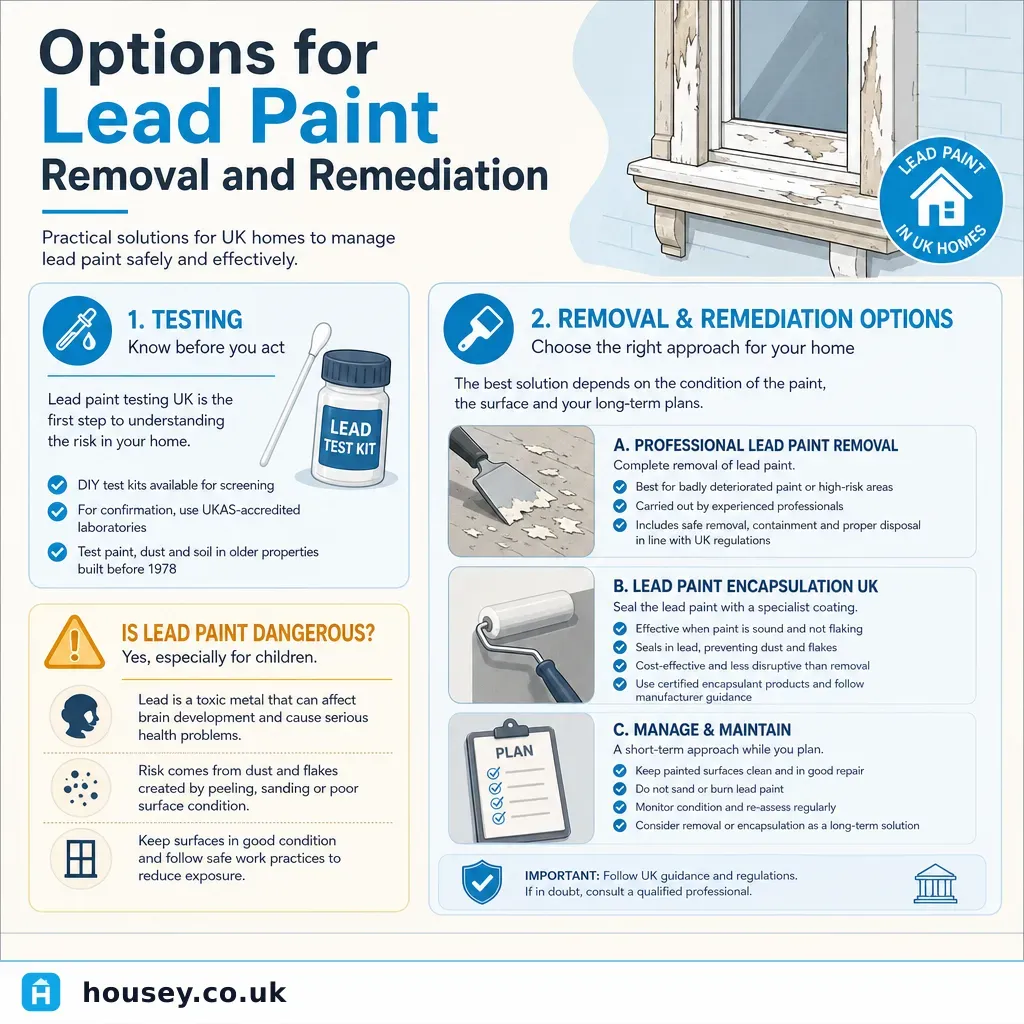
Options for Lead Paint Removal and Remediation
Lead paint in UK homes built before 1960 is common and not automatically hazardous if in good condition.
 Surveys & Inspections
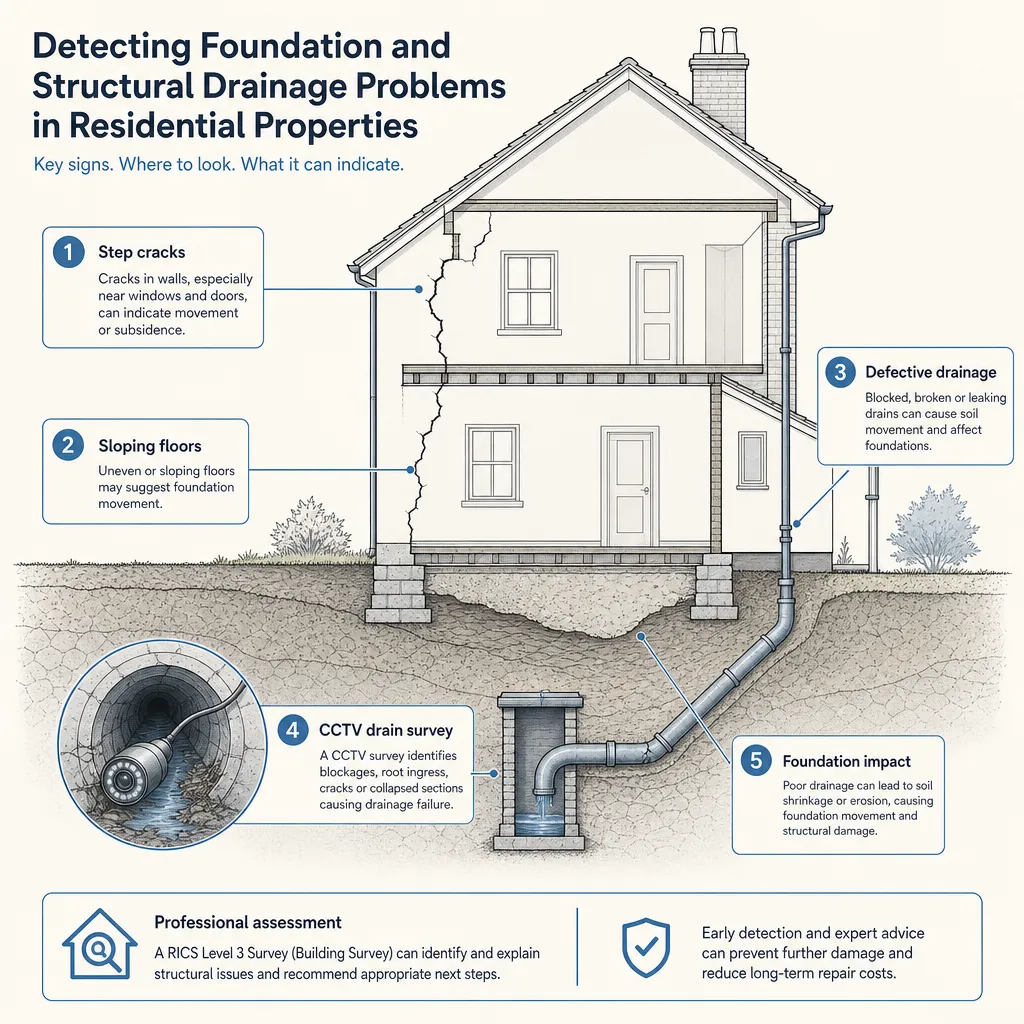
Detecting Foundation and Structural Drainage Problems in Residential Properties
Foundation and drainage problems in UK homes often appear as stepped cracks in brickwork, sticking doors, or slow-draining fixtures.
 Surveys & Inspections
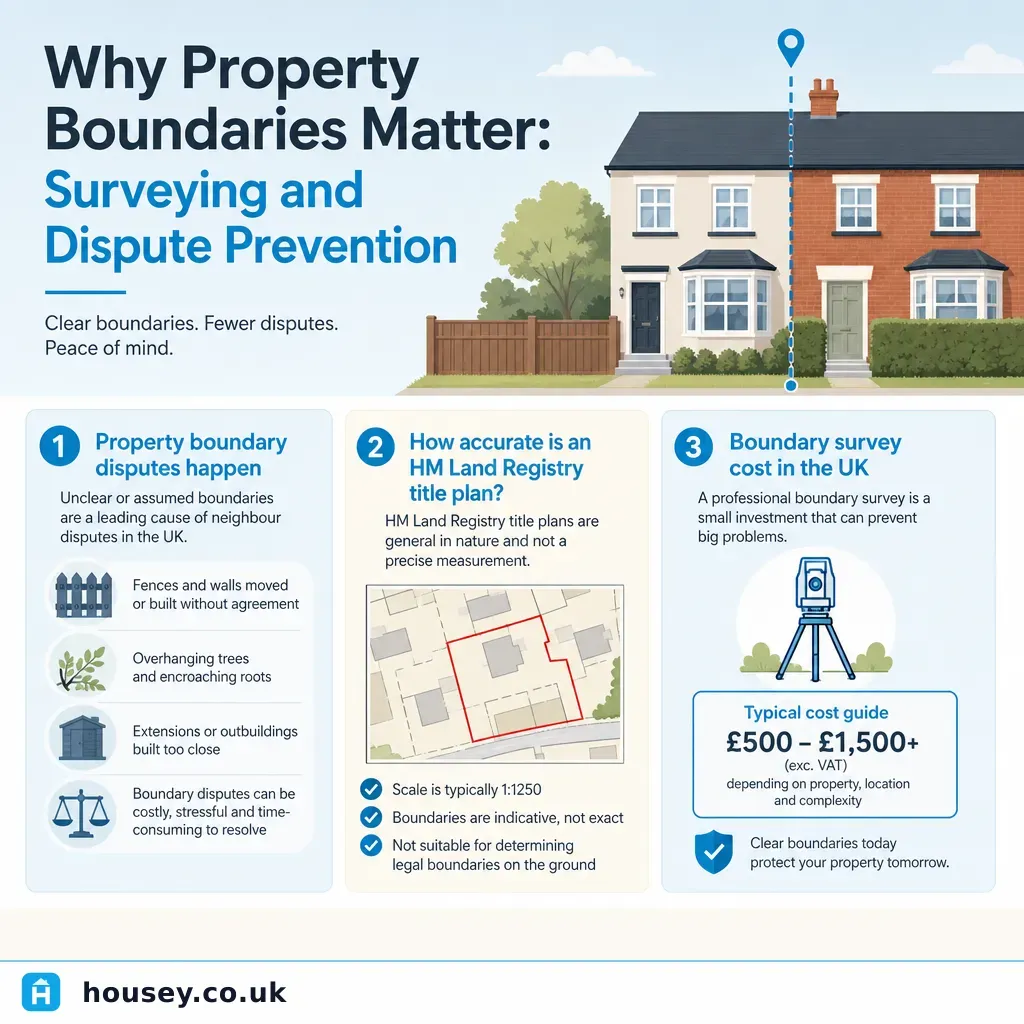
Why Property Boundaries Matter: Surveying and Dispute Prevention
Property boundaries in England and Wales are recorded as general boundaries by HM Land Registry — not precise measurements.
 Surveys & Inspections
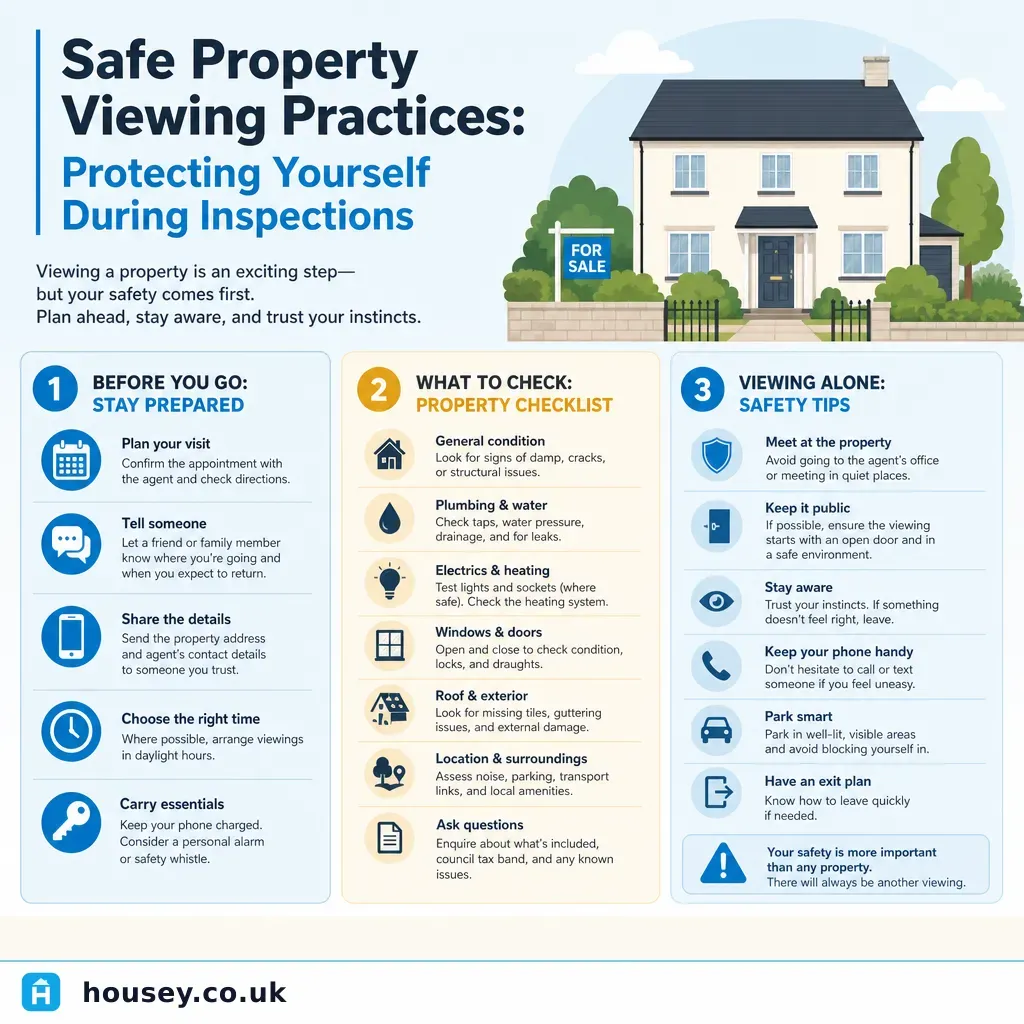
Safe Property Viewing Practices: Protecting Yourself During Inspections
When viewing a property in the UK, always tell someone where you are going and share the full address before you leave.