Solar-powered outdoor lighting: designing efficient garden illumination
By Housey · Last reviewed 12th of May 2026
Solar-powered outdoor lighting: designing efficient garden illumination
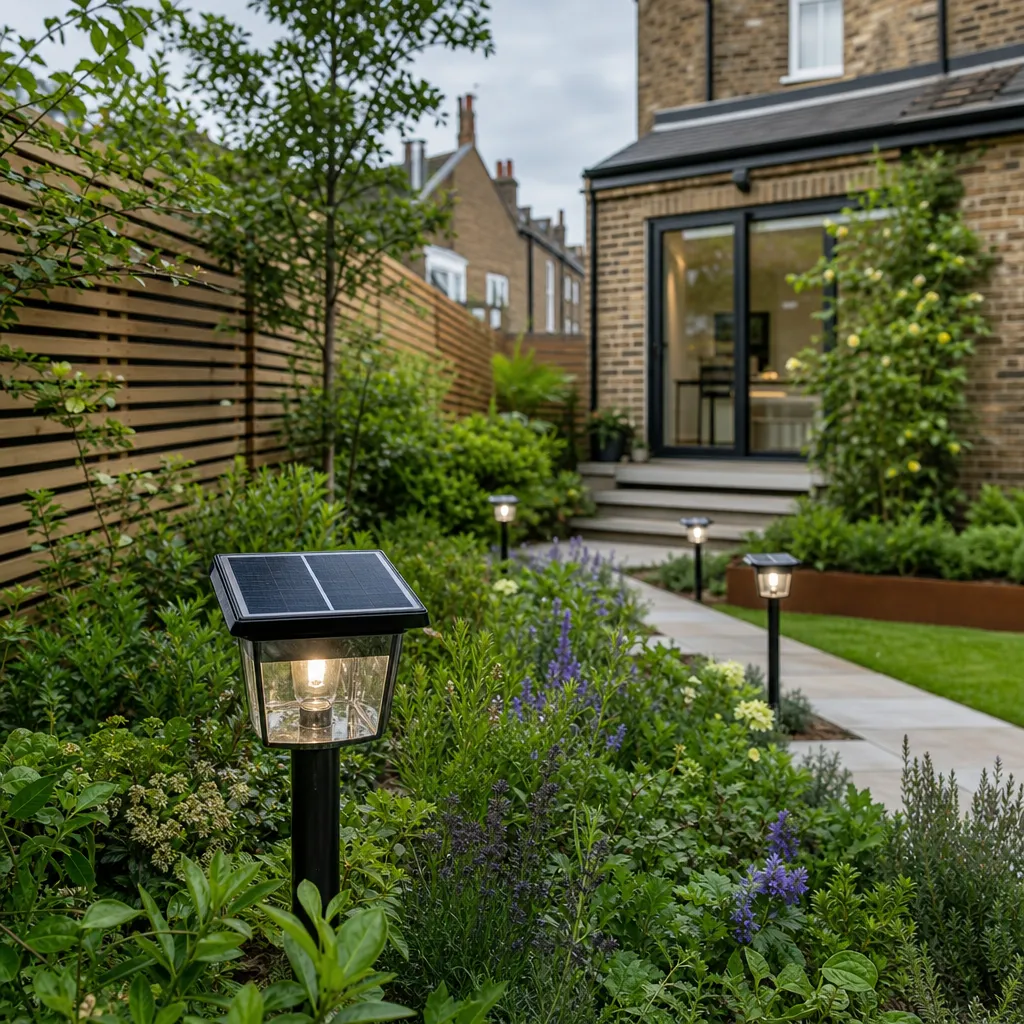
Outdoor lighting transforms how a garden is used after dark — extending the usable season, improving security, and adding visual interest to planting and hard landscaping. Solar-powered fittings have become a mainstream choice for UK homeowners because they need no mains cabling, have low running costs, and can be repositioned as garden layouts change. Getting the design right requires considerably more thought than simply placing fittings wherever you want light.
Key points
- Solar garden lights charge via photovoltaic cells typically ranging from 0.5 W to 6 W per fitting; output and charge time depend directly on panel exposure to daylight, not solely on direct sunshine.
- Most domestic solar lighting uses lithium-ion or NiMH batteries with a useful life of 2–5 years before capacity noticeably degrades; battery replacement is the most common ongoing maintenance task.
- UK winter days average 7–9 hours of daylight and significantly lower solar irradiance than summer; lights intended for long winter operation should have panels rated at least 2–4 W and battery capacity of 2,000–4,000 mAh per fitting.
- Passive infrared (PIR) solar security lights require more robust panels and larger batteries than ambient path or accent lights — budget for these separately and assess panel positions carefully.
- Solar garden lights do not require a Part P notification or Building Regulations consent, as they are self-contained low-voltage fittings not connected to the mains supply.
How solar outdoor lighting works
Each fitting combines a small PV panel — sometimes integrated into the body, sometimes on a separate stake or bracket — a rechargeable battery, a LED lamp, and typically a dusk sensor or PIR controller.
During the day, the panel charges the battery. At dusk, the sensor activates the lamp and draws from stored charge. In the UK, performance varies considerably between summer (long charging days, short nights) and winter (short, often overcast days, long nights). Key variables include:
- Panel orientation and tilt: Stake-mounted panels can shift over time through ground movement or casual repositioning. Ideally, panels should face south at 30–45° for maximum annual energy capture. For low-intensity accent lighting this matters less than for security or flood lights, where it can significantly affect winter reliability.
- Shading: Trees, walls, fences, and neighbouring structures reduce panel output. A panel in partial shade for even two hours a day charges measurably less than a fully exposed one.
- Battery quality: Low-capacity batteries degrade quickly. Look for NiMH or lithium-ion cells rated at 1,200 mAh or above for accent and path lights, and 3,000 mAh or more for security applications.
- LED efficiency: Modern LEDs use very little power, but lumen output varies significantly across the market. Some low-cost fittings advertise high lumen ratings that require sustained battery charge they rarely achieve in UK winter conditions.
Planning your garden lighting scheme
A practical approach is to layer lighting by function before selecting fittings:
Lighting layer | Purpose | Suitable solar fitting types |
|---|---|---|
Ambient or pathway | Soft, diffuse light along paths and borders | Low-level stake lights, bollard lights, string lights |
Accent or feature | Uplighting trees, walls, or focal planting | Adjustable spike spotlights, recessed ground lights |
Security | Motion-activated deterrence near entrances, gates, sheds | PIR flood lights with large panels (4–10 W) |
Functional task | Safe use of steps, decks, or outbuildings | Recessed step lights, deck strip lights |
Once you have mapped the functions you need, identify panel exposure at each proposed location. Walk the garden at different times of day and, where possible, in different seasons. Deciduous trees that cast full summer shade may allow good winter panel exposure once leaves fall — a meaningful advantage in the UK.
Checklist: planning solar garden lighting in a UK garden
Choosing fittings suited to UK conditions
The UK's overcast, variable climate means fittings optimised for sunnier climates frequently underperform here. When evaluating products:
- Prefer suppliers that publish panel wattage and battery capacity (mAh) data openly — this allows you to estimate approximate charge and run times independently.
- Stainless steel, powder-coated aluminium, or quality polycarbonate housings are more durable than thin ABS plastic in consistently wet conditions.
- For path and border lights, a warm white colour temperature (2,700–3,000 K) suits most garden materials and planting palettes; cooler whites (5,000–6,500 K) can appear harsh in residential settings.
- Prioritise fittings with replaceable batteries — this extends useful life considerably and avoids replacing the whole fitting when the battery degrades.
What to ask before buying or specifying solar garden lights
- What is the panel wattage and battery capacity (mAh) of this fitting?
- What is the rated lumen output at full charge, and how long will the fitting sustain that output?
- What IP rating does the fitting carry, and is it appropriate for ground-level or recessed installation?
- Can the battery be user-replaced, and is a compatible replacement cell readily available?
- Does the fitting require a charge-before-first-use period, and is there an on/off switch?
- Is the panel fixed or adjustable, and can it be positioned separately from the lamp body?
- What warranty does the manufacturer provide, and under what conditions does it apply?
Integrating solar lighting into a landscaping project
If you are redesigning a garden or laying new hard landscaping, involve your landscaper or garden designer in the lighting scheme at the planning stage. Decisions about paving layout, retaining walls, planting height, and path positioning all affect where solar panels can be usefully sited. Retrofitting lighting after hard landscaping is complete is almost always more disruptive and expensive than planning for it from the start.
An experienced garden designer can map panel exposure against your planting plan and recommend fitting types suited to each zone, while a skilled landscaper can integrate recessed or post-mounted fittings into paving and steps before final surfaces are laid — producing a far neater result than surface-mounted fittings added afterwards.
When to get professional help
Most solar garden light installations are straightforward for a confident homeowner. Consider professional input when:
- You want recessed lighting integrated into paving, decking, or steps — these are much harder and costlier to retrofit after construction.
- You want a cohesive lighting design across a large or complex garden combining ambient, accent, and security functions.
- You are unsure where seasonal shade will fall and need a site assessment before committing to positions.
- Solar lighting is part of a wider garden redesign or new hard landscaping scheme.
Do not connect solar lighting to mains circuits without involving a competent electrician — while solar garden lights themselves are self-contained, any supplementary mains-powered outdoor lighting requires compliance with Building Regulations Part P (electrical safety in dwellings).
How Housey can help
Whether you are planning a full garden redesign or simply want expert advice on solar lighting placement and product selection, Housey connects you with experienced garden designers and landscapers who can integrate solar lighting into your outdoor space efficiently and attractively.
Frequently asked questions
Do solar garden lights work well in the UK?
Yes, provided you choose fittings suited to UK daylight levels and overcast conditions. Most accent and path lights perform reliably year-round. Security and flood lights need larger panels (4 W or more) and higher battery capacity (3,000 mAh or more) to deliver adequate winter performance. Avoid cheap fittings with no published technical specifications — they commonly underperform in low-light UK winters.
Do solar garden lights need planning permission?
No. Solar-powered garden lights are self-contained, low-voltage fittings and do not require planning permission or Building Regulations notification. However, if your property is listed or in a conservation area, check with your local planning authority before installing permanent, fixed lighting structures rather than relocatable stake or spike fittings.
How long do solar garden light batteries last?
Typically 2–5 years before battery capacity noticeably degrades. NiMH and lithium-ion batteries in quality fittings tend to last longer than cheap rechargeable cells. Many fittings allow battery replacement — check this before purchasing if longevity is important. Replacing batteries is usually much cheaper than replacing the full fitting.
Can I leave solar garden lights out all winter?
Most garden-rated solar lights with IP44 or higher protection are designed for year-round outdoor use, including UK winters. Performance will be reduced due to shorter days and lower solar irradiance. Some homeowners store purely ornamental lights over winter to prolong battery life, but this is not necessary for properly rated security or path fittings.
Sources and further reading
- Energy Saving Trust: home energy advice — Energy Saving Trust
- Building Regulations Approved Document P: electrical safety in dwellings — GOV.UK
- Planning Portal: solar panels and permitted development — Planning Portal
Useful next reads
 Improvement & Build
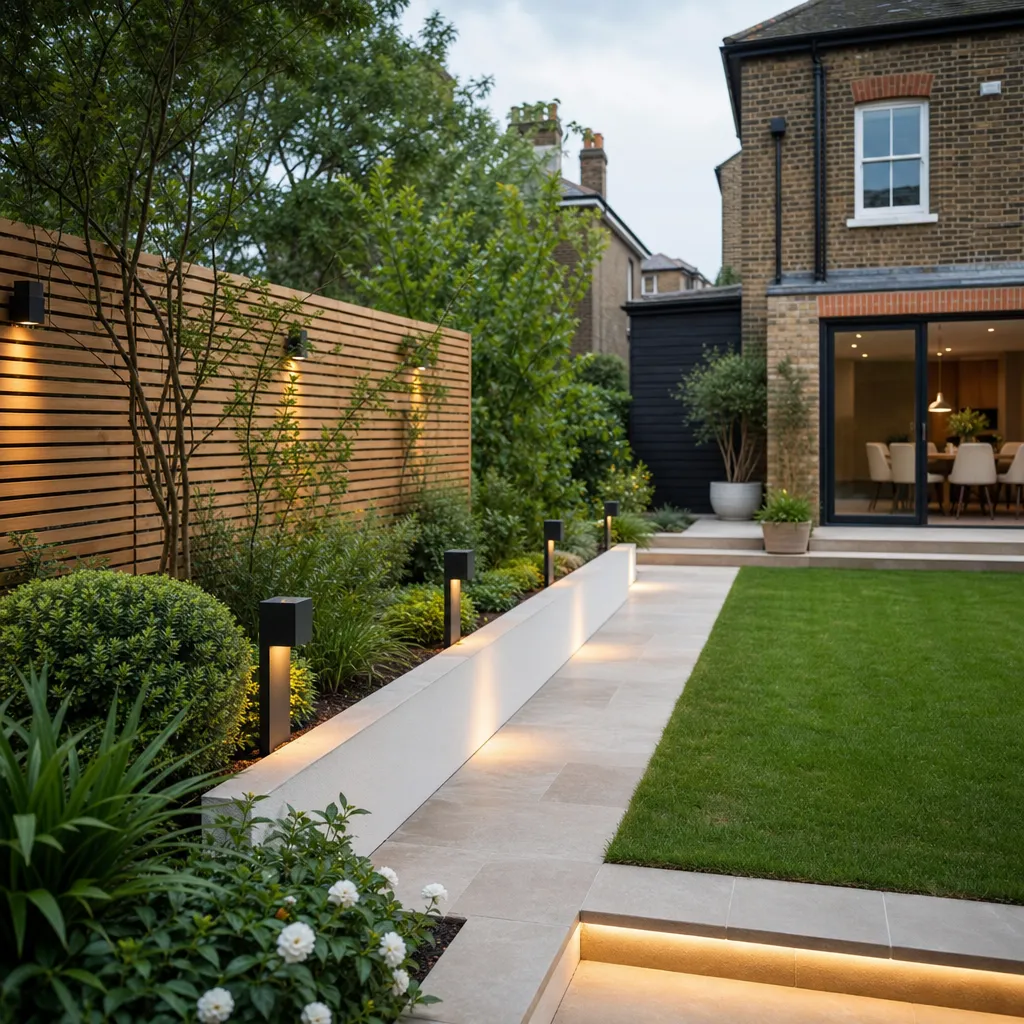
Landscape Lighting Design Ideas for Gardens
Effective garden lighting combines task lighting for paths and entrances, accent lighting to highlight trees and borders, and ambient lighting for entertaining areas.
 Improvement & Build
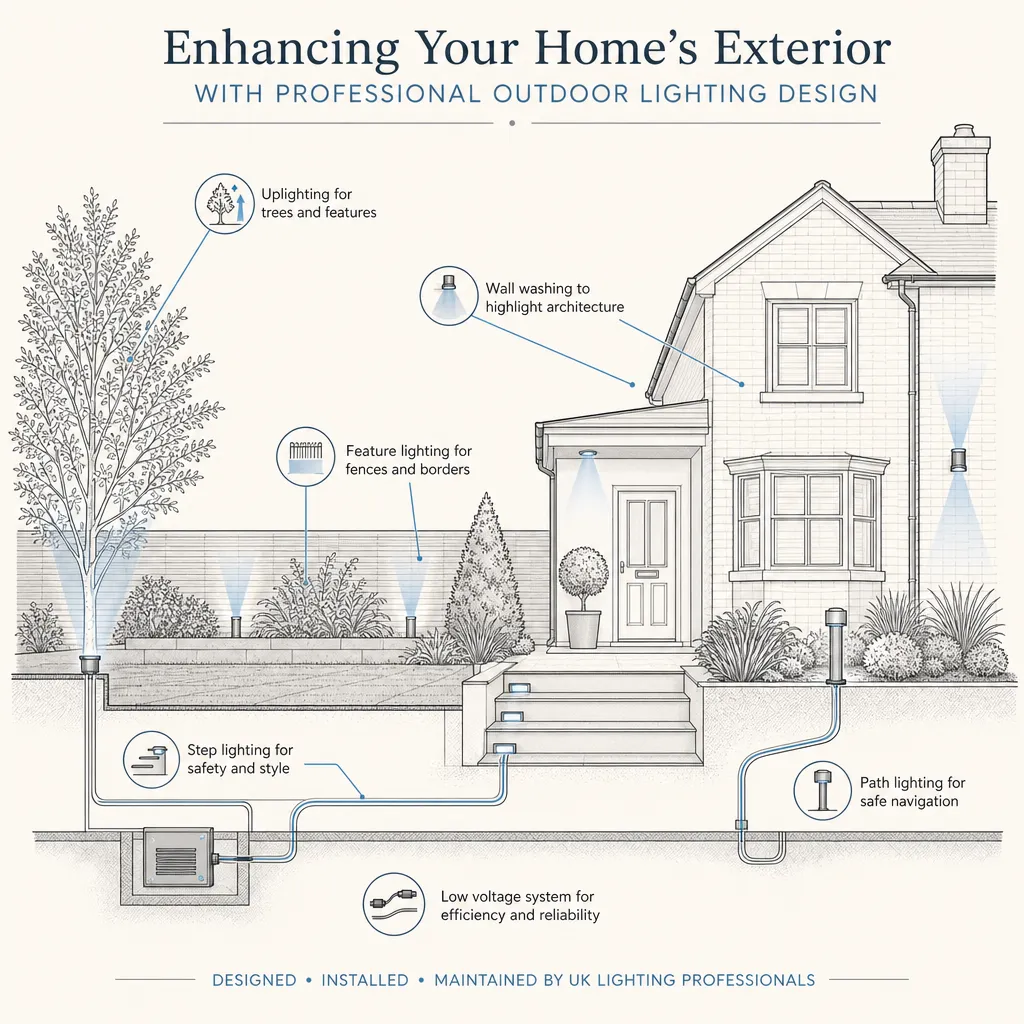
Enhancing Your Home's Exterior with Professional Outdoor Lighting Design
Professional outdoor lighting design improves kerb appeal, extends garden use after dark, and deters intruders.
 Improvement & Build
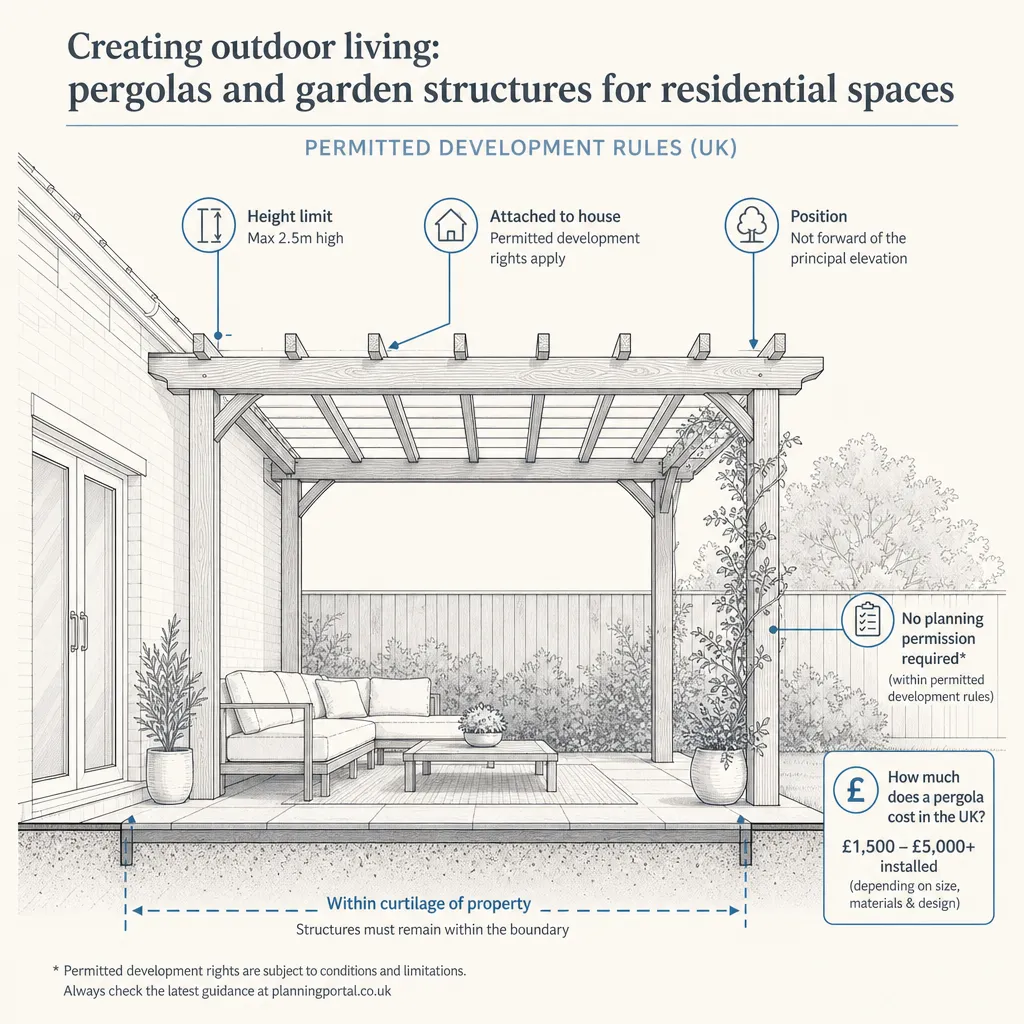
Creating outdoor living: pergolas and garden structures for residential spaces
Most freestanding pergolas in UK rear gardens are permitted development and don't need planning permission, provided they stay within height limits and outbuilding coverage stays below 50% of the original garden.
 Improvement & Build
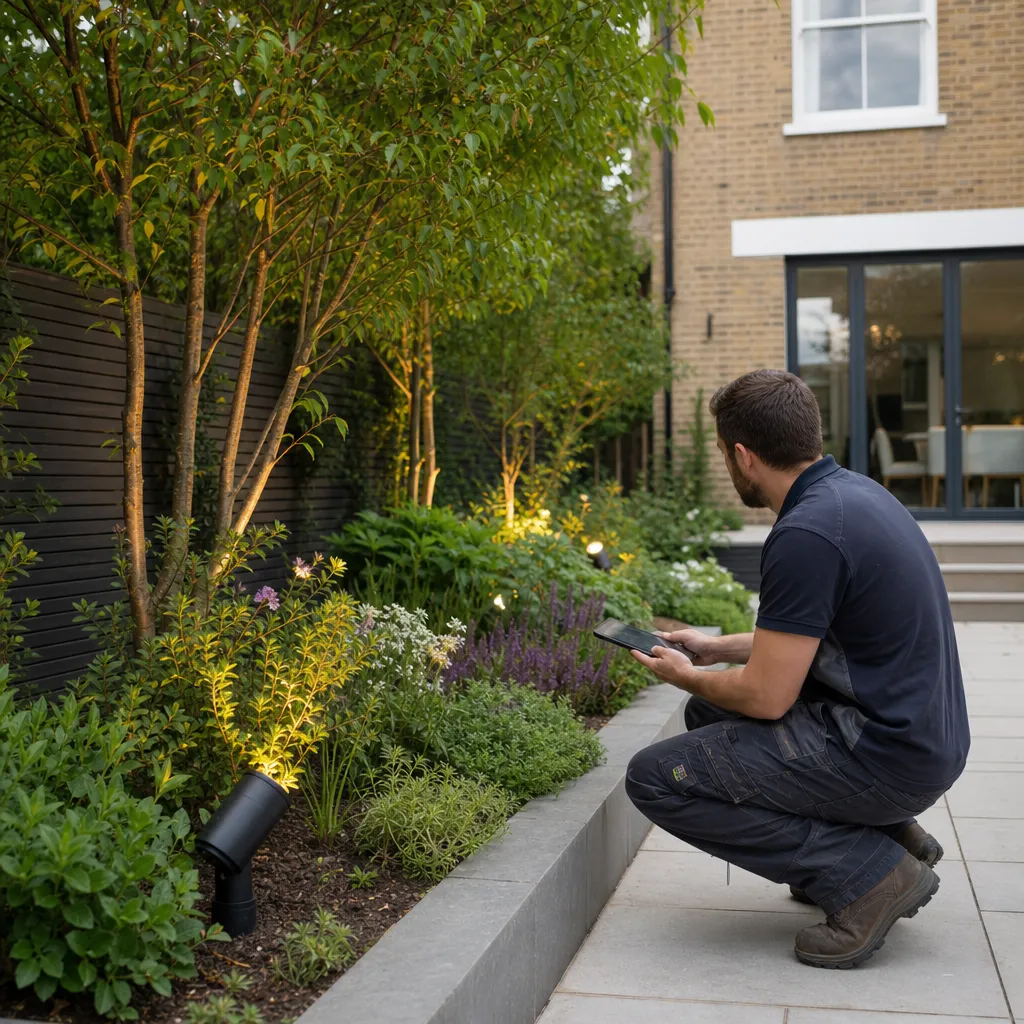
Uplighting for Gardens: Design Techniques and Effects
Garden uplighting uses low-level or in-ground fixtures to project light upward onto trees, walls, and architectural plants.
 Improvement & Build
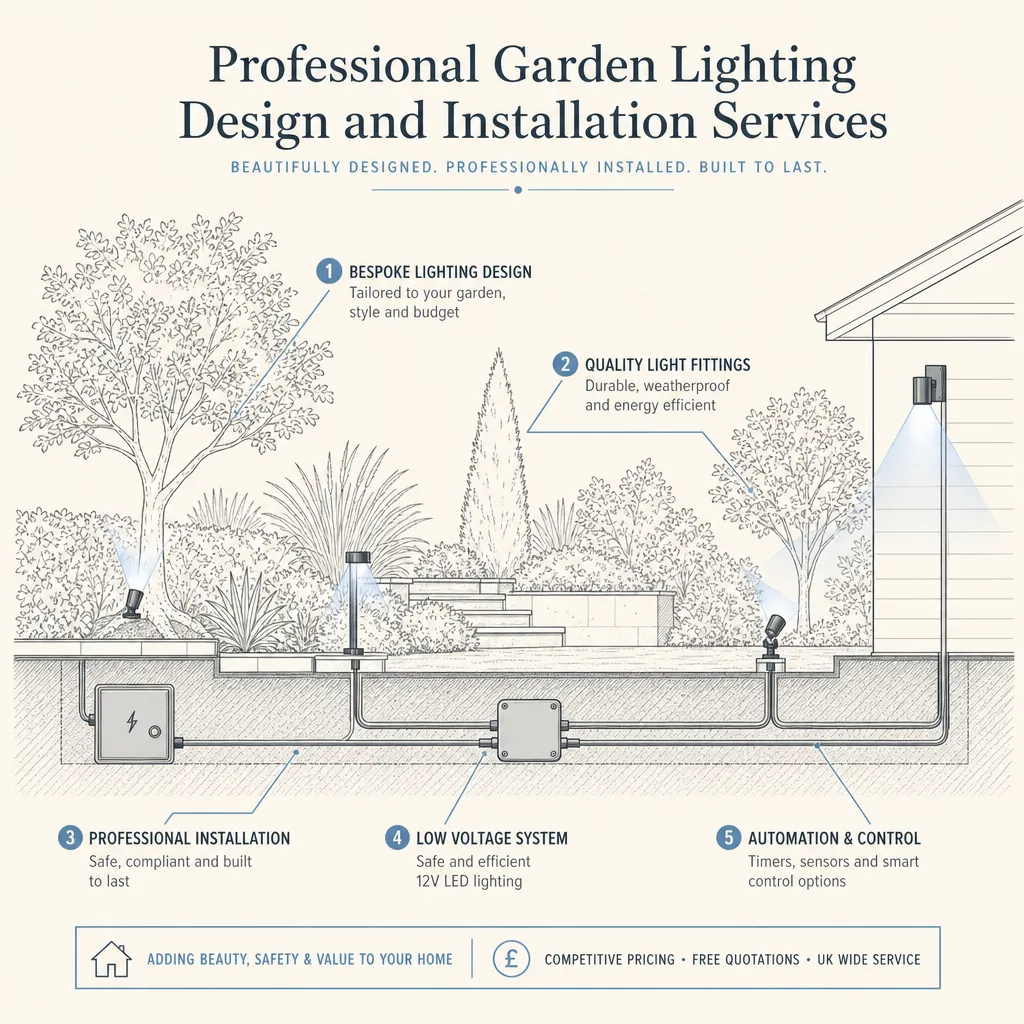
Professional Garden Lighting Design and Installation Services
Professional garden lighting design involves planning a scheme suited to your garden's layout and features, then having it installed by a qualified electrician.