South-Facing Garden Properties: Premium Pricing and Demand Analysis
By Housey · Last reviewed 18th of May 2026
South-Facing Garden Properties: Premium Pricing and Demand Analysis
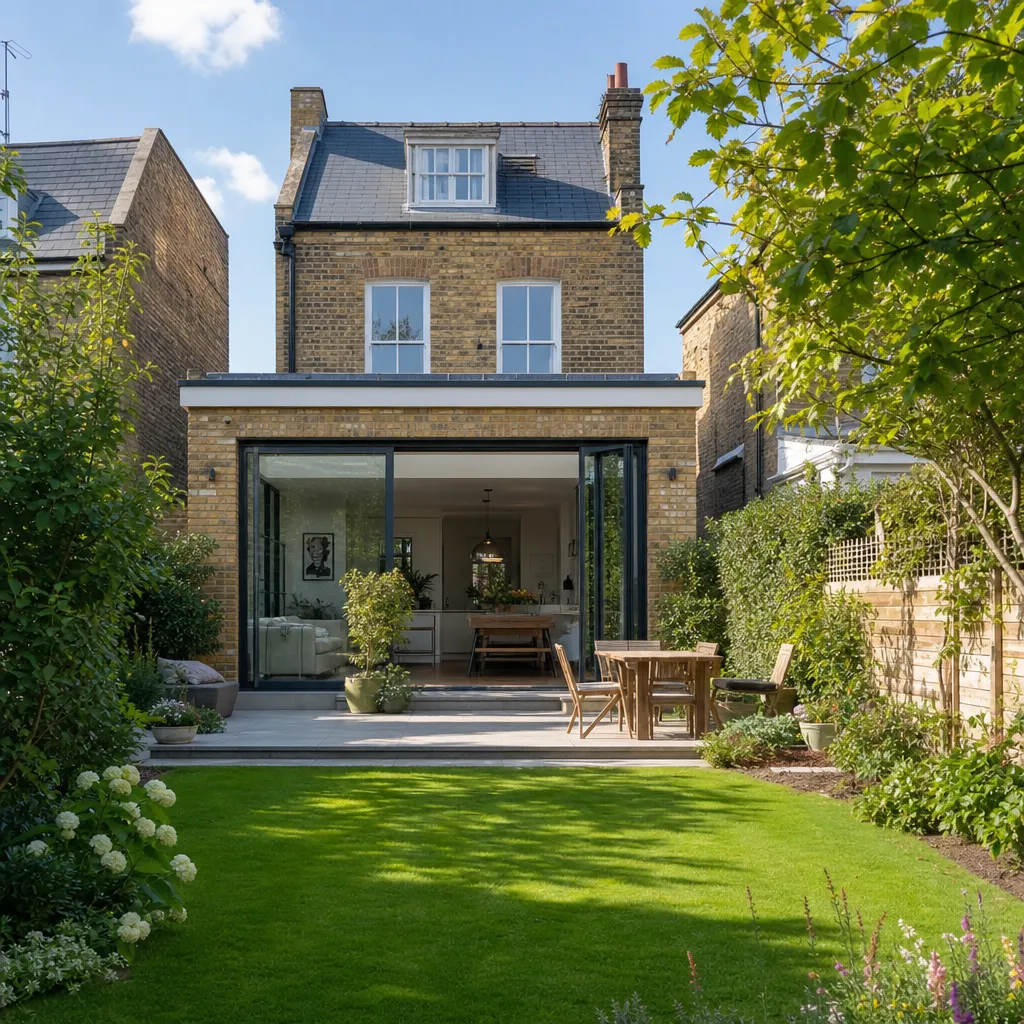
The direction a garden faces is one of the first features informed buyers check at a viewing, yet it rarely appears as a searchable filter on property portals. In the UK, where natural light is rarely abundant, aspect determines how usable a plot feels across the full calendar year — and whether a buyer in a competitive market feels they are getting something genuinely harder to find. For sellers, it is one of the few property features that cannot be changed once the home is built.
Key points
- In the UK, the sun arcs through the southern sky; a south-facing garden receives direct sunlight across most of the day, while a north-facing garden sits largely in shade for much of the year.
- Estate agent commentary from 2022–2024 suggests south-facing gardens can attract a buyer demand premium of roughly 5–15% in competitive markets, though this varies significantly by property type, garden size, and location.
- The premium is more often expressed through faster sale times and stronger offer rates than through elevated asking prices, as estate agents typically list comparable properties at similar prices.
- Solar panels perform best on a south-facing roof; the Energy Saving Trust reports south-facing panels generate around 20% more electricity than east- or west-facing equivalents.
- For small urban gardens — particularly in terraced houses with courtyard-sized plots — orientation has a proportionally larger effect on usability than for large rural gardens where shade affects a smaller fraction of total space.
How sun direction affects garden usability
The UK lies between approximately 50° and 58° north latitude. The sun never passes directly overhead — it tracks through the southern portion of the sky throughout the year — which means a garden with a clear southern aspect receives sunlight across most daylight hours. A north-facing garden typically receives no direct sun in winter and only limited sun during summer mornings and evenings.
For most homeowners, this translates into practical differences:
- Year-round entertaining space: South-facing gardens warm up earlier in spring and remain usable into autumn evenings.
- Growing conditions: Vegetables, soft fruit, and sun-loving plants (tomatoes, lavender, roses) perform significantly better with full southern exposure.
- Children's outdoor play: Parents typically favour sunlit gardens for safe year-round outdoor play.
- Lower reliance on outdoor heaters and lighting: A naturally warm, sunny garden typically costs less to make comfortable in the evenings.
Does orientation add measurable value to a property?
UK estate agents routinely list aspect as a selling point, but translating it into a precise price premium is not straightforward. The benefit depends on several interacting factors:
Factor | Effect on the orientation premium |
|---|---|
Garden size | Larger gardens lose less relative value when partially shaded; small plots are affected proportionally more |
Neighbouring buildings and trees | A two-storey neighbouring extension can cast a south-facing garden into afternoon shadow |
Property type | Terraced houses with small rear gardens see the greatest proportional difference |
Urban density | Tall neighbouring buildings may negate the advantage regardless of compass bearing |
Local buyer competition | Competitive postcodes see bidding wars where all features attract premiums |
Property market research from Rightmove and Zoopla has consistently placed south-facing gardens among the most sought-after features. Published estate agent commentary from 2022–2024 indicated a south-facing garden can add between 5% and 15% to the value of comparable properties in competitive markets. These figures are indicative — local conditions and buyer pools vary considerably.
Indicative market premium guidance; based on published estate agent commentary 2022–2024. Actual value impact depends on individual property and local market.
Garden aspect comparison: north, south, east, and west
Aspect | Morning sun | Afternoon and evening sun | Best for | Not ideal for |
|---|---|---|---|---|
South-facing | Yes | Yes — throughout the day | Year-round use, food growing, entertaining | Can overheat an unshaded conservatory in summer |
East-facing | Yes | No | Morning gardeners; al fresco breakfast | Cool evenings; slower spring warm-up |
West-facing | No | Yes | Evening entertaining; sunset views | Slower morning warm-up; shaded mornings |
North-facing | No | No | Shade-loving planting; lower maintenance | Most buyers; food growing; entertaining |
An east-facing garden suits buyers who work from home and enjoy outdoor mornings; a west-facing plot often suits buyers who entertain in the evenings. Neither commands the same consistent premium as south-facing, though west-facing gardens are generally preferred to north-facing among UK buyers.
A worked UK property scenario
Consider two three-bedroom Victorian terraced houses in a mid-sized English city. Both have rear gardens of approximately 12 metres depth. House A has a south-facing garden; House B's garden faces north. Both are listed at the same asking price.
Within two weeks, House A receives three offers — two above the asking price. House B receives one offer at the asking price after 42 days on the market, and the estate agent recommends a price adjustment before an autumn relaunch.
This pattern — shorter time on market and stronger offer rates for the south-facing property — is a more reliable indicator of the orientation premium than a direct price comparison. Because agents often list comparable properties at similar prices, the premium is expressed through buyer competition rather than the list price alone.
Red flags to check before relying on a south-facing listing
The term "south-facing" can be used loosely in property listings. Before committing to a purchase partly on the basis of garden aspect, verify the following:
- Confirm the compass bearing yourself: Use a compass app on your smartphone during a viewing. If the back of the house faces north, the garden faces south. Do not rely on listing descriptions alone.
- Check for neighbouring shadows: A garden that is south-facing on paper may be largely screened by a neighbouring two-storey extension, mature conifers, or a boundary wall, receiving little usable direct sunlight.
- Assess garden depth: A very shallow south-facing garden may still be mostly shaded by the house itself in winter, when the sun sits low and shadows are long.
- Visit at different times of day: A morning viewing in December tells you little about summer afternoon usability. Ask for photos taken in different seasons if you cannot revisit.
- Check for consented nearby development: Search the local planning authority's online portal for approved applications on adjacent plots that might introduce new shading structures in future.
When to get professional help
Garden orientation is primarily a matter for personal assessment rather than professional advice. However, some situations benefit from specialist input:
- If you plan significant landscaping or a large garden structure, a garden designer can model sunlight patterns across the plot using detailed site survey data.
- If you are adding a conservatory, single-storey extension, or garden room, an architect or planning consultant can advise on how the structure will affect light to both garden and house.
- If you believe a neighbouring development has materially reduced your access to natural light, a chartered surveyor or rights of light solicitor can advise on your position under the Rights of Light Act 1959.
How Housey can help
Housey connects homeowners and buyers with trusted local professionals across a wide range of property services. Whether you need a pre-purchase building survey, architectural advice for a planned extension, or planning guidance for a garden structure, explore the Housey services directory to compare quotes from vetted professionals in your area.
Frequently asked questions
Does a south-facing garden always add value?
Not automatically. The premium depends on garden size, surrounding buildings, property type, and the local buyer pool. In dense urban areas, even modest gardens attract premiums regardless of aspect. In rural settings with large plots, orientation typically matters less than views, privacy, or land quality. The impact is most pronounced in competitive urban markets with small terraced gardens.
How do I check a garden's aspect before buying?
Use a compass app on your smartphone during a viewing. Stand in the garden and note which direction the back of the house faces — if the house faces north, the garden behind it faces south. Digital map services can help orientate you, but a compass is more reliable for precise aspect. Always verify in person rather than relying on listing descriptions.
Can a north-facing garden ever be an advantage?
For some buyers, yes. Shade-tolerant planting — ferns, hostas, hydrangeas, and woodland-style gardens — thrives without direct sun. Buyers who grow salad crops prone to bolting in heat, or those who prioritise privacy over sunlight, may prefer a shadier aspect. North-facing gardens are, however, harder to sell and typically take longer to find a buyer at full asking price.
Does garden orientation affect a property's EPC rating?
The EPC calculation focuses on the building's construction, insulation, and heating systems rather than garden aspect directly. However, a south-facing roof — often above a south-facing rear garden — is better suited to solar photovoltaic panels, which can improve an EPC rating if installed. The Energy Saving Trust provides guidance on solar panel performance by roof orientation.
Sources and further reading
- Solar panels — advice and guidance — Energy Saving Trust
- Rightmove House Price Index and buyer trend data — Rightmove
- Rights of Light Act 1959 — legislation.gov.uk
- UK House Price Index reports — HM Land Registry
Useful next reads
 General property advice
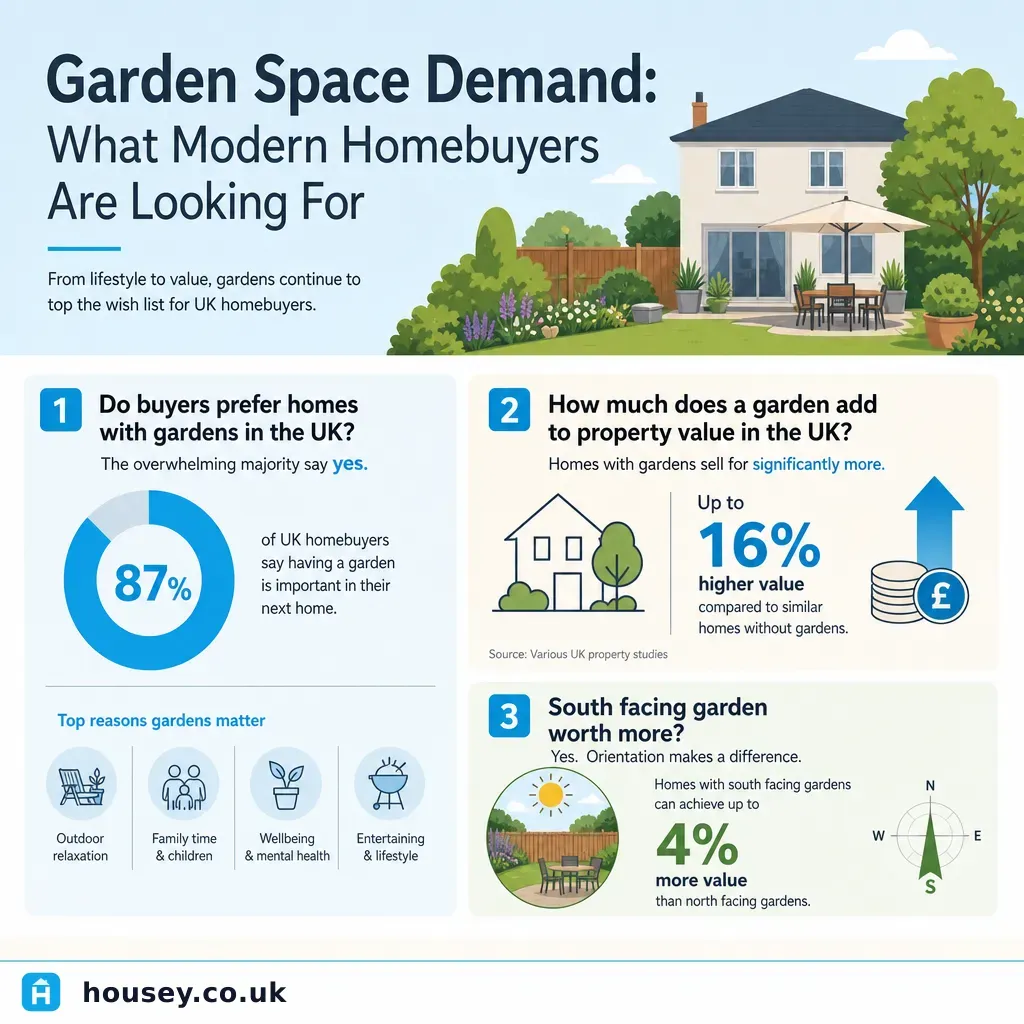
Garden Space Demand: What Modern Homebuyers Are Looking For
Gardens and private outdoor space rank among the most sought-after features for UK homebuyers, particularly since 2020.
 General property advice
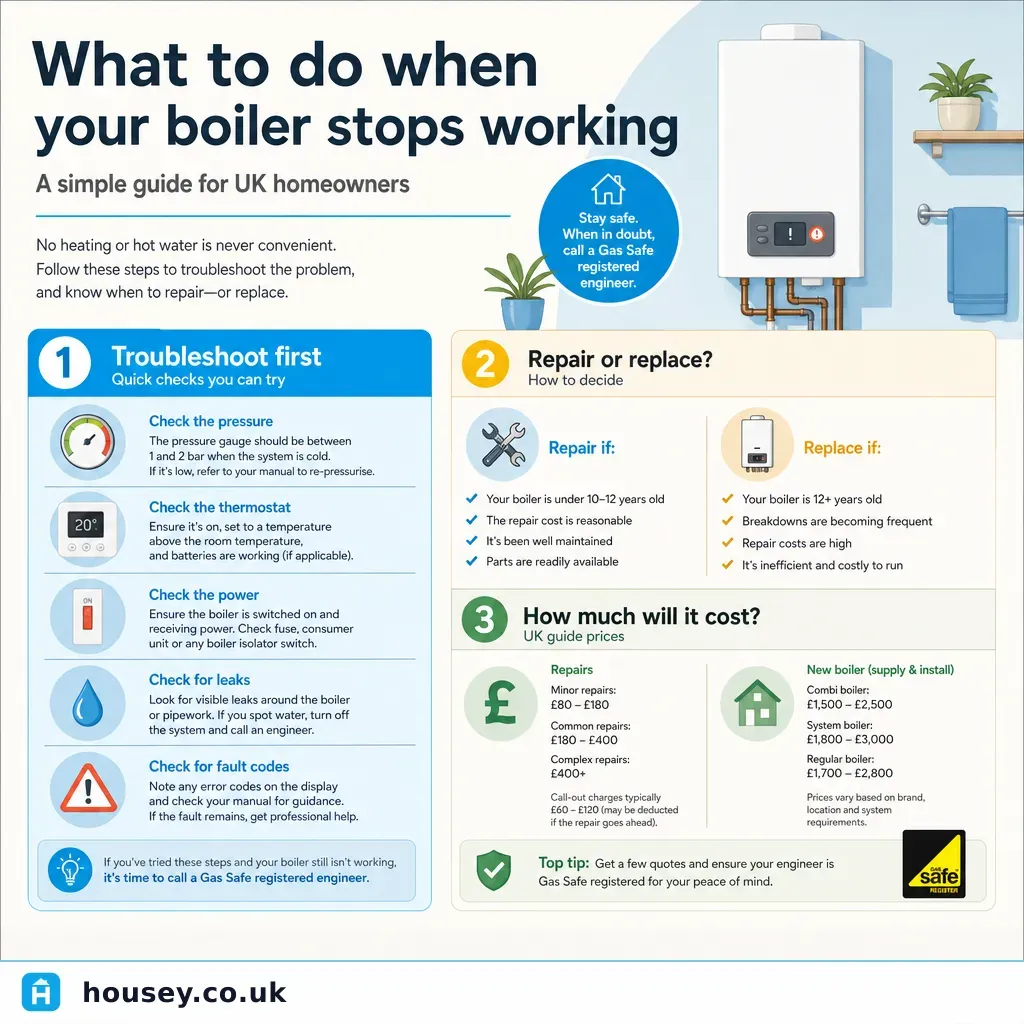
What to do when your boiler stops working
When your boiler stops working, check the pressure gauge (should read 1–1.
 General property advice
Property Market Trends: Activity Growth and Price Movements
UK property market activity is measured through completed sale registrations (HM Land Registry), lender mortgage data, and transaction volumes from HMRC.
 General property advice
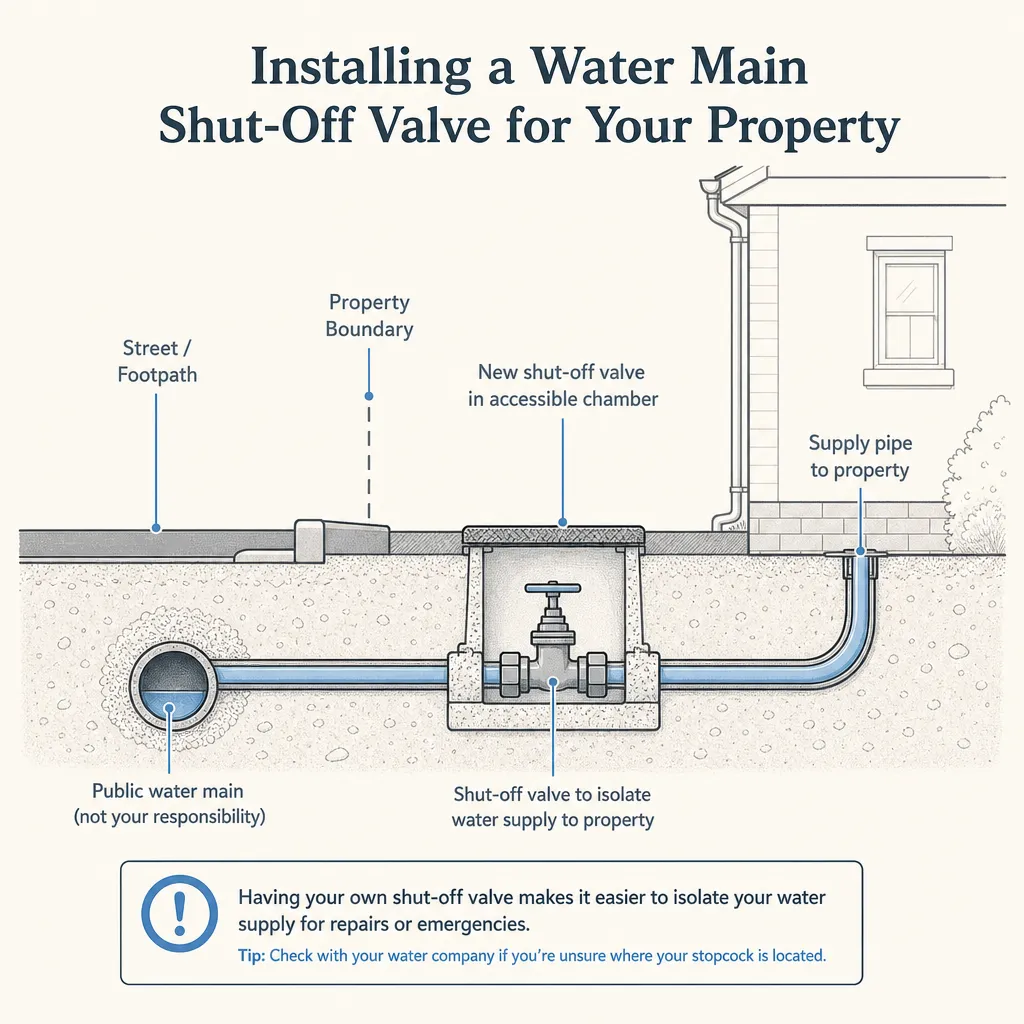
Installing a water main shut-off valve for your property
A water main shut-off valve — commonly called a stopcock — controls all water entering your home from the mains.
 General property advice
Monthly House Price Index: August Market Report and Analysis
The UK House Price Index is published monthly using completed Land Registry transaction data, meaning August figures typically reflect sales agreed months earlier.