Spring Gardening: What Not to Plant Early and Season-Appropriate Planting Guide
By Housey · Last reviewed 24th of May 2026
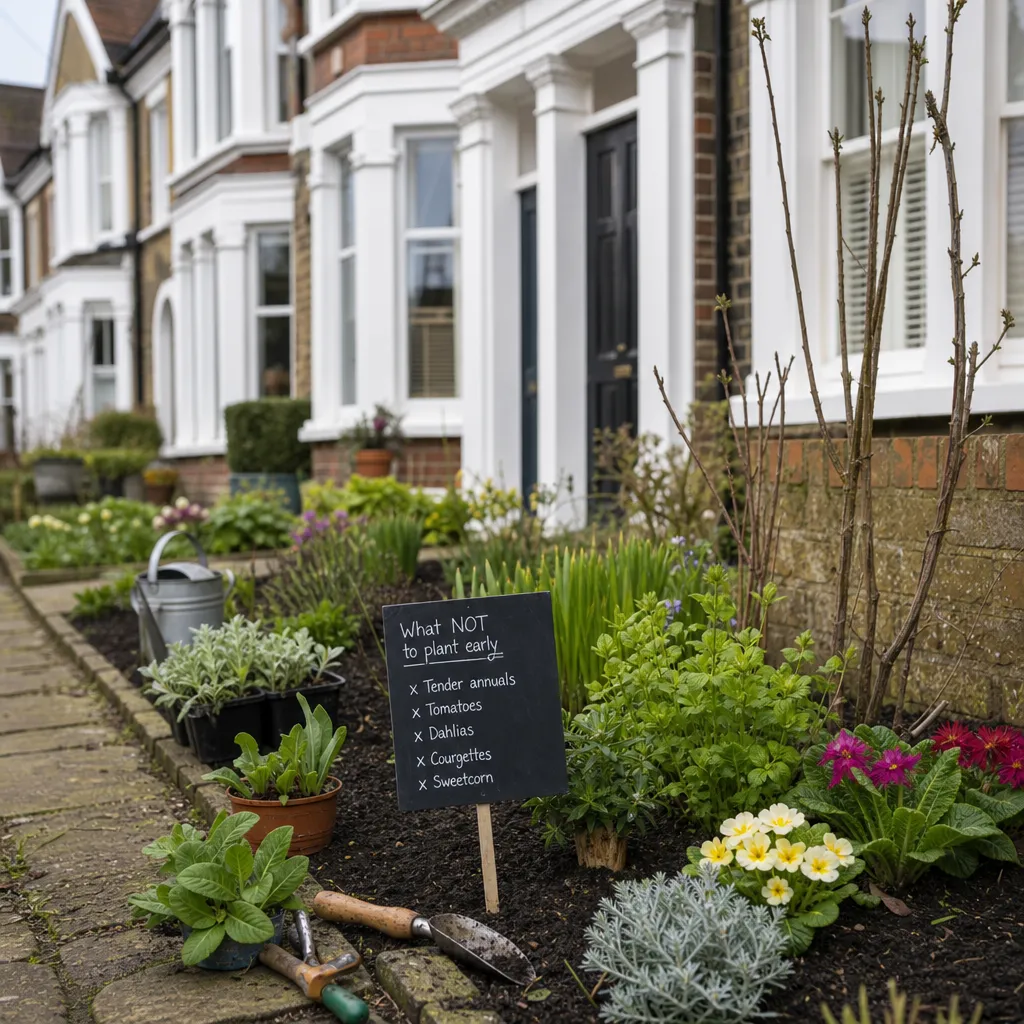
Spring Gardening: What Not to Plant Early and Season-Appropriate Planting Guide
Misjudging planting dates is one of the most common and frustrating mistakes in a UK garden. The urge to get growing in late February or early March often collides with the reality of overnight frosts, cold soil, and unpredictable spring weather — and tender seedlings rarely survive the encounter. Understanding which plants can safely go outside early, which must wait, and how the UK's considerable regional climate variation affects the calendar is the foundation of a productive growing season.
Key points
- The UK's last frost date ranges from late March in the South West and coastal areas to mid-May in parts of Scotland, the North Pennines, and elevated inland sites.
- Half-hardy vegetables including courgettes, French beans, runner beans, sweet corn, and outdoor tomatoes must not go outside until all risk of frost has passed — typically late May to early June in most of England.
- Hardy crops such as broad beans, garlic, onion sets, and overwintering pea varieties can tolerate light frost and may be sown or planted outside from late February in milder areas.
- The Royal Horticultural Society (RHS) recommends hardening off seedlings — moving them outside during the day and back under cover at night — for 7 to 14 days before permanent outdoor planting.
- Soil temperature is a more reliable planting guide than air temperature: most vegetable seeds germinate poorly below 7°C, and a basic soil thermometer costs under £10.
What not to plant outside early in the UK
These plants are frequently planted too early, with disappointing results:
Plant | Earliest safe outdoor planting (most of England) | Risk of planting too early |
|---|---|---|
Courgettes and marrows | Late May | Frost-killed overnight; cold soil stunts growth |
French beans | Late May to early June | Blackened by even light frost |
Runner beans | Late May to early June | Chilling injury; failure to germinate in cold soil |
Sweet corn | Late May | Frost-sensitive; cold soil prevents germination |
Outdoor tomatoes | Late May to early June | Frost damage; chilling reduces fruit set |
Basil | June (unheated greenhouse possible from May) | Extremely cold-sensitive; blackens quickly |
Dahlia tubers | After last frost (May in most areas) | Frost rots tubers left in cold, wet ground |
Half-hardy annuals (Cosmos, Nicotiana, Zinnia) | Late May | Frost-killed; cold check stunts early growth |
What you can plant early in spring
Hardy and semi-hardy crops that tolerate cool or lightly frosty conditions can go out from late winter:
- Broad beans: Direct sow outdoors from February in southern England; autumn-sown plants may already be well established by now.
- Onion sets and garlic: Plant from mid-February in well-drained soil; waterlogged conditions cause rot regardless of temperature.
- Peas (hardy varieties): Direct sow from February in warmer areas; use cloches or fleece in colder or wetter regions.
- Spinach, kale, and chard: Hardy enough for early spring planting; choose bolt-resistant varieties for the best results.
- Lettuce (hardy varieties): Sow under fleece or in a cold frame from February; transplant out once frosts ease.
- Potatoes: Start chitting (sprouting) seed potatoes in late January or February in a cool, light room; plant first earlies outdoors from mid-March under fleece once soil is workable.
- Bare-root fruit trees and shrubs: These should be planted from November to March while dormant — delay beyond mid-March and establishment suffers.
A practical spring planting checklist
Work through this before committing plants and seeds to the ground:
Understanding UK frost variation by region
The UK spans several distinct climate zones. Useful rules of thumb when planning your season:
- South West coast and Channel Islands: Last frost often late March to mid-April; longer growing season with milder winters.
- Southern and central England: Last frost typically mid-April to early May in most years.
- Northern England, Midlands, and East Anglia: Plan for last frost mid-April to mid-May; exposed sites and frost pockets can extend this.
- Scotland, Northern Ireland, and upland areas: Last frost can extend to late May; polytunnels or cloches are advisable for tender crops.
Check the Met Office's regional climate summaries for historical frost data, and ask neighbouring gardeners — local knowledge about frost pockets and microclimates in your specific garden is invaluable and freely shared.
Sowing under cover: getting the timing right
Starting seeds indoors or under glass extends the season but rewards careful timing:
- Tomatoes: Sow 6 to 8 weeks before your expected last frost date — mid-March for a late May transplant in southern England.
- Courgettes: Sow 3 to 4 weeks before last frost only; too early and plants become root-bound and leggy before conditions are suitable outside.
- Sweet peppers and aubergines: Sow January to February under heat (18°C or above) — these need a long season to crop well outdoors in the UK.
- Celery and celeriac: Sow February to March with bottom heat; slow-growing and best started early under cover.
- Basil: Sow no earlier than April under cover in a warm spot; transplant outside only in June when night temperatures are reliably warm.
When to get professional help
Most gardening decisions are low-risk, but professional input adds real value in specific situations:
- If you are planning a substantial new garden layout, productive kitchen garden, or ornamental planting scheme — a garden designer can optimise for your soil type, aspect, microclimate, and how you want to use the space.
- If your soil has persistent drainage problems or severe compaction that limits what you can grow and when you can plant.
- If you want a kitchen garden designed from scratch with seasonal succession planting built in from the start.
How Housey can help
If you are considering a garden redesign or want expert advice on getting more from your outdoor space, Housey can connect you with experienced garden designers who understand UK growing conditions and can plan a layout suited to your plot, soil type, and gardening ambitions.
Frequently asked questions
When is it safe to plant tomatoes outside in the UK?
In most of England, tomatoes can go outside after the last frost — usually late May to early June. In Scotland and northern areas, consider an unheated greenhouse or polytunnel, as outdoor crops may not reliably ripen. Always harden off plants for 7 to 14 days before transplanting to avoid shock from cold, wind, and UV exposure.
Can I plant courgettes outside in April?
Not in most of the UK — April nights can still drop below freezing in many areas. Courgettes can be sown indoors in April, three to four weeks before your last frost date, ready for outdoor planting in late May. Planting outside in April risks frost damage and chilling injury even when daytime temperatures feel mild.
What is hardening off and why does it matter?
Hardening off is the process of gradually acclimatising seedlings raised under cover to outdoor conditions. Plants used to stable warmth and low air movement can suffer leaf scorch or wilting if moved outside suddenly. Move plants out for a few hours each day over 7 to 14 days, increasing exposure gradually before leaving them out permanently.
Do I need to test soil temperature before planting?
It is not essential but a soil thermometer costs under £10 and removes guesswork. Most vegetable seeds will not germinate reliably below 5 to 7°C, and cold soil can cause seed rot. In early spring, air temperatures can feel mild while soil stays cold — particularly in shaded, north-facing, or heavy clay beds.
Sources and further reading
- RHS vegetable planting calendar — Royal Horticultural Society
- UK regional climate averages — Met Office
- Vegetable growing guides — Royal Horticultural Society
- Kitchen garden planning advice — Garden Organic
Useful next reads
 Improvement & Build
Engaging a Landscape Designer: Key Reasons and Benefits
A landscape designer assesses your site's drainage, aspect, levels, and intended use before producing drawings and specifications for a landscaper to build from.
 Improvement & Build
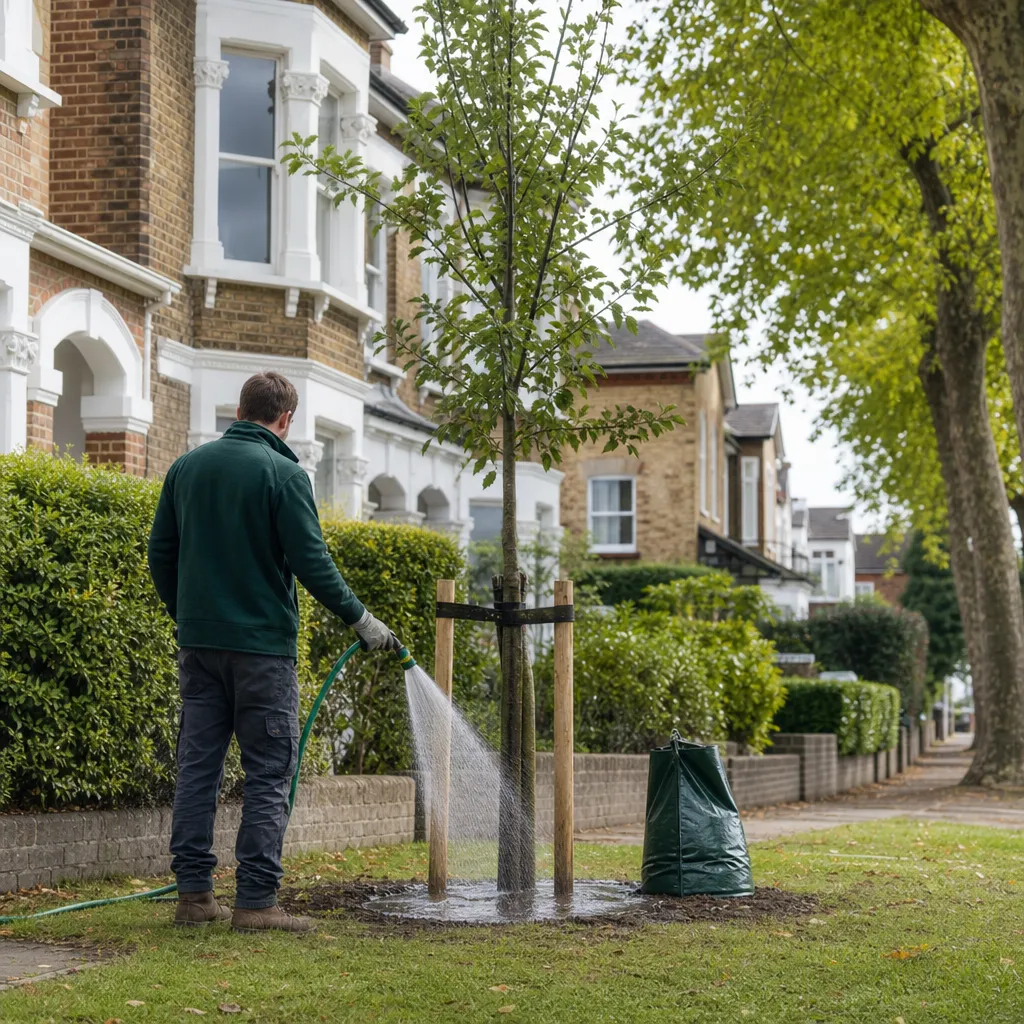
Watering Large Trees: Techniques and Frequency for Establishment
Newly planted large trees typically need 50–90 litres of water per week during the growing season for the first two to three years.
 Improvement & Build
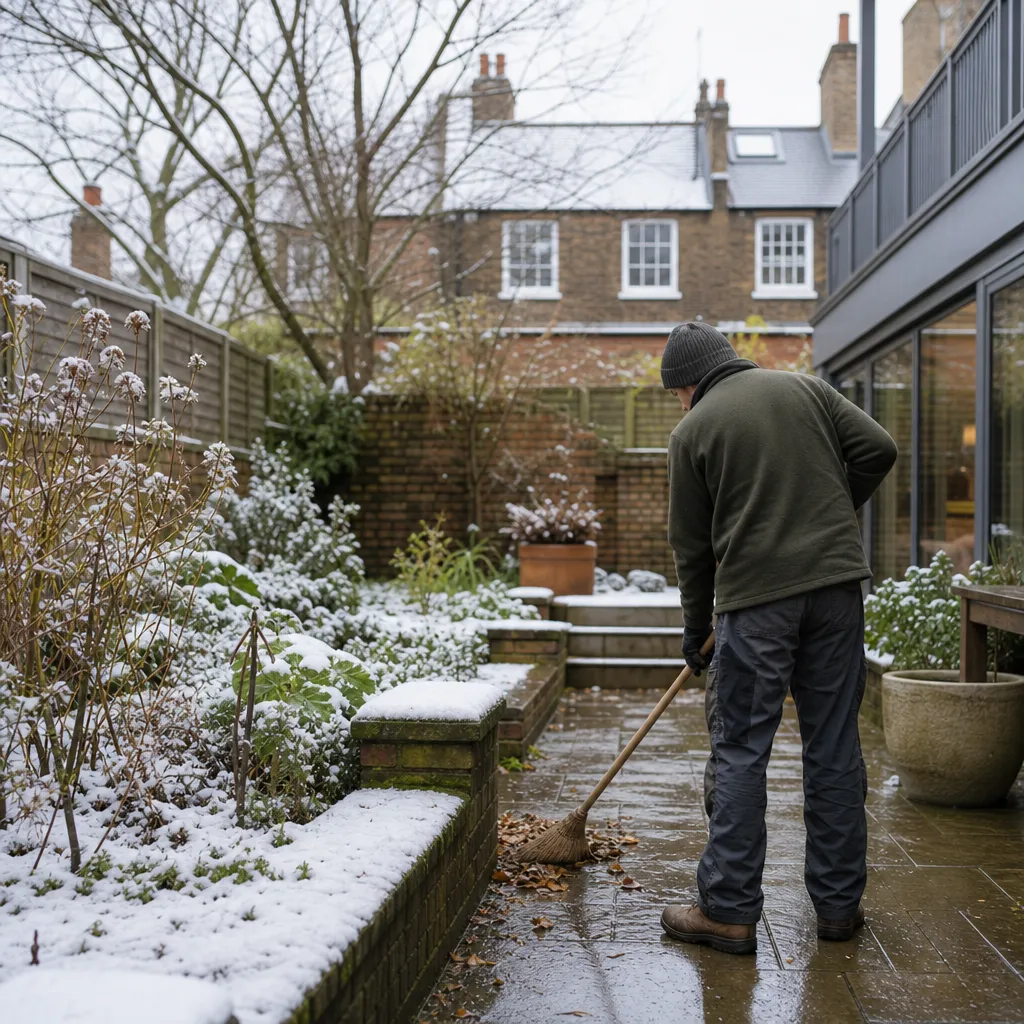
Managing Garden Tasks Through Winter Weather: Practical Strategies
Most UK winter garden tasks can be carried out during mild, dry spells — pruning dormant shrubs, clearing debris, and improving soil structure are all suitable when the ground is not frozen or waterlogged.
 Improvement & Build
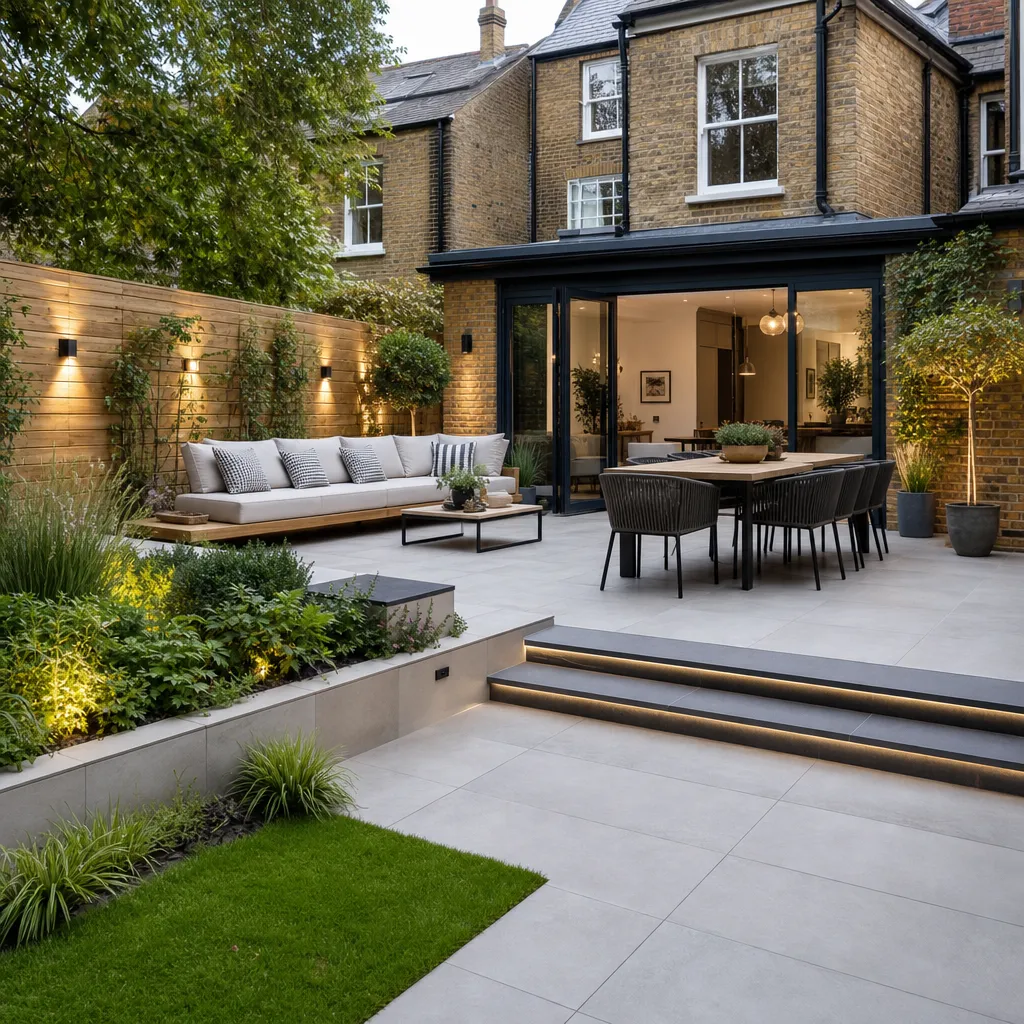
Creating Functional and Attractive Outdoor Entertainment Areas
A well-planned outdoor entertainment area combines a level surface — patio, decking, or gravel — shelter or shade, appropriate lighting, and power access if needed.
 Improvement & Build
Raised Garden Beds: Design Benefits and Implementation
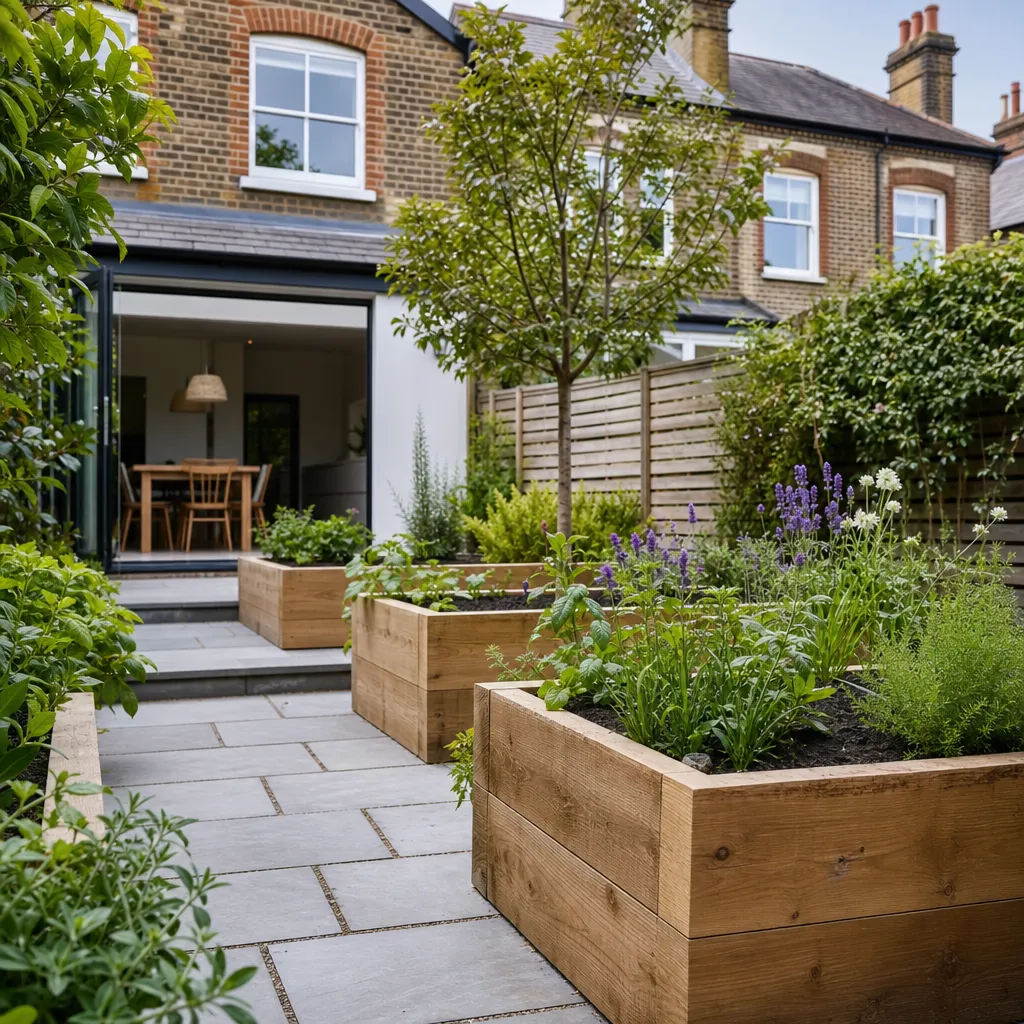
Raised garden beds suit most UK gardens, particularly those with heavy clay, poor drainage, or limited growing space.