Staircase Renovation and Refurbishment Costs
By Housey · Last reviewed 10th of May 2026
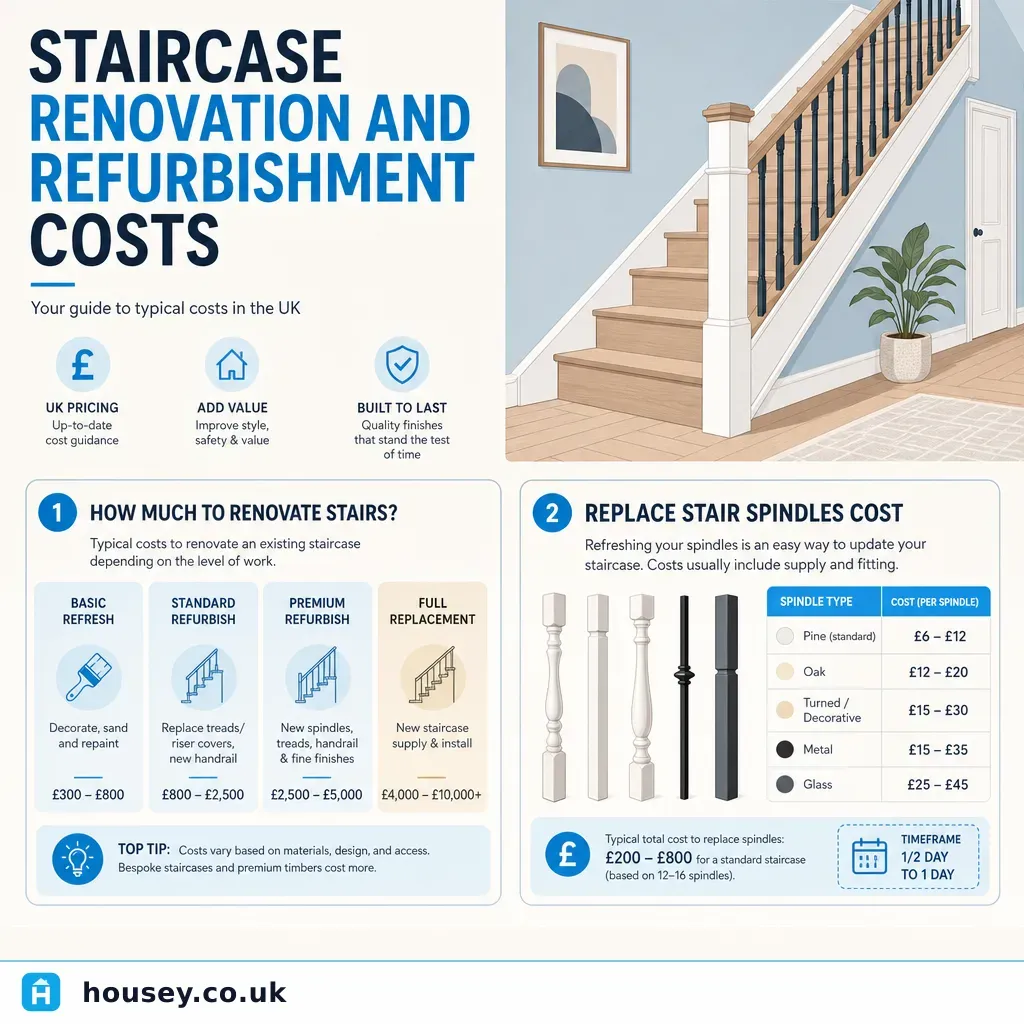
Staircase Renovation and Refurbishment Costs
A tired or dated staircase can undermine an otherwise well-finished interior — and because it is often the first thing visible when entering a home, updating it makes an outsized impression. Whether you are dealing with creaking treads, worn carpet revealing rough boards beneath, or outdated painted spindles, the scope of work and cost varies considerably. Understanding the distinction between cosmetic refurbishment and structural renovation helps you plan, budget, and choose the right professional.
Key points
- Building Regulations Approved Document K applies to any structural alterations to a staircase — changing the rise, going, pitch, or balustrade height requires building control sign-off.
- Cosmetic work (painting, staining treads, replacing spindles like-for-like, fitting a carpet runner) generally falls outside Building Regulations, but replacing structural elements such as treads, strings, or newel posts is a different matter.
- Creaking stairs are usually caused by loose joints between treads and risers — many can be fixed from underneath using adhesive and blocking, without major disruption, if the underside is accessible.
- Matching the existing timber species (oak, pine, ash) for new treads or newel posts matters both aesthetically and functionally when staining or oiling rather than painting over the surface.
- Open-plan living trends have driven demand for open-riser staircase conversions — removing risers adds light and a contemporary feel, but requires structural assessment and building control approval.
Cosmetic versus structural: what is the difference?
Most staircase renovation projects fall into one of two categories.
Cosmetic refurbishment changes the appearance without altering the load-bearing structure:
- Painting or staining existing treads and risers.
- Replacing spindles (balusters) with new timber or metal alternatives, using the same fixing points.
- Fitting a carpet runner over existing boards.
- Replacing or restoring the handrail.
- Filling, sanding, and re-finishing worn tread surfaces.
Structural renovation changes or replaces load-bearing elements:
- Replacing all treads and risers (the full flight).
- Removing risers to create open-riser stairs.
- Replacing the string (the structural side element).
- Changing the staircase pitch, width, or layout.
- Cutting or enlarging a stair opening.
Structural work requires building control approval and a qualified joiner or staircase specialist.
Indicative costs for staircase renovation
Indicative UK costs, last reviewed 2026-05-10. Prices vary by staircase size, materials, condition, location, and contractor. Obtain at least three itemised quotes.
Renovation type | Typical scope | Indicative cost range |
|---|---|---|
Painting or staining existing stairs | Sand, prime, paint or stain treads and risers | £400–£1,200 |
Spindle replacement — like-for-like | Replace timber balusters with matching alternatives | £600–£1,800 |
Spindle upgrade — metal or glass | Replace timber spindles with metal rods or glass panels | £1,500–£4,000 |
Handrail replacement | Remove and fit new timber or metal handrail | £400–£1,000 |
Carpet runner supply and fit | Runner on existing boards | £300–£900 |
Full tread and riser replacement | Replace all treads and risers, keeping structure | £3,000–£7,000 |
Open-riser conversion | Remove risers, reinforce structure, new treads and balustrade | £4,000–£10,000 |
Full staircase remodel | New structure and materials within existing opening | £8,000–£20,000+ |
What drives the cost?
Staircase size. A standard straight-run staircase of 12–14 treads is the reference point. Wider, L-shaped, or U-shaped staircases involve more material and labour.
Timber species. Solid oak costs considerably more than softwood pine. If staining rather than painting, matching the existing timber species is important — different species absorb stain differently, resulting in visible colour variation.
Condition of the existing structure. Rotten, warped, or severely loose structural elements add unexpected labour and materials. A visual inspection of the staircase before quoting is advisable on older properties.
Balustrade type. Timber spindles are the most cost-effective option. Metal rods or bars are mid-range. Frameless glass panels are the most expensive and require specialist installation.
Finish quality. A high-specification painted finish — primer, undercoat, multiple topcoats, hand-cut around each tread nosing — takes considerably longer than a basic paint job. Some decorators charge day rates for staircase painting.
Disruption and access. A staircase is usually the only means of access between floors. Work needs to be sequenced so the property remains accessible; this may extend the programme.
What scope suits your project?
- Choose cosmetic refurbishment if the structure is sound, you want an updated look without major spend, and no load-bearing elements need replacing.
- Choose spindle or balustrade upgrade if the existing balusters are damaged, missing, or dated — and the string and handrail are in good condition.
- Choose tread and riser replacement if the boards are too damaged or rough to finish well, particularly where carpet has been removed to reveal uneven or stained timber beneath.
- Choose open-riser conversion if you want a more contemporary look in an open-plan space, and a joiner can confirm the structure can support the change — building control sign-off is required.
- Choose a full remodel if the staircase layout is genuinely impractical, the rise or going is awkward, or you are undertaking a major whole-home renovation.
- Ask a structural engineer or chartered surveyor before any project that involves changing structural elements, enlarging the stair opening, or if you are unsure of the existing staircase's structural condition.
Homeowner checklist before getting quotes
When to get professional help
Cosmetic staircase work — painting, runner fitting, and like-for-like spindle replacement — can be carried out by a competent decorator or joiner. Structural changes always require a qualified tradesperson:
- Tread or riser replacement, and work on the string or newel posts, should be carried out by an experienced joiner or staircase specialist.
- Any structural alteration requires building control sign-off under Approved Document K.
- Suspected rot in the strings, newels, or floor structure at the base of the stairs warrants investigation by a builder or surveyor before repair begins.
- If the property is listed, speak to your local planning authority before altering any original staircase features.
How Housey can help
Housey connects homeowners with vetted local joiners, carpenters, and renovation specialists for staircase refurbishment projects. Whether you need a decorator to repaint existing stairs or a specialist joiner to design and fit a new balustrade system, describe your project on Housey and compare quotes from qualified contractors in your area.
Frequently asked questions
Do I need building regulations approval to renovate my staircase?
It depends on the scope. Cosmetic changes — painting, staining, replacing spindles like-for-like, fitting a runner — are unlikely to require building control. However, replacing structural elements (treads, strings, newels), changing the rise or going, or removing risers are structural alterations that require Approved Document K compliance and building control sign-off. If in doubt, check with your local authority building control (LABC) or an approved inspector before starting.
How long does a staircase renovation take?
Cosmetic refurbishment — painting, spindle replacement, and runner fitting — typically takes 2–5 days depending on staircase size and drying time between coats. A full tread and riser replacement or structural remodel can take 1–3 weeks, including time for materials to acclimatise and finishes to cure. Access disruption is a key planning consideration throughout.
Can I paint over stained or dirty staircase boards?
Yes, with preparation. Boards should be cleaned, sanded to remove wax, varnish, or stain that would prevent adhesion, and primed before topcoats are applied. If boards are rough, knotty, or heavily stained, paint is more forgiving than a clear stain or oil. A specialist decorator will assess the surface condition before recommending a finishing system.
Is it worth renovating the existing staircase rather than replacing it?
If the structure is sound, renovation is almost always more cost-effective than full replacement. A complete staircase replacement causes significant disruption and costs considerably more. Replacement becomes the right choice when the structure is rotten or unsafe, the layout is genuinely impractical, or you want a bespoke design — such as an open-riser feature staircase — that the existing structure cannot support.
Sources and further reading
- Approved Document K: Protection from Falling, Collision and Impact — GOV.UK
- Local Authority Building Control (LABC) — LABC
- Listed Buildings guidance — Planning Portal
Useful next reads
 Improvement & Build
Custom Fitted Bedrooms: Quality Carpentry and Design Solutions
Custom fitted bedrooms are built to your exact room dimensions — by a specialist fitted-furniture company or an independent carpenter — to maximise storage in awkward spaces.
 Improvement & Build
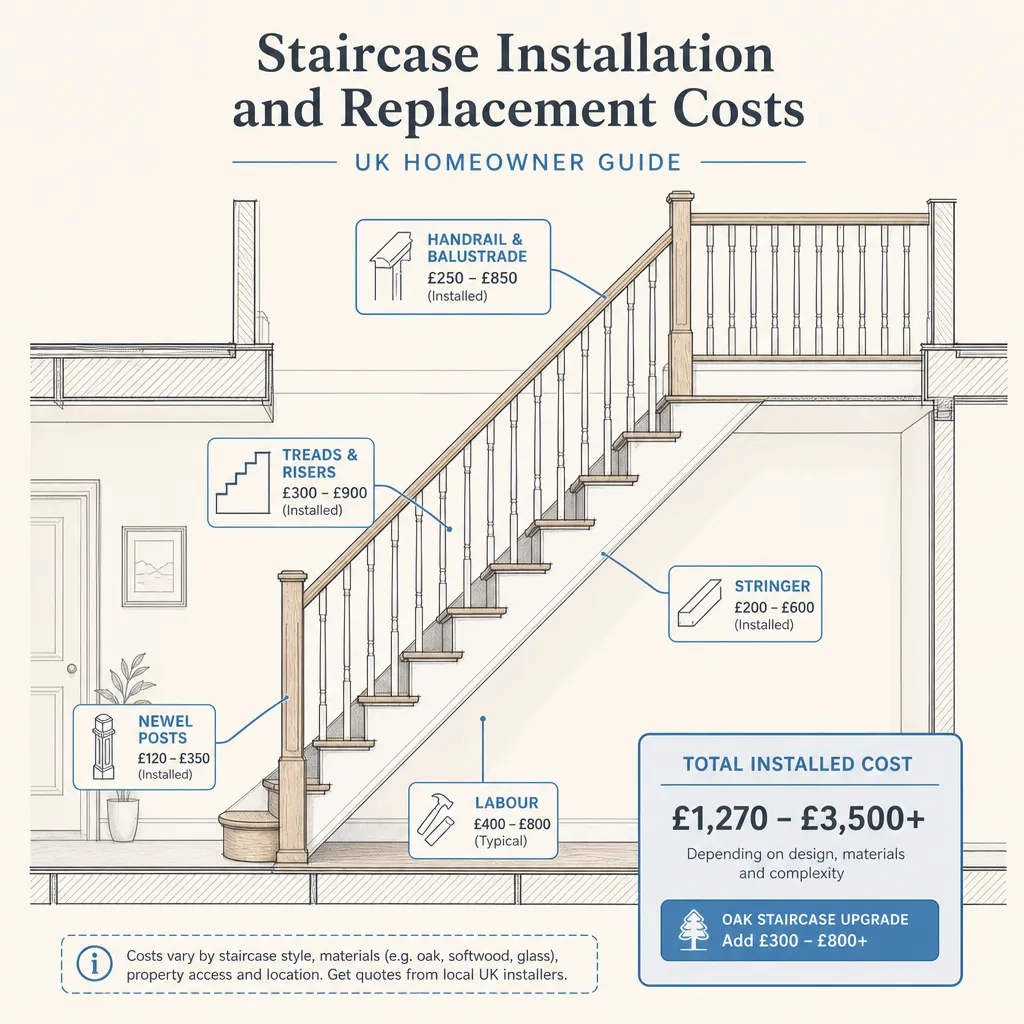
Staircase Installation and Replacement Costs
A straight-flight staircase replacement in the UK typically costs £1,500–£4,500 supply and fit.
 Improvement & Build
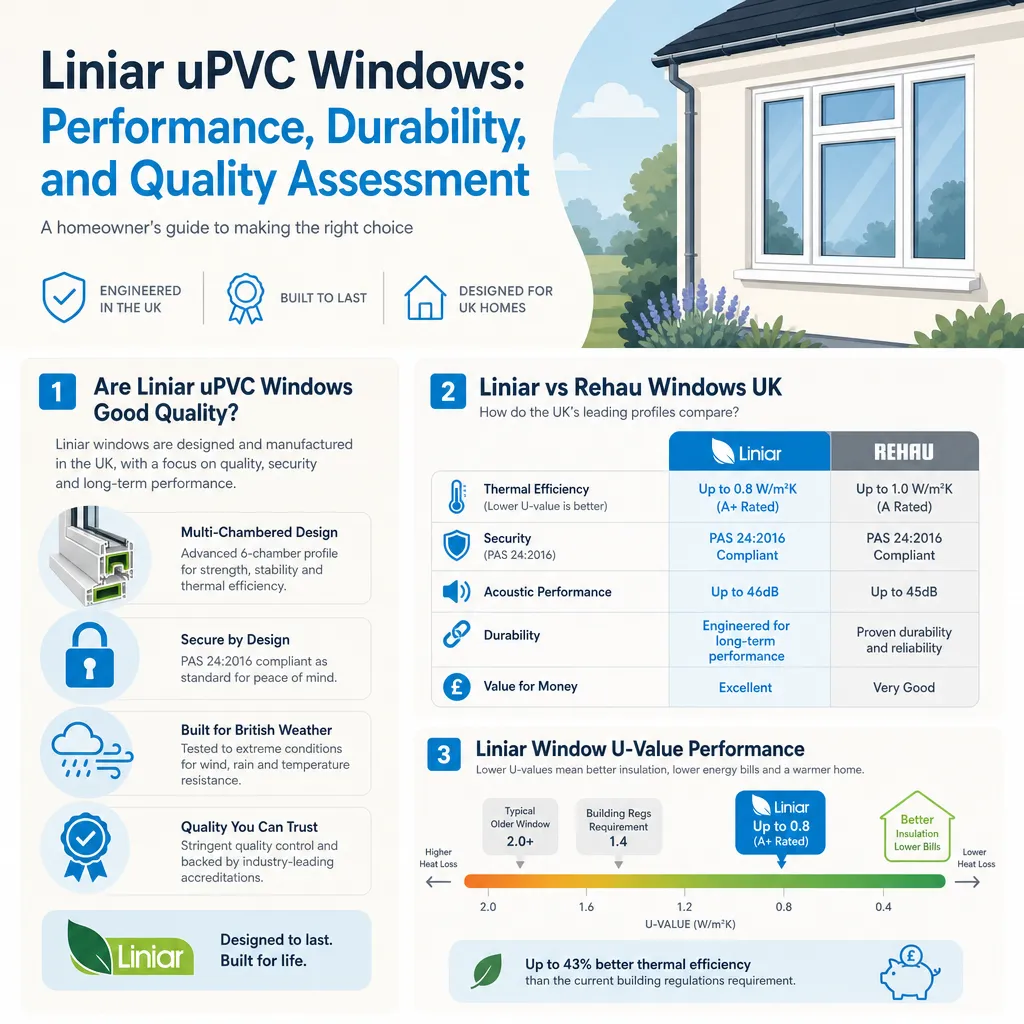
Liniar uPVC Windows: Performance, Durability, and Quality Assessment
Liniar uPVC window profiles are manufactured in the UK using multi-chambered, foamed frames.
 Improvement & Build
Garden Tap Installation with Hot and Cold Water: Plumbing Options
Adding a cold garden tap is a common DIY project, but routing hot water outdoors requires a plumber to connect to your domestic hot water system and comply with the Water Supply (Water Fittings) Regulations 1999.
 Improvement & Build
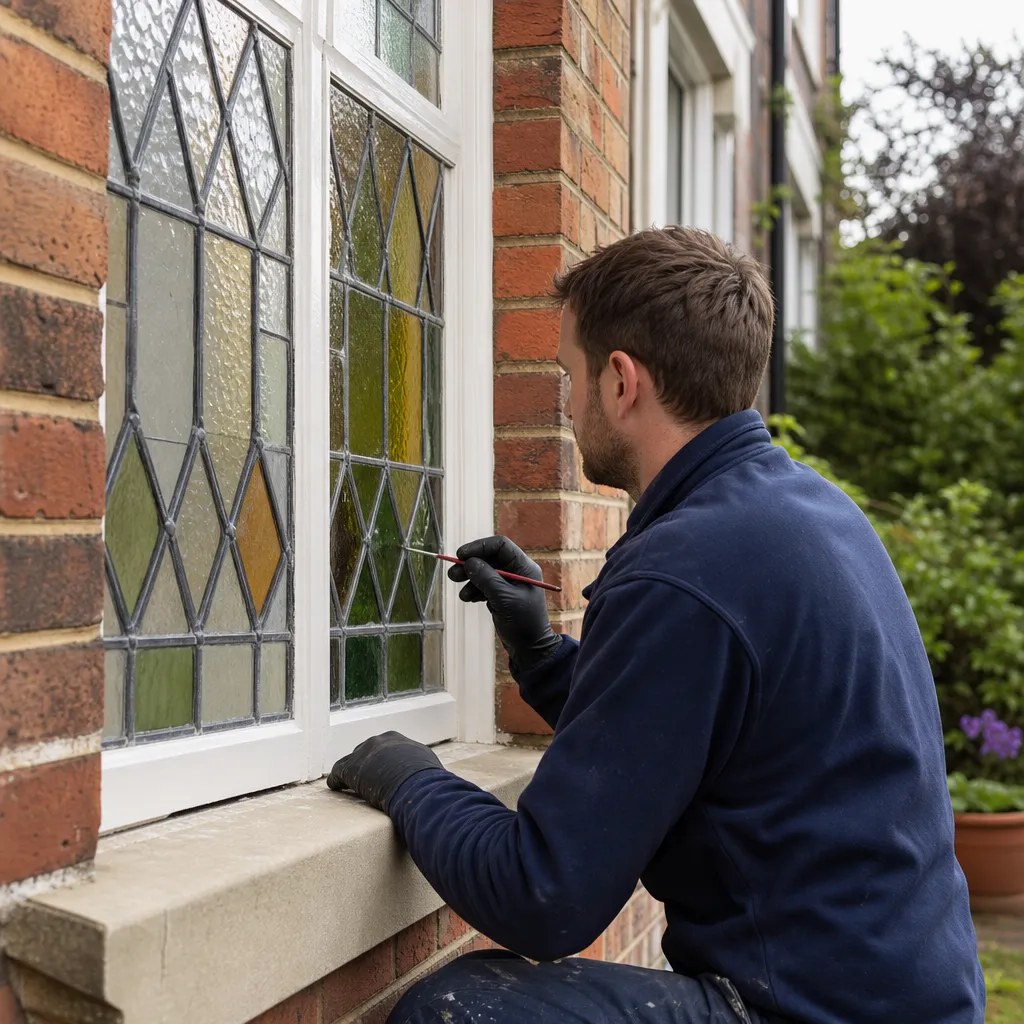
Sealing and Maintaining Historic Leaded Glass Windows: Preservation and Performance
Leaded glass windows are maintained using traditional linseed oil cement — not silicone or modern sealants, which prevent natural movement in the lead came.