Storm Door Installation: Costs, Options and Weather Protection
By Housey · Last reviewed 24th of May 2026
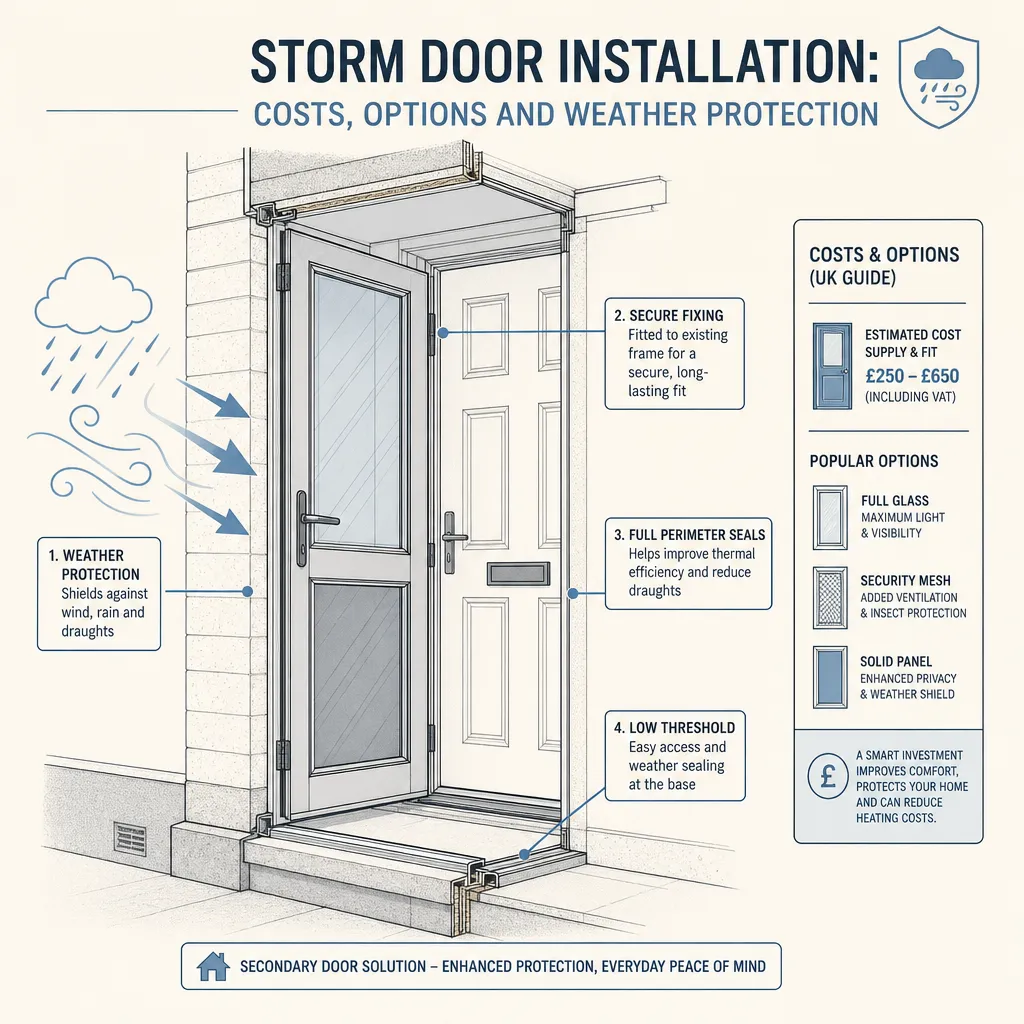
Storm Door Installation: Costs, Options and Weather Protection
A storm door — sometimes called a secondary exterior door or draught lobby door in the UK — sits directly in front of the main front door, creating a sealed air buffer that reduces heat loss, shields the main door from driving rain, and provides an additional layer of security. The decision to install one often arises after an EPC assessment flags the entrance as a source of heat loss, after recurring weather damage to a timber front door, or when a homeowner wants to improve thermal comfort without the expense of a full porch extension. The options, costs, and regulatory position vary enough that it is worth understanding the full picture before commissioning any work.
Key points
- Storm doors create an air buffer between the main door and the exterior, reducing convective heat loss — particularly relevant for Victorian and Edwardian properties with exposed front elevations
- Indicative UK supply-and-fit costs range from approximately £400 for a basic aluminium unit to £1,500 or more for a multi-panel timber or composite option; costs vary significantly by region and specification, so obtain at least three quotes
- Glazed storm doors must use safety glazing — toughened or laminated glass — in critical zones to comply with Building Regulations Approved Document N
- Permitted development rights normally cover storm door installation at the front of a dwelling, but listed buildings, properties in conservation areas, and flats often require consent
- FENSA or CERTASS-registered installers can self-certify glazing compliance, avoiding a separate Building Control application — always confirm registration before instructing a contractor
What is a storm door and is it right for your property?
A storm door is a secondary outer door fitted within or immediately forward of the existing door frame. It typically features a glazed panel to preserve light in the entrance, a weatherseal on all four edges, and a self-closing mechanism. It differs from a full porch extension, which requires its own foundations, walls, and roof.
Storm doors are most beneficial on:
- Victorian and Edwardian terraces with original timber doors on exposed street elevations — particularly where draught-proofing the main door alone is insufficient
- Coastal or exposed properties where driving rain and salt-laden wind regularly damage the main door's finish
- Properties with north or east-facing front elevations where the absence of solar gain keeps the entrance persistently cold
- Properties with a D–G EPC rating where the entrance door is identified as a contributor to heat loss
Storm doors are less beneficial where the main door is already a well-insulated composite unit with multi-point sealing, or where the property already has a sheltered porch structure providing equivalent weather protection.
Material options and comparison
Material | Durability | Thermal performance | Typical lifespan | Maintenance | Indicative unit cost |
|---|---|---|---|---|---|
Aluminium (powder-coated) | Excellent | Good (thermally broken frames better) | 30+ years | Very low — clean and lubricate annually | £300–£700 |
UPVC | Good | Good | 20–30 years | Low | £250–£600 |
Timber (hardwood) | Good with upkeep | Good (natural insulator) | 30+ years with maintenance | Moderate — repaint or re-stain every 5–7 years | £400–£900 |
Composite (GRP skin / timber core) | Very good | Good | 25–35 years | Low | £500–£1,000 |
Indicative unit costs, excluding installation. Last reviewed 2026-05-24. Add approximately £200–£500 for professional installation. Actual costs depend on door size, glazing specification, supplier, and regional labour rates.
Worked UK property scenario: 1900s Victorian terrace in Sheffield
Property: End-of-terrace, 1900s construction. North-facing front elevation. Original painted timber door with a single-glazed fanlight above. EPC rating: E. The homeowner wants to reduce heat loss at the entrance without removing or altering the original door.
Challenge: The existing door frame is out of square by 8mm across its height due to slight settlement over time. The front elevation faces north-east prevailing wind.
Solution: A powder-coated aluminium storm door with a full-height glazed panel and multi-point latch, installed onto a new timber sub-frame built to correct the bow in the opening. A pneumatic self-closing mechanism was specified to maintain the air buffer at all times.
Outcome: The FENSA-registered installer built a treated timber sub-frame before fitting the door. This added approximately £80–£150 to material costs but ensured a square, draught-free fit. The original timber door was retained behind. Total cost: approximately £800–£950 including sub-frame, door supply, closer, and installation labour.
This scenario is illustrative of a typical installation challenge. Costs and outcomes will vary by property, contractor, and specification.
Planning permission and building regulations
Permitted development
In England, fitting a storm door at the front of a dwelling usually falls within permitted development rights, meaning no planning application is required. Before starting work, confirm that:
- The property is a house, not a flat (permitted development rights for flats are more restricted)
- No Article 4 Direction removes permitted development rights in your area
- The installation does not materially alter the external appearance in a way restricted by local planning policy
The Planning Portal provides a householder guide to permitted development. Rules differ in Scotland, Wales, and Northern Ireland — check with the relevant planning authority.
Listed buildings and conservation areas
If your property is listed, any external alteration including a storm door requires Listed Building Consent. Conservation area properties may need consent if the installation is visible from a public highway. Contact your local planning authority's heritage or conservation team before commissioning any contractor.
Building Regulations Approved Document N
Any glass within a door leaf must comply with Approved Document N (glazing safety). Glass in a door leaf must be toughened or laminated safety glass. A FENSA- or CERTASS-registered installer can certify this compliance without a formal Building Control application; an unregistered contractor cannot self-certify.
What to ask before accepting a quote
- What material, frame profile, and glazing specification is included — and what is excluded?
- Is the installer FENSA or CERTASS registered, and will they provide a certificate after completion?
- If the existing frame is out of square, is a sub-frame needed, and is that cost included in the quoted price?
- What closer mechanism is specified — pneumatic or hydraulic — and is it user-adjustable?
- What weatherseal system is included — brush, compression rubber, or a combination?
- What warranty covers the door unit and the installation work separately?
- Is VAT included in the quoted price?
- How will the junction between the new storm door frame and the existing door surround be finished externally — will there be exposed fixings or visible gaps?
When to get professional help
Storm door installation is not typically a DIY project. Correct sub-framing, weatherseal fitting, and glazing compliance require skills and tools beyond routine joinery. Seek a qualified installer if:
- The existing frame is out of square by more than 5mm — a sub-frame must be correctly specified to avoid stress on the new door leaf
- The door contains glazing — FENSA registration is strongly advisable to ensure safety glazing compliance and self-certification
- The property is listed or in a conservation area — consult the local planning authority before instructing any contractor
- The masonry around the existing door shows active cracks or signs of movement — have this assessed independently before adding a new door structure
How Housey can help
Housey connects you with vetted window and door installers across the UK who can advise on the right storm door specification for your property, handle glazing compliance paperwork, and provide competitive quotes — making it straightforward to compare options side by side before committing to a contractor.
Frequently asked questions
Do I need planning permission to fit a storm door at the front of my house?
In most cases, no. Fitting a storm door to the front of a dwelling in England is usually covered by permitted development rights. However, listed buildings, flats, and properties in conservation areas may require Listed Building Consent or planning permission. Always check with your local planning authority before commissioning work if you are in any doubt.
Will a storm door improve my EPC rating?
A storm door alone does not automatically change your EPC rating. EPC assessors assess the main door's U-value rather than secondary elements. Combined with other improvements it can contribute to reduced heat loss at the entrance. Discuss the potential impact with a qualified EPC assessor before assuming a storm door will change your current band.
What glazing is required in a storm door by law?
Any glass in a door leaf must be safety glazing — toughened or laminated — under Building Regulations Approved Document N. This applies across England and Wales. A FENSA-registered installer can self-certify compliance. If you use an unregistered contractor, you will need a Building Control application before installation begins.
How much maintenance does a storm door need?
Aluminium and UPVC storm doors need very little maintenance — occasional cleaning and annual lubrication of the closer mechanism and hinges. Timber storm doors require repainting or re-staining every five to seven years depending on weather exposure. Check the weatherseal annually and replace it if it has compressed, split, or pulled away from the frame.
Sources and further reading
- Planning Portal — permitted development for householders — Planning Portal (GOV.UK)
- Approved Document N — Glazing safety in relation to impact, opening and cleaning — GOV.UK
- FENSA — registered window and door installers — FENSA
- Draught-proofing — Energy Saving Trust
- Guidance on Listed Building Consent — Historic England
Useful next reads
 Improvement & Build
Sealing and Maintaining Historic Leaded Glass Windows: Preservation and Performance
Leaded glass windows are maintained using traditional linseed oil cement — not silicone or modern sealants, which prevent natural movement in the lead came.
 Improvement & Build
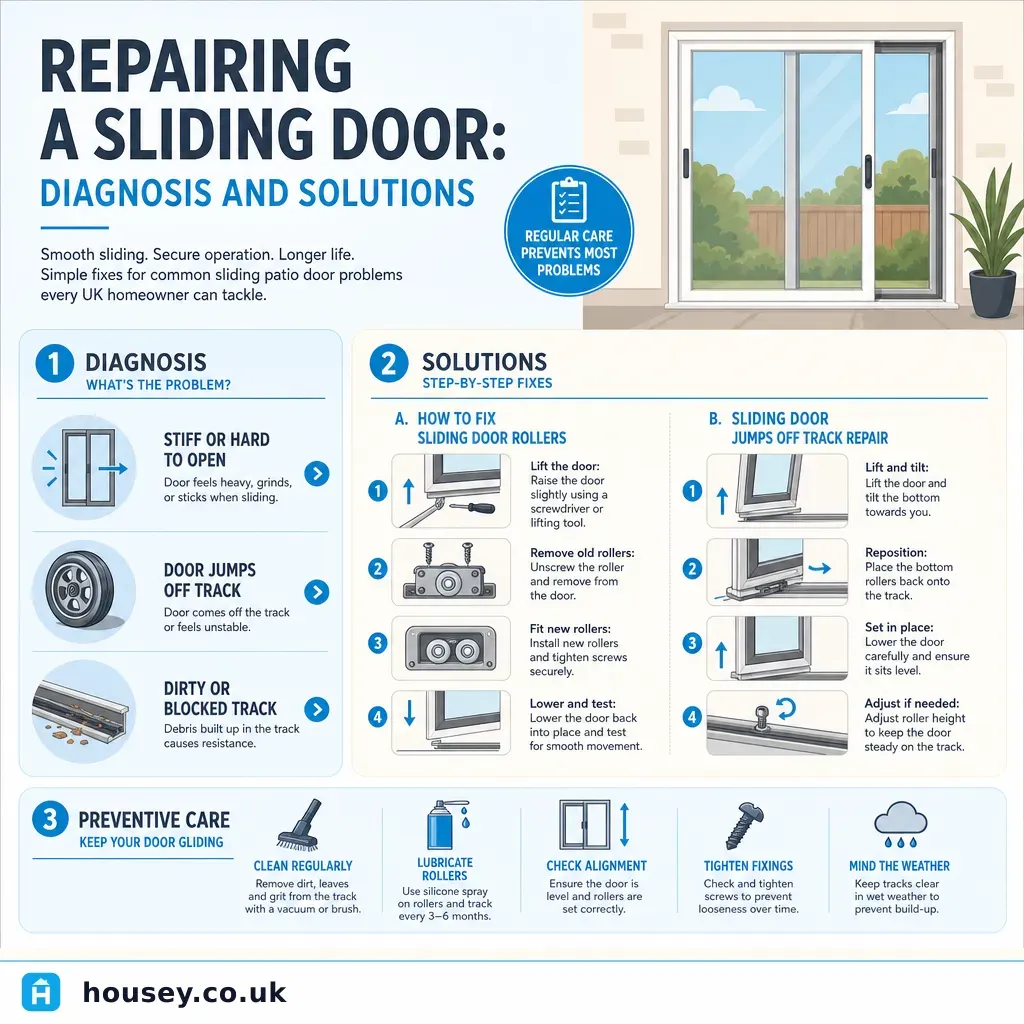
Repairing a Sliding Door: Diagnosis and Solutions
Most sliding door problems — stiffness, jumping off track, or draughts — are caused by dirty tracks, worn rollers, or misaligned guides.
 Improvement & Build
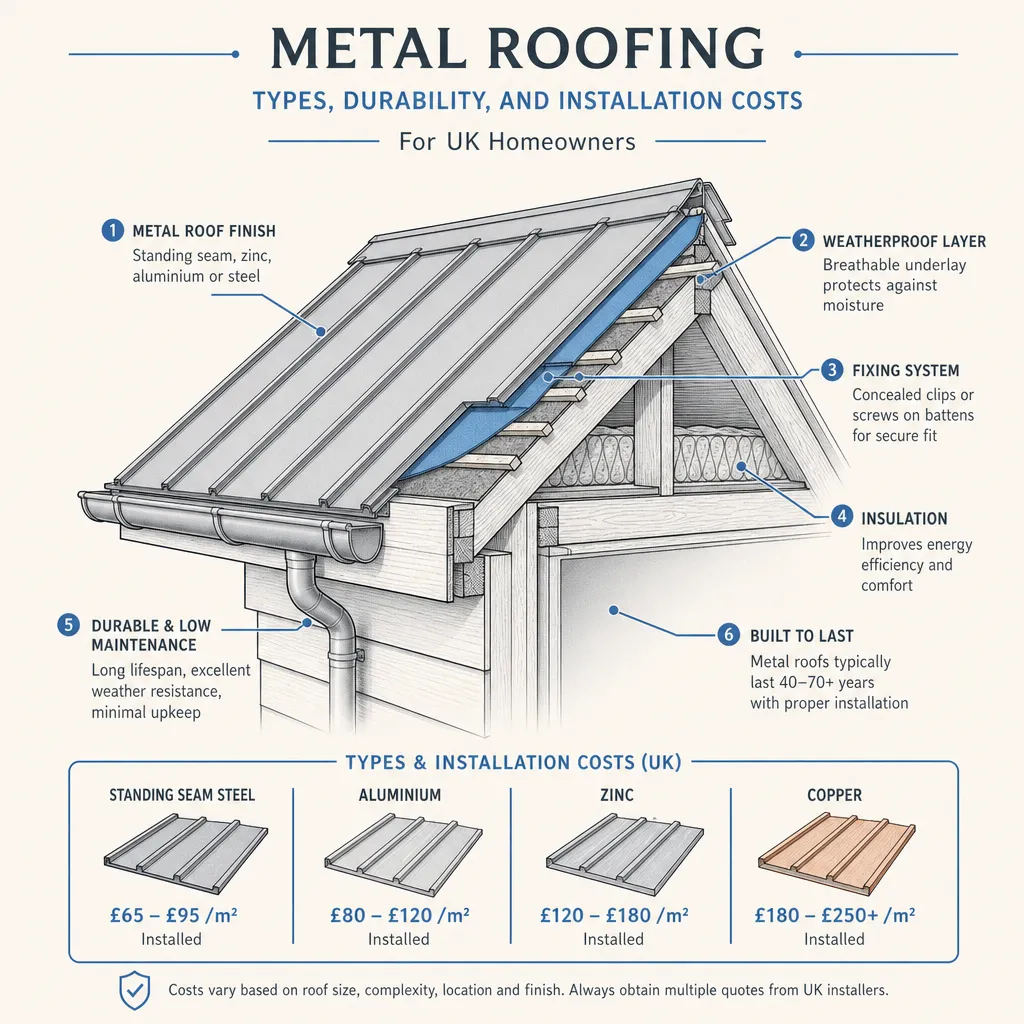
Metal Roofing: Types, Durability, and Installation Costs
Metal roofing in the UK includes standing seam, corrugated sheet, and metal tile systems in steel, aluminium, zinc, or copper.
 Improvement & Build
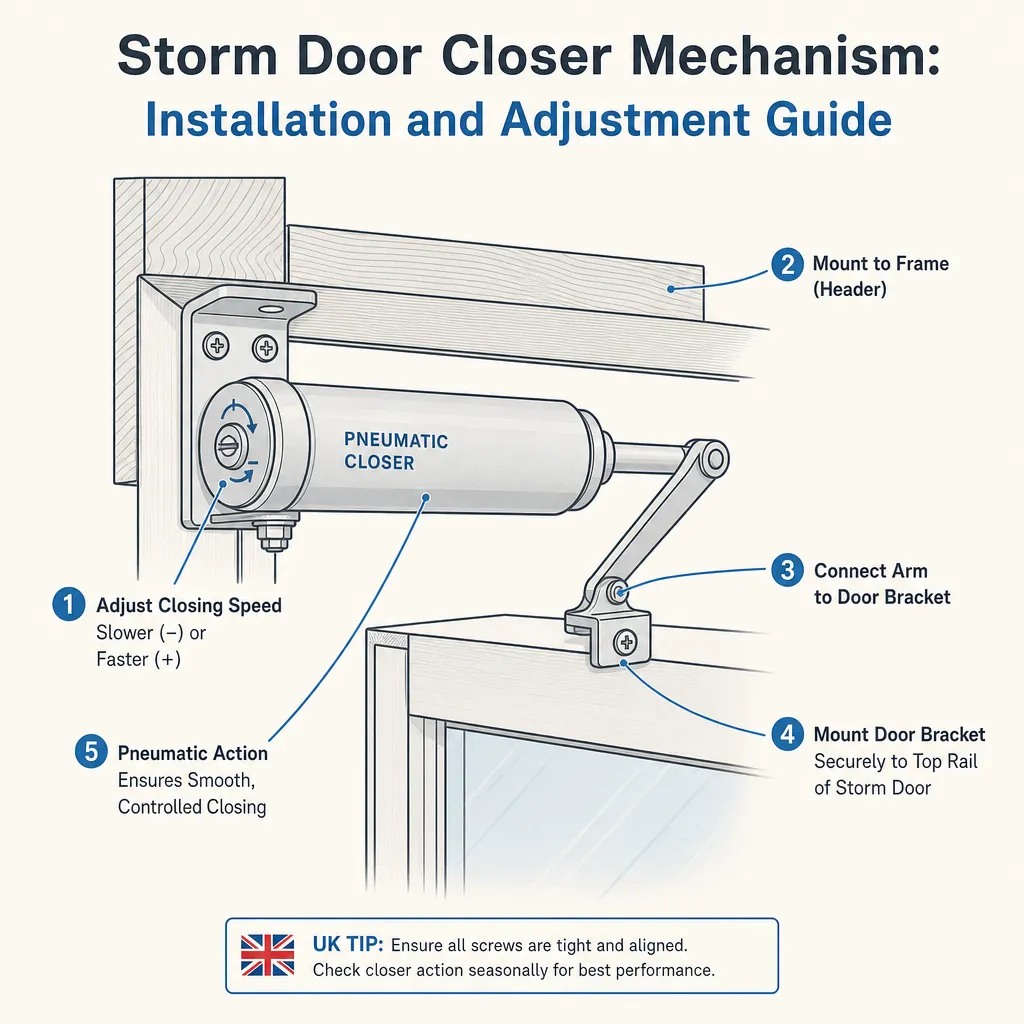
Storm Door Closer Mechanism: Installation and Adjustment Guide
Storm door closers are adjusted via a small screw at the end of the cylinder — clockwise slows the door, anticlockwise speeds it up.
 Improvement & Build
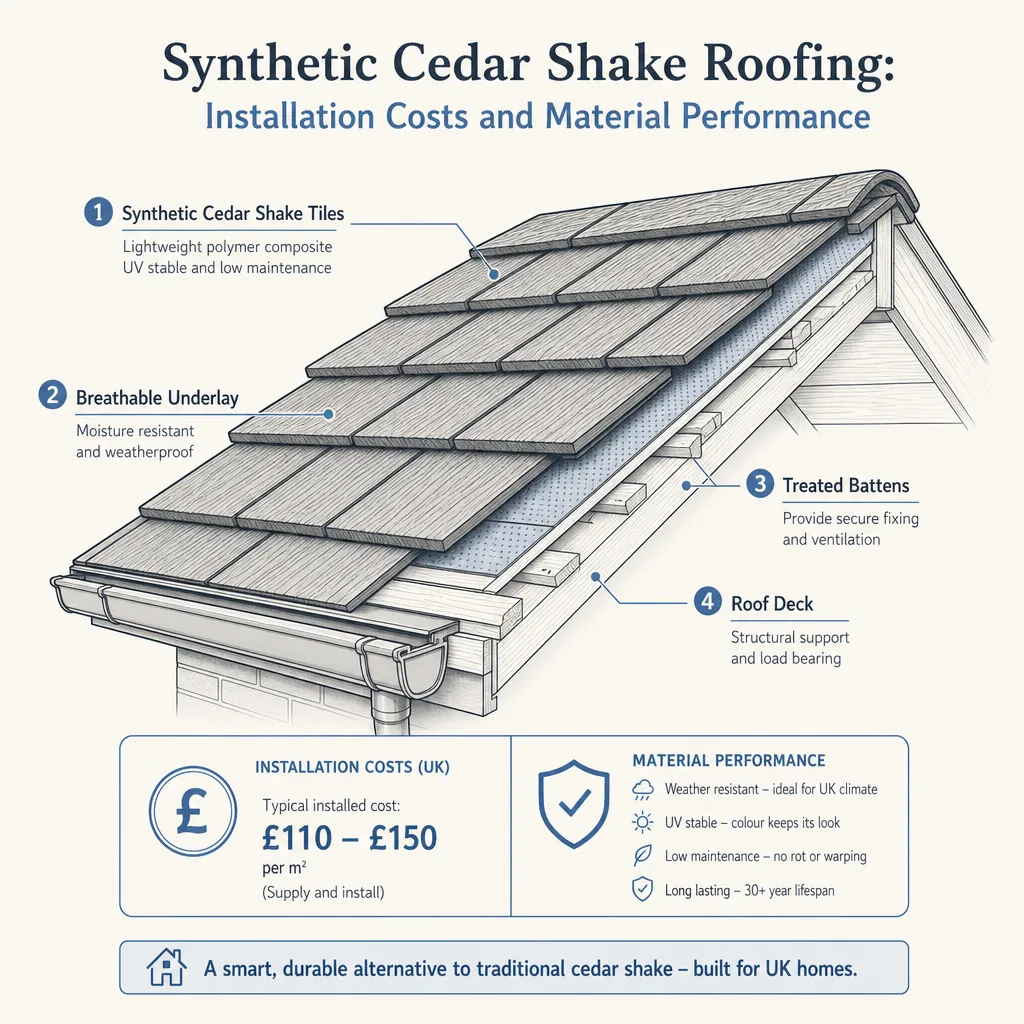
Synthetic Cedar Shake Roofing: Installation Costs and Material Performance
Synthetic cedar shake roofing uses polymer composite, rubber, or fibre-cement tiles to replicate the look of natural cedar wood shingles.