Strategic Window Placement for Natural Light and Energy Efficiency
By Housey · Last reviewed 19th of May 2026
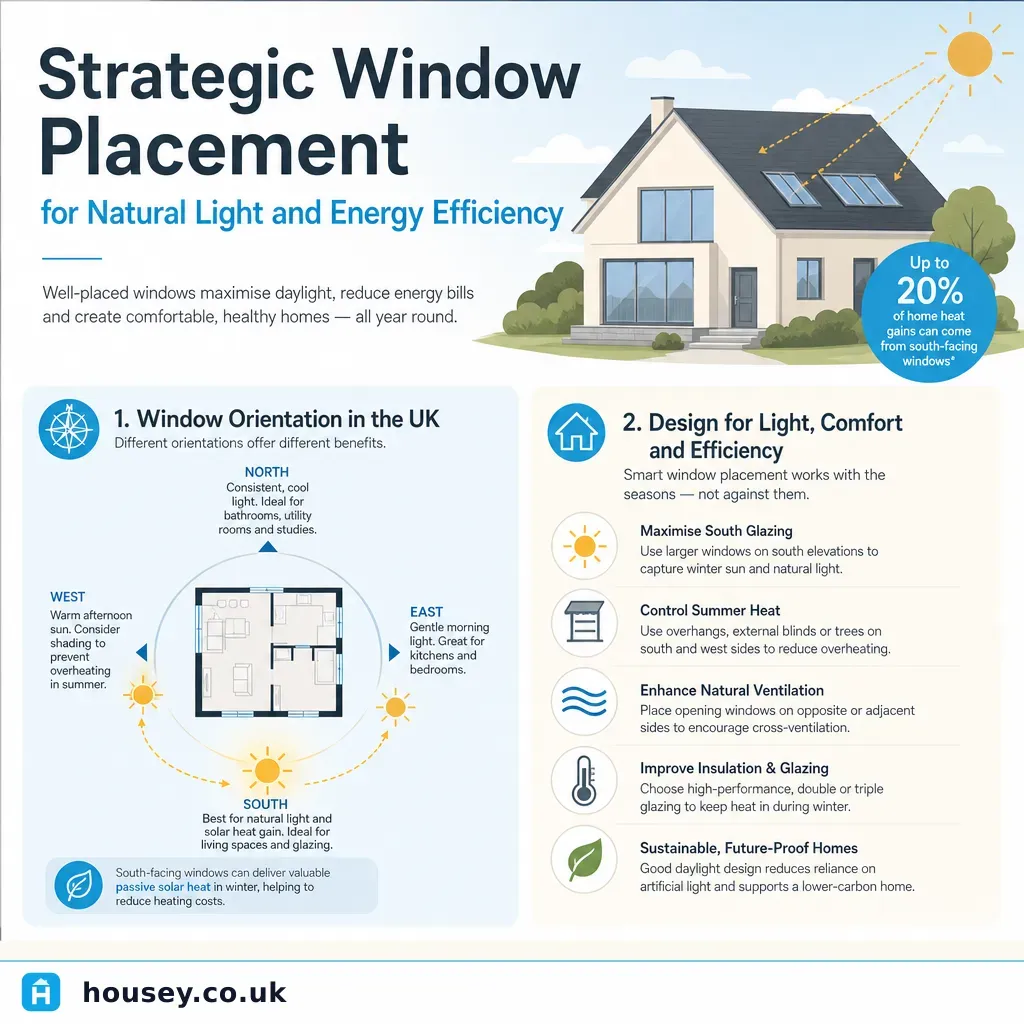
Strategic Window Placement for Natural Light and Energy Efficiency
Window placement decisions made at the design or pre-build stage have a 30–50 year impact on a home's thermal comfort, energy costs, and quality of life. Whether you are planning a new build, a rear extension, or a significant refurbishment in the UK, getting window orientation, size, and position right from the outset is considerably more cost-effective than attempting to correct it once construction is underway or complete.
Key points
- South-facing glazing captures the most useful solar gain in the UK (latitude range 50–58°N), with the winter sun's low arc penetrating deep into rooms — but oversized south glazing without shading causes summer overheating.
- Building Regulations Part L (2021, England) uses a notional dwelling approach that limits glazing area and sets minimum window U-values to manage fabric heat loss across the whole building.
- Rooflights deliver approximately twice the useful daylight of an equivalent vertical window of the same size, making them particularly effective in single-storey extensions and loft conversions.
- Permitted development rules for new windows vary by elevation, property type, and location — side elevation windows must be obscure-glazed and non-opening below 1.7m to remain permitted development in England.
- Passive solar design in the UK typically targets approximately 25–30% of the south elevation as glazing to balance winter solar gain against summer overheating risk.
How window orientation affects light and heat
The UK's position between 50°N and 58°N means the sun's daily arc is always to the south. Understanding this shapes most effective window placement decisions:
Orientation | Winter solar gain | Summer solar gain | Daylighting quality | Best suited to |
|---|---|---|---|---|
South-facing | High — low winter sun enters deeply | High — overheating risk without shading | Bright, direct, variable through the day | Living rooms, garden-facing spaces, passive solar heating |
East-facing | Low to moderate (morning only) | Moderate (morning only) | Soft morning light; glare risk at sunrise | Bedrooms, breakfast areas, morning-use rooms |
West-facing | Low to moderate (afternoon only) | High (afternoon) | Warm afternoon light; glare and overheating risk | Living rooms, dining areas, evening-use rooms |
North-facing | Very low | Very low | Diffuse, consistent, glare-free | Home offices, kitchens, studios, bathrooms — rooms needing steady natural light without glare |
Balancing solar gain and overheating risk
South-facing glazing improves passive solar gain in winter — useful in a UK climate where heating demand dominates over cooling demand for most of the year. However, oversized south-facing windows without shading cause summer overheating, a growing problem in well-insulated homes where the building fabric retains heat effectively and natural ventilation is limited.
Shading strategies are most effective when designed at the drawing stage:
- Roof overhangs or canopies — sized so the high summer sun is intercepted but the low winter sun is not. The correct overhang depth depends on the window's latitude and height; an architectural technologist can calculate this precisely.
- External Venetian or roller blinds — more effective than internal blinds, which allow solar heat to enter the room before being reflected.
- Brise soleil — horizontal louvres positioned above windows; common on contemporary extensions and glazed facades.
- Glazing g-value selection — the g-value of a glazed unit measures what proportion of solar energy passes through. Lower g-value glass reduces solar gain and overheating risk but also reduces passive heating benefit in winter. Specify this carefully in consultation with your designer.
Window size and Building Regulations Part L
Window size is not purely an aesthetic decision. Building Regulations Part L (England) uses a notional dwelling as a compliance benchmark, with that notional dwelling modelled at approximately 25% glazing-to-floor-area ratio. In practice:
- Larger glazing areas are permissible when compensated by better U-values in the windows themselves, better wall or roof insulation, or other fabric improvements.
- All new and replacement windows must meet the whole-window U-value limit of 1.4 W/m²K.
- Scotland, Wales, and Northern Ireland have equivalent regulations under their respective building standards, which differ in some threshold values.
A competent designer or architectural technologist will model overall fabric energy efficiency using the relevant compliance methodology, ensuring that generous glazing areas can be justified without failing regulatory requirements.
Rooflights and north-facing glazing: often underused
North-facing windows and rooflights are frequently underspecified in UK residential design despite offering significant daylighting benefits without the overheating risks of south-facing glazing.
Rooflights deliver approximately twice the useful daylight of an equivalent vertical window because they face the sky directly. According to CIBSE Lighting Guide 10 (Daylighting and Window Design), roof-mounted glazing achieves far higher daylight factors than vertical glazing of the same area. They are particularly valuable in:
- Single-storey rear extensions beneath a flat or shallow-pitched roof where side and rear vertical windows are limited
- Loft conversions where roof pitch or ridge height constrains vertical window size
- Deep-plan rooms where external walls are remote from the main living space
Planning considerations: rooflights on principal elevations facing a highway may require planning permission even under permitted development rules. Rooflights projecting more than 150mm above the roof plane are generally not permitted development in England. Always check with the Planning Portal or your local planning authority before specifying.
North-facing windows are ideal for rooms requiring consistent, shadow-free natural light — home offices, artist studios, professional kitchens, and bathrooms all benefit from the even illumination a north elevation provides. They contribute no solar gain, so their fabric heat loss must be weighed against their daylight benefit; high-performance glazing (low U-value) makes this trade-off more favourable.
Decision guide: how to position your windows
- Place primary living spaces on the south side of the building footprint, with the largest glazed areas facing south, to maximise passive solar gain and natural light during winter months.
- Use rooflights on extensions and loft conversions to achieve high daylight levels without triggering planning concerns on side or front elevations.
- Use north-facing windows for kitchens, studies, and bathrooms where glare-free, consistent light is more valuable than solar warmth.
- Design shading in from the outset — an overhang, canopy, or brise soleil is substantially cheaper to incorporate at drawing stage than to retrofit once construction is complete.
- Model overheating risk if you are specifying large south-facing glazing in a well-insulated new build or extension — Part L compliance software used by designers can flag this issue before it becomes a problem on site.
- Check planning requirements before finalising window positions on any elevation, especially in conservation areas, on listed buildings, or where side elevations adjoin a neighbour.
- Ask an architectural technologist to optimise window placement using daylight factor calculations and SAP or dynamic thermal modelling where the glazing area is large or the design is complex.
Window placement and planning permission
Permitted development rights in England allow many new windows without a formal planning application, but key exceptions apply:
- Side elevation windows must be obscure-glazed and non-opening below 1.7m from floor level to remain permitted development, protecting neighbouring amenity.
- Any window on a listed building requires listed building consent regardless of size or position.
- Conservation areas may require prior approval for windows on principal elevations facing a highway or public space.
- Article 4 directions withdraw permitted development rights in specific areas — check with your local planning authority whether one applies to your property.
- Scotland, Wales, and Northern Ireland each have equivalent but distinct permitted development regimes; check the relevant national guidance.
A pre-application enquiry to your local planning authority is low cost and avoids the risk of an enforcement notice or the expense of removing non-compliant windows.
When to get professional help
Window placement decisions are best made with professional input at the design stage:
- Engage an architectural technologist at the outset of any new build, extension, or significant refurbishment — they can optimise orientation, size, and specification for both energy performance and planning compliance before any work begins.
- Commission a daylight analysis for projects where a new extension or window might affect a neighbour's access to natural light — this is increasingly relevant in dense urban areas.
- Submit a pre-application planning enquiry before finalising window positions on sensitive elevations or in designated areas.
- Use a Part L compliance specialist if your glazing area is unusually large — they can confirm compliance and advise on compensating fabric improvements.
How Housey can help
Getting window placement right requires someone who understands both energy performance modelling and planning constraints. Housey connects homeowners with local architectural technologists who can advise on window specification, produce Part L compliance calculations, and navigate planning requirements for new or replacement windows at any stage of a project.
Frequently asked questions
Does south-facing glazing actually reduce heating bills in the UK?
Yes, though savings depend on glazing area, insulation levels, and occupancy patterns. Passive solar gain through south-facing windows can meaningfully reduce heating demand in winter, particularly in well-insulated homes where heat is retained effectively rather than lost through the fabric. The Energy Saving Trust provides guidance on passive solar design as part of its new build and retrofit resources.
How much south-facing glazing is too much?
As a general guide, south-facing glazing at around 25–30% of the south elevation floor area is a common passive solar design target in UK homes. Beyond this, without external shading or low solar-gain glazing, summer overheating becomes a significant risk — particularly in well-insulated new builds with limited natural ventilation. An architectural technologist can model the right balance for your specific project.
Do rooflights need planning permission?
Rooflights on a dwelling house are usually permitted development in England if they project no more than 150mm above the roof slope and are not on a wall or roof slope facing a highway. Equivalent rules apply in Scotland, Wales, and Northern Ireland with some differences. Always confirm with your local planning authority before installation, particularly in conservation areas or on listed buildings.
Can I add windows to a side extension without planning permission?
In England, side extension windows are permitted development provided they are obscure-glazed and non-opening below 1.7m above the internal floor level, protecting neighbour privacy. This applies to the side wall of the extension itself. Windows on upper-floor side walls may have additional restrictions. Check the Planning Portal or contact your local planning authority for confirmation before proceeding with any work.
Sources and further reading
- Building Regulations Approved Document L — GOV.UK
- Planning permission for windows — Planning Portal
- Energy Saving Trust: home energy advice — Energy Saving Trust
- CIBSE Lighting Guide 10: Daylighting and Window Design — CIBSE
- Listed building consent guidance — Historic England
Useful next reads
 Planning & Pre-Build
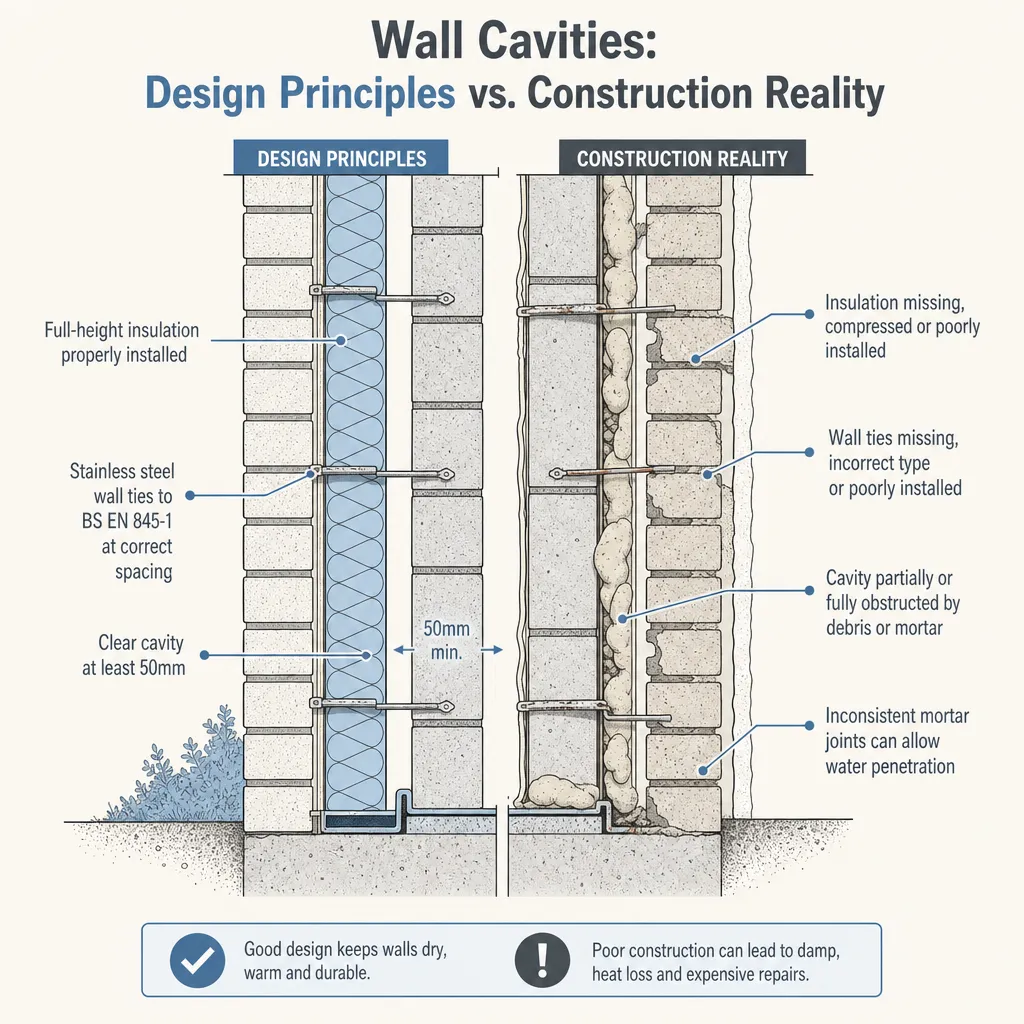
Wall Cavities: Design Principles vs. Construction Reality
A UK cavity wall is designed to resist weather, control heat loss, and structurally link two masonry leaves.
 Planning & Pre-Build
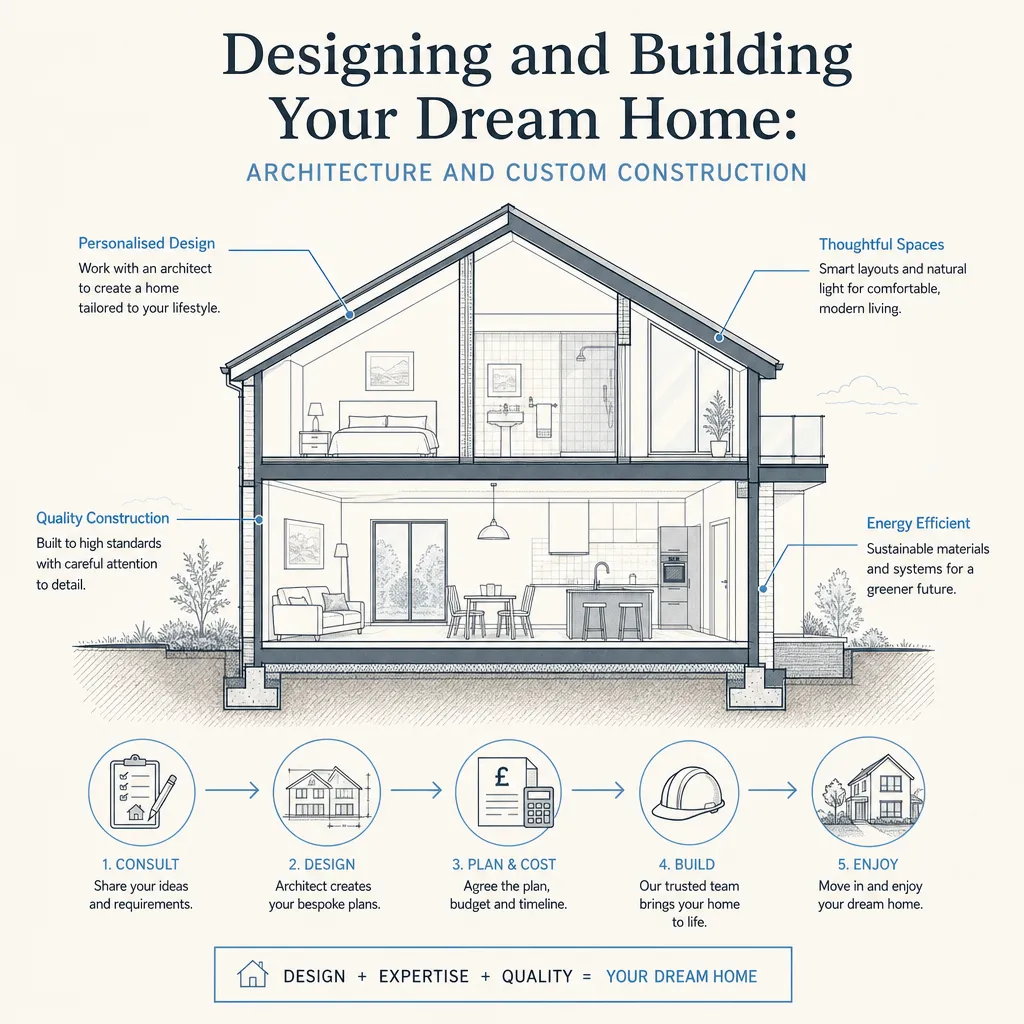
Designing and Building Your Dream Home: Architecture and Custom Construction
Building a custom home in the UK involves a RIBA eight-stage design process, full planning permission — permitted development does not apply to new dwellings — and a team that typically includes an architect, architectural technologist, structural engineer, and project manager.
 Planning & Pre-Build
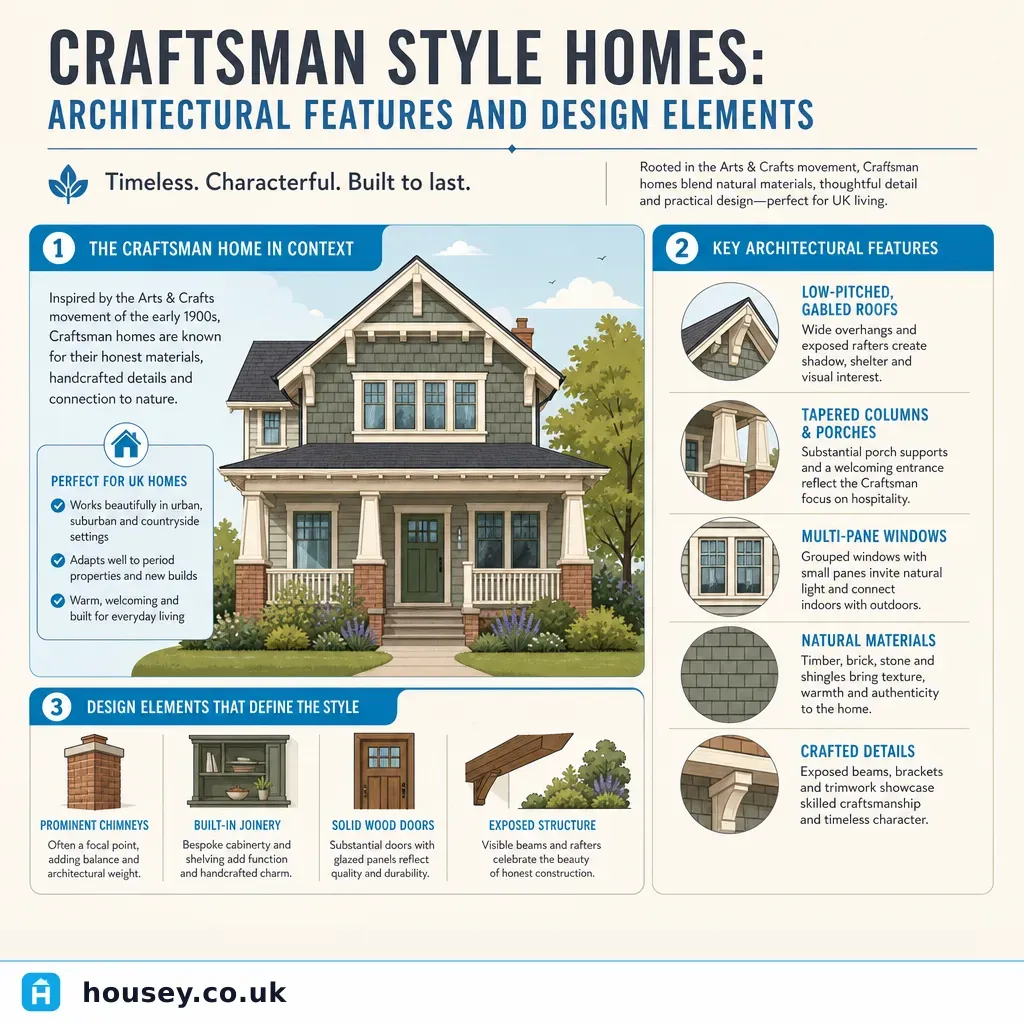
Craftsman Style Homes: Architectural Features and Design Elements
Craftsman style homes are defined by natural materials, low-pitched gabled roofs with wide eaves, covered porches, exposed timber details, and grouped casement windows.
 Planning & Pre-Build
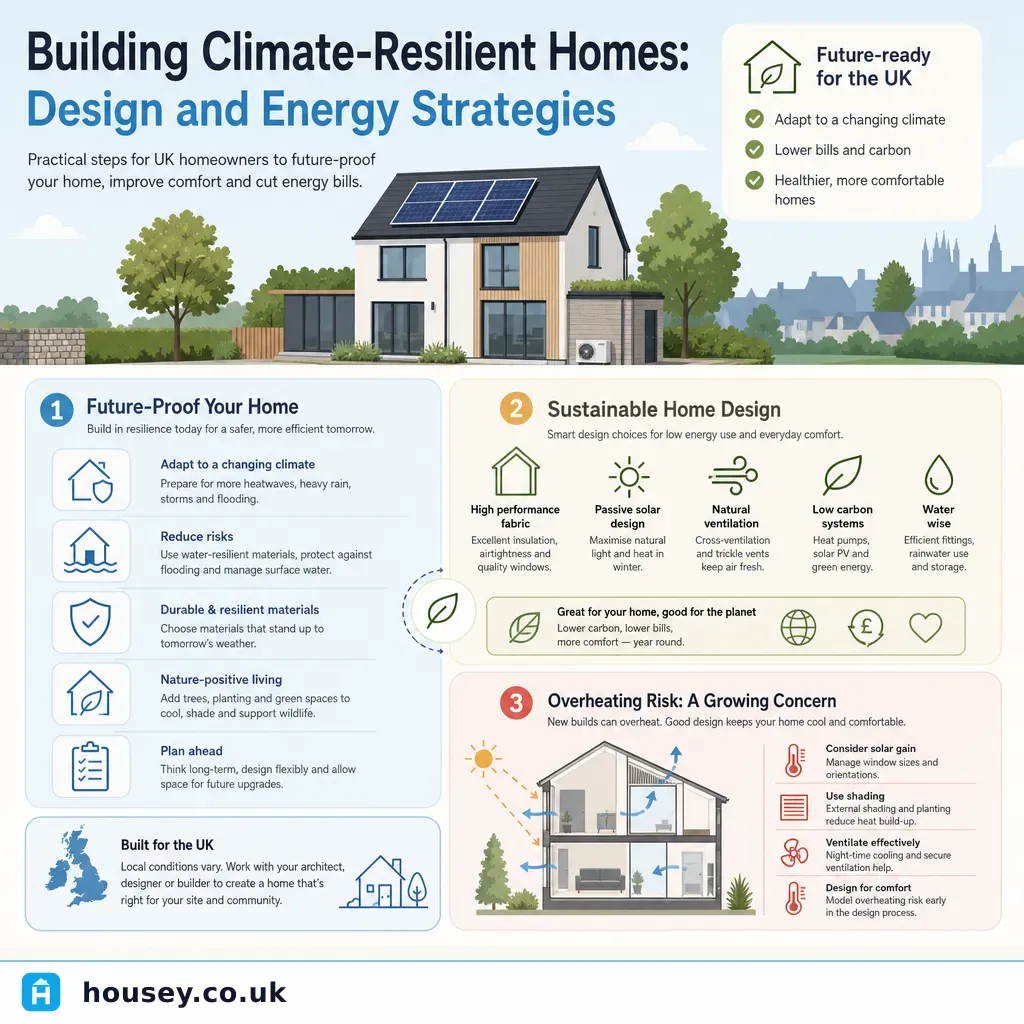
Building Climate-Resilient Homes: Design and Energy Strategies
A climate-resilient UK home handles hotter summers, wetter winters, and rising energy costs through high-performance insulation, overheating mitigation, flood-resilient construction, low-carbon heating, and good water management.
 Planning & Pre-Build
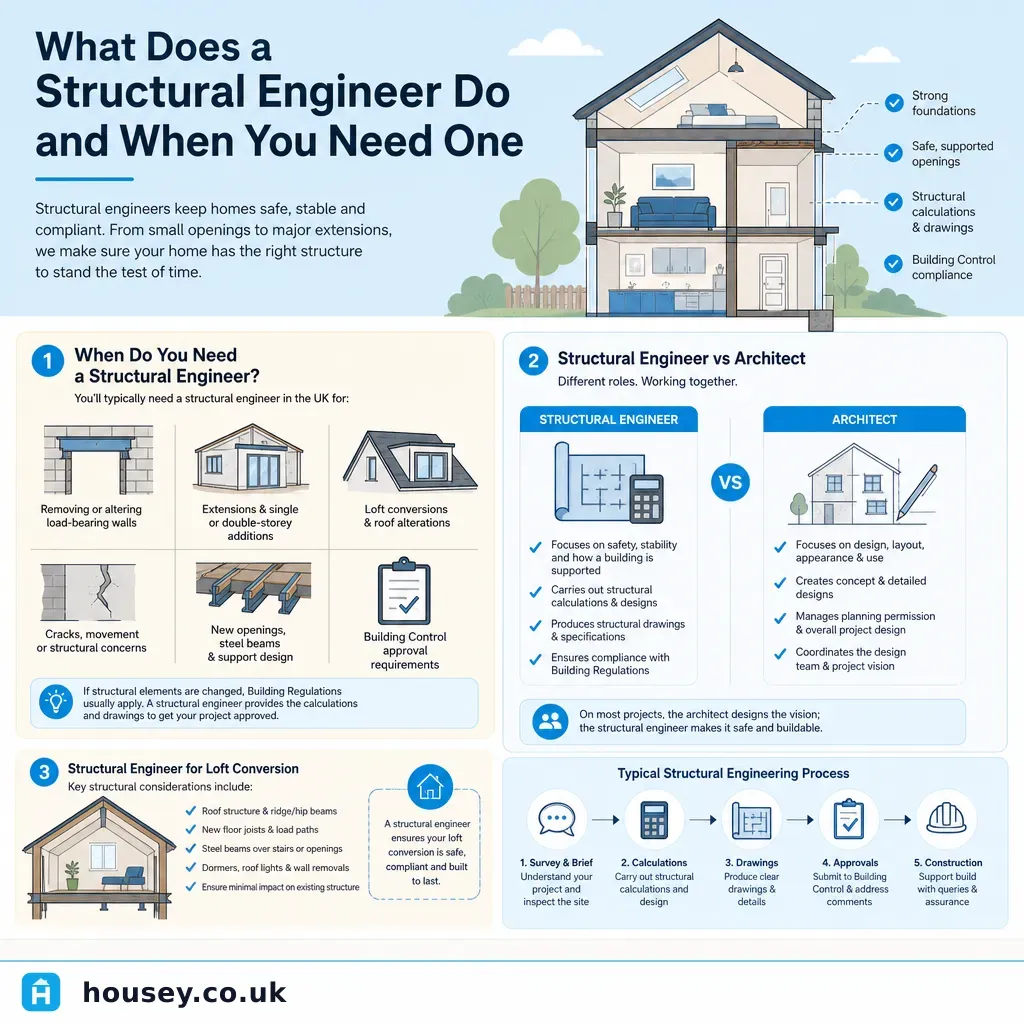
What Does a Structural Engineer Do and When You Need One
A structural engineer analyses and designs the load-bearing elements of a building — foundations, beams, columns, walls, and floors.