Stripping Wallpaper: Techniques for Interior Wall Preparation
By Housey · Last reviewed 18th of May 2026
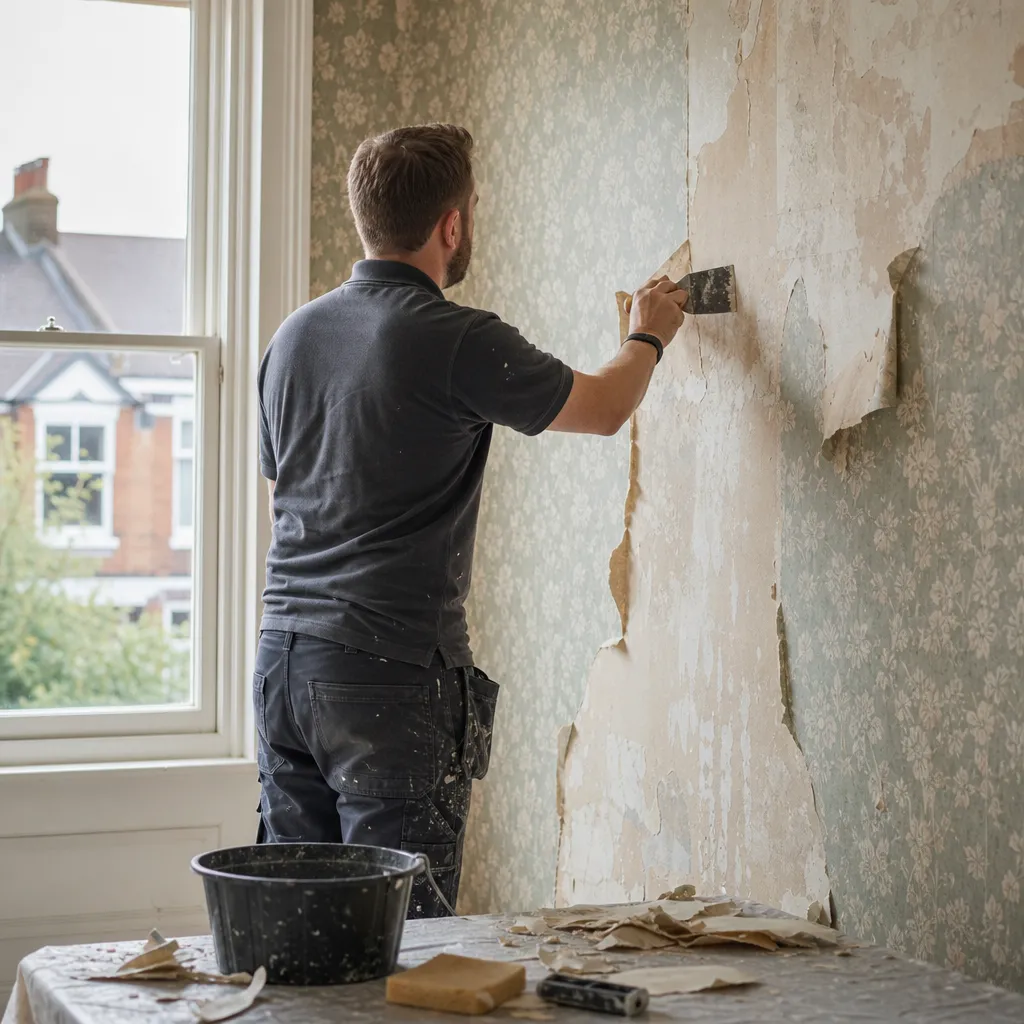
Stripping Wallpaper: Techniques for Interior Wall Preparation
Stripping wallpaper is one of the most common tasks in UK renovation and redecoration, arising whenever a homeowner wants to update a scheme, switch to paint, or prepare walls for replastering. The condition of the underlying surface — whether traditional lime plaster, sand-and-cement skim, or taped plasterboard — determines which removal technique is appropriate and how much care is needed to avoid damage that could add significantly to the cost and time of the project.
Key points
- Vinyl wallpaper is made up of two layers: a decorative vinyl face that usually peels away dry, and a paper backing that must be soaked and scraped separately.
- Plasterboard walls are particularly vulnerable to over-wetting — saturating the surface can delaminate the board's paper face, requiring patching or re-boarding before decoration can proceed.
- A scoring tool (sometimes called a "paper tiger" or scarifier) creates perforations that allow water or chemical stripper to penetrate the wallpaper without gouging deep enough to damage the plaster beneath.
- Chemical wallpaper stripper is typically diluted at 50–100 ml concentrate per 5 litres of warm water; always check the manufacturer's ratio as concentrations vary between products.
- Before redecorating, stripped walls must be washed down to remove paste residue, dried fully, and sealed with diluted PVA (approximately 1 part PVA to 5 parts water) or a stabilising primer to even out suction.
Which method should you use?
Matching the removal method to the wallpaper type and wall substrate prevents unnecessary damage.
Decision tree:
- Choose dry peeling if the wallpaper is modern vinyl — lift a corner and pull steadily at a shallow angle. The decorative face should come away cleanly in large sections.
- Choose warm water and chemical stripper if the paper is traditional, painted over, or the vinyl backing is bonded to the wall. Apply with a sponge or garden sprayer, allow 5–10 minutes dwell time, and scrape while the paper is still wet.
- Choose a steam stripper for thick anaglypta, woodchip, or multiple layers of paper over solid sand-and-cement plaster. Keep the steam plate moving to avoid softening the plaster beneath.
- Avoid steam strippers on plasterboard — condensation can saturate and delaminate the paper face of the board. Use a damp sponge and work in small, controlled sections instead.
- Consult a plasterer if you are working in a pre-1919 home with a lime plaster system, or if the plaster sounds hollow when tapped before you start.
Room preparation checklist
Good preparation protects floors, electrics, and fittings and makes clean-up considerably faster.
Stripping paper-backed wallpaper
- Score the surface lightly with a scoring tool, working in overlapping circles or a criss-cross pattern. Aim to perforate the paper, not score into the plaster.
- Apply warm stripper solution generously to a manageable section — approximately 1 m² — and allow to soak for the dwell time stated on the product label.
- Slide a broad scraper behind the paper at a shallow angle and lift in slow, even strokes. Rework the same area rather than forcing dry paper.
- Re-wet any section that dries before you reach it.
- Remove all paper and paste fragments before moving to the next section.
Stripping vinyl wallpaper
Vinyl wallpaper is designed to be durable and resists moisture. Use a two-stage approach:
- Locate a seam or a loosened edge and pull the decorative vinyl face away from the backing at a low, flat angle. It should come off in large sheets.
- Score and soak the remaining paper backing as you would with standard wallpaper. The backing is thinner and usually strips more quickly.
- If the vinyl face will not peel cleanly, score it and soak briefly before attempting removal.
Difficult wallpaper types
Anaglypta and woodchip have thick, textured surfaces that resist moisture penetration. A steam stripper is the most effective method. Keep the steam plate on each section for 20–30 seconds, then scrape while the surface is still hot and wet.
Painted-over wallpaper has a paint layer that blocks water penetration completely. Score the surface aggressively before soaking, or use a steam stripper. Expect this to take two to three times longer than untreated paper.
Multiple generations of wallpaper are common in older UK homes. Work on one layer at a time; attempting to strip all layers simultaneously will result in inconsistent results and increased risk of plaster damage.
Preparing walls after stripping
Surface preparation after stripping is as important as the stripping itself.
- Wash walls thoroughly with warm water to remove all adhesive residue. Old paste left on the wall will cause fresh wallpaper to bubble or new paint to lift.
- Allow the walls to dry for at least 24–48 hours in a heated, ventilated room — longer in winter or poorly heated spaces.
- Fill any hairline cracks, scuffs, or surface imperfections with a fine-surface filler. Sand smooth once dry.
- Apply a diluted PVA seal or stabilising primer to the entire surface. This binds any dusty or powdery areas and evens out porosity, preventing patchy paint absorption or adhesive failure with new wallpaper.
- Sand lightly once the seal coat is fully dry, then proceed to decoration.
When to get professional help
Wallpaper stripping is a manageable DIY task in most cases. Call a professional decorator or plasterer if:
- Plaster comes away with the wallpaper, exposing brick or blockwork beneath
- You find brown staining, efflorescence (white salt deposits), or persistent damp patches — these suggest moisture ingress that must be investigated before redecorating
- The plaster sounds hollow when tapped, or is crumbly and falling away — this indicates failure that requires proper repair before any decoration
- You find a textured grey coating beneath old wallpaper in a property built or decorated before 2000 — do not sand or scrape it until you have confirmed it does not contain asbestos via a laboratory sample test (see HSE guidance on asbestos in textured coatings)
How Housey can help
If stripping has revealed plaster damage, persistent damp, or other underlying defects that go beyond straightforward decoration, Housey can connect you with vetted local tradespeople — from plasterers to damp specialists — to properly scope and price the remedial work needed before redecorating.
Frequently asked questions
Can I hang new wallpaper straight over old wallpaper?
It is not recommended. Old wallpaper may be poorly adhered, and the combined weight of old and new paper and paste can cause both layers to fail. Pasting over existing wallpaper also traps moisture, which may encourage mould growth. Strip back to a clean, stable, sealed surface before re-papering for the best results.
How do I strip wallpaper from plasterboard without damaging it?
Use as little water as possible. Work in small sections with a lightly wrung sponge rather than soaking. Avoid steam strippers entirely on plasterboard. Score very gently — the board's paper face is close to the surface. If the paper face delaminates despite care, allow the area to dry fully, stabilise with diluted PVA, and apply a skim coat before redecorating.
What should I do if the plaster comes away with the wallpaper?
Stop and allow the area to dry. Small areas of detached plaster can often be patched with bonding coat or multi-finish plaster by an experienced DIYer; larger or widespread failure will require a qualified plasterer to re-coat the wall. Proceeding without repair will produce an uneven surface that shows through decoration.
How long does it take to strip wallpaper from an average UK room?
A standard bedroom with approximately 10–12 m² of wall area and a single layer of vinyl or paper-backed wallpaper typically takes 4–8 hours to strip and clean. Painted-over or multi-layered wallpaper, or large rooms such as hallways and stairwells, can extend this to a full day or more.
Sources and further reading
- Asbestos in textured coatings — Health and Safety Executive
- Work at Height Regulations 2005 — legislation.gov.uk
- Technical advice on historic plasters and renders — Historic England
Useful next reads
 Improvement & Build
Skimming Over Wallpaper Lining: Surface Preparation and Results
You can skim plaster over wallpaper lining paper, provided the paper is fully adhered, the correct weight (usually 1,200g) is used, and the surface is primed with diluted PVA before applying a 2–3mm skim coat.
 Improvement & Build
Installing Peel-And-Stick Wallpaper: Application Techniques
Peel-and-stick wallpaper works best on smooth, emulsion-painted walls cured for at least 30 days, in rooms between 13°C and 30°C.
 Improvement & Build
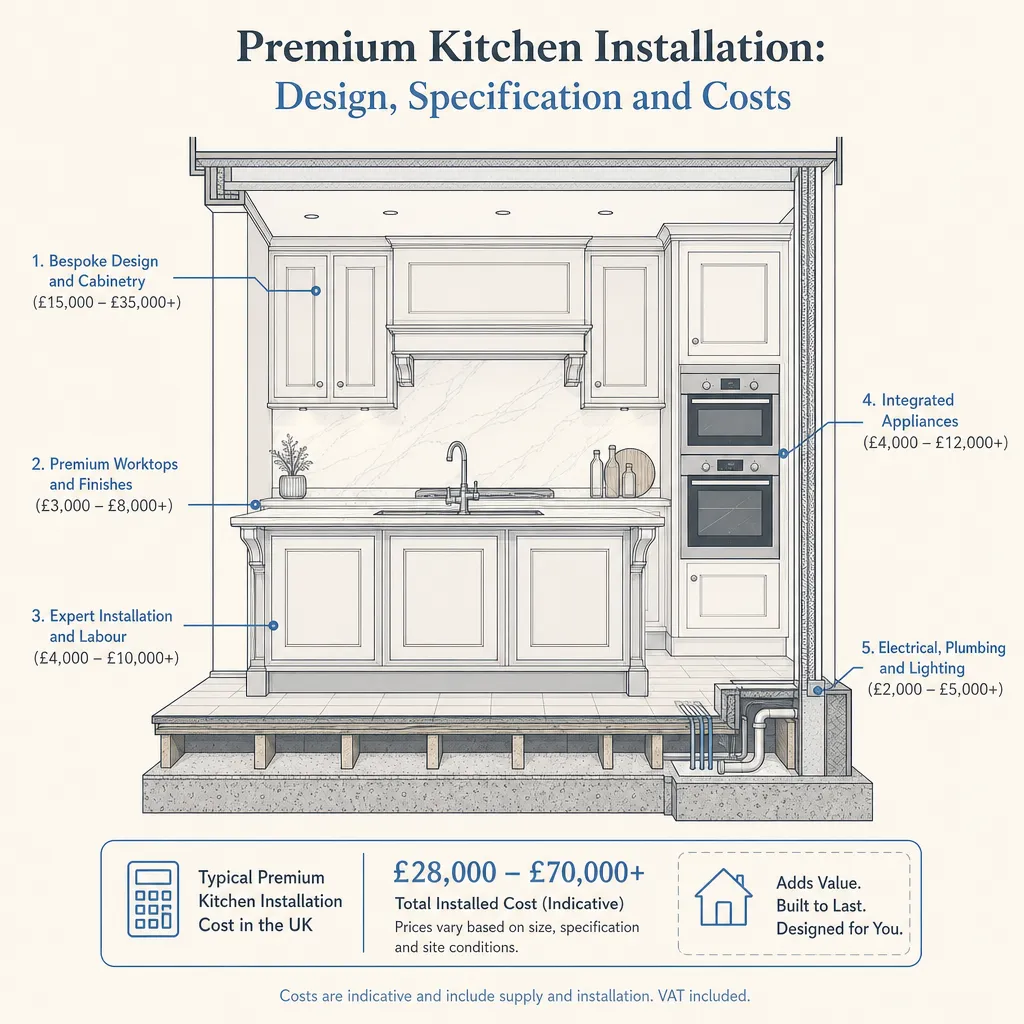
Premium Kitchen Installation: Design, Specification and Costs
A premium kitchen in the UK typically costs £20,000–£80,000 or more installed, depending on cabinetry specification, worktop material, appliance brands, and whether structural changes are needed.
 Improvement & Build
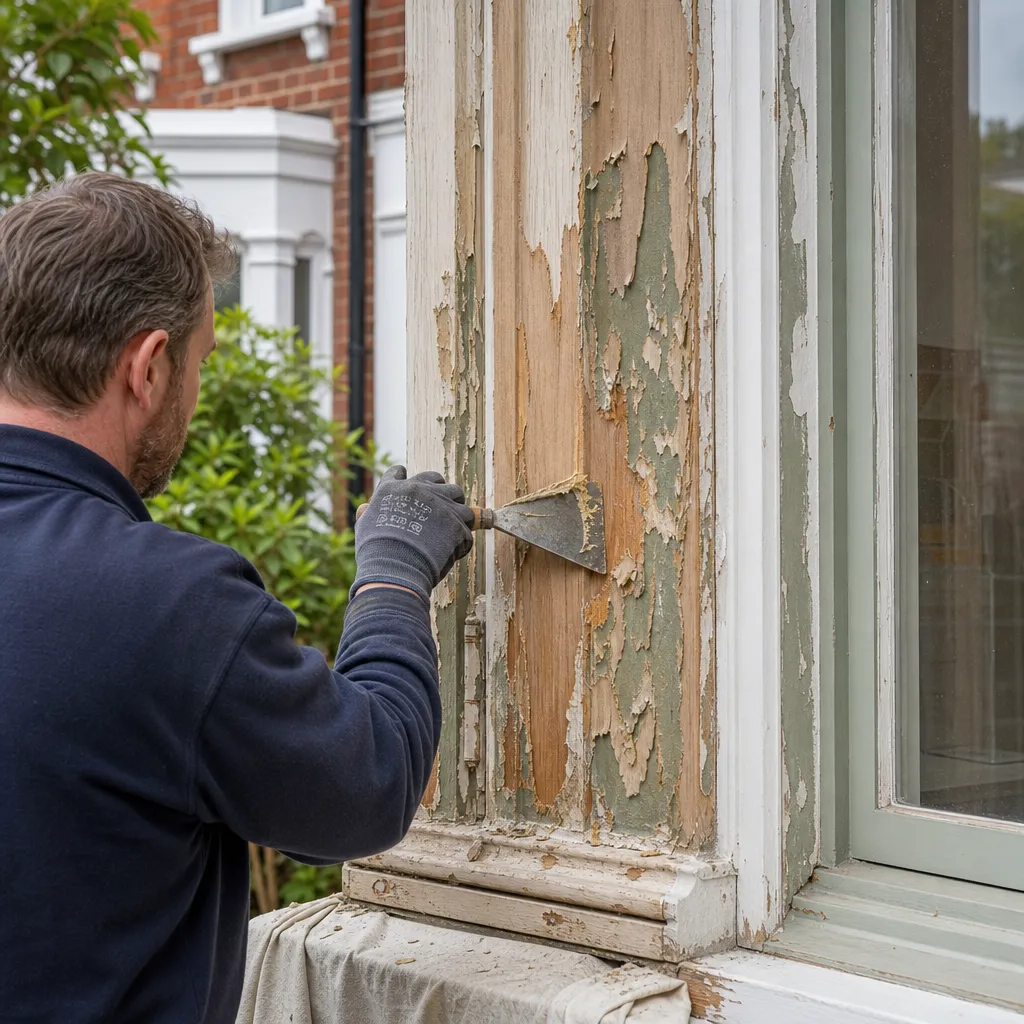
Preparing Wooden Surfaces: Paint Removal Techniques
The right paint removal method depends on the wood profile and paint type.
 Improvement & Build
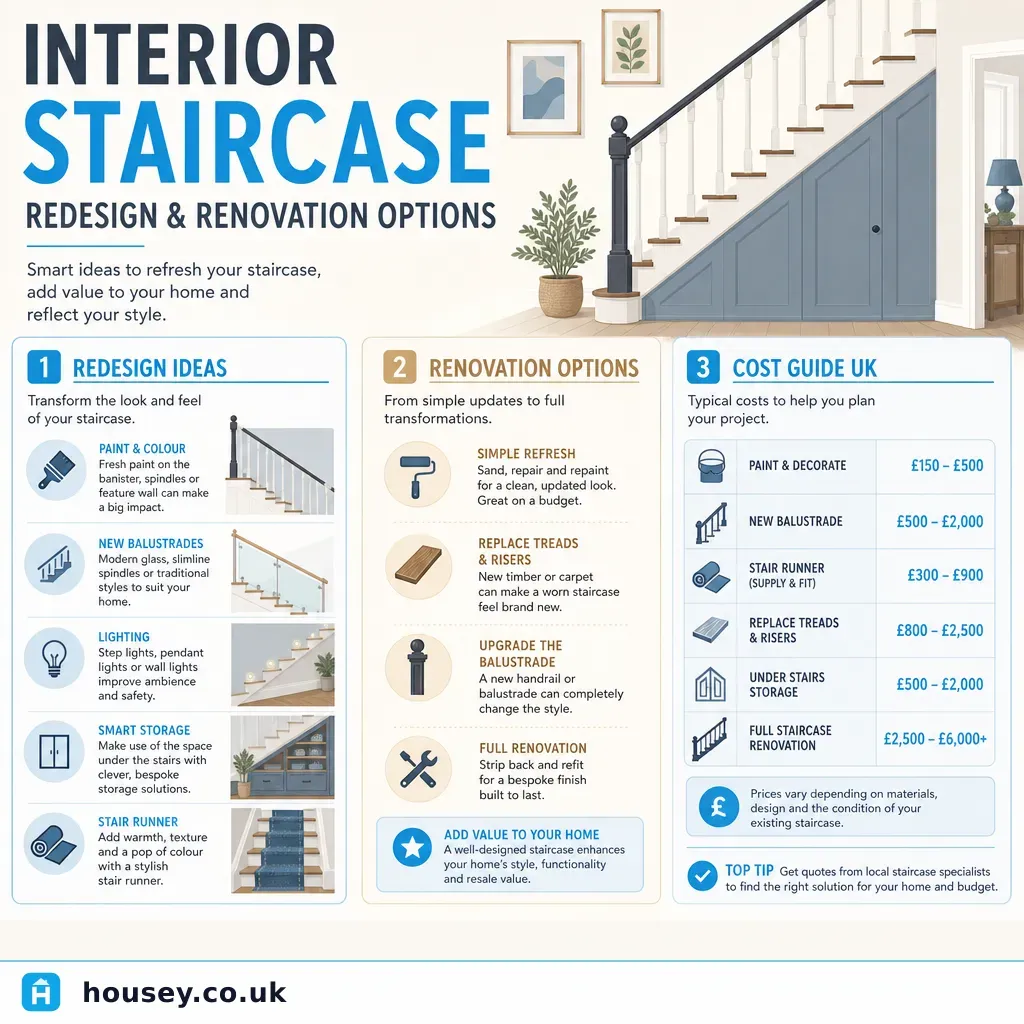
Interior staircase redesign and renovation options
Staircase renovation ranges from cosmetic updates — repainting treads, replacing balusters, or fitting a stair runner — to full structural redesigns with new flights and open-plan layouts.