Structural Defects in Steel: Identifying and Resolving Common Problems
By Housey · Last reviewed 24th of May 2026
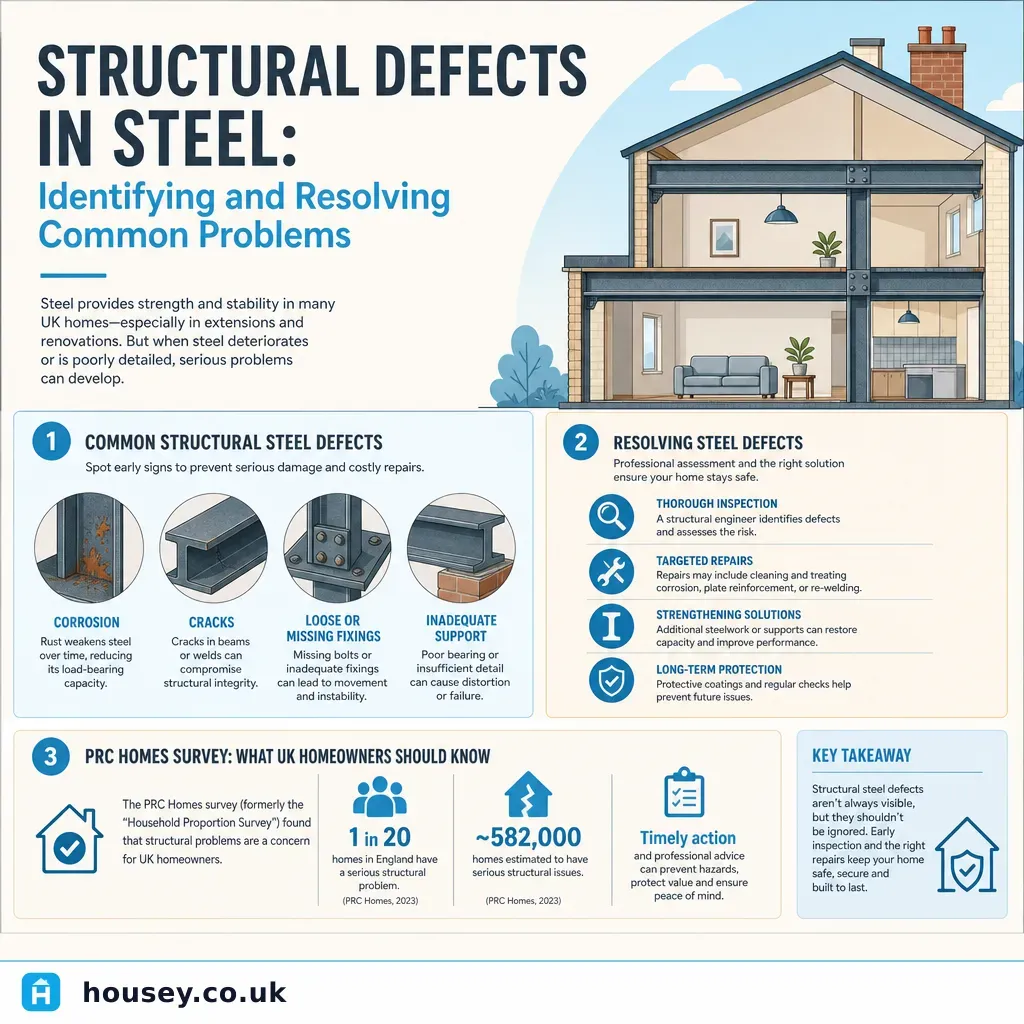
Structural Defects in Steel: Identifying and Resolving Common Problems
Steel is integral to a wide range of UK building types — as primary structure in commercial-to-residential conversions, as lintels and beams in domestic extensions, as reinforcement in precast concrete panel dwellings built across the 20th century, and as the framing in modern steel-frame residential new-builds. When a structural steel element shows signs of distress — corrosion, deformation, weld failure, or section loss — the consequences range from localised remediation to significant structural intervention. For most homeowners and buyers, the challenge is that many steel defects are hidden behind finishes, insulation, or cladding, making professional inspection essential and visual self-assessment unreliable.
Key points
- Corrosion (rust) is the most common defect in structural steelwork; section loss of 10–15% or more from the original member profile typically triggers engineering assessment for remediation or replacement.
- Under Eurocode 3 (BS EN 1993-1-1), the UK design standard for steel structures, steelwork must be designed to achieve a specified fire resistance period; fire exposure above approximately 550°C can permanently alter steel's mechanical properties.
- Weld defects — including lack of fusion, porosity, and cracking — are often invisible to the naked eye and require non-destructive testing (NDT) methods such as ultrasonic testing (UT) or magnetic particle inspection (MPI) to detect.
- Homes of PRC (Precast Reinforced Concrete) construction — Airey, Reema, Cornish Unit, Wimpey No-Fines, and others — are designated defective dwellings under the Housing Defects Act 1984; specialist surveys are required for mortgage purposes.
- Any assessment of a suspected structural steel defect should be carried out by or under the direct supervision of a chartered structural engineer (MIStructE or CEng MICE).
Types of structural steel defect
Corrosion and section loss
Corrosion is the leading cause of structural steel distress in UK buildings. Inadequate protective coating, water ingress behind cladding or render, condensation within cold-bridge zones, and poor maintenance are all contributing factors. Visual signs include rust staining on adjacent finishes, paint blistering, and — in advanced cases — visible pitting or a reduction in the original member profile.
Section loss is assessed as a percentage reduction from the original steel thickness or cross-sectional area. Engineering review is typically warranted when section loss reaches 10–15%, though the appropriate threshold depends on the member's structural role, the load it carries, and the consequences of failure.
Weld defects
Welds connect steel members at joints and are critical load-transfer paths. Common defects include:
- Lack of fusion: the weld has not fully bonded to the parent metal, leaving a planar flaw at the weld interface.
- Porosity: gas pockets trapped within the weld reduce its cross-sectional area and fatigue resistance.
- Undercut: the weld has eroded the adjacent parent material, reducing its thickness at a stress concentration.
- Weld cracking: initiated by hydrogen embrittlement, high restraint, or poor preheat procedure, weld cracks can propagate under service loading.
Most weld defects are not visible on the surface. NDT methods — ultrasonic testing, magnetic particle inspection, and dye penetrant inspection — are used to detect subsurface and surface-breaking flaws without damaging the structure.
Deformation and buckling
Steel members subjected to overload, accidental impact, or fire may deform plastically. Once a steel section has buckled or yielded beyond its elastic range, its load-carrying capacity is permanently reduced even if the visible deformation appears minor. Signs include:
- Visible bowing or lateral deflection of beams or columns along their length.
- Kinking or crimping at connections or mid-span.
- Distortion of end-plate, gusset-plate, or base-plate connections.
Connection and bearing failures
Bolted and pinned connections can fail through bolt shear, bearing failure in connection plates, or plate tearing. Signs include elongated bolt holes, cracked or buckled plates, and visible settlement or rotation at bearing points. In older steel-frame buildings, riveted connections may have loose or fractured rivets that are audible on inspection.
Fire damage
After a fire, steel that has been exposed to elevated temperatures must be assessed by a structural engineer before the structure is reloaded or repaired. Steel begins to lose yield strength above approximately 300°C and retains only around 60% of ambient-temperature strength at 550°C. Visual indicators include blue-grey oxidation discolouration and permanent distortion, but internal metallurgical changes require specialist assessment and may not be visible.
Defect types at a glance
Defect type | Typical cause | Visual signs | NDT required? | Typical professional |
|---|---|---|---|---|
Surface corrosion | Coating failure, moisture ingress | Rust staining, paint blistering | No (if confirmed superficial) | Building surveyor initially; structural engineer if section loss is suspected |
Section loss (significant) | Advanced corrosion | Loss of original profile, visible pitting | Yes — UT or caliper survey | Chartered structural engineer |
Weld defect | Poor workmanship, high restraint, hydrogen | Surface porosity, cracking | Yes — UT, MPI, or DPI | Structural engineer with NDT specialist |
Buckling or deformation | Overload, impact, fire | Visible bow, kink, or rotation | No — but cause must be established | Chartered structural engineer |
Connection failure | Overload, corrosion, fatigue | Elongated holes, cracked plates | Possible | Chartered structural engineer |
Fire damage | Fire exposure | Discolouration, distortion, permanent set | Often — metallurgical assessment required | Structural engineer and fire engineer |
PRC panel steel corrosion | Age, moisture in concrete panels | Concrete spalling, rust staining at panel edges | Specialist PRC survey | RICS-accredited PRC specialist surveyor |
PRC homes — a specific UK context
Several thousand UK homes built between the late 1940s and early 1970s use precast reinforced concrete panel systems. When the steel reinforcement within these panels corrodes, it expands — a process called delamination — causing the surrounding concrete to crack and spall. Systems affected include Airey, Reema, Cornish Unit, Wimpey No-Fines, Orlit, and Unity.
These homes are legally designated defective dwellings under the Housing Defects Act 1984, with practical implications for buyers and owners:
- Standard RICS Level 2 or Level 3 surveys will identify a PRC property but do not constitute the specialist assessment most mortgage lenders require.
- Many high-street lenders will not offer a mortgage on an unrepaired PRC home.
- Repaired PRC homes — where an approved structural repair system has been installed and certified by a recognised scheme — may be mortgageable; confirm the specific repair certificate with your intended lender.
- A specialist PRC survey is required; this is a distinct instruction from a general building or structural survey, and not all chartered surveyors hold the relevant experience.
Important limitations
This article provides general awareness information about common structural steel defects in UK buildings. It is not a substitute for a professional structural assessment. The appropriate response to any suspected steel defect depends on the specific property, the member's structural role, load conditions, defect severity, and applicable Building Regulations and standards. Rules and risk thresholds vary. A qualified chartered structural engineer must inspect the property before any remediation decision is made.
When this becomes urgent
Stop relying on general guidance and seek immediate professional advice if:
- A steel beam, column, or connection shows visible buckling, cracking, or significant permanent deformation.
- You can see or feel progressive deflection in a floor or ceiling supported by steel members.
- The property has recently been damaged by fire, flood, vehicle impact, or suspected overloading.
- You are buying, remortgaging, or insuring a PRC-construction home and require a lender-acceptable survey report.
- A RICS Level 3 Building Survey has flagged structural steel concerns or recommended further specialist investigation.
- You notice concrete spalling with visible rust staining on any property built before 1980 with a non-traditional construction system.
What to ask a qualified professional
Before instructing a chartered structural engineer or specialist surveyor for a steel defect assessment, ask the following:
- Are you a chartered structural engineer — MIStructE or CEng MICE — and do you carry professional indemnity insurance?
- Have you assessed similar defects in buildings of this construction type and era?
- What inspection methods will you use — visual survey, non-destructive testing, or destructive opening-up of finishes?
- If NDT is required, do you work with a BINDT PCN-certified NDT contractor?
- What will the written report cover, and will it include a remediation specification or options appraisal?
- Will the report satisfy the requirements of a mortgage lender or building insurer?
- What is the likely scope and cost of remediation if significant section loss or weld defects are confirmed?
When to get professional help
If you suspect any structural steel defect — whether identified during a survey, uncovered during renovation, or following fire or flood — instruct a chartered structural engineer before any remediation work begins. Do not cut, drill, weld, or modify structural steelwork without engineering sign-off. Housey can connect you with qualified professionals for a structural survey or a structural engineering assessment.
How Housey can help
Housey connects homeowners, buyers, and landlords with chartered structural engineers and specialist surveyors who carry out structural surveys and provide structural engineering assessments. Whether you are investigating a suspected defect, purchasing a steel-frame or PRC property, or planning remediation works, Housey can help you find the right professional for your situation.
Frequently asked questions
How do I know if my house has a structural steel problem?
Common signs include rust staining around steel lintels, beams, or fixings; cracking or spalling concrete near steel reinforcement in older panel-construction homes; visible bowing or deformation of beams or columns; and sticking doors or windows near a steel-framed area. A RICS Level 3 Building Survey will flag concerns, but a chartered structural engineer is needed for diagnosis and remediation advice.
Can structural steel corrosion be repaired?
Yes, in many cases. Surface corrosion without significant section loss can be treated by cleaning, applying a corrosion inhibitor, and repainting with an appropriate primer and topcoat system. Where section loss is significant, plating — welding additional steel to restore the original cross-section — or partial member replacement may be required. The appropriate remedy must always be specified by a chartered structural engineer.
Do PRC homes need a specialist survey to get a mortgage?
Yes. Most high-street mortgage lenders require a specialist PRC survey report — not a standard RICS survey — for any PRC-construction property. Some lenders will only lend on repaired PRC homes holding a recognised repair certificate from an approved scheme. Check with your intended lender and instruct a surveyor with demonstrated experience of PRC construction before exchanging contracts.
What qualifications should a structural engineer have for a steel defect assessment?
Look for membership of the Institution of Structural Engineers (MIStructE) or Chartered Engineer (CEng) status with the Institution of Civil Engineers (MICE). For non-destructive testing work, the NDT contractor should hold PCN (Personnel Certification in Non-Destructive Testing) certification from the British Institute of Non-Destructive Testing (BINDT) in the relevant method.
Sources and further reading
- Housing Defects Act 1984 — legislation.gov.uk
- RICS Home Survey Standards — RICS
- Steel Construction Information — Corrosion protection — Steel Construction Institute
- British Institute of Non-Destructive Testing — BINDT
- Building Safety Act 2022 overview — GOV.UK
Useful next reads
 Surveys & Inspections
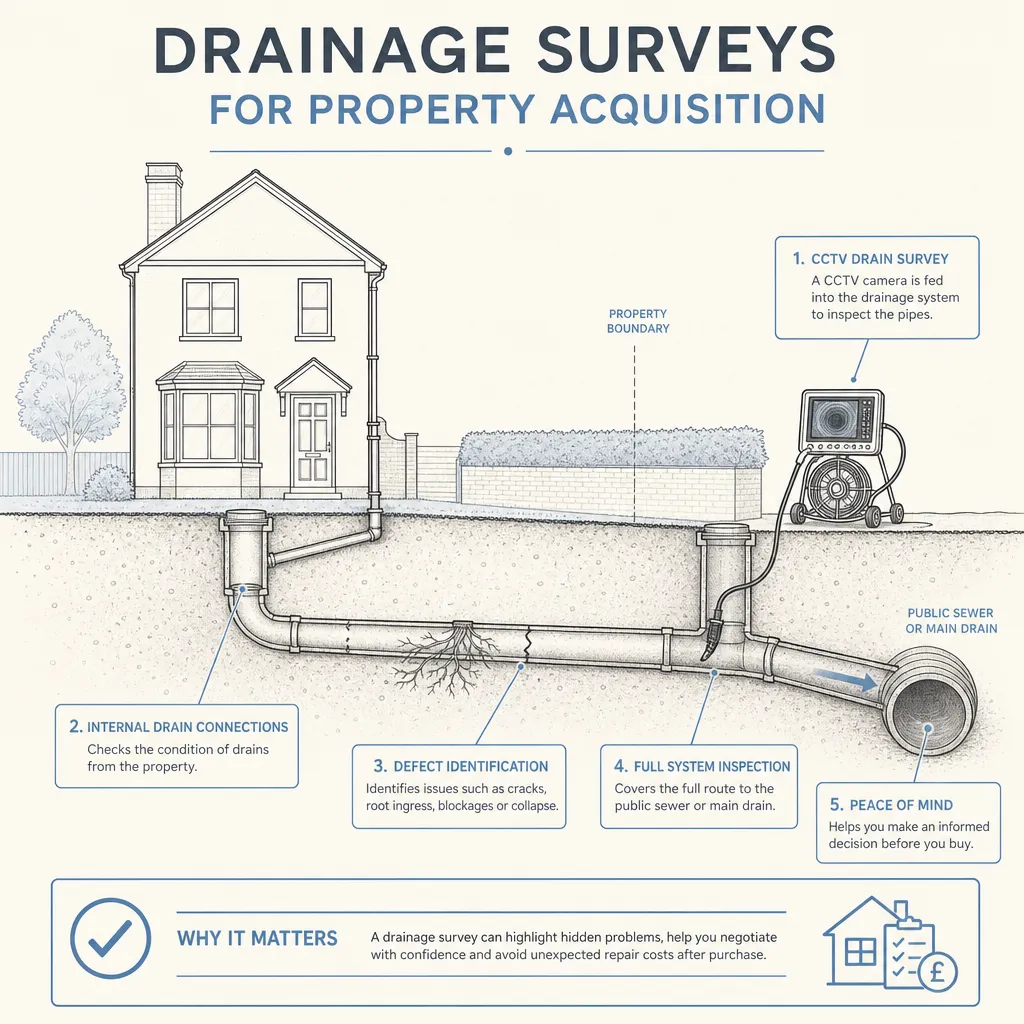
Drainage Surveys for Property Acquisition
A drainage survey — typically a CCTV camera inspection of underground drain runs — helps identify blockages, collapsed sections, root ingress, and misconnections that would not be visible in a standard property survey.
 Surveys & Inspections
House Survey Guide: Types and What to Expect
UK house surveys come in three RICS-standardised levels: Level 1 (Condition Report) for new or near-new homes, Level 2 (Home Survey) for conventional post-war properties, and Level 3 (Building Survey) for older, altered, or defective properties.
 Surveys & Inspections
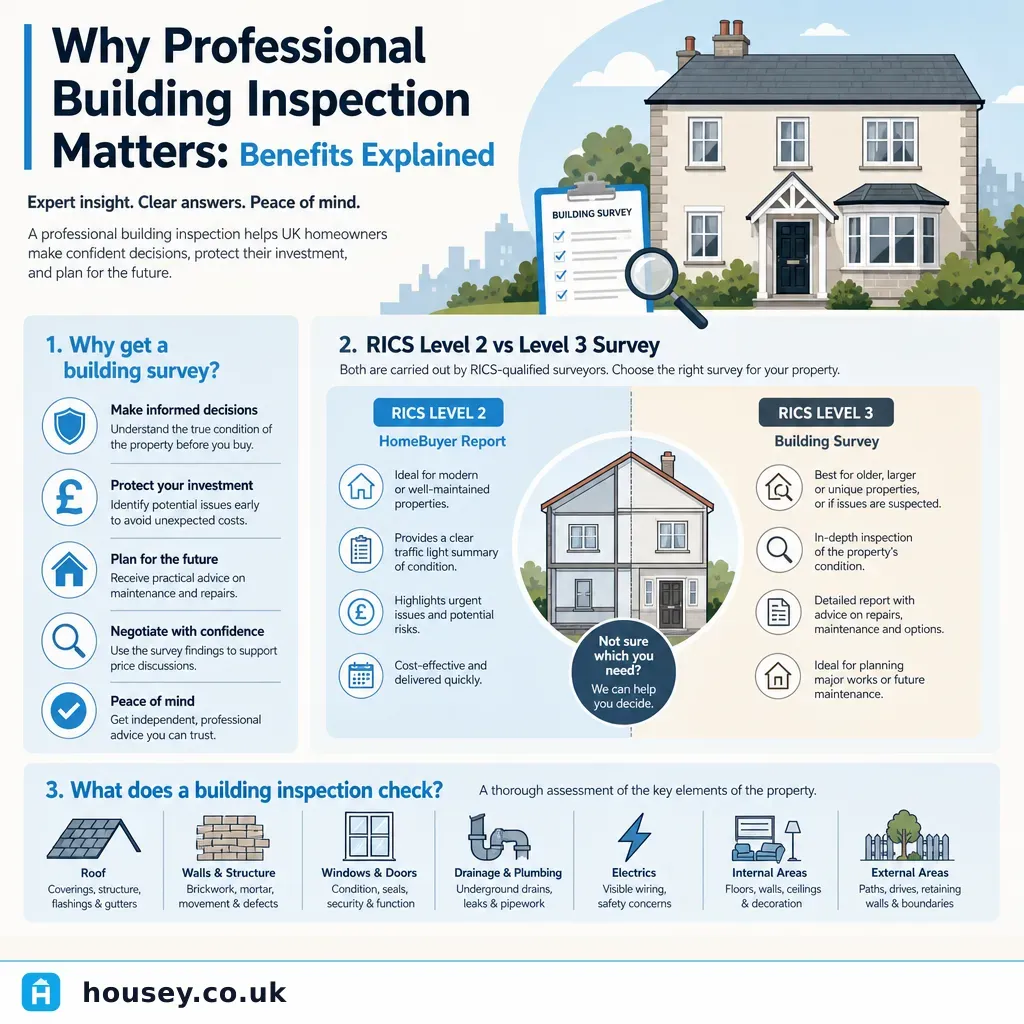
Why Professional Building Inspection Matters: Benefits Explained
Professional building inspection gives UK homeowners an independent, expert view of a property's condition and regulatory compliance.
 Surveys & Inspections
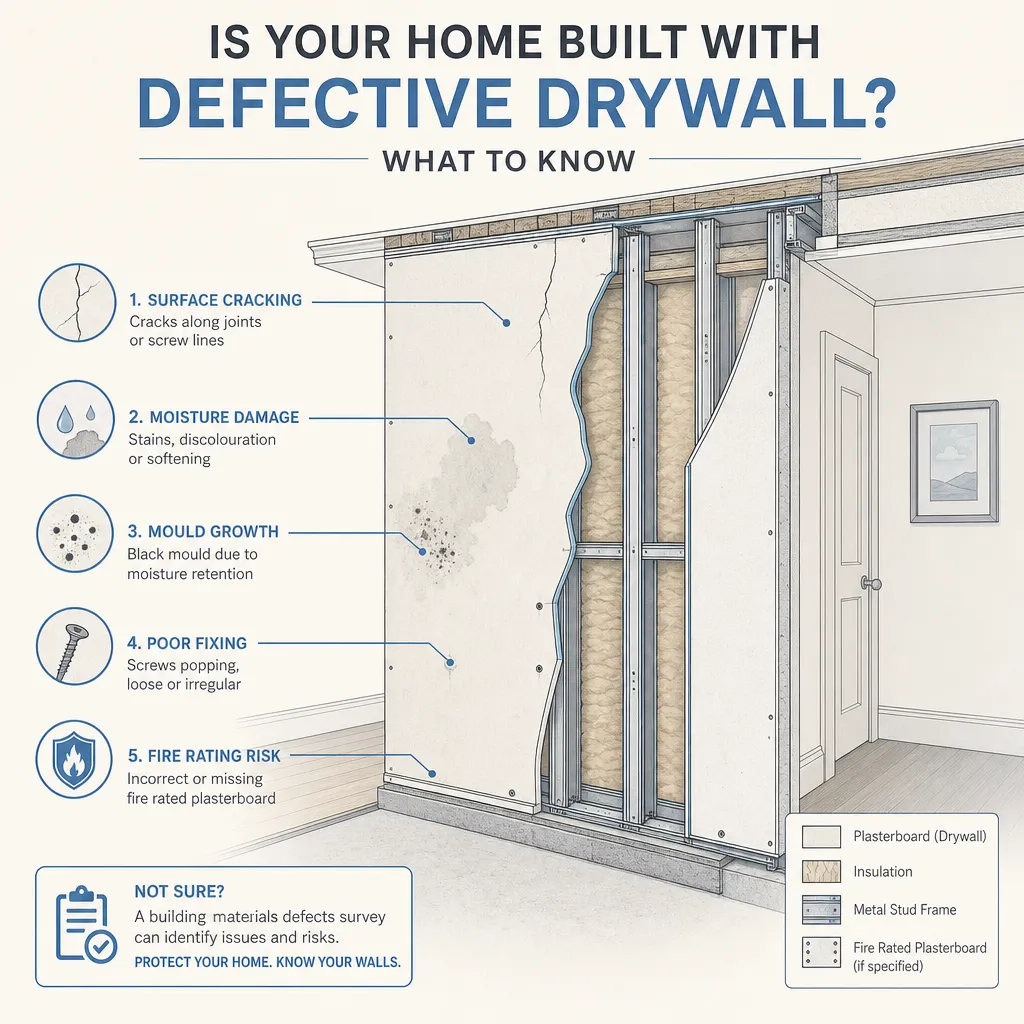
Is Your Home Built with Defective Drywall? What to Know
Contaminated Chinese drywall — as seen in US homes built 2001 to 2009 — is not a documented widespread problem in UK properties, where plasterboard is manufactured primarily to European standards.
 Surveys & Inspections
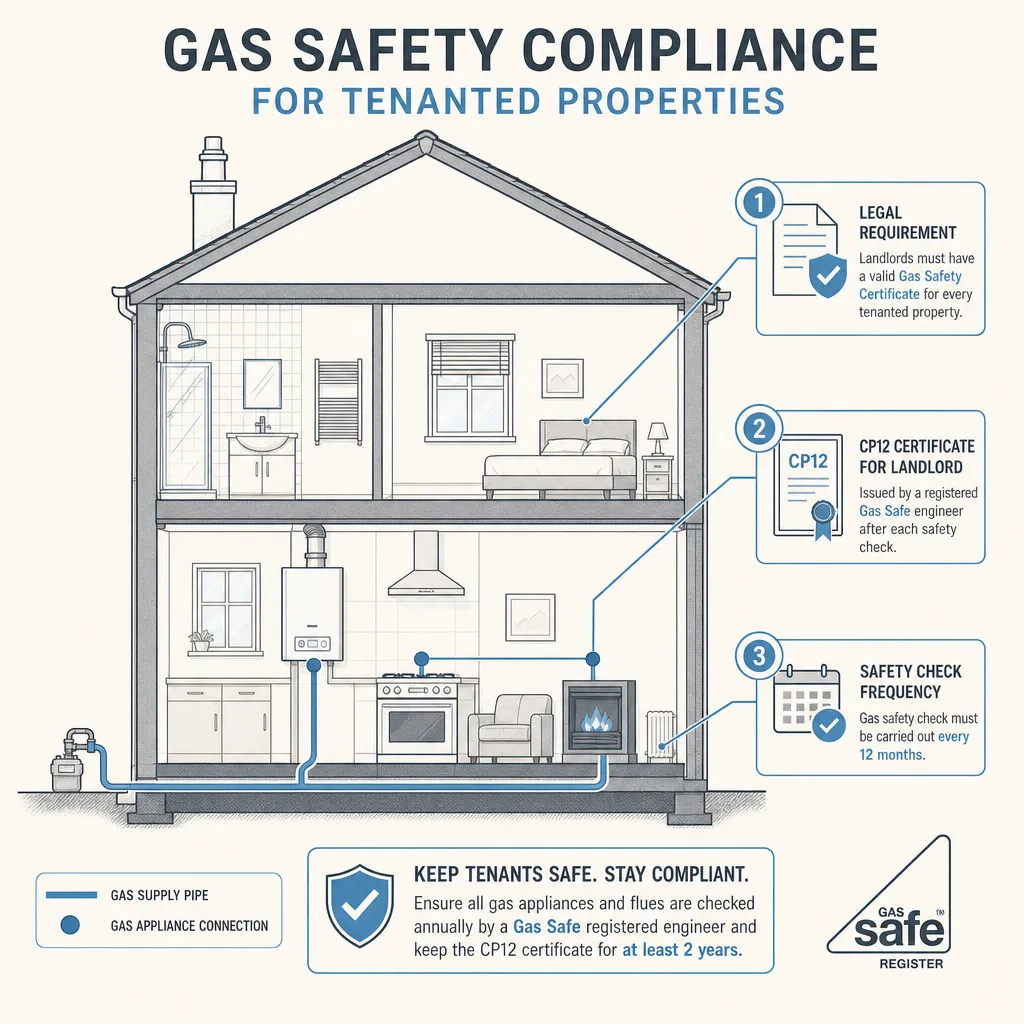
Gas Safety Compliance for Tenanted Properties
UK landlords are legally required to arrange an annual gas safety check by a Gas Safe registered engineer for every tenanted property with a gas appliance.