Stucco Cladding Removal: Process, Costs and Replacement Options
By Housey · Last reviewed 25th of May 2026
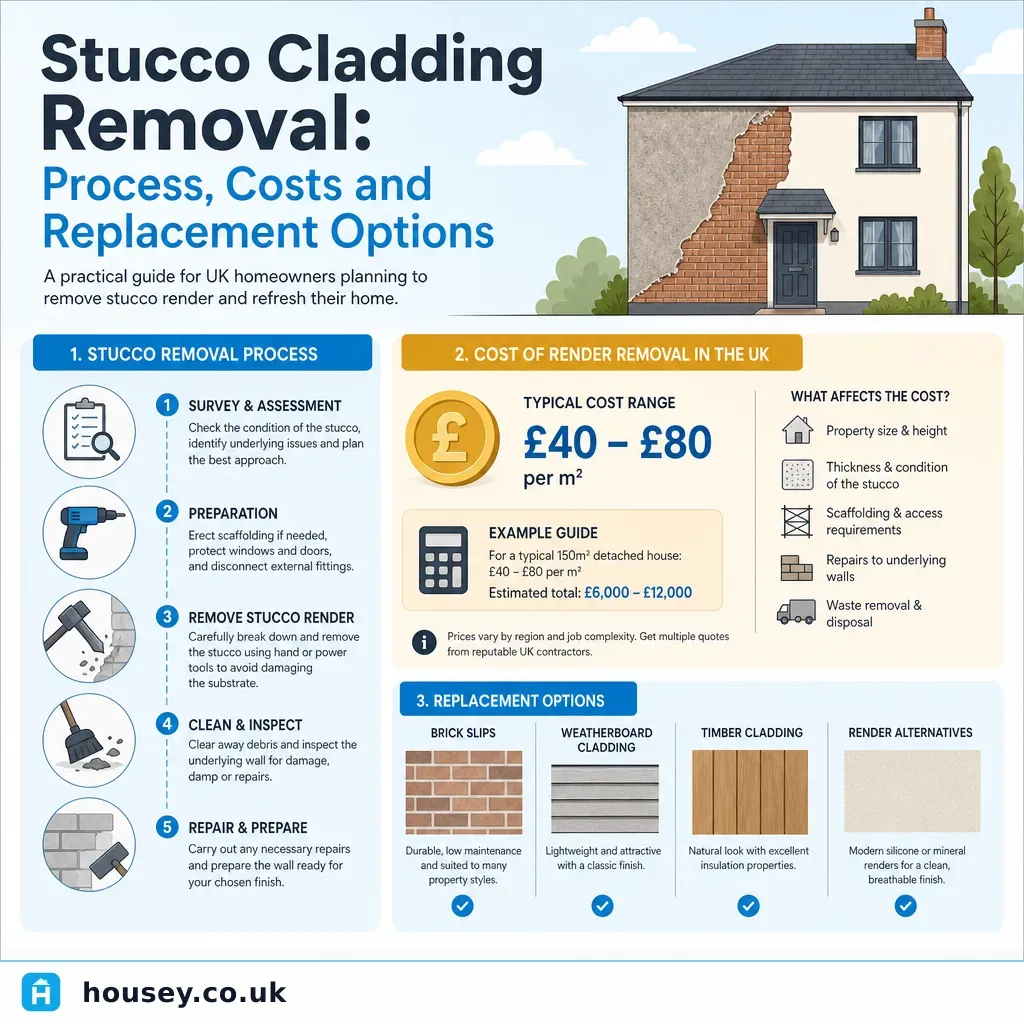
Stucco Cladding Removal: Process, Costs and Replacement Options
Removing render or stucco from a UK home is a substantial project that typically arises when existing render has deteriorated beyond practical repair — through widespread debonding, chronic damp ingress, failed paint systems, or cosmetic incompatibility with planned renovations. The decision to strip and replace rather than patch matters: it affects your home's weather protection, appearance, and energy performance, and on properties built before 2000 carries genuine health risks that must be managed before any work begins.
Key points
- Any render or textured coating on a property built or refurbished before 2000 must be tested by a competent asbestos surveyor before disturbance — asbestos-containing materials were used in some render additives and textured coatings up to the UK-wide ban in 1999.
- Mechanical removal (chiselling, scabbling) is the standard technique; it is labour-intensive but controllable and is preferred over blasting methods on older masonry.
- Scaffolding is required for almost all render removal above ground level; on a typical semi-detached property, scaffold hire alone adds an estimated £1,000–£3,000 to project costs (indicative UK costs, last reviewed 2026-05-25).
- The masonry substrate revealed after removal must be assessed for cracks, failed mortar joints, and structural defects before a replacement system is applied.
- Replacement options include new lime or cement render, through-coloured silicone render, brick slip systems, and External Wall Insulation (EWI) systems that also improve the property's energy performance.
Why stucco or render is removed
The decision to remove rather than patch existing render is usually driven by one or more of the following:
- Widespread debonding — where more than 25–30% of the facade has separated from the substrate, patching becomes impractical and visually inconsistent
- Chronic damp ingress — render has consistently allowed water penetration that internal remediation alone has not resolved
- Incompatible substrate — original lime render has been coated with hard cement, trapping moisture and accelerating failure
- Pre-renovation upgrade — the homeowner is upgrading to an EWI system or changing the facade appearance as part of broader works
- Structural works — underpinning, wall tie replacement, or masonry repair requires render removal to access the substrate
Asbestos risk: what you must check first
This is the most critical consideration for any pre-2000 property. Asbestos-containing materials (ACMs) were used in a range of construction products — including some render additives, textured coatings, and composite sheeting — until the complete UK ban on the supply and use of asbestos in 1999.
If you cannot confirm the exact specification of your render and the property was built or significantly refurbished before 2000, do not allow any mechanical disturbance to begin until a refurbishment asbestos survey has been carried out.
A refurbishment asbestos survey by a surveyor accredited by the United Kingdom Accreditation Service (UKAS) will identify whether ACMs are present. If asbestos is confirmed, removal must be carried out under HSE regulations by a licensed asbestos contractor for licensable work. Do not attempt DIY removal of any render suspected of containing asbestos.
The removal process step by step
1. Pre-works assessment
Before removal begins, a competent contractor should:
- Commission a refurbishment asbestos survey if the property is pre-2000
- Assess the facade area, access requirements, and likely substrate condition
- Agree the removal method with the homeowner and establish a dust and debris management plan
- Check whether planning consent is required, particularly for listed buildings or conservation areas
2. Scaffolding erection
Scaffolding is required for access above ground level. Scaffold design should comply with NASC guidance and relevant British Standards. Scaffold hire and erection typically represents a significant proportion of total project cost and should be quoted as a separate line item.
3. Mechanical removal
For most properties, render is removed by one of the following methods:
- Cold chisels and club hammers (manual): Used for small areas or detailed work around windows and junctions
- Electric breakers or chisels (power tools): Used for bulk removal; faster but generates more dust and vibration
- Scabbling: A pneumatic technique for removing the render face while keying the substrate; used when partial removal is needed
Debris is bagged or sheeted and removed progressively to avoid overloading scaffold boards.
4. Substrate assessment
Once render is removed, the masonry beneath is inspected for:
- Cracked or missing mortar joints requiring repointing
- Cracked, spalled, or soft masonry units
- Corroded or absent wall ties
- Evidence of structural movement requiring investigation before re-cladding proceeds
Any structural defects should be remedied before a replacement render or cladding system is applied.
5. Replacement system application
The substrate is cleaned, keyed, or treated as required for the chosen system, and the new finish is applied in accordance with the manufacturer's specification and relevant British Standards.
Replacement finish options
Option | Best for | Not ideal for | Typical lifespan | Key consideration |
|---|---|---|---|---|
Lime render (traditional) | Pre-1919 solid-wall properties; listed or conservation area buildings | Modern cavity-wall properties where breathability is less critical | 40–80+ years with maintenance | Must be applied by a lime-literate plasterer; requires slow cure time |
Cement render (modern) | 1920s–2000s properties; cost-sensitive projects | Solid-wall properties where breathability is needed | 20–40 years | Harder than lime; can trap moisture if applied over a softer substrate |
Silicone / through-coloured render | Homes needing low-maintenance decorative finish | Historical properties requiring a traditional appearance | 25–35 years | Hydrophobic; no repainting needed; produces a modern appearance |
External Wall Insulation (EWI) with render | Solid-wall homes prioritising energy efficiency | Multi-occupancy flats — requires a whole-building approach | 25–35 years for the render coat | Changes external appearance; may require planning permission |
Brick slip cladding | Properties wanting a brick finish without full rebuild | Budget-constrained projects | 30–50 years | Adds wall weight; fixings must be engineered for the substrate |
Cost guidance
Indicative UK costs, last reviewed 2026-05-25. Costs vary significantly by location, access, facade area, substrate condition, and replacement specification. Obtain a minimum of three itemised quotes.
Typical cost components for a full render removal and replacement on a semi-detached house:
- Asbestos survey (if required): £200–£500
- Scaffolding: £1,000–£3,000 depending on height, number of elevations, and hire period
- Render removal: £15–£35 per m² (labour and waste disposal)
- Substrate repair and preparation: variable — allow a 10–20% contingency on the render contract value
- Replacement render application: £25–£70 per m² depending on system
- EWI system (if upgrading): £80–£180 per m² for materials and labour
What to ask before accepting a quote
- Is asbestos testing included, and if asbestos is found, how does this affect the programme and cost?
- Is scaffolding quoted as a separate line item, and what is the assumed hire period?
- What is the agreed removal method, and how will dust and debris be managed on site?
- What substrate repair work is included, and what is the contingency process if additional defects are uncovered?
- What replacement render specification is proposed, and what is the expected lifespan?
- Is VAT included in the quoted price?
- Does the contractor hold Public Liability Insurance, and what is the minimum level of cover?
- What warranty is provided on the new render system and on the application works?
- Is the contractor registered with a recognised trade body such as the Rendering Association?
Important limitations
This article provides general guidance on the stucco and render removal process. The asbestos information summarises the regulatory position as of May 2026; specific requirements for any property depend on the confirmed presence, type, and condition of asbestos-containing materials. HSE regulations on asbestos work are detailed and should be consulted directly before proceeding. Cost figures are indicative and should not be used for budgeting without obtaining site-specific quotes. Planning requirements vary by property type, location, and local planning authority.
When this becomes urgent
Seek immediate professional advice if:
- Loose or bulging render is at risk of falling and poses a safety hazard to occupants or passers-by
- You have already disturbed render on a pre-2000 property without first conducting an asbestos survey
- Scaffolding or hoarding is required urgently to protect public safety from at-risk material
What to ask a qualified professional
Before commissioning render removal and replacement, ask the contractor or surveyor:
- What survey do you recommend before works begin, given this property's age and render composition?
- Should any structural investigation be carried out before the replacement render is specified?
- Is an EWI system a viable upgrade for this property type, and would it require planning permission?
- How will the programme be managed if additional substrate defects are found once render is removed?
- What accreditations do you hold for the render system you are specifying?
When to get professional help
Engage a qualified professional before any works begin if: the property is pre-2000 and asbestos risk has not been ruled out; the property is listed or in a conservation area; the facade shows structural cracking or movement; or if the full extent of debonding or substrate damage is unknown. A demolition contractor with render removal experience can carry out a pre-start condition assessment and provide a detailed scope of works.
How Housey can help
Housey connects homeowners with experienced demolition contractors who carry out render removal projects across the UK. Submit your project details to compare quotes from qualified local contractors with the relevant trade accreditations.
Frequently asked questions
Do I need planning permission to remove and replace render?
In most cases, removing and replacing like-for-like render on a standard residential property does not require planning permission under permitted development rights. However, properties in conservation areas, National Parks, or Areas of Outstanding Natural Beauty, and all listed buildings, may require Conservation Area Consent or Listed Building Consent. Always check with your local planning authority before starting work.
How long does render removal take?
On a typical semi-detached house, mechanical removal of two elevations usually takes 3–5 working days, depending on facade area, access, and substrate condition. Full project duration — including scaffold erection and dismantling, removal, substrate repair, and application of a new render system — typically runs 2–4 weeks.
Can I remove render myself?
Small areas of ground-level render on properties with confirmed no asbestos risk can be removed by a competent homeowner. However, any work above ground level requires safe working-at-height provisions; work on pre-2000 properties requires an asbestos survey first; and large-scale removal is faster and safer with professional equipment and proper waste disposal.
Will removing old render damage the brickwork?
Removing cement render from older brick often causes some surface damage to the masonry, particularly where adhesion is strong after many decades. Lime render is generally less damaging to remove. A surveyor can advise whether the revealed brickwork is of a quality suitable for leaving exposed or whether a replacement render coat will be required.
Sources and further reading
- HSE: Asbestos — the survey guide (HSG264) — Health and Safety Executive
- HSE: Licensed asbestos work — Health and Safety Executive
- Planning permission and permitted development — GOV.UK
- Repairing Historic Buildings: External Render — Historic England
- The Rendering Association — Rendering Association
Useful next reads
 Improvement & Build
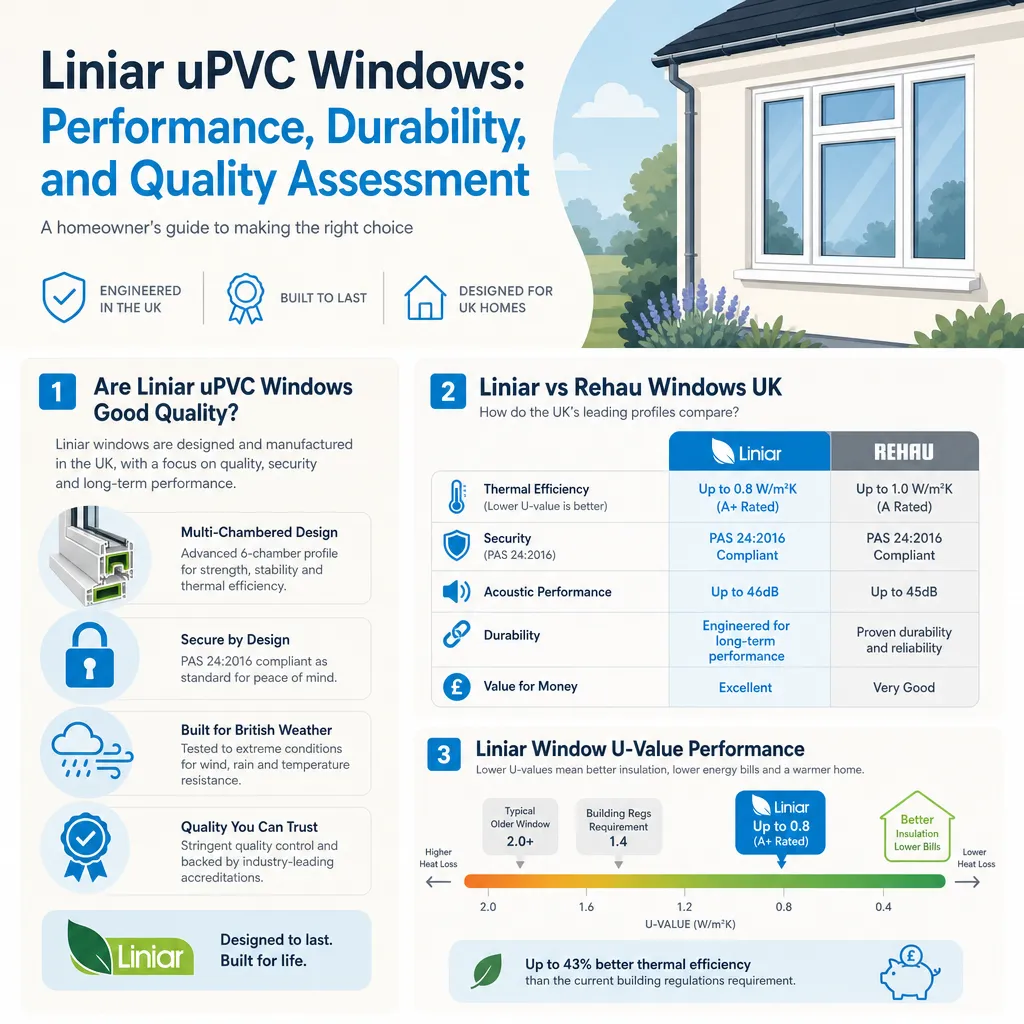
Liniar uPVC Windows: Performance, Durability, and Quality Assessment
Liniar uPVC window profiles are manufactured in the UK using multi-chambered, foamed frames.
 Improvement & Build
Garden Tap Installation with Hot and Cold Water: Plumbing Options
Adding a cold garden tap is a common DIY project, but routing hot water outdoors requires a plumber to connect to your domestic hot water system and comply with the Water Supply (Water Fittings) Regulations 1999.
 Improvement & Build
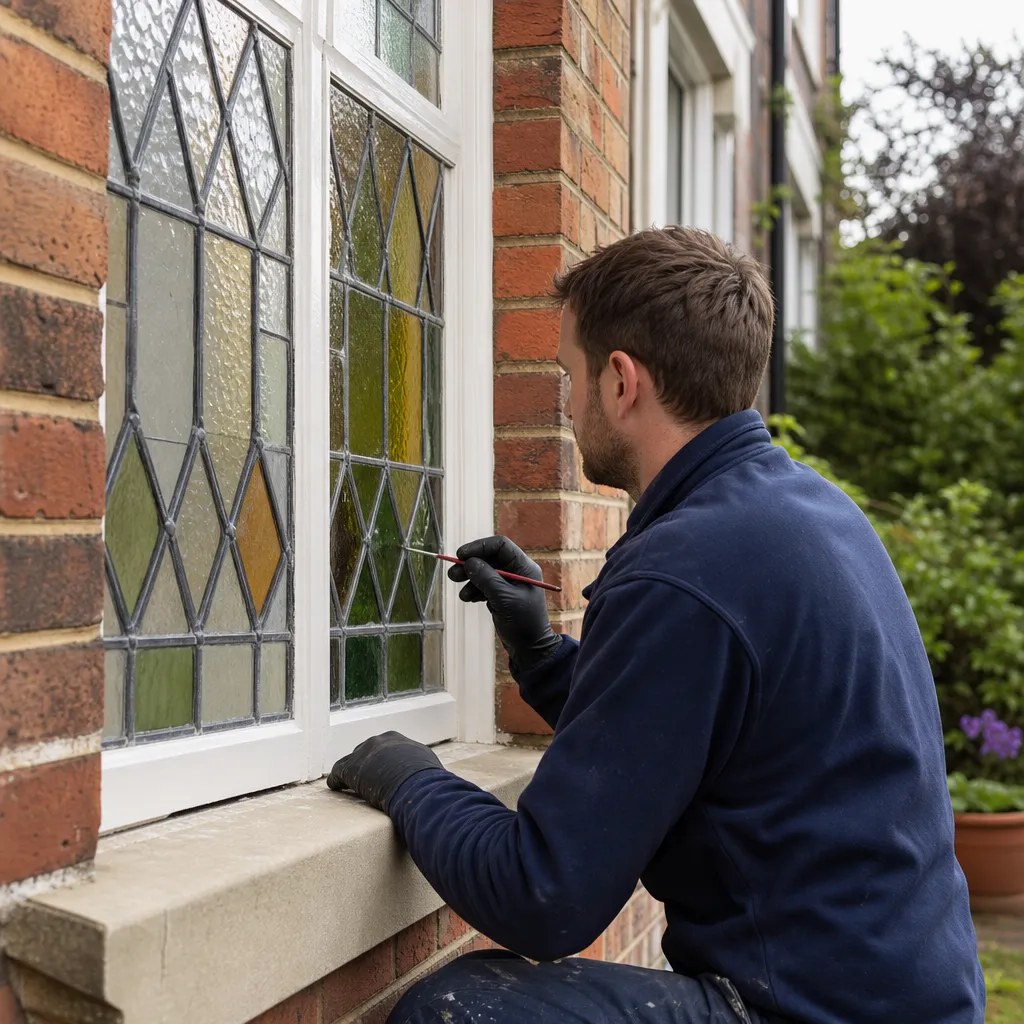
Sealing and Maintaining Historic Leaded Glass Windows: Preservation and Performance
Leaded glass windows are maintained using traditional linseed oil cement — not silicone or modern sealants, which prevent natural movement in the lead came.
 Improvement & Build
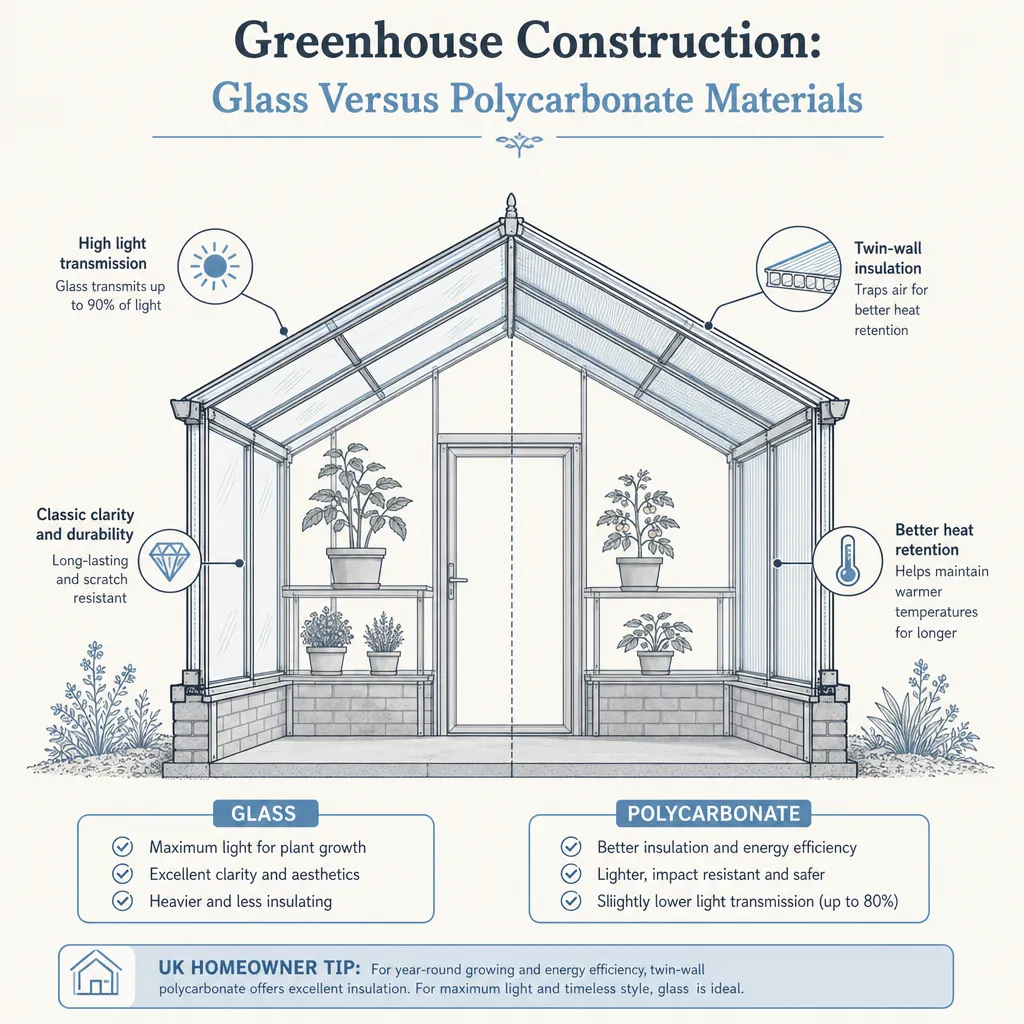
Greenhouse Construction: Glass Versus Polycarbonate Materials
Glass transmits around 90% of available light and lasts indefinitely if unbroken, but insulates poorly and shatters into sharp fragments.
 Improvement & Build
Retaining Wall Installation: Cost, Design and Maintenance
A retaining wall holds back soil on a sloped or banked site.